


Obituaries
ARNOLD FRIEMAN
 Arnold Frieman — family man, philanthropist, businessman and Holocaust survivor —died peacefully on Friday, April 6, 2019, surrounded by his family.
Arnold is survived by his adored wife of 58 years, Myra — the love of his life, partner and advocate — and their beloved daughters and their husbands, Nona and Ashley Leibl and Gina and Jea Guertin. He also leaves his cherished grandchildren Marli Leibl and Josh Vickar, Lexi Leibl, Benji Leibl, Mara and Benji Ostrove, Cayli Weinberg and Sara and Warren Gardiner. He was thrilled to welcome into his family his cherished great-grandchildren Emerson and Brooks Vickar and Cameron Ostrove. He also leaves his sister, Elizabeth Samuel, his sister-in-law, Rita Silver, his nieces and nephews and many friends.
Arnold’s family is his legacy — and his revenge against the murderous tyranny of Hitler’s Nazis.
Arnold was born in Hungary in 1928, one of six children in a tight-knit Orthodox Jewish family whose happy life was destroyed by the Holocaust. He went to a Jewish elementary school, but his town lacked a Jewish secondary school and his parents sent him to relatives in Budapest for further education. He was there when he heard that Jews outside Budapest were being rounded up and shipped out of the country. To help save his family, he headed home, but by the time he arrived his family was gone. Everyone — his mother, father, two brothers, three sisters and his maternal grandfather — had been deported to Auschwitz.
As a teenager, alone, Arnold survived an odyssey of flight, capture, forced labour, prisoner-of-war camp and miraculous escape across four countries. After the war he was selected for transfer from a displaced persons’ camp near Bergen-Belsen to Norway, where he received medical care, returned to school and eventually studied electronics. In 1947 he was recruited to fight in the Israeli War of Independence. In the Israeli Air Force he put his electronics training to use and — another miracle —discovered that two of his sisters, Elizabeth and Edith, had survived Auschwitz and were living in the nascent Jewish state. Despite their happy reunion, at the end of 1949 he returned to Norway.
In 1951 Arnold’s desire to see imagined worlds drew him across the Atlantic Ocean to Canada. He was on his way to an arranged job in Windsor, Ont., but on a whim headed for Winnipeg — where he hoped to find the Wild West he had fallen in love with as a child through the movies. He arrived in Winnipeg in May 1951 penniless, alone and knowing four languages, none of them English.
He found a job and new friends, one of whom, Minnie Heft, encouraged him to pursue a university education. He hesitated, fearing that poor English and a lack of money would stand in his way, but he passed the entrance exam. With a $1,000 gift from Mrs. Heft, he was able to start a business to finance his studies: He fixed and re-sold car radios purchased from wrecking yards.
Arnold’s four years at the University of Manitoba were transformative. He had been a wild teenager and young adult, but the university experience stabilized him. Arnold graduated in 1960 with a bachelor of arts degree and a renewed belief in possibilities — as well as the love of Myra Thompson, whom he had met on her 18th birthday at a Hillel House debate he was moderating. Seven months later they were married. Their daughter Nona was born a year later, their daughter Gina 17 months after that.
Persuaded to go into business by Myra, Arnold in 1962 bought a two-person television sales and service shop from which they also sold car radios and the hot new thing — television sets. Within 12 years, the shop had been transformed into Advance Electronics, a multi-million-dollar business with 170 employees. It remains the largest independently owned retail and professional electronics stores in Western Canada.
One of the great joys of Arnold’s success was his ability to give back to the community. He and Myra have supported nearly 50 provincial, national and international organizations and institutions. They range from iconic arts groups, such as the Winnipeg Symphony Orchestra and Manitoba Opera, to small, grassroots causes. Among the beneficiaries of his generosity was the premiere of I Believe, a Holocaust oratorio that helps people everywhere appreciate the importance of peace and justice. He was a devoted supporter of Israel and his many contributions to his alma mater include support for the University of Manitoba-University of Szeged Partnership, which funds exchanges between Hungarian and Manitoban scholars. Arnold’s inclusive style of philanthropy encouraged creativity, kindness and many of the other qualities that he treasured in his adopted home.
Over the years, his achievements have been recognized with numerous honours, most notably his induction into the Order of Manitoba in 2006 and the awarding of an honorary doctor of laws degree in 2018 by the University of Manitoba, which cited him as an exceptional global citizen and builder of his community.
A funeral was held on Monday, April 8, 2019, at Shaarey Zedek Synagogue. Arnold’s dear friend Rabbi Alan Green, the former senior rabbi at Congregation Shaarey Zedek, returned from Iowa to deliver the eulogy. Burial was at Shaarey Zedek Cemetery.
Pallbearers were Ashley Leibl, Jea Guertin, Norman Silver, Shane Silver, Michael Silver, Josh Vickar and Benji Ostrove. Honorary pallbearers were Peter Robertson, Robby Olynik, Steve Samuel and Oded Samuel.
Memorial donations may be made to the Jewish National Fund or the Benji Leibl Special Needs Fund through the Jewish Foundation of Manitoba.
Obituaries
MICHAEL STERN
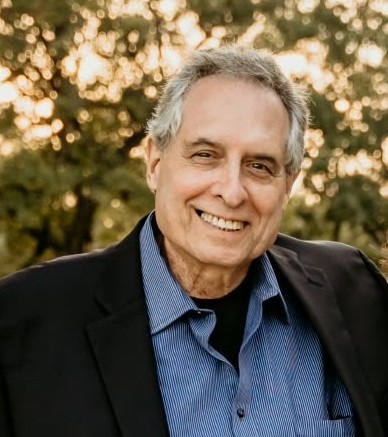
It is with great sadness that the family announces the passing of Michael Stern on October 16, 2026 in Toronto.
He was born on October 31, 1949 in Moose Jaw, Saskatchewan to Sam and Esther Stern. He grew up in Winnipeg, Manitoba before moving to Vancouver, British Columbia and then to Toronto, Ontario.
Michael worked as a leading professional in the home security industry for over 25 years. He pioneered the development of new and innovative products for the companies he worked for.
He also served as a mentor and trainer for people at those companies where his deep knowledge of industry was invaluable in helping orient them in their roles. His leadership helped extend his organizations’ growth across Canada.
Michael was a loving brother to Andrea and Karen Stern and their spouses Isaac Singer and John Michaels. He will be remembered for his sense of humor and playful nature; as a devoted uncle, great uncle and cousin he brought joy to all those who had the privilege of being part of his extended family.
Michael dedicated his life to service to others. For over 10 years he was a Volunteer Coordinator for Huron Carol Food Bank Benefit Concerts which raised over $300,000 for Vancouver and Surrey Food Banks. As a volunteer Big Brother with Big Brothers and Big Sisters of Canada and a Head Coach for Little League Baseball, he extended his love to children in need outside of his family.
In lieu of flowers, the family requests that donations in Michael’s memory be made to Cancer Care Manitoba Foundation.
Obituaries
DEBBY HIRSCH (OLENICK) September 10, 1953 – October 8, 2026
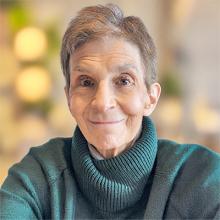
After a prolonged illness, Debby (Olenick) Hirsch passed away at the Health Sciences Centre in Winnipeg, Manitoba on Thursday, October 8, 2026, at the age of 73.
She is survived by: Brian, her beloved spouse of 46 years; her son Moshe and daughter-in-law, Chani of Baltimore, MD; her son Aron of Washington, DC; and her grandchildren, Tzippora Golda, Tuvia Mayer, Esther, Menucha, Russie, Sara Chava, Mindy, Aryeh Leib and Chaim Dov of Baltimore, MD. She is also survived by: her sisters, Gail (Arne) Wagner of Piedmont, CA and Roberta Olenick of Vancouver, BC; her aunt Marjorie Blankstein; her uncle Ernest (Evelyn) Rady; and her niece, cousins, other relatives and numerous friends in New York City, Winnipeg, Toronto, Keswick, Ottawa, Vancouver, San Diego and Hawaii. She was predeceased by: her parents, Tom and Mindel Olenick; her parents-in-law, Esther and Louis Hirsch; and grandparents, Anna and Zalman Olenick and Rose and Max Rady.
Debby was born in Winnipeg on September 10, 1953, the middle child of Tom and Mindel Olenick. Debby had a remarkable mind and a deep capacity for empathy and compassion. She truly loved children and they were central to almost every aspect of her life. After graduating from Kelvin High School, Debby earned her BA Honours, MA, and PhD in Psychology at the University of Manitoba. Her graduate work focused on helping autistic children to address behavioural challenges. She then completed a postdoctoral program in pediatric psychology and behavioural medicine at Harvard University and the Boston Children’s Hospital.
Just days before leaving Winnipeg for Boston, Debby met her husband Brian on a blind date. Debby wasn’t sure about meeting someone just before leaving town, but her friend insisted that this date might change her life. After a long-distance romance, Debby and Brian were married on August 11, 1980 in Winnipeg. They shared a lifetime of love, companionship and commitment. They stood together, caring for family, friends and each other.
Following several years in Boston, Debby and Brian moved to Calgary where Debby joined the Tom Baker Cancer Centre at Foothills Medical Centre. She used her behavioural medicine skills to help children with cancer and their siblings and parents face the daily challenges of testing, treatment and often loss. Debby understood the importance of caring for the entire family.
She and Brian then returned to Winnipeg to raise their own children. Her family was the treasure of her life. Debby was devoted to her husband and two sons, and then later on, her daughter-in-law and grandchildren. Her love was selfless and steadfast. She listened to every member of her family without judgement and with an understanding of their individual personality, aspirations and needs. She wanted for them whatever they wanted for themselves and was always there for them with support, warmth and compassion. Through her words and actions, Debby taught her children generosity, humility and trustworthiness.
Debby’s kindness and humanity reached beyond her family to her friends and to literally everyone she met. It was just intrinsic to her nature to make everyone feel heard, important and acknowledged. One of Debby’s most endearing attributes was her quick wit and sense of humour. Her gift for the perfectly timed one-liner or her hilarious descriptions of the most mundane events could lighten any moment.
Debby’s commitment to children and the community began long before her professional career. As a teenager, she worked as a counsellor at Summer Club, the Jewish day camp in Gimli. Throughout her life, she contributed her time and energy to organizations that were important to her, including: as a member of the advisory board at the McGillivray Montessori School; as a caseworker at Victim Services for the City of Winnipeg; and as a volunteer reader and baker with young children at the Jewish Community Centre where she found opportunities to work in lessons on fractions as the young bakers measured half a cup of flour or a quarter teaspoon of salt.
Debby loved to swim. Swimming was her daily early morning exercise and meditation. Friends described her as a beautiful, tireless swimmer who barely made a ripple in the pool. As a child, when it was still allowed, she regularly swam laps between the breakwaters at the harbour in Gimli. Debby loved Lake Winnipeg. She often said that she felt happiest and most at home at the family cottage in Gimli. She loved being with family and friends: swimming, building sand castles on the beach and exploring nature. She found peace and solace in being by the lake and releasing her thoughts and worries to the waves.
The family expresses heartfelt thanks to her team at CancerCare Manitoba for their kind and considerate care and to her gentle helpers from Home Instead who helped make it possible for Debby to remain at home until the last few days of her life.
A graveside service was held on October 11, 2026 at Shaarey Zedek Cemetery with Rabbi Kliel Rose officiating. Pallbearers were Arne Wagner, Gary Direnfeld, Alan Direnfeld, Max Blankstein, Gerardo Chernitsky and Rabbi Boruch Heidingsfeld. Honorary pallbearers were Marjorie Blankstein, Ernest and Evelyn Rady and Tzippi and Moshe Nahir.
Donations in Debby’s memory can be made to the Nature Conservancy of Canada where a fund has been established in Debby’s name to help protect her beloved Lake Winnipeg (https://secure.natureconservancy.ca/site/Donation2), Suite 1501-365 Bloor Street East, Toronto, ON M4W 3L4, Tel 204-942-6053, or to a charity of your choice.
Obituaries
Recent funerals – as posted on the Chesed Shel Emes website

| Patricia Charad | Rut bat Avraham v’Sarah | 19/03/1927 | 15/10/2026 | 5 Cheshvan 5787 | Shaarey Zedek Cemetery | More Info |
| Debra Lynn Hirsch | Devorah Leah bat Tuvyah v’ Chaya Mindel | 10/09/1953 | 08/10/2026 | 27 Tishrei 5787 | Shaarey Zedek Cemetery | More Info |
| Harry Kaplan | Tzvi ben Gershon Yosef v’Dina | 16/03/1931 | 29/09/2026 | 19 Tishrei 5787 | Bnay Abraham Cemetery | More Info |
| Maurice Azuelos | Moshe ben Yehuda | 15/08/1943 | 29/09/2026 | 18 Tishrei 5787 | Shaarey Zedek Cemetery | More Info |
| Lillian Burke | Leah Dvorah bat Shmuel v’Basia | 31/05/1928 | 28/09/2026 | 17 Tishrei 5787 | Shaarey Zedek Cemetery | More Info |
| Zinaida Pinski | Zinaida bat Michael v’Rachel | 22/12/1946 | 27/09/2026 | 16 Tishrei 5787 | Shaarey Zedek Cemetery | More Info |
| Aarona Perlov | Aharona bat Eliyahu v’Liba Freida | 11/05/1950 | 25/09/2026 | 14 Tishrei 5787 | Rosh Pina Memorial Park | More Info |
| Beth Shore | Bat Sheva bat Susman v’ Craindel | 30/12/1939 | 23/09/2026 | 12 Tishrei 5787 | Shaarey Zedek Cemetery | More Info |
| Sydney Herbert Weidman | Shimshon ben Moshe Leib v’Shoshana | 24/01/1962 | 18/09/2026 | 7 Tishrei 5787 | Shaarey Zedek Cemetery | More Info |
| Danny Rich | Dan ben Sender v’Mindel | 30/04/1938 | 17/09/2026 | 6 Tishrei 5787 | Shaarey Zedek Cemetery | More Info |
| June Marie Black | Zahava bat Avraham v’Sarah | 30/06/1931 | 16/09/2026 | 5 Tishrei 5787 | Shaarey Zedek Cemetery | More Info |
| Ruth Billinkoff | Rachel bat Moshe v’Shaindel | 25/04/1928 | 15/09/2026 | 4 Tishrei 5787 | Shaarey Zedek Cemetery | More Info |
| Adele Heidinger | Odela bat Avraham V’Freida | 14/05/1924 | 11/09/2026 | 29 Elul 5786 | Shaarey Zedek Cemetery | More Info |
| Fred Arnold Rosenblatt | Ephraim ( Freidel Chuna) ben Zvi haKohen v’Gusta | 10/12/1947 | 10/09/2026 | 28 Elul 5786 | Hebrew Sick Benefit Cemetery | More Info |
| Jack Shrom | Yaacov ben Aryeh Leib v’Rachel | 02/03/1931 | 08/09/2026 | 26 Elul 5786 | Shaarey Zedek Cemetery | More Info |
| Raymond Richard Green | Reuben Rafael ben Leib Natan v’Yetta | 04/02/1951 | 31/08/2026 | 18 Elul 5786 | Shaarey Zedek Cemetery | More Info |
| Rhoda Kravetsky | Tziril Tovah bat Mendel v’Doba | 21/05/1948 | 29/08/2026 | 16 Elul 5786 | Shaarey Zedek Cemetery | More Info |
| Brent Drew Cohen | Binyamin ben Zvi ha’Kohen v’Esther | 02/10/1958 | 28/08/2026 | 15 Elul 5786 | Bnay Abraham Cemetery | More Info |
| Liza Lyuber | Laya bat Lazer v’Malka | 05/12/1926 | 28/08/2026 | 15 Elul 5786 | Shaarey Zedek Cemetery | More Info |
| Michael Tennenhouse | Melech Shimon ben Hersh Tzvi v’Gileh | 22/04/1949 | 28/08/2026 | 15 Elul 5786 | Shaarey Zedek Cemetery | More Inf |
| Lillian Neaman | Leah Rivka bat Eliyahu v’Chana | 16/02/1934 | 21/08/2026 | 8 Elul 5786 | Shaarey Zedek Cemetery | More Info |
| Malik Juravsky | Melech ben Levi Yitzchak v’Luba | 24/03/1931 | 19/08/2026 | 6 Elul 5786 | Shaarey Zedek Cemetery | More Info |
| Harvey Appelle | Chaim Tzvi ben Yehoshua v’Bayla | 08/05/1940 | 15/08/2026 | 2 Elul 5786 | Shaarey Zedek Cemetery | More Info |
| Mordy “Buddy” Brownstone | Mordechai Leib ben Yishia v’Machla | 28/07/1926 | 11/08/2026 | 28 Av 5786 | Shaarey Zedek Cemetery | More Info |
| Karen Leslie Gomori | Gayla bat Shlomo haLevi V’Chaya Sarah | 15/02/1950 | 10/08/2026 | 27 Av 5786 | Shaarey Zedek Cemetery | More Info |
| Rhona Shnier | Rachel bat Shaul v’Chana | 04/07/1927 | 09/08/2026 | 26 Av 5786 | Shaarey Zedek Cemetery | More Info |
| Belle Burke | Bluma bat Zalman v’ Sara Elka | 12/05/1926 | 06/08/2026 | 23 Av 5786 | Shaarey Zedek Cemetery | More Info |
| Reesa Gail Langhans | Reesa bat Yishayahu haKohen v’Faigel Tzipora | 17/09/1948 | 06/08/2026 | 23 Av 5786 | Hebrew Sick Benefit Cemetery | More Info |
| Gerald Kalef | Gershon ben Yitzchak v’Chana | 24/06/1928 | 01/08/2026 | 19 Av 5786 | Shaarey Zedek Cemetery | More Info |
| Arthur Joseph Nitikman | Aharon Yosef ben Yisrael v’Devorah | 17/05/1940 | 29/07/2026 | 15 Av 5786 | Shaarey Zedek Cemetery | More Info |
| Sheldon Berney | – | 06/10/1936 | 28/07/2026 | 14 Av 5786 | Shaarey Zedek Cemetery | More Info |
| Arthur Arkin | Avraham ben Yitzchak haLevi v’Sarah | 22/05/1927 | 24/07/2026 | 10 Av 5786 | Shaarey Zedek Cemetery | More Info |
| Dick Bell | Daniel ben David v’Chana | 28/12/1927 | 19/07/2026 | 5 Av 5786 | Shaarey Zedek Cemetery | More Info |
| Reesa Nerman | Rivka bat Shlomo v’ Shaindel Leah | 30/05/1954 | 18/07/2026 | 4 Av 5786 | Rosh Pina Memorial Park | More Info |
| Garry Israel Frankel | Gershon Israel ben Shlomo Moshe v’Miriam | 14/08/1953 | 13/07/2026 | 28 Tamuz 5786 | Rosh Pina Memorial Park | More Info |
| Caroline Shelley Raber | Tzipi bat Yisrael v’Ita | 30/01/1955 | 11/07/2026 | 26 Tamuz 5786 | Bnay Abraham Cemetery | More Info |
| Estelle Meyers | Esther Tzivia | 26/10/1941 | 10/07/2026 | 25 Tamuz 5786 | Shaarey Zedek Cemetery | More Info |
| Alice Grace Lazar | Sarah bat Avraham v’Sarah | 27/12/1926 | 08/07/2026 | 23 Tamuz 5786 | Bnay Abraham Cemetery | More Info |
| Paula Wolfman | Piya bat Mordechai v’Esther | 15/09/1953 | 08/07/2026 | 23 Tamuz 5786 | Hebrew Sick Benefit Cemetery | More Info |
| Sharon Ricki Feuer | Sharona Rivka bat Avraham v’Sarah | 14/05/1940 | 08/07/2026 | 23 Tamuz 5786 | Hebrew Sick Benefit Cemetery | More Info |
| Neil Margolis | Nissan ben Chaim Nechemia v’Deveorah | 29/07/1936 | 01/07/2026 | 16 Tamuz 5786 | Shaarey Zedek Cemetery | More Info |
| Sheldon Paul Nemy | Solomon ben Moshe haKohen v’Rachel | 01/04/1947 | 23/06/2026 | 8 Tamuz 5786 | Hebrew Sick Cemetery | More Info |
| Murray Kadys | Moshe ben Shmuel v’Bayla | 12/01/1945 | 19/06/2026 | 4 Tamuz 5786 | Beit Chayim Mikdash Shalom, Chapel Lawn Cemetery, 4000 Portage Ave | More Info |
| Richard Gordon | Yitzchak ben Yaakov v’Dina | 06/11/1943 | 14/06/2026 | 29 Sivan 5786 | Grays’ Ridge Cemetery, Alonsa MB | More Info |
| David Harold Diamond | David ben Avraham Yehoshua haLevi | 08/04/1929 | 09/06/2026 | 24 Sivan 5786 | Shaarey Zedek Cemetery | More Info |
| Sidney Green | Simcha ben Aharon v’Rosa | 01/08/1929 | 07/06/2026 | 22 Sivan 5786 | Hebrew Sick Benefit Cemetery | More Info |
| Cecile Kowall | Tzivia bat Shlomo David v’ Sluva Mata | 24/05/1935 | 03/06/2026 | 18 Sivan 5786 | Shaarey Zedek Cemetery | More Info |
| Joan Hargrave | Chana Henya bat Binyamin Mayer haLevi v’ Miriam Dina | 14/07/1953 | 01/06/2026 | 16 Sivan 5786 | Shaarey Zedek Cemetery | More Info |
| Irwin Barry Stronger | Yitzchak Dov ben Matityahu v’Baila | 16/09/1941 | 31/05/2026 | 15 Sivan 5786 | Shaarey Zedek Cemetery | More Info |
| David Ivan Cohen | David Yitzchak ben Yaakov Moshe v’Sara Liba | 06/06/1956 | 30/05/2026 | 14 Sivan 5786 | Hebrew Sick Benefit Cemetery | More Info |
| Phyllis Maxine Hochman | Tziporah bat Shmuel v’Esther | 31/12/1940 | 30/05/2026 | 14 Sivan 5786 | Rosh Pina Memorial Park | More Info |
| Alvin Murray Zivot | Avraham Moshe ben Yaakov v’Leah Miriam | 03/08/1931 | 27/05/2026 | 11 Sivan 5786 | Rosh Pina Memorial Park | More Info |
| Tova Vickar | Tova bat Nachum v’Yenta | 24/08/1949 | 22/05/2026 | 6 Sivan 5786 | Shaarey Zedek Cemetery | More Info |
| Karen Leipsic | Chaya Tova bat Kalman v’Raizel | 03/04/1944 | 21/05/2026 | 5 Sivan 5786 | Shaarey Zedek Cemetery | More Info |
| Phyllis Lee Dana | Fayge-Leah bat Moshe BenZion v’Chaya | 05/10/1936 | 17/05/2026 | 1 Sivan 5786 | Shaarey Zedek Cemetery | More Info |
| Betty Brina Simon | Bayla bat Yitzchak v’Miriam | 27/07/1935 | 15/05/2026 | 28 Iyar 5786 | Hebrew Sick Benefit Cemetery | More Info |
| Basia Bayla Fliegel | Bayla bat Leib | 31/05/1930 | 13/05/2026 | 26 Iyar 5786 | Rosh Pina Memorial Park | More Info |
| Harold Diamond | Tzvi ben Yaacov v’Chana | 04/12/1935 | 12/05/2026 | 25 Iyar 5786 | Shaarey Zedek Cemetery | More Info |
| Gary Rayburn | Gershon Aaron ben Hersh Ber v’Masha | 21/09/1965 | 09/05/2026 | 22 Iyar 5786 | Bnay Abraham Cemetery | More Info |
| Ray Schnoor | Raizel bat Ephraim v’Rachel | 13/06/1927 | 05/05/2026 | 19 Iyar 5786 | Shaarey Zedek Cemetery | More Info |
| Gila Ruth Fainstein | Rachel bat Kiva v’Leah | 25/06/1935 | 04/05/2026 | 14 Iyar 5786 | Rosh Pina Memorial Park | More Info |
| Toby Schwartz | Chaya Tovah bat Moshe v’Chana | 16/07/1932 | 01/05/2026 | 14 Iyar 5786 | Shaarey Zedek Cemetery | More Info |
| Rachel Wolman | Rachel Bayla bat Moshe v’Malka | 03/02/1962 | 24/04/2026 | 7 Iyar 5786 | Shaarey Zedek Cemetery | More Info |
| Leah Gitlin | Laya bat Yosef v’Frayda | 04/09/1926 | 08/04/2026 | 21 Nisan 5786 | Shaarey Zedek Cemetery | More Info |
| Lin Joseph Rosenbaum | Yosef Levi ben Hershel Zvi v’Dvorah | 17/10/1952 | 06/04/2026 | 19 Nisan 5786 | Hebrew Sick Benefit Cemetery | More Info |
| Norman Stein | Nachum ben Avraham v’Chaya | 10/06/1932 | 06/04/2026 | 19 Nisan 5786 | Bnay Abraham Cemetery | More Info |
| Marvin Saul Silver | Menachem Shaul ben Avraham v’Chana Gitel | 20/11/1941 | 05/04/2026 | 18 Nisan 5786 | Shaarey Zedek Cemetery | More Info |
| Kimberley Dawn Kirshenbaum | Isabella bat Avraham v’Sarah | 09/12/1969 | 03/04/2026 | 17 Nisan 5786 | Rosh Pina Memorial Park | More Info |
| Walter Ganetsky | Zev ben Yosef haLevi v’Tziporah | 23/09/1940 | 02/04/2026 | 15 Nisan 5786 | Bnay Abraham Cemetery | More Info |
| Lorelei Camille Lavitt | Rachel bat Yaakov v’Raisa | 11/04/1936 | 26/03/2026 | 8 Nisan 5786 | Rosh Pina Memorial Park | More Info |
| Melvin Myers | Moshe ben Chaim v’Rachel | 24/04/1936 | 24/03/2026 | 7 Nisan 5786 | Shaarey Zedek Cemetery | More Info |
To see more funerals go to https://chesedshelemes.org/records-of-the-deceased/
