


Uncategorized
Why the story of Noah’s Ark seems timelier than ever

Instead of going to therapy, a widower escapes his trauma by fleeing to an island halfway between Antarctica and Tasmania, where he’s supposed to be taking care of a broken seed vault meant to protect the global food supply against disaster. But various emotional and environmental twists get in the way of his success.
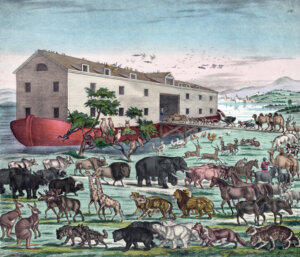
Published earlier this year, Charlotte McConaghy’s climate thriller Wild Dark Shore is the latest entrant in a genre that updates the Noah’s Ark story. It joins the Hulu series Paradise, set in an underground bunker in Colorado after a doomsday event, and the movie Interstellar, where astronauts bearing frozen embryos set off in search of a habitable planet. And then there’s Elon Musk’s plan to colonize Mars.
Wild Dark Shore is a little different, because the life forms that need to be protected from climate disaster are plants, not animals. “It was meant to outlast humanity,” McConaghy writes of the fictional Shearwater Global Seed Vault that her main character, Dom, has to protect, “to live on into the future in the event that people should one day need to regrow from scratch the food supply that sustains us.” In other words, a Noah’s Ark of seeds.

But one irony of climate change is that it threatens the very work humanity does to protect against it. The vault is supposed to remain frozen, but a storm damages its cooling system. Because of rising sea levels, the vault is being flooded, and even fewer seeds can be saved than Dom and the other characters once believed.
In the Noah’s Ark story, Noah can propagate every species, but individual people and animals left behind are drowned. In Wild Dark Shore, only some seeds can be rescued — however many as can be jammed into a small freezer — and part of the challenge is deciding which seeds to save and which ones to allow to go extinct.
Should they pick seeds based on their capacity to nourish the human species, like wheat? Dom’s youngest child has a soft spot for less consequential yet still cool seeds, like that of the wollemia nobilis, a (real-life) evergreen tree that was thought to have been extinct for millions of years then discovered in Australia in 1994.
The seed vault in the book is loosely based on the Svalbard Global Seed Vault in the Arctic Circle, whose tunnel flooded in 2016 due to melting permafrost, or frozen soil, during an extremely hot (for that part of the world) winter. (Thankfully, no seeds were lost.) The vault opened in 2008 and is owned and operated by the Norwegian government. With over 1.3 million seed samples, it’s the world’s largest facility of its kind.
The mental gymnastics necessary to picture a world so radically different, so much worse, than one’s own, is part of what makes science fiction compelling. Mentally, most people struggle to fathom what scientists tell us about the changing climate. Environmental disaster seems too abstract, too far away, and too unpleasant to think about. Books and movies create a mental safe space where we can begin to see what’s at stake.
The Noah’s Ark story takes place long before anyone ever thought about carbon emissions, but it still offers a blueprint for science fiction. “Whether we want to or not, we keep retelling a version of that story every time we imagine what it’s like to survive disaster,” said Jeffrey Cohen, an English professor and the author of Noah’s Arkive, a series of essays analyzing the biblical story through the lens of modern times. “One of the things that the ark gifted the imagination forever with is a kind of self-contained survival-ship. Without the ark, we wouldn’t have spaceships.”
Without spoiling too much of Wild Dark Shore, I’d argue the best lesson climate thrillers offer is that we as a society are emotionally unsuited for the pressures doomsday could place on us. Our best bet is to avoid any situation where our species’ fate winds up in the hands of a traumatized widower, Elon Musk, or any other modern-day Noah — to create a future where everybody can be saved, because there is nothing to be saved from.
The post Why the story of Noah’s Ark seems timelier than ever appeared first on The Forward.
Uncategorized
A tourist’s guide to the vanished Jewish quarter of Warsaw
פֿאַרן חורבן האָבן אין וואַרשע געוווינט אַן ערך 370 טויזנט ייִדן — די גרעסטע ייִדישע שטאָט אין אייראָפּע און די צווייט גרעסטע בכלל נאָך ניו-יאָרק.
נאָך דער מלחמה איז די שטאָט און אירע ייִדישע אײַנוווינער, ווי באַוווּסט, געוואָרן איין גרויסע חורבֿה. דאָס גאַנצע רײַכע ייִדישע לעבן איז געוואָרן שטויב און אַש. אָבער אַ דאַנק די דיגיטאַלישע אַרכיוון, קען דאָס אַמאָליקע ייִדישע לעבן אין וואַרשע ווײַטער עקזיסטירן אין דעם מענטשלעכן דמיון, און מע קען עס ווידער אויפֿלעבן אין אונדזער תּקופֿה. אַ מענטש קען זיך פֿאַרטיפֿן אין די אַמאָליקע וואַרשעווער ייִדישע צײַטונגען, זיך פֿאַרלירן אין דער רײַזע אויף דער צײַטמאַשינקע, און זיך פֿאָרשטעלן אַז מע געפֿינט זיך אין וואַרשע אין 1938.
דאָס איז פֿאַקטיש דער רושם וואָס בלײַבט נאָכן דורכבלעטערן בני מערס נײַ בוך אויף העברעיִש, „מורה דרך: ורשה היהודית 1938“ (אַ וועגווײַזער צו דער ייִדישער וואַרשע, 1938), אַרויס אין 2025 בײַם מאגנס-פֿאַרלאַג. דער געדאַנק הינטער דעם בוך איז גאָר אייגנאַרטיק און אומגעוויינטלעך: צו שרײַבן אַ בוך הײַנט צו טאָג וואָס איז צונויפֿגעשטעלט ווי אַ בוך פֿאַר טוריסטן וועלכע ווילן באַזוכן דעם ייִדישן ייִשובֿ אין וואַרשע אין 1938; און דער „מחבר“ פֿונעם וועגווײַזער איז אַ וואַרשעווער ייִד פֿון יענע יאָרן, וואָס ווענדט זיך צו די דעמאָלטדיקע לייענערס.
בעצם איז דאָס גאַנצע בוך אַ שפּיל פֿון „לאָמיר זיך פֿאָרשטעלן“: אַ געשיכטע-בוך וואָס מאַכט זיך פֿאַר אַ טוריסטיש בוך, וואָס גיט פּרטים וועלכע זענען דעם הײַנטיקן לייענער דווקא אומניצלעך. דאָס שטייט אין שאַרפֿער סתּירה מיטן עצם געדאַנק פֿון אַ טוריסטיק בוך וואָס זײַן ציל איז צו געבן ניצלעכע פּרטים וועגן אַ געוויס אָרט. ווי מער שרײַבט אין דער הקדמה: „כּמעט אַלץ וואָס וועט ווײַטער געשילדערט ווערן אין אָט דעם וועגווײַזער עקזיסטירט ניט הײַנט… דאָס שרײַבן פֿון אַזאַ מין וועגווײַזער איז אויף אַ גרויסן מאָס דערמעגלעכט געוואָרן אַ דאַנק דער וועבזײַט ׳עיתּונות יהודית היסטורית׳ [דער היסטאָרישער ייִדישער פּרעסע].“
ווי יעדער וועגווײַזער פֿון דעם זשאַנער, איז דאָס בוך צעטיילט אויף דרײַ קאַטעגאָריעס: אַלגעמיינע קענטשאַפֿט, ניצלעכע אינפֿאָרמאַציע און די טורן. אויף דער ערשטער קאַטעגאָריע, „אַלגעמיינע קענטשאַפֿט“, קען מען לייענען וועגן דער שטאָטס געשיכטע, איר באַפֿעלקערונג, אירע לשונות, רעליגיע, ווירטשאַפֿט, קולטור, ספּאָרט, אַרכיטעקטור, חיות און פֿלאַנצן. למשל, ניט געקוקט אויף אַלע פּאָליטישע, רעליגיעזע און קולטורעלע מחלוקתן צווישן די וואַרשעווער ייִדן, האָבן זיי כאָטש איין זאַך געהאַט בשותּפֿות: די ייִדישע שפּראַך. ווי עס שטייט אינעם וועגווײַזער, רעדט מען אין דער ייִדישער וואַרשע בעיקר ייִדיש, ווי 88.9% פֿון די ייִדישע אײַנוווינער האָבן אין 1931 דעקלאַרירט. און זיי רעדן זייער אייגענעם ייִדישן דיאַלעקט מיט זײַנע אייגענע טערמינען. אַ באַלעבאָס, צום בײַשפּיל, הייסט אַ „וואַרעט“; אַ פֿינצטערער קאָרידאָר איז אַ „שטשאָנקע“; בכּיוון איז „אינאַמישנע“.
אויף דער קאַטעגאָריע „ניצלעכע אינפֿאָרמאַציע“ אינפֿאָרמירט דער וועגווײַזער דעם לייענער אין וועלכער צײַט פֿון יאָר איז ייִדן כּדאי צו באַזוכן וואַרשע (דער ענטפֿער: פֿרילינג און האַרבסט, ווען מע פֿײַערט דעם „חודש פֿון ייִדיש בוך“). צווישן די אַנדערע שאלות: וווּ אײַנצושטיין; וואָס צו עסן און טרינקען, פֿון אייער קיכלעך ביז וואַסער־פּלעצלעךף וויפֿל קאָסטן פֿאַרשידענע זאַכן? (אַ ייִדישע צײַטונג למשל קאָסט צווישן 10 און 30 גראָשן; אַ קילאָ קעז — 1 זלאָטע); וואָס צו לייענען אויפֿן וועג? פֿון וואָס מע זאָל זיך אָפּהיטן? (פֿון די גנבֿים, פֿאַרשטייט זיך) און ווי אַזוי מע קען אָנקומען קיין וואַרשע. מע לייענט אויך וועגן דעם פֿאַרקער אויפֿן וועג, דער פּאָסט, די בענק, דער פּאָליציי, די פֿײַערלעשערס, די ביבליאָטעקן, און נאָך און נאָך.
אויף דער טורן-סעקציע לייגט דער מחבר פֿאָר זיבן מעגלעכע טורן, למשל: אַ טור פֿונעם פּלאַץ גזשיבאָווסקי דורך דער קראָכמאַלנער גאַס – דער צענטער פֿון „דאָס פּלעצל“ (דער ייִדישער אונטערוועלט), פֿון וואַנען עס שטאַמען די דרײַ מחברים פֿון דער זעלבער משפּחה, י. י. זינגער, יצחק באַשעוויס זינגער און אסתּר קרײַטמאַן, און וווּ עס געפֿינט זיך אויך דער באַרימטער סאַסקי-גאָרטן; אַ טור וואָס דערפֿירט דיך דורך דער באַרימטסטער ייִדישער גאַס נאַלעווקעס, דער האַרץ פֿון ייִדישער וואַרשע, וווּ מחמת דער בליִענדיקער עקאָנאָמיע שפּראָצן דאָרט אויף יעדן שריט און טריט נײַע קיאָסקן פֿון זעלצער און אײַזקרעם; אָדער אַ שפּאַציר וואָס גייט דורכן צפֿונדיקן טייל שטאָט, אַרײַנגערעכנט דורך דער אָרעמער סמאָטשע־גאַס, וואָס ניט געקוקט אויף דעם דלות פֿאַרמאָגט זי דעם שיינעם „מעטראָ-קינאָזאַל“. בני מער האָט אַגבֿ מיט 8 יאָר צוריק טאַקע געשריבן אַ גאַנץ בוך וועגן דער סמאָטשע־גאַס (מאגנס, 2018).
„אַ וועגווײַזער צו דער ייִדישער וואַרשע, 1938“ איז אַ וויכטיקער בײַטראָג צום זשאַנער פֿון פּאָפּולערער געשיכטע, וואָס באַנײַט און באַלעבט די אַמאָליקע שטאָט דורך זײַן אויסנעמיקן פֿאָרמאַט. דער העברעיִשער לייענער וועט געניסן פֿון מערס ברייטער קענטשאַפֿט, הומאָר און טאַלאַנט ווי אַ דערציילער. ס׳איז פֿאָרט אומפֿאַרמײַדלעך, אַז בשעתן לייענען פֿילט מען זיך ווי מע דרייט זיך אַרום אין דער וועלט פֿון שדים און ווי מע ווערט געפֿירט דורך אַ „טויטער שטאָט“. דאָס בוך פּאַסט צום בעסטן פֿאַר די לייענערס וואָס זענען מסוגל אַ ווײַלע „צו סוספּינדירן דעם ספֿק“ און זיך איבערגעבן דער פֿאַנטאַזיע.
נאָכן איבערלייענען דאָס בוך, שטעל איך זיך אַליין די קשיא: וואָס פֿאַר אַ ווירטועלע פֿאַנטאַזיע אין דרײַ דימענסיעס וואָלט די אַלמעכטיקע קינסטלעכע אינטעליגענץ געקאָנט שאַפֿן פֿון מערס בוך? אויף אַזאַ סאָרט אויפֿלעבונג דאַרף מען נאָך וואַרטן.
The post A tourist’s guide to the vanished Jewish quarter of Warsaw appeared first on The Forward.
Uncategorized
Can an Oklahoma Senate candidate attract voters with an ad tossing out AIPAC ‘trash’?
(JTA) —Oklahoma grassroots activist N’kiyla Jasmine Thomas is facing off on Tuesday against centrist Jim Priest in a Democratic Senate race that has become the latest litmus test for progressive politics in a conservative stronghold.
The two candidates are battling at the ballot box for the second time this summer after neither of them secured the needed majority to win the June primary contest. Thomas, a nurse who has been vocal against AIPAC, earned 45% of votes in the June five-person matchup, while Priest, a lawyer and ordained minister, accrued 24%.
Both Thomas and Priest would be underdogs in the general election against Republican candidate Rep. Kevin Hern, who swept his primary and clinched the endorsement of President Donald Trump. Oklahoma hasn’t sent a Democrat to the Senate in more than three decades.
Nonetheless, Tuesday’s runoff will serve as a referendum on the potency of progressivism in a deep-red state, just a week after democratic socialist Angie Nixon knocked out her moderate opponent in Florida’s Democratic Senate primary.
Unlike Nixon, Thomas is not a member of the Democratic Socialists of America. She has, however, openly identified with socialist policies, while her opponent, Priest, calls himself a moderate.
Neither candidate has a wealth of political experience. Priest, 70, made a failed bid for Oklahoma attorney general in 2010 and was previously the CEO of two nonprofit organizations. His campaign priorities center on reducing the cost of living, making healthcare more accessible and inspiring confidence in government.
Thomas, meanwhile, is a 31-year-old citizen of the Chickasaw Nation, who says she represents “the next generation of leaders.” Among her key focuses are women’s health and safety, civil rights and LGBTQIA+ protections. She has also repeatedly pledged to never take money from the American Israel Public Affairs Committee.
Although the pro-Israel lobby has not been involved in this race, a November social media reel showed Thomas pulling a giant red trash bin, adorned with the labels “AIPAC Funds” and “Corporate PAC Funds.” Alongside the reel is a caption that reads, “Just taking out the trash.”
“I am a sole grassroots candidate,” she said in the reel. “And we are not accepting AIPAC or corporate PAC funds. It’s garbage.”
Asked about her rhetoric on AIPAC, Thomas told the Jewish Telegraphic Agency that “My concerns have NEVER been about Jewish people, Judaism, or Israel’s existence,” saying that she instead prioritizes human rights, civilian lives and the accountability of all governments.
Some voters see it differently. David Howman, a 30-year-old Jewish banker in Tulsa, said that although he’s “a fairly progressive Democratic voter,” he considers Thomas’s usage of AIPAC to be “a pretty cheap political tactic.”
“It’s kind of like a little grenade you get to toss out in there,” Howman told JTA.
“If AIPAC were funneling a bunch of money into the Jim Priest campaign, maybe that’s a conversation that is worth having,” he added. “But they’re not even touching this race.”
Though Howman voted for Priest in Tuesday’s runoff, he noted that a different candidate, Troy Green, was his favorite in the June primary.
When asked at a Saturday debate about Israel’s military actions, both candidates confirmed their belief in the existence of a “genocide” in Gaza. Only Priest, however, linked the word to Israel, while Thomas connected it to the actions of Prime Minister Benjamin Netanyahu.
Priest recognized that Hamas “committed atrocities,” noting that “they kidnapped people, they killed people, they tortured people” and that “they should be held accountable.” But he also deemed Israel’s retaliation “disproportionate to the threat.”
“In response, Israel is committing genocide,” he said, accusing the Jewish state of preventing medical supplies and food from getting to people.
Expressing skepticism about both one-state and two-state solutions, Priest declared that “what’s needed is a 24-state solution,” in which the whole Middle East unites “in something like the Abraham Accords.”
The Priest campaign did not respond to JTA’s request for comment.
Thomas, meanwhile, emphasized that “we can be for our Jewish brothers and sisters, and we can be against Netanyahu and what he is doing.”
“He is committing genocide. He is absolutely murdering children,” Thomas said. “We have to stop providing funding for these wars.”
She also backed the International Criminal Court’s decision to issue arrest warrants for Israeli leaders, noting that the U.S. should “not be on the side of another country that we don’t even have any ties to, outside of allyship.”
Thomas had previously refrained from using the word genocide in public statements, instead expressing “solidarity with Palestine” and calling for an end to “unconditional funding of Israel’s military.”
In her response to JTA’s request that she clarify her stances on AIPAC and Israel, Thomas provided a lengthy written statement.
“I stand with my Jewish brothers and sisters against antisemitism, hate and discrimination in all forms,” she said, referring to Judaism as one of the “most enduring faith traditions.”
Reiterating remarks she made at the debate, Thomas noted that “two things can be true at the same time,” and advocated for both the security of the Jewish people and a willingness to criticize “any government, including the current leadership of Israel.”
Thomas also voiced support for a two-state solution, explaining that “both Israelis and Palestinians deserve the opportunity to live in peace, security and self-determination.”
“When I discuss political influence or organizations, my focus is on the broader role of money, lobbying, and special interests in our political system, not on any one religion or community,” she added.
Regardless of who comes out victorious on Tuesday, Howman said that many Democrats will be heading to the ballot box this November with a pessimistic outlook.
“That’s kind of the challenge that we have here in Oklahoma,” he added. “There’s definitely a sense of defeatism on the Democratic side.”
This article originally appeared on JTA.org.
The post Can an Oklahoma Senate candidate attract voters with an ad tossing out AIPAC ‘trash’? appeared first on The Forward.
Uncategorized
How YIVO and Max Weinreich Americanized the Yiddish project
װי אַזױ האָט ייִװאָ געפֿונען אַ נײַע הײם אין אַמעריקע נאָכן חורבן? קלמן װײַזער (יאָרק־אוניװערסיטעט אין טאָראָנטאָ) דערצײלט די דאָזיקע דראַמאַטישע געשיכטע אינעם נײַעם בוך „ייִדיש־װיסנשאַפֿט קומט קײן אַמעריקע“.
לכתּחילה איז דער דערפֿאָלג פֿון ייִװאָ ניט געװען קיין זיכערער. װײַזער דערקלערט: „עס איז װײַט ניט געװען קלאָר פֿאַר די שטיצער און מיטאַרבעטער פֿון ייִװאָ אין די 1940ער יאָרן, צי אַן אָרגאַניזאַציע װאָסער ציל איז געװען צו באַדינען די אינטעלעקטועלע און קולטורעלע באַדערפֿענישן פֿונעם אַלװעלטלעכן ייִדיש־רעדנדיקן פֿאָלק קען זיך אײַנװאָרצלען אין די ביז גאָר פֿאַרשײדענע באַדינגונגען פֿון אַמעריקע נאָך דער מלחמה.“
פֿאַר דער מלחמה האָט ייִװאָ געהאַט אַן „אַמעריקאַנער אָפּטײל“ אין ניו־יאָרק. זײַן ציל איז געװען צו זאַמלען געלט פֿאַרן װילנער אינסטיטוט, כאָטש אײניקע זײַנע מיטגלידער האָבן זיך אָפּגעגעבן אױך מיט פֿאָרשונגען פֿון ייִדישער קולטור און געשיכטע — דער עיקר, אין מיזרח-אײראָפּע.
אָבער דאָס רובֿ אַמעריקאַנער ייִדן האָבן געהאַט אַ קנאַפּן אינטערעס צו ייִדיש און בכלל ניט געהאַלטן פֿון ייִדיש־פֿאָרשונג.
נאָכן חורבן איז ייִװאָ געשטאַנען אױפֿן שײדװעג: צו װערן אַ מין אַרכיװ געװידמעט דעם אַמאָליקן חרובֿ־געמאַכטן ייִדישן לעבן אין מזרח־אײראָפּע אָדער װײַטער צו אַנטװיקלען ייִדיש־װיסנשאַפֿט לטובֿת אַ ייִדישן המשך אין אַמעריקע.
װײַזער ברענגט דעם לײענער אַרײַן אין די הײסע װיכּוחים צװישן די מיטאַרבעטער פֿון ייִװאָ װעגן דער ריכטונג פֿון דער אַרבעט. יודל מאַרק האָט געהאַלטן אַז ייִװאָ דאַרף זיך אָפּגעבן דער עיקר מיטן חורבן־פֿאָרשונג, בעת אַמאָליקע בונדיסטן האָבן געטענהט אַז ייִװאָ דאַרף שטודירן דעם מצבֿ פֿון די ייִדישע מאַסן אין אַמעריקע.
מאַקס װײַנרײַך, דער אינטעלעקטועלער מדריך פֿון ייִװאָ, האָט געהאַט אַן אַנדערע װיזיע. ער האָט געגלייבט, אַז דאָס אַמעריקאַנער ייִדנטום איז מסוגל צו שפּילן די פֿירנדיקע ראָלע אין דער ייִדישער װעלט נאָכן חורבן. אָבער לױט זײַן מײנונג זײַנען די אַמעריקאַנער ייִדן ניט געװען גרײט אויף אַזאַ שליחות. און צוגרײטן זײ דערצו האָבן געדאַרפֿט די פּליטים פֿון מזרח־אײראָפּע.
לױט זײַן װיזיע, האָט זיך ייִװאָ געדאַרפֿט אָפּגעבן ניט סתּם מיט װיסנשאַפֿט, נאָר מיט „װיסן װאָס שאַפֿט“, דאָס הײסט, ייִדיש־װיסנשאַפֿט מוז דערמעגלעכן אַמעריקאַנער ייִדן אָפּצוהיטן זײער ייִדישן מהות און פֿאַרזיכערן ייִדישע המשכדיקײט.
דער שליסל צום דערפֿאָלג פֿונעם ריזיקן פּראָיעקט איז געװען די ייִדישע שפּראַך. ייִדיש האָט געדאַרפֿט דינען װי אַ בריק צװישן דורות ייִדן, אַ גײַסטיקע פֿאַרבינדונג צװישן דער אַלטער און דער נײַער הײם.
צוליב דעם, האָט װײַנרײַך געהאַלטן, דאַרף מען „אױסגױיִשן“ די אַמעריקאַנער ייִדישע אינטעליגענציע און העכערן דעם פּרעסטיזש פֿון ייִדיש אין דער אַמעריקאַנער אַקאַדעמישער װעלט.
אָבער ניט געקוקט אױף װײַנרײַכס באַמיִונגען איז ייִװאָ לכתּחילה פֿאַרבליבן אױף די ראַנדן פֿונעם אַמעריקאַנער ייִדישן הױפּטשטראָם און האָט באַקומען אַ קנאַפּע שטיצע מצד די גרױסע ייִדישע פֿילאַנטראָפּישע אָרגאַניזאַציעס. די באַציִונגען צװישן ייִװאָ און דער אַמעריקאַנער ייִדיש־סבֿיבֿה זײַנען אױך ניט געװען קײן גלאַטיקע.
די נאָרמאַטיװע ייִדישע כּלל־שפּראַך, װאָס ייִװאָ האָט געװאָלט פֿאַרשפּרײטן, האָט אַרױסגערופֿן קריטיק מצד אײניקע ייִדישיסטן. זײ האָבן געטענהט, אַז דער „ייִװאָ־ייִדיש“ איז װײַט פֿונעם עכטן נאַטירלעכן מאַמע־לשון.
אין זײַנע אַרטיקלען אין פֿאָרװערטס האָט יצחק באַשעװיס אױסגעלאַכט אַזעלכע נעאָלאָגיזמען װי „קדמן־ייִדיש“ און „בראשית־ייִדיש“, װאָס װײַנרײַך האָט צוגעטראַכט װי לינגװיסטישע באַגריפֿן פֿאַר פֿאַרשײדענע היסטאָרישע תּקופֿות אין דער אַנטװיקלונג פֿון דער ייִדישער שפּראַך.
אין תּוך איז דער קאָנפֿליקט צװישן ייִװאָ און די ייִדישע ליטעראַטן געװען אַרום דער פֿראַגע, „צו װעמען געהערט ייִדיש?“, דערקלערט װײַזער. דער ציל פֿון ייִװאָ איז געװען צו שאַפֿן אַ נאָרמאַטיװע שפּראַך, װאָס מען קען אױסלערנען װי מען לערנט אַנדערע פֿרעמדע שפּראַכן. אַזױ קען מען פֿאַרזיכערן דעם המשך פֿון ייִדיש אַפֿילו װען קײן לעבעדיקע ייִדיש־רעדנדיקער סבֿיבֿה איז מער ניטאָ.
די סאַמע געשפּאַנטע קאַפּיטלען אין דער געשיכטע פֿון ייִװאָ אין אַמעריקע דערצײלן װעגן דעם קאַמף פֿאַר צוריקבאַקומען די מאַטעריאַלן, װאָס האָבן אַ מאָל געהערט צום װילנער ייִװאָ.
טײלװײַז האָבן די נאַציסטן זײ געבראַכט קײן דײַטשלאַנד פֿאַרן אַרכיװ פֿונעם אַנטיסעמיטישן „אינסטיטוט פֿאַר פֿאָרשונגען פֿון דער ייִדן־פֿראַגע“”. נאָך דער מלחמה זײַנען די דאָזיקע מאַטעריאַלן אַרײַנגעפֿאַלן אינעם רשות פֿון דער אַמעריקאַנער מיליטערישער אַדמיניסטראַציע אין דײַטשלאַנד.
כּדי צוריקצוקריגן די דאָזיקע מאַטעריאַלן איז געװען אַ גװאַלדיקער אױפֿטו פֿון װײַנרײַך און זײַנע מיטאַרבעטער, צװישן זיי — לוסי שילדקרעט (דאַװידאָװיטש), װאָס האָט שפּעטער זיך קונה־שם געװען װי אַ חורבן־פֿאָרשערין. לױטן געזעץ האָט די אַמעריקאַנער מיליטערישע אַדמינסטראַציע געדאַרפֿט צוריקגעבן די געראַבעװעטע מאַטעריאַלן צו פּױלן אָדער סאָװעטן־פֿאַרבאַנד. אַן אַנדער פּרעטענדענט איז געװען דער העברעיִשער אוניװערסיטעט אין ירושלים.
װײַנרײַך האָט אױסגענוצט זײַנע קאָנטאַקטן אין די אַמעריקאַנער הױכע פֿענצטער און אין 1947 האָט ייִװאָ צוריקבאַקומען זײַנע מאַטעריאַלן. עס האָט זיך אים אױך אײַנגעגעבן פֿאָרצושטעלן ייִװאָ װי אַ יורש פֿון אַנדערע קולטורעלע אַנשטאַלטן אין װילנע, און ייִװאָ האָט אױך באַקומען די אוצרות פֿון דער סטראַשון־ביבליאָטעק און דער „ווילנער יידישער היסטאריש-עטנאגראפישער געזעלשאפט אויף דעם נאמען פון ש. אַנ־סקי.
דאָס צװײטע קאַפּיטל פֿון דער דאָזיקער געשיכטע איז פֿאָרגעקומען נאָכן פֿאַנאַנדערפֿאַל פֿונעם סאָװעטן־פֿאַרבאַנד אין די 1990ער יאָרן. דעמאָלט האָט מען אַנטדעקט אַ היפּשע זאַמלונג פֿון פֿאָנדן פֿון ייִװאָ אין ליטע, װאָס אַ ליטװישער ביבליאָגראַף האָט פֿאַרבאַהאַלטן אין אַ מאַגאַזין פֿון דער מלוכישער ביכער־קאַמער.
דאָס מאָל האָט ייִװאָ געדאַרפֿט פֿאַרהאַנדלען מיט דער רעגירונג פֿון דער ליטװישער רעפּובליק, װאָס איז אָקערשט געװאָרן אומאָפּהענגיק. סוף־כּל־סוף איז מען געקומען צו אַ פּשרה, און איצט קען מען נוצן די דאָזיקע מאַטעריאַלן אינעם דיגיטאַלישן פֿאָרמאַט.
װײַזערס געשיכטע פֿון ייִװאָ איז אַ געשפּאַנטע און באַלערעװדיקע לעקטור. מאַקס װײַנרײַך איז ניט געװען דער אײנציקער צװישן די אײראָפּעיִשע ייִדישע פּליטים װאָס האָט געפֿונען אַ נײַע הײם אין אַמעריקע און אױפֿגעבױט דאָ אַ הצלחהדיקעע קאַריערע. אָבער ער איז אפֿשר געװען דער אײנציקער, װעמען עס האָט זיך אײַנגעגעבן ניט נאָר ממשיך צו זײַן זײַנע אײגענע פֿאָרשונגען, נאָר אױך װידער אױפֿצובױען אַ גאַנצע װיסנשאַפֿטלעכע אינסטיטוציע אױפֿן נײַעם אַמעריקאַנער באָדן, װאָס פֿאַרבלײַבט אַקטיװ ביזן הײַנטיקן טאָג.
The post How YIVO and Max Weinreich Americanized the Yiddish project appeared first on The Forward.
