


Uncategorized
Was Deni Avdija an unwitting victim of the NBA betting scandal?
In a generally grim 2024-25 season for the Portland Trail Blazers, fifth-year Israeli swingman Deni Avdija was a bright spot, achieving career-high numbers in points, rebounds and assists.
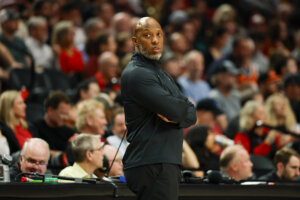
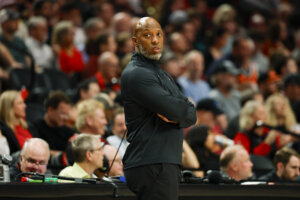
But the arrest of Blazers head coach Chauncey Billups has people pointing to a suspicious pattern in Avdija’s playing time — and wondering whether the fix was in.
Billups, 49, was one of 30 people arrested Thursday in what the FBI says was a multimillion-dollar, Mafia-run illegal gambling and sports betting conspiracy. Also arrested was NBA player Terry Rozier, whom the FBI alleged faked an injury to make sure coordinated bets against his individual stats — that he wouldn’t reach points or rebounds totals, for example — would pay out.
Billups, who was inducted to the NBA Hall of Fame as a player in 2024, is accused in a conspiracy that took place off the court, in which he allegedly participated in rigged poker games, serving as a celebrity “face” who would lure high-stakes bettors into the trap. Billups and the other players would know what cards were coming and eventually split the take, which could be in the hundreds of thousands of dollars for a single game.
Unlike Rozier, Billups is not accused in any basketball-related schemes, and the FBI says the poker games involving the retired NBA star occurred in 2019, when he was no longer playing and not yet coaching. (He became Blazers head coach in 2021.)
But after his arrest, an old social media post resurfaced which pointed out Billups’ strange coaching decisions relating to Avdija, the league’s longest-tenured active Jewish player. The tweet dated to January, when the NBA announced it was investigating Rozier for suspicious betting patterns. The account @FtblRocco, which posts regularly about sports betting, posted Jan. 30 that “If Terry Rozier is being investigated Chauncey Billups needs to be as well.”
The alleged proof: In five of Avdija’s six previous games, Avdija had played 35, 39, 34, 38 and 38 minutes. In the other, on Jan. 23 against the Orlando Magic, he played only 26 — without any injury or foul trouble. The same thing happened against the Magic a week later: He played only 25 minutes. “Billups clearly deciding to bet the under on him v Orlando,” the account posted Jan. 30 on X.
The evidence is hardly ironclad: Avdija also played only 22 minutes the next game, against Phoenix. But @FtblRocco wasn’t the only account posting its suspicions about Billups.
Following the arrest, another account said it had noticed “large liquidity spikes” in bets related to Avdija, Donovan Clingan, and other Blazers players. A liquidity spike is a sign of increased action — more money being placed — on a particular betting line.
If the FBI was investigating Billups for this, it didn’t find enough to charge him. But one has to wonder whether Avdija’s career year might have been even better without these odd fluctuations.
The Trail Blazers put Billups on leave Thursday and said the franchise was cooperating with the investigation. Meanwhile, in the Blazers’ opening game of the 2025-26 season on Wednesday — a loss to Minnesota — Avdija picked up where he left off: 20 points and 7 rebounds in 33 minutes.
The post Was Deni Avdija an unwitting victim of the NBA betting scandal? appeared first on The Forward.
Uncategorized
Can an Oklahoma Senate candidate attract voters with an ad tossing out AIPAC ‘trash’?
(JTA) —Oklahoma grassroots activist N’kiyla Jasmine Thomas is facing off on Tuesday against centrist Jim Priest in a Democratic Senate race that has become the latest litmus test for progressive politics in a conservative stronghold.
The two candidates are battling at the ballot box for the second time this summer after neither of them secured the needed majority to win the June primary contest. Thomas, a nurse who has been vocal against AIPAC, earned 45% of votes in the June five-person matchup, while Priest, a lawyer and ordained minister, accrued 24%.
Both Thomas and Priest would be underdogs in the general election against Republican candidate Rep. Kevin Hern, who swept his primary and clinched the endorsement of President Donald Trump. Oklahoma hasn’t sent a Democrat to the Senate in more than three decades.
Nonetheless, Tuesday’s runoff will serve as a referendum on the potency of progressivism in a deep-red state, just a week after democratic socialist Angie Nixon knocked out her moderate opponent in Florida’s Democratic Senate primary.
Unlike Nixon, Thomas is not a member of the Democratic Socialists of America. She has, however, openly identified with socialist policies, while her opponent, Priest, calls himself a moderate.
Neither candidate has a wealth of political experience. Priest, 70, made a failed bid for Oklahoma attorney general in 2010 and was previously the CEO of two nonprofit organizations. His campaign priorities center on reducing the cost of living, making healthcare more accessible and inspiring confidence in government.
Thomas, meanwhile, is a 31-year-old citizen of the Chickasaw Nation, who says she represents “the next generation of leaders.” Among her key focuses are women’s health and safety, civil rights and LGBTQIA+ protections. She has also repeatedly pledged to never take money from the American Israel Public Affairs Committee.
Although the pro-Israel lobby has not been involved in this race, a November social media reel showed Thomas pulling a giant red trash bin, adorned with the labels “AIPAC Funds” and “Corporate PAC Funds.” Alongside the reel is a caption that reads, “Just taking out the trash.”
“I am a sole grassroots candidate,” she said in the reel. “And we are not accepting AIPAC or corporate PAC funds. It’s garbage.”
Asked about her rhetoric on AIPAC, Thomas told the Jewish Telegraphic Agency that “My concerns have NEVER been about Jewish people, Judaism, or Israel’s existence,” saying that she instead prioritizes human rights, civilian lives and the accountability of all governments.
Some voters see it differently. David Howman, a 30-year-old Jewish banker in Tulsa, said that although he’s “a fairly progressive Democratic voter,” he considers Thomas’s usage of AIPAC to be “a pretty cheap political tactic.”
“It’s kind of like a little grenade you get to toss out in there,” Howman told JTA.
“If AIPAC were funneling a bunch of money into the Jim Priest campaign, maybe that’s a conversation that is worth having,” he added. “But they’re not even touching this race.”
Though Howman voted for Priest in Tuesday’s runoff, he noted that a different candidate, Troy Green, was his favorite in the June primary.
When asked at a Saturday debate about Israel’s military actions, both candidates confirmed their belief in the existence of a “genocide” in Gaza. Only Priest, however, linked the word to Israel, while Thomas connected it to the actions of Prime Minister Benjamin Netanyahu.
Priest recognized that Hamas “committed atrocities,” noting that “they kidnapped people, they killed people, they tortured people” and that “they should be held accountable.” But he also deemed Israel’s retaliation “disproportionate to the threat.”
“In response, Israel is committing genocide,” he said, accusing the Jewish state of preventing medical supplies and food from getting to people.
Expressing skepticism about both one-state and two-state solutions, Priest declared that “what’s needed is a 24-state solution,” in which the whole Middle East unites “in something like the Abraham Accords.”
The Priest campaign did not respond to JTA’s request for comment.
Thomas, meanwhile, emphasized that “we can be for our Jewish brothers and sisters, and we can be against Netanyahu and what he is doing.”
“He is committing genocide. He is absolutely murdering children,” Thomas said. “We have to stop providing funding for these wars.”
She also backed the International Criminal Court’s decision to issue arrest warrants for Israeli leaders, noting that the U.S. should “not be on the side of another country that we don’t even have any ties to, outside of allyship.”
Thomas had previously refrained from using the word genocide in public statements, instead expressing “solidarity with Palestine” and calling for an end to “unconditional funding of Israel’s military.”
In her response to JTA’s request that she clarify her stances on AIPAC and Israel, Thomas provided a lengthy written statement.
“I stand with my Jewish brothers and sisters against antisemitism, hate and discrimination in all forms,” she said, referring to Judaism as one of the “most enduring faith traditions.”
Reiterating remarks she made at the debate, Thomas noted that “two things can be true at the same time,” and advocated for both the security of the Jewish people and a willingness to criticize “any government, including the current leadership of Israel.”
Thomas also voiced support for a two-state solution, explaining that “both Israelis and Palestinians deserve the opportunity to live in peace, security and self-determination.”
“When I discuss political influence or organizations, my focus is on the broader role of money, lobbying, and special interests in our political system, not on any one religion or community,” she added.
Regardless of who comes out victorious on Tuesday, Howman said that many Democrats will be heading to the ballot box this November with a pessimistic outlook.
“That’s kind of the challenge that we have here in Oklahoma,” he added. “There’s definitely a sense of defeatism on the Democratic side.”
This article originally appeared on JTA.org.
The post Can an Oklahoma Senate candidate attract voters with an ad tossing out AIPAC ‘trash’? appeared first on The Forward.
Uncategorized
How YIVO and Max Weinreich Americanized the Yiddish project
װי אַזױ האָט ייִװאָ געפֿונען אַ נײַע הײם אין אַמעריקע נאָכן חורבן? קלמן װײַזער (יאָרק־אוניװערסיטעט אין טאָראָנטאָ) דערצײלט די דאָזיקע דראַמאַטישע געשיכטע אינעם נײַעם בוך „ייִדיש־װיסנשאַפֿט קומט קײן אַמעריקע“.
לכתּחילה איז דער דערפֿאָלג פֿון ייִװאָ ניט געװען קיין זיכערער. װײַזער דערקלערט: „עס איז װײַט ניט געװען קלאָר פֿאַר די שטיצער און מיטאַרבעטער פֿון ייִװאָ אין די 1940ער יאָרן, צי אַן אָרגאַניזאַציע װאָסער ציל איז געװען צו באַדינען די אינטעלעקטועלע און קולטורעלע באַדערפֿענישן פֿונעם אַלװעלטלעכן ייִדיש־רעדנדיקן פֿאָלק קען זיך אײַנװאָרצלען אין די ביז גאָר פֿאַרשײדענע באַדינגונגען פֿון אַמעריקע נאָך דער מלחמה.“
פֿאַר דער מלחמה האָט ייִװאָ געהאַט אַן „אַמעריקאַנער אָפּטײל“ אין ניו־יאָרק. זײַן ציל איז געװען צו זאַמלען געלט פֿאַרן װילנער אינסטיטוט, כאָטש אײניקע זײַנע מיטגלידער האָבן זיך אָפּגעגעבן אױך מיט פֿאָרשונגען פֿון ייִדישער קולטור און געשיכטע — דער עיקר, אין מיזרח-אײראָפּע.
אָבער דאָס רובֿ אַמעריקאַנער ייִדן האָבן געהאַט אַ קנאַפּן אינטערעס צו ייִדיש און בכלל ניט געהאַלטן פֿון ייִדיש־פֿאָרשונג.
נאָכן חורבן איז ייִװאָ געשטאַנען אױפֿן שײדװעג: צו װערן אַ מין אַרכיװ געװידמעט דעם אַמאָליקן חרובֿ־געמאַכטן ייִדישן לעבן אין מזרח־אײראָפּע אָדער װײַטער צו אַנטװיקלען ייִדיש־װיסנשאַפֿט לטובֿת אַ ייִדישן המשך אין אַמעריקע.
װײַזער ברענגט דעם לײענער אַרײַן אין די הײסע װיכּוחים צװישן די מיטאַרבעטער פֿון ייִװאָ װעגן דער ריכטונג פֿון דער אַרבעט. יודל מאַרק האָט געהאַלטן אַז ייִװאָ דאַרף זיך אָפּגעבן דער עיקר מיטן חורבן־פֿאָרשונג, בעת אַמאָליקע בונדיסטן האָבן געטענהט אַז ייִװאָ דאַרף שטודירן דעם מצבֿ פֿון די ייִדישע מאַסן אין אַמעריקע.
מאַקס װײַנרײַך, דער אינטעלעקטועלער מדריך פֿון ייִװאָ, האָט געהאַט אַן אַנדערע װיזיע. ער האָט געגלייבט, אַז דאָס אַמעריקאַנער ייִדנטום איז מסוגל צו שפּילן די פֿירנדיקע ראָלע אין דער ייִדישער װעלט נאָכן חורבן. אָבער לױט זײַן מײנונג זײַנען די אַמעריקאַנער ייִדן ניט געװען גרײט אויף אַזאַ שליחות. און צוגרײטן זײ דערצו האָבן געדאַרפֿט די פּליטים פֿון מזרח־אײראָפּע.
לױט זײַן װיזיע, האָט זיך ייִװאָ געדאַרפֿט אָפּגעבן ניט סתּם מיט װיסנשאַפֿט, נאָר מיט „װיסן װאָס שאַפֿט“, דאָס הײסט, ייִדיש־װיסנשאַפֿט מוז דערמעגלעכן אַמעריקאַנער ייִדן אָפּצוהיטן זײער ייִדישן מהות און פֿאַרזיכערן ייִדישע המשכדיקײט.
דער שליסל צום דערפֿאָלג פֿונעם ריזיקן פּראָיעקט איז געװען די ייִדישע שפּראַך. ייִדיש האָט געדאַרפֿט דינען װי אַ בריק צװישן דורות ייִדן, אַ גײַסטיקע פֿאַרבינדונג צװישן דער אַלטער און דער נײַער הײם.
צוליב דעם, האָט װײַנרײַך געהאַלטן, דאַרף מען „אױסגױיִשן“ די אַמעריקאַנער ייִדישע אינטעליגענציע און העכערן דעם פּרעסטיזש פֿון ייִדיש אין דער אַמעריקאַנער אַקאַדעמישער װעלט.
אָבער ניט געקוקט אױף װײַנרײַכס באַמיִונגען איז ייִװאָ לכתּחילה פֿאַרבליבן אױף די ראַנדן פֿונעם אַמעריקאַנער ייִדישן הױפּטשטראָם און האָט באַקומען אַ קנאַפּע שטיצע מצד די גרױסע ייִדישע פֿילאַנטראָפּישע אָרגאַניזאַציעס. די באַציִונגען צװישן ייִװאָ און דער אַמעריקאַנער ייִדיש־סבֿיבֿה זײַנען אױך ניט געװען קײן גלאַטיקע.
די נאָרמאַטיװע ייִדישע כּלל־שפּראַך, װאָס ייִװאָ האָט געװאָלט פֿאַרשפּרײטן, האָט אַרױסגערופֿן קריטיק מצד אײניקע ייִדישיסטן. זײ האָבן געטענהט, אַז דער „ייִװאָ־ייִדיש“ איז װײַט פֿונעם עכטן נאַטירלעכן מאַמע־לשון.
אין זײַנע אַרטיקלען אין פֿאָרװערטס האָט יצחק באַשעװיס אױסגעלאַכט אַזעלכע נעאָלאָגיזמען װי „קדמן־ייִדיש“ און „בראשית־ייִדיש“, װאָס װײַנרײַך האָט צוגעטראַכט װי לינגװיסטישע באַגריפֿן פֿאַר פֿאַרשײדענע היסטאָרישע תּקופֿות אין דער אַנטװיקלונג פֿון דער ייִדישער שפּראַך.
אין תּוך איז דער קאָנפֿליקט צװישן ייִװאָ און די ייִדישע ליטעראַטן געװען אַרום דער פֿראַגע, „צו װעמען געהערט ייִדיש?“, דערקלערט װײַזער. דער ציל פֿון ייִװאָ איז געװען צו שאַפֿן אַ נאָרמאַטיװע שפּראַך, װאָס מען קען אױסלערנען װי מען לערנט אַנדערע פֿרעמדע שפּראַכן. אַזױ קען מען פֿאַרזיכערן דעם המשך פֿון ייִדיש אַפֿילו װען קײן לעבעדיקע ייִדיש־רעדנדיקער סבֿיבֿה איז מער ניטאָ.
די סאַמע געשפּאַנטע קאַפּיטלען אין דער געשיכטע פֿון ייִװאָ אין אַמעריקע דערצײלן װעגן דעם קאַמף פֿאַר צוריקבאַקומען די מאַטעריאַלן, װאָס האָבן אַ מאָל געהערט צום װילנער ייִװאָ.
טײלװײַז האָבן די נאַציסטן זײ געבראַכט קײן דײַטשלאַנד פֿאַרן אַרכיװ פֿונעם אַנטיסעמיטישן „אינסטיטוט פֿאַר פֿאָרשונגען פֿון דער ייִדן־פֿראַגע“”. נאָך דער מלחמה זײַנען די דאָזיקע מאַטעריאַלן אַרײַנגעפֿאַלן אינעם רשות פֿון דער אַמעריקאַנער מיליטערישער אַדמיניסטראַציע אין דײַטשלאַנד.
כּדי צוריקצוקריגן די דאָזיקע מאַטעריאַלן איז געװען אַ גװאַלדיקער אױפֿטו פֿון װײַנרײַך און זײַנע מיטאַרבעטער, צװישן זיי — לוסי שילדקרעט (דאַװידאָװיטש), װאָס האָט שפּעטער זיך קונה־שם געװען װי אַ חורבן־פֿאָרשערין. לױטן געזעץ האָט די אַמעריקאַנער מיליטערישע אַדמינסטראַציע געדאַרפֿט צוריקגעבן די געראַבעװעטע מאַטעריאַלן צו פּױלן אָדער סאָװעטן־פֿאַרבאַנד. אַן אַנדער פּרעטענדענט איז געװען דער העברעיִשער אוניװערסיטעט אין ירושלים.
װײַנרײַך האָט אױסגענוצט זײַנע קאָנטאַקטן אין די אַמעריקאַנער הױכע פֿענצטער און אין 1947 האָט ייִװאָ צוריקבאַקומען זײַנע מאַטעריאַלן. עס האָט זיך אים אױך אײַנגעגעבן פֿאָרצושטעלן ייִװאָ װי אַ יורש פֿון אַנדערע קולטורעלע אַנשטאַלטן אין װילנע, און ייִװאָ האָט אױך באַקומען די אוצרות פֿון דער סטראַשון־ביבליאָטעק און דער „ווילנער יידישער היסטאריש-עטנאגראפישער געזעלשאפט אויף דעם נאמען פון ש. אַנ־סקי.
דאָס צװײטע קאַפּיטל פֿון דער דאָזיקער געשיכטע איז פֿאָרגעקומען נאָכן פֿאַנאַנדערפֿאַל פֿונעם סאָװעטן־פֿאַרבאַנד אין די 1990ער יאָרן. דעמאָלט האָט מען אַנטדעקט אַ היפּשע זאַמלונג פֿון פֿאָנדן פֿון ייִװאָ אין ליטע, װאָס אַ ליטװישער ביבליאָגראַף האָט פֿאַרבאַהאַלטן אין אַ מאַגאַזין פֿון דער מלוכישער ביכער־קאַמער.
דאָס מאָל האָט ייִװאָ געדאַרפֿט פֿאַרהאַנדלען מיט דער רעגירונג פֿון דער ליטװישער רעפּובליק, װאָס איז אָקערשט געװאָרן אומאָפּהענגיק. סוף־כּל־סוף איז מען געקומען צו אַ פּשרה, און איצט קען מען נוצן די דאָזיקע מאַטעריאַלן אינעם דיגיטאַלישן פֿאָרמאַט.
װײַזערס געשיכטע פֿון ייִװאָ איז אַ געשפּאַנטע און באַלערעװדיקע לעקטור. מאַקס װײַנרײַך איז ניט געװען דער אײנציקער צװישן די אײראָפּעיִשע ייִדישע פּליטים װאָס האָט געפֿונען אַ נײַע הײם אין אַמעריקע און אױפֿגעבױט דאָ אַ הצלחהדיקעע קאַריערע. אָבער ער איז אפֿשר געװען דער אײנציקער, װעמען עס האָט זיך אײַנגעגעבן ניט נאָר ממשיך צו זײַן זײַנע אײגענע פֿאָרשונגען, נאָר אױך װידער אױפֿצובױען אַ גאַנצע װיסנשאַפֿטלעכע אינסטיטוציע אױפֿן נײַעם אַמעריקאַנער באָדן, װאָס פֿאַרבלײַבט אַקטיװ ביזן הײַנטיקן טאָג.
The post How YIVO and Max Weinreich Americanized the Yiddish project appeared first on The Forward.
Uncategorized
Hasan Piker causes new trouble for Democrats — especially in key Senate race
Hasan Piker, the popular pundit who most recently suggested American Jews are making themselves targets of violence by supporting Israel, may speak for far-left progressives, but he doesn’t speak for one of the movement’s highest-profile candidates in a closely watched swing-state race, the candidate said.
Dr. Abdul El-Sayed, the Michigan Democratic nominee for Senate, released a statement Monday saying he disagreed with Piker’s latest remarks and that he is opposed to “any rhetoric that puts the community at risk.”
“If Jews in America keep putting this idea out there that they are singularly invested in Israel, eventually someone is going to come around and take action,” Piker said during a Twitch stream on Thursday, “not against the state of Israel, mind you, but against American Jews.” He claimed American Jews who support Israel are bringing violence on themselves by tying their identity to what he called “Jewish ISIS.”
Piker added in an interview published Monday in Haaretz that, “I don’t think that me calling Zionism a Nazi ideology is fomenting violence towards Jews broadly. I genuinely don’t believe that.”
In Monday’s statement, El-Sayed sought to move past the controversy, shifting the conversation back to his campaign’s economic message as he remains in a close race with GOP nominee Mike Rogers. “While politicians and pundits try to make this race about a Twitch streamer, we’re going to be talking about gas, groceries, good schools and healthcare,” Sayed said. “Nobody speaks for this campaign besides me and my campaign spokespeople.”
Piker’s influence
The episode comes as Piker appears to be expanding rather than retreating from Democratic electoral politics.
He campaigned with El-Sayed and other insurgent progressives, including Adam Hamawy, a fierce Israel critic who served as a trauma surgeon in Gaza and won the Democratic primary in New Jersey’s 12th District. In Florida, Rep. Jared Moskowitz made Piker himself part of the closing argument against his socialist primary challenger, Oliver Larkin, whom Piker supported. After Moskowitz easily defeated Larkin, the Jewish congressman offered Piker his “condolences.”
On Monday, even as the controversy over his remarks about American Jews was unfolding, Piker used his Twitch platform to offer an exclusive look at new polling commissioned by the IMEU Policy Project, a pro-Palestinian advocacy organization, and conducted by YouGov among more than 4,000 likely Democratic primary voters in the six states picked as early contests in the 2028 Democratic presidential primary: South Carolina, Nevada, New Hampshire, New Mexico, Michigan and Virginia.
The results showed broad support among those Democratic voters for presidential candidates who commit to reducing U.S. aid for Israel. Piker commands an enormous platform among precisely the younger voters progressive candidates are looking to court. “These numbers are making it undeniable,” Piker said on the stream. “This is an issue that is untenable.”
Earlier in the stream, Piker said the backlash over the weekend has “been a lot” to endure. “I’m going to continue doing what I’m doing,” he added. “I’m not going to feel discouraged. I’m not going to stop saying the truth… someone has to do it.”
The risk for El-Sayed
For El-Sayed, separating himself from some of Piker’s comments but still embracing him reflects the difficult political balance he has been trying to maintain since narrowly winning the primary.
El-Sayed has struggled to build support among Jewish Democrats while holding on to the progressive and pro-Palestinian coalition that helped carry him through the primary. He has assured Jewish voters that his fierce criticism of Israel — and his political relationships with figures such as Piker — should not be seen as hostility toward Jews. “I love and revere Judaism and the Jewish people,” he said in a recent TV appearance. “My commitment to the well-being of the Jewish community, their safety, their children, their future in Michigan is the same commitment that I’ve got to the well-being of my own daughters and all of our kids,” he said in another interview on Sunday.
At the same time, he resisted calls to distance himself from Piker, who has been embraced by Democratic Party progressive candidates. He appeared with El-Sayed on the campaign trail even as Piker has championed terrorist groups as righteous fighters against Israel — leading to accusations he traffics in antisemitism. In a recent speech to college students, Piker blasted Democrats who “fund ICE” and “fund Israel.”
El-Sayed’s Republican rival has already begun courting those voters, launching a “Democrats for Rogers” effort and highlighting El-Sayed’s relationship with Piker.
Speaking to Fox News’ Jesse Watters on Monday night, El-Sayed said that Rogers “thinks he’s running against Hasan Piker.”
An AARP poll released this month had El-Sayed at 48% and Rogers at 47%. Jewish voters account for only about 1.4% of the state electorate, but the defections among Jewish Democrats could matter in a race that close.
The post Hasan Piker causes new trouble for Democrats — especially in key Senate race appeared first on The Forward.
