


Uncategorized
How Black music brought me closer to Judaism

Once, while my parents were away, my Grandma Min woke my three siblings and me at five in the morning to lecture us on the proper way to squeeze a toothpaste tube. Funny how effective that was. To this day, I can’t pick up a tube of Crest without thinking about how to squeeze it properly.
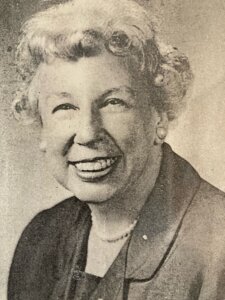
Toothpaste incident notwithstanding, I loved my Grandma Min. She was a rule-breaker and a rebel. Among the first Jewish women in Minneapolis to march for civil rights, she regularly hosted Black community leaders in her apartment and served them her own brand of soul food: blintzes, kugel, borscht, and mandelbrot. Everyone she touched — including me — was changed for the better. She’s the one who introduced me to the world’s greatest guitar teacher.
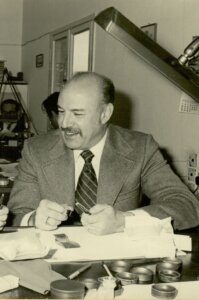
One Sunday afternoon, in the midst of a brilliant sun-shower, Lester Williams pulled up to our house in his pale-yellow Fleetwood Brougham. There’s little question that he was the first Black man to park a Cadillac on our block and walk to the door of a Jewish kid’s house for a guitar lesson.
It was Grandma Min’s idea. She’d seen Lester perform at a Hadassah luncheon, singing songs from Fiddler on the Roof with a big archtop Gibson and a tambourine balanced on his shoe. Afterwards, she asked if he’d teach me.
Lester, who was in his mid-70s at the time, wore a high-rise Don King hairdo and played in a style that was equal parts Texas blues and Yiddish theater. He taught me Sam Cooke’s ”You Send Me” and Lightning Hopkins riffs. When he sang, his eyes closed like he was singing for the Lord.
To this day, I’ve never opened my guitar case without thinking of Lester.
Back then, Jewish felt dorky; Black felt cool. In the early ’70s, a newly bar-mitzvahed kid playing funk and blues was an anomaly. Now, of course, the pop charts are built on it, but in the day it was the Eagles and Jethro Tull, not Kanye and Kendrick Lamar.
I was drawn to the groove and gravitas of Black music — Marvin Gaye, Curtis Mayfield, John Lee Hooker. It wasn’t only sound; it was a worldview. There was truth in that rhythm: sophisticated, sardonic, somehow sacred. It hovered between sex and Godliness. You could put a record on the stereo and feel righteous about reproducing the human species to it. To play that music, you had to become it, not just imitate it. I developed a lilting accent that slipped in naturally when I sang, like a thing that made down-in-the-bones sense. Every rock musician had done it in some form — Jagger, Van Morrison, the whole British Invasion.
It was a bridge to something larger, a way to escape the confines of white suburbia and begin what would become a lifelong expansion of my creative and spiritual boundaries. In retrospect, it may have been the first step on the path that led me to become an observant Jew.
Most of the kids around me seemed content inside their circumscribed worlds of hockey, keggers and Sadie Hawkins dances. I wanted to erase the margins someone else had drawn around my life. The times I could do that were rare, but they happened most powerfully when I was making music. It was then that the world lost its edges. The interplay between musicians could feel like one spirit inhabiting separate bodies. That’s how it felt when I first played with Wynston Robyns.
At my cousin Jeff’s house near Cedar Lake, we jammed in the basement — low ceiling, unused shuffleboard court in the floor, winter coats piled on the Ping-Pong table. Some older Black guys from the North Side brought their gear, a little weed, and some Ripple wine. I’d never tried Ripple before. I drank to excess.
Soon the room came alive: guitars tuned, reeds moistened, drums whacked, a few tentative chords tossed out. First rhythm, then flight. Jeff on the Fender Rhodes, me on guitar, all of us tearing it up. After an hour, the alto sax player, Jimmy, said, “You boys gotta meet Wynston Robyns.”
With Jeff’s parents away and my parents asleep and dreaming back at my house, we piled into Jimmy’s car and drove north, well past the safety of our suburb. By the time we reached Wynston’s place it was close to one in the morning. Dim light spilled from the basement windows, bass and drums rumbled from below. When Wynston finally opened the door, he filled its frame: barrel-chested, magnetic, with a half-smile suspended between welcome and menace.
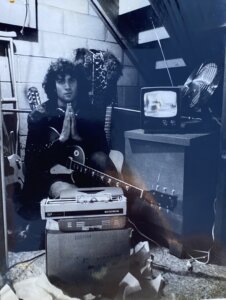
We smoked more weed and played until God knows when. Some Stevie, some Lou Rawls. It was nearly dawn when Jeff and I became the new members of Wynston Robyns and Soul SearchLyte.
Rehearsals were constant — four nights a week, sometimes after school, sometimes before. Neither of us was old enough to have a driver’s license, so we took the city bus.
It took months for Soul SearchLyte to land just two gigs. The first was a corporate lunch my dad attended in a suit and tie. “Wynston seems like a really nice guy,” he said afterward, which was true…mostly. The second was New Year’s Eve at the Holiday Inn downtown. We were the “headliners,” scheduled for 1:00 a.m. — which everyone in the business knows means the time everybody has gone home to party. The real headliners went on at midnight. It was another North Side band, Champagne, featuring Morris Day, André Simone, and a diminutive guy with a large afro.
Jeff and I watched them in awe. André’s bass ran through a Mu-tron Funk Box that made every note sound like it came from the world’s best wah-wah. Morris Day’s drumming was tight, crisp, unstoppable. Wynston leaned toward me and shouted over the groove, “You see that guy? The way he chops out that rhythm? His name’s Prince. They say he’s got a record deal on Warners. Peter, that’s what you need to do if you wanna be more than just a basement guitar player.”
No offense to Soul SearchLyte, but Champagne was a brutal act to follow. By the time we went on at 3:00 a.m., only my Uncle Sonny and the bar staff were still around, mopping the floor while we played our hearts out.
A few weeks later, during rehearsal, our lead guitarist, Larry Crags, announced he was quitting.
“Wynston, I’m afraid I’m gonna have to leave the snap,” he said.
Wynston stared at him. “What the fuck did you just say?”
Larry shifted his weight. “My wife thinks it’s not a good idea — all this practice when we haven’t got any gigs lined up.”
Wynston stepped forward and jabbed his finger into Larry’s chest. “You sayin’ I’m not a man?”
It was strange. Larry hadn’t said anything of the sort.
Before Larry could answer, Wynston swung and caught him square in the face. Larry, who’d once told me in strictest confidence he was a Kung Fu master, fell hard, then rose, bloodied, into a fighting stance. Having been an ardent viewer of Kung Fu, the TV series, I waited for the mystical retaliation. It never came. Wynston hit him again, a clean right hook that sent him flying into my amplifier.
Larry crawled away, whimpering, up the stairs and out of the house. Jeff, maybe out of shock, started playing ”Rock-A-Bye Baby” on the high keys of his electric piano. From behind the drum kit someone said flatly, “Why don’t somebody shut off that amplifier?”
Wynston, panting hard, looked at me. “Peter, I suppose you wanna quit this snap too, since you’ve just seen a Black man beat up on a white dude.”
“No, Wynston,” I said. “I love being in this band.”
Hell yes, I did. I just became the lead guitarist.
Those nights in North Minneapolis — half teachable moment, half transcendence — were my first real taste of faith: the moment when music, spirit and belonging coalesced into one sound, one rhythm, one funky-ass pulse of Creation.
I’m positive Grandma Min would approve.
The post How Black music brought me closer to Judaism appeared first on The Forward.
Uncategorized
The power of Sukkot to unite the Jewish people
אין דער גמרא שטייט אַז יעדער ייִד קען — טעאָרעטיש — נוצן די זעלבע סוכּה. דאָס שטרײַכט אונטער דעם פֿאַקט, אַז מיר זענען אַלע גלײַך, און אַלעמען באַגריסט מען גלײַך אין דער סוכּה.
אין דער אמתן, ווען מען וואָלט געבויט אַ גענוג לאַנגע און ברייטע סוכּה, וואָלט דאָס גאַנצע ייִדישע פֿאָלק — אָן אויסנאַם — געקענט אַרײַנגיין אין איר און עסן אין דער זעלבער צײַט.
דער דאָזיקער באַגריף פֿון אַחדות דריקט זיך אויך אויס אין אַ באַזונדערער מצווה פֿון סוכּות: די אַרבעה מינים. די תּורה באַפֿעלט אונדז, אַז דעם ערשטן טאָג סוכּות זאָלן מיר נעמען אַן אתרוג, אַ לולבֿ (אַ צווײַג פֿון אַ טייטל־פּאַלמע), דרײַ הדסים (מירטן־צווײַגן), און צוויי ערבֿות (הושענות), כּדי זיך צו פֿרייען פֿאַרן אויבערשטן.
וואָס שטעלן מיט זיך פֿאָר די אַרבעה מינים? דער אתרוג האָט סײַ אַ גוטן גערוך סײַ אַ גוטן טעם; דער לולבֿ האָט אַ טעם — טייטלען — אָבער קיין גערוך נישט; דער הדס האָט אַ גוטן גערוך אָבער קיין טעם נישט; און די ערבֿה (הושענא) האָט ניט קיין טעם און ניט קיין גערוך.
דער גערוך שטעלט פֿאָר מעשׂים טובֿים, גוטע מעשׂים, וואָס — אַזוי ווי אַ גערוך — האָבן אַן השפּעה אויפֿן אַרום; בשעת דער טעם שטעלט פֿאָר לימוד התּורה, וואָס דערנערט די נשמה אַזוי ווי פֿיזישע שפּײַז דערנערט דעם גוף.
יעדער איינער פֿון די אַרבעה מינים שטעלט פֿאָר אַן אַנדער סאָרט ייִד: עס זענען דאָ ייִדן וואָס צייכענען זיך אויס מיט זייער חכמת התּורה, אַנדערע מיט זייערע גוטע מעשׂים, אַנדערע מיט ביידע, און אַנדערע מיט קיינעם פֿון די צוויי. דער געדאַנק איז, אַז מיר זענען אַלע אָפּהענגיק איינער פֿונעם צווייטן, און יעדער איינער דערגאַנצט דעם אַנדערן. נאָר ווען מען האָט אַלע פֿיר צוזאַמען קען מען מאַכן די ברכה און מקיים זײַן די מצווה.
בכלל ווערט פֿאַרשטאַנען, אַז די לערנונג פֿון דער דאָזיקער מצווה איז, אַז דער וואָס געפֿינט זיך אין דער העכערער רוחניותדיקער מדרגה פֿונעם „אתרוג“, אויסגעצייכנט סײַ מיט חכמה סײַ מיט גוטע מעשׂים, דאַרף זיך — אַלטרויִסטיש — אָפּגעבן מיט דעם וואָס געפֿינט זיך אין דער קאַטעגאָריע פֿון „ערבֿה“, אָן קיין באַזונדערער רוחניותדיקער מעלה.
לויטן זעקסטן ליובאַוויטשער רבין, רבי יוסף יצחק שניאורסאהן זצ״ל, איז פֿאַראַן אָבער נאָך אַן אַנדער דינאַמיק: דער וואָס געפֿינט זיך אין דער מדרגה פֿון „אתרוג“ קען און דאַרף אויך לערנען עפּעס ווערטפֿולס פֿון דעם וואָס געפֿינט זיך אין דער קאַטעגאָריע פֿון „ערבֿה“.
דער וואָס געפֿינט זיך אינעם מצבֿ פֿון „ערבֿה“, אָן קיין באַזונדערער רוחניותדיקער מעלה, און פֿונדעסטוועגן פֿילט ער זיך „זייער ייִדישלעך“, דריקט אויס אַ טיפֿן, אומברעכלעכן ייִדישן צושטאַנד, ניט געקוקט אויף דעם וואָס עס פֿעלט אים אין ייִדישן בילדונג און וויסן. דער וואָס האָט אַ סך געלערנט קען דורך זײַן פּערזענלעכער אַנטוויקלונג אַ סך פֿאַרשטיין און אַ סך פֿילן; פונדעסטוועגן איז אים אָפֿט שווער צו דערגרייכן און אויסדריקן דעם עסענץ פֿון זײַן נשמה. צו דער דאָזיקער בחינה פֿון זײַן אייגענעם מהות קען ער צוקומען דווקא דורך לערנען פֿונעם ייִד פֿון דעם „ערבֿה“־טיפּ, וואָס פֿילט זיך ייִדיש נישט צוליב זײַן ייִדישער בילדונג, נאָר טראָץ דעם וואָס עס פֿעלט אים. זײַן ייִדיש געפֿיל שטאַמט פֿון זײַן עצם הנשמה, דעם „פּינטעלע ייִד“ וואָס איז אינגאַנצן אומאָפּהענגיק פֿון קיין שום סיבה.
דער ליובאַוויטשער רבי זי״ע ווײַזט אָן, אַז די אַרבעה מינים שטעלן פֿאָר די אַחדות פֿונעם ייִדישן פֿאָלק, ניט נאָר ווײַל זיי רעפּרעזענטירן דעם צוזאַמען־פֿאַרבונד פֿון פֿיר פֿאַרשידענע קאַטעגאָריעס, נאָר אויך ווײַל יעדער מין פֿאַר זיך שטעלט פֿאָר אַחדות אין זײַן אייגענער קאַטעגאָריע.
דער אתרוג וואַקסט און ווערט דערנערט במשך פֿון אַלע פֿיר סעזאָנען פֿונעם יאָר. די בלעטער פֿונעם הדס וואַקסן אַזוי, אַז לענגאויס דעם שטאַם קומען אַרויס גרופּעס פֿון דרײַ בלעטער פֿון דער זעלבער הייך. בײַם לולבֿ דאַרפֿן די בלעטער ווערן פֿאַרמאַכט און צונויפֿגענומען און ניט צעשפּרייט איינער פֿונעם צווייטן — אַחוץ דעם וואָס יעדער בלעטל איז צונויפֿגעלייגט פֿון צוויי העלפֿטן — און די ערבֿות וואַקסן צוזאַמען אין אַ סאָרט אַחדות.
דאָס שטעלט פֿאָר נאָך אַן אַספּעקט פֿון אַחדות, ווײַל אַ מאָל איז גרינגער זיך צו פֿאַראייניקן מיט איינעם וואָס איז אַנדערש פֿון מיר, ווי מיט איינעם וואָס איז ענלעך צו מיר און קען אויסזען ווי אַ קאָנקורענט.
אַזוי אַז אויף סוכּות דריקן מיר אויס דרײַ מדרגות פֿון אַחדות אינעם ייִדישן פֿאָלק: איין מדרגה וואָס שטאַמט פֿון דעם געמיינזאמען עסענץ, וואָס איז העכער פֿון פֿאַרשידנאַרטיקייטן;איין מדרגה וואָס דריקט זיך אויס דווקא דורך די פֿאַרשידנאַרטיקייטן; און נאָך אַ מדרגה — די אַחדות צווישן די וואָס זענען ענלעך איינער צום צווייטן.
אין דער אמתן, קומט איינס אַרויס פֿון צווייטן. אויב אַ מענטשנס אַמביציע איז עגאָצענטריש, איז זייער שווער זיך צו פֿאַראייניקן מיט אַנדערע. אויב אָבער זײַן אַמביציע איז אויסצופֿירן דעם ג־טלעכן ציל, וועט ער אָפּשאַצן און שעצן די הצלחה פֿון יעדן וואָס שטעלט זיך צו אויסצופֿירן דעם בשותּפֿותדיקן שליחות.
עס איז די אַחדות וואָס דריקט זיך אויס אין די מצוות פון סוכּות וואָס דערמעגלעכט די אמתע שׂימחה פון „ושמחת בחגך“.
די שוואַכע, צאַרטע סטרוקטור פֿון דער סוכּה האָט איבערגעלעבט טויזנטער יאָרן פֿון געשיכטע און רדיפֿות — אין די גולאָגן און אין די קאָנצענטראַציע־לאַגערן. הײַנט־צו־טאָג קען מען אין אַ סך קהילות איבער דער וועלט זען ווי ליובאַוויטשער ישיבֿה־בחורים פֿאָרן איבער די גאַסן פֿון שטאָט מיט אַ מאָבילער סוכּה, כּדי צו פֿאַרבעטן ייִדישע דורכגייער מקיים צו זײַן די מצוות פֿון עסן אין דער סוכּה און צו מאַכן די ברכה אויף די אַרבעה מינים.
אז איר וועט זיך אָנטרעפֿן אין איינעם פֿון זיי, ביטע גיט זיי איבער א גרוס!
The post The power of Sukkot to unite the Jewish people appeared first on The Forward.
Uncategorized
The Jewish soul and Hasidic inspirations of Annie Dillard
The Pulitzer Prize-winning writer Annie Dillard, who died Sept, 15 at age 81, drew on Jewish inspiration past and present for her meditative books on humans and the deity, including the nature-imbued narrative Pilgrim at Tinker Creek.
Raised a Presbyterian, in young adulthood Dillard discovered Martin Buber’s Tales of the Hasidim, in which she found a kindred spirit among Hasidic rabbis who, according to legend, would turn somersaults and do cartwheels and flips in the synagogue before ritual acts such as reciting Kiddush, the blessing uttered to sanctify Shabbat and Jewish holidays; lighting Hanukkah candles; and weddings. As Dillard put it at Michigan’s Calvin College Festival of Faith & Writing in 1996, her introduction to Hasidism was through Buber’s books and she “really, really, really liked them.”
Herself exultant by temperament, fond of energetic dancing and sports, Dillard saw no contradiction between exuberance and serious consideration of moral and ethical questions. Indeed, she followed the Hasidic spiritual concept of Bitul ha-yesh (ego effacement) to become receptive to the divine by reading from a range of sources to find inspiration for her own books.
These included Rabbi Abraham Joshua Heschel, whom she described to an interviewer in 1992 as “the great religious thinker” of the 20th century, and Simone Weil, the French philosopher. The latter two, “especially Heschel,” added Dillard, “have everything I need.”
What she needed as a writer was to fulfill her self-definition as a “Christian Hasid,” as she informed a reporter in the year 2000. The English literature maven Lori Kanitz has observed tyhat Dillard drew on Hasidic notions to better mull over nature and creation. Dillard agreed with the concept that humans assist God in redemption by making everyday physical objects and moments into something sacred or consecrated.
She favored the argument by the 16th century rabbi Isaac Luria that divine sparks trapped in the material world might be liberated through intense spiritual awareness. Especially in books such as 1999’s For the Time Being, she blended Yiddishkeit with heterodox Christian philosophers such as the Jesuit scientist Pierre Teilhard de Chardin to address questions about faith, suffering and individual existence.
The result was an emotionally fraught style, rich with biblical allusions. Pilgrim at Tinker Creek likens a combative domestic feline’s ensanguined paws to the “mark of Cain” and “blood sign of the Passover.” In this exalted, highly artful prose with Judaism as part of its vocabulary, the Quran is mentioned in the distressing context of animals devouring one another in nature, followed by the French Catholic thinker Blaise Pascal’s implication that after creation, God more or less abandoned humanity. Yet this existential doubt is calmed by two further citations from Albert Einstein to remind the reader that “subtle is the Lord, but malicious He is not” and “Nature hides her secret because of her essential loftiness, but not by means of ruse.” Bringing in Einstein, another example for Dillard alongside Abraham Joshua Heschel of the quasi-omniscient good grey Jew, shows her acute admiration for Jewish wisdom.
Characteristically, Dillard published in a 1998-99 issue of a University of Notre Dame publication for Catholic readers an essay insistent in its Yiddishkeit. The text begins by reminding readers of the execution of Rabbi Akiva by the Romans in the aftermath of the Bar Kokhba revolt. Unsparing of gory details, this account is followed by quotes from the Nobel-Prize-winning Holocaust poet Nelly Sachs, Gershom Scholem, Rabbi Nachman of Breslov, Rabbi Yehudah Aryeh Leib Alter, Rabbi Pinhas of Koretz, Rabbi Menachem Nochum Twersky, and a rare modern too, Rabbi Lawrence Kushner.
Blending nature with Jewish elements, Dillard recounts a trip to Lavi, a kibbutz in northern Israel near Tiberias, where she witnesses birds mating in mid-air. Juxtaposed with maxims by Christians, her narrative has an anthological aura, akin to that of Aldous Huxley’s The Perennial Philosophy (1945) which by contrast contains almost no direct passages from Jewish mystics.
Overall, Dillard kept in mind, as she suggested to one critic in 1999, that her goal was to persuade “the agnostic intellectual” that all spirituality need not be discarded by a discerning reader. That said, in some of Dillard’s books, the transitions between different traditions, from Sufism to Inuit beliefs, could appear contradictory.
But then as friends observed, Dillard herself could seem to be a walking contradiction; she was obsessed with nature, but also a lifelong chainsmoker. And although according to Lori Kanitz and others, her works were redolent of such venerable Jewish ideas as tsimtsum (divine contraction) and shevirat ha-kelim (shattering of the vessels), she likewise surrounded herself with a self-created Jewish mishpocheh of literati.
Dillard achieved the latter feat by energetically supporting modern American Jewish writing, lauding authors with more sheer enthusiasm than they may have been accustomed to receiving from fellow Jews. Drawn to high spirits and celebrants among living Jews, she was a fan of Louis D. Rubin’s Small Craft Advisory about shepping nachas from boats; she termed Rubin’s book a “moving account by a happy man.”
Part of appreciating happy Jews for Dillard was relishing Jewish humor with a highly developed sense of the absurd. She provided a blurb for a book by Jewish chef Peter Kaminsky about how to prepare decidedly un-kosher pork products, noting: “I love ham and I love this book.” She similarly kvelled at the inherent absurdity of describing how in 1982, the American Jewish Beat poet Allen Ginsberg was assigned the task of guiding a tour group in Disneyland composed of visiting Chinese communist authors. And she valued that a hybrid factual/fictional work by journalist Jake Silverstein was both “warm and funny.”
Dillard also persistently lavished serious praise on Jewish contemporaries such as the American visual artist and novelist Rosalyn Drexler for being “committed to a lifetime struggle for excellence.” Dillard deemed Fortune’s Daughter (1985) by Alice Hoffman “one of the best” American novels of the previous decade and in 2010 welcomed a debut story collection from Hester Kaplan as evidence of a “remarkable new writer.”
Unsurprisingly, Jewish writer friends of Dillard expressed gratitude for her enthusiasm for their efforts. The biographer Phyllis Rose’s Parallel Lives: Five Victorian Marriages includes an acknowledgement to Dillard for “precious gifts of time, friendship, intelligence, and candor.” Jewish readers can likewise be grateful to Dillard for her characterful investment of time, friendship, intelligence, and candor in conveying elements of Yiddishkeit in serendipitous contexts.
The post The Jewish soul and Hasidic inspirations of Annie Dillard appeared first on The Forward.
Uncategorized
Robert Kraft pledged $2M to aid Palestinians amid Macklemore row. How will he do it?
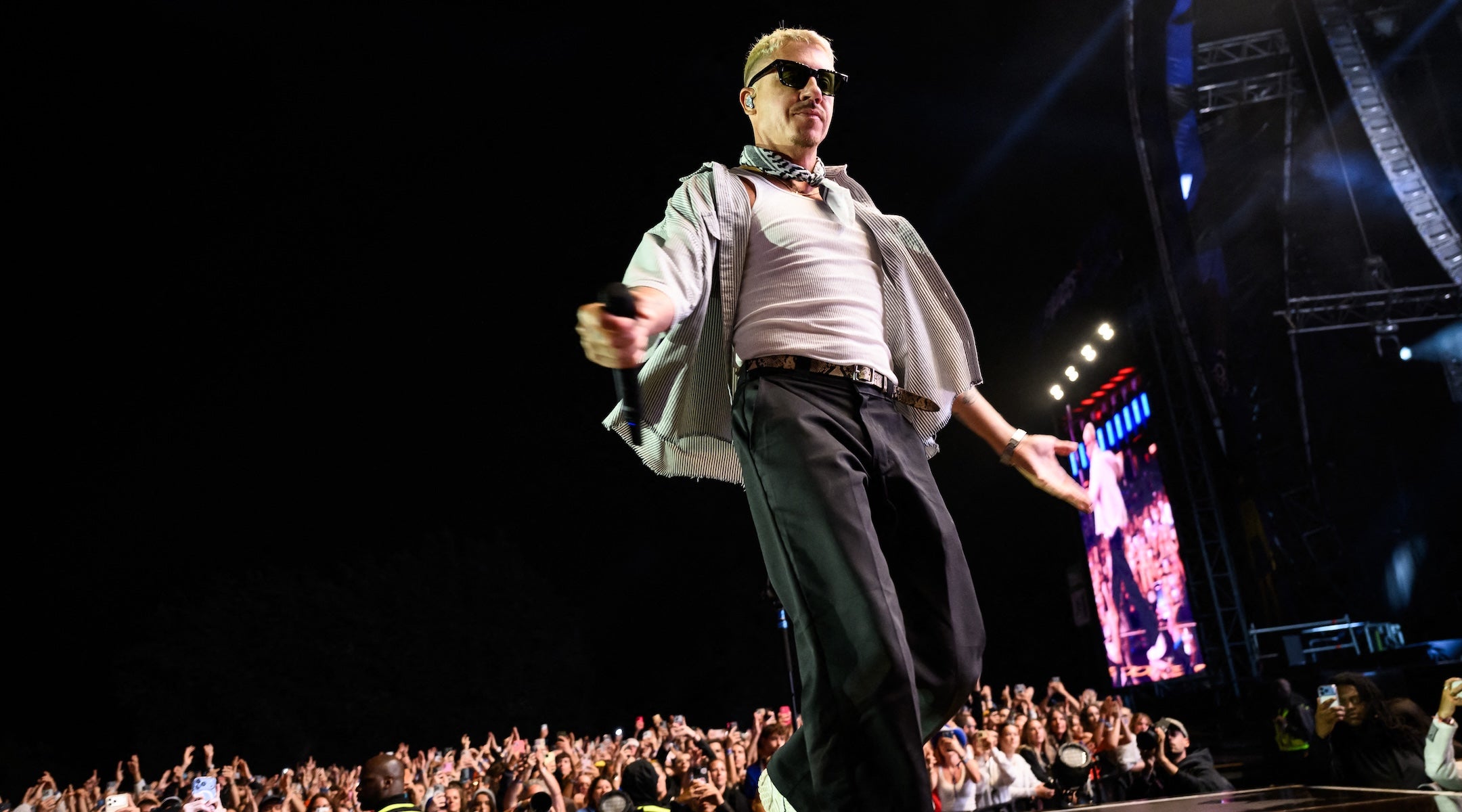
(JTA) — Robert Kraft has found himself in an unusual position: nixing the rapper Macklemore’s appearance at a stadium he owns for what he said was hateful behavior — and then taking up the performer’s charity challenge.
Macklemore challenged the Jewish pro-Israel billionaire to make a donation in support of the Palestinians days after pressuring singer Ed Sheeran to drop Macklemore from his tour over the latter’s pro-Palestinian comments. Kraft responded by announcing that he would donate $2 million to “fight this humanitarian crisis” in the Middle East.
“I have dedicated much of my life to building bridges between all people,” Kraft wrote in a statement posted by Gillette Stadium, which he owns and where Sheeran and Macklemore had been scheduled to play. “I believe deeply that all lives are worth protecting.”
Kraft’s statement Wednesday came in response to challenges from both artists: a public call from Macklemore to match his own $1 million donation to a group of six pro-Palestinian organizations; and what Kraft described as private conversations with Sheeran to commit twice that amount to unspecified groups. Kraft said his own donation was meant to match Sheeran’s.
Kraft’s gift comes as the controversy has prompted questions about how pro-Israel Jews in positions of power choose to wield their influence to combat what they see as antisemitism. His pledge carries additional, politically fraught implications, as Jewish groups have been divided on whether, or how, to donate directly to Gaza relief efforts.
In his public comments, Kraft has insisted that he does not object to pro-Palestinian advocacy or aid as long as it does not cross the line into advocating for Hamas.
But where will Kraft donate? The New England Patriots owner didn’t specify in his public statement, and a representative didn’t immediately respond to questions from the Jewish Telegraphic Agency.
In Macklemore’s own post issuing the donation challenge, he said the $1 million he was giving constituted his entire net earnings from Sheeran’s tour. He named six beneficiaries: the Palestine Children’s Relief Fund, HEAL Palestine, Medical Aid for Palestinians, American Near East Refugee Aid, Gaza Soup Kitchen and UNRWA USA, a nonprofit supporting the United Nations Agency for Palestinian Refugees.

UNRWA itself has proven particularly contentious among the Jewish community. After an investigation revealed that agency members had participated in Hamas’ Oct. 7, 2023, attacks on Israel, the Trump administration led a successful effort to slash the agency’s funding.
In his posts, Kraft offered clues to where he has given in the past.
“I’d like the people who are speaking in support of the Palestinian people to know that for decades, I have supported efforts that create opportunity for Palestinians and have brought young Palestinians and Israelis together to build businesses, create jobs, and forge relationships,” he wrote on Wednesday. In an earlier statement, Kraft said he has “created athletic and entrepreneurial opportunities for Palestinians who I admire and respect.”
One well-known organization that fits Kraft’s description of bringing Palestinians and Israelis together, Seeds of Peace, has a documented relationship with the businessman. In 1994, the year after the peacebuilding initiative launched, Kraft hosted more than 100 teenagers from Israel, Gaza, the West Bank, Jordan, Egypt and Morocco at a Patriots game.
Seeds of Peace did not immediately respond to a JTA request for comment about whether Kraft would be giving to the group as part of his new pledge.
Kraft has also invested heavily in a push to bring American football to Israel via the Kraft Family Israel Football League. In that context, Palestinians have played for league teams — including for the Judean Rebels, a team based in an Israeli settlement in the occupied West Bank.
Steven Koltai, a Jewish onetime entrepreneurship liaison for former U.S. Secretary of State Hillary Clinton and author of “Peace Through Entrepreneurship,” said he welcomed Kraft’s commitment.
“I would love to see, as a Jew who believes in the two-state solution and particularly in humanitarian relief to the millions of Gazans who are completely blameless, if we could show that side of who we are,” Koltai told JTA. “I think that he would be doing an incredible mitzvah for the whole Jewish world, especially the American Jewish community, if he could leverage his money towards something like this.”

Jeremy Burton, CEO of the Jewish Community Relations Council of Greater Boston, told JTA that Kraft “deserves kudos for leaning in with his philanthropy.” Prior to the pledge, Burton had praised Kraft’s actions against Macklemore, saying in a statement that Kraft “drew a clear moral line in the sand about the demonization and offensive conduct that he will not allow in ‘his home’.”
“One can work to end Palestinian suffering without being antisemitic,” Burton wrote to JTA in a text Thursday.
Kraft has said he pressured Sheeran to drop Macklemore because he thought the latter’s conduct at a recent show, in which the rapper had accused Israel of genocide and broadcast footage from Columbia University’s encampments, crossed the line into “hate speech.” According to The Wall Street Journal, other NFL team owners had also voiced objections to Macklemore performing in their stadiums after witnessing one of his sets.
The Journal also reported that Kraft, in his conversation with Sheeran, recalled that Macklemore had performed in a costume with antisemitic signifiers in 2014. Sheeran, whose tours have grossed nearly $2 billion since 2008, and Kraft are friendly: The singer performed at Kraft’s 2022 wedding.
Backlash has been swift, with Sheeran distancing himself from the decision to drop Macklemore, and the singer’s other opening acts and supporting band leaving the tour in protest. Some of them named Kraft specifically in public comments. Figures including children’s entertainer Ms. Rachel and U.S. Rep. Alexandria Ocasio-Cortez, a New York Democrat, have also defended Macklemore, with Ocasio-Cortez additionally criticizing Kraft.
“When you see what Robert Kraft did to line up all of the stadiums to censor speech in that one specific way, it’s become clear that this is not just about one music artist or two music artists, but this is about how just a handful of stadium owners and the elite can prevent an entire massive issue, in this case, the genocide in Gaza,” the congresswoman told TMZ.
Others, including singer Pink and Barstool Sports mogul Dave Portnoy, have criticized Macklemore or defended Kraft’s decision.
Much of Kraft’s philanthropy has gone to fighting antisemitism and to Jewish organizations. He recently gave $10 million to Brandeis University to endow a new center for Jewish life at the school.
Koltai, who himself has not worked with Kraft, said it’s possible for Jewish donors to distribute money to Gaza through “vetted, kosher organizations” that are “clearly not Hamas.” He suggested that Kraft look beyond his past donations to peacebuilding and sports efforts in order to address the current need.
“Sewage, water, housing, medical care and child care are all much more important than a summer camp or a football team,” he said.
This article originally appeared on JTA.org.
The post Robert Kraft pledged $2M to aid Palestinians amid Macklemore row. How will he do it? appeared first on The Forward.
