



Uncategorized
The Media Takes Sides in the Iran War — and It’s Usually Sympathetic to Iran

Iran’s Supreme Leader Ayatollah Ali Khamenei speaks during a meeting in Tehran, Iran, Feb. 1, 2026. Photo: Office of the Iranian Supreme Leader/WANA (West Asia News Agency)/Handout via REUTERS
Who could forget The Washington Post‘s foolish unforced error in 2019 when its obituary for Abu Bakr al-Baghdadi, the self-proclaimed Caliph of ISIS, called him an “austere religious scholar“?
Apparently, the editors at the Post forgot, because they printed an obituary for the Islamic Republic of Iran’s Supreme Leader Ali Khamenei that makes its praise for al-Baghdadi look restrained.
It portrays Khamenei as a modest man, quoting him as saying “I consider myself a common religious student without any outstanding feature or special advantage,” and provides details on his reading habits.
It even claims that Khamenei “declared [nuclear weapons] to be forbidden by Islam” and quotes him as saying he “issued a fatwa, based on Islamic teachings, forbidding the production of nuclear weapons.”
“With his bushy white beard and easy smile, Ayatollah Khamenei cut a more avuncular figure in public than his perpetually scowling but much more revered mentor,” author of the obituary William Branigin gushes.
The New York Times
The New York Times obituary writers, Alan Cowell and Farnaz Fassihi, must have been reading from the same set of notes when they wrote that Khamenei “affected an avuncular and magnanimous aloofness, running the country from a perch above the jousting of daily politics.”
They portray Khamenei as an effective leader who “lacked his predecessor’s charisma and mystique” but “cannily exploited political instabilities in the Middle East to extend Iran’s reach.”
Like Branigin, Cowell and Fassihi claim that “nuclear arms … were banned by the ayatollah in a 2003 religious edict.”
Obituaries are handled by the news division at The Wall Street Journal. It’s hard to imagine the Editor of the Editorial Page, Paul A. Gigot, approving Sune Engel Rasmussen’s Khamenei obituary, which opens with a sentence identifying him as “Supreme Leader Ayatollah Ali Khamenei, the austere cleric who ruled Iran for more than three decades and reshaped the balance of power across the Middle East.”
And while Rasmussen doesn’t call Khamenei “avuncular,” he describes him as “A pragmatist as well as an ideologue” who “endorsed diplomacy when convenient” and held a “popelike position in the Shiite Muslim world: elected by a council of elders to convey the word of God.”
He even goes so far as to credit Khamenei with making “progress in some important areas” including offering “some of the best healthcare and education in the region” and “boost[ing] female literacy rates.”
Like his peers at the Post and New York Times, Rasmussen also appears to accept uncritically Khamenei’s insistence that “the program was peaceful” and mentions that he “issued a religious pronouncement asserting that Iran wouldn’t acquire nuclear arms.”
What could compel journalists to praise an avowed enemy of the US, ignore his lies, downplay his nuclear program, and overlook his slaughter of thousands of Iranians and his genocidal campaign to destroy Israel?
Khamenei the Diplomat
The Khamenei-as-diplomat portrayal in the obituaries of the three most important American newspapers revolves around Barack Obama’s Joint Comprehensive Plan of Action (JCPOA), the so-called “Iran nuclear deal” that rewarded Iran handsomely for doing very little and set the stage for a legal Iranian nuclear bomb.
All three obituaries misrepresent the JCPOA through both omission and commission.
First, the errors of commission.
The Washington Post states that the JCPOA “restricted Iran’s nuclear program in exchange for the easing of crippling economic sanctions.” The New York Times claims that it “restricted Iran’s right to enrich uranium in exchange for the lifting of international sanctions.” And The Wall Street Journal claims that it “granted Iran relief from sanctions in return for restrictions on its uranium enrichment program.”
The error here is that Iran’s “restrictions” were largely self-imposed and self-policed. Unlike Ronald Reagan’s “trust but verify” approach to negotiations, Obama naively agreed to Iranian “self-inspections” of sensitive military sites.
In terms of omission, none of the three obituaries acknowledges the fact that had the US not withdrawn from the JCPOA and reinstated the “maximum pressure” sanctions, Iran’s nuclear program would be mostly legal by now due to the JCPOA’s sunset clauses.
Trump the Villain
Each obituary frames the US withdrawal from the JCPOA as evidence of Trump’s belligerence.
The New York Times is the most direct of the three with the claim that Khamenei’s “mistrust was validated three years later, however, when Mr. Trump withdrew from the agreement, restoring sanctions and piling on new ones.”
The Wall Street Journal puts the sense of validation in Khamanei’s mouth: “After President Trump in 2018 withdrew from the historic nuclear pact that Iran struck with global powers in 2015, Khamenei said he was vindicated.”
But The Washington Post actually provides cover for Khamenei’s rush for nuclear breakout capacity and crossing the 90% enrichment threshold, with the claim that after Trump voided Obama’s agreement, “In retaliation, Iran began disregarding some provisions of the nuclear deal.”
In fact, Khamenei had been breaking the JCPOA from the very start. None of the three obituaries reminds its readers of that fact.
The obituaries also subtly attempt to downplay Khamenei’s desire for nuclear weapons, believing, it seems, his lie that the Islamic Republic is only interested in nuclear energy.
None asks why Iran denied IAEA inspectors access to the nuclear enrichment facilities it built deep underground or why a peaceful nuclear energy program would need underground facilities. None mentions that nuclear energy requires uranium enrichment of about 5% whereas Iran has admitted to having 460 kg of uranium at 60% enrichment.
Khamenei’s obituaries come as no surprise to anyone who follows media bias and understands how journalists increasingly side with America’s enemies in general and our Islamist enemies in particular.
While claims that journalists are the enemies of the American people are hyperbolic, the Khamenei obituaries show that many of them are not the enemies of our enemies. The Washington Post, New York Times, and Wall Street Journal have demonstrated that they are not interested in portraying the world’s number one supporter of terrorism, a man who has killed thousands of his own countrymen and women and threatened to wipe America off the map, as the villain that he was, preferring instead to humanize him.
Chief Investigative Project on Terrorism (IPT) Political Correspondent A.J. Caschetta is a principal lecturer at the Rochester Institute of Technology and a fellow at Campus Watch, a project of the Middle East Forum where he is also a Milstein fellow. A version of this article was originally published by IPT.
Uncategorized
Israeli President Isaac Herzog’s selection as JTS commencement speaker roils graduating class
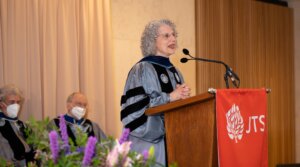
The selection of Israeli President Isaac Herzog as the Jewish Theological Seminary’s commencement speaker has divided undergraduates at the school, with several seniors and dozens of other current students and alumni signing a letter calling on the school’s chancellor to disinvite Herzog.
The letter accused Herzog of inciting violence against civilians in Gaza — a characterization shared by some human rights groups — and criticized him for not taking action against settler violence in the West Bank.
The students added that Herzog’s involvement in the schoolwide May 19 ceremony — when he will also receive an honorary degree from the seminary — would leave them “morally conflicted about attending.”
“There are many places for members of the JTS community to engage with difficult ideas in nuanced conversation,” they wrote, “but we believe the commencement stage is not the place to engage with such a particularly divisive figure.”
The letter leaked to Chancellor Shuly Rubin Schwartz before it was finalized, according to two of the six seniors who signed it, leading to a meeting during which Rubin Schwartz took issue with the group’s approach and held firm on the decision.
Meanwhile, other JTS seniors affirming the speaker choice wrote a letter of their own that has gathered 24 signatures, representing roughly half of the senior class.
The controversy unfolded amid ongoing tensions around Israel in Conservative Jewish spaces and at Columbia University, which has a joint undergraduate program with JTS. The flagship academic institution of the Conservative movement, JTS includes in its mission deepening students’ connection to Israel, and requires its rabbinical students to spend a year learning there.
Speaking out
Herzog has faced criticism for comments he made after the Oct. 7 attacks, in which he said that it was “an entire nation” that was responsible. Some said the remark carried an implication that there were no innocent civilians in Gaza. (Herzog later said it had been taken out of context and that he did believe there were innocent Palestinians there.)
The Forward has reached out to Herzog’s office for comment.
In an interview, one of the students who signed the letter, granted anonymity out of concern for professional repercussions, said he had wanted to fight back against a culture of silence around Palestinian suffering in the Jewish world.
“I do feel powerless,” the student said. “I feel like there’s a genocide happening. And the silence is killing all of us.”
Four current JTS rabbinical students signed the letter opposing Herzog, though none was in the class of 2026. JTS rabbinical students walk at the commencement ceremony but are ordained in a smaller gathering the next day.
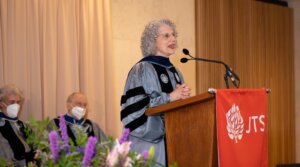
Rubin Schwartz said in a statement that most of the JTS community was excited about Herzog’s address and honorary degree, but that it welcomed “thoughtful discussion and differing opinions” from students, faculty and staff.
“President Herzog, like all 10 previous presidents of Israel, represents the state and its people, rather than its government,” Rubin Schwartz added. “We look forward to honoring him at this year’s ceremony.”
Gabriel Freedman-Naditch, who signed the second letter, said he had been happy to learn Herzog would be the commencement speaker. He applauded Herzog’s leadership during Israel’s judicial overhaul saga, but said the Israeli presidency was mostly a “figurehead” position anyway. And while he said he was not closely attuned to Herzog’s actions since Oct. 7, he was willing to countenance a speaker he did not perfectly align with.
“We’ve all learned to listen to people we disagree with,” Freedman-Naditch said. “We should be able to listen to people who we find upsetting.”
A messy rollout
The group of six seniors who wrote the anti-Herzog letter drafted and circulated it privately among select students and alumni, planning to share it with Rubin Schwartz in a private meeting only once it was finalized.
Then Freedman-Naditch, who had not been aware of the letter, was forwarded the letter by his mother, who had received it from a JTS graduate who had signed it. Freedman-Naditch then shared it with the senior class group chat, asking why they hadn’t all been made aware of it. The organizers replied that they were worried that the letter would be leaked along with their names.
Not long after, Rubin Schwartz requested permission through Google Documents to view the letter. The group then emailed the chancellor proposing a meeting to discuss it.
In her office Tuesday, Rubin Schwartz asked the group why they hadn’t first come to her directly, according to the two students who spoke with the Forward. They replied that the JTS administration doesn’t take seriously what undergraduate students have to say, and that voices that diverge from the pro-Israel consensus tend to be silenced.
“She was basically like, ‘It saddens me to hear you say that there isn’t a culture of dissent here,’” one of the students said. “But at the same time, she’s calling our letter of dissent a hostile act.”
“What I said was that their choice to send a letter, rather than speak directly with me or others, felt aggressive,” Rubin Schwartz said in an email. “My point was that it would have felt more respectful to have had a conversation about their feelings instead of initiating the letter campaign.”
Herzog is not the only figure from the realm of Israeli politics slated to address 2026 graduates. Yeshiva University announced Thursday its own commencement speaker: U.S. Ambassador to Israel Mike Huckabee.
The post Israeli President Isaac Herzog’s selection as JTS commencement speaker roils graduating class appeared first on The Forward.
Uncategorized
Playing with bows and arrows and other Lag BaOmer shtetl customs
עס קומט באַלד דער יום־טובֿ ל״ג־בעומר — דער 33סטער טאָג פֿון ציילן ספֿירה, די טעג צווישן פּסח און שבֿועות.
ל״ג־בעומר איז אַ טאָג פֿון פֿרייד אין מיטן פֿון זיבן וואָכן טרויער און ערנסטקייט. מע דריקט אויס די פֿרייד אויף פֿאַרשיידענע אופֿנים. דאָס ווערטל „אַ ל״ג־בעומר-גענעראַל איז נאָר אויף איין טאָג“ פֿאַררופֿט זיך אויפֿן מינהג, אין וועלכן חדר־ייִנגלעך פֿלעגן גיין אויף אַ שפּאַציר אין וואַלד מיטן מלמד, און שיסן פֿײַל־און־בויגנס (נישט קיין אמתע, נאָר שפּילעכלעך). איין חדר־ייִנגל האָט מען אויסגעקליבן צו זײַן דער גענעראַל איבער די „שלאַכטן“, וואָס האָבן נאָכגעמאַכט בר־כּוכבאס קאַמף קעגן די רוימער מיט צוויי טויזנט יאָר פֿריִער.
דעם בולטן מיליטאַריסטישן מינהג האָט מען אויסגעטײַטשט מיט אַ מער „ייִדישלעכן“ טעם — אַזוי ווי קיין רעגנבויגן האָט זיך נישט באַוויזן בעתן לעבן פֿון רב שמעון בר־יוחאי, אַ תּנא פֿון דער מישנה, דינט דער בויגן פֿונעם פֿײַל־און־בויגן ווי אַ דערמאָנונג נאָך זײַן טויט. ווי עס ווערט געזאָגט אינעם קבלה־ספֿר, דער „זוהר“, וואָס, לויט דער טראַדיציע, האָט בר־יוחאי מחבר געווען, וועט אַ רעגנבויגן מיט כּלערליי קאָלירן זיך באַווײַזן איידער דער משיח וועט קומען. האָט דער בויגן, במילא, אויך אַ טײַטש ווי אַ טייל פֿון אונדזער ייִדישער אמונה אין משיחן.
ל״ג־בעומר אינעם דאָרף מירון, נישט ווײַט פֿון צפֿת, פּראַוועט מען דעם יום־טובֿ מיט גרויס פּאַראַד; אַ מינהג, וואָס ציט זיך עטלעכע הונדערט יאָר צוריק און נעמט זיך פֿון דעם, וואָס רבֿ שמעון בר־יוחאיס קבֿר געפֿינט זיך דאָרטן. די געלערנטע האַלטן, אַז דעם „זוהר“ האָט מען ערשט אָנגעשריבן מיט אַ טויזנט יאָר שפּעטער. אין שפּאַניע, אינעם 13טן יאָרהונדערט, האָט זיך צום ערשטן מאָל באַוויזן דאָס ווערק, אַרויסגעגעבן פֿון משה דעלעאָן, אָבער דעלעאָן האָט דאָרטן געשריבן, אַז בר־יוחאי האָט עס געשאַפֿן — יוחאי האָט געקליבן די אַנטפּלעקונגען וואָס משה רבינו האָט באַקומען פֿונעם אייבערשטן און זיי געדרוקט אינעם „זוהר“.
גרשון שלום האָט געהאַלטן, אַז דעלעאָן האָט נישט נאָר אַרויסגעגעבן דעם „זוהר“, נאָר אים אויך אָנגעשריבן. ל״ג־בעומר הייסט אויך „חילולא דרבֿ שמעון בן־יוחאי“ און חילולא מיינט חתונה, מיטן מיין, אַז דער טויט פֿונעם גרויסן רבֿ האָט געבראַכט אַ שלומדיקע האַרמאָניע אין דער וועלט, וואָס מע קען געפֿינען אין זײַן „זוהר“. נישט אַלע רבנים זענען געווען צופֿרידן מיט דעם, וואָס מע הייבט אַרויס דעם „זוהר“ און זײַן מחבר אינעם טאָג פֿון ל״ג־בעומר. אָבער די פּאָפּולערע טראַדיציעס זענען געבליבן, אַזוי ווי צו שפּילן מוזיק בײַ זײַן קבֿר און אָפּשערן צום ערשטן מאָל די האָר פֿונעם קינד (בשעת ספֿירה ציילן טאָר מען נישט שערן די האָר.)
די ספֿרדישע ייִדן רופֿן דעם טאָג „ל״ג־לעומר“, נישט „בעומר“ און האָבן אַנדערע מינהגים ווי די אַשכּנזים. למשל, אין אַשכּנזישע פֿרומע קרײַזן טאָר מען נישט חתונה האָבן בשעת מע ציילט ספֿירה, אַ חוץ ל״ג־בעומר. אָבער בײַ די ספֿרדישע ייִדן מעג מען יאָ האָבן חתונה אין אַלע טעג פֿון ניסן נאָך פּסח; די סירישע ייִדן מעגן חתונה האָבן פֿון ל״ג־בעומר אָן ביז שבֿועות. ווען מע הייבט אָן צו ציילן עומר בײַ די ייִדן פֿון מאַראָקאָ באַקומט יעדער ייִד אין בית־הכּנסת אַ ביסל זאַלץ אין קעשענע, אַ דערמאָנונג צו ציילן ספֿירה, אָבער דאָס זאַלץ איז אויך אַ סגולה קעגן שלעכטס.
פֿון אַ פֿאָלקלאָריסטישן קוקווינקל קען מען באַטראַכטן אַ סך מינהגים מיט זאַלץ ווי אַ מיטל אַוועקצוטרײַבן בייזע רוחות — למשל, דאָס אײַנטונקען די חלה אין זאַלץ פֿרײַטיק־צו־נאַכטס. בײַ די מיזרח־אייראָפּעיִשע ייִדן האָט מען געוואָרפֿן זאַלץ אין די ווינקלען פֿון שטוב פּטור צו ווערן פֿון די נישט־גוטע, און מע האָט געשיט אַ ביסל זאַלץ אין די אַרבע־כּנפֿות פֿונעם קינד. ווען אַ ציגײַנער איז אַרויס פֿון שטוב האָט מען געוואָרפֿן זאַלץ, דאָס מזל זאָל נישט געשטערט ווערן.
אין אַנדערע מינהגים האָט דאָס זאַלץ אַן אַנדער אויסטײַטש. ס׳איז געווען אַ מינהג, אַז אויב מע וואַרפֿט זאַלץ אין אַ ווינקל, וווּ מע וועט עס נישט אַוועקקערן, וועט מען ווערן אָרעם. אין ענגלאַנד און האָלאַנד (ספֿרדישע ייִדן) האָט מען געגלייבט, אַז אויב מע שיט זאַלץ אויס, וועט דאָס ברענגען אַ שלעכט מזל. אין שודטס בוך פֿון „ייִדישע מערקווירדיקייטן“ [מאָדנע זאַכן] פֿונעם אָנהייב 18טן יאָרהונדערט, שרײַבט ער, אַז אַ ייִדישע פֿרוי פֿון דײַטשלאַנד האָט אים געעצהט אויפֿצוהענגען זאַלץ מיט ברויט אויף די העלדזער פֿון זײַנע קינדער, אַוועקצוטרײַבן דעם עין־הרע.
דער פּראָפֿעסאָר פֿון רעליגיע, טעאָדאָר גאַסטער, דער זון פֿונעם חשובֿן פֿאָלקלאָריסט הרבֿ משה גאַסטער, האָט ליב צו פֿאַרגלײַכן ייִדישע מינהגים מיט נישט־ייִדישע; צי ער טרײַבט איבער די פֿאַרגלײַכונגען מיט אַנדערע קולטורן איז אַ קשיא, אָבער אינטערעסאַנט, פֿון דעסטוועגן, זענען זײַנע שטודיעס. די טעג פֿון עומר פֿאַרגלײַכט ער אָן אַ „להבֿדיל“, צו דעם קריסטלעכן „לענט“ — די זעקס וואָכן פֿאַר פּאַסכע, ווען די קריסטן פֿאַסטן אָדער זענען מוותּר אַנדערע פֿאַרגעניגנס.
לויט גאַסטערן דאַרף מען באַטראַכטן ל״ג־בעומר ווי אַ פֿרילינגדיקן מײַ־פֿעסטיוואַל. ער שרײַבט, אַז דאָס שיסן פֿײַל־און־בויגנס איז געווען פֿאַרשפּרייט אין אייראָפּע דעם 1טן מײַ, ווײַל די נאַכט פֿריִער איז געווען „וואַלפּורגיס־נאַכט“ — „דער שבת פֿון די מכשפֿות“. די פֿײַלן האָבן אַוועקגעטריבן די בייזע רוחות. ל״ג־בעומר פֿלעגן די ייִדישע קינדער אויך גיין אויפֿן בית־עולם, נישט נאָר אין וואַלד, און גאַסטער באַטאָנט, אַז דאָס טאַנצן און פֿרייען זיך אויפֿן בית־עולם איז אויך פֿאָרגעקומען דעם ערשטן מײַ צווישן די פּויערים.
אין אַ זאַמלונג ייִדישע מעשׂיות פֿון אַראַבישע לענדער, רעדאַקטירט פֿון דן בן־עמוס, געפֿינט זיך אַ מעשׂה, דערציילט פֿון יוסף זיוו, וועגן די ייִדן פֿונעם טוניזישן אינדזל דזשערבאַ און די ניסים פֿון ל״ג־בעומר. בײַ זיי איז געווען אַ מינהג אָנצוצינדן אַ גרויסע מנורה און זי טראָגן מיט גרויס שׂימחה פֿון דער ייִדישער געגנט צו דער גרויסער סינאַגאָגע “אַל־גאַריבאַ”. די נאַכט האָט מען אָנגערופֿן „די נאַכט פֿון דער מנורה“, און מע האָט געזונגען, געשפּילט און רעציטירט פּאָעמעס מיט גרויס פֿרייד, גייענדיק אין גאַס.
איין יאָר האָט אַ גרופּע שׂונאי־ישׂראל באַשלאָסן, אַז מע טאָר נישט דערלאָזן, אַז די ייִדן זאָלן אַזוי זיך משׂמח זײַן. די באַנדע האָט געקליבן געווער — מעסער, העק, שטעקנס — און בדעה געהאַט צו באַפֿאַלן די פֿריילעכע ייִדן און זיי צעטרײַבן. אַלע אין דער גרופּע האָבן מסכּים געווען. אָבער אין דער נאַכט פֿונעם יום־טובֿ האָט מיט אַ מאָל אַ שטראַל ליכט אַ שײַן געטאָן פֿון דער מנורה און זיי פֿאַרבלענדט די אויגן. „דער גאָט פֿון די ייִדן איז געקומען אונדז אומברענגען, אַנטלויפֿט!“ — האָט דער פֿירער אויסגעשריגן, אָבער בלינדערהייט האָבן זיי נישט געזען וווּ צו לויפֿן.
ווען זיי האָבן סוף־כּל־סוף ווידער אָנגעהויבן זען, האָבן זיי זיך געפֿונען אין מיטן פֿון די טאַנצנדיקע, זינגענדיקע ייִדן. קיין ברירה האָבן זיי נישט געהאַט און געמוזט מיטטאַנצן און מיטזינגען ביז דער סינאַגאָגע. „און אין יעדן דור דערציילט מען וועגן דעם נס פֿון דעם ליכט, און וועגן דעם נס פֿון דער מנורה אין דער נאַכט פֿון ל״ג־בעומר. זאָלן אַלע אינטריגעס פֿון אונדזערע שׂונאים אָפּגעשאַפֿן ווערן, און גאָט זאָל אונדז ראַטעווען פֿון אַלע פֿײַנט.“
The post Playing with bows and arrows and other Lag BaOmer shtetl customs appeared first on The Forward.
Uncategorized
‘Don’t give up on us now’: Israel peace summit convenes thousands to aim for elusive progress
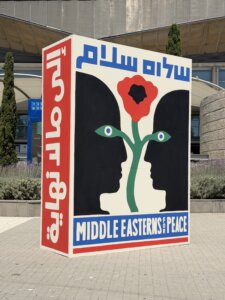
TEL AVIV, ISRAEL — On Thursday’s bright, sun-drenched morning during a rare pause in the multi-front war Israel has been locked into for nearly three years, in between the protests, funerals and steady drumbeat of violence and trauma, something decidedly more hopeful was taking place.
In one of the city’s largest conference centers, thousands gathered for the third annual People’s Peace Summit under the banner “It must be. It can be. It will be.” The event was organized by the It’s Time coalition, a partnership of more than 80 grassroots peacebuilding and shared society organizations.
Young activists in T-shirts representing their various causes stood alongside older attendees, some in kippot, others in hijabs. Diplomats in business attire moved through the crowd, as did the handful of Israeli politicians still publicly associated with the peace camp – familiar faces in a political landscape where their ranks have thinned considerably. Outside the main arena, Hebrew mingled with Arabic and English as participants strolled through art installations and an organizational fair showcasing the work of It’s Time’s partners.
While previous events took place at the height of war — while hostages remained in captivity and Gaza endured devastating destruction — this year’s summit unfolded during a fragile lull in fighting, the tenuous ceasefires with Hamas, Hezbollah, and the Islamic Revolutionary Guard Corps allowing, however briefly, for conversations to move beyond issues of immediate survival. Speakers tackled settler violence in the West Bank, looming elections, the immense challenge of rebuilding Gaza and the broader question of how to move Israel and Palestine beyond its default state of perpetual conflict. Inside the packed sessions, the tone was equal parts practical, sober and hopeful.
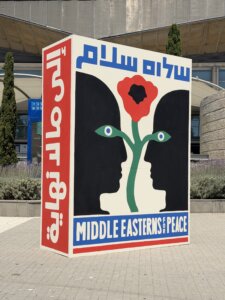
After a quick coffee break, the thousands of participants came together for an evening of stirring speeches and raucous musical performances. When Israeli pop icon Dana International took the stage with a familiar anthem of peace, the crowd rose to its feet, wrapping their arms around one another and belting out the words.
Despite the joyous atmosphere, the event — and the coalition behind it — is not immune from criticism. Some critiques appear to have been internalized: this year’s programming leaned more heavily into policy, strategy and the hard realities of war than previous gatherings. Other issues remain unresolved. Palestinian participation, while present, was still markedly limited, which organizers attribute largely to government-imposed restrictions on movement rather than a lack of interest. Still, the question of whether a civil society movement like this can translate hope and optimism into concrete political change remains to be seen.
That tension between aspiration and reality extends well beyond Israel. In the United States, support for Israel, particularly among younger American Jews, is waning. A 2024 Pew survey found that fewer than half of American Jews under 30 say they feel “very attached” to Israel, while a JFNA poll released in February 2026, found that just 37% of all American Jews identify as Zionists. Both numbers represent a sharp decline from older generations.
For Shira Ben Sasson, Israel director of the New Israel Fund, it is precisely the peace camp which could hold the answer to this growing disillusionment. If the state itself no longer reflects the values that once anchored many American Jews’ connection to Israel, she suggests, perhaps their more natural partner is the small but determined coalition of Israelis working to change it.
“I appreciate how difficult it is to be a Jew who cares about Israel right now,” she told the Forward as the conference, which New Israel Fund helped support and coordinate, got underway. “People are struggling with what they are seeing — the way Israel is conducting itself. Its policies. They are watching the value set that once connected them so strongly to the Jewish state disappear.”
Her response is one of both reassurance and redirection.
“Thank you for continuing to care,” she said. “But remember — the Israeli government is not your partner. We are. Pro-democracy civil society is your partner. Those of us who are fighting for equality here, for the rights of non-Israeli Jews and the rights of non-Jewish Israelis are your partners. This is where those shared values still live.”
If that message feels unfamiliar to those in the diaspora, Ben Sasson suggests the reason ultimately comes down to lack of exposure.
“We, the Israeli peace camp, need to be in many more places than we are right now,” she said. “We must get the word out that while we might not be the majority here, we are not only growing in number, we are expanding our diversity as well.”
She pointed to the rising number of Orthodox Jews, like herself, who have joined the movement as one example.
Ben Sasson also emphasized that, as with any strong partnership, the relationship must move in both directions. Israeli peace activists, she said, must make themselves more visible to American Jews. But American Jews also need to be willing to open their eyes.
“The mainstream Jewish community has to challenge itself,” she said. “They have to be able to voice their concern for Israeli democracy, for the violence in the occupied territories. And they have to be willing to engage in an honest discussion about peace.”
She is less worried about reaching individuals whose support for Israel may be wavering — many of whom, she believes, will connect with the movement’s vision — than she is about the institutions that have long shaped American Jewish engagement with Israel. Those institutions, she said, have been slow to open themselves to this kind of messaging.
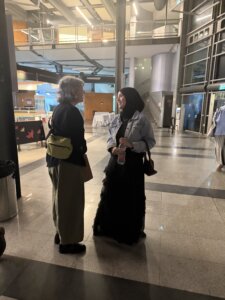
“I think there’s fear,” Ben Sasson explained. “The word ‘peace’ has come to sound political. And once something is labeled political, these legacy institutions don’t want to touch it.”
But that avoidance, she warned, comes at a cost.
“They cannot afford to just stick with the same old stale perception of Israel,” she argued. “If you aren’t willing to talk about the real-life issues that Israelis are facing, you simply won’t be relevant anymore — particularly for the young people in your community.”
“Do not be afraid of controversy,” she added. “Do not be afraid to invite an Arab and a Jew to your event, where there may be disagreement. That’s okay. Struggling and wrestling is a core part of our identity.”
While Ben Sasson contends there is a critical mass of people who are hungry for an alternative way to relate to Israel, the question of feasibility remains; the same question that follows the peace movement inside Israel: Does its growing visibility reflect real political momentum, or is it simply too late to reverse course?
To those who are ready to walk away altogether, Ben Sasson points out that Israel stands to lose not only their support, but also the values and organizing traditions American Jews have long brought to the relationship.
“You’ve helped us achieve so many things in Israel for decades,” she said. “You helped us get a state. And now we need a different kind of support. The Jewish values that you offer — the concept of tikkun olam, which is not at the heart of Israeli Judaism but is at the heart of American Judaism — this is the support you can offer us right now.”
Her final plea was simple.
“Do not give up on Israel,” Ben Sasson said. “There have been so many times when things felt insurmountable and you did not give up on us. Don’t give up on us now.”
The post ‘Don’t give up on us now’: Israel peace summit convenes thousands to aim for elusive progress appeared first on The Forward.