



Uncategorized
Israel Doubles Troops in Hezbollah Fight, Searches Homes in South Lebanon

Israeli soldiers walk next to military vehicles on the Israeli side of the Israel-Lebanon border, amid escalation between Hezbollah and Israel, and amid the US-Israeli conflict with Iran, in northern Israel, March 16, 2026. Photo: REUTERS/Avi Ohayon
Israel has more than doubled the number of troops along its border with Lebanon since March 1 and they are searching homes in southern Lebanese villages that the military has ordered evacuated, a senior Israeli commander said on Wednesday.
As Israeli warplanes pound Beirut in operations against Hezbollah that have become the deadliest spillover of the US-Israeli war on Iran, heavy smoke could be seen rising from villages in southern Lebanon as troops fired artillery across the border.
Hundreds of thousands of Lebanese have fled southern Lebanon since Israel ordered people to clear the area south of the Litani River, viewed by Israel as a stronghold of Iran-backed terrorist group Hezbollah. The Shi’ite Islamist group has been firing rockets toward Israel since joining the war in support of Iran on March 2.
‘DEFENSIVE POSITIONS’ INSIDE LEBANON
“The plan is to make sure that Hezbollah does not have military infrastructure,” said the commander, whose name was withheld by the Israeli military on security grounds.
Speaking to Reuters in Eilon, an Israeli town four kilometers from the border, the commander, who is responsible for infantry warfare in Lebanon, declined to say how many troops Israel had now deployed in the area.
Describing the military’s fortifications inside Lebanon as “defensive positions,” he said troops were searching “the villages to see if Hezbollah hid weapons or communications centers.”
Asked if that included searching houses that residents had fled following Israeli orders, the commander said: “In some of the cases they hid their weapons in houses. We have no choice but to make sure that house is not a military installation.”
Two Israeli soldiers have been killed since the start of operations in southern Lebanon, the Israeli military says.
At least 968 people in Lebanon have been killed since the start of Israel‘s attacks, Lebanese authorities say.
Hezbollah has not provided regular updates on deaths among its fighters. On Monday, a Hezbollah official told Reuters that at least 46 had been killed so far.
LEBANESE VILLAGE OF KHIYAM AN INITIAL TARGET
The Israeli military is advancing slowly through southern Lebanon, aiming to completely clear the town of Khiyam as a first step before advancing toward the Litani River, according to a Lebanese security source and a foreign official tracking developments on the ground.
In response to a question on whether Israel intended to establish positions up to the Litani, the commander said it was not his decision. If troops receive orders, he added, they are “prepared to do all kind of operations.”
The Israeli military did not immediately comment on its operations in Khiyam, five kilometers inside the Lebanese border from the Israeli town of Metula.
Along the border near Metula, Reuters saw several Israeli military fortifications dug into hillsides, filled with rows of tanks, armed personnel carriers, and bulldozers.
Smoke rose from Khiyam throughout the day on Wednesday, and many of the buildings on the southern side of the town had been reduced to rubble. A neighboring town remains in ruins from Israel‘s attacks in 2024.
‘EVERY FIVE MINUTES YOU CAN HEAR THE BOMBS’
Israel‘s northern border area with Lebanon is known as the Upper Galilee, its rolling hills offering vantages into southern Lebanese villages now occupied and bombarded by Israeli troops.
Near Metula, Israeli Apache helicopters and jets were making near-constant sorties on Tuesday and Wednesday, with the sounds of rocket fire from Lebanon interspersed with the booms of Israeli artillery fire.
For residents of Israel‘s far north, the current war with Hezbollah has seen less rocket fire than during a year of fighting that ended in 2024.
Hezbollah‘s ability to launch missiles has largely been degraded, but it still retains capacity to strike areas deep inside Israel, Israeli officials say.
Ofer Moskovitz, 60, who works at an avocado farm in the area, and said being so close to the border meant he had little time to run to a bomb shelter when sirens signaled incoming Hezbollah fire.
Near his farm, the military dug out a muddy fortification from where troops fired artillery across the border.
“Every five minutes you can hear the bombs,” he said.
Uncategorized
Feds charge man with organizing synagogue attacks in Europe and NYC on behalf of Iran
(JTA) — An Iraqi man who was recently arrested in Turkey has been charged with plotting an array of attacks against Jewish targets, including on a synagogue in New York City, in response to the U.S.-Israel war with Iran.
A criminal complaint that was unsealed on Friday claims that Mohammad Baqer Saad Dawood al-Saadi, 32, is a commander in the Iraq-based Kataib Hezbollah that functions as a proxy for Iran. The complaint was unsealed when al-Saadi appeared in federal court in Manhattan.
The complaint alleges that al-Saadi is responsible in part for organizing the attacks in Europe that have been claimed by a new group, Harakat Ashab al-Yamin al-Islamiya. It marks the first major disclosure of intelligence information tying the group directly to the Quds Force, the overseas arm of the Iranian regime’s Islamic Revolutionary Guard Corps, and includes multiple photographs of al-Saadi meeting in person with IRGC leaders.
Attacks that al-Saadi organized include 18 in Europe that Harakat Ashab al-Yamin al-Islamiya publicly claimed, as well as the stabbing of two Jews in London last month, the complaint alleges. He also organized multiple attacks in Canada that were carried out and plotted others that did not take place, the complaint alleged.
Al-Saadi is charged with six crimes, including conspiracy to provide support for acts of terror and conspiracy to provide support for a foreign terrorist organization. (The Trump administration declared the IRGC a terrorist organization in 2019.) He did not speak during his first court appearance on Friday, according to The New York Times, which reported that his attorney called him “a political prisoner and prisoner of war.”
“As alleged in the complaint, Al-Saadi directed and urged others to attack U.S. and Israeli interests and to kill Americans and Jews in the U.S. and abroad, and in doing so advance the terrorist goals of Kata’ib Hizballah and Iran’s Islamic Revolutionary Guard Corps,” Acting Attorney General Todd Blanche said in a statement on Friday. “These charges show American law enforcement will never let such evil go unchecked and will use all tools to disrupt and dismantle foreign terrorist organizations and their leaders.”
The incidents targeting Jews came amid warnings that Iran, which has a long record of organizing terror attacks abroad, would retaliate against the United States, Israel and Jews around the world.
The complaint, reflecting a sworn affidavit from Kathryn McDonald, an FBI special agent, says al-Saadi offered to pay online contacts $10,000 to stage attacks on U.S. Jewish targets.
According to the criminal complaint, al-Saadi sent a $3,000 down payment in cryptocurrency to an agent who was posing as someone willing to stage attacks on Jewish targets in New York, Los Angeles and Scottsdale, Arizona, in April.
Al-Saadi allegedly told the agent that “things are working for us here” in Europe but that he was looking for more assistance in the United States and Canada. He shared a picture of what the complaint says is a “prominent Jewish synagogue” in New York and said he had selected it as a target because it supported “the right for Israel to exist.” The agent initially agreed to stage an attack but stopped communicating with al-Saadi after sending a picture showing that the synagogue was guarded by police officers.
The Community Security Initiative, a group coordinating security for Jews in New York, sent a “community security bulletin” on Friday after al-Saadi appeared in federal court in Manhattan, saying that the arrest did not come as a surprise.
“CSI has been in contact with FBI’s Joint Terrorism Task Force in New York since April 2026 regarding this plot, and they have been keeping us apprised as events have evolved,” CEO Mitchell Silber said in the bulletin. He added, “At this time, we are not at liberty to disclose the targeted location.”
Kataib Hezbollah is the group that abducted and held a Russian-Israeli Princeton University researcher, Elizabeth Tsurkov, for more than two years until September. Following the revelation of al-Saadi’s arrest, she praised the FBI agents who worked the case, including one who also investigated her kidnapping.
“This ginger angel kept doggedly working my case because she knew I needed her and she knew that solving the case would help US national security interests. Indeed, owing to the incredible stupidity of my torturers, they provided me with a plethora of information about their operations, which I happily provided to the FBI after my release,” Tsurkov tweeted. “The American people are lucky to have such dedicated agents helping to keep them safe.”
This article originally appeared on JTA.org.
The post Feds charge man with organizing synagogue attacks in Europe and NYC on behalf of Iran appeared first on The Forward.
Uncategorized
A floating wooden synagogue at the 2026 Venice Biennale
דאָס איז איינער פֿון אַ סעריע קורצע אַרטיקלען אָנגעשריבן אױף אַ רעלאַטיװ גרינגן ייִדיש און געצילעװעט אױף סטודענטן. די מחברטע איז אַלײן אַ ייִדיש־סטודענטקע. דאָ קען מען לײענען די פֿריִערדיקע אַרטיקלען אין דער סעריע.
הײַיאָר צום דריטן מאָל לאָזט זיך ייִדיש באַמערקן בײַ דער באַרימטער אױסשטעלונג אין ווענעציע, איטאַליע — „װענעציער ביענאַלײ“, װאָס האָט זיך אָנגעהויבן דעם 9סטן מײַ און װעט זיך ענדיקן דעם 22סטן נאָװעמבער. ייִדיש שפּילט נישט קײן אָפֿיציעלע ראָלע אין דער אױסשטעלונג, און דאָס איז טאַקע דער עיקר. די אױסשטעלונג ווערט אָרגאַניזירט לויט לענדער, און אַװדאי איז ייִדיש קײן מאָל נישט געװען די הויפּטשפּראַך פֿון קײן לאַנד.
ייִדיש מאַכט אַ רושם בײַם ביענאַלײ אַ דאַנק דעם „ייִדישלאַנד פּאַװיליאָן“, װאָס איז אױסגעטראַכט געװאָרן אין 2022 פֿון דער קוראַטאָרשע מאַריע װײַץ און דעם קינסטלער יעװגעני פֿיקס. דער „פּאַװיליאָן“ איז אַ סעריע אױסשטעלונגען און אױפֿטריטן װאָס קומען פֿאָר אין עטלעכע ערטער איבער װענעציע, אַרום די ראַנדן פֿון דער אָפֿיציעלער ביענאַלײ.
דאָס װאָרט „פּאַװיליאָן“ אין „ייִדישלאַנד פּאַװיליאָן“ איז אַן איראָנישער קאָמענטאַר אױף די פֿיזישע פּאַװיליאָנען װאָס דער ביענאַלײ גיט צו 100 לענדער אין 2026, כּדי אױסצושטעלן אַ גאַמע קונסטװערק. אין קאָנטראַסט איז דער ייִדישלאַנד פּאַװיליאָן „געבױט“ אין גאַנצן פֿון אידעען.
אין זומער 2025 האָב איך אינטערװיויִרט װײַץ און פֿיקס װעגן דעם ייִדישלאַנד פּאַװיליאָן, װאָס איז דעמאָלט בײַגעװען בײַם ביענאַלײ. אין אונדזער אינטערװיו האָבן װײַץ און פֿיקס דערקלערט די צילן פֿונעם פּאַװיליאָן: בקיצור װילן זײ זײַן אין סתּירה מיטן ביענאַלײס טראָפּ אױף לענדער און נאַציאָנאַליזם, װאָס שליסט אױס די ייִדישע קולטור און אַנדערע מינאָריטעט־קולטורן װאָס זענען באַזירט אױף שפּראַכן.
װײַץ און פֿיקס, און די קינסטלער װאָס אַרבעטן מיט זײ, זאָגן אױך אָפּ די באַגריפֿן װאָס באַגלײטן אַ פֿאָקוס אױף לענדער. אַנשטאָט גרענעצן, פֿאַראינטערעסירן זײ זיך מיטן קולטורעלן קאָנטאַקט און צונױפֿשמעלץ. דערמיט שפּיגלען זײ אָפּ די דערפֿאַרונגען פֿון דורות ייִדיש־רעדערס, װאָס האָבן אָפֿט געװױנט װי דרױסנדיקע אין דער גלאָבאַלער סיסטעם פֿון לענדער. די קולטור װאָס די דאָזיקע ייִדיש־רעדערס האָבן געשאַפֿן, ספּעציעל אינעם ערשטן העלפֿט פֿונעם 20סטן יאָרהונדערט, איז געװען טיף פֿאַרװאָרצלט אין ייִדישע טראַדיציעס — אָבער אױך היבריד און צופּאַסיק. זי האָט בכּיוון אַרײַנגעמישט השפּעות פֿון פֿאַרשײדענע שפּראַכן, אידענטיטעטן און קולטורעלע באַװעגונגען.
אָט דער דאָזיקער גײַסט פֿון אָפֿנקײט און צופּאַסיקײט — פֿון די מעגלעכקײטן פֿון פֿליסיקע גרענעצן — האָט אינספּירירט די ייִדישלאַנד־פּאַװיליאָנען פֿון 2022 און 2025, און נאָך אַ מאָל אין 2026.
פֿון איצט ביזן 16טן סעפּטעמבער װעט דער ייִדיש־פּאַװיליאָן אױסשטעלן „די װערטער װאָס פּאַסן זיך צו מײַן מױל“. ער געפֿינט זיך אין דרײַ ערטער אַרום װענעציע, אַרײַננעמדיק אין דער אַלטער ייִדישער געטאָ. זי באַשטײט פֿון פֿיר טײלן, װאָס פֿאַרנעמען זיך אַלע מיט דער „איבערזעצונג“, סײַ צװישן שפּראַכן סײַ צװישן קולטורן און קאָנטעקסטן:
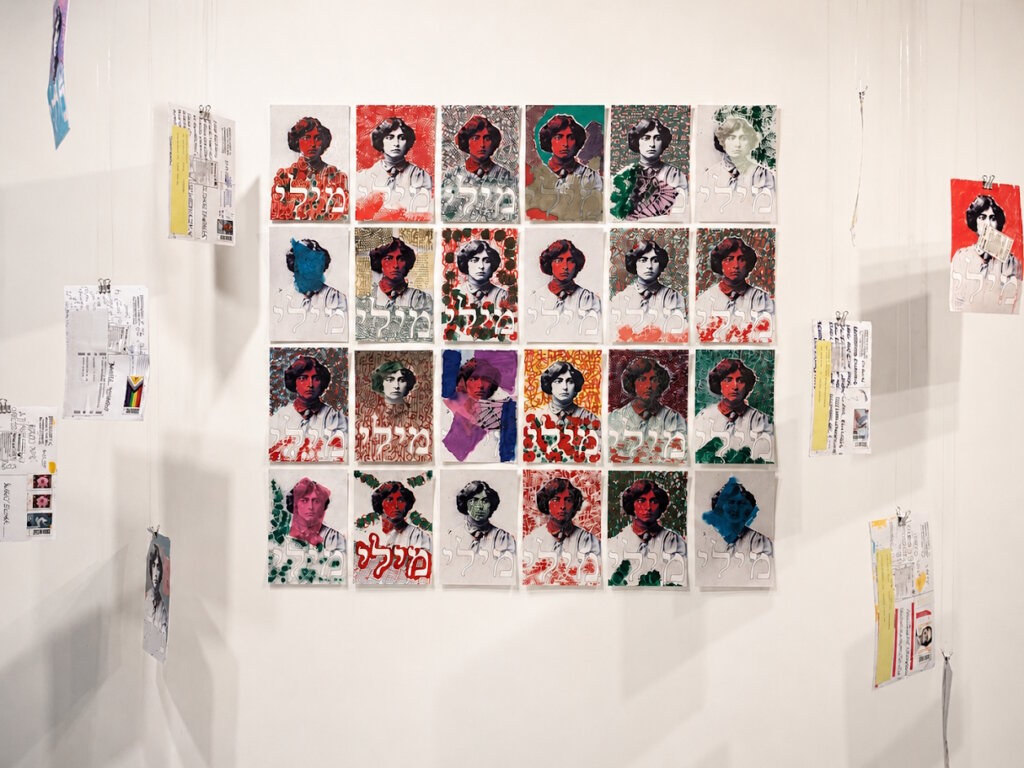
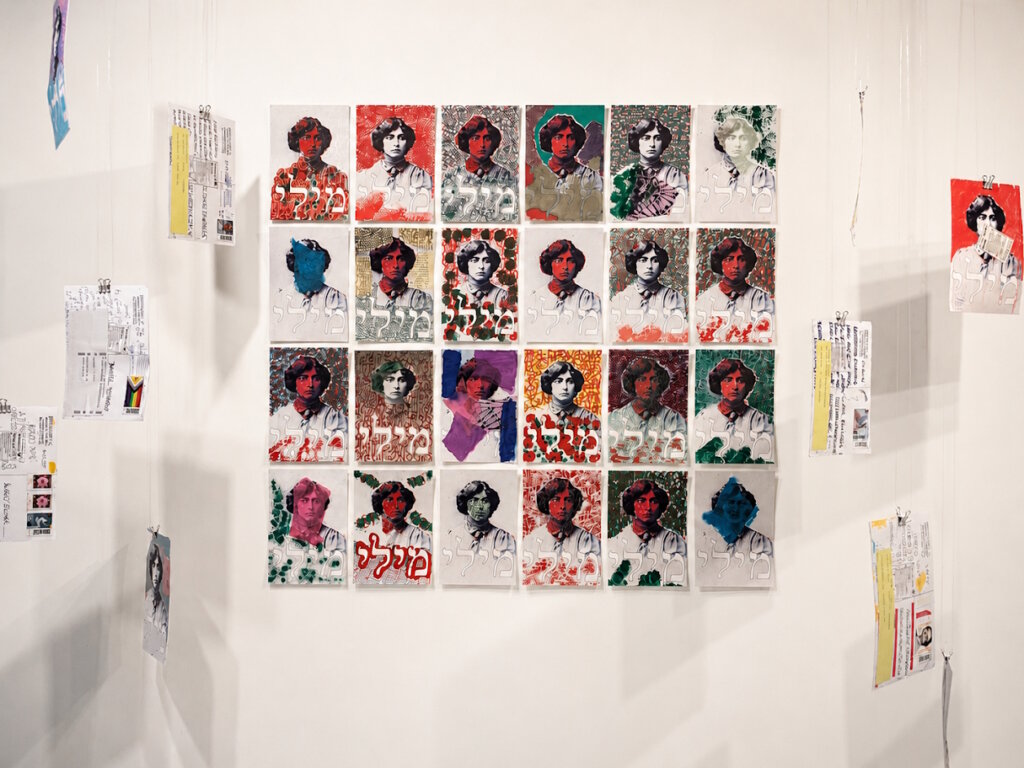
- „איך בין נישט מסכּים“, פֿון אַרנדט בעק. דער פּראָיעקט פֿאָרשט אױס, דורך צײכענונגען און קאָלאַזש־פּאָסטקאַרטלעך, דאָס לעבן פֿון דער ייִדיש־רעדנדיקער אַנאַרכיסטקע מילי װיטקאָפּ (1877־1955), װאָס איז געבױרן געװאָרן אין אוקראַיִנע און האָט געאַרבעט מערסטנס אין לאָנדאָן. בעק באַזינגט אױף ייִדיש און אַנדערע שפּראַכן װיטקאָפּס איבערגעגעבנקײט צו אַרבעטער־ און מענטשנרעכט.
- „לידער פֿאַר טײַכן“, פֿון ליליאַנאַ פֿאַרבער. דאָס קונסטװערק איז באַזירט אױף ייִדישע לידער װעגן טײַכן, װאָס שטאַמען פֿון יזכּור־ביכער — די בענד געשאַפֿן נאָכן חורבן צו פֿאַראײביקן דעם אָנדענק פֿון די פֿאַרטיליקטע ייִדישע שטעט און שטעטלעך. אין אַ סעריע גראַפֿישע װערק האָט פֿאַרבער אַראַנזשירט די װערטער פֿון יעדן ליד כּדי נאָכצופֿאָלגן די קאָנטורן פֿונעם טײַך, װאָס דאָס ליד באַשרײַבט.
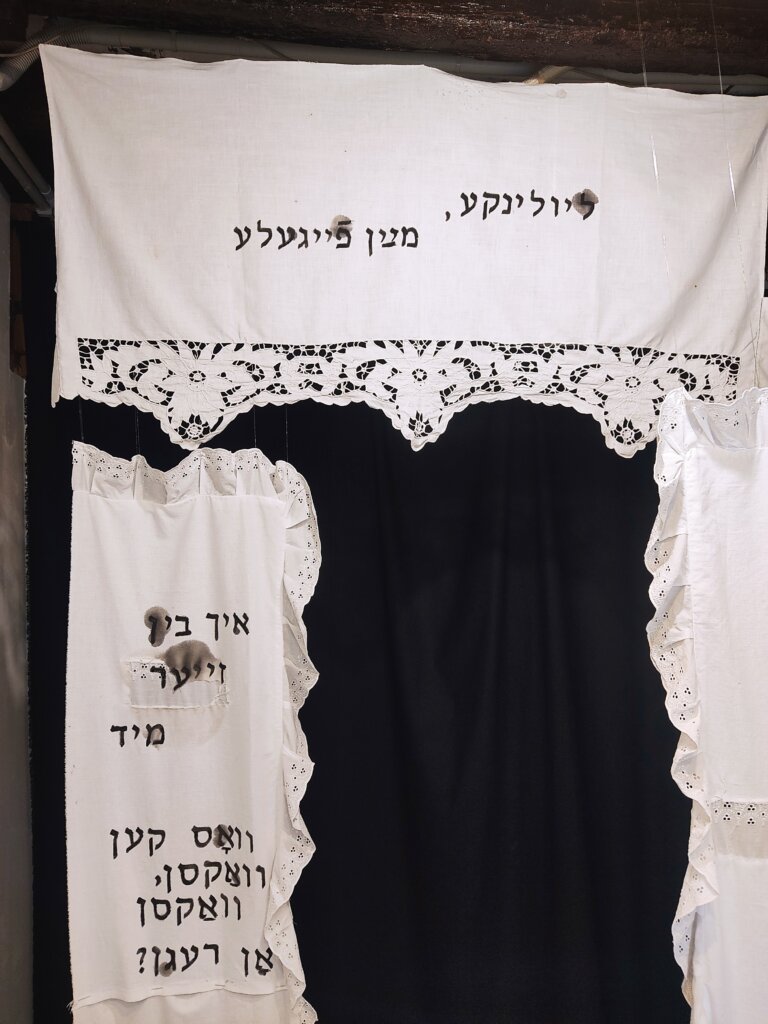
- ליולינקע, מײַן פֿײגעלע, פֿון מאַשאַ שפּרײַזער. דער פּראָיעקט באַשטײט פֿון פֿאַרשײדענע אַלטע שטוב־טעקסטילן אַזױ װי ציכלעך און טיכלעך, מיט װערטער פֿון ייִדישע לידער געמאָלט אױף זײ. די טעקסטילן האָט מען פֿריִער געצירעװעט. מסתּמא האָבן דאָס פֿרױען געטאָן. דער טיטל פֿונעם װערק פֿאַררופֿט זיך אױף אַ ייִדיש װיגליד. בײַנאַנד מיט די טעקסטילן געפֿינען זיך בײַשפּילן פֿון װענעציער שפּיצן (דאָס שאַפֿן פּרעכטיקע שפּיצן איז אַ שטאָט־טראַדיציע). צוזאַמען דערמאָנען די אָביעקטן אין װײַבערשער אַרבעט, און אין װײַבערשע לעבנס און מעשׂיות.
- „אַלטמאָדיש“, פֿון לײלאַ אַבדעלראַזאַק. די דאָזיקע װידעאָ־קונסט פֿאַרנעמט זיך מיט דער צוקונפֿט פֿון אַראַביש אין פּאַלעסטינע און ישׂראל. יעװגעני פֿיקס האָט דערקלערט׃ „פֿילשפּראַכיקײט איז געװען כאַראַקטעריסטיש פֿאַרן ייִדישן לעבן אין מיזרח־אײראָפּע, װוּ אַ סך געבױרענע ייִדיש־רעדערס האָבן פֿליסיק גערעדט אַנדערע שפּראַכן. אַבדעלראַזאַק װױנט אױך צװישן שפּראַכן — אַראַביש, העברעיִש און ענגליש — װאָס זענען אַלע אַ טײל פֿון איר פֿילזײַטיקער אידענטיטעט. איר קונסט פֿאָרשט אױס װי אַזױ די פּאָליטיק פֿון שפּראַך אין אַ פֿאַרשײדנאַרטיקער קולטור.“
דעם 16טן יולי װעט זיך עפֿענען „נבטעלע“ פֿון אַנאַ קאַמײַשאַן. בײַ דער דאָזיקער דרױסנדיקער אינסטאַלירונג (װאָס װערט פּרעזענטירט צוזאַמען מיטן ייִדישן מוזײ אין מאָנטרעאָל) װעט מען אױפֿהײבן אין דער לופֿט אַ גרױסן מאָדעל פֿון אַ הילצערנער שיל פֿון מיזרח־אײראָפּע. דער מאָדעל איז פֿול מיט העליום, און נאָר אַ דאַנק שטריק שװעבט ער נישט אַװעק. די שיל אינעם מאָדעל זיצט אױף אַ באַזע פֿון ריזיקע פֿעלדזן. אין דער שיל שײַנט אַ ליכט װאָס גײט קײן מאָל נישט אױס.
דער טיטל „נבטעלע“ שטאַמט פֿון אַ סלאַװיש װאָרט װאָס דערמאָנט אין סכּנה אָדער באַאומרויִקן זיך. ער פֿאַררופֿט זיך אױך אױף תּנכיש העברעיִש, װוּ „נבט“ מײנט „נאָענט אָנקוקן“. אַ „נבטעלע“, מיטן ייִדישן דימינוטיװ „-עלע“, איז עפּעס װײכער װי בײדע װערטער — אָבער אױך צװײטײַטשיק.
אין „נבטעלע“ זעט מען אַ סך סתּירות, אַזױ װי דעם קאָנטראַסט צװישן דעם װאָג פֿון אַ בנין װאָס זיצט אױף פֿעלדזן, און דער אָנװאָגיקײט פֿונעם מאָדעל אַלײן; און אױך צװישן דעם צער צוליב דער פֿאַרטיליקונג פֿון אַלע הילצערנע שילן פֿון די נאַציס, און דער האָפֿענונג סימבאָליזירט פֿונעם אײביקן ליכט אין דער שיל. צי איז די שיל אַרױסגעריסן געװאָרן פֿון דער אַלטער הײם, אָדער טראָגט זי די הײם מיט איר?
מען דאַרף אױך דערמאָנען אַ טײל פֿונעם ייִדישלאַנד־פּאַװיליאָן װאָס האָט זיך שױן געענדיקט. בעת די ערשטע טעג פֿונעם ביענאַלײ האָט עליאַנאַ פּליסקין דזשײקאָבס אױסגעפֿירט אין עפֿנטלעכע ערטער אַרום װענעציע איר „טאַנצן צװישן נאַ און נאַד“. זי האָט געאַנצט און געזונגען ייִדישע לידער װעגן װאָגלעניש און גלות — טײלװײַז אױפֿן אָריגינעל ייִדיש און טײלװײַז איבערגעזעצט אױף אַנדערע שפּראַכן.
דאָס פּרעזענטירן דעם ייִדישלאַנד פּאַװיליאָן בײַ דער װענעציער ביענאַלײ איז גאָר אַ כּדאַייִקע אונטערנעמונג, װאָס ציט דעם אױפֿמערק אױף ייִדיש און ייִדישער קולטור בעת זײער אַ װיכטיקער אינטערנאַציאָנאַלער אױסשטעלונג. דער ייִדישלאַנד פּאַװיליאָן איז אָבער אױך טײַער. אַלע צושטײַערס זענען קריטיש, סײַ הײַיאָר סײַ פֿאַר דער צוקונפֿט. אױב איר קענט העלפֿן מיט אַ צושטײַער קענט איר קװעטשן דאָ.
The post A floating wooden synagogue at the 2026 Venice Biennale appeared first on The Forward.
Uncategorized
Mamdani Nakba Day video prompts pushback from Jewish leaders amid rising tensions
New York City Mayor Zohran Mamdani once again angered many Jewish New Yorkers, already uneasy about his criticism of Israel, after posting a video on Friday made by his City Hall team marking Nakba Day, which remembers the displacement of thousands of Palestinians during the creation of Israel in 1948. “Nakba” means “catastrophe” in Arabic.
Mamdani, who rose to power aligned with pro-Palestinian activism, has been unapologetic about his anti-Zionist views and signaled they would shape his tenure. The Jewish community overwhelmingly did not support his election. Mamdani has supported efforts to divest from Israel Bonds and has refused to recognize Israel as a Jewish state — all this reversing years of steadfast support of Israel by mayors of New York City, which has about 1 million Jewish residents. While people who identify as Palestinians number just a few thousand in official records, about 150,000 New Yorkers told the last Census that they hailed from the Mideast, excluding Israel.
The post drew fierce backlash from Jewish leaders, who accused Mamdani of promoting a one-sided view of the Israeli-Palestinian conflict while ignoring Israel’s history and alienating the many New Yorkers who have connections to Israel.
The four-minute video featured New Yorker Inea Bushnaq, who recounted her experience as her family fled their home in East Jerusalem because “the Zionists were coming into Jerusalem,” and moved to Nablus. It had 10 million views on the social media platform X by Sunday evening, one of multiple platforms where it was posted on the official NYC Mayor’s Office accounts.
Today marks Nakba Day, an annual day of remembrance to commemorate the expulsion of more than 700,000 Palestinians between 1947 and 1949 during the creation of the State of Israel and the year that followed.
Inea is a New Yorker and a Nakba survivor. She shared her story with us… pic.twitter.com/z2PBOaJq5Z
— Mayor Zohran Kwame Mamdani (@NYCMayor) May 15, 2026
Olivia Becker, Mamdani’s video director, who filmed the interview, reposted supportive messages on X from allies of the mayor, highlighting the significance of his becoming the first New York City mayor to publicly commemorate Nakba Day.
Many Israelis argue that the displacement of Palestinians occurred in the context of the war launched by neighboring Arab states and Palestinian groups against the newly declared State of Israel, while some progressive Jewish groups and pro-Palestinian advocates say the Palestinian experience and the continued statelessness of millions of Palestinians should also be publicly acknowledged. Jewish leaders also noted that Mamdani’s video ignored the massacre of Jews pre-state and the displacement of hundreds of thousands of Jews from Middle Eastern countries. Many New Yorkers and Israelis are themselves descendants of Jews who were expelled or forced to flee Arab countries such as Egypt, Syria and Yemen.
Yaacov Behrman, a Chabad-Lubavitch activist in Brooklyn — who has appeared with Mamdani and attended a roundtable discussion with Orthodox leaders at City Hall — harshly criticized the mayor for platforming a “dishonest characterization” of history. “The tweet’s one sided narrative deepens division instead of advancing peace, coexistence, and understanding, and it should never have been posted by the mayor of New York City,” Behrman said.
Tony Award-winning actor Ari’el Stachel, whose father immigrated to Israel from Yemen, mocked Mamdani’s muddled response to rising antisemitism in an Instagram satire in which he struggles to say “I am outraged by antisemitism” — but eagerly looks forward to releasing the Nakba Day video.
A City Hall spokesperson did not respond to an inquiry asking what civic purpose was served by using city resources and the mayor’s official account to post the video.
The video prompted the latest clash between Mamdani and major Jewish and Zionist organizations over Israel-related issues. Last month, Mamdani vetoed a City Council bill requiring safety plans for protests near schools, while allowing a separate measure protecting houses of worship to become law without his signature. In January, Jewish leaders criticized his delayed response to a protest in which demonstrators chanted pro-Hamas slogans. Mamdani also faced backlash from Zionist Jewish organizations on his first day in office after revoking executive orders tied to antisemitism and campus protests.
Mamdani came under fire during the mayoral race last year for defending the slogan “globalize the intifada,” used by some at the pro-Palestinian protests and perceived by many as a call for violence against Jews.
Mamdani’s Jewish Heritage reception
Mamdani is set to host Jewish leaders and activists at Gracie Mansion, the mayor’s official residence, on Monday to mark Jewish American Heritage Month. The annual event has been programmed by Mamdani’s team as a celebration in honor of the Shavuot holiday, with a dairy menu.
Former Assemblyman Dov Hikind had urged Jewish leaders to boycott the event before Friday’s video was released. “You don’t have to go for cheese blintzes to Gracie Mansion,” Hikind said in an interview Sunday, arguing that attendance would legitimize Mamdani’s anti-Zionist posture. “I have no doubt that Mamdani is laughing all the way to the bank,” said Hikind, who now runs Americans Against Antisemitism. “I can tell these Jews that he would have greater respect for you if you started to believe in something.”
Hikind said he had been told that photographers from the New York Post planned to stage outside the mayoral residence on the East River to photograph attendees entering the event and that activists intend to circulate the images on social media to publicly shame participants.
For observers, the repeated episodes underscore the widening divide between a mayor who sees outspoken advocacy for Palestinians as part of his political identity and the largest Jewish community outside Israel, which increasingly views his approach to Israel and antisemitism as dismissive of its concerns despite his repeated promises to protect and engage with Jewish New Yorkers.
The post Mamdani Nakba Day video prompts pushback from Jewish leaders amid rising tensions appeared first on The Forward.