


Uncategorized
Why am I the only one troubled by an Anne Frank House shot glass?
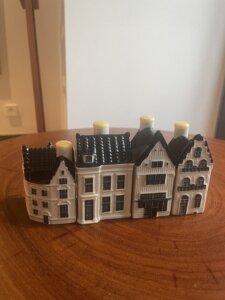
Readers, how many of you have ever looked at the Anne Frank House and thought: “Wow, I wish I had a miniature version I could drink alcohol from” ?
Probably very few of you. And yet a ceramic replica of the historic house filled with approximately 1.7ozs of Bols Dutch gin is available from KLM Dutch Airways as part of a gift series for business class passengers on international flights.

The airline first launched the Delft Blue miniature house line in 1952 as gifts for business class passengers on intercontinental flights. I first discovered them last month, when I was flying with my dad to Maputo, Mozambique, to cover the centenary celebration of a local synagogue. My dad and I initially thought these would make good Christmas gifts for my cousin’s kids until we heard the liquid sloshing inside. We ended up keeping these recreations — which included the house of aviator Anthony Fokker and one of the last wooden houses left in Amsterdam — for ourselves.
While researching these unique souvenirs, I quickly discovered that one of the historic recreations is the Anne Frank House, aka “KLM miniature number 47,” which the Dutch airline added to the collection in 1975. My initial reaction was shock: How could the airline take a place that represents such a tremendous tragedy and turn it into a shot glass?
I reached out to KLM and asked if they had ever received a complaint about the item. A representative wrote back to say that, from what he knew, there had only ever been one critical Instagram comment: that KLM tried to make money off of everything. Collectors shared the souvenir online, but nobody I could find on the internet expressed the surprise and revulsion I felt.
My request to chat on the phone for further comments on why KLM included the Anne Frank House in their collection didn’t garner the response I expected. The representative responded via email that the house is historic and if I wanted to know more about it, I could just Google it. The subtext of my question — that it feels like a strange and possibly inappropriate choice to turn a solemn landmark into a cutesy flask — didn’t seem obvious to him.
So why did it feel so obvious to me?
For so many, Anne Frank is the symbol of how horrendous the Holocaust was. The fact that she is an innocent child exposes the depraved nature of the Nazis. Most Americans are first introduced to the Holocaust through the story of her confinement in that house in Amsterdam.
Even though it is not where Frank died (that was Bergen-Belsen, at the age of 16), it feels like the place where her fate was sealed. It is not just a landmark included in a famous book; it was her prison and the last stop on the way to her death. Although some may associate it with Frank’s enduring spirit of hope, filling it with alcohol still feels obscene.
Frank’s image has been co-opted over and over again. Two years ago, a Norwegian artist used an image of Frank in a keffiyeh to bring attention to children being killed in Gaza. More recently, Frank has become a symbol for anti-ICE protesters of the dangers of letting law enforcement target people based on their ethnic background. Then there’s the viral satirical comedy musical Slam Frank, which reimagines Anne Frank as a queer Latinx girl with a Black mom and gay, neurodivergent dad in order to poke fun at woke culture.The KLM house feels like a less charged appropriation of Anne Frank’s legacy; it’s not pushing any sort of political agenda.
The ceramic house is also part of a larger kitsch culture that blurs the fine line between commemoration and trivialization. So many tragedies have been commodified in this way that there’s a term for it: “dark tourism.” There are plenty of 9/11 related objects out there — a Twin Towers Christmas tree ornament, stuffed search and rescue dogs — that feel like they border on exploitation.
But what makes the KLM Anne Frank house stand out is its contents. To use a house of such suffering as the container for gin feels minimizing. (It is worth mentioning that a New York winery did at one point produce a 9/11 commemorative wine, although some of the proceeds were donated to the National September 11 Memorial and Museum.) Once the Anne Frank flask is emptied of its contents, it will just be a ceramic trinket that could help keep the memory of the landmark alive. Does the fact that it was originally made to carry alcohol negate that power?
I asked a similar question nearly one year ago in my very first Looking Forward column when I wrote about a recording of Nazi marching songs and speeches made by a Jewish producer. Since that piece was published, I haven’t found a satisfying answer to when memorialization becomes inappropriate, but I have become more comfortable acknowledging how complex this issue is.
This will be my last Looking Forward, as my last day as an employee of the Forward (at least for now, as I embark on a new pursuit) will be July 31. It feels fitting that my time with this newsletter will end similarly to the way in which it started: scratching my head about Holocaust kitsch. But having to grapple with such a topic in my writing is just another day at the Forward.
The post Why am I the only one troubled by an Anne Frank House shot glass? appeared first on The Forward.
Uncategorized
Translation series connects English readers to prewar Eastern European Jewish life
דאָס איז איינער פֿון אַ סעריע קורצע אַרטיקלען אָנגעשריבן אױף אַ רעלאַטיװ גרינגן ייִדיש און געצילעװעט אױף סטודענטן. די מחברטע איז אַלײן אַ ייִדיש־סטודענטקע. דאָ קען מען לײענען די פֿריִערדיקע אַרטיקלען אין דער סעריע.
אַ דאַנק אַ סעריע נײַע ענגלישע איבערזעצונגען פֿון מיזרח־אײראָפּעיִשע ייִדישע ווערק, האָבן ענגליש־לייענערס הײַנט אַ געלעגנהײט זיך צו באַקענען מיטן ייִדישן לעבן־שטייגער פֿאַרן חורבן.
די סעריע, „ייִדישע שטימען“ — אַ בשותּפֿותדיקער איניציאַטיוו פֿון ייִװאָ און דעם פֿאַרלאַג בלומסבערי — איז שוין צו ניץ געקומען סײַ לערערס פֿון קורסן, וווּ די סטודענטן פֿאַרשטייען ניט קיין ייִדיש, סײַ לייענערס מיט אַן אינטערעס צו דער ייִדישער געשיכטע.
„ייִדישע שטימען“ באַשטייט פֿון ביכער װאָס זענען קײן מאָל פֿריִער ניט איבערגעזעצט געװאָרן אױף ענגליש. זיי נעמען אַרײַן אַ ברײטע גאַמע אידעעס און פּערספּעקטיװן װאָס האָבן צוגעטראָגן צו דער מאָדערנער ייִדישער קולטור אין (און מחוץ) מיזרח־אײראָפּע.
זינט 2023, װען די סעריע איז לאַנצירט געװאָרן, זענען אַרױס פֿינעף בענד, װאָס צװײ פֿון זײ — „מיסיסיפּי“ און „די חסידישע װאַרשע“ — זענען ערשט דערשינען מיט אַ פּאָר װאָכן צוריק. ביז איצט האָט מען איבערגעזעצט בלויז ייִדיש־שפּראַכיקע װערק אָבער מיט דער צײַט װעט מען איבערזעצן טעקסטן פֿון אַנדערע לשונות, אַזױ װי פּױליש און העברעיִש, וואָס מע האָט ביז איצט ניט איבערגעזעצט אויף ענגליש.
די סעריע, סובסידירט פֿון דער משפּחה פֿון האַריעט יאַסקי, װערט רעדאַקטירט פֿון אַליסאַ קװינט און עליסאַ בן-פּורת. (איך אַלײן אַרבעט מיט זײ װי אַן אַסיסטענטקע). קװינט איז אַ היסטאָריקערין פֿונעם ייִדישן טעאַטער, און בן-פּורת איז אַ היסטאָריקערין פֿונעם ייִדישן לעבן אין רוסלאַנד און אין סאָװעטן־פֿאַרבאַנד. ס׳איז דערפֿאַר נישט קײן חידוש אַז דער סעריעס קוקװינקל איז אַ היסטאָרישער. כאָטש די איבערגעזעצטע װערק רעפּרעזענטירן פֿאַרשײדענע קאַטעגאָריעס — למשל פּיעסעס, זכרונות און דערצײלונגען — איז דער עיקר זײער היסטאָרישע רײַכקײט.
„מיר קלײַבן אױס טעקסטן װאָס װאַרפֿן אַ שײַן סײַ אױף ברײטע טענדענצן, סײַ אױף ספּעציפֿישע פֿראַגעס װעגן ייִדיש לעבן אין מיזרח־אייראָפּע, און אין אַנדערע לענדער װוּ מיזרח־אייראָפּעיִשע ייִדן האָבן געװױנט װי אימיגראַנטן אָדער פּליטים. אַפֿילו די ׳ליטעראַרישע׳ װערק װי דערצײלוגען און פּיעסעס פֿאָרשן מיר פֿון אַ היסטאָרישן שטאַנדפּונקט“, האָט מיר קװינט געזאָגט.
צוליב דעם דאָזיקן שליחות שפּילט אַ װיכטיקע ראָלע דער אַרײַנפֿיר צו יעדן באַנד, װאָס איז תּמיד געשריבן פֿון אַ היסטאָריקער. אַ מאָל איז דער מחבר פֿון דער הקדמה אױך דער איבערזעצער, און אַ מאָל נעמען אונטער באַזונדערע מענטשן די צװײ אױפֿגאַבעס. „דעם היסטאָריקערס אַרבעט אינעם אַרײַנפֿיר איז אַרױסצוציִען און צוצובינדן די ביאָגראַפֿישע, גײַסטיקע און געזעלשאַפֿטלעכע אַספּעקטן פֿונעם װערק, אױף אַן אופֿן װאָס איז גלײַכצײַטיק װיסנשאַפֿטלעך און צוטריטלעך צו אַלע לײענערס, אַרײַננעמענדיק די װאָס האָבן פֿריִער ניט געװוּסט קײן סך װעגן דער טעמע,“ האָט בן-פּורת געזאָגט.
ביז אַהער באַשטײט די סעריע פֿון די דאָזיקע בענד, װאָס זענען אַלע בראָשירטע ביכלעך גרינג אַרומצוטראָגן אין אַ רוקזאַק און צו לײענען אַבי װוּ:
— „דרײַ ייִדישע פּיעסעס פֿון פֿרױען׃ װײַבערשע ייִדישע פּערספּעקטיװן“, איבערגעזעצט פֿון אַלען לויִס ריקמאַן, מיראָ מניעװסקי און אליע פּיאַצאַ, מיט אַ הקדמה פֿון אַליסאַ קװינט. דאָס בוך נעמט אַרײַן דרײַ פּיעסעס אָנגעשריבן פֿון דראַמאַטורגינס אין דער רוסישער אימפּעריע, אין פּױלן און אין ברוקלין, ניו־יאָרק, צװישן 1880 און 1920. אַלע דרײַ באַהאַנדלען קאָנטראָװערסיעלע „װײַבערשע“ טעמעס אַזױ װי חתונה און גט, שװאַנגערשאַפֿט, קינדל־קאָנטראָל און פּראָסטיטוציע. דראַמעס װאָס באַטראַכטן איבערלעבונגען דורך װײַבערשע אױגן זענען אַ זעלטנקײט אין דער ייִדישער ליטעראַטור.
— „חורבן דובאָװע׃ אַ פּינקס פֿון אַ טױטער שטאָט“, פֿון רחל פֿײַגנבערג (1926), איבערגעזעצט פֿון סינטיע און אַלבערט מאַדאַנסקי, מיט אַן אַרײַנפֿיר פֿון עליסאַ בן-פּורת (לײענט װײַטער דאָ). פֿײַגנבערג באַשרײַבט דאָס לעבן און דעם טראַגישן אוקמום פֿונעם שטעטל דובאָװע אין אוקראַיִנע, װוּ כּמעט אַלע ייִדן זענען בעת דער רוסישער בירגערקריג אין 1919 אָדער פֿאַרטיליקט אָדער פֿאַרטריבן געװאָרן. װען נישט פֿײַגנבערגס רירנדיקע דערצײלונג װאָלט דאָס ייִדישע לעבן אין דובאָװע אין גאַנצן פֿאַרגעסן געװאָרן. איר נאַראַטיװ האָט געדינט פֿאַר אַ גבֿית־עדות אינעם מישפּט פֿון שלום שװאַרצבאָרד אין 1927.
— „די מוטער פֿונעם ייִדישן טעאַטער׃ זכרונות פֿון אסתּר־רחל קאַמינסקאַ“ (1927-1926), איבערגעזעצט און מיט אַ הקדמה פֿון מיכל יאַשינסקי (לײענט װײַטער דאָ). קאַמינסקאַ איז געװען די באַרימטסטע ייִדישע אַקטריסע פֿון איר דור — טאַקע אַ „סופּערשטערן“ סײַ אױף דער בינע, סײַ אין ייִדיש־שפּראַכיקע פֿילמען. זי איז געװען ספּעציעל באַקאַנט פֿאַר אירע מאַמע־ראָלעס: דער טיטל פֿון דער איבערזעצונג פֿאַררופֿט זיך סײַ אױף דעם, סײַ אױף איר השפּעה אױף דער אַנטװיקלונג פֿון ייִדישן טעאַטער. קאַמינסקאַס זכרונות זײַנען פֿול מיט אומפֿאַרגעסלעכע געשיכטעס װעגן די פֿריילעכע מאָמענטן און די שװעריקײטן פֿונעם טעאַטער־לעבן, און מיט באַמערקונגען װעגן דער טעאַטער־קונסט װאָס זי האָט געהאָלפֿן אױספֿורעמען.
— „מיסיסיפּי׃ אַ ייִדישע פּיעסע װעגן דעם סקאָטסבאָראָ־ענין“ (1935), פֿון לײב מלאך, איבערגעזעצט פֿון עלען פּערעצמאַן, מיט אַן אַרײַנפֿיר פֿון אַליסאַ קװינט (לײענט װײַטער דאָ). מלאך האָט אָנגעשריבן די פּיעסע בתּשובֿה אױפֿן טרויעריק באַרימטן סקאָטסבאָראָ־ענין אין די דרום־שטאַטן, װען נײַן אַפֿריקאַנער־אַמעריקער זענען פֿאַלש באַשולדיקט געװאָרן אין פֿאַרגװאַלדיקן צװײ װײַסע פֿרױען אין אַ באַן. די װאַרשעװער טרופּע „יונג טעאַטער“, רעזשיסירט פֿון מיכל װײַכערט, האָט געשפּילט „מיסיסיפּי“ איבער 100 מאָל. דער ייִדישער עולם האָט מיטגעפֿילט מיט די שװאַרצע פּערסאָנאַזשן, סײַ פֿון אַ הומאַניסטישן שטאַנדפּונקט, סײַ צולוב די אײגענע איבערלעבונגען מיט אַנטיסעמיטיזם אין פּױלן.
— „די חסידישע װאַרשע׃ ר׳ זלמן און דאָס אַלעקסאַנדער־שטיבל“ (1960), פֿון יחיאל האָפֿער, איבערגעזעצט און מיט אַ הקדמה פֿון יונתּן בױאַרין (לײענט װײַטער דאָ). די מעשׂיות דערצײלן די אָפֿט־הומאָריסטישע טווּנגען פֿון ר׳ זלמן, אַן עקסצענטרישער לופֿטמענטש און אַ חסיד פֿונעם אַלעקסאַנדער־רבין. דורך זלמנס אַוואַנטורעס שילדערט האָפֿער דאָס לעבן פֿון אַ װאַרשעװער שטיבל, װוּ מענער האָבן געדאַװנט, געלערנט תּורה, געגעסן און זיך אויסגעטענהט. די דערצײלונגען מאָלן אױס אַ לעבעדיק בילד פֿון פֿאַר־מלחמהדיקן חסידות אין װאַרשע, װאָס איז געבליבן פֿעסט, נישט־געקוקט אױף דער ייִדישער מאָדערניזירונג ביזן חורבן.
אין 2027 און 2028 װעט „ייִדישע שטימען“ אַרױסגעבן:
— די דראַמאַטישע זכרונות פֿון שמעון דזשיגאַן, פֿונעם גאָר באַרימטן קאָמעדיע־פּאָר, דזשיגאַן און שומאַכער (איבערגעזעצט פֿון מרים אייזיקס, מיט אַן אַרײַנפֿיר פֿון דיעגאָ ראָטמאַן).
— חיים גראַדעס נישט־פּובליקירט מײַסטערװערק, „די פֿרױען פֿון דער געטאָ“, װעגן אַ גרופּע פֿרױען װאָס האָבן איבערגעלעבט די װילנער געטאָ (איבערגעזעצט און מיט אַ הקדמה פֿון דוד פֿישמאַן).
— די פּױליש־שפּראַכיקע זכרונות פֿון יולאַ װאַלד, די טאָכטער פֿון אַ חסידישן קרעטשמער אין דער צײַט פֿון דער ערשטער װעלט־מלחמה (איבערגעזעצט פֿון מאַרטאַ דודזיק־רודקאָװסקאַ, מיט אַן אַרײַנפֿיר פֿון גלען דײַנער).
— אױטאָביאָגראַפֿישע מעשׂיות װעגן די רײַזעס פֿון יוסף יצחק שניאורסון (דעם ריי״ץ), דער זעקסטער ליובאַוויטשער רבי (איבערגעזעצט און מיט אַן אַרײַנפֿיר פֿון אלי רובין).
„מיר האָבן כּמעט ניט קײן צײַט אָפּצוכאַפּן דעם אָטעם“, האָט אַליסאַ קװינט געזאָגט. „יעדער פּראָיעקט איז אַן אוצר, מיטן אײגענעם קוקװינקל אױף די דערפֿאַרונגען און געדאַנקען פֿון מיזרח־אײראָפּעיִשע ייִדן. ס׳איז אַ פּריװילעגיע זיך צו טײלן מיט אַזעלכע באַטײַטיקע טעקסטן מיט ענגליש־רעדנדיקע לײענערס.“
קױפֿט דאָ אַלע פֿינעף בענד פֿון דער סעריע ( כּדי צו פֿאַרשפּאָרן 20%, ניצט דעם קאָד YIDDISHVOICES בעתן באַצאָלן).
The post Translation series connects English readers to prewar Eastern European Jewish life appeared first on The Forward.
Uncategorized
Orthodox students to rally outside Mamdani’s home. Alumni of their schools want them to stay home.
With two Orthodox schools planning a joint protest outside Gracie Mansion, home to New York City Mayor Zohran Mamdani, a group of parents and alumni have organized a petition calling on administrators to stand down.
Ramaz and SAR, prominent Modern Orthodox schools in Manhattan, plan to send hundreds of high school students Friday morning to hold prayer services outside the official residence of the mayor, an outspoken critic of Prime Minister Benjamin Netanyahu.
SAR principal Rabbi Binyamin Krauss told the Jerusalem News Syndicate the intended message was “We’re here. We’re Jewish. We want to be safe and express our Zionism.”
The planned gathering was first reported by Jewish Currents, which noted that an email to parents did not express a specific reason for the event — and quoted two members of the community expressing displeasure with the approach.
Now, a petition to the heads of the two schools to cancel the event has collected more than 180 signatures from parents, alumni and current students. Roughly one-third of the signatures are anonymous, with only the school and graduating class listed.
“This gathering needlessly inflames tensions between the mayor and the Modern Orthodox Jewish community, as opposed to inviting him into conversation as a potential ally working for the shared safety of all New Yorkers,” the petition reads. “Additionally, members of our community do not all share the same opinions regarding Mayor Mamdani. Choosing to gather outside of his residence, whatever the stated purpose, inaccurately portrays the Modern Orthodox community as a political monolith opposed to the mayor.”
The gathering — which the school was careful not to label a protest in an email to parents — reflects an oppositional approach to Mamdani from pro-Israel Jewish New Yorkers that dates back to his campaign. And it is timed to a particularly intense moment both in the Jewish tradition — a period of heightened spiritual importance known as the Ten Days of Repentance between Rosh Hashanah and Yom Kippur— and in Mamdani’s tenure, as Israeli Prime Minister Benjamin Netanyahu is scheduled to visit New York City next week to address the United Nations General Assembly.
Mamdani has repeatedly castigated Netanyahu during his time in office and campaigned on arresting him, part of the mayor’s broader critique of Israel, its war in Gaza — which the mayor calls a genocide — and the country’s treatment of Palestinians.
Mamdani said at a press conference Wednesday, said he won’t join protests against Netanyahu during his U.N. visit, and said he has “never encouraged” New Yorkers to demonstrate againt Netanyahu either. It’s a softening of his earlier rhetoric toward the Israeli leader.
Some Jewish New Yorkers think Mamdani’s criticism of Israel is itself antisemitic; others believe it has fostered an antisemitic environment in the city, evidenced by an uptick in hate crimes against Jews during his tenure.
‘Political pawns’
The prayer program and the petition it prompted also revealed a divide between Modern Orthodox institutions and some of their community members. Ramaz and SAR, located respectively in the Upper East Side and Riverdale, are two of the leading college preparatory Orthodox schools in the country, liberal-minded — Judaic studies classes are coed — and fiercely pro-Israel.
About 240 students from Ramaz and SAR are expected at the event, SAR principal Rabbi Binyamin Krauss told JNS, adding that he hopes other schools also join. SAR will send 8th, 9th, and 10th graders.
The petition also highlighted the students’ age in their letter to the rabbi.
“We are also concerned that this planned prayer gathering has the appearance of using the children of our community as political pawns, presenting them as ‘lead[ing] the way,’ when they are being brought to an event planned by adults,” the letter said.
Mamdani acknowledged the event in his media briefing Wednesday, but said he did not expect to be there.
“I welcome them,” he said. “They can have a vigil, or I’ve heard some describe it even as a ‘protest.’ Whatever it is intended to be, they have the room and space to do so outside of Gracie Mansion. I think that at the time that they are there, I will probably be somewhere else across the city.”
Rabbi Joshua Lookstein, Ramaz’s associate head of school, said, “The mayor is the one to change that so that we his citizens feel safe. We think he will get that message whether he is there or not.”
The post Orthodox students to rally outside Mamdani’s home. Alumni of their schools want them to stay home. appeared first on The Forward.
Uncategorized
Ed Sheeran’s support acts bail on Loop Tour after Macklemore dropped
(JTA) —
All of Ed Sheeran’s opening acts and his backing band have withdrawn from his Loop Tour after the pro-Palestinian rapper Macklemore was dropped as an opening act amid pressure from Robert Kraft and other stadium owners.
Kraft, the Jewish and pro-Israel billionaire who owns the Boston-area stadium where one of the tour stops had been scheduled, said on Monday that he had told Sheeran’s team that Macklemore wouldn’t be allowed to perform there.
Macklemore was subsequently dropped from the tour following pushback from unnamed venues that “will not allow a concert to take place with Macklemore on the lineup,” Rolling Stone reported on Monday.
At a Macklemore performance at MetLife Stadium in East Rutherford, N.J., earlier this month, the rapper declared “Free Palestine” before performing his 2024 song, “Hind’s Hall,” referring to Columbia University’s Hamilton Hall. Pro-Palestinian protesters occupied the building and unofficially renamed it for Hind Rajab, a 6-year-old Palestinian girl who was killed during the war in Gaza. Israel is investigating her killing.
Sheeran said Tuesday that he wasn’t behind the tour promoter’s decision to drop Macklemore.
“I am not complicit,” Sheeran wrote in a statement on Instagram Tuesday, saying that Macklemore leaving the tour “was the promoter’s decision, it was not mine.” It was Sheeran’s first public statement on the controversy.
Hours after Sheeran’s comments, acts began pulling out of the tour.
His backing band, Beoga, said in an Instagram post that it was leaving the tour “following the silencing of Macklemore by zionist lobbies.”
“We believe in dialogue as a means of progressing the plight of the Palestinian people,” they added. Beoga’s management did not immediately respond to requests for further comment.
Kraft’s decision to bar Macklemore from performing at Gillette Stadium in Foxboro, Mass. got the backing of the Jewish Community Relations Council of Greater Boston.
“Mr. Kraft drew a clear moral line in the sand about the demonization and offensive conduct that he will not allow in ‘his home’,” Jeremy Burton, the JCRC CEO, said, referring to the stadium. “He also showed leadership and complexity … by rejecting those who would diminish the suffering of innocent Palestine people.”
“This decision is not about diminishing the suffering of innocent Palestinians or denying anyone the right to advocate on their behalf,” Kraft had said in his statement. “Their pain and loss are real.”
Other acts scheduled to support Sheeran on the Loop tour, including Aaron Rowe, Finneas and Lukas Graham, also withdrew Tuesday. Rowe and Lukas Graham were supposed to replace Macklemore on the remaining U.S. dates, AP reported.
It’s not yet clear what the fate of the tour is, given the withdrawal of his backing band. At least one Israeli musician joked that he was ready to put together a replacement band for “unlimited beer.”
Sheeran’s own note added, “I am appalled by the conflict between Israel and Palestine.” The British singer-songwriter wrote that he had been “involved in direct talks” between Kraft and various promoters “to try and find a mutual resolution for all.”
Sheeran didn’t mention Jews in his statement, but noted, “I have always used my platform and music to bring people from all backgrounds and cultures together and this won’t ever change.”
He also had some veiled criticism of his tourmate’s methods. “Those who come to my shows do not expect a political forum,” Sheeran wrote. “I respect Macklemore’s strength of purpose to stand up for what he believes. However, there is room for multiple approaches to the same end: peace… If we only focus on shouting the loudest, nothing will ever change.”
The Israeli-American Council, which organized a boycott against Macklemore following his New Jersey show, criticized Sheeran in a statement to the Jewish Telegraphic Agency.
“It’s time to take responsibility for giving a stage to antisemitic messaging,” the IAC said, of Sheeran. “This isn’t just ‘criticism of Israel.’ It’s a message that crosses the line between legitimate political criticism and antisemitism. This is Ed Sheeran’s stage, it’s the tour that carries his name — and so the responsibility for what happens on it is his too.”
The post Ed Sheeran’s support acts bail on Loop Tour after Macklemore dropped appeared first on The Forward.
