


World Views
Systemic Hate: UK Watchdog Uncovers Antisemitic Rhetoric Among NHS Medical Professionals
A disturbing pattern of anti-Jewish rhetoric, the promotion of conspiracy theories, and the celebration of violence against civilians has been revealed across the United Kingdom’s National Health Service (NHS). A recent investigative report by the watchdog GnasherJew identified approximately 40 medical professionals—including doctors, surgeons, and therapists—whose public online activities demonstrated deep-seated anti-Jewish hatred. The findings expose how individuals entrusted with the lives of patients are utilizing their professional platforms to disseminate bigotry and hate speech.
Evidence of Extremist Ideology in Medical Settings
The documented misconduct ranges from the promotion of 9/11-related false narratives to the purposeful distortion of Holocaust history, often aimed at targeting Jewish communities and the State of Israel. One striking example involved a senior trauma surgeon at London’s Royal Free Hospital. This practitioner shared graphic content depicting Israeli political figures in a Holocaust-themed cartoon. Furthermore, this same doctor publicly wished severe harm upon Israeli citizens, declaring that they would eventually be eliminated and advocating for their suffering under rocket fire.
Patient Fear and Institutional Failure
The crisis extends beyond online posts; it reflects a profound fear among Jewish patients accessing the NHS. A separate investigation by the Campaign Against Antisemitism (CAA) found that a significant majority of British Jewish individuals worry that their ethnic or religious identity could compromise their right to equitable treatment within the healthcare system. The data indicates that over 40 percent of Jewish patients felt compelled to hide their identity while receiving care. These patient experiences include harrowing accounts of discrimination, such as a Jewish nurse who was subjected to a Nazi salute by a colleague who retained his employment, and a patient who was verbally abused by a surgeon during an operation, who referenced the ongoing conflict in Gaza while making incisions.
Regulatory Response and Public Concern
When confronted with these findings, the General Medical Council (GMC), the body regulating medical standards, affirmed its commitment to addressing antisemitism, stating that such prejudice is unacceptable and that serious concerns regarding patient safety will be investigated. However, GnasherJew has criticized the authorities for the limited disciplinary consequences, noting that fewer than 20 percent of the identified professionals have faced formal regulatory action. This lack of perceived accountability has fueled public anxiety.
The scale of the issue is underlined by the Antisemitism Policy Trust, which logged 99 antisemitic incidents across the country’s healthcare sector between late 2023 and mid-2025. In response to the growing crisis, the government has introduced new measures, requiring NHS leadership to complete specific anti-racism and antisemitism training, underscoring a national effort to enforce stricter standards against anti-Jewish bigotry within the medical establishment.
World Views
Quiet Disappointment Grips Jerusalem as Initial Election Polls Signal Coalition Uncertainty
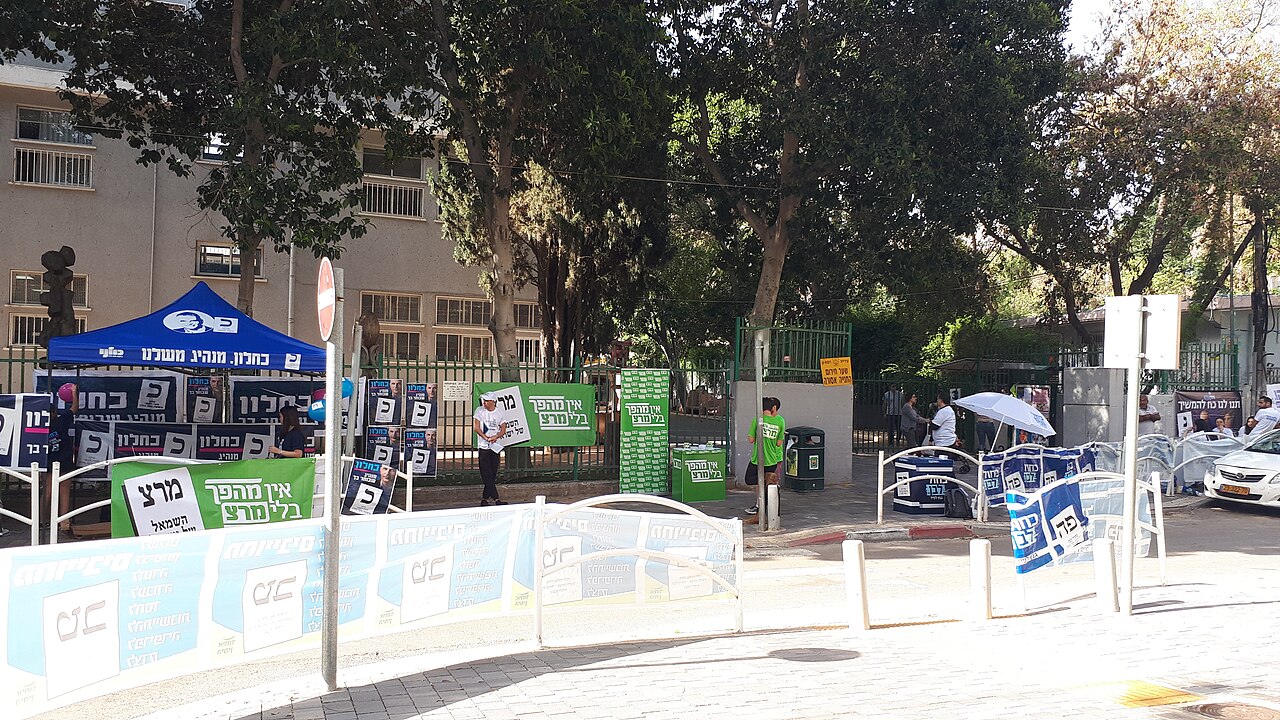
A palpable sense of quietude settled over the Likud election watch party in Jerusalem late Tuesday evening, starkly contrasting with the national anticipation surrounding the country’s pivotal election. While initial exit polls indicated the Likud party emerged as the largest political force, the results immediately cast a shadow of doubt over the prospect of forming a governing coalition, leaving many supporters disappointed and the large convention center hall surprisingly sparsely populated.
The Mathematics of Political Stalemate
As the night progressed and projections from various broadcast networks emerged, the initial celebratory mood quickly waned. Although the polls confirmed Likud’s dominant position, the data suggested that the party, along with its established partners, had failed to secure the necessary parliamentary majority to assume the role of government. Initial figures showed Prime Minister Benjamin Netanyahu’s bloc, which previously held 68 seats in the Knesset, had seen a significant decline, settling at 50 seats across the network estimates. Conversely, opposition parties were projected to hold 53 seats, underscoring a tight political division.
The Central Elections Committee confirmed that the official count was expected to conclude by Thursday, with the final results mandated for release by November 4th. This period of electoral limbo highlights the immediate pivot from campaigning to complex coalition negotiations, a defining feature of Israeli politics.
Loyalty Amidst the Uncertainty
Despite the subdued atmosphere, the presence of dedicated party adherents remained a focal point. A small group of committed supporters maintained their vigil, displaying party flags and chanting slogans in the lobby. For some, like a 71-year-old pensioner from Eilat, the support for Netanyahu was deeply ingrained, recalling his early involvement in the party’s security operations. This individual stated that regardless of the outcome, his personal allegiance to the leader would remain steadfast.
However, the overall sentiment among those present was more nuanced. Another attendee from central Jerusalem described the mood not as outright disappointment, but as a state of transition. He suggested that the lack of a clear victor meant the focus must now shift entirely to the intricate process of forming a governing alliance, a reality that appeared to have dampened the celebratory spirit.
A Season of Critical Decisions
The sparsely attended event, with the lectern remaining empty and no immediate statement issued by Netanyahu, painted a picture of political pause. The gathering served as a microcosm of a broader national moment—a period where Jewish communities are intensely scrutinizing the path forward, from domestic political shifts to international events. The outcome of this election promises to define a significant era of political decisions, demanding careful navigation through the coming weeks of parliamentary counting and negotiation.
World Views
Israeli Political Deadlock Deepens as No Bloc Reaches Governing Majority
As the Israeli parliamentary vote results continue to emerge, a clear political stalemate is taking shape, leaving the identity of the nation’s next prime minister highly uncertain. Data indicates that no single political grouping possesses the necessary majority to form a stable government. This deep division suggests that the coming weeks will be defined by complex negotiations and potentially difficult compromises among entrenched factions.
The Mathematical Challenge of Coalition Building
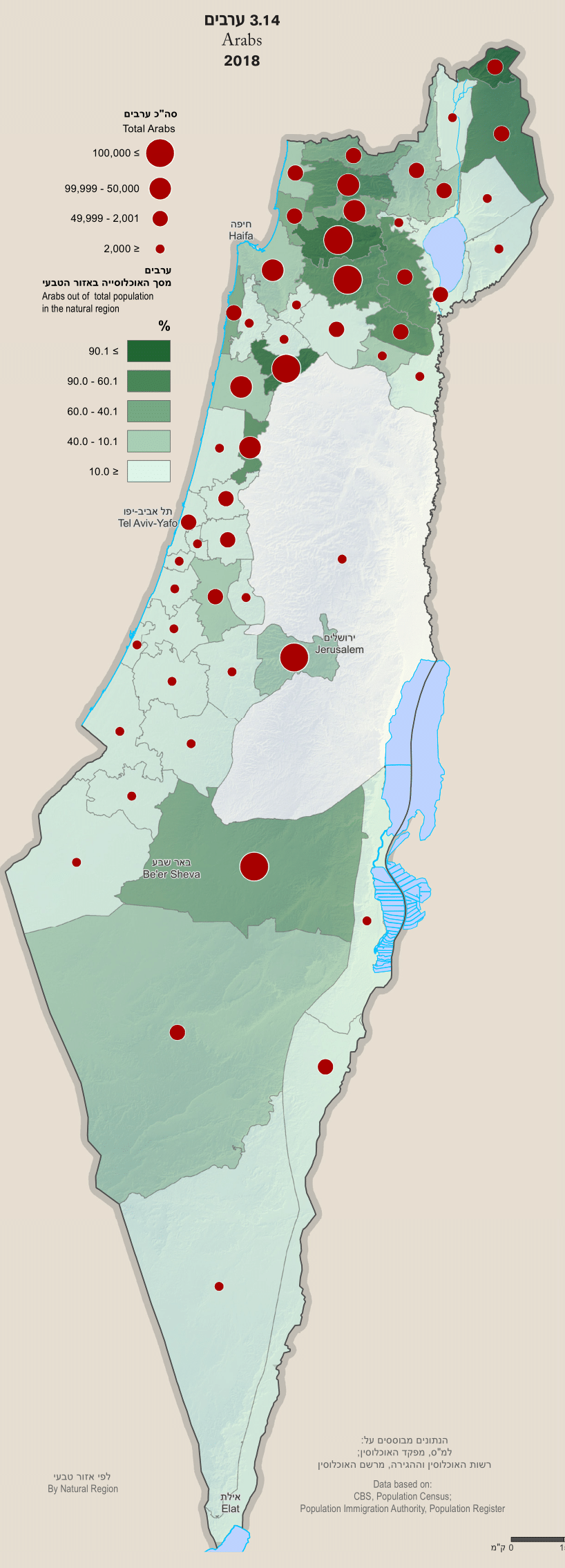
Current vote tallies reveal a fragmented political landscape. Prime Minister Benjamin Netanyahu’s Likud party holds a considerable number of seats, but even when combined with his bloc of right-wing and Ultra-Orthodox allies, they fall significantly short of the 61 seats required for a governing majority. Meanwhile, the opposition’s ‘change’ bloc, led by former army chief Gadi Eisenkot, is projected to be the second-largest party, but this group also lacks the numbers to govern alone. Adding to the complexity, Israel’s Arab political parties, which both major blocs have previously refused to include in their governing partnerships, are expected to secure at least 17 seats, positioning them as crucial swing votes in the political equation.
Three Paths Through the Political Quagmire
Political observers are already mapping out several potential scenarios to break the deadlock. One possibility involves the ‘change’ bloc forming a partnership with the Arab parties. Although many parties in the opposition bloc campaigned against such an alliance, the mathematical reality is forcing this option onto the table. However, analysts caution that this path represents a significant departure from campaign pledges, especially given the reduced public tolerance for alliances with Islamist parties following recent security events.
A second potential route involves the formation of a broad, unity government. This scenario would necessitate compromises among avowed political rivals, potentially requiring Netanyahu to accept a coalition that includes some of his own bloc members, while the opposition pushes for a more centrist, unified front. This would likely demand significant concessions, such as addressing the contentious issue of military draft exemptions for Ultra-Orthodox men.
Finally, the possibility of another round of elections remains on the table. Despite high voter turnout, the ideological gulf separating the parties is vast. While some leaders have dismissed the need for further voting, experts suggest that given the deep-seated divisions, a new electoral cycle may be the most probable outcome. Political scientists note that this period of uncertainty could prompt politicians to pursue inventive solutions, though the determination of the next leader could take many weeks or even months.
World Views
Historic Turnout in Israeli Polls Highlights Deep Political Deadlock
Israeli voters participated in their highest numbers in recent memory on Tuesday, casting ballots in a highly charged election that challenges Prime Minister Benjamin Netanyahu’s prolonged tenure. The massive public engagement, driven by the aftermath of the devastating October 7th attacks, has delivered a political landscape marked by extreme uncertainty, with neither the incumbent bloc nor the primary opposition coalition appearing poised to secure the necessary majority to form a government.
The Numbers Point to a Political Stalemate
By the end of the day, the Central Elections Committee reported an impressive 77.7% turnout among eligible citizens, marking the largest participation rate since 1999. The election pits Netanyahu, who has served as the nation’s longest-serving leader, against Gadi Eisenkot, a former military chief whose centrist party had been favored in various pre-election surveys. Current projections indicate that the right-wing coalition led by Netanyahu holds 54 seats, while the opposition bloc headed by Eisenkot commands 49 seats. Given that the Knesset requires a 61-seat majority, the nation faces a complex negotiation period ahead.
The political maneuvering has been intense, with Netanyahu appealing directly to his base. He utilized public platforms to warn that opponents were attempting to interfere with the electoral process, citing arrests related to alleged vote-buying schemes in the Negev. He emphasized the critical nature of the vote, urging citizens to participate to safeguard the nation’s future.
The Weight of Trauma and Demographic Shifts
Election day was framed by the trauma of October 7th, commencing with a solemn ceremony at Tel Aviv’s Hostages Square. Campaign rhetoric from leaders across the spectrum reflected this deep national wound. Eisenkot, who campaigned from communities affected by the attacks, centered his platform on holding those responsible accountable and drastically reforming security measures. Meanwhile, Netanyahu maintained that the election represented a fundamental choice between his conservative alignment and a government reliant on Arab lawmakers.
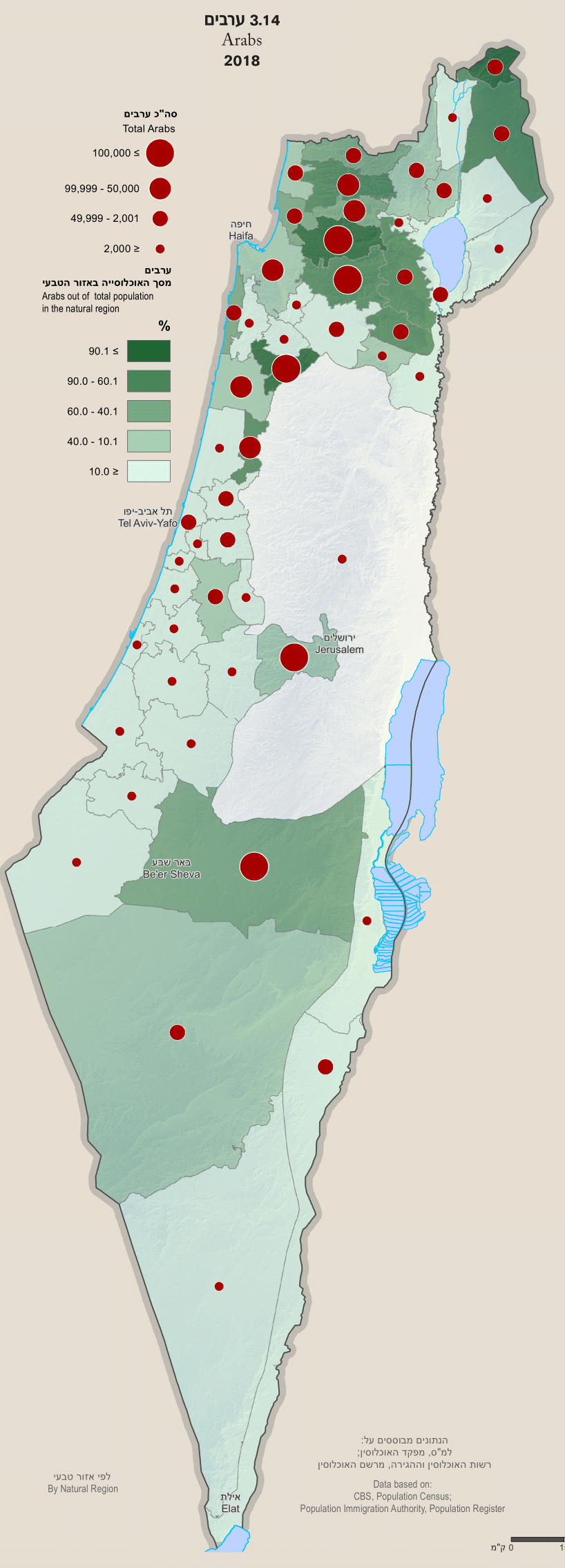
Significantly, turnout among Arab voters showed marked increases, with estimates suggesting participation could approach 70%, a substantial rise from previous years. This heightened engagement by minority groups, coupled with the strength of smaller parties—such as the 17 seats won by Arab parties—means that the final government structure could depend heavily on the willingness of independent groups to support a coalition.
Path to Government and Future Outlook
Under Israel’s parliamentary system, the outcome does not guarantee a specific leader, but rather determines which party is best positioned to assemble a working majority. President Isaac Herzog will consult with all party leaders to identify a suitable candidate to initiate coalition talks. If consensus cannot be reached within the designated timeframe, the political deadlock could necessitate a snap election. The national mood, galvanized by the high turnout, suggests that the electorate demands a swift resolution to the political crisis, even as the path to stable governance remains highly intricate.
