


World Views
Security Alert Escalates in Belgrade After Deadly Attack on Israeli Embassy Guard

Security tensions soared in Belgrade overnight after a police officer guarding the Israeli embassy was fatally attacked by an assailant wielding two knives. Serbian authorities confirmed that the officer, a member of the Gendarmerie, successfully neutralized the threat, shooting the attacker dead on the spot. The incident, which occurred shortly after midnight, has prompted the Serbian government to raise the national terrorism threat level to its highest designation, red, signaling a significant shift in domestic security posture.
Details of the Violent Incident
The Higher Public Prosecution Office detailed that the unidentified individual, dressed in black, breached the guardhouse door and rushed the officer while shouting religious phrases. The attack involved one of the knives striking the officer’s face before he drew his service weapon and fired multiple shots, resulting in the assailant’s immediate death. Authorities noted that the officer’s actions were deemed justified and self-defensive. The attacker, described by officials as a minor, was believed to originate from the western city of Šabac.
Intelligence and Diplomatic Response
The outgoing Interior Minister, Ivica Dačić, characterized the event as a terrorist action. Furthermore, security services had reportedly been monitoring the perpetrator, who was known to be a follower of the Islamic State and had previously displayed the group’s insignia on social media. The Israeli ambassador to Serbia expressed profound shock and distress over the violence, while commending the Gendarmerie officer for his brave and decisive response. This marks the second serious security breach at the embassy in two years, following a crossbow attack in June 2024.
Broader Political and Regional Context
The timing of the attack is notable, occurring just one day after Israel held its parliamentary elections. Preliminary results indicated that neither the coalition led by Prime Minister Netanyahu nor the opposition bloc had secured a governing majority. Simultaneously, Serbia itself had undergone a major political shift, with a student-led protest movement successfully unseating the long-time leadership of Aleksandar Vučić. The new victorious Student List movement has publicly stated its firm opposition to Israel’s actions in the Gaza Strip, pledging to intensify humanitarian aid delivery to Palestine.
In light of these concurrent political transitions—both in Israel and Serbia—the Serbian government has implemented heightened security monitoring across key infrastructure points and public gathering areas. The incident underscores a growing volatility in the region, where domestic political shifts and international conflicts are converging, forcing a critical re-evaluation of security protocols across the Balkans.
World Views
Deadlock in Israel: US Jewish Leaders Urge Opposition to Embrace Arab Parties for Governing Coalition

Israel’s political landscape faces a critical juncture as electoral results reveal a significant governing deadlock. Following recent voting, both the bloc led by Prime Minister Benjamin Netanyahu and the opposition camp headed by Gadi Eisenkot are projected to fall short of the required majority in the Knesset. This political stalemate is compounded by the unexpected surge of representation for Israel’s Arab parties, which now hold the necessary leverage to potentially form a government, yet neither major faction has shown willingness to include them.
The Critical Role of Arab Political Power
A major shift in the electoral outcome was the near-doubling of seats held by the Joint List and Ra’am, the country’s two Arab political entities. These gains provide the essential numerical advantage needed to form a governing coalition. However, the prospect of integrating these Arab-led parties is viewed by many segments of the Jewish electorate as unacceptable, particularly in the wake of the October 7th attacks. Despite the political resistance, influential American Jewish organizations are strongly advocating for a fundamental shift in strategy.
Calls for Inclusive Governance
Leaders within the liberal Zionist lobby have publicly pressed Eisenkot’s allies to reach out to the Arab-Israeli parties. Jeremy Ben-Ami, president of J Street, emphasized the necessity of genuine leadership from the opposition, stating that the nation cannot foster a stronger, more inclusive democracy while excluding the political voice of one-fifth of its citizens. Similarly, former U.S. ambassador Dan Shapiro commended the voters for creating a ‘significant opportunity for change,’ adding that this change could only materialize if the opposition bloc engaged with the Arab parties. Gabriel Epstein, a policy associate, reinforced this view, arguing that greater societal integration of the Arab community is vital for political and democratic legitimacy.
Structural Obstacles and Future Uncertainty
Despite the democratic push for inclusion, significant structural and ideological challenges remain. Jacob Stoil, a security studies professor, cautioned that forming a coalition with Arab parties is complex. He noted that several members of Eisenkot’s group have publicly committed to not partnering with an Arab party, and the Joint List explicitly rejects the definition of Israel as a Jewish state. Stoil suggested that a minority government, where the Arab parties vote to protect the administration, is a plausible, albeit legislatively challenging, alternative.
The debate highlights a deep divide: while some activists condemn the opposition bloc for ‘systemic racism’ by refusing to accept the Arab vote as a victory for the anti-Netanyahu movement, others warn of the legislative hurdles inherent in such a partnership. As the final votes from soldiers and diplomats are tallied, the political pathway forward remains highly uncertain, marking a period of intense deliberation over the nation’s shared future.
World Views
Ideological Fault Lines: Democratic Donor Backs GOP Candidate Amid Anti-Semitism Concerns
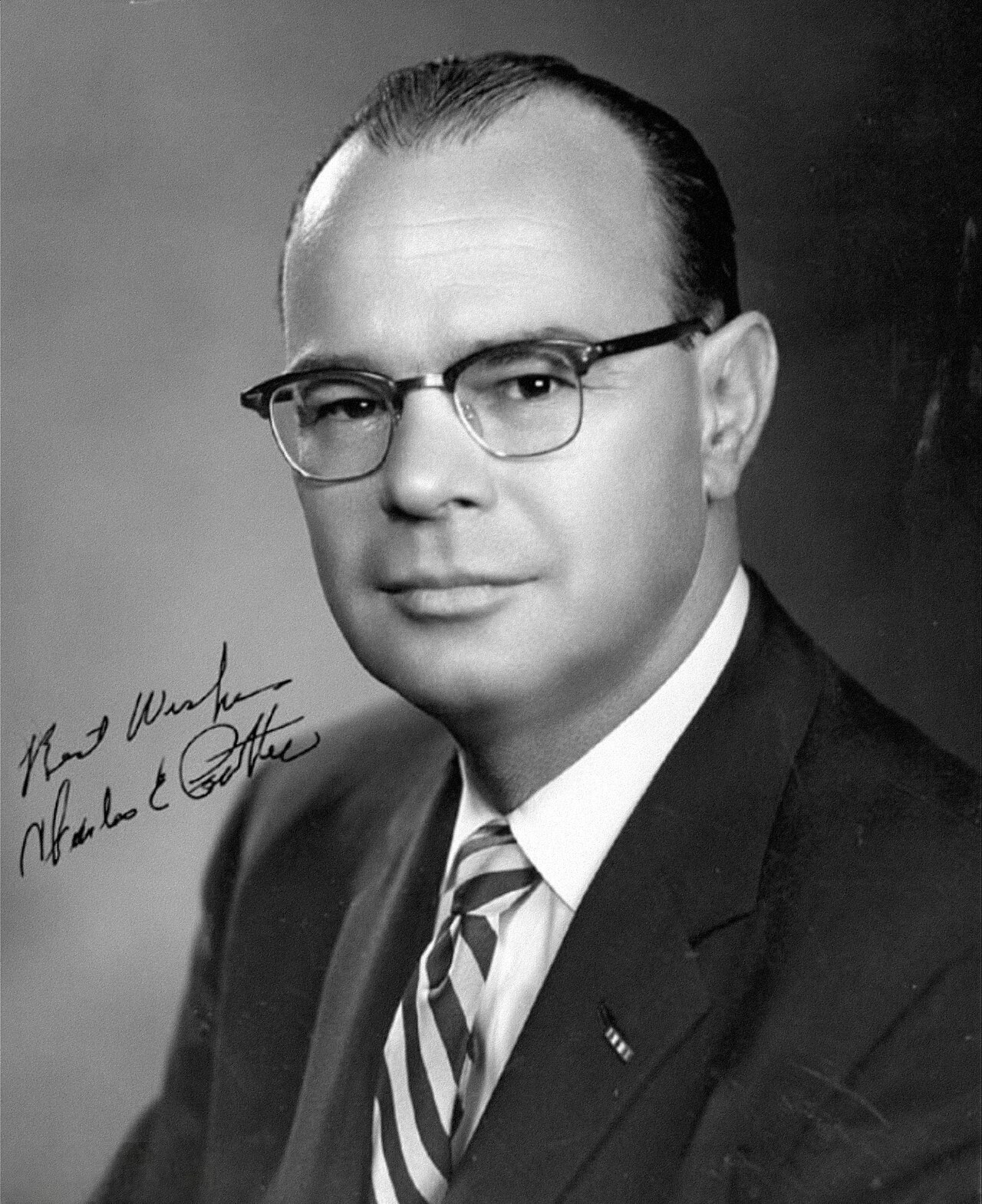
In a political development defying typical partisan alignments, a prominent Democratic financial backer publicly endorsed Republican Senate nominee Mike Rogers in suburban Detroit this week. The shift occurred during a campaign gathering hosted by the Republican Jewish Coalition (RJC), where Jason Turkish, a Democratic legal professional and major donor, declared his support for Rogers. Turkish, whose fiancée is a pro-Israel Democratic representative, cited growing concerns over the Democratic nominee, Abdul El-Sayed, arguing that El-Sayed’s perceived indifference to threats from Iran and Israel made his candidacy untenable for him.
The Break from Party Loyalty
Turkish stated that his decision was straightforward, emphasizing that he prioritizes national security over party affiliation. He pointed to instances where El-Sayed failed to clearly delineate the threat posed by Iran versus Israel, and where the nominee appeared to soften his stance on advertising that linked Israel to rising consumer costs. Rogers, the GOP candidate, strongly echoed these sentiments, asserting that El-Sayed held deep animosity toward Jewish people. Despite publicly aligning with Rogers, Turkish stressed that his commitment to the Democratic Party remained intact, stating he would support Democrats across the entire ballot.
Heightened Tensions and Campaign Tactics
The event served as a flashpoint for deep-seated discontent among Michigan’s Jewish electorate regarding El-Sayed. Campaign strategists leveraged this discomfort, with Rogers and Texas GOP Senator Ted Cruz warning attendees about a ‘line that is too far.’ The GOP’s pitch evolved into a more aggressive campaign strategy, including claims that El-Sayed’s potential security clearance would jeopardize national interests, specifically alleging he might share classified information with the Muslim Brotherhood. Cruz further escalated the rhetoric, labeling the Democrat a ‘jihadist leprechaun.’
The Delicate Political Tightrope
This high-stakes environment reveals the complex political tightrope the Republican party is walking in a crucial swing state. While the GOP is making concerted efforts to appeal to pro-Israel Jewish voters—supported by substantial financial backing from organizations like Temple Israel—they must simultaneously manage their relationship with the state’s significant Arab American community. The party has been careful to balance its critiques of El-Sayed with the need to retain Arab American support.
The campaign also saw the GOP denounce anti-Semitism coming from the far right, demonstrating a dual focus. Furthermore, Rogers adopted a hawkish stance on the Middle East, arguing that the military presence in Iran must be maintained to protect allies. These events underscore a critical juncture in the electoral season, where voters, regardless of their historical political leanings, are weighing their support based on perceived security risks and ideological consistency.
World Views
The Quiet Power of Gander: How a Small Town Defined Radical Empathy During Global Crisis

On the morning of September 11, 2001, the small Newfoundland community of Gander was unprepared for the sudden influx of chaos. What began as a quiet regional hub was instantly transformed into a massive impromptu shelter as thirty-eight commercial airliners diverted to the airport. In a matter of hours, the town’s population surged by nearly 70 percent, bringing with it approximately 6,600 passengers and crew. The response that followed—a massive, spontaneous outpouring of human compassion—has since become a global benchmark for crisis management, embodying a deep-seated moral principle that transcends time and culture.
A Community Built on Unconditional Care
Local residents immediately mobilized, converting schools, churches, and civic halls into temporary refuge centers. The community worked around the clock, pooling resources, preparing meals, and offering support to every visitor, regardless of origin or need. This generosity was not merely logistical; it was deeply personal. For instance, Rabbi Leivi Sudak, a director of a Jewish community in London, found himself housed in a local school. A dedicated teacher, Eithne Smith, ensured his needs were met, providing him with a kitchen so he could prepare kosher meals for observant passengers. This act of kindness was so profound that, later, the Smiths drove him hundreds of miles to catch a flight to New York, allowing him to reach his family in time for the Jewish New Year.
The Echoes of Ancient Ethics
The events in Gander resonate with ancient ethical teachings on hospitality. Traditional texts contrast the profound moral duty of hosting strangers with a mindset of pure self-interest. The story of Abraham, who proactively sought out and prepared for dusty travelers, established hospitality as a supreme virtue. This stands in stark opposition to the philosophy of a wealthy city characterized by abundance but a refusal to share its resources with the needy, where a belief in ‘what is mine is mine’ led to systemic cruelty.
A Lesson in Shared Humanity
The profound nature of the Gander response was its lack of internal conflict over the fundamental question: Are these strangers a burden? The community’s unified answer was a resounding ‘no.’ This spirit of selfless action was even evident in the story of a Holocaust survivor, Ed Brake, who, upon hearing of the rabbi in town, quietly reached out to connect with his heritage during the global trauma. The town’s actions demonstrated that human connection and compassion are not luxuries reserved for times of peace, but essential anchors during catastrophe. The Gander experience proves that when ordinary people decide that the stranger at the door is an opportunity, not a problem, the result is a powerful testament to the best of humanity.
