


World Views
Controversial Title Sparks Outcry Over ‘Final Solution for Jews’ Book Cover
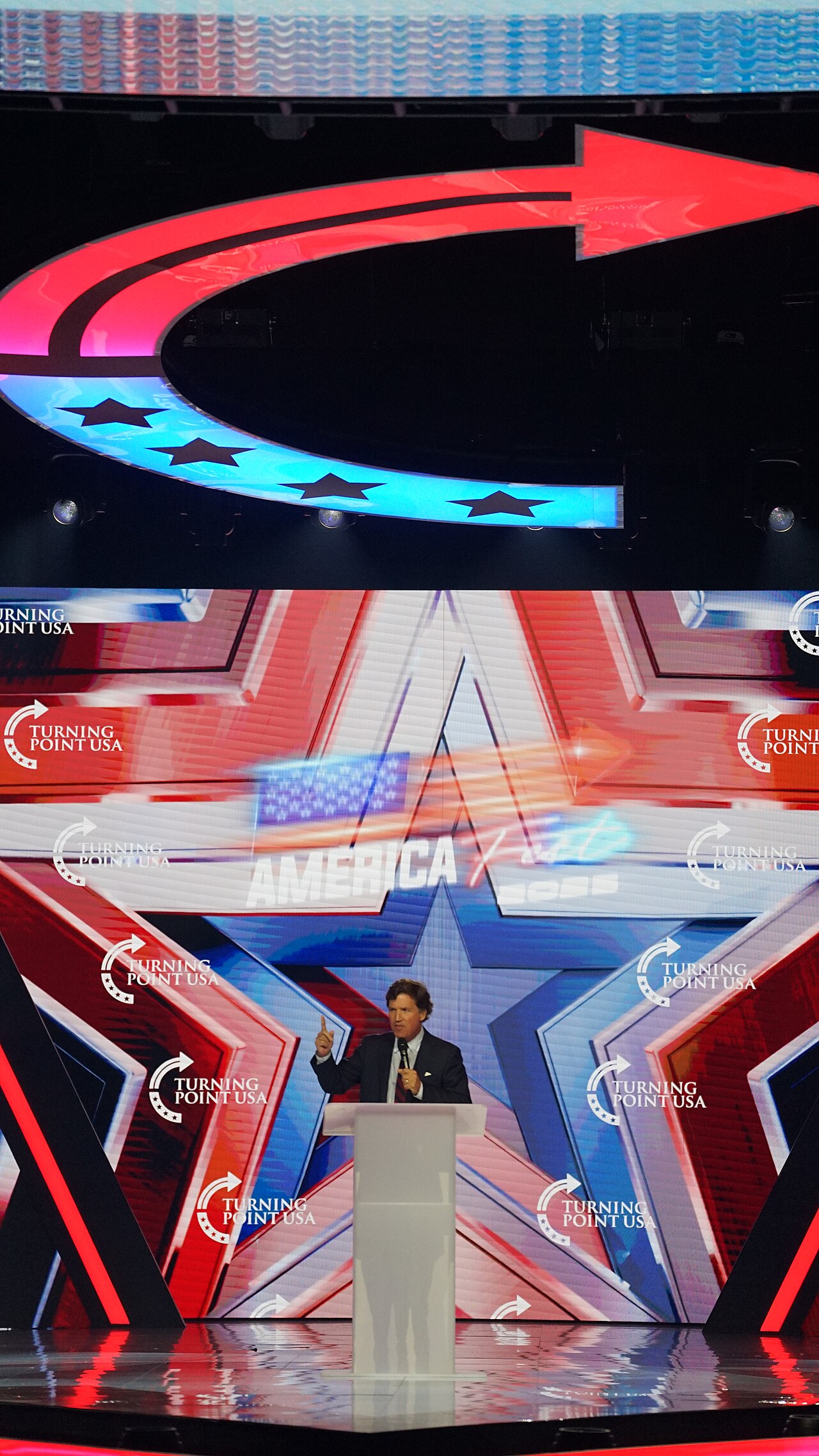
A highly provocative book title has ignited intense debate across media and political spheres. The upcoming publication, ‘Peace Is the Only Final Solution for Jews,’ featuring a foreword by media personality Tucker Carlson, has drawn sharp criticism due to its use of the phrase ‘Final Solution’ in conjunction with Jewish people. The book, set for release in November, is distributed by Simon & Schuster and features Avraham ‘Avrum’ Burg, a former Israeli Knesset speaker, as its author.
Historical Gravity and Public Reaction
The phrase ‘Final Solution’ carries profound and devastating historical weight, universally recognized as the Nazi plan for the systematic genocide of Jewish populations in Europe. Critics argue that placing this terminology on a commercial book cover, particularly one focusing on Jewish people, is deeply irresponsible and inflammatory. The controversy has quickly escalated, leading observers to question the intentions behind the title’s choice and the involvement of the high-profile media figure.
Author’s Ideological Record Under Scrutiny
The author, Burg, has a documented history of rhetoric that has caused significant concern. Prior writings reveal him questioning the continued existence of the State of Israel and invoking deeply ingrained stereotypes about Jewish people, such as associating them with greed and financial networks. In past interviews, he even drew comparisons between the Nazi call for expulsion and contemporary political disputes, a point he did not dispute. These past statements suggest a complex ideological background that has been central to the current uproar.
Demands for Accountability and Action
The situation has prompted calls for accountability from multiple parties. Critics assert that the publishing house, Simon & Schuster, must explain why it is distributing a title that incorporates such sensitive and historically charged language. Furthermore, demands have been made for Mr. Carlson, who contributed the foreword, to publicly address the implications of the title for survivors and their descendants. Political commentators have also been publicly urged to weigh in, calling for clear condemnation of the book and the associated rhetoric.
The debate underscores a growing concern about the proliferation of highly sensitive and potentially harmful language in contemporary public discourse. The book’s impending release forces a national conversation about the responsibility of media, publishers, and political figures when dealing with topics of genocide and historical trauma.
World Views
Beyond the Men in the Dock: Uncovering the Crucial Role of Women at Nuremberg
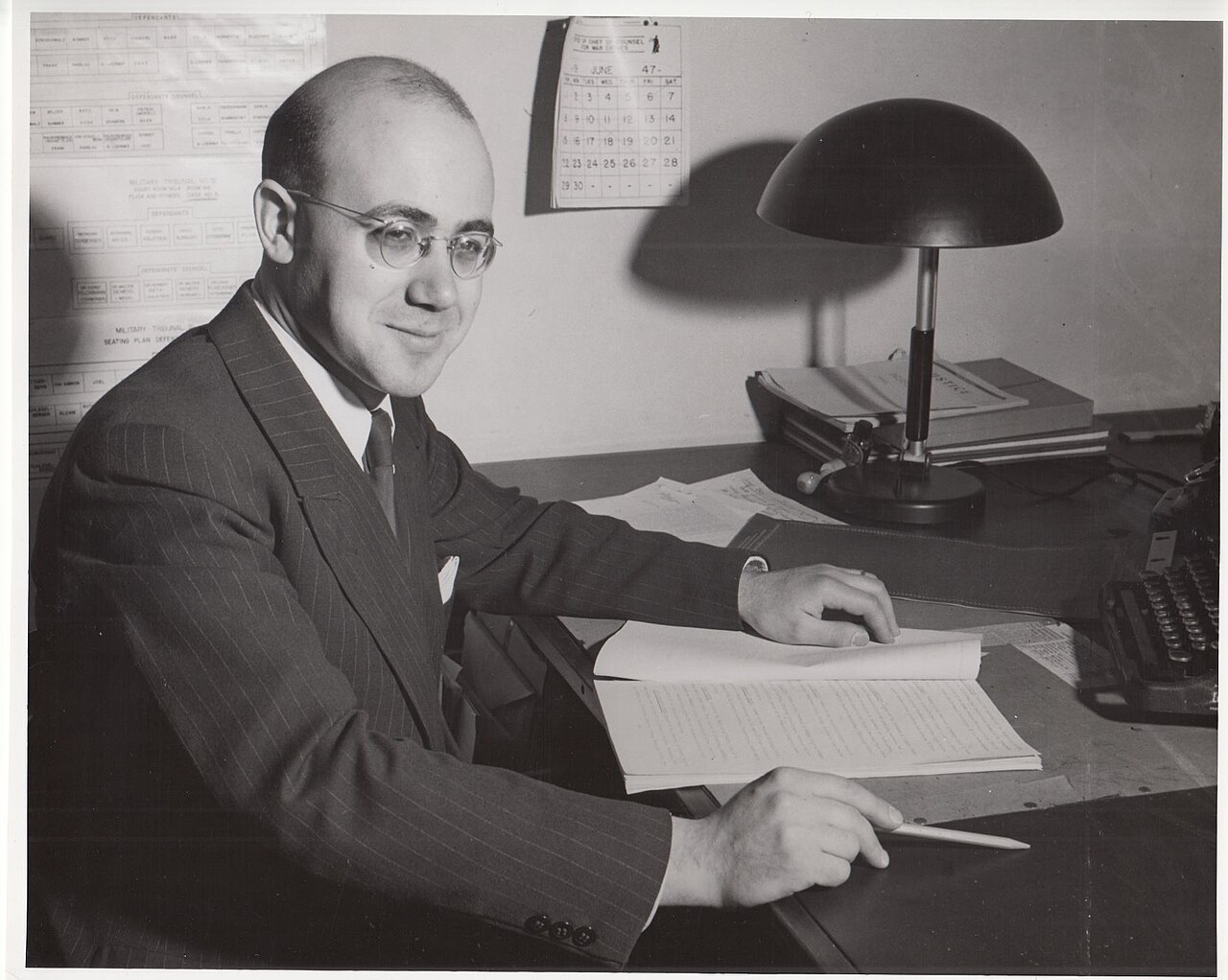
Eighty years after the International Military Tribunal delivered its landmark verdicts in 1946—convicting nineteen major Nazi figures and sentencing twelve to death—the prevailing narrative of Nuremberg has long focused on the clash of men: judges, generals, and prosecutors. However, a deep examination of the proceedings reveals a far more complex and vital story, one where an astonishing legion of women played indispensable roles in shaping the outcome and preserving the truth. These women were not merely peripheral figures; they were the researchers, the reporters, the witnesses, and the legal minds who ensured that civilization, for a time, triumphed over barbarism.
The Forgotten Architects of Justice
While the trials are often cited as a powerful tribute to the supremacy of reason, the sheer volume of work required to gather evidence and articulate atrocities was heavily supported by women. Their contributions spanned every level of the proceedings. Marie-Claude Vaillant-Couturier, a survivor of Auschwitz and Ravensbrück, stands as a pivotal figure. As the first woman to testify at the tribunal, her unflinching, detailed account of the industrialized murder of European Jews fundamentally shifted the legal and moral consciousness of the world. Her testimony did more than present evidence; it restored the humanity to those who had been reduced to mere statistics.
The dedication to exposing the truth was widespread. Harriet Zetterberg, a talented American prosecutor, compiled the comprehensive legal arguments that led to the conviction of Hans Frank, the infamous ‘Butcher of Poland.’ Despite being barred from speaking in court due to prevailing military protocols, her meticulous work was still integral to the prosecution’s success. Similarly, Erika Mann, a journalist and activist, brought fierce conviction to her reports on her homeland, while Tatiana Stupnikova managed the delicate task of interpreting proceedings for the Soviet delegation, navigating complex political waters.
A Spectrum of Witness and Contributor
The scope of their involvement extended beyond the courtroom. Women journalists provided crucial documentation from the side, and figures like Countess Ingeborg Kálnoky, who managed the guest house, kept detailed records of the historical aberration wherein victims and perpetrators shared proximity. These accounts provide a stark look at the uncomfortable realities of the era. Even figures like Ursula von Kardorff, a German correspondent, offered unique perspectives, detailing the experience of a defeated nation while navigating the complexities of the proceedings.
The historical record, however, has often mislaid these vital contributions, reducing the trials to a simple roll call of famous male names. Today, as the number of survivors diminishes, the active commitment to preserving these facts becomes critically urgent. The work of these women—who testified, translated, prosecuted, and documented—demonstrates that hope is not a passive sentiment; it is active, demanding labor. In an era marked by widespread denial and distortion, their legacy underscores the enduring need for those willing to establish, repeat, and defend the truth.
World Views
Linguistic Battleground: Spanish Academy Defies Judicial Order to Remove Antisemitic Definition
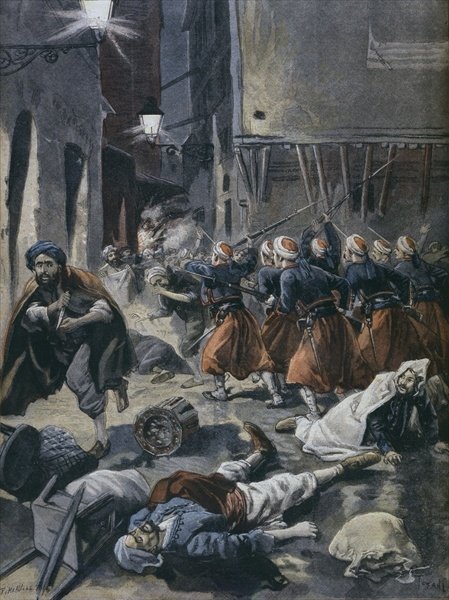
Two years after a federal court in Argentina mandated the removal of a derogatory definition from its dictionary, the prestigious Royal Spanish Academy (RAE) has refused to comply. The ongoing dispute pits global Jewish advocacy groups against the language authority, highlighting a deep conflict between the academic duty to record language and the social imperative to combat historical prejudice.
The Core Dispute Over Language and Prejudice
The specific entry in question links the term for ‘Jewish’ to negative attributes, such as associations with greed and moneylending. Critics argue that maintaining this definition serves to reinforce centuries-old antisemitic stereotypes, a tradition often reflected in literary history. Representatives from Latin American Jewish organizations contend that while dictionaries should document how words are used, they must not inadvertently perpetuate discrimination. They emphasize that the inclusion of such terminology risks influencing how new generations learn language, thereby enabling the continuation of bias.
Institutional Resistance and Legal Hurdles
The RAE, the leading authority on Spanish language standards for hundreds of millions of speakers worldwide, has defended its dictionary’s integrity. The institution maintains that its function is purely descriptive, acting as a record of how a word is actually utilized by the populace, rather than prescribing moral standards. When confronted with the Argentine court order, the RAE director stated that while he respected the ruling, the academy’s stance remained that its role is to document usage, not to police it. This defense was bolstered by a novelist affiliated with the RAE, who argued that without collecting all varied meanings, the dictionary loses its educational value.
Precedent and Global Impact
Despite the academy’s resistance, Jewish groups leveraged previous successes. In 2023, a legal action led to the modification of another entry, demonstrating that change is possible. Furthermore, the RAE had already begun labeling the problematic usage as ‘offensive or discriminatory’ back in 2021. The criminal complaint filed by Jewish organizations against the academy’s leadership highlights the gravity of the situation, suggesting that the failure to remove the definition is viewed by petitioners as a form of inciting hate.
This standoff underscores the complex intersection of culture, law, and language. As the RAE continues to stand firm in its position as a linguistic notary, the debate persists: should a dictionary be a neutral repository of human speech, or should it actively serve as a guardian against deeply entrenched societal hatreds?
World Views
Foreign Interference Claims Ignite Political Crisis Following Israeli Election
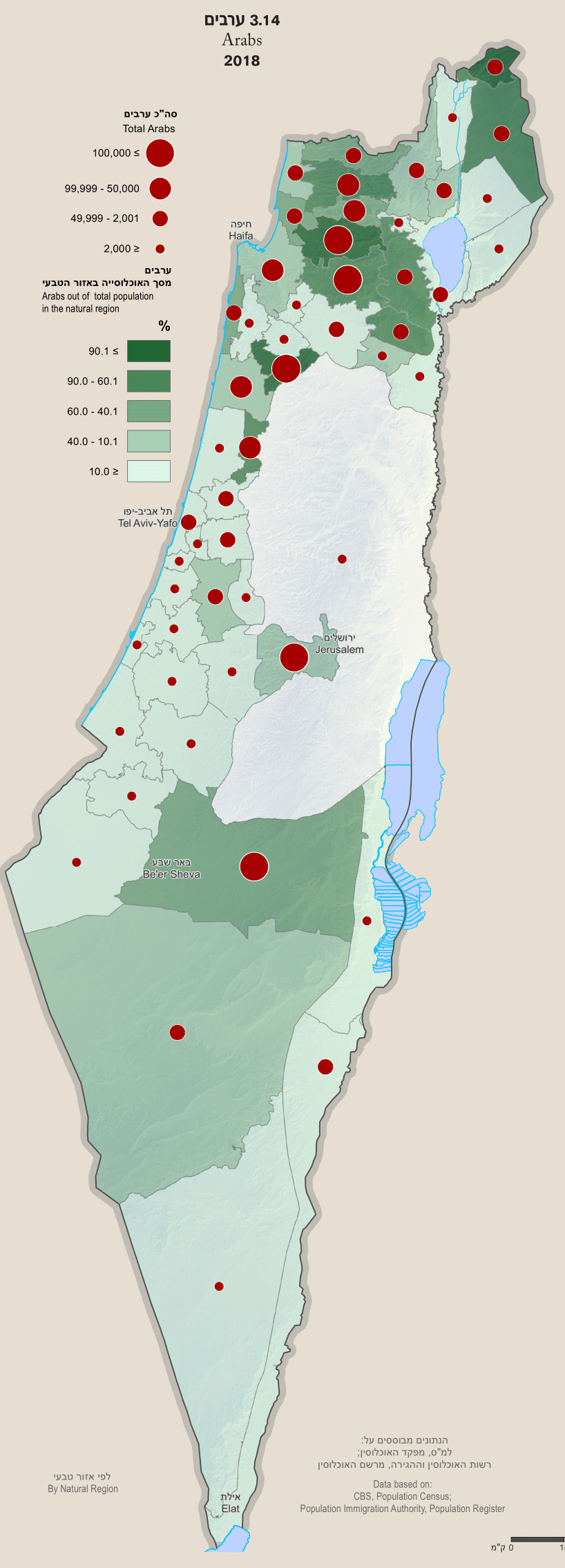
A major political controversy has erupted in Israel following recent election results, as Prime Minister Benjamin Netanyahu publicly alleged that external funding from Qatar significantly inflated the participation and influence of Arab voters. The Likud leader claimed the electoral process had been compromised, asserting that foreign actors were attempting to undermine the government. This claim has ignited a fiery political debate, placing the integrity of the recent Knesset election under intense scrutiny and casting a shadow over the nation’s fragile political landscape.
Official Response and Security Probe
Despite the Prime Minister’s strong accusations, Israeli election authorities have firmly pushed back against the notion of widespread electoral fraud. Acting Central Elections Committee director-general Dean Livne stated that the vote was conducted lawfully and that, based on current knowledge, there was no evidence of systematic harm to the election’s integrity. However, the matter is not closed. Israeli internal security services, the Shin Bet, have opened an official investigation into the allegations. The agency cautioned that its probe is ongoing and that any public statements regarding the suspicions do not reflect its final position, emphasizing that the intelligence originated from its own operations.
The Stakes of the Vote
The political implications of the election are profound. With neither the ruling bloc nor the opposition holding a majority of the 61 seats required to govern, the 19 seats held by Arab parties are crucial for forming any coalition. Opposition leaders have welcomed the investigation, accusing Netanyahu of attempting to delegitimize the results after his faction failed to secure a majority. Meanwhile, Supreme Court Justice Noam Sohlberg formally requested that authorities thoroughly investigate suspicions of improper influence stemming from outside actors.
Grassroots Mobilization Versus Foreign Influence
The narrative of foreign interference is being challenged by expert analysis suggesting the high level of Arab voter turnout was organic. Academic observers noted extensive grassroots mobilization during the campaign period. They argued that many Arab citizens were determined to replace the current government due to perceived hostility toward their community, viewing the vote as a genuine effort to achieve greater equity. This perspective warns that focusing solely on financial allegations risks undermining the legitimate democratic exercise of the Arab electorate.
Future Outlook and Political Pressure
The controversy has drawn international attention, with Qatar categorically denying any involvement in influencing Israeli affairs and labelling the claims as ‘ridiculous.’ President Isaac Herzog called for a comprehensive investigation while simultaneously urging that the entire Arab community not be tarnished. As the legal process unfolds, the political pressure on Netanyahu to either prove the allegations or accept the results remains immense. The outcome of this investigation could potentially reshape the Knesset and determine the path to a new government.
