


World Views
Major Discrepancy Emerges in Israeli Election Polls, Fueling Political Uncertainty
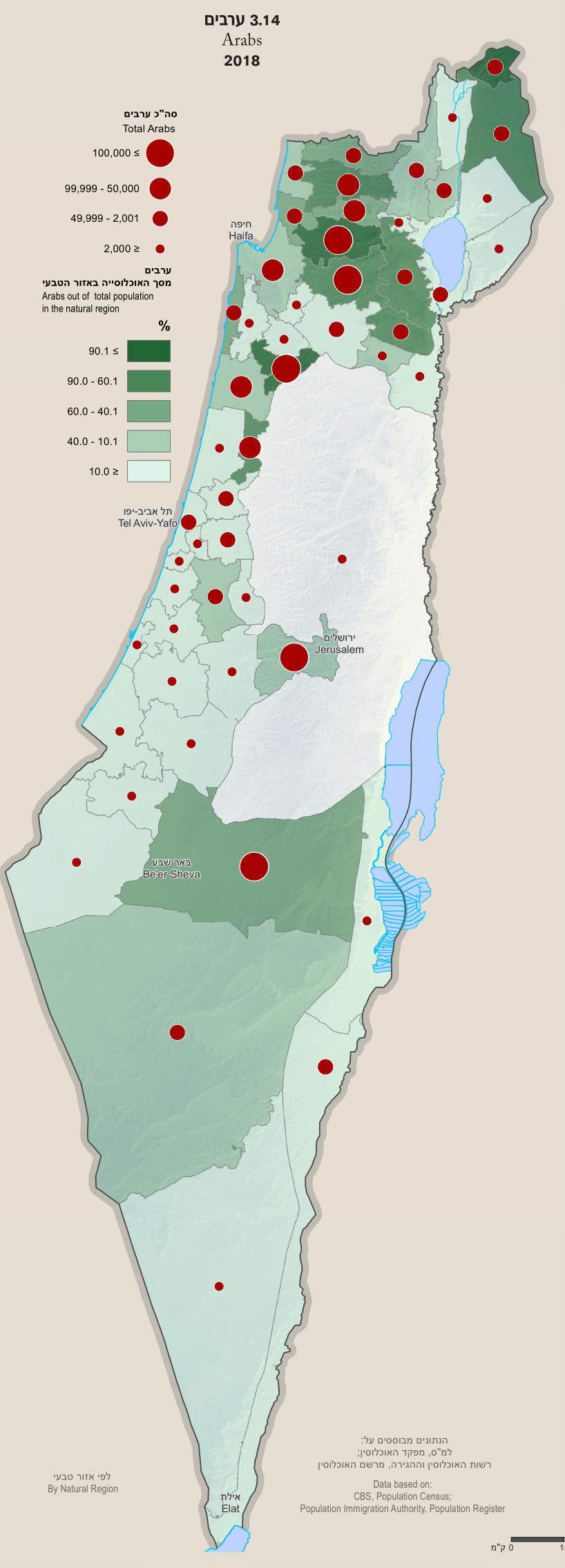
The recent electoral contest in Israel has thrown a significant wrench into political forecasting, as sophisticated exit polls failed to accurately predict the final distribution of seats in the Knesset. While the nation navigated the election amidst considerable political flux, the pronounced gap between predictive models and the actual ballot count has left media analysts and political observers perplexed. Normally, these polls are used to project winners well before the final tabulation, but in this instance, the projections proved remarkably inaccurate, causing widespread disquiet.
The Shocking Poll Miscalculation
The electoral landscape pitted two primary alliances against each other: one led by the incumbent Prime Minister, Benjamin Netanyahu, and the opposing coalition marshaled by Gadi Eisenkat. Initial projections from the exit polling stations indicated a clear advantage for the opposition. These models suggested that the bloc challenging Netanyahu would secure between 53 and 55 seats out of the 120 available, leaving the incumbent side with only around 45 seats. However, the final official tally revealed the opposite outcome, dramatically altering the political balance of power.
Systemic Complexities and Voter Behavior
Experts have attempted to rationalize the failure of the predictive tools. While the polling methods are known to be highly rigorous and safeguard voter privacy, potential factors include the complexity of the electoral system itself. The threshold for party entry into the Knesset has recently been raised to 3.25 percent. This change means that smaller political groups hovering near this minimum percentage can suddenly gain several seats—potentially four or even eight—a factor that can significantly skew the final count regardless of initial poll data.
Another contributing element is the method used to cast votes for certain groups, such as soldiers and diplomats, who utilize a double envelope system to ensure anonymity. Although this method is standard and secure, these ballots require a longer counting period. Despite this delay, the final results showed only marginal shifts after these specific votes were processed, suggesting the core discrepancy lay elsewhere.
Resilience Amidst Political Turbulence
Although the political fallout from this election is expected to lead to continued instability, the event underscores the enduring nature of Israeli democracy. The country continues to function as an open society despite facing intense external pressures. A notable testament to this civic commitment was the participation of approximately 70,000 Israeli citizens living overseas who traveled back to the country to cast their ballots. This high level of participation highlights a deep commitment to the democratic process, even as the political outcomes remain uncertain and the reasons for the initial polling error remain unsolved.
World Views
Michigan Senate Contest Reveals Deepening Ideological Rift Within Democratic Party Over Israel

The closely watched Senate race in Michigan has transcended a simple contest for a seat, crystallizing a fundamental and polarizing debate within the American political landscape: the evolving relationship between the Democratic Party and the State of Israel. As the election approaches, the clash between candidate Abdul El-Sayed and challenger Mike Rogers serves as a national litmus test, exposing severe ideological fractures and challenging the traditional loyalty of Jewish voters to the Democratic platform.
The Core Policy Divide
The two nominees present starkly contrasting visions for U.S. foreign policy. El-Sayed, a former public health official, has aggressively positioned himself as a critic of Israeli government actions, particularly regarding the military campaign in Gaza. His campaign rhetoric has included strong condemnations of the state’s actions, questioning the reliability of the US-Israel alliance, and arguing that support for the Jewish state is not aligned with core American principles. Conversely, Rogers has centered his campaign on reinforcing the strategic partnership, describing Israel as America’s most vital ally in the Middle East and pledging unwavering support for the relationship.
Shifting Party Dynamics and Voter Hesitation
El-Sayed’s narrow victory in the Democratic primary was widely viewed as a sign of the progressive wing’s growing influence. However, his outspoken anti-Israel stance has generated significant apprehension among segments of the Jewish electorate. This internal tension has been amplified by the intervention of former Democratic primary favorite, Haley Stevens, who recently endorsed Rogers, citing El-Sayed’s campaign conduct. This move highlights the difficulty El-Sayed faces in unifying the Democratic coalition. For many Jewish voters, the conflict has become personal, leading some to express reluctance to support either candidate due to their opposition to the Republican party.
National Implications Beyond the Ballot
The disagreement in Michigan is far from purely rhetorical; it carries serious implications for U.S. global standing. A substantial shift toward an anti-Israel Democratic platform could complicate Israel’s ability to secure crucial military funding and intelligence cooperation from the United States, particularly as the Jewish state faces regional threats from Iran. While El-Sayed frames his opposition around prioritizing domestic needs and taxpayer funds, Rogers emphasizes regional security and the established strategic partnership. Furthermore, the contest has woven in broader debates, with El-Sayed advocating for Medicare for All and Rogers focusing on border security and manufacturing, suggesting that the ideological battle in Michigan is a preview of the national political battles ahead.
World Views
Massive Voter Mobilization Yields Political Stalemate in Israel’s 2026 Election
Israel’s recent national election has concluded in a profound political deadlock, despite an unprecedented level of citizen engagement. Nearly 5.7 million voters—representing 77.7 percent of eligible participants—cast their ballots, achieving the highest turnout since 1999. However, the massive mobilization failed to produce a governing majority, leaving the nation mired in a complex political impasse during a period of intense security challenge.
The Paradox of High Participation
Preliminary electoral tallies reveal a stark contradiction. While the ruling Likud bloc secured more votes than in previous cycles, even against a formidable opposition movement and widespread civil society criticism, the overall result is paralyzing. The political landscape is divided: Netanyahu’s bloc holds 53 seats, the opposition claims 48, and the Arab parties account for 19 seats. Reaching the required 61 seats for a government is currently impossible.
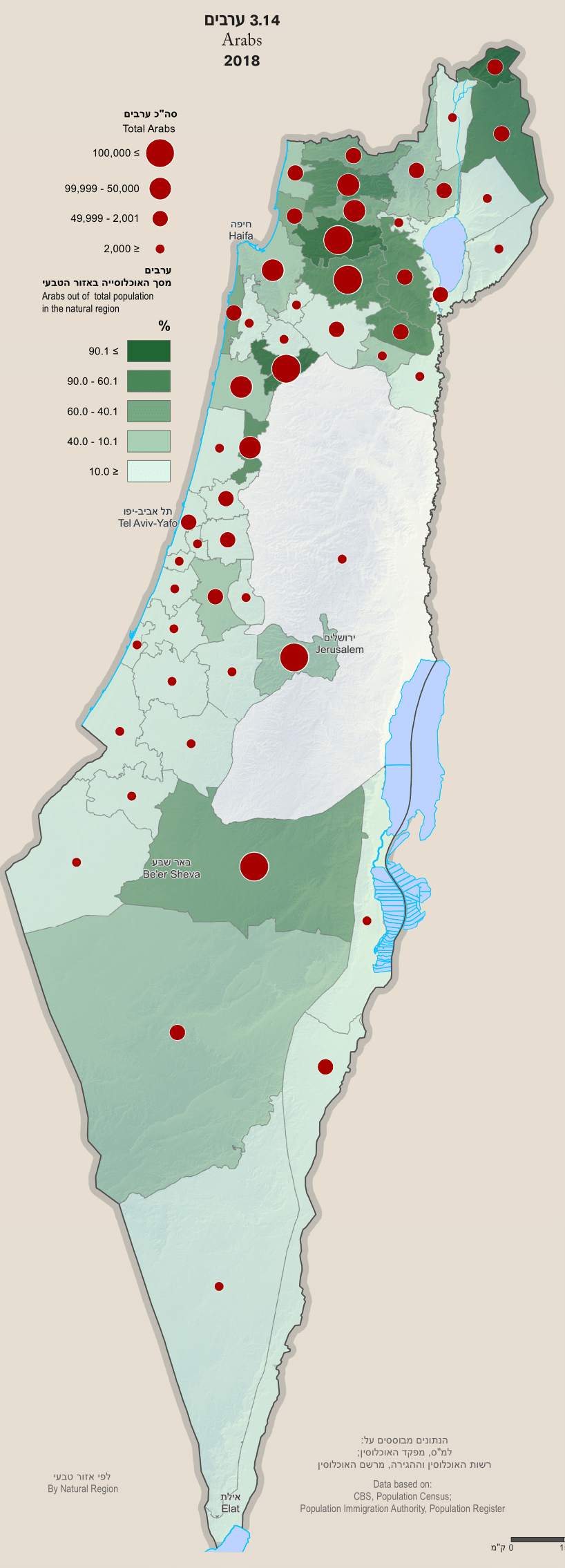
Analysts noted that this outcome reflects a deep societal exhaustion. Despite the intense political alarm surrounding the nation’s character and security failures, the sheer volume of participation has resulted in a political stalemate. Furthermore, the Arab electorate delivered a powerful message, with turnout in many Arab communities approaching 80 percent, demanding greater influence and recognition from the Jewish majority.
The Existential Crisis of Governance
The inability to form a government is not merely a political inconvenience; it represents an existential threat, especially given the current wartime environment. The current political structure is trapped: forming a viable administration requires partnering with parties that many factions actively oppose or have pledged never to cooperate with. The complexity is compounded by ideological lines, including the refusal of certain religious parties to permit military conscription, even during conflict.
While several arithmetical paths exist to a majority coalition, both scenarios appear short-lived. One path relies on incorporating Arab parties, a move that faces immediate opposition from key political figures. The alternative—allowing the political deadlock to persist—is viewed by regional and international observers as a sign of national weakness.
A Call for National Unity
Experts suggest that the only sustainable way forward is for the country’s political rivals to set aside campaign pledges and pursue a unified national administration. This proposed ‘blue-and-white’ alliance would be founded on non-negotiable principles, including national security, the character of the state, and addressing the demands raised by the Arab voters. The high level of public commitment demonstrated at the ballot box now places the burden squarely on the leaders to compromise. Failure to do so risks further internal strife and invites instability from regional adversaries who view prolonged national paralysis as an opportunity.
World Views
Beyond the Ballot Box: Analyzing the True Base and Priorities of the DSA

The Democratic Socialists of America (DSA) has cultivated a significant public profile, attracting high-profile figures and projecting an image of sweeping political momentum. While the organization publicly champions the diverse labouring population, investigative analysis suggests that the party’s recent rise is intrinsically linked to a pronounced anti-Zionist platform, heavily influenced by the conflict in Gaza. This focus has become a defining element of the DSA’s political agenda, often overshadowing traditional socialist economic goals.
The Centrality of Anti-Zionism in DSA Policy
A review of current DSA initiatives reveals a consistent thread: the demand for accountability regarding Israel’s actions and the dismantling of institutions that support the State of Israel. Policy planks, such as the abolition of ICE and the defunding of law enforcement, align closely with this anti-Zionist outlook. Furthermore, the party has frequently pushed for radical political actions, including calls to hold high-ranking Israeli officials responsible for their nation’s policies. Critics point out that this intense focus on Israel and Jewish identity serves to redirect public attention away from internal party issues, such as its inconsistent economic policies or the composition of its membership, which is reportedly largely affluent and white.
The Electoral Reality vs. The Narrative
Despite media coverage frequently describing a national ‘DSA sweep,’ the actual electoral data suggests a much more modest reach. The narrative of widespread popularity often relies on the strategic targeting of local races, which require minimal voter turnout to achieve a victory. For example, in recent New York City contests, DSA candidates secured victories with extremely low participation rates. In one Congressional district, a DSA candidate won by a narrow margin, receiving votes from only a small fraction of the district’s total residents. Even high-profile figures associated with the movement have shown limited electoral penetration in their respective areas.
Optics Over Organic Growth
Experts suggest that the party’s visibility is largely a function of optics—the strategic presentation of youthful, diverse candidates in local contests. While the DSA successfully manufactures a sense of menace and mass appeal, the underlying support base remains confined. A recent report from the Brookings Institute corroborated this view, concluding that the organization’s perceived success is ‘overstated,’ citing a modest win rate and a deeply entrenched base of support. For the DSA, the debate over global political conflicts has become a powerful tool for advancing its agenda, even as its electoral footprint remains surprisingly narrow.
