



World Views
Campus Activism Escalates: Universities Face Mounting Pressure Over Israel-Palestine Conflict
Across North American and Canadian universities, the political intensity surrounding the Israel-Palestine conflict continues to escalate, challenging the core principles of academic freedom and institutional neutrality. Amidst broader financial and demographic shifts plaguing higher education, reports indicate that the response of academic institutions to pro-Palestinian demonstrations has become notably punitive, drawing scrutiny from international human rights bodies. These organizations have alleged that universities and governing bodies have implemented heavy-handed measures against protesters, suggesting a departure from historical approaches to similar campus events.
The Erosion of Academic Norms
The current climate sees activism moving beyond traditional protests, with faculty organizations increasingly adopting anti-Israel stances. Several academic associations have formally endorsed Boycott, Divestment, and Sanctions (BDS), leading to student groups pushing for resolutions to boycott Israeli academic bodies. In Canada, student unions at institutions like McGill and the University of Toronto have passed motions calling for severed ties with Israeli academic institutions, though the universities themselves have often stated these resolutions do not affect official policy.
The scope of the controversy extends into the curriculum itself. There are emerging concerns regarding the targeting of programs focused on civics and Western democratic foundations, with some faculty groups alleging that efforts to promote civil discourse are inherently conservative and pro-Israel. Meanwhile, academic integrity is being challenged by the selective examination of faculty conduct, where the actions of pro-Hamas staff are rarely scrutinized, while the concerns of Jewish and Israeli students are often ignored.
Institutional Conflict and Oversight
The conflict is also playing out in administrative and financial arenas. In the United States, investigations have surfaced regarding the misuse of exchange visitor visas by institutions to hire foreign researchers at lower wages than American counterparts. Furthermore, universities and their supporters are resisting public disclosure of foreign donors, arguing that such transparency would infringe upon privacy, even as federal agencies accuse some institutions of actively avoiding public accountability.
In Canada, specific incidents highlight institutional caution. A review of antisemitic events at a major Toronto university was reportedly edited to conceal breaches of the university’s code of conduct by pro-Hamas students, delaying necessary institutional action. This pattern of delayed or compromised responses is mirrored across the US, where institutions are navigating complex legal settlements concerning discrimination and antisemitism.
Future Outlook and Intellectual Polarization
The trend suggests a deepening polarization within academia. While some studies indicate that most graduate students lack significant prejudice, those in the humanities are increasingly showing antisemitic tendencies, often framing the Israel/Palestine issue as a critical element of their personal identity. This intellectual shift is contributing to the rise of campus referendums calling for divestment from Israel and demanding structural changes within university governance. As visiting faculty continue to present narratives that challenge American and Israeli positions, the debate over the role of universities in maintaining intellectual pluralism remains fiercely contested.
World Views
Financial Filings Reveal Qatar’s Strategic Investment in American Media Narrative

New documents filed with federal authorities reveal that the State of Qatar and its associated charitable organizations are actively funding extensive media outreach campaigns aimed at shaping public discourse and promoting their interests within American news outlets. These arrangements, detailed in public disclosures, demonstrate a sophisticated, multi-layered strategy to secure favorable coverage and access to influential journalists across the United States.
Government Initiatives and Public Relations
The government’s efforts are documented through contracts with specialized communications firms. For instance, the Qatar International Media Office engaged GRV Strategies, a prominent American public relations firm. According to the firm’s disclosures, it received a substantial payment of $528,000 between April and September of 2026. The firm’s stated function was to arrange favorable media exposure and promote constructive relations with Qatar. The outreach activities documented by GRV included contact with major networks such as CNN, NBC, Politico, and Fox News. These activities involved pitching commentary and coordinating meetings between media personnel and senior officials, though the filings do not confirm the outcome of these scheduled interactions.
Shaping Academic and Policy Narratives
Beyond official government messaging, Qatar Foundation utilizes paid services to promote academic voices and influence policy discussions. The foundation contracted RF Binder, receiving over $164,000 for services provided during the first half of 2026. These services included facilitating interviews and supplying journalists with preparatory materials. The scope of topics promoted by the foundation’s publicists is notably broad, extending into highly sensitive international affairs. The foundation arranged for scholars to comment on the conflicts involving Israel and Hamas, as well as the geopolitical dynamics concerning Iran and the responses of Gulf nations to American policy.
Partnerships and Transparency Concerns
The foundation also sought to improve public perception of its university partnerships through a contract with Washington Media Group, which involved a monthly fee of $40,000. The stated goal of this arrangement was to enhance public understanding and address what the foundation termed ‘public misconceptions.’ While these financial commitments clearly demonstrate a concerted effort to advance specific interests, it is critical to note the limitations of the available records. The filings do not provide evidence of direct payments to the news organizations themselves, nor do they confirm any control over the final published commentary.
The Public Interest in Media Access
These documented arrangements highlight the financial infrastructure behind modern media narratives. While the paperwork confirms that Qatar is committing funds to secure access and promote its viewpoints, the underlying question remains regarding the extent of influence these paid representatives exert on the editorial decisions of major news organizations. Investigative observers stress that transparency is paramount when paid entities are involved in arranging access to sources and shaping the stories that reach the general public.
World Views
Political Deadlock Deepens: Netanyahu’s Coalition Crumbles as Rival Gains Crucial Backing
Benjamin Netanyahu’s path to remaining as Israel’s prime minister has become significantly more precarious following the recent election results. As the political landscape fragments, his governing coalition has suffered a major blow, while his chief political competitor, Gadi Eisenkot, has secured substantial endorsements, positioning him as a serious contender to form the next government.
The Collapse of the Governing Majority
The post-election negotiations are facing intense pressure as President Isaac Herzog prepares to select a candidate who can break the national deadlock. Although Netanyahu’s Likud party emerged as the largest single bloc in the 120-seat Knesset, his broader religious-nationalist alliance failed to secure the necessary parliamentary majority. A critical setback arrived when United Torah Judaism, a key partner representing ultra-Orthodox voters, declined to endorse any candidate for the premiership.
Meanwhile, Eisenkot has garnered significant support. Despite both men having previously dismissed the possibility of forming a government with the country’s two Arab-led political parties, both factions publicly backed Eisenkot, giving him backing from a comfortable majority of lawmakers. Herzog, who holds the weighty responsibility of choosing a leader capable of stabilizing the deeply divided nation, is scheduled to meet separately with the leadership of both Netanyahu’s and Eisenkot’s factions this Thursday.
A Crisis of Confidence and Democracy
The political instability is compounded by accusations of electoral misconduct. Facing the possibility of losing power, Netanyahu has publicly questioned the integrity of the voting process, alleging that Arab-led groups engaged in vote theft. However, critics assert that the prime minister and his allies are attempting to delegitimize the outcome. The Central Election Committee strongly refuted these claims, assuring the public that the election’s integrity remained intact. Supreme Court Justice Noam Sohlberg warned Herzog that undermining public faith poses a serious threat to democratic foundations, emphasizing the necessity of a peaceful transfer of power.
Urgency Amidst Regional Threats
Herzog, who has called upon all parties to make every effort to prevent another round of elections, stressed the immense national responsibility facing the country. He stated that given the changing regional security dynamics and the internal divisions plaguing the populace, a clear path forward is imperative. Likud secured 27 seats, while Netanyahu’s coalition managed 53 seats in total, compared to Eisenkot’s anti-Netanyahu bloc which won 48 seats. The presence of two Arab minority parties, which secured an unexpected 19 seats, further underscores the complexity of the mandate. Herzog must make his decision by November 11th, while Netanyahu remains in a caretaker capacity until a new governing coalition is established or a subsequent election is called.
World Views
Maritime Instability Persists in Hormuz Despite Political Shifts in Washington
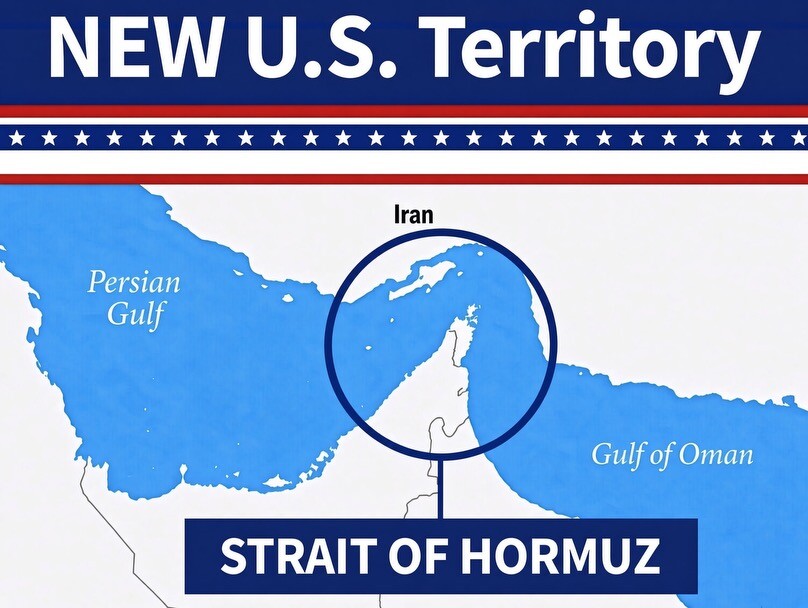
The volatile situation in the Gulf region remains acutely unstable, with reports confirming that multiple commercial vessels were targeted in the Hormuz waterway this week. Iran announced the damage sustained by three additional tankers, reiterating that maritime transit will remain highly dangerous until the ongoing hostilities in the Gulf are fully resolved. This escalating security crisis occurs against a backdrop of significant political maneuvering in the United States, where internal debates are surfacing regarding the long-term costs of the military conflict.
Escalating Threats to Shipping Lanes
Security assessments indicate that the pace of attacks on tankers is approaching a record high. According to a UK maritime security organization, at least five ships reported incidents since Sunday, matching the intense activity seen in October of the conflict. Iranian Revolutionary Guards stated that two tankers struck naval mines and another caught fire on Thursday. While Tehran typically avoids acknowledging attacks on merchant ships, the nation maintains that the transit route is unsafe unless it grants its consent. These incidents underscore the persistent risk faced by international commerce passing through the crucial chokepoint.
Political Friction and Economic Fallout
The heightened tensions coincide with a fresh debate over the conflict’s justification. Following a major political defeat for Trump’s Republican party, some high-ranking figures, such as Vice President JD Vance, publicly blamed the ongoing war for their party’s losses. This prompted a sharp retort from Iran’s Parliament Speaker, Mohammad Baqer Qalibaf, who dismissed the politician’s commentary, suggesting he should address his superiors directly rather than giving public speeches. The market has reacted to these political uncertainties; crude oil prices have seen a substantial drop, with traders speculating that the political fatigue in the US might temper any renewed strikes by former President Trump, who insists the military action is necessary to prevent Iran from acquiring nuclear capabilities.
Diplomacy Stalls Amid Hardline Stances
Despite the volatile security environment, diplomatic channels remain active. Iranian officials have engaged with Qatari mediators in attempts to devise a cessation of hostilities. However, progress remains elusive, as both sides have not announced any breakthroughs on the core disagreements, which include the future status of the strait, the imposition of US port blockades, and sanctions related to the Islamic Republic’s nuclear program. Furthermore, the ideological divide remains profound; the Supreme Leader of Iran recently warned against any inclination toward compliance with the United States, regardless of which political party is governing in Washington. While Qatar maintains a commitment to mediation efforts, senior Iranian sources confirm that the parties continue to be significantly distanced from any potential agreement.
