



World Views
Red Sea Tensions Flare as Saudi Forces Target Yemen Port Amid Houthi Airspace Warnings
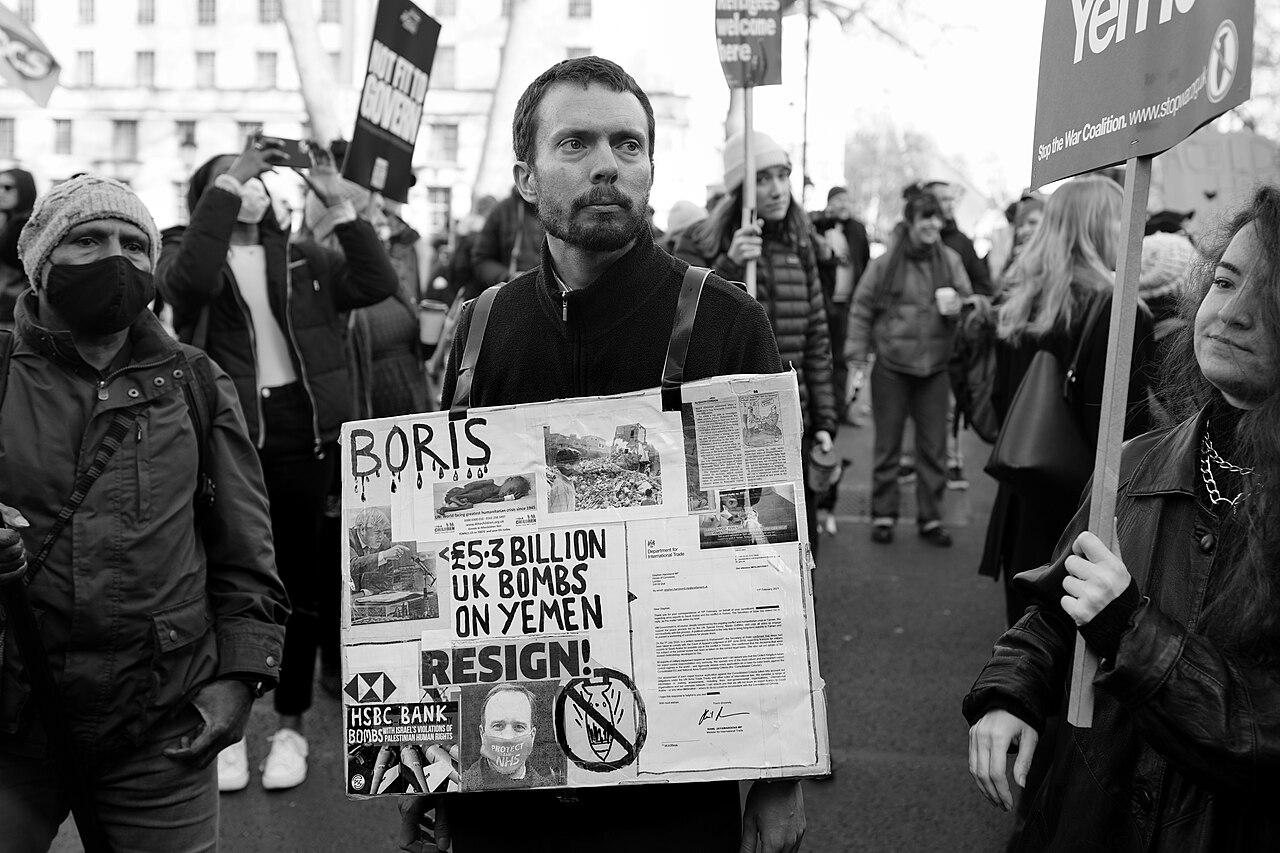
Regional instability escalated sharply this week as the Saudi-backed military alliance conducted an operation against the vital Red Sea port of Hodeidah, aimed at neutralizing militant assets. Simultaneously, the Iran-aligned Houthi faction issued severe warnings, urging international shipping companies and airlines to withdraw immediately from Saudi Arabian airspace and ports, promising retaliatory aerial strikes.
Military Exchanges Intensify in the Arabian Peninsula
The coalition stated that the recent action successfully destroyed operational capabilities at the port, which is crucial for supplying food and goods into northern Yemen. Despite the targeting, authorities indicated that the port remains functional and the flow of commodities will continue. However, the conflict’s intensity rose dramatically when Houthi military spokespersons issued explicit directives for the evacuation of all personnel near Saudi ports. They further warned that their forthcoming operations would cover Saudi airspace, with specific threats targeting a power generation facility in Shuqaiq.
Escalation Follows Major Infrastructure Attacks
This recent series of confrontations follows a significant incident last month involving a Houthi attack on a major skyscraper within Riyadh. The military actions are part of a broader, complex war in Yemen that reignited in July. While the Saudi coalition has been conducting air operations to support its allies on the ground, the Houthis have responded by striking Saudi targets, including airports and commercial towers. The coalition reported successfully intercepting and destroying two ballistic missiles launched by the Houthis toward the southern province of Jazan.
Humanitarian Crisis and Regional Impact
The ongoing fighting has propelled Yemen into a severe humanitarian crisis. The Houthis have successfully captured control of the Red Sea coastline, forcing the Saudi-backed government forces to retreat to the southern port city of Aden. The military confrontations have also created substantial economic disruption for Saudi Arabia, which has seen the cancellation or postponement of major international events and a reduction in global flight schedules.
The conflict is complicated by its connection to the wider geopolitical tensions involving Iran. As fighting continues across Yemen’s key regions—including Sanaa, Saada, and Taiz—the international community watches closely as the risk of further military escalation deepens, threatening regional stability across the Arabian Peninsula.
World Views
Fiscal Cliff Looms: Congressional Stalemate Over Iran Policy Threatens Government Halt
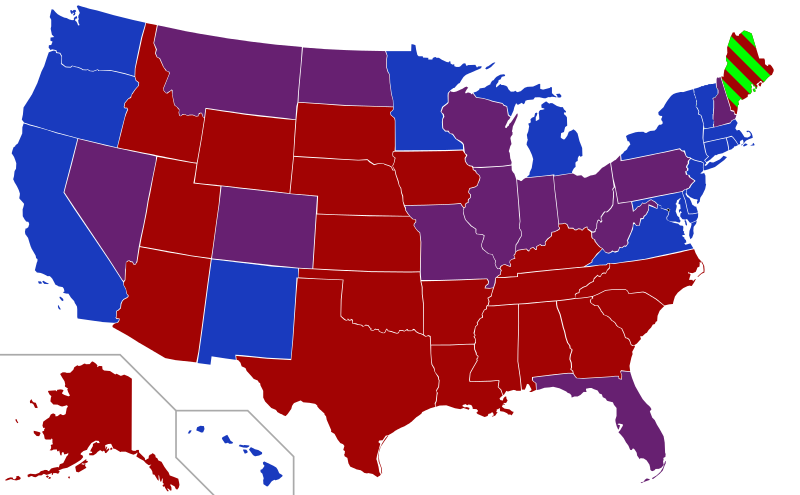
A looming government shutdown is casting a dark shadow over Washington, as legislative bodies struggle to reconcile deep ideological fractures concerning foreign policy and defense spending. With only a few weeks remaining before current federal funding expires, lawmakers from both major political parties are unable to forge a consensus, primarily due to disputes over the ongoing conflict in Iran and the massive defense budget demands put forth by the administration. The political gridlock threatens to halt federal operations before the holiday season, creating a severe administrative crisis.
The Political Deadlock and Budget Demands
The primary obstacle to a bipartisan funding agreement is the administration’s request for an additional $350 billion in Pentagon appropriations. Republican members of Congress are hesitant to embrace this specific spending target, citing disagreements over the scope and nature of the proposed defense bill. Meanwhile, Democratic members are divided on whether accepting a shutdown is a necessary evil to prevent funding the military’s actions against Iran. The legislative race is complicated by the upcoming midterms and the shift in power expected in the Senate and House, making a stable funding solution critical for the lame-duck session.
Sources indicate that while some preliminary conversations about finding a stopgap measure have occurred, no definitive deals have been reached. The Senate Appropriations Committee Chair noted that the focus of the Democrats was not on linking Iran language to short-term funding, but rather on the administration’s new defense requests. Republicans, in turn, have explored a path of bipartisan talks on a significant defense bill, though this proposal contained only a fraction of the requested funding.
Ideological Conflicts and the Cost of Inaction
The conflict highlights a profound disagreement on the role of government and military intervention. Some Democrats have voiced the view that the high cost of the Iran conflict, alongside its unpopularity among the public, justifies a funding cutoff. However, others adamantly oppose a shutdown, arguing that ceasing government functions will not end the military engagement. One prominent legislator described the challenge as a ‘Gordian knot’—a dilemma where the desire to curb military spending clashes directly with the fear of governmental paralysis.
The political maneuvering has been intense, with Republicans attempting to frame the situation as Democrats deliberately triggering a shutdown. Nevertheless, legislative leaders have stressed that the American public should not face another government halt. The urgency remains high, as lawmakers face a critical deadline. While full funding for all agencies remains unlikely, there is still hope that Congress can pass a number of appropriations bills and a continuing resolution to mitigate the worst effects of the impending fiscal cliff.
World Views
Iraqi Authorities Launch Operation to Curb Iran-Affiliated Militia in Key Stronghold
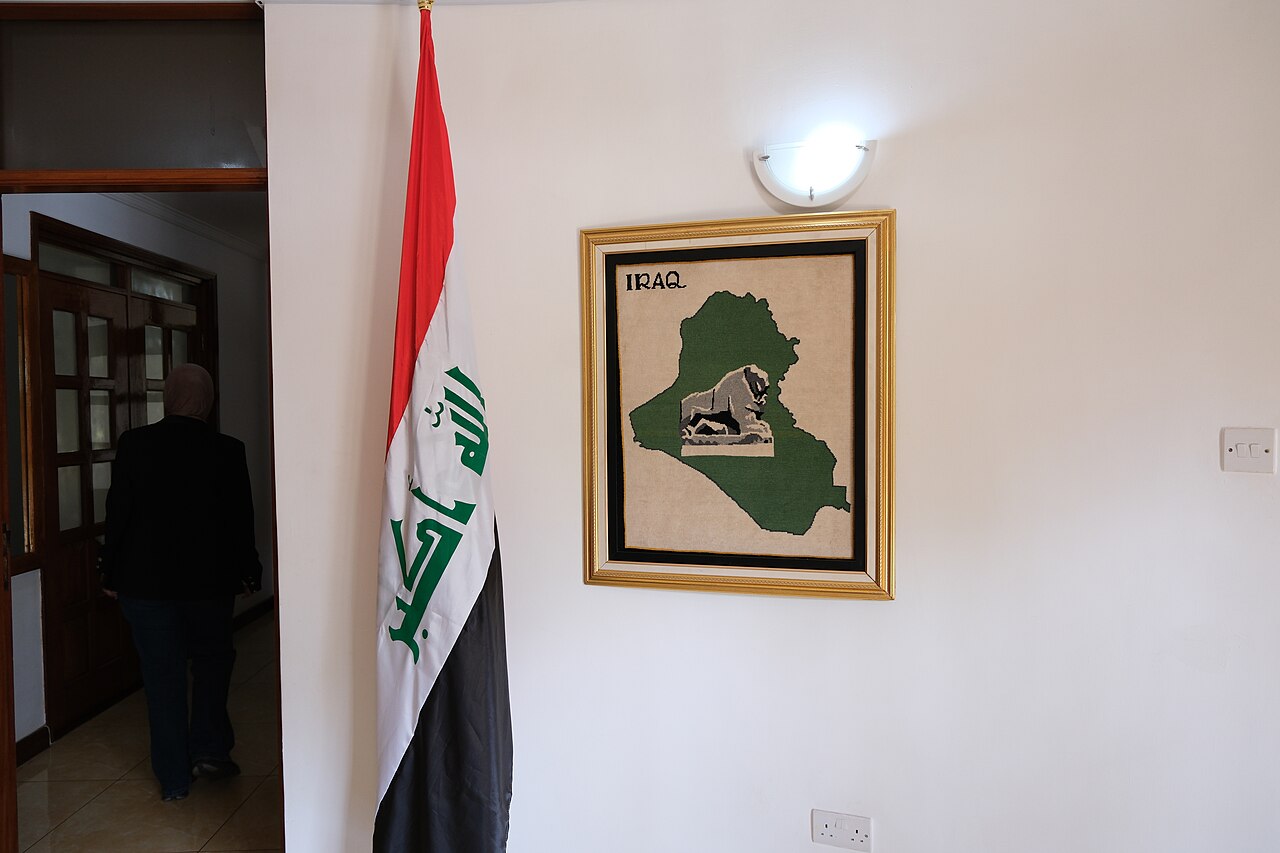
Iraqi security personnel have mobilized in Jurf al-Sakhar, a region long controlled by the heavily armed Kataib Hezbollah militia. This deployment comes as part of a carefully negotiated arrangement aimed at curtailing the influence of Iran’s powerful Shi’ite allies within the nation, all while attempting to sidestep a potential armed conflict. The move signals a significant, albeit fragile, push by the government to reclaim full state authority in a country where powerful non-state actors often operate outside governmental oversight.
The Crisis in Jurf al-Sakhar
Prime Minister Ali al-Zaidi recently directed security forces to confront the hardline Kataib Hezbollah. Government officials alleged that the group was operating a substantial illicit oil smuggling operation in the town, diverting millions of dollars of state resources. Although the militia group vehemently denied these corruption charges, the resulting arrests heightened tensions and raised fears among authorities about a possible violent backlash. A convoy bearing Iraqi national flags entered the town on Friday, with soldiers positioning themselves centrally, confirming that government forces were tasked with ensuring the town’s safety.
Negotiated De-escalation and State Assertion
The current arrangement, which was reportedly brokered by local Shi’ite political figures, expects the militia members to relocate to other areas of Iraq. This initiative is framed by the government as a historic moment where the armed forces are demonstrating their role as the nation’s guardian. Zaidi communicated from Baghdad that the government’s resolve is absolute: only state-sanctioned weapons and decisions will be permitted. Furthermore, a senior Iranian representative, Esmail Qaani, visited Baghdad to assist in defusing the escalating situation between the government and the militia.
The Shadow of Foreign Influence
The conflict is rooted in the deep and sustained influence Tehran has cultivated in Iraq since the 2003 invasion. Pro-Iranian militias, including Kataib, possess a semi-official status that critics argue allows them to operate with impunity. These groups, which are closely linked to Iran’s Revolutionary Guards, have amassed extensive arsenals, including advanced weaponry. Despite the government’s efforts, the militia has consistently refused to surrender its armaments to the state. The potential for a direct confrontation remains high, especially given the volatile history of crackdowns on these groups, which previously led to severe security incidents near the Prime Minister’s residence.
World Views
Iranian Allegations Cloud RAF Fairford Security Case; Two Men Face Trial Next Year
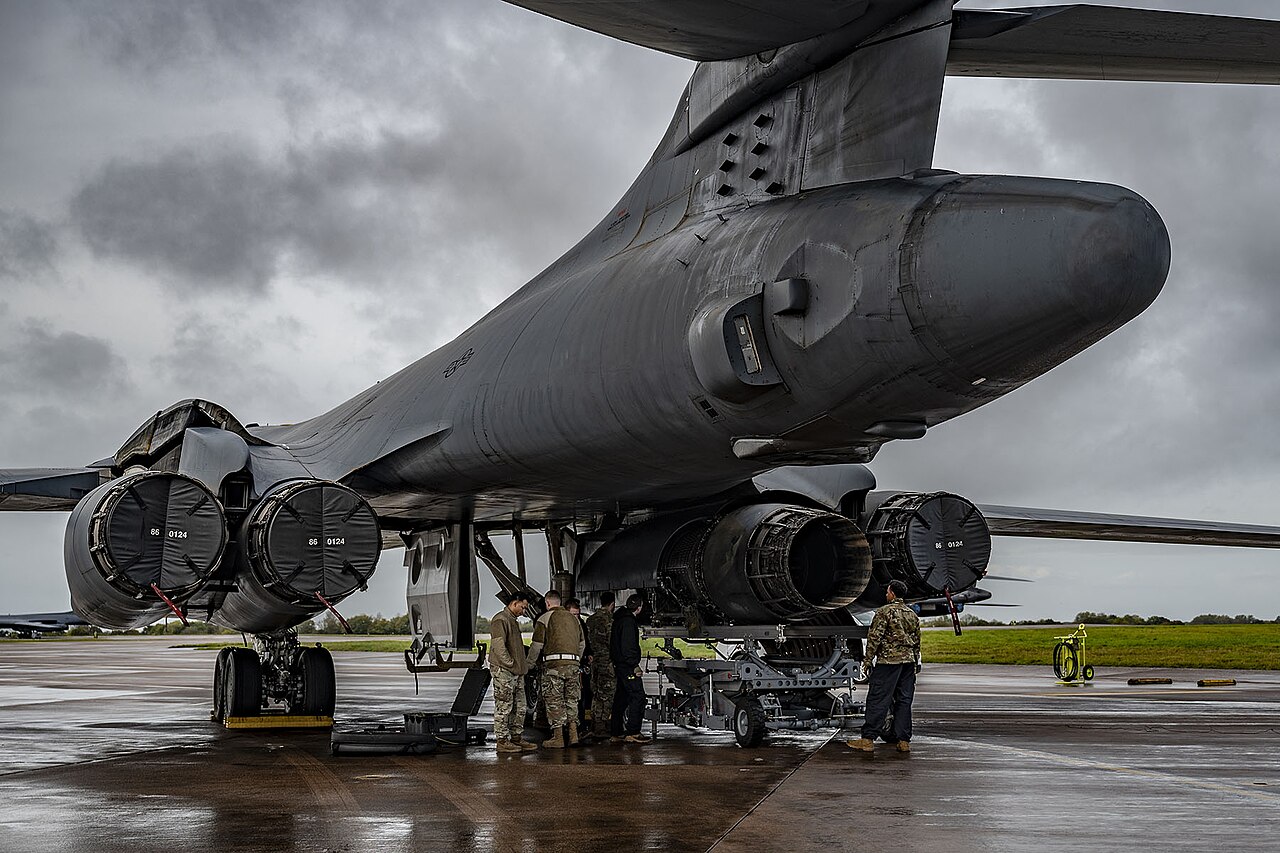
A high-stakes national security case stemming from a September incident at the RAF Fairford military base is moving toward trial, with two defendants set to appear in London next November. British and American prosecutors assert that the security breach was orchestrated on behalf of Iran, linking the incident to the ongoing international conflict involving the Islamic Republic. The charges against the men highlight deep concerns regarding foreign intelligence involvement within sensitive British military installations.
The Core Allegations at Fairford
Mohmed Abdulkarim, 24, and Nouman Essghir, 25, are the two individuals currently facing court proceedings. Their legal teams have indicated that both men are likely to enter a plea of not guilty. British authorities contend that Abdulkarim, a citizen of the UK, facilitated the movement of several individuals to RAF Fairford under the direction of a man identified as ‘Ali.’ Prosecutors allege that this individual was operating in the interests of the Iranian government. Abdulkarim is charged under the National Security Act for engaging in activities that could significantly aid a foreign intelligence service during the period spanning late August through late September.
Essghir, who holds dual British-Iranian citizenship, is the only one among the initial group of five arrested outside the base to be formally charged, though his specific accusation relates to alleged reconnaissance of the airbase dating back to August. The trial date has been formally set for November 22, 2027, by Judge Bobbie Cheema-Grubb.
Context of International Tensions
The security incident took place during a period of intense US-led military operations against Iran. While the US had utilized RAF Fairford for strikes on Iran, the deployment of B-1 bombers was curtailed shortly after the initial arrests were made. British police and the Prime Minister have indicated the strong likelihood of Iranian involvement, a claim which Tehran’s diplomatic representative in Britain has officially refuted. American prosecutors have concurrently charged three other men in connection with the events, and the US recently pulled aircraft from a second UK airbase citing security concerns.
Implications for National Security
The investigation underscores the persistent threat posed by foreign intelligence operations targeting key military infrastructure. Beyond the two men currently in court, police confirmed that six other individuals, four of whom are British nationals, remain detained on police bail following the September 27 arrests. The case serves as a stark reminder of the vulnerability of national defense assets to external influence, prompting continuous scrutiny from security services regarding the integrity of military operations in the region.
