



World Views
Tragic Death Exposes Dangerous Intersection of Family Law and LGBTQ+ Vulnerability in Iran
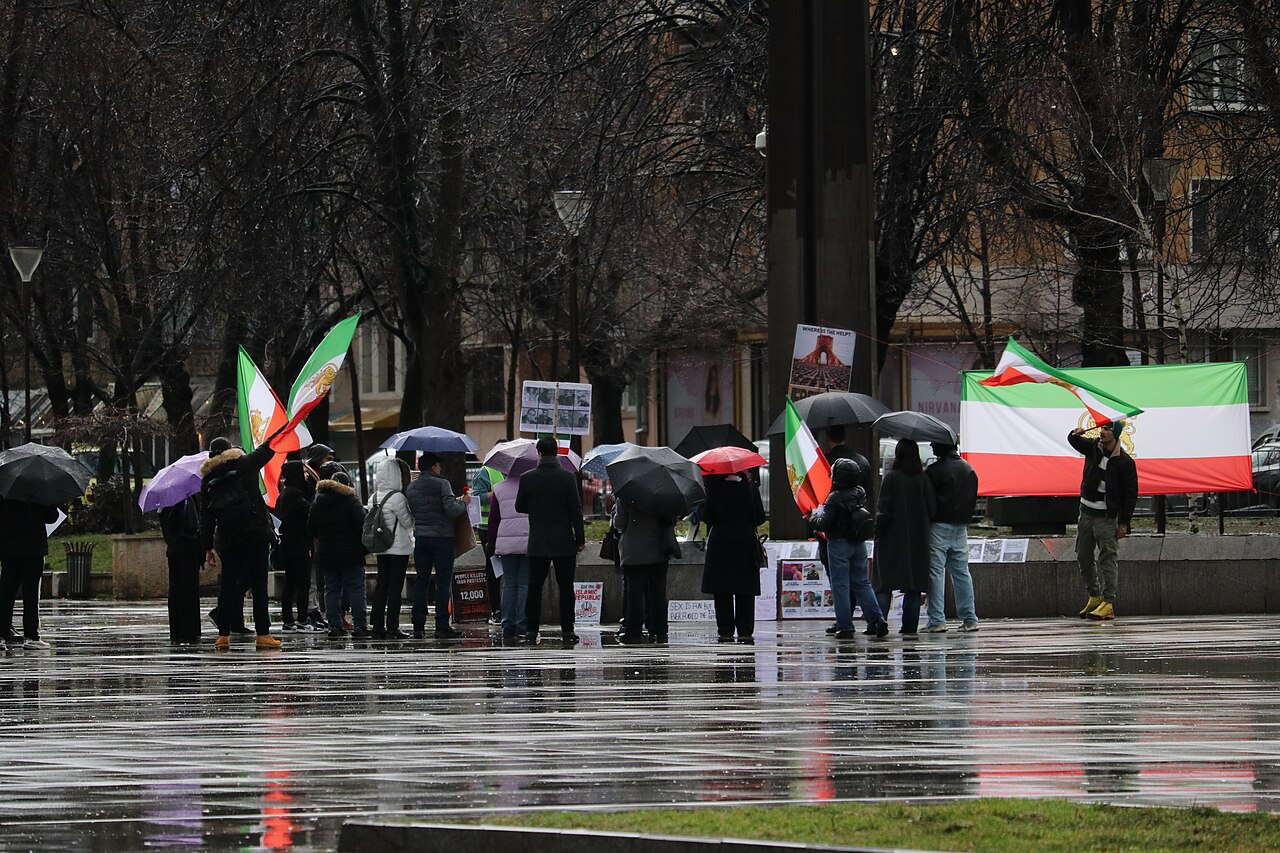
The fatal death of a young Iranian teenager has ignited a critical examination of the legal and social structures that fail to protect vulnerable youth. Sogand Sayadi, a 16-year-old from Kermanshah province, was killed by her father following a confrontation at her school over her private life. Reports indicate the incident stemmed from her alleged relationship with another girl, bringing intense scrutiny to the dangers faced by LGBTQ+ individuals within Iran’s restrictive society.
The Circumstances of the Tragedy
Sayadi was found deceased after an assault perpetrated by her father, Keyumars Sayadi. According to accounts, the dispute began when school administrators summoned the father after classmates disclosed details of her personal life. Despite Sayadi issuing a stern warning to officials that her father would harm her if she was taken home, the school failed to involve law enforcement or provide adequate protection. The teenager was reportedly thrown from her family home’s fifth floor. Following the incident, authorities arrested both the father on charges of assault and murder, and the school principal, who was detained on suspicion of negligence. Educators strongly condemned the school’s handling of the situation, arguing that the administration improperly interfered in a student’s private affairs and exposed her to peril.
Systemic Legal Loopholes and Discrimination
Beyond the specific case, Sayadi’s death highlights deep-seated legal issues in the Islamic Republic. Iran’s Penal Code contains provisions that grant fathers significant legal privileges when they commit homicide against their children. Specifically, Article 301 exempts fathers and paternal grandfathers from *qisas*, or retributive punishment, when they kill their descendants. While such fathers can still face financial penalties and limited prison time, this exemption creates a stark legal disparity between them and other perpetrators of intentional murder.
A Legal Void for LGBTQ+ Individuals
The legal environment is further complicated by the state’s criminalization of same-sex activity. Iran’s laws define and punish specific intimate acts between women and men, often with severe penalties ranging from flogging to capital punishment. Furthermore, there are no comprehensive legal safeguards against discrimination based on sexual orientation or gender identity across employment, education, or healthcare. International reports have documented widespread violence, forced marriages, and the absence of state protection for those identifying as LGBTQ+. Sayadi’s case underscores the perilous intersection of gender-based violence and anti-LGBTQ+ prejudice, where institutions meant to offer safety instead become complicit in exposing victims to danger. Observers are now calling for a thorough, independent investigation into both the perpetrator and the negligence of the school officials.
World Views
Restoring Identity and Honour: Arlington Ceremony Corrects Century-Old Errors and Commemorates Acts of Courage
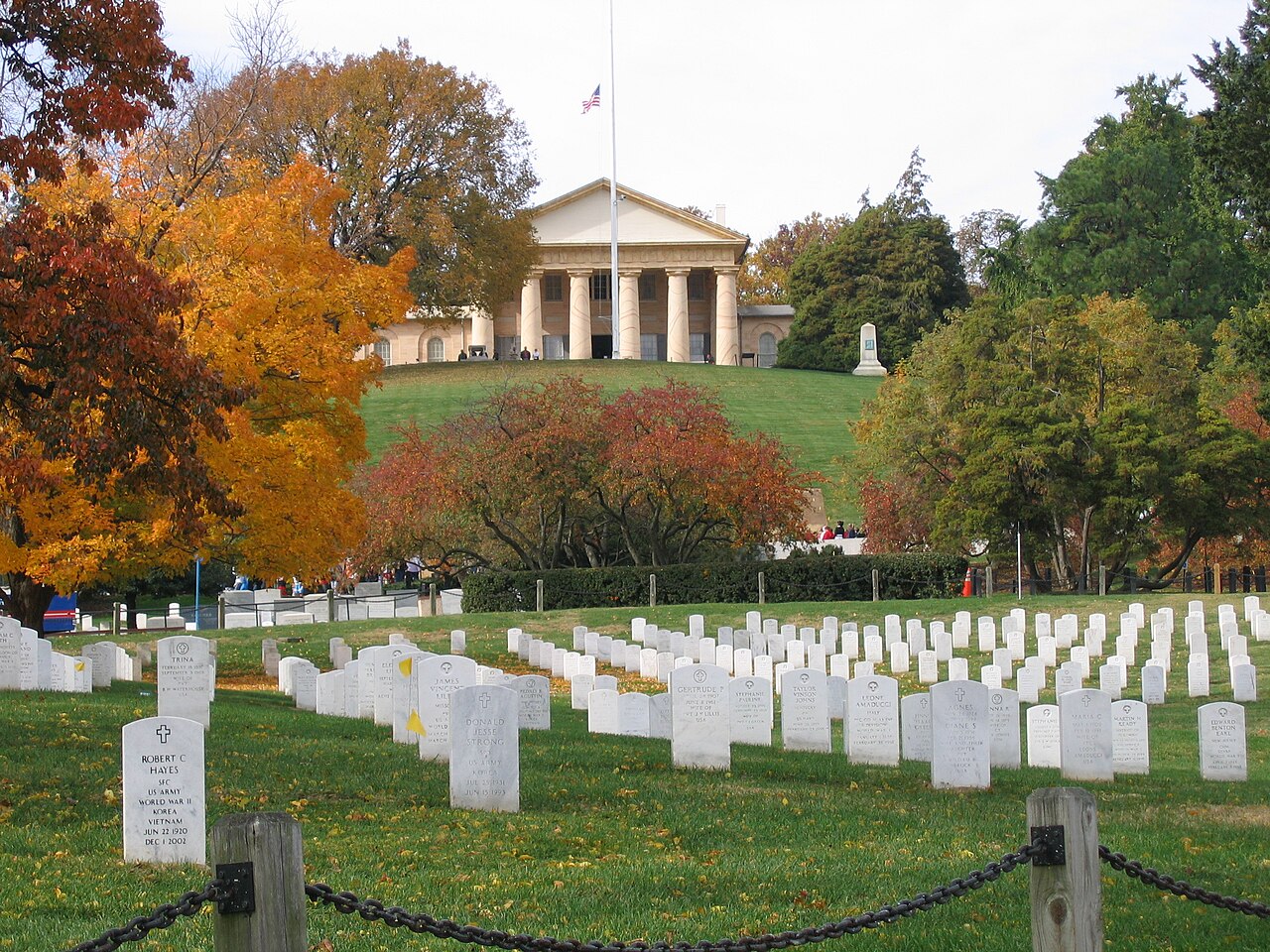
A solemn ceremony at Arlington National Cemetery recently marked the fulfillment of generations of historical obligation, simultaneously correcting long-standing errors in the graves of three Jewish American World War I servicemen and paying tribute to a non-Jewish soldier whose defiant actions saved Jewish lives during World War II. Organized by the non-profit group Operation Benjamin, the event brought together descendants, military figures, and a delegation from democratic Germany to ensure that the sacrifices of these servicemen are accurately recorded and remembered.
Correcting the Record: WWI Soldiers’ Identities Restored
For over a hundred years, the graves of Private David Latken, Corporal Jacob Leifer, and Private Benjamin P. Yarish—all veterans of the Meuse-Argonne Offensive in 1918—were marked with Christian crosses despite their documented Jewish heritage. Despite family members petitioning the War Department decades ago, the promised headstone replacements were never installed. The ceremony finally unveiled new markers bearing Stars of David, rectifying this oversight. The families expressed profound emotion, noting that this correction was more than just a stone replacement; it was an essential restoration of identity and honor for their ancestors.
A Beacon of Loyalty: The WWII Hero
The tribute also recognized Private Johann ‘Hans’ Kasten, an American soldier of German background, whose extraordinary moral fortitude during World War II exemplified profound solidarity. Captured during the Battle of the Bulge, Kasten refused German demands to identify Jewish prisoners. Despite facing brutal torture and threats of execution, he maintained his defiance, protecting those under his command. Operation Benjamin co-founder Shalom Lamm highlighted Kasten’s choice to prioritize loyalty over self-preservation, stating that he protected his comrades because they were Americans. The presence of nine representatives from the modern German Armed Forces, led by Brigadier General Gunnar Brügner, underscored the historical significance of this act of resistance.
The Responsibility of Remembrance
The event’s organizers framed the proceedings as a global responsibility to historical truth. Lamm emphasized that true memory requires more than merely recording names and dates; it demands active remembrance. The German delegation’s attendance, including a senior officer saluting Kasten, was noted as a powerful symbol of reconciliation and historical accountability. The granddaughters of Kasten, who described their grandfather as a steadfast storyteller, expressed gratitude for the event, which transformed a private family memory into a public act of gratitude. This dual ceremony served as a powerful reminder that the commitment to truth and honor transcends generations and borders.
World Views
Morocco Launches Major Digital and Physical Campaign to Safeguard Ancient Jewish Heritage

Morocco is undertaking a massive, technologically advanced initiative to protect and revitalize its ancient Jewish cultural sites across the nation. Moving beyond its initial restoration phase, the kingdom has launched a comprehensive new campaign aimed at both maintaining sites that have already been rehabilitated and bringing neglected heritage locations back into prominence. This significant expansion signals a deep, sustained governmental commitment to preserving the kingdom’s historical Jewish legacy, which officials describe as an inseparable part of the nation’s identity.
Scaling Up Preservation Efforts
The current initiative builds upon a successful program that began in 2010 under the direction of King Mohammed VI. Since its inception, this effort has already resulted in the restoration of over 170 Jewish cemeteries and roughly 20 religious shrines. Among the standout achievements is the revitalization of the Jewish cemetery in Meknes, a site with roots dating back to 1682, which stands as a powerful symbol of centuries of Jewish life within the kingdom. Furthermore, the recent opening of the Museum of Moroccan Jewish Culture in Fez, situated in the heart of the city’s former Jewish district, provides a modern educational hub for visitors interested in the community’s history and cultural contributions.
Advanced Technology Meets Ancient History
A defining feature of this expanded campaign is the integration of cutting-edge technology into conservation work. The Council of Jewish Communities of Morocco (CCIM) has partnered with international scholars, including a professor from Ariel University in Israel, to implement an artificial intelligence project. This groundbreaking technology is being utilized to decipher faded and damaged inscriptions found on gravestones across the country’s Jewish burial grounds, which already encompasses over 33,000 graves in 38 different communities.
- Nationwide Inventory: The project includes a systematic inventory to document every historic site and assess its condition for long-term planning.
- Digital Access: An interactive online platform is being developed to map these historic locations, making them accessible to the public and promoting cultural tourism.
A Commitment to the Future
According to representatives involved in the project, the new strategy is designed to address preservation needs that were not covered during the initial wave of restoration. The goal extends beyond simple maintenance; it aims to secure the future of this heritage. By creating a detailed digital record and providing easier access, Morocco is not only honouring its past but also positioning its rich Jewish history as a significant global cultural asset, encouraging both religious pilgrimage and broader cultural engagement.
World Views
Fiscal Cliff Looms: Congressional Stalemate Over Iran Policy Threatens Government Halt
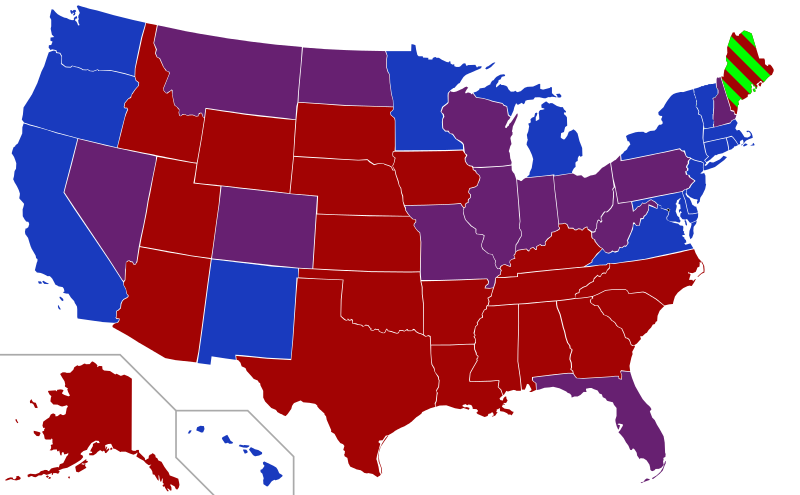
A looming government shutdown is casting a dark shadow over Washington, as legislative bodies struggle to reconcile deep ideological fractures concerning foreign policy and defense spending. With only a few weeks remaining before current federal funding expires, lawmakers from both major political parties are unable to forge a consensus, primarily due to disputes over the ongoing conflict in Iran and the massive defense budget demands put forth by the administration. The political gridlock threatens to halt federal operations before the holiday season, creating a severe administrative crisis.
The Political Deadlock and Budget Demands
The primary obstacle to a bipartisan funding agreement is the administration’s request for an additional $350 billion in Pentagon appropriations. Republican members of Congress are hesitant to embrace this specific spending target, citing disagreements over the scope and nature of the proposed defense bill. Meanwhile, Democratic members are divided on whether accepting a shutdown is a necessary evil to prevent funding the military’s actions against Iran. The legislative race is complicated by the upcoming midterms and the shift in power expected in the Senate and House, making a stable funding solution critical for the lame-duck session.
Sources indicate that while some preliminary conversations about finding a stopgap measure have occurred, no definitive deals have been reached. The Senate Appropriations Committee Chair noted that the focus of the Democrats was not on linking Iran language to short-term funding, but rather on the administration’s new defense requests. Republicans, in turn, have explored a path of bipartisan talks on a significant defense bill, though this proposal contained only a fraction of the requested funding.
Ideological Conflicts and the Cost of Inaction
The conflict highlights a profound disagreement on the role of government and military intervention. Some Democrats have voiced the view that the high cost of the Iran conflict, alongside its unpopularity among the public, justifies a funding cutoff. However, others adamantly oppose a shutdown, arguing that ceasing government functions will not end the military engagement. One prominent legislator described the challenge as a ‘Gordian knot’—a dilemma where the desire to curb military spending clashes directly with the fear of governmental paralysis.
The political maneuvering has been intense, with Republicans attempting to frame the situation as Democrats deliberately triggering a shutdown. Nevertheless, legislative leaders have stressed that the American public should not face another government halt. The urgency remains high, as lawmakers face a critical deadline. While full funding for all agencies remains unlikely, there is still hope that Congress can pass a number of appropriations bills and a continuing resolution to mitigate the worst effects of the impending fiscal cliff.
