



World Views
Beyond Tourism: How a Trip to Israel is Catalysing Life-Altering Connections and Identity Shifts

For many young adults, a trip to Israel is intended as a cultural journey—a chance to see historical sites and connect with a different heritage. Yet, a growing body of anecdotal evidence and academic research suggests that for thousands who participate in programs like Birthright Israel, the experience is far more profound. These journeys are not merely about sightseeing; they are proving to be powerful catalysts for deep personal transformation, cultural awakening, and, surprisingly, the formation of lifelong partnerships.
The Unexpected Link Between Travel and Partnership
The idea that a ‘meet-cute’ occurs during a group hike is often treated as a romantic trope. However, the phenomenon extends beyond mere serendipity. Research conducted by Leonard Saxe, a scholar specializing in Jewish studies, indicates a significant statistical correlation. His longitudinal study found that participants in the program are considerably more likely to end up married to a Jewish partner compared to those who did not attend the trip.
This finding challenges the popular notion that romance is the primary goal of the initiative. Saxe noted that the program’s original objectives focused on fostering Jewish identity, promoting love for the Jewish people, and strengthening communal bonds. Instead, the immersion itself seems to be driving a deeper sense of self and community belonging. For instance, one participant, Shantal Ben-Aderet, shared that her trip fundamentally changed her view of her heritage. She described how the immersion helped her realize the importance of her Jewish ethnicity and culture, even if she wasn’t strictly religious, leading to a relationship that blossomed into marriage with an Israeli man.
From Group Tour to Lifelong Community
The impact is visible across various demographics. Max Rind, who grew up with a strong Jewish background but had never visited the country, found not only a romantic partner but also a lasting social network during his trip. Similarly, Max Marschark, who initially felt disconnected from his Jewish roots, found a transformative spark after his 2015 visit. He noted that the experience was incredibly impactful, helping him feel a sense of belonging to ‘his people’ and motivating him to engage more actively with Jewish life, particularly after his wife, Arielle Levy Marschark, became involved in the tradition.
These stories illustrate that the value of Birthright lies in the shared experience. Participants often form a powerful, enduring community, which serves as a vital support system long after the journey ends. As one participant observed, having a group of friends from the trip gives one a ‘mini Jewish community in your back pocket.’ The program, which has hosted nearly one million young individuals from around the globe since 1999, continues to demonstrate that the pursuit of cultural connection can lead to the most profound personal and relational outcomes.
World Views
Progressive Wave Challenges Democratic Senate Leadership, Citing Need for Change
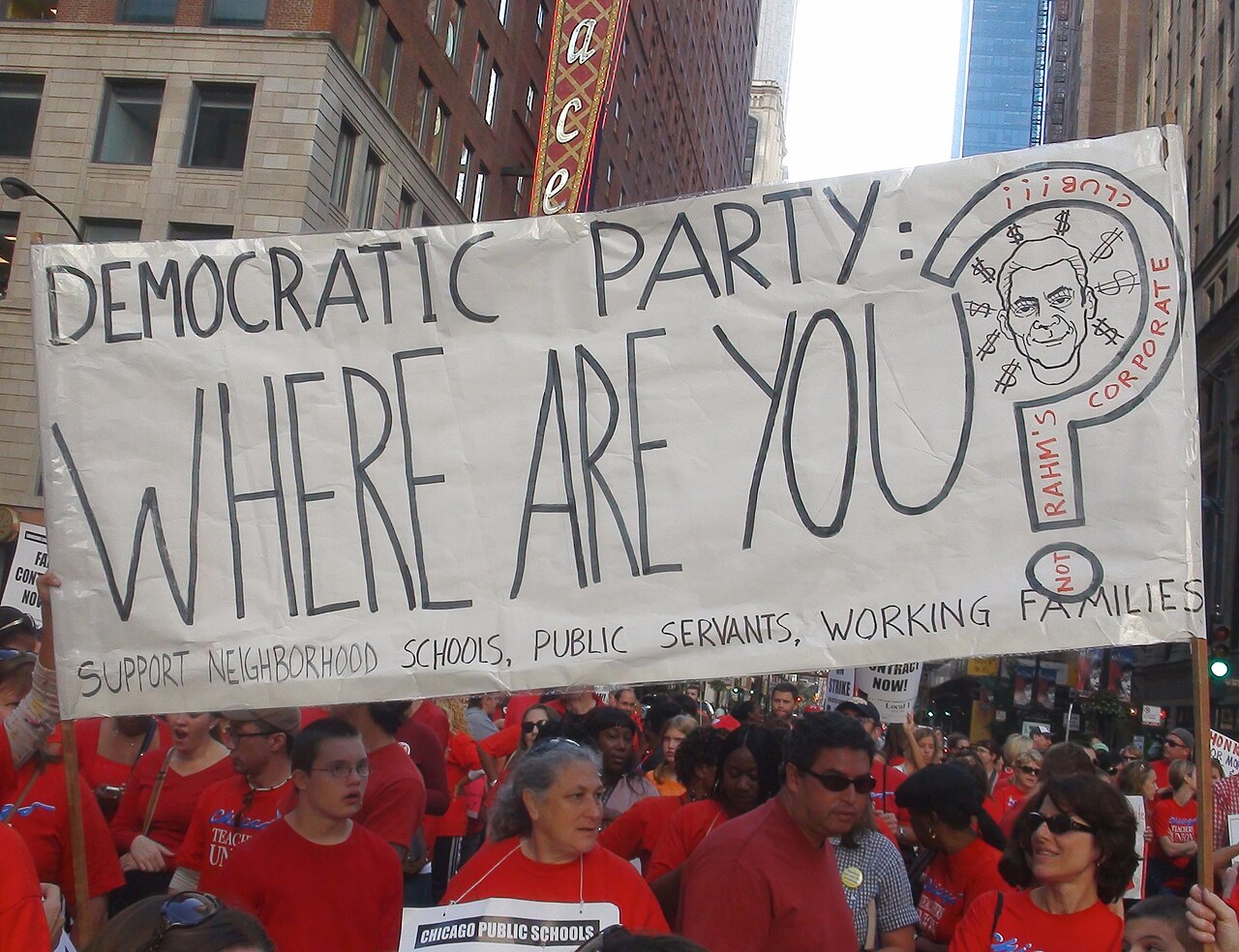
A significant ideological shift is underway within the Democratic caucus, with progressive voices actively challenging the established leadership of Senator Chuck Schumer. The push for a new majority leader has gained traction, fueled by figures like actor Mark Ruffalo, who publicly endorsed Maryland’s Senator Chris Van Hollen. Ruffalo’s rationale centered on the need for leadership free from what he described as ‘entrenched religious beliefs and loyalties,’ suggesting that the pursuit of justice must supersede rigid affiliations.
The Call for a New Direction in Washington
Van Hollen, a vocal critic of Israel who has championed investigations into the nation’s human rights record, has garnered substantial backing. His support includes three veteran senators—Bernie Sanders, Elissa Slotkin, and Jeff Merkley—along with two incoming senators. This movement represents a growing dissatisfaction among progressive members with the current leadership structure, which has been dominated by Schumer since 2017.
Schumer, who holds the distinction of being the highest-ranking Jewish elected official in American history, has long been viewed as a staunch supporter of Israel, often referring to himself as a ‘guardian of Israel.’ While he has recently expressed growing criticism of Israeli Prime Minister Benjamin Netanyahu, the progressive challenge persists. Ruffalo’s endorsement broadened the conversation beyond just foreign policy, asserting that the selection of a leader must align with the desires of the electorate, not restrictive loyalties.
A History of Divisive Commentary
Ruffalo, known for his work in major film franchises, has historically been a polarizing figure within certain communities. His outspoken political stance has frequently drawn scrutiny. For instance, he has publicly criticized powerful figures and corporations, including linking a tech giant to what he termed ‘an apartheid system of oppression’ in Gaza. This commentary led to sharp rebukes from Jewish organizations, which suggested his remarks invoked ‘recognizable antisemitic tropes.’ Ruffalo strongly denied any hostile intent toward Jewish people, maintaining that his political critiques of Israeli government actions were separate from his personal regard for the community.
The Political Stakes
The debate underscores a growing tension between the party’s traditional, establishment wing and its more radical, progressive faction. While Schumer maintains deep ties to pro-Israel lobbying groups, his recent shifts in public stance on Israel suggest potential cracks in the consensus. Van Hollen’s candidacy, therefore, represents more than a mere leadership change; it signifies a fundamental ideological battle over the direction and principles of the Democratic Party in the coming years.
World Views
US Political Pressure Mounts: Democrat Calls for Sanctions on West Bank Settler Violence

U.S. Representative Hakeem Jeffries, who is anticipated to assume the role of House Speaker next January, has publicly demanded swift legislative intervention from Congress to impose sanctions on Israeli settlers responsible for violence against Palestinians in the West Bank. In an interview published recently, Jeffries reiterated his call for the United States to enact significant policy changes regarding the escalating instability in Gaza and the West Bank.
The Push for Legislative Action
Jeffries specifically highlighted the West Bank Violence Protection Prevention Act of 2025, stating his intention to prioritize its advancement early in the new Congress. The proposed legislation would grant the President the authority to impose punitive measures on any individuals or groups involved in activities that endanger the region’s peace, security, or stability. This includes those engaged in property destruction, violence, or the forced displacement of Palestinians.
The bill was introduced earlier this year by Democratic lawmakers who strongly criticized the actions of ultranationalist Israeli National Security Minister Itamar Ben-Gvir, accusing him of failing to prevent or prosecute perpetrators of settler attacks. Jeffries, who has historically supported Israel but has become increasingly critical of the Israeli government recently, emphasized that the U.S. commitment to a two-state solution must serve as the nation’s primary objective. He further condemned the suffering of Palestinian civilians in Gaza, describing the devastation as ‘unacceptable and unsustainable.’
Escalating Instability and International Response
The demand for action comes amidst a sharp increase in violence within the disputed territories. Recent incidents have included an arson attack on a mosque in the northern Arab village of Ed-Dahi, an event opposition members attributed to incitement by Israeli political figures. Furthermore, settlers recently carried out a series of attacks on towns, setting fires and damaging residents’ vehicles.
The political atmosphere in Israel remains highly polarized. While opposition leaders have condemned the attacks as ‘Jewish terrorism’ and pointed fingers at far-right ministers and Prime Minister Benjamin Netanyahu, settler council leaders have challenged this terminology, arguing it serves to damage Israel’s global image. Meanwhile, the Israeli Defense Forces and Police confirmed that law enforcement units are actively investigating the incidents and working to maintain order across Judea and Samaria.
Global Pressure and Future Outlook
Jeffries’ remarks align with a growing trend of international scrutiny. His advocacy follows similar efforts by other Democratic members to sanction businesses connected to controversial settlement expansions. This movement is mirrored by actions taken by several other Western nations, including France, Britain, and Australia, which have recently imposed or planned trade restrictions in response to the violence and settlement construction.
The political pressure suggests that the international community is increasingly demanding accountability. Jeffries maintains that enacting meaningful change is crucial for improving the relationship between the two peoples and moving toward a viable path for a two-state future.
World Views
Half a Century Later, Irving Howe’s ‘World of Our Fathers’ Sparks Debate on Jewish Identity and Socialism
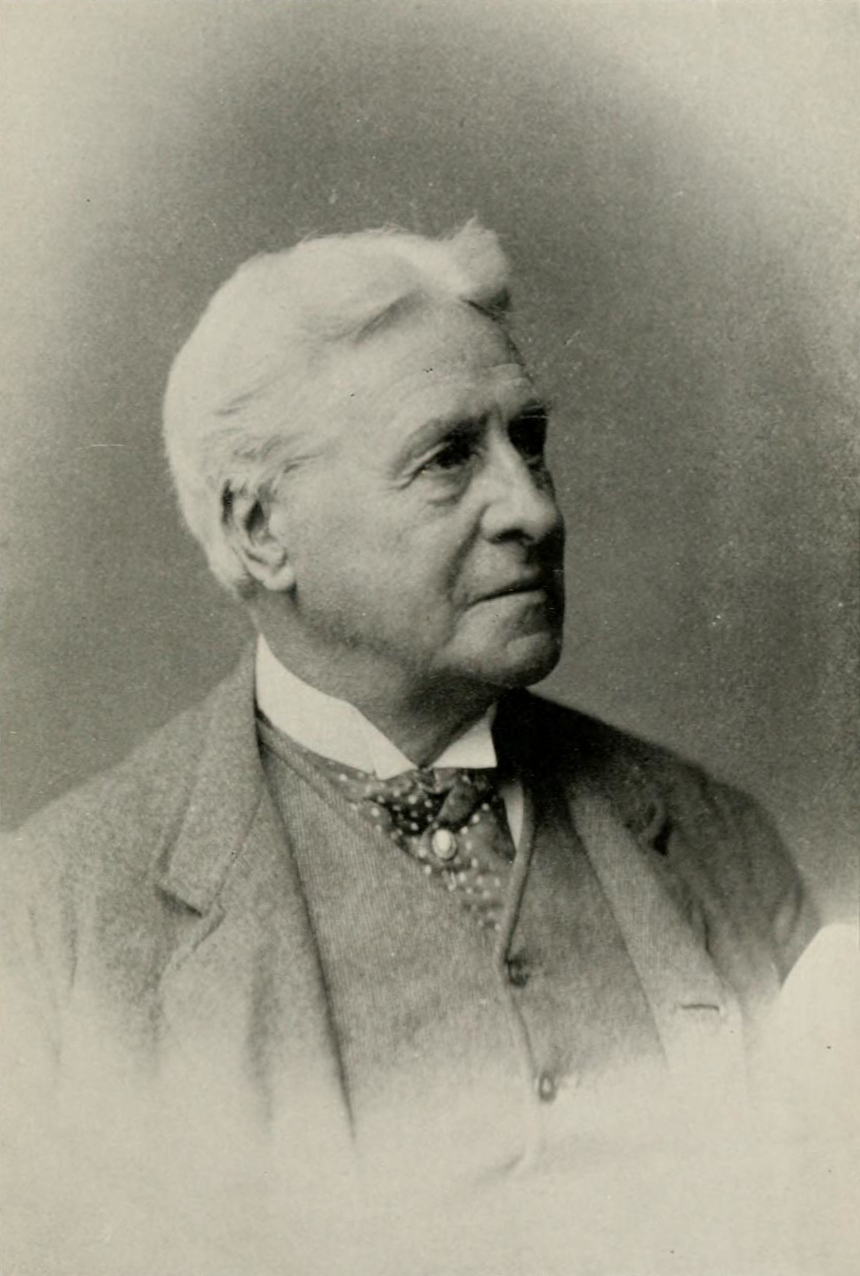
The 50th anniversary of Irving Howe’s seminal 1976 work, ‘World of Our Fathers,’ has reignited intense discussion among historians and young activists regarding the enduring spirit of American Jewish radicalism. Originally a cultural staple in many Jewish households, the massive volume provided a sweeping chronicle of Eastern European Jewish immigrants, detailing their journey from impoverished newcomers to successful American community builders. The book, which earned national acclaim, is now being viewed less as a nostalgic memoir and more as a vital ideological inheritance for contemporary progressive Jewish movements.
The Radical Inheritance of Immigrant Culture
The book captures the vibrant complexity of Ashkenazi immigrant life—the union organizers, the Yiddish cultural scene, and the intellectual fervor of the era. Panelists gathered at the Center for Jewish History noted that Howe intended the work as a political manifesto for the left. He argued that amidst the exhaustion of 1960s protest movements, the community needed a guiding ethic of menschlichkeit, or human decency, urging socialists not to abandon compassion in pursuit of ideological purity. This message continues to resonate, as young Jewish socialists actively seek out the text to find a sense of political and cultural selfhood.
Modern Tensions: Zionism and Ideological Purity
While the book celebrates the collective spirit of the immigrant experience, its modern application brings sharp political friction. A central point of debate is the divergence between Howe’s era and today’s political landscape. Experts pointed out that Howe and his contemporaries held a pro-labor Zionist perspective, whereas many modern progressive groups maintain a strident anti-Zionist stance. Scholars indicated that this difference represents a fundamental ideological rift, suggesting Howe might have been deeply conflicted by the evolution of modern Jewish politics.
Critiques and the Paradox of Success
The anniversary discussion also highlighted scholarly criticisms of the text. Some academics noted that Howe’s portrayal sometimes relied on sweeping generalizations and insufficiently addressed the experiences of immigrant women. Furthermore, critics have challenged the book for emphasizing socialist organizing while downplaying the role of capitalism and entrepreneurial drive. However, one panelist defended Howe’s focus, arguing that for many immigrants, the ambition to succeed economically and the desire to improve societal conditions were inseparable. Ultimately, the enduring appeal of the book lies in its tragic observation: Howe lamented that the very economic achievements that marked the immigrant triumph led to the gradual erosion of the cultural bonds and shared traditions he sought to preserve.
