



World Views
Tehran Vows Full Confrontation Against US Maritime Restrictions
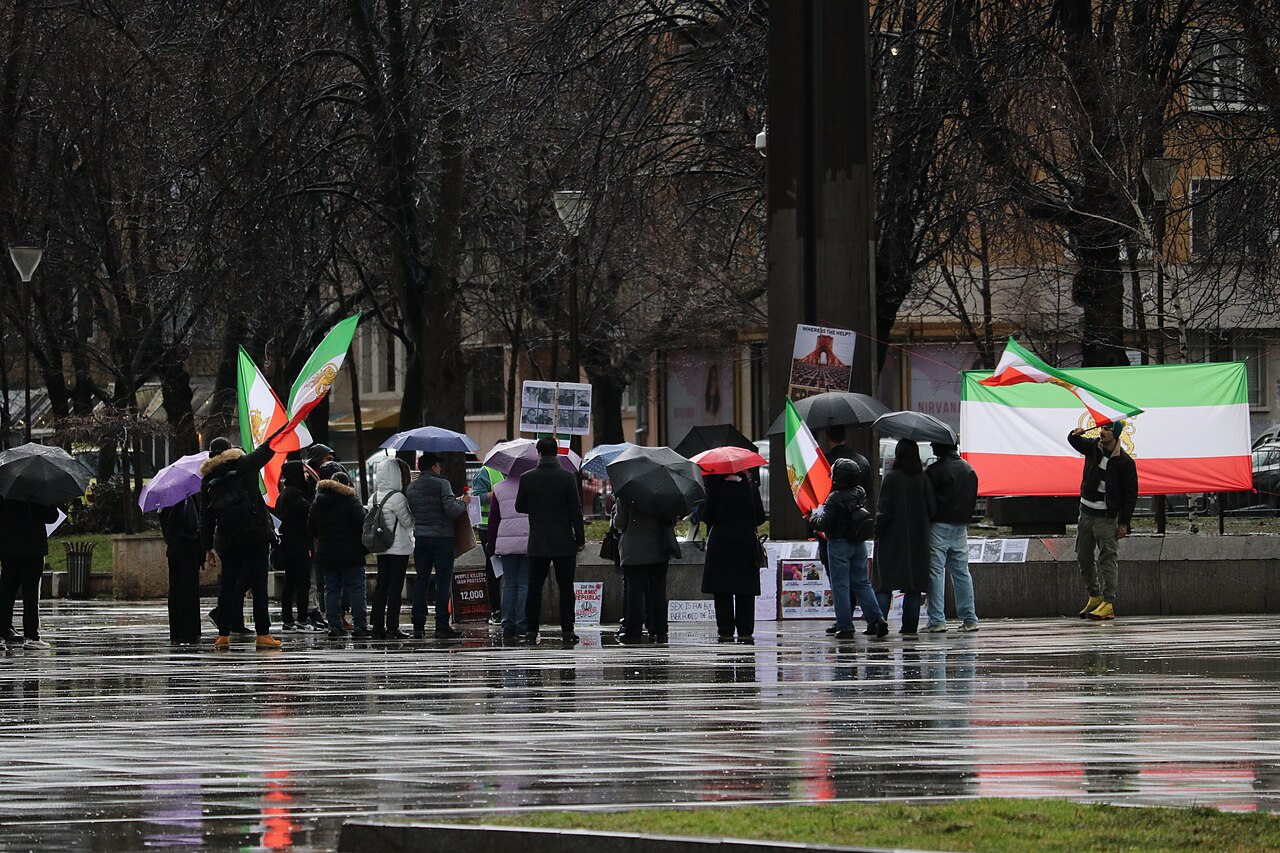
Iran has issued a stark warning, declaring that the nation is prepared to employ every available measure to challenge the ongoing United States naval restrictions on its oil exports. The defiant stance comes from the country’s Foreign Ministry spokesperson, who characterized the maritime blockade as an act of military aggression, signaling a significant escalation in regional tensions.
The Diplomatic Impasse Deepens
The spokesperson stated clearly that the regime would not tolerate the restrictions and would utilize all necessary tools to confront what it labels as American aggression. This strong rhetoric follows a period of volatile international trade policy. The US imposed the blockade on Iranian oil shipments in mid-April. Although a temporary understanding led to the lifting of the restrictions in June, the agreement subsequently disintegrated, and the measures were reinstated in mid-July, plunging the situation back into uncertainty.
Currently, the flow of Iranian crude oil has plummeted, with visible exports having dropped to near zero in recent months due to the enforcement of the sanctions. While some industry tracking sources recently reported on tankers loading Iranian oil via ship-to-ship transfers—potentially marking the first successful export since the July reinstatement—the Ministry representative quickly dismissed these reports, classifying them as mere speculation.
Leverage at the Strait of Hormuz
Iran maintains that it controls passage through the critical Strait of Hormuz, a crucial global shipping lane. The nation has made its demands clear: the Strait will only be reopened when Washington meets specific conditions. These requirements include halting ongoing military activities, officially withdrawing the blockade, and withdrawing the related financial sanctions. The spokesperson indicated that if the United States fulfills these specified conditions, Tehran is ready to resume its commitments as swiftly as possible.
The situation underscores the deep geopolitical chasm between Tehran and Washington. Iran’s commitment to confront the restrictions, backed by the threat of using all its available means, suggests that diplomatic resolutions remain elusive. This high-stakes standoff places immense pressure on global energy markets and heightens the risk of further military incidents in the Persian Gulf region.
World Views
Political Pressure Fuels Nvidia CEO Reinstatement Amid Governance Scrutiny

Jensen Huang has returned to the role of Chief Executive Officer at Nvidia, following a dramatic reversal by the company’s board. This comeback, which occurred after his initial departure amid revelations of personal misconduct, was heavily influenced by political figures and industry leaders, sparking intense debate over corporate independence and executive accountability. The reinstatement immediately sent Nvidia’s stock soaring, but it has also placed the company under a microscope regarding its governance standards and its critical role in the global AI supply chain.
The Tumultuous Return and Governance Questions
Huang’s return capped a volatile week that shook the technology sector. His initial resignation stemmed from reports concerning his extramarital affairs, which included allegations involving a Chinese national. Although Huang has acknowledged infidelity and apologized, he has not provided full details regarding the alleged relationships. Governance experts, however, are deeply concerned about the board’s decision-making process, suggesting it raises serious questions about the company’s autonomy. A financial analyst noted that such a move signals that certain top executives may be subjected to different standards based on their stature, while simultaneously noting that Huang will still face rigorous questioning from Congress.
Nvidia stated that, following input from the US government, the board felt confident that Huang’s return presented no national security risk. This claim was publicly reinforced by Donald Trump, who stated that after extensive research, the administration concluded there was no security problem. The move was supported by a petition gathering over 180,000 signatures, underscoring the unusual level of support for the executive.
Geopolitical Stakes and Congressional Oversight
The drama is unfolding against the backdrop of heightened geopolitical tension surrounding advanced AI chips. Nvidia is currently facing intense scrutiny from Washington over the flow of its technology to China, with US authorities tightening licensing rules. The reinstatement of Huang, a figure who has advocated for greater access to the Chinese market, is seen as vital for the company’s business interests there. Lawmakers from both parties strongly objected to the decision, with some senators warning that the move did not absolve Nvidia of accountability regarding national security concerns and the movement of sensitive technology.
The legal and regulatory overhang remains substantial. Huang has agreed to appear before the US Senate Banking Committee on December 3rd. Furthermore, the company is facing multiple investigations, including those related to potential accounting irregularities and shareholder lawsuits accusing the firm and Huang of misleading investors about his personal relationships. The board has formed committees to investigate potential foreign intelligence targeting and is seeking to appoint a new chief compliance officer, reflecting the gravity of the current crisis.
World Views
US Eyes Limited Military Partnership with Damascus Amid Geopolitical Thaw
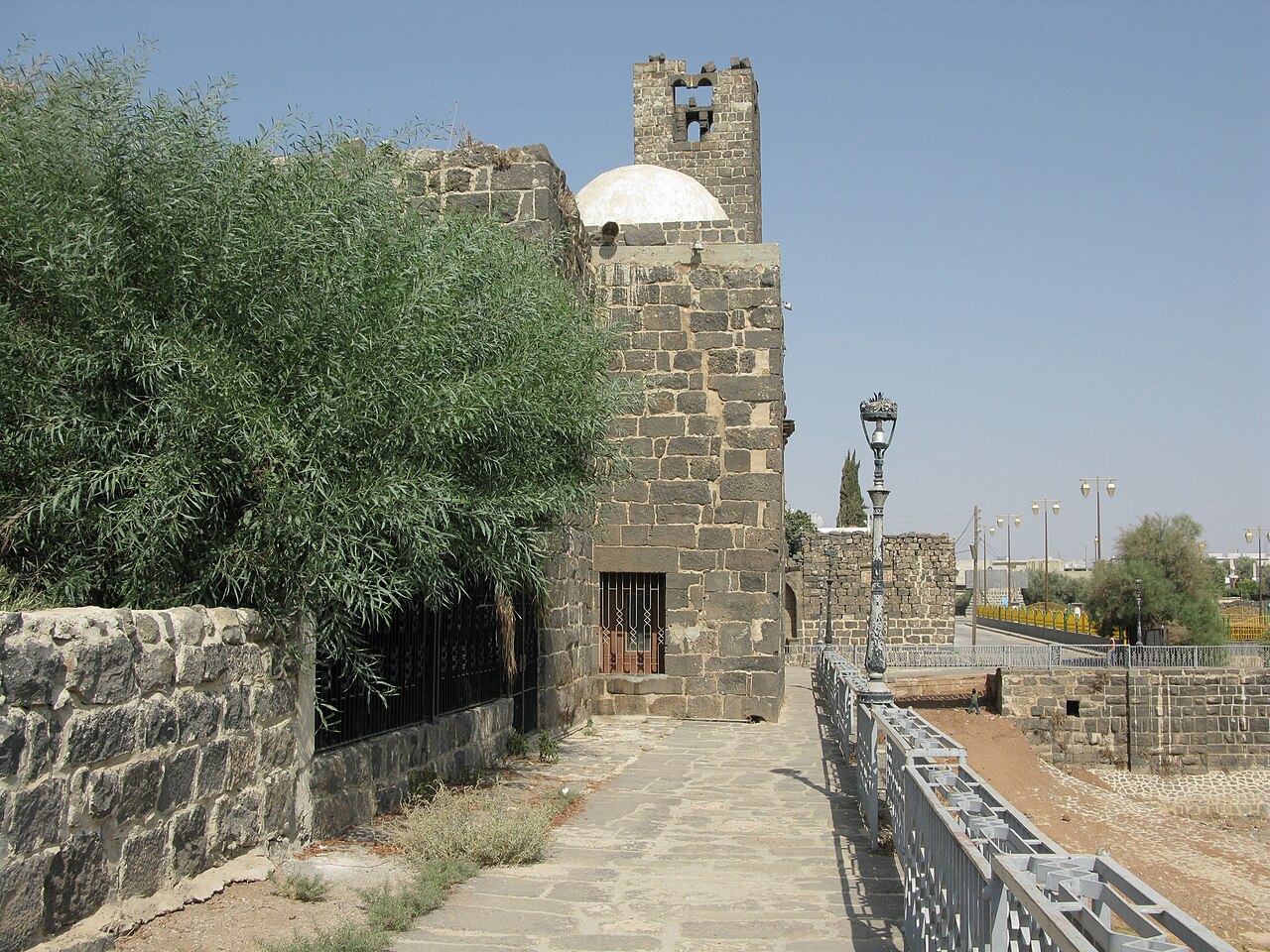
The United States is reportedly advancing discussions regarding a specialized military training program intended for Syrian armed personnel, focusing specifically on the critical skills of demining and explosive ordnance disposal. Sources indicate that if approved, this initiative would mark the first official US military training mission with the Syrian government since the establishment of the current administration in Damascus in 2024. While the proposal holds the potential to facilitate a modest return of American military presence to the region as early as next year, it currently faces substantial legal and operational resistance.
Framework for Cooperation
The envisioned multinational effort is set to build upon the existing infrastructure of the Damascus Coordination Center (DCC), a body established last year in Jordan to coordinate regional allies, American forces, and Syrian authorities. Initial plans suggest the training would focus on ordinance safety, but officials suggest the program could evolve into a broader model for international collaboration. The framework under consideration involves participation from approximately fifteen allied nations, including Germany, France, Australia, the United Arab Emirates, and the United Kingdom. American military spokespeople confirmed that the DCC continues to support the goal of achieving a stable and peaceful Syria, though the precise scope and future mission objectives remain undecided.
Navigating Political and Legal Obstacles
Despite the diplomatic thaw—which includes the lifting of broad economic restrictions on Syria—significant hurdles persist. On the American side, the Leahy Laws represent a major legal barrier, prohibiting U.S. assistance to foreign security units if credible evidence of grave human rights violations exists. American authorities would therefore be required to rigorously vet prospective Syrian recipients. These human rights concerns are compounded by the fact that some commanders within the new security forces have backgrounds tied to former Islamist fighting groups, a point documented by United Nations investigators.
Syrian Reluctance and Operational Realities
The Syrian side presents its own complications. Reports indicate that certain officials within the defense ministry have been hesitant to grant American personnel access to necessary facilities and institutions, complicating the establishment of any training regimen. This proposed cooperation follows a period of significant geopolitical realignment, as Washington has eased sanctions and removed Syria’s designation as a state sponsor of terrorism. Furthermore, recent high-level meetings between a Syrian defense minister and the commander of the Operation Inherent Resolve mission underscored the ongoing dialogue about multinational mechanisms and border security. Some options under review include conducting the training in both Jordan and Syria, potentially starting in March, with limited U.S. military involvement, possibly utilizing funds remaining from the prior mission.
World Views
Iran Deploys AI Surveillance Network Amid Rising Anti-Regime Protests
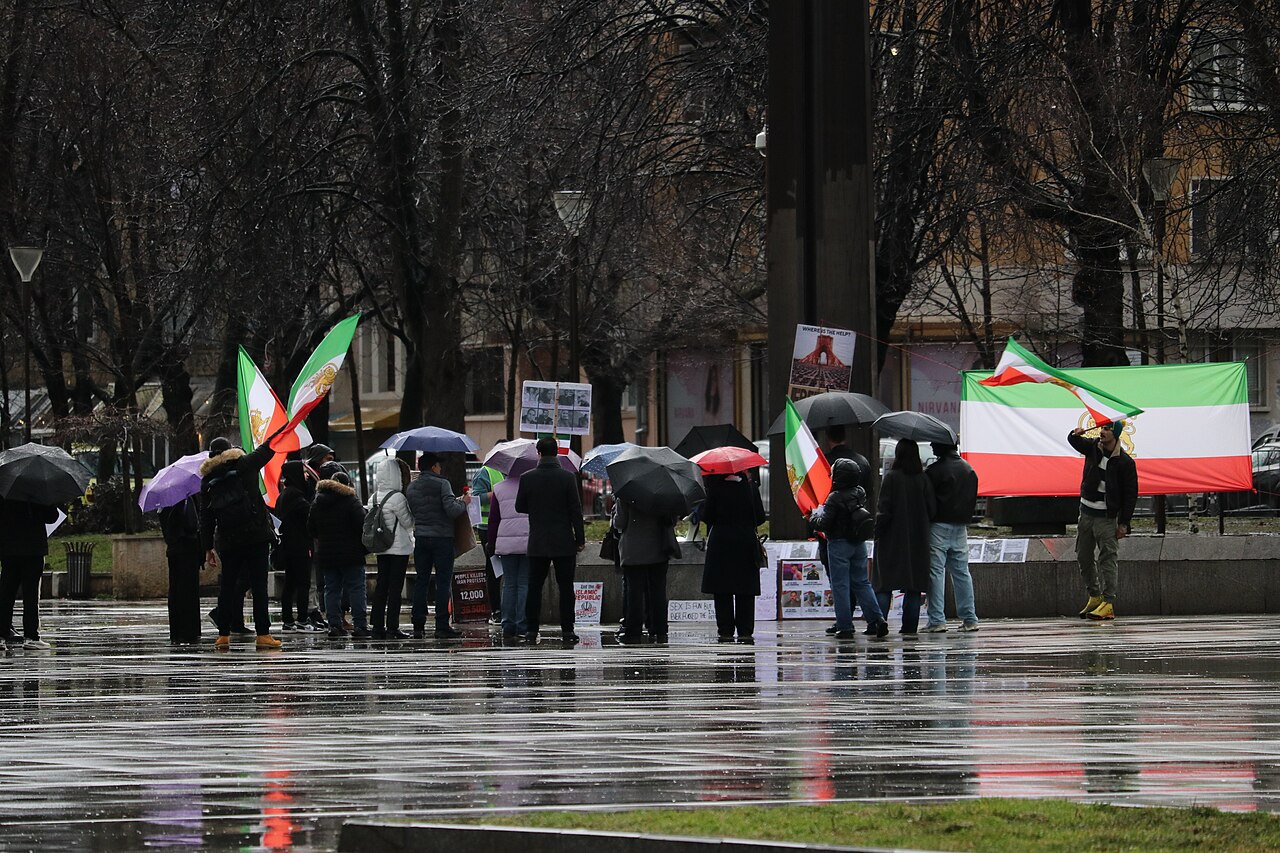
As public demonstrations against the Iranian regime gain significant momentum, the government’s recent introduction of a comprehensive, nationwide artificial intelligence surveillance system has sparked widespread alarm among human rights observers. Authorities have rolled out the new AI platform, which is designed to map local resources and coordinate social aid through religious centers and paramilitary forces. However, investigative experts caution that the true purpose of this technology may be to construct an extensive intelligence network, enabling the state to monitor citizens, pinpoint opposition figures, and severely restrict political dissent.
Official Mandate vs. Security Concerns
Iranian state media announced that the initiative is part of a broader strategy for ‘neighborhood-centered governance,’ intending to shift administrative and social duties to local communities overseen by religious leaders and security institutions. President Masoud Pezeshkian has called for the system’s expansion across the nation, utilizing Iran’s vast network of approximately 80,000 mosques to address public needs in partnership with the Basij militia, a force operating under the Islamic Revolutionary Guard Corps (IRGC). Despite these stated aims of improving social services, analysts warn that the Basij’s involvement in a localized intelligence grid could grant the regime unprecedented insight into private lives and provide new mechanisms for targeting critics.
A Climate of Intensifying Repression
This technological deployment occurs while the regime faces mounting economic strain and a growing wave of public unrest. Since the start of the year, scattered anti-government demonstrations have steadily increased, averaging around 80 per month and peaking near 130 in September. These renewed protests follow a period of severe crackdowns, including a violent crackdown earlier this year that resulted in thousands being injured or killed. The regime’s increasing militarization is also evident; officials have reportedly turned neighborhoods into defensive units and expanded weapons training to civilians and minors.
The Blurring Line of Control
Security analysts indicate that this surveillance effort reflects a deliberate effort by the ruling power to integrate its security apparatus into nearly every facet of civilian existence. A research analyst noted that the regime is intentionally blurring the distinction between civilian and military life, primarily through the Basij, which embeds itself across various public institutions. Furthermore, the Basij’s current chief had previously called for the creation of a ‘popular intelligence network,’ emphasizing the need to identify opponents before they can act. This focus on advanced monitoring aligns with past precedents; reports have indicated that Iran-linked operatives have previously utilized AI chatbots to automate the collection and analysis of public information on targeted individuals, transforming labor-intensive intelligence work into a highly efficient, automated process.
