



World Views
Italian Technicians Killed in Kuwait Drone Strike Amid Escalating Gulf Tensions

Two Italian national technicians were killed during an Iranian drone assault on a facility in Kuwait on Thursday. The attack, which targeted an air-defense surveillance station, resulted in the deaths of the two workers, who were employed by the Italian branch of the major German defense contractor, Rheinmetall. The incident marks the second reported Iranian strike against the US-allied Gulf state this month, significantly raising alarms regarding the volatile security environment in the region.
Incident Details and Casualties
Foreign Minister Antonio Tajani informed the Italian Senate about the deadly attack, detailing that the Rheinmetall personnel were operating at the surveillance post when the drones struck. According to information received from Kuwait, the powerful explosion led to the fatalities. Additionally, the Kuwaiti Defense Ministry confirmed that the incident wounded two other individuals: a captain in the Kuwaiti military and a Pakistani national. The ministry verified that the two Italians succumbed to their injuries after the assault, which initially involved falling debris.
Military Response and Damage Assessment
Authorities in Kuwait confirmed that their military forces successfully detected and neutralized multiple drones within the nation’s airspace. While the primary focus was on the civilian casualties, the Defense Ministry also reported that the attack caused substantial material damage to the targeted infrastructure. Minister Tajani subsequently conveyed his profound condolences to the families affected by the tragedy.
Background of Regional Instability
This latest attack occurs against a backdrop of intense regional friction between Iran and Western powers. The escalating tensions are not new; earlier this year, Iran had announced that it had targeted American drone and missile installations within Kuwait. This earlier action was reported to have followed a previous military operation conducted by the United States in the Strait of Hormuz, specifically targeting Qeshm Island. These events underscore a dangerous pattern of military escalation near vital international shipping lanes.
Despite the gravity of the situation, the Iranian Foreign Ministry did not provide an immediate statement regarding the recent strike, and Rheinmetall declined to offer commentary. Analysts suggest that the targeting of international defense workers highlights the increasing risk faced by foreign personnel operating in geopolitical flashpoints. The incident serves as a stark reminder of the fragility of stability in the Gulf region, prompting renewed calls for de-escalation among regional powers.
World Views
German Government Sounds Alarm Over Turkey’s Systemic Human Rights Decline

The German government has issued a stern warning regarding the rapidly deteriorating human rights landscape within Turkey, citing widespread persecution of religious minorities, political dissidents, and critics. A recent report, which highlights a global decline in religious liberties, emphasizes that the country is grappling with increasing government control, the politicization of faith, and the systematic targeting of vulnerable communities.
Erosion of Fundamental Freedoms
While the Turkish constitution guarantees freedom of belief, the German federal commissioner for freedom of religion or belief noted that religious freedom in the country is stagnant due to persistent structural discrimination. The state religious administrative body, known as the Diyanet, exerts sweeping influence over religious institutions, complicating matters for minority groups. Specific attention was drawn to the Alevi and Christian communities, which face substantial barriers; Alevis lack official recognition, while Christians encounter restrictions on establishing places of worship and training clergy.
The Crackdown on Dissent
The report also delves into the broader pattern of state repression, focusing heavily on the crackdown targeting followers of the Gülen movement. Following a military upheaval in 2016, the government designated the group as a terrorist entity, fueling a massive campaign against perceived opposition. Since that time, authorities have initiated legal action against hundreds of thousands of individuals linked to the movement. Reports from international monitoring groups indicate that these actions include arbitrary detentions, forced disappearances, and severe mistreatment during custody.
Human Rights Watch and other advocacy organizations have documented instances of torture and enforced disappearances. Opposition lawmakers have publicly detailed dozens of alleged cases where former civil servants and activists were abducted and held without legal recourse. This pattern of state action, critics argue, is part of a deliberate effort by the administration to consolidate power and silence all forms of disagreement.
Digital Censorship and Media Control
Beyond physical persecution, the government is tightening its grip on public discourse. The Turkish government has introduced new legislation demanding that social media users verify their identities using national identification numbers, a move that experts warn will eliminate remaining anonymity in a country already rife with political investigations. Furthermore, the media landscape has been heavily reshaped through regulatory pressure and corporate takeovers, resulting in a significant reduction in independent journalism. With traditional outlets increasingly aligned with the ruling party, social media has become one of the few remaining public spaces for opposition voices, though this new verification mandate threatens to close that avenue as well.
Democracy advocates caution that this comprehensive tightening of control—across religion, political opposition, and online information flow—obscures a deepening system of internal repression, maintaining the outward appearance of democratic governance while systematically suppressing dissent.
World Views
Iran Weaponizes Internal Exile as Crackdown Escalates Amid Rising Executions
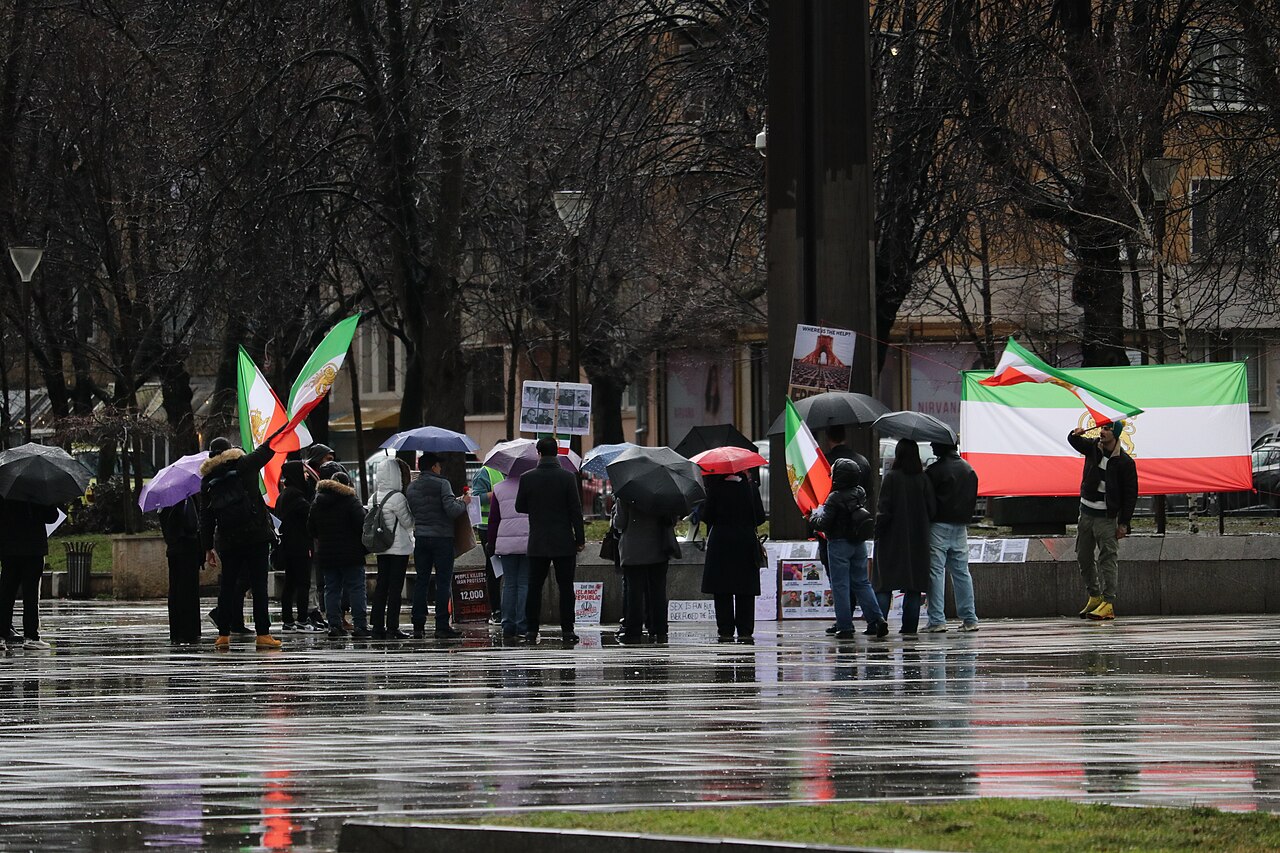
Iranian authorities are increasingly deploying judicial banishment—a practice known as tab’eed—to forcibly silence critics, activists, and journalists. New reports indicate that the regime is relocating individuals to remote, economically disadvantaged regions far from their communities and families, effectively extending punishment beyond standard prison terms. This systematic use of internal exile occurs against a backdrop of extreme state violence, including a sharp escalation in executions and a documented death toll of over 280 children during recent nationwide protests.
The Mechanism of State Repression
The Center for Human Rights in Iran (CHRI) documented that this forced relocation targets a wide range of citizens, including religious and ethnic minorities, legal professionals, and human rights defenders. The purpose, according to CHRI, is to sever the connection between dissenting individuals and their support networks. Officials stated that this strategy aims to disperse and suppress opposition figures, depriving their home communities of their voices and presence. Destinations identified for these exiled individuals include remote provinces such as Zahedan, Zabol, and Khash. The practice is imposing severe economic and social hardship, often leaving those relocated without personal possessions, adequate shelter, or financial support.
Legal Violations and International Concerns
International bodies have long expressed alarm over this judicial tactic. The United Nations Independent International Fact-Finding Mission noted that the conditions faced by those placed in exile often amount to additional punishment, as victims are left without basic aid. Furthermore, the World Organization Against Torture has highlighted the extreme difficulties faced by these relocated persons, noting they are often abandoned without necessities. CHRI argues that forcibly moving people and restricting their liberties violates key international covenants, including those protecting freedom of movement and prohibiting cruel treatment.
A Crisis of Violence and Isolation
The use of internal exile adds a layer of isolation to an already brutal regime crackdown. This repression is unfolding concurrently with a major surge in state-sanctioned violence. Iran Human Rights reported that at least 41 individuals have been executed since March 18, many connected to the January 2026 anti-regime demonstrations. The organization also documented that more than 121 protesters have been sentenced to death in connection with the January events. Experts have warned that many of these death sentences were issued following unfair trials and confessions extracted under torture. The confluence of forced exile and lethal sentencing paints a grim picture of a state prioritizing the total suppression of all forms of civil dissent.
World Views
Violent Clashes Erupt in Brooklyn Over Real Estate Dispute, Highlighting Deepening Community Tensions

Tensions boiled over into violent confrontations in Brooklyn’s Midwood neighborhood this week, as opposing groups clashed outside a local kosher delicatessen. The incident, which saw over 200 police officers deployed, stemmed from a real estate fair hosted at the establishment. Protesters, some aligned with pro-Palestinian views, alleged that the company was marketing properties located in West Bank settlements, leading to intense clashes with demonstrators supporting Israel and law enforcement. Multiple arrests were made following the confrontations near the deli.
The Flashpoint: Real Estate and Ideology
The core dispute centered on the nature of the real estate offerings at the venue. While the organizers firmly denied that any properties in disputed territories were being promoted, the presence of the fair ignited a passionate debate among the gathered crowds. The scene quickly escalated, featuring chants and demonstrations that reflected broader geopolitical conflicts. The deployment of the NYPD’s Strategic Response Group, an action taken shortly after plans to disband the unit were announced, underscored the severity of the disorder.
A Community Divided: Charity Amidst Chaos
In stark contrast to the political volatility, the local Jewish community responded by rallying around the business. The deli owners utilized the disruption to raise funds for the Shaare Zedek Medical Center in Jerusalem, a facility that provides essential medical treatment to both Jewish and Arab patients. This philanthropic effort highlighted a deep division: while some were shouting about political uprisings on the street, local residents were actively fundraising to support vital life-saving services in the Middle East.
A Symptom of Rising Antisemitism
Investigators and community leaders view this confrontation not as an isolated incident, but as a manifestation of increasing friction and persistent antisemitism across the city. Data from the Anti-Defamation League confirms that New York City recorded 860 reported antisemitic incidents in 2025, with Brooklyn accounting for a significant portion of those reports. Furthermore, the city has seen a sharp rise in hate crimes; in the first ten months of 2026 alone, 279 antisemitic hate crimes were recorded. The rate of antisemitic assaults has also climbed, increasing by 10% statewide, with Brooklyn contributing 50 of those incidents. The local community continues to grapple with these rising threats while simultaneously navigating intense political pressures in the neighborhood.
