


Uncategorized
A ‘Yiddish Vokh’ for nerds — but without the families
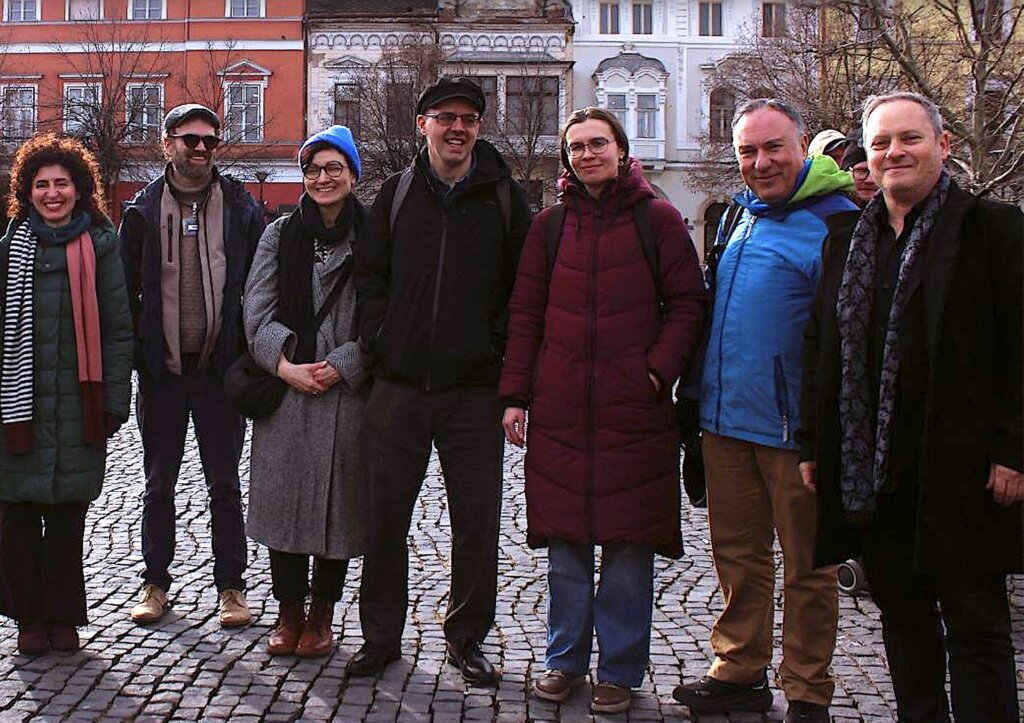
דעם 9טן ביזן 16טן פֿעברואַר איז אין קלויזנבורג, רומעניע פֿאָרגעקומען די ערשטע אינטענסיווע ייִדישע ווינטער־פּראָגראַם געווידמעט דער טעמע ייִדיש אין געוועזענעם מיזרח־בלאָק, ד״ה אין ראַטן־פֿאַרבאַנד, פּוילן, און רומעניע אין דער קאָמוניסטישער תּקופֿה. אַן אינטענסיווע ייִדיש־פּראָגראַם מיט אַזאַ טעמע, וווּ מע לערנט סאָוועטיש ייִדיש און אָרטאָגראַפֿיע, איז נאָך קיין מאָל נישט געווען, אויף וויפֿל איך ווייס — לכל־הפּחות נישט זײַט דער ראַטן־פֿאַרבאַנד האָט צוגעמאַכט דאָס געשעפֿט אין 1991.
איבער 70 ייִדישיסטן, ייִדיש־פֿאָרשערס און אַוואַנסירטע סטודענטן האָבן זיך פֿאַרזאַמלט אויפֿן קאַמפּוס פֿון באַבש־באָלײַ־אוניווערסיטעט, וואָס איז דער גרעסטער אין רומעניע און דער איינציקער, וווּ מע לערנט ייִדיש. די פּראָגראַם איז באַשטאַנען פֿון לעקציעס, וואַרשטאַטן, קאָנצערטן, וויזיטן אין מוזייען און בתּי־כּנסיות, אַ נסיעה קיין סאַטמאַר און שאַמלוי, ווי אויך אַן אַקאַדעמישע קאָנפֿערענץ מיט 12 רעפֿעראַטן — אַלץ אין גאַנצן אויף ייִדיש.
מע קען זאָגן, אַז די אונטערנעמונג איז געווען אַ מין „ייִדיש־וואָך“ פֿאַר נערדס — אָבער אָן די משפּחות.
די באַטייליקטע זענען געקומען פֿון אַ סך אייראָפּעיִשע לענדער, צפֿון־אַמעריקע און ישׂראל. דער פּוילישער קאָנטינגענט איז געווען ספּעציעל אָנזעעוודיק (כּן ירבו!). איך האָב באַמערקט, אַז אַפֿילו צווישן די אַמעריקאַנער און ישׂראלים האָבן אַ סך מענטשן געהאַט אַ „סאָוועטישן“ הינטערגרונט, ווײַל זייערע טאַטע־מאַמע זענען געקומען פֿון דאָרט. אין אַ געוויסער מאָס איז די פּראָגראַם געווען אַ סאָרט צוזאַמענטרעף פֿון לאַנדסלײַט.
ווי אַזוי האָט מען צוגעצויגן איבער 70 ייִדישיסטן קיין קלויזנבורג, רומעניע? קודם־כּל, איז די פּראָגראַם געווען כּמעט בחינם. מע האָט באַצאָלט בלויז $10 אַ האָטעל־צימער און זייער ווייניק פֿאַר אַן עקסקורסיע און אַנדערע קלייניקייטן, אָבער בעצם איז עס געווען פֿרײַ, אַ דאַנק די צוויי אוניווערסיטעטן, וואָס האָבן אָרגאַניזירט די פּראָגראַם בשותּפֿות: בר־אילן אוניווערסיטעט אין ישׂראל און באַבש־באָלײַ־אוניווערסיטעט אין רומעניע.
זיי האָבן, למשל, געדעקט כּמעט אַלע הוצאָות און באַזאָרגט די באַטייליקטע מיט קאַווע און כּיבוד אין די הפֿסקות. בכלל קאָסט דאָס לעבן אין רומעניע ווייניקער ווי אין מערבֿ־אייראָפּע אָדער אין ישׂראל. האָבן די אָנטייל־נעמער געלעבט אַזוי ווי אינעם באַקאַנטן ליד „רומעניע“ פֿון אַהרן לעבעדעוו: „פֿון קיין דאגות ווייסט מען ניט…“
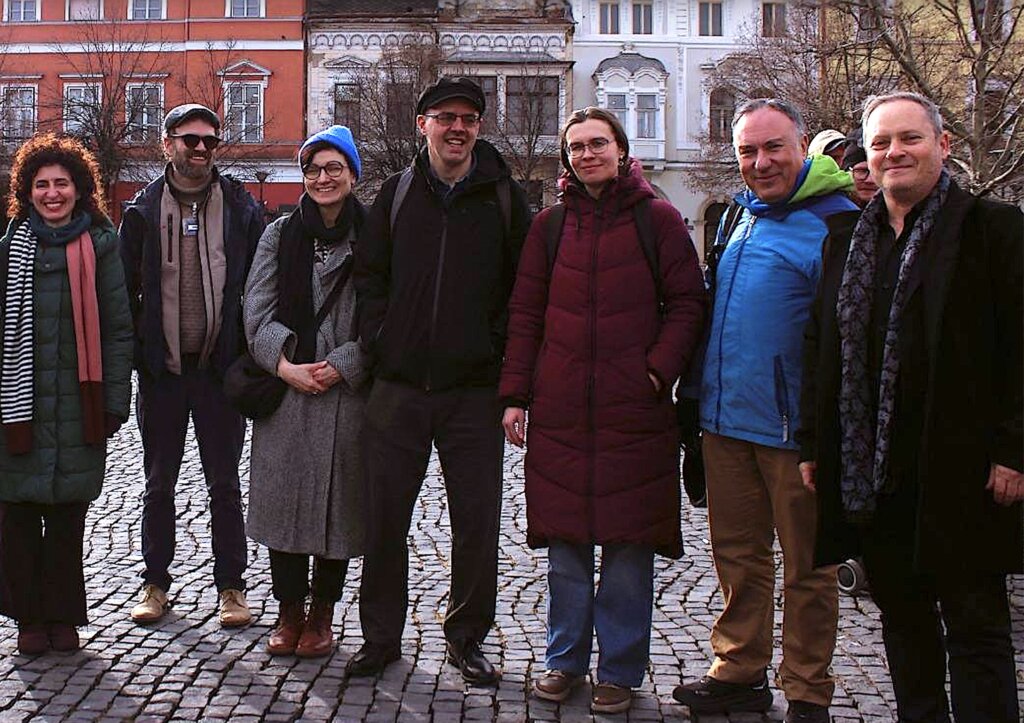
דעם פּלאַן פֿאַר דער בשותּפֿותדיקער פּראָגראַם האָט בער קאָטלערמאַן אויסגעאַרבעט צוזאַמען מיט אַוגוסטאַ קאָסטיוק ראַדאָסטאַוו. געהאָלפֿן אָרגאַניזירן האָבן אויך ענת אַדרת און חנה גינזבורג־פּאַלעי, ווי אויך פֿיליפּ שוואַרץ. אין דער פּראָגראַם האָבן אויך געלערנט דאַשאַ וואַכרושאָוואַ, מיכאל לוקין, סאַשאַ פּאָליאַן, קאַראָלינע שימאַניאַק און אַני הקטן.
ס׳איז געווען צו באַוווּנדערן, אַז די גאַנצע פּראָגראַם איז פֿאָרגעקומען אין גאַנצן אויף ייִדיש, אַפֿילו לעקציעס וועגן שווערע ליטעראַרישע און היסטאָרישע טעמעס. דאָס איז בלויז געווען מעגלעך דערפֿאַר, ווײַל די פּראָגראַם איז געווען געצילט, דער עיקר, אויף אַוואַנסירטע ייִדיש־קענערס. מע האָט אויך אַרײַנגענומען מיטעלע סטודענטן, אָבער נישט קיין אָנהייבערס. דאָס האָט אַלעמען באַפֿרײַט פֿון דער געוויינטלעכער טירחה פֿון באַפֿרידיקן די אָנהייבערס מיט ענגליש־שפּראַכיקע לעקציעס, אונטערנעמונגען, און דערקלערונגען. מע האָט יאָ פֿון צײַט צו צײַט געהערט גוייִשע שפּראַכן, ווי למשל ווען מענטשן פֿון דעם זעלבן לאַנד האָבן גערעדט צווישן זיך. אָבער בדרך־כּלל האָבן אַלע פּראָבירט צו רעדן בלויז ייִדיש.
פֿון די 1920ער ביז די 1940ער יאָרן האָבן ייִדישע קאָמוניסטן געשאַפֿן אַ וויכטיקן חלק פֿון דער ייִדישער קולטור און ליטעראַטור. אַ סך פֿון די בעסטע ייִדישע שרײַבערס זענען געווען קאָמוניסטן, אָדער האָבן לכל־הפּחות סימפּאַטיזירט מיט זיי און געשריבן פֿאַר „לינקע“ פּובליקאַציעס. עס איז אַן אומיושר, וואָס דער הײַנטיקער עולם פֿאַרקוקט די קינסטלערישע אויפֿטוען פֿון די קאָמוניסטן בלויז דערפֿאַר וואָס זיי זענען געווען שטאַרק נאַיִוו און זענען אַרײַנגעפֿאַלן אין אַ פּאַסטקע. די טראַגעדיע פֿונעם 12טן אויגוסט 1952, ווען דער רעזשים האָט דערמאָרדעט וויכטיקע סאָוועטשע שרײַבערס און קולטור־טוערס, האָט געוואָרפֿן אַ שאָטן אויף דער גאַנצער תּקופֿה — אָבער די ייִדישע שרײַבער האָבן דאָס נישט פֿאַרדינט.
איין פּראָבלעם מיט דער קאָנפֿערענץ איז געווען וואָס געוויסע אַקאַדעמישע לעקציעס האָבן געדויערט 90 מינוט. דאָס איז געווען ניט גרינג אַפֿילו פֿאַר אַוואַנסירטע סטודענטן. צוריקגערעדט, וואָס איז דאָ ייִדיש ערגער פון אַנדערע שפּראַכן, אויף וועלכע מע האַלט אַקאַדעמישע לעקציעס?
אַ טשיקאַווער צוגאָב צו דער פּראָגראַם איז געווען אַ קורצער פֿילם אויף ייִדיש געשאַפֿן פֿון עטל ניבאָרסקי, פֿאַרבונדן מיט די סאָוועטיש־ייִדישע שרײַבערס. עס איז אַ שיין ראָמאַנטיש בילד — אָבער איך וויל נישט אויסזאָגן קיין סודות, ווײַל יעדער איינער דאַרף זען דעם פֿילם פֿאַר זיך אַליין.
בײַ די מערסטע באַטייליקטע איז דאָס געווען דאָס ערשטע מאָל וואָס זיי זענען געקומען קיין קלויזנבורג. זי איז אַ שיינע אַלטע שטאָט מיט אַ סך פּרעכטיקע גאַסן און הײַזער פֿון די עסטרײַך־אונגערישע צײַטן. ס׳איז די צווייט־גרעסטע שטאָט אין רומעניע און האָט אַ סך גוטע רעסטאָראַנען און קאַווע־הײַזער, וווּ מע קען פֿאַרברענגען די איבעריקע שעהען.
כאָטש רומעניע האָט פֿאַר דער צווייטער וועלט־מלחמה זיך נישט גערעכנט פֿאַר קיין גרויסן ייִדיש־צענטער, זעען מיר הײַנט אײַן, אַז זי האָט געהאַט אַ חשובֿ אָרט. ערשטנס, האָבן מער ייִדן איבערגעלעבט די מלחמה אין רומעניע ווי אין פּוילן, ליטע אָדער אונגערן, ווײַל רומעניע האָט נישט דעפּאָרטירט אירע ייִדן קיין אוישוויץ. (אין קלויזנבורג האָט מען זיי יאָ דעפּאָרטירט, ווײַל די שטאָט האָט ווידער געהערט צו אונגערן צווישן 1940 און 1944.)
אַ סך ייִדן איבער דער וועלט שטאַמען פֿון רומעניע, אַרײַנגערעכנט באַקאַנטע חסידישע הויפֿן, ווי סאַטמאַר, וויזשניץ, קלויזנבורג, סקולען, ספּינקע און קרעטשניף. אַ טייל פֿון די חסידים האַלטן זיך פֿאַר „אונגערישע“ ווײַל אַ מאָל איז דאָס געווען אונגערן, אָבער לויט דער הײַנטיקער מאַפּע זענען זיי רומענישע. דער אונטערלענדישער דיאַלעקט, וואָס מע האָט גערעדט אין מערבֿ־רומעניע, איז דער יסוד פֿונעם חסידישן ייִדיש וואָס מע רעדט הײַנט.
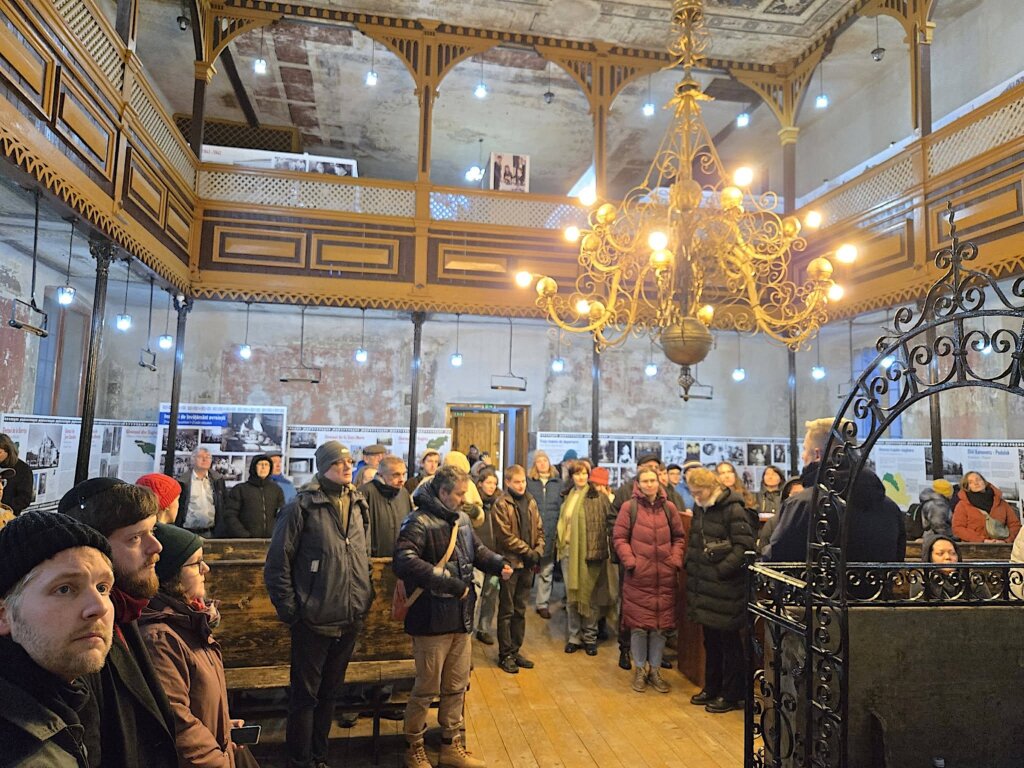
דעם פֿאַרלעצטן טאָג האָט מען געמאַכט אַן עקסקורסיע קיין סאַטמאַר (Satu Mare), וואָס געפֿינט זיך נאָענט צו דער אונגערישער גרענעץ. איין באַטייליקטער, אַסף קירשנער, האָט באַמערקט: „דער בעסטער אופֿן זיך אויסצולערנען ייִדיש איז צו זיצן דרײַ שעה אין אַן אויטאָבוס קיין סאַטמאַר צוזאַמען מיט ייִדישיסטן, וואָס הערן נישט אויף צו רעדן.“ אין דער גרויסער שול פֿון סאַטמאַר האָבן מיר באַגעגנט אַ גרופּע סאַטמאַרער חסידים, געקומענע פֿון לאָנדאָן, וואָס האָבן געהאַלטן אין דאַווענען שחרית. פֿאַר די חסידים איז געווען אַ חידוש צו זען אַ גרופּע פֿון זיבעציק מענטשן, מענער און פֿרויען אָנגעטאָן ווי גויים, וואָס רעדן אַלע ייִדיש.
די איינציקע צרה איז געווען אַן ענין מיט דער באַהייצונג. דער עולם האָט געהערט עטלעכע לעקציעס אינעם אָרטיקן בית־מדרש, וואָס איז נישט געווען באַהייצט. האָבן אַלע שוין געטראָגן די מאַנטלען די גאַנצע צײַט.
מיר האָבן געזען די שטאָט סאַטמאַר מערסטנס דורכן פֿענצטער פֿון אויטאָבוס, ווײַל עס האָט די גאַנצע צײַט גערעגנט. אָבער דאָס באַגעגעניש מיט די סאַטמאַרער חסידים האָט זייער שיין אילוסטרירט אונדזער פּראָגראַם: אַ וואָך אין דער סאָוועטיש־ייִדישער אוטאָפּיע. (דאָס איז סײַ איראָניש געמיינט, סײַ נישט איראָניש.)
„דאָס איז געװען אַן אויסערגעװיינטלעכע אָקאַזיע צו פֿאַרברענגען מיט מענטשן פֿון דער גאָרער ייִדישער װעלט,“ האָט אַ באַטייליקטער, בנימין לערמאַן, פֿון בערקלי, קאַליפֿאָרניע, צוזאַמען מיט זײַן ברודער, עריק, מיר געשריבן אין אַ בליצבריוו. „כאָטש איך בין נישט קיין אַקאַדעמיקער און האָב פֿריִער נישט געהאַט קיין ספּעציעלן אינטערעס צו סאָװעטישע ענינים, איז דער אינהאַלט געװען אינטערעסאַנט און האָט אין מיר אָנגעצונדן אַ חשק װײַטער צו לייענען די סאָװעטישע שרײַבער.“
„מע האָט זיך אױפֿגעכאַפּט מיט ייִדיש, זיך געלייגט שלאָפֿן מיט ייִדיש, אַפֿילו געחלומט אױף ייִדיש,“ האָט געזאָגט אַ צווייטער באַטייליקטער, טאָמעק מײַטשאַק, פֿון וואַדאָוויצע, פּוילן. און תּפֿארת פֿרומקין, פֿון ירושלים, האָט אַפֿילו געזאָגט, אַז אויף דער פּראָגראַם איז זי געווען אַזוי אײַנגעטונקען אין ייִדיש, אַז נאָך דעם, אויפֿן פֿליפֿעלד, האָבן אַלע פֿרעמדע שפּראַכן איר געקלונגען ווי ייִדיש.
The post A ‘Yiddish Vokh’ for nerds — but without the families appeared first on The Forward.
Uncategorized
UK adopts sweeping measures against antisemitism in schools
(JTA) — The U.K. has adopted sweeping measures to combat antisemitism in English schools, prompting pushback from the country’s largest teachers’ union.
The move came after a new government-commissioned review found that three in five Jewish students reported experiencing antisemitism in English schools. The most common incidents were jokes, stereotypes and comments about Jewish people. About half of respondents who witnessed or experienced antisemitism said the incidents were not reported, most often because they did not think they would be taken seriously.
The government on Wednesday accepted 27 recommendations from the report, including dedicated antisemitism training for leaders and staff, improved recording of antisemitic incidents and moves to build a better understanding of Jewish life, identity and contemporary antisemitism.
The government commissioned the report following a spate of high-profile attacks on Jews in Britain, including an attack on a synagogue in Manchester last year that left two men dead.
The report’s author, Sir David Bell, the vice chancellor of the University of Sunderland and former chief inspector of schools in England, recommended addressing antisemitism distinctly from other forms of racism. He argued that antisemitism was a “uniquely complex” problem because of intertwined racial and religious dimensions, since Jewish identity can encompass both an ethnicity and a religion, along with expressions of prejudice that hold all Jews responsible for the actions of Israel.
The government will also encourage English schools to adopt the International Holocaust Remembrance Alliance (IHRA) working definition of antisemitism. The definition is supported by many mainstream Jewish organizations and has been adopted by 47 countries, including the U.K., but critics say that it conflates some forms of antisemitism with criticism of Israel.
British Education Secretary Lucy Powell called Bell’s review a “generational moment” and said that “implementation is now my priority.”
However, the National Education Union, the largest union representing teachers, lecturers, teaching assistants and support staff in the United Kingdom and Europe, raised concerns on Wednesday about recommending the IHRA definition for schools. NEU general secretary Daniel Kebede said in a statement that the definition “risks deepening the problem rather than tackling it, and actively undermining efforts to confront antisemitism.”
“The IHRA’s contested framing risks blurring the line between antisemitism and legitimate criticism of the Israeli government and the genocide in Gaza, leaving teachers with uncertainty when they need clarity,” said Kebede. He cited a risk that “children who cannot critically explore issues through classroom discussion will instead seek their answers in online and unsafe groups.”
Kebede also encouraged Britain’s Department for Education to strengthen guidance on all forms of racism, not only antisemitism, saying that 65% of teachers report they have not received any antiracism training in the past year.
The Board of Deputies of British Jews, an umbrella organization for British Jewish communities, celebrated the antisemitism report and the government’s adoption of its proposed measures. The group specifically praised the report’s “clear recommendations that schools and local authorities follow government guidelines by adopting the IHRA Working Definition of Antisemitism as a tool to deepen understanding of contemporary antisemitism.”
“We remain concerned about undue external influence on schools driven by narrow political agendas, and tendentious materials seeping into schools and increasing disharmony, and we will continue to press for vigilance against this,” said the Board of Deputies.
The post UK adopts sweeping measures against antisemitism in schools appeared first on The Forward.
Uncategorized
Orthodox Jewish man stabbed in midtown Manhattan
(New York Jewish Week) — An Orthodox Jewish man is in stable condition after being stabbed on Wednesday evening in the Diamond District of midtown Manhattan. Police are investigating the attack as a possible hate crime.
Police told the Jewish Telegraphic Agency that the NYPD’s Hate Crimes Task Force is investigating the incident as a possible antisemitic attack, and Manhattan Shomrim — the Jewish community watch group — has asked people to share footage as police search for the suspect. No arrests have been made.
The victim was identified by police as a 26-year-old man, and Orthodox Jewish outlet COLLive identified him as a resident of Crown Heights, the neighborhood that is home to the Chabad-Lubavitch Hasidic movement’s headquarters.
He was taken to Bellevue Hospital in stable condition. Police said they were called at about 5:50 p.m. on Wednesday after the man was stabbed in the back with “an unknown sharp object” on 47th Street near Fifth Avenue. ABC7 reported that the victim told investigators he believed he was stabbed with a needle or syringe.
According to the Chabad website, which published an interview with the victim, he is a recently ordained Hasidic rabbi named Joseph, who commutes to Midtown each day to wrap tefillin with Jewish merchants. The attacker, Joseph told the website, was a woman who seemed to be following him prior to the stabbing.
The attack comes as Jewish New Yorkers have been targeted in more than half of the hate crimes committed in New York City this year, despite making up about 12% of the city’s population.
In July, an assailant stabbed two men on the Upper West Side, including one who was leaving a synagogue, while yelling “Allahu akbar,” and was charged with committing hate crimes.
Louis Keene contributed reporting.
The post Orthodox Jewish man stabbed in midtown Manhattan appeared first on The Forward.
Uncategorized
VIDEO: A Hasid gives us a tour of Morocco in Yiddish
דער ירושלימער יוטוב־שטערן וועלוול קירשנבוים האָט לעצטנס אַרויסגעשטעלט אַ ווידעאָ אויף ייִדיש פֿון אַ פּרעכטיקן וויזיט, וואָס ער האָט געמאַכט אין מאַראָקאָ. עס באַגלייט אים זײַן חבֿר אַבֿרהם פּרץ.
אינעם ווידעאָ זעט מען ווי קירשנבוים דאַוונט שחרית מיט די אָרטיקע ייִדן און באַזוכט אַ גוט אָפּגעהיטענעם בית־עולם, וווּ עס ליגן באַערדיקט גרויסע צדיקים ווי למשל הרבֿ חיים בן עתר (1696–1743), באַקאַנט ווי דער „אור החיים“. „מענטשן מיינען, אַז נאָר אין אייראָפּע זענען דאָ קבֿרים פֿון צדיקים!“ זאָגט קירשנבוים.
מיר זעען אַ גרויסע, שיינע שיל מיט אַ פֿײַנער אַרכיטעקטור אין קאַזאַבלאַנקאַ; דעם גרויסן אַראַבישן שוק, וווּ קירשנבוים קויפֿט זיך אײַן מלבושים פּונקט ווי די מאַראָקאַנער גייען אָנגעטאָן. ער באַוווּנדערט אויך די שיינע טיי־גלעזער און טשײַניקן, וואָס מע פֿאַרקויפֿט דאָרט, און באַקענט זיך מיט אַ ייִדישן סוחר וואָס האַנדלט מיט זילבער און גאָלד, פּונקט אַזוי ווי זײַן טאַטע און זיידע האָבן געטאָן פֿאַר דור־דורות.
The post VIDEO: A Hasid gives us a tour of Morocco in Yiddish appeared first on The Forward.
