


Uncategorized
Could this be the most Jewish musical that never admits its own Jewishness?
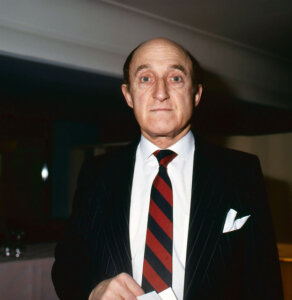
There’s a moment in the musical Oliver! when Fagin launches into one of Lionel Bart’s deliciously minor-key melodies, and suddenly the show feels about as Victorian as a hot pastrami on rye. Oliver! may be the most Jewish musical ever written that refuses to admit as much, and watching Simon Lipkin’s sly, buoyant portrayal of Fagin on London’s West End recently, I felt a jolt of something I hadn’t expected:
Home.
Not literal home, but the emotional topography of my family’s Friday night dinner tables where Holocaust survivors, former Yiddish theater actors and comedians filled the empty chairs left behind by Auschwitz itself. Improbably, Oliver! belonged to them too.
The musical’s West End revival underscores this. At a moment when antisemitism is still frighteningly on the rise, and theaters everywhere are re-examining the stories they tell and who gets to tell them, Oliver! has slipped into surprisingly contemporary territory. Matthew Bourne’s production doesn’t necessarily announce that it is a “Jewish” interpretation, but it acknowledges the show’s long, complicated history with a lighter touch and a sharper awareness. Watching Lipkin lean into the character’s humor and inherent Jewishness (“Oy, a broch!” he cries out emphatically at one point, beating his heart with his fist) but without the burden of caricature, I realized how the work has evolved — quietly, confidently — and how audiences have evolved along with it.
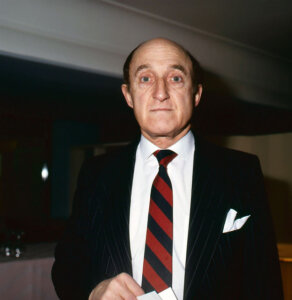
It’s impossible to miss the Jewish musical DNA in Bart’s score. The minor keys, the phrasing (“Such a sky you never did see!”), the cantorial wails that hold joy and heartbreak in the same breath: These were familiar to me long before I knew what to call them. Bart may have been writing about Victorian street urchins, but he couldn’t escape the musical instincts of his upbringing in London’s East End where he was born Lionel Begleiter. The melody of “Pick a Pocket or Two” could pass for a klezmer romp at a Hasidic wedding; “Reviewing the Situation,” sung by Fagin when he finds himself at a moral crossroads, is practically a cantor’s aria, ornamented with flourishes I’ve heard at countless High Holiday services.
There’s nothing explicitly Jewish in the script — no references or labels — yet many of the melodies feel instinctively Jewish in their rhythms and slyness. And that instinct carried me back to a question I’ve often considered since childhood:
How did Ron Moody, who originated this comic version of Fagin in 1960 and reimagined him for the 1968 film, manage to get away with it?
When I first saw Moody’s Fagin on screen, I was captivated by his portrayal. But I also didn’t understand how someone could play such a Jewish rogue at a time when Dickens’ caricature of “the Jew” still hovered uneasily in our cultural memory. Whenever I try to think of famous Jews on stage, the first two that pop into my head are villains: Shylock and Fagin. Shakespeare’s Merchant of Venice has been around forever, first published in 1600. But Oliver! debuted only 14 years after the Holocaust — the role should have been a minefield. Yet critics adored him, Jewish audiences embraced him, and Moody’s Fagin became beloved, not reviled.
Years later, when my friendship with Moody began — after he’d expressed interest in playing a villain opposite Carrie Fisher in a horror-comedy film I’d written — I was surprised by how different he was from the man onscreen. Soft-spoken and unmistakably British; nothing like the quicksilver trickster he was so skilled at portraying. He could summon that twinkle instantly, of course, but it wasn’t his resting state. He was in his early 60s then, newly delighted by late-in-life fatherhood, devoted to his younger wife Therese and their first child (whom he called “Boo-boo” with disarming tenderness). As more children arrived — he ultimately had six — I would tease him about assembling his own soccer team, which amused him to no end.
His Fagin, I came to realize, wasn’t a caricature but a cultural inheritance he carried lightly — a set of rhythms and comic cadences he understood from growing up as Ronald Moodnick in a warm Jewish household. And that was why the performance didn’t offend, and why it felt so familiar.
Though my mother lit the Sabbath candles and whispered the Hebrew blessing each Friday night, our dinners were less about religious ritual than about the rebuilding of a life she had salvaged from Auschwitz with nothing but willpower and the hope of joy still intact. In New York, she fashioned a new family out of survivors, actors from the Yiddish theater, and intellectuals whose humor carried both bruises and brilliance. These friends became surrogate aunts and uncles to my sister and me.
My mother was endlessly curious and had a gift for gathering people. She co-hosted a weekly language club with radio personality Barry Farber, a Southerner who startled me by speaking fluent, musical Yiddish. Occasionally he’d turn up at our Friday night table alongside an unlikely combination of guests, including my Bostonian Jewish piano teacher, a wryly funny family friend who once published an anarchist newspaper in Cuba until Castro forced him to flee, other European Holocaust survivors, and whichever schoolmates of mine my mother decided ought to be fed. The orbit was colorful and improbable, but it made sense. These were people who made her feel alive.
Some of our guests were well-known in the Yiddish arts — like Fyvush Finkel and his wife, Trudi; Broadway stage actors Muni Seroff and Irving Jacobson; Malvina Rappel, who had appeared in the classic Yiddish film Motel the Operator (Motl der Operator) and later hosted a radio program on WEVD back when it still broadcast in Yiddish.
Friday nights tended to unfold the same way: dinner first, then an impromptu cabaret. Someone sat down at the piano; someone else — usually my parents — burst into song or shtick. In an instant, our modest living room became a sort of vaudeville house. It was unself-conscious and exuberant, a weekly affirmation that even those who had lost everything could conjure laughter with astonishing force.
I didn’t know it then, but this was an education. Not in religion, but in rhythm. In timing. In the strange alchemy that binds sorrow to humor. Long before I ever wrote a script, I had already absorbed the comedic cadences that would shape my work.
As I grew older, that early immersion quietly charted the course of my career. Writing my book They’ll Never Put That on the Air brought me into long, generous conversations with some of the greatest architects of American television comedy — Carl Reiner, Larry Gelbart, Norman Lear, David Steinberg — artists whose work dismantled censorship and altered the medium. They offered insights I hear in my head to this day when I write.
In one of those unlikely, full-circle pinch-me moments, a few years ago I found myself directing Mel Brooks in the recording booth for Flower of the Dawn, an animated musical film I co-wrote and produced. Mel quickly corrected a joke of mine on the spot: “You’re cluttering the line with all this extra stuff at the end. End it here, with the punch!”
What stayed with me wasn’t just the correction; it was the realization that the comic instincts I’d carried since childhood had an architecture. Mel didn’t echo my family’s living room cabaret; he clarified what all that laughter had taught me.
So when I sat in the Gielgud Theatre watching Simon Lipkin give Fagin new life, it felt less like a reinterpretation than a recognition. Lipkin wasn’t parroting Moody — he was putting his own youthful spin on the role, while tapping into the same emotional and musical DNA: a blend of humor, vulnerability and those unmistakable minor-key inflections that carry an entire history inside them.
Not everyone in that audience heard what I heard. But I did. And for a moment, the distance between my family’s living room and a West End stage felt very small.
The post Could this be the most Jewish musical that never admits its own Jewishness? appeared first on The Forward.
Uncategorized
The latest issue of the Hasidic magazine ‘Chvalyes’ discusses psychedelic drugs
ערגעץ װוּ אױף דער ייִדישער װעלט, אָדער דער ייִדיש־װעלט, דאַרף זיך געפֿינען אַ פֿאָרשער װאָס זאָל זיך אָפּגעבן מיט דער נײַער געשיכטע פֿון דער חסידישער ליטעראַטור, בפֿרט מיט אירע עליות און ירידות, די פּערזענלעכקײטן און אַנשטאַלטן.
אַ נײַע און פֿאַרכאַפּנדיקע חסידישע אױסגאַבע איז תּמיד אַ סיבה זיך צו אַנגזאַזשירן מיט דער דאָזיקער געשיכטע, צו פֿאַרשטײן פֿאַר װאָס ס׳איז כּדאַי דאָס צו לײענען מיט קאָפּ.
טאַקע דערפֿאַר וועל איך הײַנט שרײַבן וועגן „כוואַליעס“ — אַ נײַעם זשורנאַל, וואָס איך האָב הײַיאָר מיטגענומען אין שיל אַרײַן װי לײענװאַרג בעת די לאַנגע יום־טובֿ־דרשות.
ס׳איז פֿאַראַן אַזאַ סטערעאָטיפּ בײַ ייִדישיסטן (און מיט דעם בין איך אױסן נישט־חסידישע ייִדיש־רעדערס און ליבהאָבערס פֿון ייִדיש), אַז חסידיש ייִדיש האָט נאָר צו טאָן מיט גאָר פֿרומע זאַכן, נאָר טעמעס װאָס גוטע פֿרומע לײַט װאָלטן אָנגענומען.
ס׳איז אָבער נישט אַזױ. דורך די אַלע גילגולים פֿון דער אַמעריקאַנער חסידישער ליטעראַטור — זאָל זײַן בלאָגס, װעבזײַטלעך (צום בײַשפּיל „אײַװעלט“ אָדער דער שױן אונטערגעגאַנגענער „קאַװע־שטיבעל“), אָדער אין אַ רײ קורציאָריקע אָבער דאָך לעבעדיקע זשורנאַלן — איז דער אינטערעסאַנטסטער אינהאַלט, לױט מײַן מיינונג, נישט די עסײען װעגן דער חסידישער געשיכטע, אָדער מעשׂיות פֿון צדיקים און רביים, נאָר דװקא די גבֿית־עדותן פֿון טאָגטעגלעכע קאָנפֿליקטן.
געװען אַ מאָל „װעקער“ (דאָרט האָב איך אָפּגעדרוקט אַ פּאָר שטיקלעך, װאָס דאָס איז אַלײן אַ סימן פֿון אָפֿנקײט — װי אָפֿט לײענען די ייִדישיסטן און די חסידים אײנער דעם צװײטן?), און דערנאָך איז מען אַריבער אױף אַ נײַער פּובליקאַציע, „כװאַליעס“.
סײַ „װעקער“ סײַ „קאַװע שטיבעל“ זײַנען צום באַדויערן מער נישטאָ — דאַכט זיך, מער צוליב פֿינאַנציעלע װי אידעאָלאָגישע סיבות. אַ דאַנק דער מי, און מסתּמא דעם כּוח־הגעלטשאַפֿונג פֿון דער רעדאַקציע, האָט מען אָבער שױן אַרױסגעגעבן העכער אַ טוץ נומערן פֿון „כװאַליעס,“ װאָס איך דערלױב זיך צו זאָגן איז פּראָסט־פּשוט אַ גילגול פֿון „דער װעקער.“
דער נײַער נומער איז אָבער באַזונדערש רײַך און כּדאַי אָנצוקוקן צוליב דעם פֿענצטערל, װאָס ער עפֿנט אױף אין דער חסידישער װעלט אַרײַן. און דװקא אַ פֿענצטערל װאָס װײַזט די טײלן פֿון דער געזעלשאַפֿט װאָס אַ סך װילן, זײ זאָלן בלײַבן באַהאַלטן. װי די רעדאַקציע „כװאַליעס“ באַשרײַבט זײער צײַטשריפֿט, דינט זי ווי אַ פּלאַטפֿאָרמע פֿאַר מאַטעריאַלן „װאָס האָבן נישט קײן געהעריגן פּלאַץ אין די אַלגעמײנע אױסגאַבעס אױף די פּאָליצעס פֿון די הײמישע געשעפֿטן.“
ספּעציעל טשיקאַװע איז די טעמע װאָס פֿאַרנעמט דעם אױבן־אָן פֿון דער איצטיקער פֿילפֿאַרביקער הילע: „סײַקעדעליקס,“ דאָס הײסט, דער באַנוץ פֿון פּסיכעדעלישע סובסאַנצן אין די היימישע קרײַזן און זײער װירקונג אױפֿן יחיד און כּלל.
זיכער, װי אַ דאָקטער און אַ מענטש װאָס איז מער װײניקער באַקאַנט מיט דער הױפּטשטראָמיקער גױיִשער אַמעריקאַנער קולטור, האָב איך געװוּסט אַז די דאָזיקע בשׂמים, צום בײַשפּיל אײַאַהואַסקאַ, קעטאַמין, פּסילאָסײַבין, און אַזױ װײַטער, זײַנען געשטיגן אין פּאָפּולעריטעט. נאָר אַז זײ האָבן אױך אַרײַנגעדרונגען אין בתּי־מדרשים, בײַ רבישע משפּחות און גבֿירישע בעלי־בתּים, װי אױך פּאָרפֿעלקער און סתּם חסידים מיט כּלערלײ פֿאַרלאַנגען און פּראָבלעמען – דאָס האָב איך נישט געװוּסט.
אין דעם עפֿענונג־אַרטיקל װאָס דינט װי אַן אַרײַנפֿיר אין דער טעמע, װערט קלאָר װי פֿאַרשפּרייט ס׳איז שױן געװאָרן די דאָזיקע „סחורה.“ „װער האָט מעדיצין?“ פֿרעגט אײנעם בײַ א שבת־טיש. אַ צװײטער זאָגט אַז ער האָט קעטאַמין, נאָר דער װאָס האָט געבעטן די „מעדיצין,“ באַשרײַבט װײַטער דער מחבר פֿון אַרטיקל, „שטעלט קלאָר אַז ער זוכט דװקא שװעמלעך. עס נעמט נאָך אַ סעקונדע ביז אַ צװײטע ברענגט אַפֿיר די געװוּנטשענע ׳מעדיצין׳, װאָס װערט געגעסן בײַם שבת טיש װי דער אַפֿיקומן בײַם סדר.“
װי אַזױ איז מען געקומען צו דעם? מע פּרוּװט באַקענען דעם לײענער אױף אײן פֿוס מיט דער געשיכטע פֿון פּסיכעדעלקס. עס װערט ברײט באַהאַנדלט די אַמעריקאַנער געשיכטע פֿון דער יוגנט-קולטור בשעת די 1960ער יאָרן און אירע פֿאַרבינדונגען מיט פֿאַרשײדענע סובסטאַנצן װאָס „ענדערן“ דעם מוח, װי אױך מעגלעכע פּאַראַלעלן צװישן יענער היפּי־װעלט פֿון געזעלשאַפֿטלעכן אױפֿברױז און דער הײַנטיקער װעלט פֿון כעמיש־נײַגעריקע חסידים.
נישט דאָס װערט דערזאָגט, נאָר די דאָזיקע װעלט איז אױך אין מיטן פֿון אַ רײ לאַנג־טערמיניקע און טיף־גרײכיקע בײַטענישן, און דער דאָזיקער סובסטאַנצן־באַנוץ איז זיכער טײלװײַז געװירקט דערפֿון. אײן קעפּל אין דעם אַרטיקל פֿון דער געשיכטע פֿון פּסיכעדעליקס שטעלט אַפֿילו די פֿראַגע, „צי זעכציג־ט זיך יעצט אין דער הײמישער װעלט?“ דאָס הײסט, צי זײַנען הײַנטיקע הסידים געװירקט פֿון יענע פֿאַרטשאַדעטע יאָרן פֿון דער אַמעריקאַנער יוגנט אין די 1960ער?
שטעקט אפֿשר דער גרעסטער חידוש אין דעם, װי אַזױ די שרײַבערס פֿון די אַרטיקלען אױף דער דאָזיקער טעמע טרעטן אַרױס צו זאָגן אַז דעם נושׂא באַהאַנדלט מען אין דעם נומער װײַל די אָנפֿירערס פֿון זײער קהילה גיבן זיך נישט אָפּ דערמיט. מוטיק, נאָר אױך אונטער פּסעװדאָנימען….און אַרױסברענגען די דאָזיקע פֿראַגעס װיל מען אױף אַ געמאָסטענעם, נישט קאָנטראָװערסיעלן אופֿן. װי עס זאָגן די רעדאַקטאָרן, „מיר זענען נישט דאָ צו טױשן קײנעם אָדער צו שטופּן אַגענדעס.“
דער רעשט פֿון דעם פֿעטן נומער איז אָבער אױך װיכטיק. עס נעמט אַרײַן אַן אַרטיקל פֿון אַ חסידיתטע מיטן פּסעוודאָנים „אשת חבֿר“, אונטערן טיטל „אַ פֿעמיניסטקע װאַקסט אין ברוקלין“. די פֿרוי גײט אַדורך אַ קריזיס פֿון אמונה װאָס װערט באַאײַנפֿלוסט אָבער נישט געלײזט פֿון די װערק פֿון מאָדערן־פֿרומע ייִדישע פֿרױען, װאָס האָבן קריטיקרט אױף אַן ענלעכן אופֿן די ייִדישע פּאַטריאַרכיע.
„איך האָב טועם געװען דעם סאָרט אָפֿענעם דזשודאַיִזם,“ שרײַבט „אשת חבֿר“, „און נישט געטראָפֿן דאָרט אידישקײט. מײַן באַשעפֿער האָט אַ חסידישן אַקצענט.“ לסוף באַשליסט זי, אז אפֿשר מוז זי אַלײן אָנשרײַבן אַ בוך װעגן אירע קאָנפֿליקטן. „אױב איז דאָ אַ בוך װאָס דו װילסט לײענען אָבער עס איז נאָכנישט געשריבן געװאָרן, דאַן מוזטו עס אַלײן שרײַבן.“
אַ לענגערע עסײ, ממש אַ מאַמר, פֿון באַװוּסטן שרײַבער קטלא קניא גיט זיך אָפּ מיט דער טעמע פֿון ייִדישן חינוך — נאָך אַ בײַשפּיל פֿון אַ טיפֿזיניקער און שאַרפֿער קריטיק װאָס צילט דװקא אױף די סאַמע יסודות פֿון חסידישן לעבן־שטייגער. דער מחבר פּרוּװט האַלטן דעם באַלאַנס צװישן מוטיקן דעם בחור צו װעמען ער שרײַבט, און אים „טראָסטן“ (װי עס זאָגן די חסידים) אַלײן צו געפֿינען זײַן װעג אין לעבן. „דאָרט איז דיר איצט באַשערט צו זײַן און װען די צײַט װעט קומען װעסטו דאַרפֿן מוזן אַלײן אַרױסקריכן און אױסװאַקסן.“
(אין 2018 האָט קטלא קניא אַרױסגעגעבן אַ גאַנץ בוך וועגן דער דאָזיקער טעמע.דער עסײ אין „כװאַליעס“ איז אַנדערש, געוואָנדן צו אַ יונגן בחור אין ערשטן פּערזאָן, און פֿאָרט איז דאָס אַ באַװײַז, אַז די פֿאַרמאַכטקײט פֿון חינוך איז פֿאַרבליבן אַן אַקטועלע טעמע, װאָס שטערט דעם שרײַבער.)
אַרױסהײבן דאַרף מען אױך אַ ליד װאָס באַשרײַבט אַ פּרטימדיק, און זײער מענטשיש, בילד פֿון דעם רבונו של עולם אַלײן. דער דאָזיקער כּבֿיכול איז „אינספּײַערד“ (אינספּירירט), זאָגט דער פּאָעט, „בײַ משה רבני, אָבאַמאַ, און דשאַן נאַש.“ ער „שמײכלט מיסטעריעז, מאָנאַ ליזאַ.“ כאָטש ער איז אוניװערסאַל, האָט ער דאָך אַ „סאָפֿט ספּאָט פֿאַר זײַן אידיש פֿאָלק.“ פֿירט אױס דער דיכטער, „שמע ישׂראל – דער װאָן ענד אָנלי, ה׳ אחד!“
צװײ באַמערקונגען פּאַסן דאָ װי אַן אױספֿיר. ראשית-כּל, אַז מע האָט געשאַפֿן די נײיטיקע געלטגעבערס פֿאַר אַזאַ נומער איז אַלײן אַ סימן אַז אַן אױסגאַבע פֿאַר אמתער ליטעראַטור, װאָס מע פֿלעגט רופֿן אין אונדזער קרײַזן אַ „ליטעראַרישע געזעלשאַפֿטלעכע צײַטשריפֿט“ איז יאָ פֿאַראַן, זײַט בײַ זײַט מיט די גאָר פֿרומע אָפֿיצעלע אָרגאַנען, שבת־בלעטער, און הײמזשורנאַלן. (מסתּמא נעמען יענע אַרײַן אױך גוטע ליטעראַטור; איך בין פּשוט װײניק באַקאַנט מיט זײ.)
און לסוף, דאַרף איך מודה זײַן אַז ס׳איז אַ מחיה צו לײענען אַ זשורנאַל פֿון ייִדן, װאָס איז נישט 100% אָפּגעגעבן ישׂראל אָדער פּאַלעסטינע. זײַט װיסן אַז יענע טעמע איז מיר לעבנס־װיכטיק, און פֿאָרט, װערט אָפֿט מאָל אױסגעשעפּט יעדן ביסל שאַפֿערישער כּוח פֿון דער דאָזיקער הײסער טעמע.
דעם דאָזיקן זשורנאַל און זײַנע שרײַבערס פֿעלט נישט קײן כּוח, דאַכט זיך. איך קוק אַרױס צו לײענען די קומעדיקע נומערן.
The post The latest issue of the Hasidic magazine ‘Chvalyes’ discusses psychedelic drugs appeared first on The Forward.
Uncategorized
Watch: The cattle farmer building a synagogue in a cornfield
For the past year and a half, we’ve followed Nik Jakobs, a third-generation cattle farmer in Sterling, Illinois, who is building a synagogue in a two-acre cornfield. Alongside it, he is also building a museum of tolerance.
Our coverage began when Nik traveled 600 miles to rescue the ark, bimah and stained glass from a closing congregation in Pennsylvania. After we published our first story about the unlikely journey, additional synagogues began donating their own sacred objects, each from a community that could no longer keep them.
Nik, 41, is the grandson of Holocaust survivors, and the museum is his way of teaching the tolerance that saved his family. His grandmother, Edith, was 11 in 1942 when a Lutheran farmer named Willem Drenth offered the family’s home as a hiding place. She was one of 13 Jews who lived in that single room for two years and eight months, with no electricity and no running water. About a hundred villagers knew about the Jews in hiding. No one said a word.
While in hiding, Edith kept busy by learning to knit. She embroidered a cloth, which survived and will now cover the Torah in Nik’s new synagogue.
This spring, Nik and his family traveled to the Netherlands, where the village staged a play about the family in hiding and the Drenths. They watched actors portray their ancestors, and the Christians who kept their family alive.
Edith died this month at 95. Her voice, trained to a whisper in hiding, never regained its full volume. Her story did.
That story is now drawing others in. The Anne Frank House donates one sapling a year, grown from the chestnut tree Anne saw from her attic hiding place. It has chosen the Illinois synagogue and museum to plant its next one. After visiting Anne’s house with his four daughters, Nik put it this way: “Anne’s story ends. My grandmother’s didn’t.”
Nik and his family broke ground on the sanctuary this spring, on land beside a Lutheran church — the same faith as the farmer who saved his family.
If all goes as planned, the doors open in late 2027. They hope the first service will be the bat mitzvah of Nik’s oldest daughter, Taylor. The pews will hold the congregants of the closing synagogues whose ark, Torah and windows helped build the room, there to see their old homes live again.
Catch up on all of our stories about Nik Jakobs.
The post Watch: The cattle farmer building a synagogue in a cornfield appeared first on The Forward.
Uncategorized
In this Florida district, politicians battle over who most loves Israel
(JTA) — BOCA RATON, Fla. — Rep. Jared Moskowitz said that he is “proud to be known as the most pro-Israel Jewish Democrat in Congress” during a synagogue event in one of the country’s most Jewish congressional districts on Tuesday evening.
The comment came during a one-hour candidates’ forum featuring Moskowitz and his Republican challenger, Scott Singer — both Jewish and both wearing kippahs — that largely centered on Israel and got testy at moments.
Moskowitz said he is “proud to have AIPAC’s endorsement” at a moment when the popularity of Israel and the pro-Israel lobbying group AIPAC has plummeted among Democratic voters amid Israel’s military campaign in Gaza and the war with Iran.
But the crowd at the Reform synagogue Congregation B’nai Israel in Boca Raton was, like Florida’s 25th Congressional District itself, split across party lines, and staunchly pro-Israel.
“This isn’t New York, this isn’t Boston — this is South Florida,” attendee Edward Kone told the Jewish Telegraphic Agency.
Moskowitz had soundly defeated democratic socialist challenger Oliver Larkin, a sharp Israel critic, in August. As Democrats look to take control of the House of Representatives, Florida’s recently redrawn 25th Congressional District — which would have favored Trump by 9 percentage points in 2024 but backed Joe Biden in 2020 under its new boundaries — is being closely watched ahead of the Nov. 3 midterm elections.
Despite some tense moments between Moskowitz and Singer, who was Boca Raton’s mayor until earlier this year, the two politicians have been largely aligned on the issue of Israel.
Both have condemned accusations that Israel has committed genocide against Palestinians in Gaza. They each oppose any effort to condition or cut off U.S. military aid to Israel. Both supported Israel’s strikes on Iranian facilities in 2025, though Moskowitz has since called for the U.S. to end its war with Iran.
Moskowitz referenced his and Singer’s shared pro-Israel viewpoints on Tuesday during the forum moderated by South Florida Sun Sentinel journalist Anthony Man.
“This is exactly why nothing gets done in Washington. This is exactly why nothing is functioning: Because literally two people who agree on 99% of this stuff want to take this 1% and try to ram it down people’s throats,” Moskowitz said.
Singer, however, made a point of emphasizing where the two candidates differ on Israel. He criticized Moskowitz for voting for the March 2026 war powers resolution in response to the Trump administration ordering strikes on Iran without congressional authorization. While Moskowitz has called for the administration to end the war, Singer argued that the threat of Iran must be thoroughly dealt with. “We have to ensure victory here,” he said.
For siblings Edward and Susan Kone, both Jewish Republican voters who attended the forum, Moskowitz’s record on Israel does not stack up against Singer’s positions. They, too, criticized Moskowitz for voting to end the Iran war, and for his 2023 vote to keep Minnesota Rep. Ilhan Omar on the Foreign Affairs Committee.
“I’m America first, but Israel is extremely important to me. And on Israel, Jared Moskowitz just doesn’t add up,” Edward Kone said. Omar is among a number of pro-Palestinian Democrats whom Republicans say are leading the party’s left-wing flank in turning it against Israel..
Singer himself blasted Moskowitz for his vote against removing Omar, and tied Moskowitz to the left flank of the Democratic Party.
“The strategy is adjective, verb, Ilhan Omar, I got it. Let’s move onto the next topic,” Moskowitz responded, drawing some groans from the audience.
Others in the room had voted for Moskowitz in previous elections, and said they were likely to do so again, at least in part because of his Israel stance.
“He has a good track record with Israel, and as an American Jew I appreciate that,” said Peter Davidson, an independent who is a member of Congregation B’nai Israel.
Moskowitz pointed to his endorsement from AIPAC and Singer’s lack of an endorsement from Rep. Randy Fine, a fellow Jewish Republican from Florida, as evidence that he is seen as satisfyingly pro-Israel across parts of the political spectrum. He also pointed to a post on X by Jeff Miller, an RJC board member, who wrote that he has “zero interest in tearing down one of the few Democrats left willing to stand unapologetically with America and Israel.”
“They’re staying out,” Moskowitz said. “They’re specifically saying, ‘We’re not going to oppose Jared Moskowitz because of his record fighting antisemitism and fighting for the State of Israel.’”
Singer has the endorsement of the RJC as well as Trump. He admitted during the forum that he had reached out to Fine for an endorsement and was rejected.
Earlier this year, Singer downplayed anti-Israel trends on the right as “a few fringe commentators” who are out of step with Trump. Moskowitz challenged him to name three of those figures: Tucker Carlson, Candace Owens and Florida gubernatorial candidate James Fishback.
Singer named all three and said “I gladly, shamelessly condemn” them, but countered that Democrats are voting in anti-Israel voices while Republicans cast theirs aside.
Man also asked Singer about President Donald Trump’s use of the term “Shylock” on Monday, a term that references a character from the play “The Merchant of Venice” which is rooted in an antisemitic trope.
“I think that’s an ill-advised term,” Singer said, before pivoting to praise of Trump and urging the audience to focus on what the president has done for Israel rather than his choice of words..
“‘Merchant of Venice’ happens to be my favorite Shakespeare play. That term has multiple meanings. But let’s look at the real record beyond an offhand comment: No president has been better for the State of Israel than President Trump,” Singer said, drawing applause.
As for the upcoming Israeli elections — which Trump recently weighed in on — Singer told reporters after the event that he was too busy with his own race to make endorsements and does not have a preferred candidate.
“To be candid, I have some awareness of it, but I’m not following it intently,” he said.
Singer’s attacks on Tuesday often focused on Moskowitz’s Democratic Party, which he says will drown out the congressman’s pro-Israel views as it takes its cues from its left-wing flank. He pointed to Moskowitz’s quote from last month, when he said that pro-Israel voices are being “ostracized” in the party.
“It’s great that he says these things, but he’s also voted to empower Ilhan Omar twice,” Singer said. “He’s tried to go along to get along with the Squad, and it’s not working.”
But for some in the crowd, that attack didn’t quite land.
Davidson, an independent, said he is “not a great fan” of the Democratic Party. But for him, Moskowitz is an exception.
“He’s more of an independent thinker,” Davidson said. “Crosses a lot of party lines.”
This article originally appeared on JTA.org.
The post In this Florida district, politicians battle over who most loves Israel appeared first on The Forward.
