


Uncategorized
Somaliland already operates as a de facto state. So why is Israel’s recognition of it so controversial?
Last week, Israel became the first nation in the world to recognize Somaliland as a country, prompting global outcry and an emergency meeting of the United Nations.
The de facto state on the northern coast of the Horn of Africa has long operated independent of Somalia, but before Israel’s announcement, its sovereignty had not been officially recognized by any UN members.
After the collapse of Siad Barre’s regime in Somalia in 1991, Somaliland declared independence. The breakaway region has its own democratically elected government, military, currency, license plates and passports. It is often lauded for bringing relative stability to the region, with a record of peaceful transfers of power, though it is still only rated “partly free” by Freedom House amid crackdowns on journalists.
Somaliland also benefits from relative social cohesion, with the Isaaq clan comprising the majority of the population— a factor which has contributed to its stability in a clan-based society, according to Seth Kaplan, a lecturer at Johns Hopkins School of Advanced International Studies who has researched Somaliland.
Somalia, however, considers Somaliland to be part of its territory, and slammed Israel’s recognition as an “illegal act” that undermines the region’s stability.
Is the recognition illegal?
There is no international law that bars countries from unilaterally recognizing a state. But countries generally consider international norms, including deference to the preservation of existing borders so as to prevent cascading secessionist conflicts.
The African Union has been especially committed to this principle, adamant that post-colonial borders remain intact to avoid instability and ever-changing lines.
“Any attempt to undermine the unity, sovereignty, and territorial integrity of Somalia runs counter to the fundamental principles of the African Union and risks setting a dangerous precedent with far-reaching implications for peace and stability across the continent,” Nuur Mohamud Sheekh, spokesperson for the African Union, wrote in a statement.
In Somalia’s case, its border disputes trace to the late 19th century, when the north was governed by Britain as British Somaliland, the south by Italy as Italian Somaliland, and the area that is now Djibouti by France as French Somaliland. In 1960, the British and Italian territories gained independence and united to form the Somali Republic.
In Somalia, tens of thousands of people protested against the recognition, many waving Somali flags. Turkey’s president, Recep Tayyip Erdoğan, also called Israel’s move to recognize Somaliland illegal.
At the same time, there is no blanket ban on recognizing breakaway states that challenge existing borders: Kosovo declared independence from Serbia in 2008, and more than 100 UN member states, including the United States, recognize it. Serbia does not, nor do five European Union countries, which have cited concerns that recognition could embolden separatist movements within their own countries.
Meanwhile, U.S. ambassador to the UN Tammy Bruce accused the international body of applying double standards when it comes to unilateral recognition, noting that several countries have independently recognized Palestine as a state without triggering emergency UN meetings.
Somaliland’s bid for recognition is bolstered by the fact that it already functionally operates as a relatively stable, autonomous state, according to Kaplan. It meets many of the widely cited criteria for statehood, including a permanent population, a defined territory, and an independent government.
“In general, I support those norms of not recognizing breakaway states,” Kaplan said. “But if there’s one country or one state in the world that deserves it, this would be the one place.”
Israel’s goals
For others, resistance to Somaliland’s independence appears less driven by objections to Somaliland’s sovereignty than by opposition to Israel’s goals in the region.
While Israel’s exact motivations remain unclear, Kaplan said the move seems intended to secure a strategically important foothold in the Horn of Africa. As part of the recognition, Somaliland has agreed to join the Abraham Accords, a series of normalization agreements between Israel and Muslim-majority nations.
“From the Israeli perspective, this is going to be a base that it can leverage to get a better handle on Yemen, as well as anything that Iran or other rivals of Israel might be doing in the Red Sea,” Kaplan said.
There is also fear about ulterior Israeli motives, with Israel having reportedly contacted Somaliland about sending Palestinians forcibly displaced from Gaza to the region. Somaliland denied that such a discussion took place.
Even in Somaliland, some residents expressed disappointment that the long-awaited recognition came from Israel of all countries, though most coverage has depicted scenes of celebration.
“It would be less controversial if Ethiopia or the UAE had done it,” Kaplan said. “But for the people of Somaliland, you can understand why they might be happy with this decision by the Israeli government.”
The post Somaliland already operates as a de facto state. So why is Israel’s recognition of it so controversial? appeared first on The Forward.
Uncategorized
A poet’s reaction to this summer’s terrorist attack in Berlin
דעם 25סטן יולי איז דער פּאָעט דזשײק שנײַדער געפֿאָרן קײן װײַמאַר כּדי צו מאָדערירן אַ כּמו־טעלעװיזיע־פּראָגראַם אױף ייִדיש מיט דער אַקטריסע עלענאָר ריסאַ, אַן אונטערנעמונג אין משך פֿונעם פֿעסטיװאַל „ייִדיש־זומער װײַמאַר“. אױף מאָרגן איז ער אַהײמגעפֿאָרן קײן בערלין, װוּ ער האָט מאַרשירט אינעם יערלעכן שטאָלץ־פּאַראַד – אײדער אַ טעראָריסט האָט אַטאַקירט דעם פּאַראַד, דערמאָרדעט אײן פֿרױ און פֿאַרװוּנדיקט מער װי 30 מענטשן. אָט דער „פּאָעטישער באַריכט“ דאָקומענטירט כראָנאָלאָגיש זײַנע פֿראַגמענטאַרישע געדאַנקען און אײַנדרוקן פֿון דעם דאָזיקן מעת־לעת.
װאָס איז טײַטש „לײַװ“?
פֿון דזשייק שנײַדער
פֿאַרבײַגעגאַנגענע רעקלאַמעס׃
פֿאַרטאָפּלט אײַער עקראַנצײַט!
װערט אַ זעלנערין פֿאַר דײַטשלאַנד!
אײַער דירה־געלט איז צו טײַער!
איך דאַרף נאָך מסרן מײַן ראָװער־גנבֿ.
כאַפּן די פֿאַרלאָזלעך פֿאַרשפּעטיקטע באַן.
שױן זיצט מײַן סטודיאָ־עולם און װאַרט.
פּונקט אַזױ װי די װערטער פֿון דער װאָך.
אונטערװאַרטן, אָפּװאַרטן, צוּװאַרטן.
פּונקט אַזױ װי יאַנקלס נײַער װערטער־װידעאָ.
עס װאַרט אַ שיסל מיט ברױנע עם־ען־עמס.
איך האָב שױן אײן מאָל פּראָבירט דעם קלאַנג.
אַ שמועס־שעה אױף פֿאַרשטומטן ייִדיש.
אַ טעלעװיזיע־פּראָגראַם אָן טעלעװיזיעס.
אַ לעבעדיקע לאַכטאַשמע, דאַנקען גאָט.
„אונדזער עולם“ איז דאָך דאָ אין װײַמאַר.
איך דאַרף נישט איבערחזרן אױף כינעזיש.
פּאָסטקאַרטלעך פֿון װאַרשע, סאַו־פּאַולו.
אַכט מדינות… אָבער נישט דײַטשלאַנד.
עלענאָר באַװױנט אונדזער נישט־טעלעװיזיע.
ליבע־בריװ פֿונעם אונטערװעש־שופֿלאָד.
דאָס טײַערסטע קלײד פֿון אַ גאַנץ לעבן.
אַז מען דערמאָנט פֿראַנק לאָנדאָנען…
כּדי צו שטראָמען באַדאַרף מען נײַעס.
אַזאַ מין איצט באַדאַרף אַן איצטיקײט.
אַנישט קומט דער נעטפֿליקס־עפֿעקט.
אָן־סופֿיקע אַפֿישן אַדורכצובלעטערן.
בײַ ממשותדיקע נײַעס קומען שטױס־מעלדונגען.
די מאָבילקעס, טאַבלעטן און זײגערלעך װיברירן.
און שױן איז אונדזער שמועס־שעה פֿאַרבײַ.
שױן האָבן מיר געבענטשט עלעקרטישע ליכט.
געריסן די חלות, געגעסן די אוגערקעס.
אֵין כּל, אֵין כּל, אֵין כּל…. „טײַ“.
נישטאָ קײן צײַט פֿאַר אַ חצות בײַם טײַך.
די באַן פֿאָרט אומהײמלעך איצטיקיסטיש.
אינסטאַגראַם האָט פֿאַרגעסן זײַן ייִדיש.
שױן אַהײמגעפֿאָרן מיטן דינג־ראָװער.
שױן געגלעט מײַן הינטלס קאָנוס־קאָפּ.
שױן אָנגעטאָן מײַן בער־קאָסטיום.
שױן געפֿאָרן צום פּרײַד־לחײם.
שױן געקװעטשט אױפֿן נײַנטן קנעפּל.
שױן איבערגעקערט אַ טעלער מיט נאַשן.
שױן געהערט מעשׂיות פֿון נעכטן בײַ נאַכט.
שױן פּאָזירט אינעם יערלעכן באַלקאָנבילד.
אַלע טראָגן װי תּמיד די סאַמע מאָדישע זאָקן.
אַ פֿרײלעכן פּרײַד. פֿרײלעך צו זײַן פֿרײלעך.
אַראָפּ און אַרױס מיט די אַנדערע פֿײגעלעך.
אַן אַנדער שׂימחה־גרופּע װאַרט שױן אין דרױסן.
איך טאָר נישט קװעטשן דאָס פֿרײלעך־קנעפּל.
איך טאָר נישט נאַשן קײן שװאַמעלע־שאָקאָלאַד.
מיר יאָגן זיך נאָך די אַנטלאָפֿענע פּאַראַד־װאָגנס.
הײַיאָר פּראָקלאַמירט מען כּמו־פּאָליטישע לאָזונגען.
דעות זענען רײצנדיק. די „גוטע גבֿירים“ בלײַבן.
מיר מאַרשירן טאַנצעװדיק, טאַנצן מאַרשירעװדיק.
ס׳איז דער הױפּטשטראָם־פּרײַד, דער באַנאַלער.
נישט דער לעסבישער, נישט דער פּאַלעסטינישער.
מיר פֿאַרלירן אַ חבֿר אַלע פֿינף מינוט.
מיר װאַרטן אױפֿן קלאָזעט־הײַזעלע.
מיר האַלטן זיך אָפּ בײַ נאָלנדאָרף־פּלאַץ.
דאָרט אױבן אַרבעט מײַן צײנדאָקטער!
דאָרט װוּ עס הענגען די נחת־פֿענער!
אַ ביר פֿון אָרגאַנישן סופּערמאַרק.
כּדי אַרײַנצוגײן דאַרף מען זיך אָנטאָן.
איך דאַרף נאָך ענדיקן דאָס „לײַװ“-ליד.
איך דאַרף שפּאַצירן מיטן קאָנוס־קעפּל.
איך דאַרף נאָך שרײַבן עטלעכע רשימות.
קודם־כּל, פֿאַר װאָס נישט אַ שניצל?
די קיך פֿאַרמאַכט זיך צען אַ זײגער.
מיר באַשטעלן אין דער לעצטער מינוט.
מיר עסן דאָס אױסגעפּלאַטשיקטן פֿלײש.
מיר שפּאַצירן אַהײם דורך די געסלעך.
צװײ פֿײגעלעך פֿון אַ גאַנץ יאָר מיט אַ הינטל.
שױן קומען די שטױס־מעלדונגען.
שױן שטײען מיר אױף דער שװעל.
איך דאַרף זיך שױן „מעלדן בשלום“.
איך דאַרף נאָך מעלדן מײַן ראָװער.
איך דאַרף נאָך ענטפֿערן אױף די בריװלעך.
צי בין איך בשלום? װער איז בלשום?
די מלחמה קעגן מלחמות איז אױס.
עס בלײַבן אונדז בלױז מײנונגען.
יעדער אײנער האָט זײַן אָפּרוף.
יעדער אײנער האָט זײַנע דעות.
יעדער אײנער האָט קלוגע פּירושים.
װער זשע װיל זײַן אין די נײַעס?
בערלין קײן װײַמאַר קײן בערלין, 26-25 יולי
The post A poet’s reaction to this summer’s terrorist attack in Berlin appeared first on The Forward.
Uncategorized
These Bundist pioneers were heroes in their time. Would they be in ours?
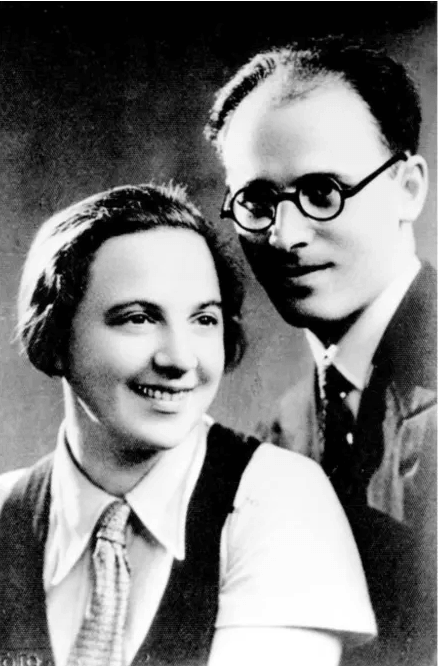
Academic stars in high school, Abrasha Blum and Luba Bielecka shared a slow burn romance and fervor for radical change. That hardly set them apart amid the ferment after the tsarist empire crumbled in 1919. No one would have predicted that Bielecka would go on to be awarded global nursing’s highest honor and Blum Poland’s equivalent of the Congressional Medal of Honor.
But their story poses a provocation in today’s hyper-polarized politics: Blum and Bielecka were devoted Bundists, and as such, they were not only socialists but anti-Zionists.
That combination can get you labeled today as anti-Israel and antisemitic, and even anti-American. Yet at the time they were Jewish heroes.
Bielecka repeatedly risked her life smuggling children out the Warsaw ghetto under Nazi occupation while directing the sole Jewish nursing school, sustaining its rigorous professional standards even as it was squashed into oblivion. Blum, a physically frail man, was dubbed the “ideological father of armed resistance” in the Bund; he led his band of militants into joining forces with the detested Zionists in the historic Warsaw Ghetto Uprising. When the insurgency was crushed — as all the combatants knew it would be — Blum, an engineer by training, led the surviving remnant through the cavernous sewer system to safety. But soon thereafter, in fleeing the police, he plummeted three stories from an apartment building. Badly injured, he was taken to Gestapo headquarters and never seen again.
Blum and Bielecka engaged the world as they found it and fought for justice for Jews and humanity. Blum’s photo is on display at Yad Vashem, Jerusalem’s Holocaust museum.
A lot has changed in 85 years. In 1939, most Americans Jews opposed Zionism and feared it would be misused by antisemites to justify allegations of dual loyalty. At the time, twice as many Jews lived in Warsaw as in all of British Palestine. The Bund swept 17 of 20 Jewish-designated seats on city council (Blum held one of them), far outdistancing all the Zionists parties together. Socialism made sense to Jewish voters, who were overwhelmingly “blue collar.” And so did doikayt (“hereness”), the doctrine that Poland’s three million Jews belonged there, not in a far-off desert, as the Zionists maintained.
The Holocaust radically and irrevocably changed the landscape. Ninety percent of Polish Jewry was exterminated. Even after the Nazis were vanquished, Jews continued to endure pogroms and were largely purged from Poland’s ruling communist party. By then, Israel was the sole destination in the world that welcomed large numbers of Jews.
Blum and Bielecka’s daughter, 17-year-old Aviva (née Victoria), was among the pioneers who migrated to a kibbutz in the new State of Israel. Zionism offered her the promise of milk and honey in a sanctuary free of antisemitism.

For years, her younger brother, Olek, held fast to his parents’ politics. But he too ultimately exited Poland, not for Israel but for the US, saddened that his father’s dream of “a prosperous Jewish minority inside Poland was impossible to realize.”
Like their parents, Aviva and Olek too engaged the post-WWII world as they found it and sought a better world.
Today, socialism and anti-Zionism are each experiencing something of a revival in the U.S. Self-described socialists have won mayoral elections in New York, Seattle and Washington, D.C. DSA-supported candidates won the Senate Democratic primary in Florida and narrowly lost Wisconsin’s gubernatorial primary. A recent CBS News poll found that 58% of Democrats now hold a favorable view of socialism, whereas only 32% view capitalism positively. The gap is even wider among young people. Jews, despite their relative affluence, remain among the most liberal voters in the U.S., although their current views on socialism have not been scientifically surveyed.
Anti-Zionism looks quite different in 2026 than in 1939, at least to Jews. Israel, approaching its 80th anniversary, is far from the desert mirage ridiculed by pre-war Bundists. While only a minority of American Jews self-describe as Zionists, an overwhelming majority support Israel as a Jewish and democratic state. Yet they are deeply troubled by Israel’s direction: Polls show that Zohran Mamdani, a socialist and anti-Zionist, is more popular among American Jews than Israeli Prime Minister Benjamin Netanyahu.
We’re left with this thought experiment: What if Abrasha and Luba resided in America today? What would they view as justice and how would they engage to achieve it? What if they resided in Israel?
And finally, a question about the rest of us: Would we recognize them as heroes?
The post These Bundist pioneers were heroes in their time. Would they be in ours? appeared first on The Forward.
Uncategorized
AIPAC couldn’t stop Michigan’s El-Sayed in the primary. Now it’s trying again.
AIPAC’s super PAC has re-entered Michigan’s closely watched U.S. Senate race less than a month before the general election, spending nearly $100,000 on mailers attacking Abdul El-Sayed, despite earlier concerns by allies of his Republican opponent, Mike Rogers, that it would boost the Democratic nominee.
The spending of $94,620 by United Democracy Project (UDP) on direct mailers was disclosed in a Friday campaign finance filing. It comes after Rogers publicly welcomed AIPAC’s support during a televised debate last week, reversing the position initially taken by people close to his campaign who worried the pro-Israel group’s involvement could hurt his chances.
A spokesperson for the group told Jewish Insider that the mailers target 130,000 identified Jewish voters in the swing state. It focuses on El-Sayed’s response to an attack on Temple Israel in West Bloomfield earlier this year. El-Sayed drew criticism for saying “hurt people hurt people” when discussing the attacker, whose brother was reportedly a Hezbollah commander killed in an airstrike on Lebanon. El-Sayed later apologized, saying he had been trying to provide broader context for the attack.
UDP spent more than $30 million trying to defeat El-Sayed in the Democratic primary this summer and in support of Rep. Haley Stevens, who lost by about one percentage point.
Following the primary, allies of the Republican nominee reportedly asked AIPAC not to run ads to boost him, fearing that the group’s involvement would give El-Sayed the same political foil that helped him overcome its massive spending in the primary. Axios reported that AIPAC officials didn’t take that rejection easily.
But Rogers appeared to change course last Thursday when asked whether he’d welcome AIPAC’s support.
“Anybody that wants to help my campaign stop a guy who can’t condemn terrorism in our own country because he’s so close to the people who are supporting the Muslim Brotherhood, again, I’ll take all of that help,” Rogers said at Thursday’s televised debate. El-Sayed interrupted to say he had condemned terrorism.
A new super PAC, Together for Michigan, aired an ad during the debate featuring Taylor Weintraub, whose child attends the Temple Israel preschool that was attacked in March.
Rogers went further on Friday at a campaign event with Sen. John Kennedy of Louisiana, accusing El-Sayed of being “so anti-Jewish” that a single mailer had upset him. Rogers said he welcomed help from Jewish supporters seeking to defeat his opponent. Kennedy also attacked El-Sayed, saying AIPAC would not be involved in the race if the Democrat did not “sleep in a Bin Laden jersey.”
El-Sayed, an Israel critic who has made opposition to AIPAC a central part of his campaign, responded by accusing Rogers of desperation. “You know Mike Rogers is in trouble when he begs AIPAC to start spending against me,” he wrote on X.
Some Jewish Democrats are publicly supporting Rogers, saying El-Sayed has failed to assuage concerns in his outreach to Jewish voters and in campaign appearances in recent months. If elected, El-Sayed would become the first Muslim member of the U.S. Senate.
Recent polls show El-Sayed with a narrow lead in the race to replace retiring Democratic Sen. Gary Peters. Recent elections in Michigan have been decided by narrow margins. Trump won the swing state in 2024 by about 80,000 votes, while Democratic incumbent Elissa Slotkin defeated Rogers in the Senate race that year by fewer than 20,000 votes. Four years earlier, Joe Biden won Michigan by about 2.8 percentage points.
The post AIPAC couldn’t stop Michigan’s El-Sayed in the primary. Now it’s trying again. appeared first on The Forward.
