



Uncategorized
US-Iran Talks Continuing, but Strikes on Saudi Arabia May Derail Effort, Say Sources

Smoke rises following an explosion, amid the US-Israeli conflict with Iran, in Tehran, Iran, March 7, 2026. Picture taken with a mobile phone. Photo: Majid Asgaripour/WANA (West Asia News Agency) via REUTERS
Talks between the United States and Iran were at risk of being derailed following Tehran’s attacks on Saudi Arabian industrial facilities, two Pakistani sources with knowledge of the discussions told Reuters on Tuesday, as the hours before President Donald Trump’s threat to unleash “hell” on the nation dwindled.
The next few hours of talks are critical, one of the sources said. Trump has given Iran until 8 pm in Washington – 3:30 am in Tehran – to end its blockade of Gulf oil or see the US destroy every bridge and power plant in Iran.
Iran has vowed to retaliate against US allies in the Gulf, whose desert cities would be uninhabitable without power or water. Iran intensified its strikes overnight, hitting a Saudi petrochemical complex in the latest evidence of the nation’s ability to strike back against US-Israeli attacks.
The five-week-old war has killed thousands across the region, mostly in Iran and Lebanon, and resulted in the worst-ever energy supply disruption in history due to the closure of the Strait of Hormuz, the key artery used to transit one-fifth of the world’s oil and gas.
Pakistan has been the main go-between for proposals shared by both sides, but there has been no sign of a compromise.
The attack on the Jubail petrochemical complex raises the risk that Saudi Arabia could retaliate, a move that would end the talks, one of the sources said, as it could also draw Pakistan into the conflict under its defense pact with Riyadh which binds both nations to fight for each other in case of a war.
In a telephone call with Saudi Crown Prince Mohammed bin Salman, Pakistan‘s Prime Minister Shehbaz Sharif condemned the strikes on Saudi facilities, saying Pakistan would stand shoulder-to-shoulder with its Saudi brothers and sisters.
MESSAGES BEING EXCHANGED
“We are in touch with the Iranians. They have lately shown flexibility that they could join the talks, but they are at the same time taking hard lines as a prerequisite for any negotiations,” the Pakistani security source said.
He added that Islamabad was persuading Tehran to enter negotiations without prior conditions.
Iran‘s foreign ministry spokesperson said on Monday that messages are still being exchanged between Iran and the US via mediators.
A senior Iranian source said Tehran had rejected a proposal for a temporary ceasefire with talks dependent on an end to US-Israeli strikes and compensation for damages.
Pakistan‘s foreign office said on Tuesday that the strikes on Saudi Arabia constitute a dangerous escalation.
“Such unwarranted aggressions have serious repercussions, to spoil the ongoing peaceful options and conducive environment,” added a Pakistani army statement after top commanders met with army chief Asim Munir.
Pakistan wants to avoid being pulled into the war, which could wreak havoc along its shared western border with Iran and roil discontent among its large Shi’ite population, the second largest in the world after Iran.
Analysts say the defense agreement may not trigger immediate military action but could be activated if conflict escalates.
Iran‘s willingness to risk embarrassing Pakistan at a time when “it is crucial to brokering a ceasefire reveals just how committed Tehran is to a tit-for-tat strategy that punishes the Gulf for US and Israeli strikes,” said Adam Weinstein, an expert on Pakistan, Afghanistan and US politics at the Quincy Institute.
Uncategorized
The Israeli song that almost won Eurovision was about far more than the breakup of a love affair
Noam Bettan, Israel’s Eurovision candidate who took second place in the competition, sang in three languages, and chose to start his performance in Hebrew. Meanwhile, the winner — from Bulgaria — sang entirely in English.
In all the news coverage of Eurovision, the tradition of Jewish multilingualism — and Bettan’s moving pride in his languages — was left out. But it’s an important part of Bettan’s family history, and it’s also a repeating theme of Jewish history.
Bettan’s parents immigrated to Israel from Grenoble, France, and before that, the Bettans lived in Algeria. Noam Bettan was born in Israel and grew up in Ra’anana, which is home to many English speakers.
As a child, he found it difficult to connect with members of his own family, because he was the only one who was born in Israel. He was also the only one who spoke Hebrew as a mother tongue, he told Israel’s Walla in 2021.
“Michelle,” the song Bettan sang in competition, is a rare trilingual song. It starts in Hebrew, the language in which Bettan feels most at home. Then it moves to French, the language of Bettan’s parents; his French is impeccable, and it was a nod to the importance of non-English languages in a contest that often favors English.
Last year’s winner, Austria’s JJ, performed “Wasted Love” entirely in English. When Israel won Eurovision in 2018 with Neta Barzilai’s “Toy,” the performance was also entirely in English.
When Bettan reached the third language of his song, English, which he likely heard in Ra’anana’s streets growing up, he mentioned walking through the Tel Aviv neighborhood of Florentin. His English was fine, but not as strong as his French.
He then moved back to Hebrew, and visibly moved at the end of his own performance, with tears in his eyes, ended with Am Yisrael Chai — “the people of Israel live.”
To what extent do Bettan’s language skills represent Israel?
More than 80% of Israelis speak more than one language; around 85% have some English proficiency, because English is mandatory in schools. Two percent of Israelis speak French as a mother tongue.
About 1 in 5 Israelis speak fluent Russian. Ten percent of Israeli Jews understand some Arabic but only 2.6% can read and understand Arabic-language media, according to a 2018 study by Sikkuy, an NGO which promotes equality between Israeli Jews and Arabs. Meanwhile, 53% of Israeli Arabs rated their Hebrew “good” or “very good,” according to Israel’s Central Bureau of Statistics. An estimated 250,000 Israelis speak Yiddish, and around 140,000 speak Amharic.
In the controversy over this year’s Eurovision, in which Spain, the Netherlands, Ireland, Slovenia and Iceland, all quit to protest Israel’s inclusion, some online commentators claimed that Bettan was singing about more than a breakup with a woman named “Michelle.” They thought he was singing to Europe, including the countries that walked out because he was on stage.
Mitpalel alayich, sh’tizki le’ehov—“I pray over you, that you will be privileged to love,” he sang. Bein dim’aa l’dimaa, yesh mi sh’yishma. “Between one tear and another tear, there will be someone who hears….”
Some believed that he was singing about the complex Jewish relationship with the European continent, the site of the greatest slaughter in Jewish history, now seeing a resurgence of antisemitism. He was singing, in French, telling Europe — nicknamed “Michelle” — that he was leaving.
But then, at the end, he sang in Hebrew that he hoped something good would happen to us.
That’s the mindset of many Jews right now, who no longer feel welcome in their prior homes — whether that’s a city, a country, or a profession. That pain may have morphed into an award-winning, trilingual song heard by millions, transliterated into English here, which might be about a girl — or, perhaps, about an entire people.
The post The Israeli song that almost won Eurovision was about far more than the breakup of a love affair appeared first on The Forward.
Uncategorized
A Yiddish chorus in Sao Paulo, Brazil finds its voice again
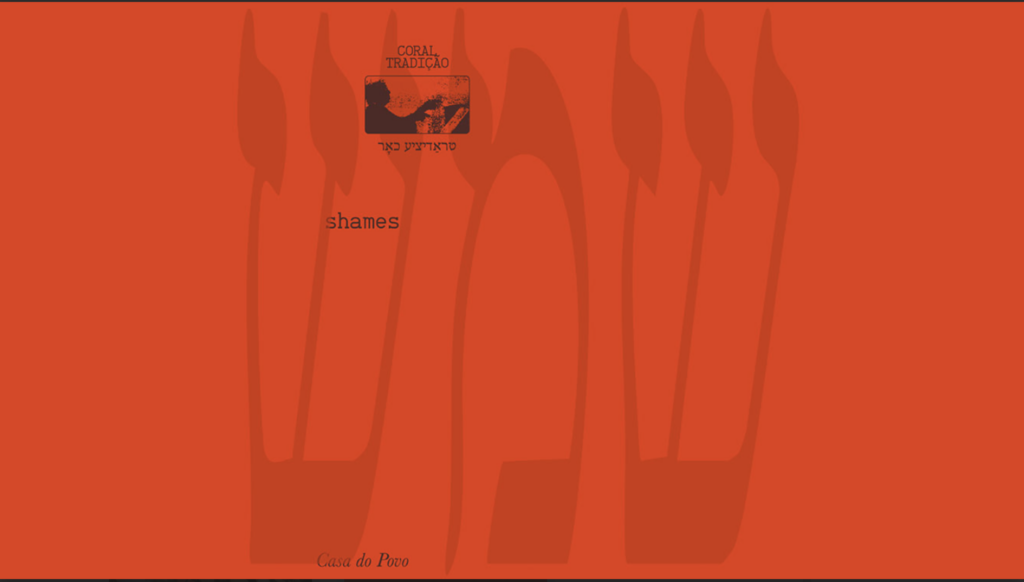
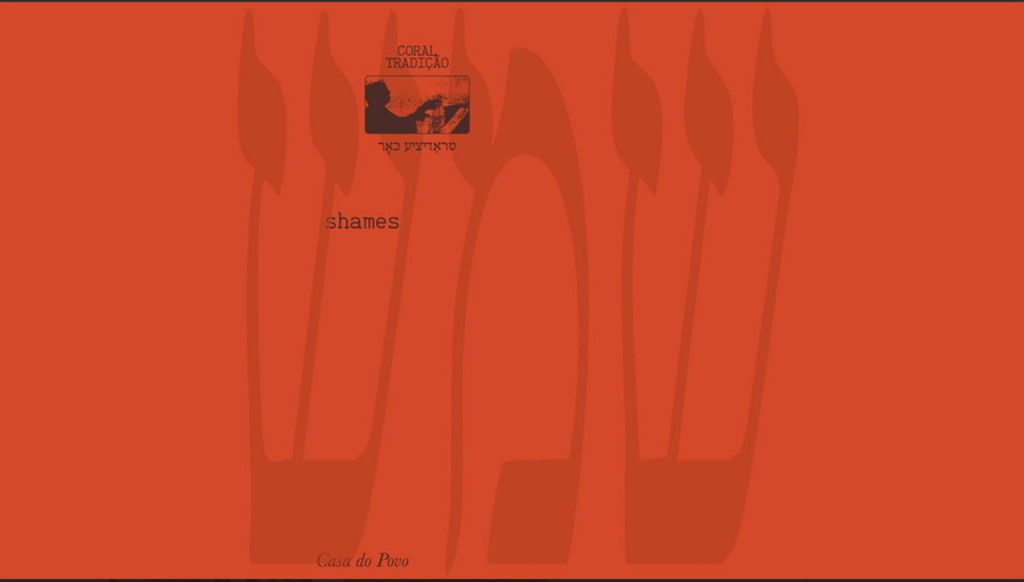
אין סאַאָ־פּאַולאָ, דער גרעסטער שטאָט אין בראַזיל, האָט דער אײנציקער כאָר אין לאַנד װאָס זינגט אױסשליסלעך אױף ייִדיש, אַרױסגעגעבן אַן אַלבאָם װאָס קלינגט סײַ טיף פֿאַרװאָרצלט אין טראַדיציע, סײַ באַנײַעריש. דער אַלבאָם הייסט „שמשׂ“ (אַרויסגערעדט „שאַמעס“).
דעם אַלבאָם האָט דער „טראַדיציע כאָר“ צוגעגרייט אין דער באָם־רעטיראָ געגנט, װאָס איז אױסגעפֿורעמט געװאָרן דורך נאָכאַנאַנדיקע כװאַליעס אימיגראַנטן פֿון פֿאַרשײדענע לענדער און קהילות. דער דיסק הײבט זיך אָן מיט גרױסע שלאַגערס פֿון ייִדישן רעפּערטואַר און ברײטערט זיך אױס אין אומגעװײנטלעכע ריכטונגען, בתוכם אימפּראָװיזירונג, עלעקטראָנישער מוזיק און באַגעגענישן מיט אַנדערע מוזיקאַלישע טראַדיציעס.
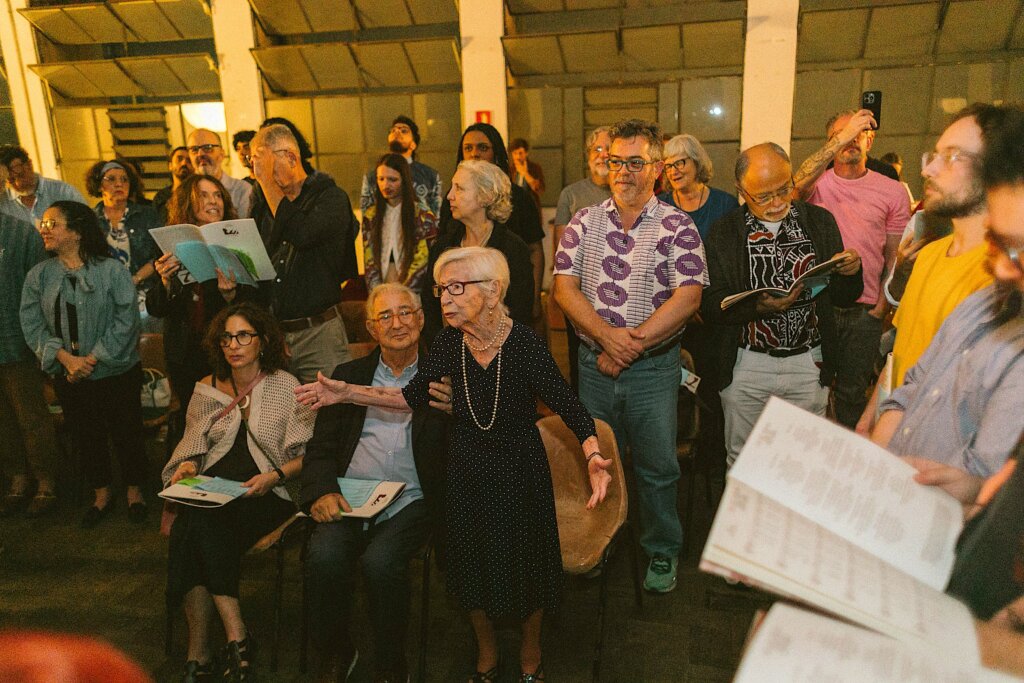
די פּרעמיערע פֿונעם אַלבאָם האָט מען אָפּגעהאַלטן דעם 22סטן אַפּריל אין „פֿאָלקסהױז“, אַ װיכטיקן ייִדישן קולטור־צענטער אין שטאָט, װאָס איז געגרינדעט געװאָרן אין 1946 אין אָנדענק פֿון די קרבנות פֿון חורבן. זינט יענער צײַט אָריענטירט זיך דאָס „פֿאָלקסהױז“ לױט די ייִדישיסטישע און אַנטיפֿאַשיסטישע פּרינציפּן פֿון איקו״ף (דעם „ייִדישן קולטור־פֿאַרבאַנד“), און פֿירט אָן, ביז הײַנט, מיט אַ ייִדישער ביבליאָטעק, קולטורעלע און פּעדאַגאָגישע אַקטיװיטעטן, און מיטן ייִדישן כאָר.
לױט די קוראַטאָרן פֿון אַלבאָם — קאַיאָ־מאָטל לעשער, לאַוראַ װיאַנאַ און זשוליאַ מאָרעלי — פֿונקציאָנירט זײַן טיטל װי אַ שליסל־מעטאַפֿער פֿאַר דעם גאַנצן פּראָיעקט. די 99־יאָריקע דיריגענטקע הוגעטאַ סענדאַטש איז די צענטראַלע פֿלאַם, װאָס װײַזט דעם װעג פֿון דער רײַכער ירושה פֿון דער ייִדישער שפּראַך צו די נײַע דורות זינגערס און ליבהאָבערס פֿון ייִדיש אינעם פֿאָלקסהױז. שוין צענדליקער יאָרן וואָס סענדאַטש פֿירט אָן מיטן כאָר.
דער אַלבאָם, װאָס איז שױן צוטריטלעך אױף „סאַונד־קלאַוד“, װעט סוף מײַ אָנקומען אין „ספּאָטיפֿײַ“, און װעט אױך אַרױסגעגעבן װערן װי אַ װיניל־פּלאַטע אין סעפּטעמבער. ער איז סטרוקטורירט װי אַ פּאַלינדראָם, פּונקט װי דאָס װאָרט „שמשׂ“ אַלײן, און קען װערן אָפּגעשפּילט אין צװײ ריכטונגען, װאָרעם די כּמעט־סימעטרישע זײַטן א׳ און ב׳ שאַפֿן אַ דיאַלאָג צװישן געדעכעניש און נײַע דערפֿינדונגען.
אױף דער ערשטער זײַט פֿונעם אַלבום, טרעט אױף דער כאָר ווי אַ טראַדיציאָנעלערער אַנסאַמבל, מיט נײַע אַראַנזשירונגען פֿון זשאָאַאָ באַריסבע און הוגעטאַ סענדאַטש. דער רעפּערטואַר נעמט אַרײַן סײַ קלאַסיקערס װי די פּאַרטיזאַנער־הימנע „זאָג ניט קײן מאָל“, סײַ פֿאָלקס־ניגונים. דער טרומײטער פֿראַנק לאָנדאָן, צוזאַמען מיטן קלאַרנעטיסט אַלעקס פּאַרק און דעם פּיאַניסט דניאל שאַפֿראַן, מישן צונויף דאָס כאָר־געזאַנג מיטן אינסטרומענטאַלן קלאַנג פֿון כּלי־זמר־מוזיק.
אױף דער צווייטער זײַט, װערן די זעלבע לידער דעמאָנטירט און באַשאַפֿן אױף ס׳נײַ דורך אײַנגעלאַדענע קינסטלערס, װי אַרטאָ לינדסײ, װאָס אימפּראָװיזירט אויפֿן סמך פֿון „זאָג ניט קײן מאָל“; קאַרלאַ באָרעגאַס, װאָס פֿאַרװאַנדלט אַ װיגליד אין אַן עטערישער (ethereal, בלע״ז), קלינגעװדיקער לאַנדשאַפֿט; פּאַולעטע לינדאַסעלװאַ, װאָס מאַכט איבער דאָס ליד „שאַ, שטיל” אין אַ פּולסירנדיקער עלעקטראָנישער שאַפֿונג; און אַװאַ ראָשאַ, װאָס גיט דעם חסידישן ניגון „בים־באַם“ אַ נײַע אינטערפּרעטאַציע.
אַנדערע דיאַספּאָרישע טראַדיציעס קומען אױך אַרײַן אין שפּיל. אַ כאָר פֿון קאָרעאַנער מאַמעס, װאָס איז טעטיק אין באָם־רעטיראָ, זינגט אַ טײל פֿונעם קאָרעאַניש פֿאָלקסליד „דאָס ליד פֿון מײַן מאַמען“, בשעת די אַפֿראָ־בראַזיליאַנער גרופּע פֿון פֿרױען־פּײַקלערס, „אילו אָבאַ דע מין“, באַגלייט דעם ייִדישן שלאַגער „שפּיל זשע מיר אַ לידל“. דער דאָזיקער נוסח פֿון ליד איז באַשאַפֿן געװאָרן אין צוזאַמענאַרבעט מיט דער ישׂראלדיקער קינסטלערין יעל ברתּנא פֿאַר דער פּיעסע „מיר זײַנען דאָ!“, װאָס איז פֿאָרגעשטעלט געװאָרן אין טאַיִב־טעאַטער.
דער פּראָיעקט נעמט אױך אַרײַן אַ נאָטנהעפֿט מיט װערטער אױף ייִדיש, סײַ מיט ייִדישע אותיות, סײַ טראַנסליטערירט, און אױך אױף פּאָרטוגעזיש. די איבערזעצונגען זײַנען געמאַכט געװאָרן דורך דעם סאַאָ־פּאַולער ייִדישיסטישן קאָלעקטיװ „ייִדישע טרופּע“ און דורך דער דיריגענטקע הוגעטאַ סענדאַטש אַלײן. דער מאַטעריאַל װערט באַגלײט אױך פֿון טעקסטן װעגן דעם רעפּערטואַר און דער טראַדיציע פֿון כאָר־געזאַנג אױף דער ייִדישער שפּראַך.
„שמשׂ“ װירקט װי אַ שטילער מאַניפֿעסט. דער טראַדיציע־כאָר, װאָס שטײט אין דער מסורה פֿון ייִדישע כאָרן אין סאַאָ־פּאַולאָ, מיט אַ העכער הונדערט־יאָריקער געשיכטע, װײַזט אױף אַן אַנדער פֿאָרעם פֿון המשכדיקײט, װאָס באַנײַט זיך אין אױסטױש מיט נײַע קאָנטעקסטן, ריטמען און פּאַרטנערס.
אין „פֿאָלקסהױז“ בלײַבט די ייִדישע קולטור אַזױ לעבעדיק, גראָד װײַל זי בײַט זיך כּסדר און שטײט אין ענגער פֿאַרבינדונג מיט אַנדערע שפּראַכן און מינהגים. אַזױ אַרום דינט דער טיטל פֿון אַלבאָם מער װי נאָר אַ מעטאַפֿער. ער באַשרײַבט דעם פּראָיעקט אַלײן׃ אַ פֿלאַם, װאָס טײלט זיך מיט איר פֿײַער מיט אַנדערע, אָן צו פֿאַרלירן דערבײַ איר אײגן ליכט.
[דער אַרטיקל איז רעדאַקטירט געוואָרן מיט דער הילף פֿון גוסטאַװאָ־גרשום עמאָס]
The post A Yiddish chorus in Sao Paulo, Brazil finds its voice again appeared first on The Forward.
Uncategorized
Trump Says ‘Good Chance’ of Iran Nuclear Deal After Delaying Strike

US President Donald Trump delivers remarks on the White House campus in Washington, DC, US, May 18, 2026. Photo: REUTERS/Jonathan Ernst
US President Donald Trump said on Monday there was a “very good chance” the United States could reach an agreement with Iran to prevent Tehran from obtaining a nuclear weapon, hours after saying he had postponed a planned military attack to allow negotiations to continue.
“There seems to be a very good chance that they can work something out. If we can do that without bombing the hell out of them, I would be very happy,” Trump told reporters gathered for a drug price announcement.
Earlier in the day, Trump said he had paused a planned attack against Iran to allow for negotiations to take place on a deal to end the US-Israeli war, after Iran sent a new peace proposal to Washington.
Trump said he had instructed the US military that “we will NOT be doing the scheduled attack of Iran tomorrow, but have further instructed them to be prepared to go forward with a full, large scale assault of Iran, on a moment’s notice, in the event that an acceptable Deal is not reached.”
No such attack had previously been announced, and Reuters could not determine whether preparations had been made for strikes that would mark a renewal of the war Trump started in late February.
Under pressure to reach an accord that would reopen the Strait of Hormuz, Trump has previously expressed hope that a deal was close on ending the war, and similarly threatened heavy strikes on Iran if Tehran does not reach a deal.
In his post, he said the leaders of Qatar, Saudi Arabia, and the United Arab Emirates had requested that he hold off on the attack because “a Deal will be made, which will be very acceptable to the United States of America, as well as all Countries in the Middle East, and beyond.” He did not offer details of the agreement being discussed.
Trump’s post came after Iranian Foreign Ministry spokesperson Esmaeil Baghaei confirmed that Tehran’s views had been “conveyed to the American side through Pakistan” but gave no details.
A Pakistani source confirmed that Islamabad, which has conveyed messages between the sides in the war in the Middle East since hosting the only round of peace talks last month, had shared the latest proposal with Washington. But the source suggested progress had been difficult.
The sides “keep changing their goalposts,” the Pakistani source said, adding: “We don’t have much time.”
IRAN REMAINS DEFIANT
Iran remained defiant in statements issued on state media after Trump’s announcement, warning the US and its allies against making any further “strategic mistakes or miscalculations” in attacking Iran, while contending the Iranian armed forces were “more prepared and stronger than in the past.”
Iran‘s top joint military command, Khatam al-Anbiya, said Iran‘s armed forces are “ready to pull the trigger” in the event of any renewed US attack, according to Iran‘s Tasnim news agency.
“Any renewed aggression and invasion … will be responded to quickly, decisively, powerfully, and extensively,” the commander of Khatam al-Anbiya, Ali Abdollahi, was quoted as saying.
The Iranian peace proposal, as described by a senior Iranian source, appeared similar in many respects to Iran‘s previous offer, which Trump rejected last week as “garbage.”
It would focus first on securing an end to the war, reopening the Strait of Hormuz – a major oil supply route that Iran has effectively blockaded – and lifting maritime sanctions.
APPARENT SOFTENING BY WASHINGTON
Contentious issues around Iran‘s nuclear program and uranium enrichment would be deferred to later rounds of talks, the source said.
However, in an apparent softening of Washington’s stance, the senior Iranian source said on Monday that the United States had agreed to release a quarter of Iran‘s frozen funds – totaling tens of billions of dollars – held in foreign banks. Iran wants all the assets released.
The Iranian source also said Washington had shown more flexibility in agreeing to let Iran continue some peaceful nuclear activity under supervision of the International Atomic Energy Agency.
The US has not confirmed that it has agreed to anything in the talks.
Iran‘s Tasnim news agency separately quoted an unidentified source as saying the US had agreed to waive oil sanctions on Iran while negotiations were under way.
Iranian officials did not immediately comment on Tasnim’s report, which a US official, who declined to be named, said was false.
A fragile ceasefire is in place after six weeks of war that followed US-Israeli airstrikes on Iran, although drones have been launched from Iraq towards Gulf countries, including Saudi Arabia and Kuwait, apparently by Iran and its allies. Pakistan’s Foreign Ministry issued a statement on Monday condemning a drone attack on Sunday, in which Saudi Arabia said it had intercepted three drones that entered the country from Iraqi airspace.