


Uncategorized
“I feel my father all the time”
פֿון פּאָלינאַ בעלענקי
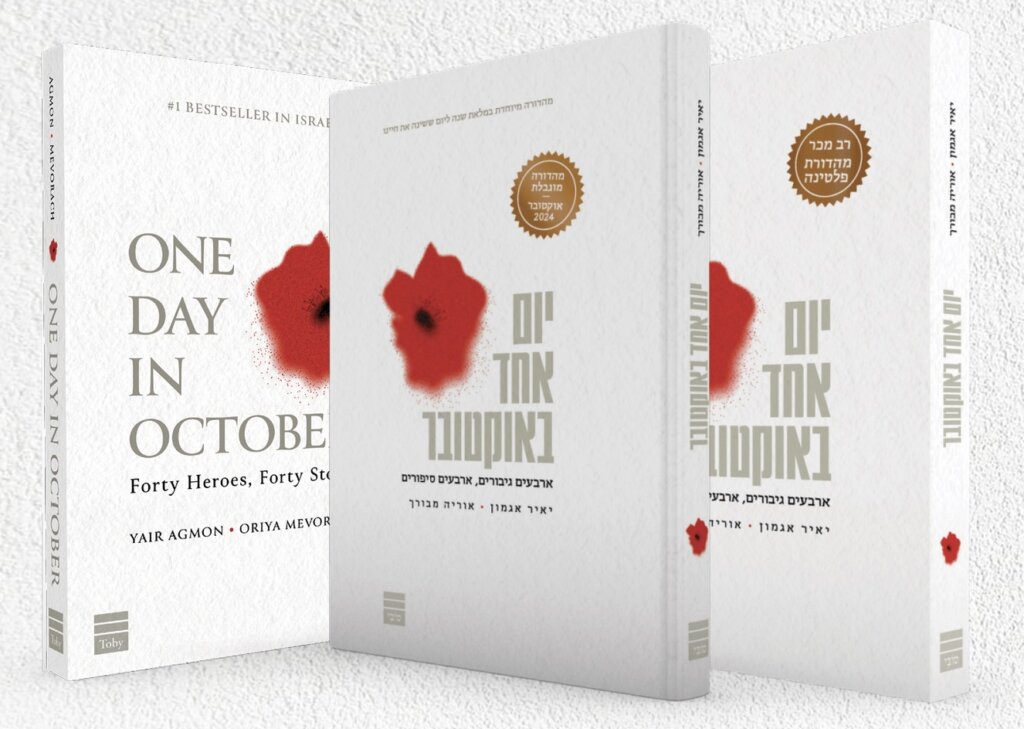
אין מאַרץ 2024 איז אַרויס אין ישׂראל אַ בוך מיטן טיטל „איין טאָג אין אָקטאָבער“. די מחברים יאיר אַגמון און אוריה מבורך האָבן אין אים אַרויסגעגעבן 40 עדותשאַפֿטן פֿון דעם 7טן אָקטאָבער 2023. דאָס זענען 40 טעקסטן וואָס דערציילן פּערזענלעכע זכרונות פֿון מענטשן וואָס דער דאָזיקער שרעקלעכער טאָג האָט זיי דירעקט טראַגיש געטראָפֿן, אָדער ווײַל זיי האָבן אַליין איבערגעלעבט דעם כאַמאַס־טעראָר אין דרום־ישׂראל אָדער ווײַל זיי זײַנען בײַ אים אומגעקומען און איבערגעלאָזט קרובֿים, באַקאַנטע אָדער פֿרײַנד, וואָס זײַנען גרייט געווען צו פֿאַרשרײַבן זייערע זכרונות וועגן דעם אומגעקומענעם.
די מעשׂיות זײַנען פֿאַרשריבן אין דער ערשטער פּערזאָן וואָס מאַכט זיי קלינגען ווי אַ פֿאַרציילטע מעשׂה. אין דער אמתן זײַנען די טעקסטן באַאַרבעטונגען פֿון אינטערוויוען. די צוויי מחברים זײַנען די רעדאַקטאָרן און האָבן געאַרבעט לויט צוויי הויפּטפּרינציפּן: אָפּצוהיטן ווי צום געטרײַסטן דאָס אויטענטישע קול פֿון דעם יחיד וואָס דערציילט און גלײַכצײַטיק צו געשטאַלטיקן דעם טעקסט — אויך אַ ביסל ליטעראַריש — פֿאַרן לייענער.
דאָס בוך שפּיגלט אָפּ אַ ברייטע גאַמע קרבנות פֿונעם 7טן אָקטאָבער — קינדער און זקנים, פֿרויען און מענער, ייִדן און אַראַבער, ישׂראלים און אויסלענדער. געציילטע חדשים נאָכן פּובליקירן דעם העברעיִשן מקור זײַנען אַרויס איבערזעצונגען אין נישט ווינציק שפּראַכן. די מחברים אָבער איז גאָר וויכטיק דווקא איין באַזונדערע איבערזעצונג: אויף ייִדיש. אַזאַ האַלט מען איצט אין צוגרייטן.
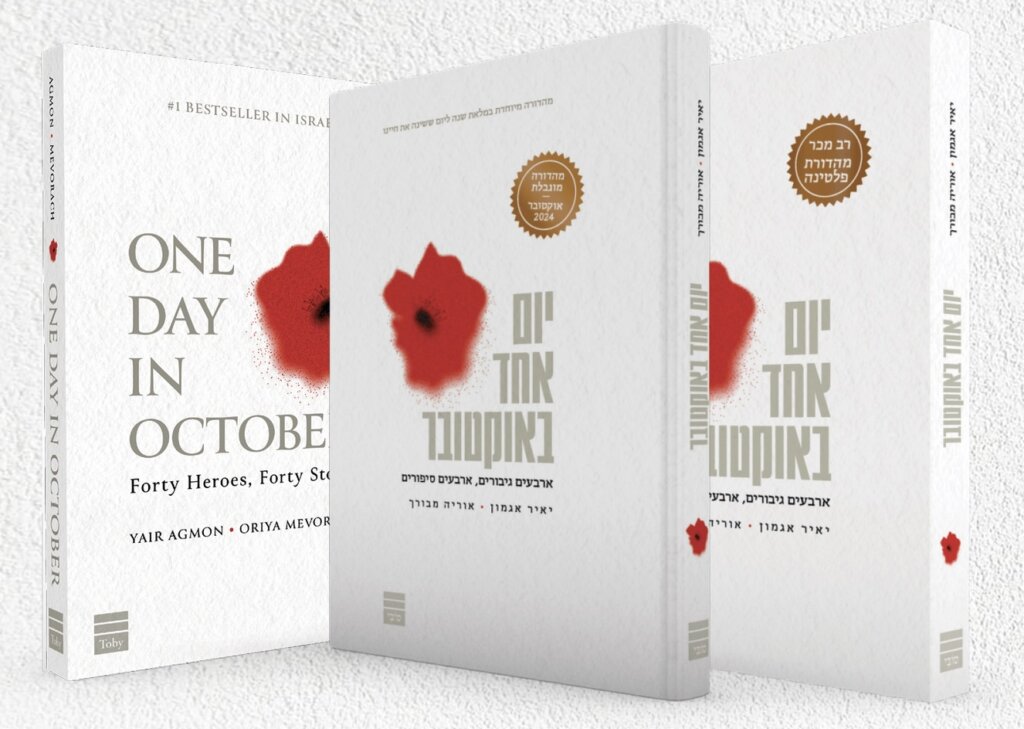
כּדי אָפּצומערקן דעם אָנדענק פֿון אַלע ברוטאַל און אומשולדיק אומגעברענגטע קרבנות פֿון יענעם טעראָריסטישן אַטאַק — פּובליקירט דער פֿאָרווערטס דאָ צום ערשטן מאָל אַן אָפּקלײַב פֿון דער דאָזיקער ייִדישער איבערזעצונג. דער הײַנטיקער טעקסט — פֿון פּאָלינאַ, אַ 14־יאָריק מיידל אין אופֿקים, וואָס איר טאַטע, אַ פּאָליציאַנט מיטן נאָמען דעניס בעלענקי, וואָס איז אומגעקומען קעמפֿדיק קעגן די טעראָריסטן — איז דער ערשטער אין אַ סעריע וואָס מען וועט קענען לייענען אין די ווײַטערדיקע טעג און וואָכן.
לאָמיר האָפֿן אַז בשעת מיר געדענקען די קרבנות דורך די אָ עדותשאַפֿטן וועלן צוריקקומען אַלע לעצטע לעבעדיקע פֿאַרכאַפּטע וואָס די כאַמאַס־טעראָריסטן האַלטן שוין צוויי יאָר אין אוממענטשלעכע און פֿאַרברעכערישע באַדינגונגען אין עזה. לאָמיר נישט פֿאַרגעסן!
– מרים טרין
1.
מײַן טאַטע האָט זייער ליב געהאַט מוזיק, און אין זײַן פֿרײַער צײַט, ווען ער האָט נישט געאַרבעט בײַ דער פּאָליציי, פֿלעגט ער זיצן און שפּילן אויף דער גיטאַרע. און איין טאָג ווען איך בין געווען אַכט יאָר אַלט, האָט ער מיך באַקענט מיט אַ זינגערין וואָס ער האָט ליב געהאַט, אַ רוסישע זינגערין וואָס הייסט מאָנעטאָטשקאַ און איך בין געווען אין גאַנצן באַגײַסטערט און ממש ליב געקראָגן אירע לידער, און יעדעס מאָל וואָס מיר זײַנען געפֿאָרן אין אויטאָ פֿלעגן דער טאַטע און איך אָנשטעלן אירע לידער און זינגען, קאַראַאָקע און אַזוינס. און דוכט זיך מיר מיט אַ יאָר צוריק איז די אָ זינגערין געקומען קיין ישׂראל צום ערשטן מאָל! און פֿאַרשטייט זיך האָבן מיר געקויפֿט בילעטן און געגאַנגען אַהין, און דאָס איז געווען ממש wow, ס׳איז געווען אַ גוואַלדיקער קאָנצערט, איך האָב אַזוי ווילד אַרומגעטאַנצט פֿון פֿאָרנט בײַ דער בינע און ער האָט מיר אונטערגעטראָגן אַ קאָלאַ אָדער אַן אַנדער געטראַנק און מיך געהיט פֿון הינטן. אָבער ווען איך האָב זיך אומגעקוקט אויף אים האָב איך געזען אַז אויך ער זינגט מיט אַלע לידער, כאַ כאַ כאַ.
איך בין הײַנט 14 יאָר אַלט. ווען דער טאַטע איז געווען אַן ערך אין מײַן עלטער איז ער געקומען קיין ישׂראל. ער און די מאַמע האָבן זיך געטראָפֿן דורך אַ קאָמפּיוטער־שפּיל! און זי האָט עולה געווען צוליב אים. איך האָב צוויי שוועסטער־ברידער, אַן עלטערע שוועסטער וואָס וווינט אין תּל־אָבֿיבֿ און אַ קליינעם ברודער מיט אונדז אין שטוב, בין איך אַ ביסל ווי אַ גרויסע שוועסטער. מײַן טאַטע איז שוין לאַנגע יאָרן אַ פּאָליציאַנט און די אַרבעט פֿון פּאָליציאַנטן איז ממש־ממש שווער. איז ער באמת נאָר אויף אַ העלפֿט אין דער היים.
ער איז געווען אַ טאַטע איינער אין דער וועלט! אַזאַ פֿריילעכער מענטש, אומעטום האָט ער פֿאַרשפּרייט שׂימחה, געוווּסט ווי אַזוי צו מאַכן אַ ליכטיקערע שטימונג, ווי צוצוגיין און צו רעדן צו מענטשן. און מיר האָבן געהאַט אַ קליינעם גאָרטן. האָט ער ממש ליב געהאַט דאָרט צו זאָרגן פֿאַר די בלומען, פֿלאַנצן, האָט דאָרט פֿאַרפֿלאַנצט פֿרוכטביימער און מיט אונדז אַפֿילו געהאָדעוועט טרוסקאַפֿקעס.
ער האָט אויכעט ליב געהאַט הינט. ווען איך בין געווען עלף יאָר אַלט האָב איך באַקומען פֿון טאַטע־מאַמע צום געבורטסטאָג פּעפּסי, אַ קליינע, זיסינקע הינטיכע, אַ געלע און ברוין־מאַראַנץ־קאָליריקע. און דער טאַטע איז געווען משוגע נאָך איר. ער האָט זיך תּמיד געשפּילט מיט איר, זיך יאָגן מיט איר, זי נעמען צום וועטערינאַר צוליב יעדער קלייניקייט און פֿלעג ווילדעווען מיט איר און אַרומשטיפֿן.
ער איז באמת געווען אַ ביסעלע משוגע און זייער קאָמיש. אום יום־טובֿ, ווי נאָווי גאָד למשל, פֿלעג ער זײַן דער וואָס דערציילט וויצן בײַם טיש, דערציילט מעשׂיות.
ער האָט מיך אונטערגעשטיצט אין אַלצדינג, די גאַנצע צײַט. און ער איז תּמיד געווען שטאָלץ מיט מיר, מיט דעם וואָס איך טו, נישטאָ קיין ווערטער דאָס צו דערקלערן. אמת, נישטאָ קיין ווערטער צו באַשרײַבן ווי וווּנדערלעך ער איז געווען, מײַן טאַטע.
שבת אין דער פֿרי האָבן זיך אָנגעהויבן די סירענעס. זײַנען איך, די מאַמע און מײַן ברודער גלײַך אַרײַן אינעם שוצצימער און דער טאַטע איז פּונקט געווען אויף נאַכטשיכט אין שׂדרות. ער האָט געדאַרפֿט צוריקקומען אַהיים אַרום זיבן אין דער פֿרי. און אַז מיר זײַנען שוין געווען אינעם שוצצימער האָב איך געעפֿנט דעם טעלעפֿאָן און איך זע אויף וואַצאַפּ פֿילמעלעך פֿון טעראָריסטן, דאָ בײַ אונדז אין אופֿקים! און איך האָב געזען אַ ווידעאָס פֿון טעראָריסטן וואָס שיסן אויף אַ פּאָליציי־אויטאָ, און כ’האָב זיך ממש דערשראָקן, אַז דאָס איז מײַן טאַטע, האָבן מיר אים אָנגעקלונגען און ער האָט געזאָגט אַז ער וועט זיך אַ ביסל זאַמען און איך האָב זיך געפֿרייט אַז ער לעבט.
אין צווישן איז אין דער אָ צײַט פֿון זײַן זײַט געפֿאַלן אַ ראַקעט אויף אַ הויז אין שׂדרות און ער איז געפֿאָרן מיט זײַן מאַנשאַפֿט קאָנטראָלירן וואָס עס טוט זיך דאָרט און דאַן, נאָך געציילטע מינוטן האָט ער אונדז אָנגעקלונגען און געזאָגט אַז מע שיסט דאָ, און געבעטן, מיר זאָלן אים מער נישט אָנקלינגען. דאָס איז געווען פֿאַרטאָג.
און שוין, דאָס איז געווען אונדזער לעצטער שמועס מיט אים.
וואָס עס איז געשען איז, אַז אין דער צײַט ווען זיי זײַנען געפֿאָרן אַ קוק געבן מכּוחן ראַקעט, האָבן זיי באַקומען אָנזאָגן, אַז עס זײַנען דאָ טעראָריסטן אויף דער פּאָליצײ־סטאַנציע פֿון שׂדרות. האָט ער דעמאָלט באַשלאָסן מיט זײַן מאַנשאַפֿט זיך אומצוקערן און איז צוריק אַהין. און ער האָט אויך באַשלאָסן, אַז עס איז ריכטיקער צו גיין צו פֿוס ווי צו פֿאָרן מיטן אויטאָ, ווײַל אַן אויטאָ, דאָס איז אַ מין גרויס לאָקערל פֿאַר די טעראָריסטן, אַן אויטאָ איז גרויס, מע קען אים זען. האָבן זיי זיך גענומען דערנעענטערן צו דער סטאַנציע. און דאָרט, אויף דער סטאַנציע אין שׂדרות איז געווען אַ גרויסע שלאַכט, מע קען זען אויף די בילדער, וואָס עס איז געבליבן פֿון דער סטאַנציע בײַם סוף פֿון די קאַמפֿן וואָס זײַנען דאָרט געווען.
און איידער זיי זײַנען אָנגעקומען אויף דער סטאַנציע, האָבן זיי געזען אַז עס זײַנען דאָרט דאָ טעראָריסטן אינעווייניק. און עס איז דאָרט געווען אַן אַנדער פּאָליציאַנט, אָן אַ וואָפֿן, וואָס האָט געהאַלטן בײַם אַרײַנגיין אין דער סטאַנציע כּדי זיך צו רעגיסטרירן און אָפּנעמען אַ וואָפֿן צי עפּעס אַזוינס, און מײַן טאַטע האָט אים אָפּגעשטעלט און אים געזאָגט נישט אַרײַנצוגיין, ווײַל עס זײַנען דאָ טעראָריסטן אינעווייניק. און אויפֿן טאַטנס לוויה איז דער אָ פּאָליציאַנט געקומען צו מיר און מיר געזאָגט, אַז ווען נישט מײַן טאַטע וואָלט ער הײַנט געווען טויט.
און דערנאָך זײַנען זיי אַרײַן אין דער סטאַנציע. זיי זײַנען געווען פֿיר פּאָליציאַנטן. און די טעראָריסטן וואָס זײַנען געווען אין דער סטאַנציע האָבן געשאָסן אויף זיי, פֿון סאַמע אויבן אויף די טרעפּ און פּשוט געפּרוּווט זיי אומברענגען ווי צום גיכסטן. נאָר מײַן טאַטע האָט נישט מוותּר געווען און נישט אַנטלאָפֿן פֿון דאָרט, ער האָט דאָרט צוריקגעשאָסן צוזאַמען מיט זײַנע פֿרײַנד, זיי האָבן כּסדר געשאָסן, זאַלבע פֿערט נישט אויפֿגעהערט צו שיסן. און אין עפּעס אַ מאָמענט האָט ער זיך אָפּגעזונדערט פֿון די אַנדערע פּאָליציאַנטן, אויף אַ זײַט, און דאַן האָט מען אים געטראָפֿן.
די גאַנצע מעשׂה האָבן מיר געהערט פֿון די פּאָליציאַנטן וואָס זײַנען דאָ געווען מיט אַ חודש צוריק, זיי זײַנען געקומען צו אונדז און אונדז אַלץ דערציילט. איין פּאָליציאַנטקע האָט אונדז דערציילט אַז אין דעם טאַטנס זכות איז זי געבליבן לעבן, ווײַל ער האָט זי געשיצט, אַ האַנטגראַנאַט זאָל זי נישט טרעפֿן. זיי האָבן אויך געוואָרפֿן אויף זיי [די טעראָריסטן) גראַנאַטן. און אַן אַנדער פּאָליציאַנט האָט אונדז דערציילט, אַז אַפֿילו נאָך דעם ווי מע האָט געטראָפֿן מײַן טאַטן, אַפֿילו ווען ער איז שוין געלעגן דאָרט אויף דער פּאָדלאָגע, האָט ער ווײַטער געקעמפֿט און געשאָסן אויף די טעראָריסטן. און דער אָ פּאָליציאַנט האָט אויך געזאָגט מײַן מאַמען אויף דער שיבֿעה, ער איז צוגעקומען צו איר און איר געזאָגט: „איך בין דער לעצטער וואָס האָט געזען דעניסן. ער האָט מיך פּשוט געראַטעוועט דאָרט.“ און די מאַמע און איך זײַנען געווען דערשיטערט.
איך האָב נאָך אַלץ נישט דאָס געפֿיל, אַז איך ווייס אַלצדינג, מיט אַלע פּיטשעווקעס, און איך בין נישט זיכער, אַז איך וויל וויסן, כ׳ווייס… אפֿשר וועט מיר דאָס נאָר נאָך מער וויי טאָן, איך ווייס נישט. איך ווייס, אַז מײַן טאַטע האָט געראַטעוועט מענטשן. און איך ווייס, אַז ער איז געווען מוטיק, אַז ער האָט באמת באמת געקעמפֿט, ביז דער לעצטער רגע. און איך בין שטאָלץ מיט אים, וואָס ער האָט דאָס געטאָן. אָבער עס איז טרויעריק, עס איז טרויעריק, ווײַל איך וואָלט געוואָלט ער זאָל אויך האָבן געראַטעוועט זיך אַליין.
4.
לעצטנס זאָגן מיר אַ סך מענטשן אַז איך בין ענלעך אויפֿן טאַטן. תּמיד פֿלעג מען אונדז זאָגן, אַז מיר זײַנען ענלעך, ביידע האָבן מיר אַ נאָז אַזאַ, כאַ כאַ כאַ, אָבער מיר זײַנען ענלעך אויך אין אַנדערע פּונקטן, למשל, איך פֿיל אַז אויך איך, אַזוי ווי ער, אויך איך קען צוגיין צו יעדן מענטשן און גרינג שאַפֿן מיט אים אַ פֿאַרבינדונג, געפֿינען דעם ריכטיקן צוגאַנג צו יעדן איינעם. און איך פֿאַרמאָג אויך יענע שׂימחה וואָס ער האָט געהאַט אין זיך. ער איז געווען אַ פֿריילעכער מענטש. און אַפֿילו איצט, ווען ער איז נישט מיט אונדז, אַפֿילו איצט פֿיל איך אַז איך טראָג זײַן שׂימחה אין זיך, ווי די שׂימחה וואָס איך האָב פֿון אים באַקומען וואָלט מיך געשיצט.
איך דערמאָן זיך אין אַ סך זאַכן וואָס מײַן טאַטע און איך האָבן געטאָן צוזאַמען, אין כּלערליי הנאהדיקע רגעס וואָס מיר האָבן געהאַט און ווען איך דערמאָן זיך דערין ווער איך פֿריילעך, אָבער דאַן דערמאָן איך זיך אַז ער איז מער נישטאָ און אַז איך וועל מער נישט האָבן אַזעלכע זכרונות. איך געדענק למשל, אַז איין מאָל האָב איך אויספּראָבירט אַ נײַע שמינקע און דאַן האָב איך זי אים געוויזן און געזאָגט: „גיב אַ קוק ווי אויסערגעוויינטלעך!“ און ער האָט זיך גענומען מיר עצהן: „זע, דאָ דאַרפֿסטו ניצן מער רויט און דאָ צוגעבן נאָך מער.“ און ער האָט מיר באמת געהאָלפֿן זיך שמינקען בעסער און דאָס איז געווען אַ סורפּריז, ווײַל ס׳איז דאָך — ביסט דאָך אַ טאַטע! טאָ וואָס עפּעס, ווי פֿאַרשטייסטו זיך אויף שמינקע?! כאַ כאַ כאַ.
און דאָס טוט באמת וויי. ס׳איז מיר שווער. ס׳איז מיר זייער שווער און איך פּרוּוו זיך אַן עצה געבן. מע קען זיך נישט באמת קיין עצה געבן מיט דעם. אָבער איך וועל זיך צו ביסלעך, צו ביסלעך אַן עצה געבן. איך ווייס אַז מיר קענען קריגן פּסיכאָלאָגן פֿרײַ פֿון אָפּצאָל, איך גיי נישט, ווײַל איך פֿיל זיך נישט באמת באַקוועם דערמיט. אפֿשר וועל איך גיין אין דער צוקונפֿט. איך האָב פֿרײַנד וואָס גייען יאָ. און איך האָב עטלעכע פֿרײַנד וואָס אויך זייערע קרובֿים זײַנען דערהרגעט געוואָרן יענעם טאָג, שעפּן מיר כּוח איינער פֿון צווייטן. מיר שטאַרקן זיך. און אויך דער מאַמע, אויך איר איז שרעקלעך שווער, איך און מײַן ברודער פּרוּוון איר ממש אונטערגעבן כּוח. ווען מיר זײַנען אין דער היים פּרוּוון מיר זײַן מיט איר ווי צום מערסטן און אַזוינס.
איך פֿיל דעם טאַטן די גאַנצע צײַט. אַ מאָל קומט ער פּלוצעם צו מיר אין חלום בײַ נאַכט, עס חלומט זיך מיר אַז ער פּרוּווט קאָמוניקירן מיט מיר, ער זאָגט מיר אַז ער איז שטאָלץ מיט מיר, מיט דעם וואָס איך טו איצט, דערמיט וואָס איך בין צוריק צו די לימודים, וואָס איך בין צוריק צום ראָבאָטיק־קורס, אַז איך בין ווידער אין „קרעמבאָ־פֿליגל“*, און אַז איך באַטייליק זיך אין נאָך אַנדערע קרײַזן.
אין דער וואָך ווען דאָס האָט פּאַסירט, האָט זיך מיר געחלומט אַז ער קומט צו אונדז, אַזוי זיך, נעמט אונדז אַרום, און זאָגט אונדז אַז דאָס אַלץ איז בלויז געווען אַן אַקציע אַזאַ און אַז ער האָט זיך געדאַרפֿט מאַכן טויט און אַז ער איז למעשׂה נישט באמת טויט. און ער האָט אונדז געהאַלדזט אין דעם חלום און דאָס איז געווען ממש־ממש רירנדיק. איך האַלט די דאָזיקע האַלדזונג כּסדר מיט זיך.
איך פֿריי זיך ממש זייער אַז מען האָט מיר פֿאָרגעלייגט צו שרײַבן וועגן מײַן טאַטן אין דעם בוך. דאָס איז מיר ממש וויכטיק. דאָס איז מיר באמת וויכטיק. איך האָב זיך ממש געפֿילט גערירט, ווען איך האָב באַקומען די ידיעה. און איך ווייס אַז איין טאָג וועלן מײַנע קינדער — זיי וועלן נישט קענען זען דעם זיידן אין דער צוקונפֿט, מילא, וועלן זיי אים נישט קענען, אָבער זיי וועלן כאָטש הערן וועגן אים. און זיי וועלן וויסן אַז ער איז געווען אַ גוטער מענטש, פֿריילעך און קאָמיש. איז אַ דאַנק אײַך, דאָס איז מיר באמת וויכטיק, מע זאָל אים געדענקען אויף ווײַטערדיקע דורות.
–––––––––––
* אַן אַלטערנאַטיווע ישׂראלדיקע יוגנט־באַוועגונג וואָס באַזירט זיך אויף גלײַכע רעכט פֿאַר קינדער מיט און אָן ספּעציעלע באַדערפֿענישן, געגרינדט אין 2002. מער אינפֿאָרמאַציע קען מען געפֿינען דאָ: krembo.org.
— איבערגעזעצט פֿון מרים טרין
The post “I feel my father all the time” appeared first on The Forward.
Uncategorized
The two ways to see Oct. 7 – and how they’ll influence the Israeli election
There are two ways to look at the Oct. 7 attacks, and which way you do will determine, to a large degree, whether you want to see Israeli Prime Minister Benjamin Netanyahu survive the next election.
The first view is that Oct. 7 proved the Israeli-Palestinian conflict cannot be solved. The second is that it proved the conflict cannot be allowed to remain unresolved.
These conclusions point in almost opposite directions, yet both begin with something Israelis learned, or thought they learned, from the same horrific day. One says there is no point trying to mollify the Palestinians, because hatred of Israel runs too deep. The other says that leaving millions of Palestinians indefinitely in their current condition will produce catastrophe again and again. The tragedy is that Oct. 7 supplied powerful evidence for both.
The first view is not without foundation. Even to Israelis (and people across the world) who have long sought a peaceful accommodation, it was shocking to see the sheer joy of the Hamas terrorists as they butchered families while filming their own barbarism, calling parents to brag, then dragging innocents into Gaza where crowds wildly cheered.
But the real shock was the support for this in the West Bank and Gaza – polls showed two-thirds to three-quarters of Palestinians approved – suggesting coexistence is impossible. Rarely have polls been more devastating. As a result, many Israelis lost sympathy for Palestinians and concluded that a cleansing inferno is required. The brutal war that followed certainly reflected that.
The second way to see Oct. 7 is that the Palestinian issue cannot be ignored – that the situation of the Palestinians was so unacceptable that something terrible was bound to happen. Many Israelis have trouble accepting this, because it does not really explain Hamas, which would fight Israel in any case, even if it were led by a far-left government willing to hand over to it every inch of the West Bank and Gaza and divide Jerusalem. But it might explain why so many Palestinians – even ones not in denial about the facts – were prepared to support it.
This view also offers at least one reason why the propaganda war waged by Hamas and its supporters has been so successful. There are others – including antisemitism and an outright denial of Israel’s right to exist . But the fundamentally unacceptable situation of the Palestinians is a big one, to be sure.
The combination of these factors yielded stunning results and contributed to an unfair vilification of the country that continues to frustrate Israeli voters.
By Oct. 9, before Israel had even identified all its dead or invaded Gaza, accusations of “genocide” were already circulating online, then among activists, NGOs, academics and eventually governments. By Oct. 13, protests denouncing “genocide” took place in London. On Oct 17, the Qatar-based Arab Center for Research & Policy Studies held a symposium called “The War on Gaza: Palestinian Defiance and Resistance against Orchestrated Genocide and Expulsion.”
Within weeks, South Africa accused Israel of “genocide” at the International Court of Justice in The Hague, invoking the “crime of crimes,” a term most associated with the Holocaust, the Armenian Genocide and Rwanda. “This libel is powered by a relentless campaign of indictment that engraves a lie into collective memory,” says Adam Fisher, one of Israel’s top venture capitalists, who has researched the propaganda campaign in detail.
When Israel’s military entered Gaza, it faced an enemy that had deliberately embedded weapons caches, command centers and rocket launchers in homes and crowded neighborhoods, including hospitals, schools, mosques and UN sites. Hamas fighters vanished into tunnels beneath civilian areas, turning every dead child, collapsed building and grieving parent into material for a global indictment of Israel on social media. The strategy was clear: maximize civilian suffering, isolate Israel internationally, weaken American Jewish support and ultimately erode U.S. backing.
The implication is that Oct. 7 was a response to Palestinian suffering. The suffering is real, but Hamas was never defending Palestinians. The Iran-backed jihadist group has long sought to destroy Israel rather than establish a Palestinian state, and its campaign of terrorism after the 1993 Oslo Accords helped destroy the peace process by driving Israelis to the right.
Still, none of this makes the pre-Oct. 7 reality acceptable. In the West Bank, three million Palestinians live alongside some 500,000 Jewish settlers without equal rights, largely under military occupation, while extremist settlers have increasingly engaged in violence with the government and military often looking the other way. In Gaza, more than two million Palestinians endured a devastating Israeli-Egyptian blockade because Hamas ruled the Strip. It failed to prevent Hamas from arming itself while making civilian life miserable.
On Al Jazeera recently I was placed opposite a young Gazan named Ahmed Abo Askar, introduced as a humanitarian activist and engineering student. He said he had gone three days without eating, and looked like it. He hoped an aid flotilla might get through and then smuggle out his ailing father.
I tried to put things in perspective, explaining about Hamas and the need to be rid of it. Ahmed answered emotionally: “Israel, not Hamas, they are the ones who killed my sister, killed their children and their entire family on 6 November 2023. Not all of Palestinian people are Hamas. The goods, why it’s not entering? ‘It’s because of Hamas.’ We are not Hamas. We are human in the end.”
Everything I said was true – but he won the argument anyway, because he was a decent person suffering. No history lesson trumps that.
The insane situation has traumatized Palestinians and Israelis in parallel ways. The Palestinians – who are rooted in a conservative society disinclined to compromise – have been made, in large numbers, desperate enough to support a nihilistic movement like Hamas, which is truly genocidal against Jews.
As for Israelis, it has made huge numbers of them stop wanting to think seriously about Palestinians except through the lens of security and punishment. Some openly fantasize about expulsion. Empathy is viewed as naïve. Oct. 7 made Israelis a little crazy too – exactly per the plan of Hamas.
So the Israeli opposition — people deeply hostile to Netanyahu and his extremist coalition — is mostly afraid to touch the Palestinian issue at all in the campaign ahead of the Oct. 27 election, preferring to focus on Netanyahu’s epic domestic failures. Politically, the calculation is correct.
That is where the two interpretations of Oct. 7 attach themselves to the choice Israelis face in this election. Netanyahu has spent much of his career arguing, in practice if not always explicitly, that the Palestinian problem can be managed rather than solved: Contain Gaza, maintain Israeli control of the West Bank, expand settlements, periodically use overwhelming force and resist international pressure for Palestinian statehood.
If the lesson of Oct. 7 is that Palestinian hostility is essentially immutable and territorial compromise merely brings the enemy closer, then Netanyahu’s basic worldview survives despite his catastrophic failure on Oct. 7. The answer is deterrence and permanent Israeli security control — not another attempt at political reconciliation.
Gadi Eisenkot, the main challenger on the center-left, is more complicated. He is hardly offering Israelis a new Oslo: He has explicitly rejected a Palestinian state in the near- or medium-term and says the old two-state formula is unrealistic after Oct. 7. But he has also opposed more West Bank settlements and other measures that would make eventual territorial separation impossible.And he has long warned against Israel sliding into a binational state.
The implication is less a peace plan than a direction: Preserve the possibility of separating Israelis and Palestinians, change the conditions that perpetuate the conflict, and leave open a political horizon even if nobody can presently say exactly when it nears and how it ends. In that sense, the choice is not between Netanyahu and a dove. It is between continuing to manage an apparently permanent conflict and a government that might at least begin trying to move toward a possible peace.
But if Israelis conclude that Palestinians only understand force – which, by the way, Hamas clearly doesn’t – we’re guaranteeing a death spiral. Such a problem left to fester, without any attempt to change the dynamic, will blow up again and again. So after the election, if Netanyahu and his destructive right wing coalition are mercifully gone, this will need to be addressed in new and creative ways.
Both views of Oct. 7 rest on a foundation of facts. The invasion and massacre – and the widespread support for it among Palestinians – simultaneously dismantled both the Israeli left’s confidence in Palestinian intentions, and the Israeli right’s belief that the Palestinian problem could be indefinitely managed.
But it also proved that distrust is not a policy. Israel can build fences, destroy armies, assassinate commanders and punish those who attack it. What it cannot do is make millions of Palestinians disappear. If there is no political answer to that reality, eventually there will be another violent one.
The post The two ways to see Oct. 7 – and how they’ll influence the Israeli election appeared first on The Forward.
Uncategorized
Country star Zach Bryan dons ‘Free Palestine’ shirt at Gillette Stadium
(JTA) — Zach Bryan, one of the world’s most popular country artists, appeared onstage wearing a shirt that read “Free Palestine” on Saturday night at Gillette Stadium outside Boston.
The venue was at the center of the dispute between stadium owner Robert Kraft and rapper Macklemore, who was blocked from performing there after Kraft objected to statements and imagery from an earlier stop on the tour and a “broader history” that Kraft characterized as antisemitic.
Representatives for Bryan and Kraft did not respond to requests for comment.
Bryan, whose biggest hits include “Something in the Orange” and his Kacey Musgraves duet, “I Remember Everything,” broke a stadium attendance record with 73,538 people on hand, the stadium said in an X post.
Kraft, the billionaire owner of the New England Patriots, helped lead an effort by stadium owners to block Macklemore from performing at their venues as Ed Sheeran’s opening act. Sheeran tried to distance himself from the venue owners’ actions, but his backup band and other acts subsequently withdrew from the tour.
This article originally appeared on JTA.org.
The post Country star Zach Bryan dons ‘Free Palestine’ shirt at Gillette Stadium appeared first on The Forward.
Uncategorized
Britain’s Green Party adopts ‘Zionism is racism’ motion
(JTA) — Britain’s Green Party on Sunday adopted a policy equating Zionism with racism, a move that immediately drew condemnation from the Israeli government and sparked concerns among some Jewish party members and the broader Jewish community.
The motion has also caused divisions within the party itself, with leader Zack Polanski, who is Jewish, skipping the vote and the party’s five sitting members of parliament issuing a statement on the policy.
Passing with 1,022 votes to 813 votes at the left-wing party’s annual conference, the motion argues that Zionism as an ideology is racist as it promotes “ethnonationalism,” and “privileges one ethnic group on the basis of the subjugation of others.”
It also declares the Greens to be an “anti-Zionist party” and that Zionism, the movement to develop and protect a Jewish state in Israel, will be “treated as any other form of racism.”
The motion also supports the establishment of a “single democratic Palestinian State in all of historic Palestine with Jerusalem as its capital.”
Israel’s Ministry of Foreign Affairs said in a press statement, “Today, the Green Party in Britain ceased to act as a political party and became a body that gives legitimacy to terrorism. The Greens have adopted not only the green of Hamas, but also its ideology: the elimination of the State of Israel through armed struggle.”
“The shocking resolution adopted today legitimizes armed struggle, calls for a Palestinian state ‘from the river to the sea’ – meaning the destruction of the State of Israel – and labels as ‘racist’ the aspiration of the Jewish people for self-determination,” the ministry statement said, adding that it “goes far beyond the boundaries of legitimate political debate.”
The ministry called on other political parties in Britain, particularly the ruling Labour Party, to reject the resolution.
In a letter to Polanski ahead of the vote, the Board of Deputies of British Jewry, Jewish Leadership Council and Community Security Trust said they had “acute concerns” about the motion and called on the party leaders to oppose it. They wrote that urgent action was needed to address growing antisemitism within the Green Party. Such a motion, they wrote, “fuels hatred of Jews.”
The five representatives of the Greens who sit in Parliament – MPs Ellie Chowns, Adrian Ramsay, Siân Berry, Carla Denyer and Hannah Spencer – issued a joint statement condemning the actions of the current Israeli government led by Prime Minister Benjamin Netanyahu but emphasizing, “We know there is no conflict between supporting the rights of Palestinians and the rights of Jewish people.”
A clause was proposed to protect Jewish Greens by clarifying that the motion should not be used to “pressure, proscribe or discipline” those affiliated with synagogues or other Jewish groups that describe themselves as Zionist. The clause was voted down.
This article originally appeared on JTA.org.
The post Britain’s Green Party adopts ‘Zionism is racism’ motion appeared first on The Forward.
