


Uncategorized
A glimpse of the Jewish left in 1920s Palestine
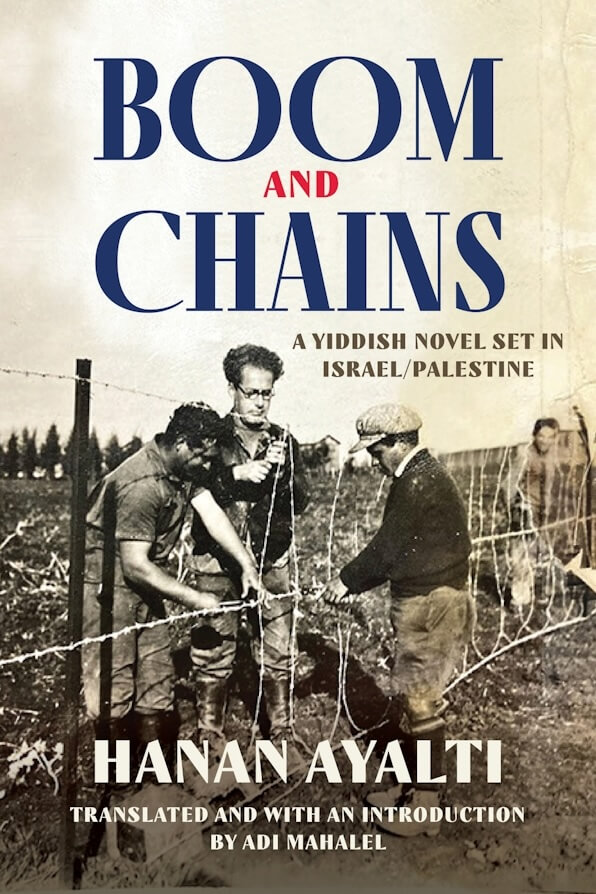
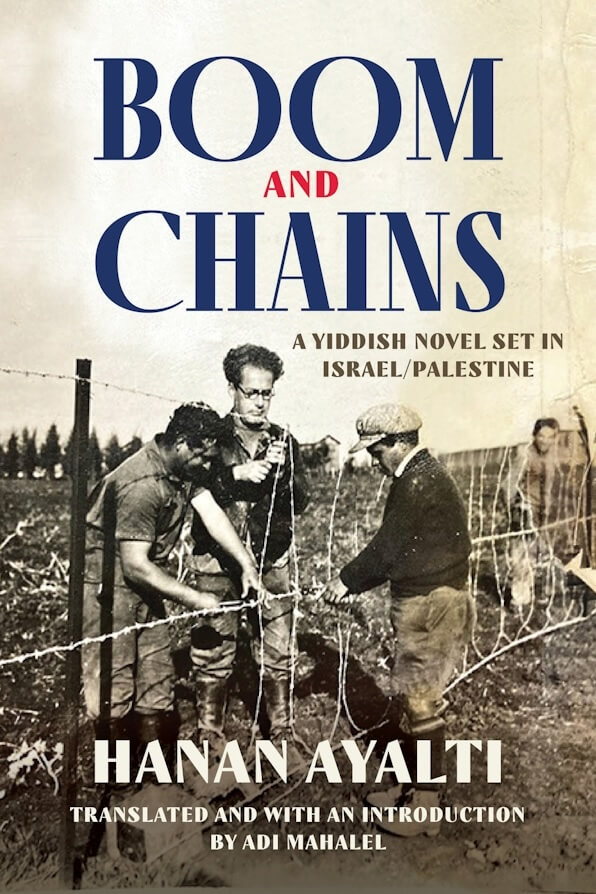
Boom and Chains
by Hanan Ayalti, translated by Adi Mahalel
Wayne State University Press, 312 pages, $34.99
Boom and Chains, by the Yiddish writer Hanan Ayalti, is a sweeping, morally urgent novel of Mandate-era Palestine that marries socialist ambition, Zionist dreams and the lived terrain of Arab dispossession.
First serialized in Warsaw in 1940 and now translated into English by Adi Mahalel, the book reads less like a period curiosity than a dispatch from the very core of 20th-century Jewish history. Its cadences are elegiac and insurgent at once, never letting the reader forget that every utopian project is built on contested soil.
This edition includes a prologue — reprinted at the back as an appendix — that looks back at kibbutz life in Poland and traces how Ayalti’s characters first took shape ideologically. The prologue is not essential to the plot, but it frames the psychic foundation of utopian commitment: how a generation could inherit the dream of community, sacrifice and labor long before setting foot in Palestine. The translator’s glossary and notes guide readers through dense terms of socialist-Zionist vocabulary, from halutzim, which means pioneers, to the nuanced phrase, “building through work.”
The main narrative unfolds in three parts: “Kibbutz,” “Land and Work” and “God and Money.” These sections map not only the external struggles of settlement but also the inner fractures of its pioneers. When Zalmen, the central figure, lands in Jaffa, the novel enacts collision immediately — Arab boatmen unloading cargo, British officials announcing strikes, Jewish pioneers hammering tents into soggy terrain.
Every logistical failure becomes a metaphor: each collapsing tent points to the wider chasm between idealism and ground. The storm sequence in the early kibbutz chapters — especially “Lying in the Mud and Barking at the Moon,” where the settlement nearly washes away — dramatizes that elemental struggle. You feel the land itself resisting its would-be redeemers.
By the time the narrative moves into Part II, the Arab perspective emerges not as backdrop, but as voice. Mustafa, once a peripheral figure, becomes a frustrated agitator whose sermons — half economic, half prophetic — speak of debt, dignity and land. His words register with painful clarity, even if the pioneers cannot or will not hear them.
The 1929 riots arrive with terrible inevitability. In one of the most wrenching scenes, Moshe Milner, a Jewish pioneer from Poland, is beaten for trying to raise funds for both Jewish and Arab victims. Solidarity itself is punished. In moments like this, Ayalti insists that the reader confront the impossibility of innocence.
Part III takes the novel toward collapse. Ideological certainties falter, comrades turn on one another, and even the land that promised redemption becomes charged with betrayal.
Comrade Gamzu, part zealot and part tragic figure, embodies this unraveling. At one point, he sits in his office writing an article for the Hebrew socialist newspaper — a small moment that crystallizes the novel’s insight: Labor is fought not only in fields and factories, but in words. The stormy conclusion leaves characters battered and arrested, and gives readers the sense that history itself has not yet chosen its verdict.
Ayalti’s place in Yiddish literature is unusual. While contemporaries often looked back at the shtetl or outward to immigrant life, he brought Yiddish to the frontier of Palestine. The result is a language of tension, where sacred vocabulary intermingles with slogans of socialist struggle.
It’s a reminder that Yiddish was not only a vehicle for memory but also for imagining futures — even ones later suppressed. (After moving to the United States, Ayalti set the novel aside for years, only completing Boom and Chains after returning to Israel.) In its ambition, Boom and Chains recalls the scope of the Soviet-Yiddish writer Dovid Bergelson and the ideological searching of I. L. Peretz, but it’s more direct, more politically uncompromising.
The translation is mostly smooth, though a few idioms fall flatter than the Yiddish likely sounded. For instance, a phrase like “to break one’s back for the land” feels more awkward in English than the fierce irony it probably carried in the original. Still, the glossary is a gift: Terms like Shomrim (guards, or members of the Labor Zionist youth movement Hashomer Hatzair) and shekhine — the Yiddish form of Shekhinah, the Divine Presence) — are defined in ways that illuminate not just vocabulary, but the ideals behind it. You can feel, even without direct citation, how carefully Mahalel has rebuilt the novel’s world for English readers.
One recurring weakness is that some characters lapse into long ideological speeches. Ayalti, at times, can’t resist the pamphleteer’s impulse. Yet even these stretches reveal the emotional urgency of an age when politics was lived from the trenches when the modern State of Israel was still years from being founded. The heaviness that results is, paradoxically, part of the book’s honesty.
What makes Boom and Chains remarkable is how current it still feels. The struggle over land and labor, the ethical crisis of building renewal at another’s expense, the oscillation between hope and despair — all of it reads less like distant history than like a mirror. The book refuses the easy consolation that redemption can be clean. Instead it presses its readers: No soil is free of debt, no vision immune to fracture.
For Jewish readers today, this translation is a gift. It restores a lost voice of Yiddish modernism and places before us a stark question: Can a dream of justice survive when its ground is contested from the start? Boom and Chains doesn’t settle the question, but it forces us to live with it. And perhaps that is the deepest service a novel can offer.
The post A glimpse of the Jewish left in 1920s Palestine appeared first on The Forward.
Uncategorized
Vance declines to endorse Netanyahu, a day after Trump backs prime minister
(JTA) — Vice President JD Vance has refused to endorse Prime Minister Benjamin Netanyahu, just a day after President Donald Trump announced his support for the incumbent Israeli leader.
“I’m not anti-endorsing. I’m not pro-endorsing,” Vance told journalist Mark Halperin in a Monday interview. “I’m not getting involved in the Israeli elections.”
“I endorse American candidates,” the vice president added, noting that he is focused on the U.S. midterms.
Trump declared his support for Netanyahu, who is running for reelection, in a Sunday Truth Social post in which he deemed the Israeli leader “a Great Warrior Prime Minister” and a vital partner in removing the Iranian threat. Recent polls show Netanyahu closely trailing former IDF chief-of-staff Gadi Eisenkot in the election, which will take place on Oct. 27.
Liberal Middle East policy advocates, including J Street, have blasted Trump’s decision to back Netanyahu, arguing that he’s acting against the interests of U.S. taxpayers.
While Vance declined to endorse the Israeli prime minister, he has previously involved himself in international elections. In April Vance joined Trump in backing then Prime Minister Viktor Orbán in Hungary, although that support did not end in victory.
Last year, the vice president also met with the leader of the far-right Alternative for German political party, AfD, in Munich but he did not issue an official endorsement for that candidate.
This article originally appeared on JTA.org.
The post Vance declines to endorse Netanyahu, a day after Trump backs prime minister appeared first on The Forward.
Uncategorized
Israeli President in Hungary for first high level talks since Orbán’s ouster
(JTA) — BUDAPEST, Hungary — Israeli President Isaac Herzog met with his Hungarian counterpart and the country’s prime minister on Tuesday in the first high-level Israeli visit since the election defeat of longtime Prime Minister Viktor Orbán.
Herzog held talks with Hungarian President András Baka at the Sándor Palace before meeting Prime Minister Péter Magyar, whose Tisza party ended Orbán’s 16 years in power in April.
Orbán’s tenure was marked by repeated confrontations with European Union institutions over democratic standards and the rule of law. He was among Israel’s staunchest supporters at the European body. The right-wing strongman also maintained close personal ties with Prime Minister Benjamin Netanyahu.
Speaking at a joint press briefing following their closed-door meeting, Herzog described Hungary as a “friend and an ally,” praised its role in promoting “balanced and constructive relations” between Israel and the European Union and expressed confidence that the relationship would continue to develop under the new government.
“Over the course of this past year, we’ve seen our strong bilateral alliance deepen considerably,” Herzog said. “By joining hands, we are harnessing the best of our creativity, resourcefulness and determination towards shaping secure economic [and] technological futures.”
Baka offered a more restrained assessment, describing relations as “cordial and stable” and saying the two countries had no “outstanding bilateral issues” and that Israel remained an “important economic partner.”
The Hungarian president also pointed to the fighting in Gaza, which has continued for more than three years, calling for unhindered deliveries of humanitarian aid to the civilian population.
“International humanitarian law must be fully respected, and aid must reach those in need safely and without interruption,” Baka said. “Any lasting peace must offer families on both sides a reason to believe that their children can grow up free from fear and insecurity that have shaped so many lives.”
Herzog said Israel does not “choose war,” and raised the threat posed by Iran and its regional proxies, including Hamas, Hezbollah and the Houthis, warning that the danger extended beyond the Middle East and required cooperation among “freedom-loving nations” to confront it.
“In recent years, we’ve contended with a clear, present and ongoing threat of terror and extremism emanating from Iran and spread through its network of radical proxies,” he said. “They may sit in the Middle East, but they threaten the entire world, and the alliance of freedom-loving nations is critical to confronting it.”
Herzog congratulated Magyar on his election victory, describing it as “an expression of Hungarian democracy” and of the “vitality and energy” of the Hungarian people.
Magyar, who took office in May, has pledged to maintain strong relations with Israel. But he reversed one of Orbán’s most consequential policies soon after he took office with a vote to remain in the International Criminal Court, overturning Orbán’s decision to withdraw after the court issued an arrest warrant against Netanyahu over alleged war crimes in Gaza.
Baka, a former Supreme Court chief justice who assumed the presidency in August, has a history with the former government. His judicial tenure was cut short under Orbán in 2012, a move the European Court of Human Rights subsequently ruled had violated his rights.
Herzog also addressed Israel’s upcoming parliamentary elections on October 27, telling his Hungarian counterpart that the country’s next government would face considerable diplomatic and security challenges.
“The next Israeli government, whatever its form, will have to contend with big challenges that go to the heart of our security and our position in the international arena,” Herzog said, expressing confidence that Israel would “continue to find an ally and friend in Hungary.”
Both presidents addressed Hungary’s Jewish community and the legacy of the Holocaust. Baka reaffirmed Hungary’s “zero tolerance” policy toward antisemitism, while Herzog recalled the destruction of Hungarian Jewish life during the Holocaust, describing its legacy as a “moral memory” guiding the present.
During Herzog’s subsequent meeting with Magyar, veteran Israeli journalist Ariel Kahana called out a question about the state of Israeli-Hungarian relations, despite questions not being part of the protocol.
“Excellent,” Magyar replied.
“I’m not responsible for the Israeli journalists,” Herzog quipped.
Herzog’s visit also includes an address to Voice of the People, an international initiative he established to bring together Jewish leaders from Israel and the Diaspora to discuss challenges facing Jewish communities, as well as a meeting with representatives of Hungarian Jewry.
The trip also carries personal significance for Herzog, whose father, former Israeli President Chaim Herzog, made the first state visit to Hungary by a sitting Israeli president in June 1991, less than two years after the restoration of diplomatic relations between the countries.
Recalling his father’s hope that relations between Israel and Hungary would continue to deepen, Herzog said he was proud to see how the relationship had developed over the intervening 35 years.
“Today, as president of the State of Israel, and as his son, I’m immensely proud to see how much that hope has become a reality,” he said.
This article originally appeared on JTA.org.
The post Israeli President in Hungary for first high level talks since Orbán’s ouster appeared first on The Forward.
Uncategorized
Cantorial music movingly sung by women, at this event in Indiana
אויף איין טאָג איז דאָס שטעטל בלומינגטאָן — אַן אוניווערסיטעט־שטאָט אין ווײַטער אינדיאַנע — געוואָרן אַ צענטער פֿון נײַער און טראַדיציאָנעלער ייִדישער מוזיק.
דעם 11טן אָקטאָבער איז פֿאָרגעקומען אַ גאַנצע ריי פּראָגראַמען געווידמעט דער מיזרח־אייראָפּעיִשער ייִדישער קולטור. די פּראָגראַם, „זכּרון פֿאַרוואַנדלט“ (Memory Transformed), האָט אַרײַנגענומען אַן אַקאַדעמישן סימפּאָזיום, אַ קונסט־אויסשטעלונג און אַ קאָנצערט פֿון הײַנטצײַטיקער ייִדישער מוזיק. ס׳איז געקומען אַ גרויסער עולם: סײַ סטודענטן און פּראָפֿעסאָרן פֿון אוניווערסיטעט, סײַ ייִדן און נישט־ייִדן פֿון דער געגנט.
די רײַכע פּראָגראַם איז פֿאָרגעקומען אין בלומינגטאָן, דער עיקר, אַ דאַנק ירמיהו לאָקוווּד, דעם באַקאַנטן מוזיקער, היסטאָריקער און מוזיקאָלאָג, וואָס איז אויך אַ גאַסט־פּראָפֿעסאָר פֿון ייִדישע לימודים אין אינדיאַנער אוניווערסיטעט. לאָקוווּד האָט זיך באַטייליקט סײַ אינעם סימפּאָזיום סײַ אין דעם קאָנצערט. ער איז אויפֿגעטראָטן מיט זײַן קאַפּעליע, The Sway Machinery, מיט וועמען ער שפּילט שוין די לעצטע צוואָנציק יאָר.
כאָטש לאָקוווּדס אייגענע מוזיק איז מאָדערן, פֿאָרשט ער דווקא אַ מער טראַדיציאָנעלן ייִדישן זשאַנער: דאָס חזנות. בעת אַ שמועס מיט מיר האָט ער געזאָגט, אַז ער האַלט דאָס חזנות פֿאַרן עיקר און נשמה פֿון דער ייִדישער מוזיק. זײַן ערשט בוך, „גאָלדענע עפּאָכעס“ (2024) באַהאַנדלט די הײַנטיקע חסידישע זינגער, וואָס באַנײַען דעם סטיל חזנות פֿון אַלטע צײַטן. איצט אַרבעט ער אויף אַ צווייט בוך, וואָס זאָל דערציילן די געשיכטע פֿון חזנות ביזן הײַנטיקן טאָג.
לאָקוווּד פֿאָרשט ספּעציעל די אַלטע פּלאַטעס פֿון אָנהייב 20סטן יאָרהונדערט. חזנות איז אַ מאָל געווען געוואַלדיק פּאָפּולער, ווײַל דער פֿאָנאָגראַף האָט אַרײַנגעברענגט די הייליקע מוזיק אַפֿילו אין וועלטלעכע ייִדישע היימען.
אויפֿן סימפּאָזיום האָט אויך גערעדט אַן אַנדער מומחה פֿון חזנות, ד״ר יהודית בערקסאָן, אַ פֿאָרשערין און פּראָפֿעסיאָנעלע חזנטע אין לאָס־אַנדזשעלעס. זי האָט גערעדט וועגן דעם אימפּראָוויזירטן אַספּעקט פֿון חזנות, וואָס איז אַ מאָל געווען גאָר וויכטיק. הײַנט זינגען חזנים געוויינטלעך לויט די נאָטן, ווײַל זיי זענען גוט טרענירט אין דער קלאַסישער מערבֿדיקער מוזיק־טראַדיציע. אָבער דאָס אַמאָליקע חזנות איז געווען אַ געמיש פֿון מערבֿדיק און מיזרחדיק, מיט אַ סך אימפּראָוויזאַציע — אַ ביסל ווי דזשעז־מוזיק. דער חזן האָט קיין מאָל נישט געזונגען דאָס זעלבע שטיקל אויף פּונקט דעם זעלביקן אופֿן. יעדע זאַך איז געווען אָריגינעל.
בערקסאָן האָט אויך גערעדט וועגן די פּריוואַטע, קאָנטראַבאַנדישע רעקאָרדירונגען, וואָס געוויסע ליבהאָבערס פֿון חזנות פֿלעגן מאַכן בסוד. זיי האָבן אַרײַנגעשמוגלט אַ רעקאָרדיר־אַפּאַראַט אין אַ תּלית־בײַטל אָדער אונטערן מאַנטל און רעקאָרדירט דעם חזן, אַפֿילו ווען מע טאָר נישט, שבת אָדער יום־טובֿ. די אָ ייִדן זענען געווען גרייט צו ריזיקירן מיט דער אייגענער נשמה, אַבי צו פֿאַרמאָגן דאָס געזאַנג פֿון זייער באַליבטן חזן. אויף אַזעלכע רעקאָרדירונגען הערט מען אָפֿט אַ סך אימפּראָוויזאַציעס.
אויפֿן סימפּאָזיום האָט אויך גערעדט דער היגער ייִדיש־פּראָפֿעסאָר, דובֿ־בער קערלער. ער האָט דערציילט וועגן ייִדישע לידער, וואָס דער עולם האַלט זיי אָפֿט פֿאַר אַלטע פֿאָלקסלידער, כאָטש אין דער אמתן זענען די מחברים גוט באַקאַנט. למשל, „דער רבי אלימלך“ האָט געשריבן און קאָמפּאָנירט דער פּאָעט משה נאַדיר (יצחק רײַז), וואָס האָט געוווינט אין ניו־יאָרק. אַ סך פֿון די פּאָפּולערסטע לידער אונדזערע שטאַמען באמת פֿון אַמעריקע, נישט פֿון מיזרח־אייראָפּע.
לאָקוווּדס מוזיק מיט זײַן קאַפּעליע איז אַ יחיד־במינו, אַ געמיש פֿון עטלעכע מוזיקאַלישע זשאַנערס און סטילן: חזנות, ראָק, פֿאָנק, בלוז. באמת זענען זיי אַ מאָדערנע „אינדי“־ראָק־קאַפּעליע, וואָס זינגט תּפֿילות אויף לשון־קודש. עס איז טשיקאַווע צו הערן פֿאַרכאַפּנדיקע לידער מיט אַזאַ ריטעם און קלאַנג, אַז עס ווילט זיך טאַנצן, און זען, אַז די ווערטער האָבן אָנגעשריבן רבנים מיט הונדערטער יאָרן צוריק. אויפֿן קאָנצערט, למשל, האָבן זיי געשפּילט „אָדם יסודו“, אַ טייל פֿונעם פּיוט „ונתנה תּוקף“, וואָס ייִדן זאָגן ראָש־השנה. דאָס שטאַמט לויט דער מסורה פֿון הרבֿ אַמנון פֿון מײַנץ אין 11טן י״ה.
נאָך דעם איז אויפֿגעטראָטן אַ צווייטע גרופּע: „די אומשטאַרביקע חזנטעס“, וואָס באַשטייט פֿון עטלעכע פֿון די בעסטע חזנטעס פֿון אונדזער דור: יהודית בערקסאָן אַליין, רחל וועסטאָן, שאַהאַנאַ מעקיני־באַלדאָן און ריקי רויז. זיי האָבן געזונגען קלאַסישע תּפֿילות פֿונעם אַלטן רעפּערטואַר פֿון די גרויסע חזנים און חזנטעס פֿון אַ מאָל: „אַחינו“, „רצה במנוחתינו“, און „שׂים שלום“. די ווירטואָזקייט פֿון די חזנטעס האָט געמאַכט אַ געוואַלדיקן רושם אויף מיר און איך בין זיכער אויך אויף די אַנדערע.
איין ליד איו געווען טיילווײַז אויף ייִדיש: „איך בענק אַהיים“, געזונגען פֿון רחל וועסטאָן, וואָס איז באַקאַנט פֿון אַן אַלטער רעקאָרדירונג פֿון דער משפּחה מאַלאַווסקי, מיט דער באַקאַנטער חזנטע גאָלדי מאַלאַווסקי. הערנדיק דאָס ליד האָט דער עולם מסתּמא דערפֿילט, ווי איך אַליין, אַ בענקשאַפֿט נאָך דער אַלטער היים אין מיזרח־אייראָפּע, און נאָך דער אַמאָליקער ניו־יאָרק, וווּ חזנות און ייִדיש האָבן געלעבט אויף אַ ברייטן פֿאַרנעם.
The post Cantorial music movingly sung by women, at this event in Indiana appeared first on The Forward.
