


Uncategorized
Exhibit: How the horror of the Holocaust impacted American artists
דאָס איז איינער פֿון אַ סעריע קורצע אַרטיקלען אָנגעשריבן אױף אַ רעלאַטיװ גרינגן ייִדיש און געצילעװעט אױף סטודענטן. די מחברטע איז אַלײן אַ ייִדיש־סטודענטקע. דאָ קען מען לײענען די פֿריִערדיקע אַרטיקלען אין דער סעריע.
אַ נײַע אױסשטעלונג אינעם עסקענאַזי קונסט־מוזײ אין אינדיאַנער אוניװערסיטעט באַװײַזט װי אַזױ אַמעריקאַנער קינסטלער האָבן רעאַגירט אױפֿן גרויל פֿונעם חורבן. ס׳רובֿ פֿון זײ זענען געווען ייִדן, סײַ אימיגראַנטן סײַ הי־געבױרענע.
„דערמאָנונג און באַנײַונג׃ אַמעריקאַנער קינסטלער אונעם חורבן, 1970-1940“ איז די ערשטע אױסשטעלונג װאָס קאָנצענטרירט זיך אױפֿן חורבן אין דער אַמעריקאַנער קונסט בעת די 30 יאָר נאָך דער מלחמה — װען די ווירקונג פֿון דער שחיטה פֿון די אײראָפּעיִשע ייִדן איז נאָך אַלץ געװען פֿריש. די קינסטלער האָבן אױסגעדריקט טיפֿן שאָק און צער אױף פֿאַרשײדנאַרטיקע אופֿנים. דער אױסשטעלונגס־קאַטאַלאָג באַשרײַבט אַלע 74 װערק פֿון איבער דרײַ טוץ מאָלערס, סקולפּטאָרן און גראַפֿישע קינסטלער, און שטעלט זײ אינעם ייִדישן און אַמעריקאַנער קאָנטעקסט.

די אױסגעשטעלטע װערק פֿון איליאַ שאָר, רות װײַסבערג און פֿראַנק סטעלאַ באַהאַנדלען, דער עיקר, די פֿאַרטיליקונג פֿון דער ייִדיש־רעדנדיקער קולטור אין מיזרח־אײראָפּע. יעדער קינסטלער רעפּרעזענטירט אַ באַזונדערן קוקװינקל׃ שאָר ברענגט אַרײַן דעם פּערספּיקטיוו פֿון אַ ייִדישן אימיגראַנט; ווײַסבערג — פֿון אַ הי־געבױרענער ייִדישקע; און סטעלאַ — פֿון אַן אַמעריקאַנער נישט־ייִד.
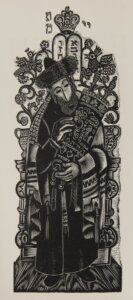
שאָר (1961-1904) איז געבױרן געװאָרן בײַ אַ חסידישער משפּחה אין זלאָטשאָוו, גאַליציע, און האָט אימיגרירט אין די פֿאַראײניקטע שטאַטן אין 1941. אין דער אויסשטעלונג געפֿינען זיך אַ פּאָר פֿון זײַנע אילוסטראַציעס פֿון The Earth Is the Lord’s — אַ פּאָפּולער בוך פֿון אַבֿרהם יהושע העשל פּובליקירט אױף ענגליש אין 1950. דאָס בוך פֿאַראײביקט דעם אָנדענק פֿון דער פֿאַרשװוּנדענער חסידישער װעלט, װאָס האָט געבליט במשך פֿון 200 יאָר אין מיזרח־אײראָפּע.
דזשעניפֿער מאַקאָמאַס, די אױסשטעלונגס־קוראַטאָרשע, האָט מיר דערצײלט אַז שאָרס אילוסטראַציעס רופֿן אַרױס טראַדיציאָנעלע פּאַפּירשניטן, װאָס ייִדן מאַכן שוין הונדערטער יאָרן לאַנג אין שײַכות מיטן יום־טובֿ שבֿועות. שאָר אַלײן האָט געשאַפֿן זילבערנע יודאַיִקאַ, אַזױ װי תּורה־קרױנען און קידוש־בעכערס, און זײַנע בילדער אין העשלס בוך באַװײַזן די השפּעה פֿון מעטאַל־װערק. די אילוסטראַציעס מאָלן אױס טעמעס אַזױ װי אַ רבֿ מיט אַ ספֿר־תּורה, מענער און ייִנגלעך װאָס טאַנצן עקסטאַטיש אין אַ שיל, און אַ ייִד װאָס לייגט תּפֿילין אױפֿן קעפּל פֿון זײַן קלײנעם זון. דאָ זעט מען שאָרס זכרונות פֿון דער פֿרומער חסידישער װעלט פֿון זײַנע קינדעריאָרן. די מאַסיװע, שװאַרץ־װײַסע פֿיגורן רופֿן אַרױס אַ פֿאַרשװוּנדן ייִראת־שמימדיק שטײגער לעבן.

רות װײַסבערג, וואָס איז געבױרן געװאָרן אין שיקאַגע אין 1942, האָט געטרױערט איבער אַ װעלט װאָס זי האָט נישט פּערזענלעך געקענט. אין 1971 האָט זי געשאַפֿן „דאָס שטעטל׃ אַ נסיעה און אַן אָנדענק“, אַ קינסטלערס בוך מיט נײַן בילדער װעגן דער אויסראָטונג פֿון מיזרח־אײראָפּעיִש ייִדיש לעבן. מאַקאָמאַס האָט מיר דערקלערט אַז װײַסבערג האָט זיך אינספּירירט פֿון אַ יזכּור־בוך געשאַפֿן פֿון איר באָבען פֿון דער מוטערס צד. „ווען זי האָט אַנטדעקט דאָס דאָזיקע יזכּור־בוך האָט עס ממש טראַנספֿאָרמירט איר לעבן און קונסט,“ האָט מאַקאָמאַס געזאָגט.
נאָך אַ װיכטיקער קװאַל פֿון ווײַסבערגס „שטעטל“ אַלבאָם איז געװען ביכער פֿאָטאָגראַפֿיעס פֿון פֿאַרמלחמהדיק ייִדיש לעבן ווי למשל „די פֿאַרשװוּנדענע װעלט“, אַ באַנד מיט 530 בילדער אַראָפּגענומען פֿון פֿאָטאָגראַפֿן װי ראָמאַן װישניאַק און אַלטער קאַציזנע, פּובליקירט פֿונעם פֿאָרװערטס־פֿאַרבאַנד אין 1947 (און װאָס איז אַלײן אין דער אױסשטעלונג). װישניאַקס „פּױלישע ייִדן׃ אַ בילדער-פּינקס“ פֿון 1947 האָט זי אױך אינספּירירט; װי אױך „הילצערנע שילן“, אַ פּױליש בוך פּובליקירט אױף ענגליש אין 1959, װעגן די אַלטע שילן װאָס זענען אַלע אָפּגעברענט געװאָרן פֿון די נאַציס. װײַסבערג האָט אָנגעהױבן מיט די דאָזיקע פֿאָטאָגראַפֿיעס און זײ איבערגעמאַכט.
למשל „נסיעה-1“ פֿון „שטעטל“ איז באַזירט אױף אַ פֿאָטאָ פֿון „הילצערנע שילן“. אַ שיל פֿאַרנעמט כּמעט דאָס גאַנצע בילד, אָבער ווערט געשילדערט װי אַ מיראַזש. דער הימל זעט אױס צעשמאָלצן פֿון פֿײַער אָדער פֿון אױפֿרײַסן. אין דער פֿאָדערגרונט איז דער דורכזעיִקער פֿיגור פֿון אַן עלטערער פֿרױ — אַ פּנים אַ פֿאַנטאָם אָדער געדעכעניש. לעבן איר שטײען עטלעכע שװאַרצע געשטאַלטן, אפֿשר פֿאַרברענטע בלומען אָדער שטעכלדראָט. אין „1938“ האָט װײַסבערג געניצט אַ פֿאָטאָגראַפֿיע פֿון װישניאַקס „פּױלישע ייִדן“. אין דער פֿאָטאָ גײן דרײַ מענער אין שװאַרצע מאַנטלען אין דער גאַס; אין װײַסבערגס באַאַרבעטונג זענען צװײ פֿון זײ נעלם געװאָרן. עס בלײַבט איבער נאָר דער שאָטנדיקער פֿיגור אױף די טרעפּ. עס האָט זיך שוין אָנגעהויבן די פֿאַרשװינדונג פֿון אַ פֿאָלק.
פֿראַנק סטעלאַ (2024-1936), אַ באַקאַנטער אַבסטראַקטער קינסטלער, איז געװען אַ קאַטױל פֿון מאַסאַטשוסעטס. מאַקאָמאַס האָט דערקלערט אַז דער ייִדישער אַרכיטעקט ריטשאַרד מײַער האָט געשאָנקען סטעלאַן אַן עקזעמפּלאַר פֿון „הילצערנע שילן“, װאָס האָט אינספּירירט סטעלאַס „פּױליש דאָרף“ סעריע פֿון 1974-1971 (נישט געקוקט אױפֿן װאָרט „פּױליש“ האָט סטעלאַ באַשטעטיקט אַז די װערק באַהאַנדלען צעשטערטע שילן). די סעריע באַשטײט פֿון 130 אַבסטראַקטע געאָמעטרישע געשטאַלטן. דאָ קען מען זען דאָס בילד „לונע“, װאָס איז אין דער אױסשטעלונג. לױט מעקאָמעסן רופֿן די הילצערנע פֿאָרעמס פֿון „פּױליש דאָרף“ אַרױס דאָס האָלץ פֿון די שילן, און די העלע קאָלירן דערמאָנען אין די פֿאַרביקע װאַנט־מאָלערײַען אינעװײניק.
די קונסטװערק פֿון שאָר, װײַסבערג און סטעלאַ היטן אױף דעם זכּרון פֿון אַ ברוטאַל פֿאַרטיליקטער קולטור, װאָס האָט געבליט אין מיזרח־אײראָפּע במשך פֿון הונדערטער יאָרן. „׳זכור׳ („געדענקט“) איז צװישן די יסוד־פּרינציפּן פֿון דער ייִדישער אמונה“, האָט מאַקאָמאַס געזאָגט. „די קינסטלער האַלטן מיט אָפּשײַ דעם דאָזיקן פּרינציפּ דורך קונסט. זײ מאַכן פֿאַר אומפֿאַרגעסלעך אַ װעלט װאָס איז כּמעט אָפּגעװישט געװאָרן.“
The post Exhibit: How the horror of the Holocaust impacted American artists appeared first on The Forward.
Uncategorized
‘Heil’ Mary? New Atlanta Falcons logo inspires Nazi comparisons
If there was something off about the logo the Atlanta Falcons unveiled on social media Wednesday, whoever runs their accounts did, uh, not see it.
Behind the black falcon graphic that began appearing on the football team’s helmets in the 1960s was a new background — a flag of red, tan, black and white vertical stripes. To thousands of people who responded to the logo, it looked distinctly German — in a 1930s kind of way.
“The Atlanta Falcons are preparing to invade Poland,” one fan wrote.
A day after its posting, the new profile picture had unleashed a deluge of Nazi memes in the 4,000-plus replies on X. One picture swapped in the logo for Nazi flags in the background of a historical photo of a Hitler rally. Another edited the Falcon claw to look like a Nazi salute.
Others depicted Hitler in a Falcons cap, references to Inglourious Basterds and the Battle of the Bulge and a World War II joke invoking a blown lead in Super Bowl LI.
“Falcons were up 28-3 at Dunkirk,” that tweet read.
The Falcons’ snafu enters a small but growing catalogue of Reich-coded brand mixups. Who can forget the German national soccer team’s ‘44’ soccer jerseys? There was also the swastika-emblazoned Hallmark gift wrap; the accidental Hitler mugs; and (for my money) the worst of the bunch, Zara’s concentration camp uniform shirt.
All of those have been addressed; so far, the Falcons’ has not. We’ve reached out to them for comment.
The post ‘Heil’ Mary? New Atlanta Falcons logo inspires Nazi comparisons appeared first on The Forward.
Uncategorized
Netanyahu’s Torah exemption pledge highlights election stakes
Sometimes a statement can contain multitudes, or at least provide a crystallizing moment in an election campaign. So it was when Benjamin Netanyahu, while criticizing the detention of about 40 Haredi draft evaders by military police at Ben-Gurion Airport this week, declared in a radio interview: “We need to protect the world of the Torah … But whoever doesn’t study must serve in the military.”
Netanyahu was effectively saying that yeshiva study should continue to be, as it has been under an informal arrangement, a free pass out of military service – and he went on to repeat a pledge to turn this into law. It is a position opposed by the overwhelming majority of Israelis.
The statement came amid such a calamitous two-week stretch for Netanyahu’s campaign leading up to the Oct. 27 election that it has some people joking that agents of the opposition might have infiltrated Likud headquarters and taken charge.
In a tragicomic episode, one of Netanyahu’s chief propagandists called leading opposition candidate Gadi Eisenkot – a former military chief who is of Moroccan Jewish background – a “monkey” who is under the control of Ashkenazi elites.
Yinon Magal, who has described himself as a vessel for Netanyahu’s messaging, made the comments on Channel 14, the pro-Netanyahu propaganda TV channel where he is the leading host. He later filmed himself explaining that the simian reference, in Israel’s mafia parlance, merely refers to a junior criminal who is a puppet of more heavyweight mafiosi. His clarification did little to stem the tide of criticism.
As Netanyahu awkwardly tried to distance himself, he also charged that opposition figures had used racist slurs, referring to a recent podcast interview with businesswoman Galia Albin in which she said his supporters are Mizrahis who plan to vote for him mindlessly.
Then came leaked comments (made last year) by Haredi Rabbi Dov Lando, leading spiritual leader of the Netanyahu-allied United Torah Judaism party – proclaiming that Zionism had brought disasters upon the Jewish people, that life under Arab rule would have been preferable and that religious Zionist soldiers were being killed because their rabbis taught them “distorted Torah.” Once again, outrage boiled over, and received mostly silence from the Likud.
Donald Trump’s enthusiastic endorsement of Netanyahu might have qualified as good news – but the U.S. president seemed to connect a Bibi reelection to a renewed assault against Iran. That rests on the dubious assumption that Israelis are eager for another few weeks (or more) in bomb shelters.
A punctuation mark arrived a few days later with reports, albeit unverified, that Netanyahu actually had planned to attack Iran earlier this month but was blocked by Trump. Many expected that scenario, which would have been interpreted as a gambit to delay, by dint of national emergency, an election in which he’s badly trailing in credible polls.
Polling is not available on every such twist and turn of the campaign, but decades of studying Israel and a nose to the ground tell me none of this is popular. And there is no question that most Israelis want to end the draft evasion by Haredim. Recent polls put support for that at 85 percent, which essentially means all non-Haredim.
The issue, as I have said before, is easily the most effective axe for the opposition to grind – because the current situation with the Haredim is utterly untenable.
Tens of thousands of Haredi men of military age remain outside the draft system, while soldiers and reservists from other communities carry an increasingly intolerable burden that has ,in many cases, reached hundreds of days a year.
Whether all those registered as yeshiva students genuinely study – a central question for some people – should be beside the point. Why should Torah study confer a privilege unavailable to Israelis studying physics, medicine, engineering or law? Why should one form of education exempt citizens from defending the country while every other form does not?
The consequences of the Haredi parties’ extortion extend far beyond the army. Israel has created an incentive system in which prolonged religious study preserves military exemptions, public subsidies and a way of life often characterized by economic dependence. Many Haredi educational institutions reject the core curriculum essential for participation in a modern workforce, even as the state helps finance them.
This is an extraordinary arrangement for a country whose security depends on its economic strength, and whose economic strength depends on scientific education, technological innovation and a highly skilled workforce.
Demography makes the issue existential. Haredim already account for roughly one-sixth of Israel’s population, and their exceptionally high birth rates – almost seven children per family on average – mean their share will continue to skyrocket. Unless patterns of education, employment and military participation change dramatically, Israel faces the prospect of an ever-smaller proportion of its citizens supporting and defending an ever-larger population.
The danger is compounded by the mobility of the people on whom Israel’s prosperity depends. Engineers, scientists, entrepreneurs and physicians have opportunities elsewhere. If enough conclude that the country’s trajectory has become irreversible, the resulting brain drain could be catastrophic.
Earlier this year, my friend Rabbi Hershel Grossman arranged for me to meet senior rabbis associated with the Mir and Hebron yeshivot. They were gracious and pleasant, but strikingly candid about their opposition to compulsory core education, military service and ordinary employment whenever these conflicted with Torah study. More troubling was their confidence that demographic change would eventually give their community decisive political power.
The necessary alternative is a comprehensive overhaul of the incentives governing Haredi education, military service and employment. Every child should receive a core curriculum. Young adults should perform military or meaningful national service, with appropriate accommodations for religious observance. Public funding should encourage economic participation rather than prolonged dependence.
Opposition parties promise various versions of such plans. None of this will be easy, and it will not be accomplished by dialogue alone. But the alternative is a version of national suicide. There is no question that – alongside accountability for Oct. 7 and the demand for an independent state commission of inquiry – the future of Haredi military service, education and economic participation belongs at the center of this election.
So why would Netanyahu effectively say that studying Torah should entitle an able-bodied young man to exemption from military service?
There are several possible explanations for this – and the rest of the parade of seeming political misjudgments.
One might be a calculated strategy of mobilizing the base through fear and resentment rather than persuading the center. This might be useful in various scenarios involving a messy outcome of the election.
The others might be overpowering hubris, a toxic contempt for the public or the myriad other pathologies that often accompany too long a time in power.
The post Netanyahu’s Torah exemption pledge highlights election stakes appeared first on The Forward.
Uncategorized
Tidbits: A publishing firm for Jewish writers excluded by mainstream publishers
Tidbits is a Forverts feature of easy news briefs in Yiddish that you can listen to or read, or both! If you read the article and don’t know a word, just click on it and the translation appears. Listen to the report here:
אין ניו־יאָרק איז די וואָך געגרינדט געוואָרן אַ פֿאַרלאַג פֿאַר ייִדישע און ישׂראלדיקע שרײַבער וואָס זאָרגן זיך, אַז זייער אָפּשטאַם אָדער מיינונגען קאָנען שטערן צום פּובליקירן זייערע ביכער.
לויט אַ סטאַטיסטיק פֿונעם מחבר מעג קין, איז בײַ די הויפּט־פֿאַרלאַגן, צווישן 2023 און 2024, געפֿאַלן מיט 76% די צאָל בעלעטריסטישע ביכער, וואָס דערמאָנען ייִדן, ייִדישקייט אָדער ישׂראל.
„הײַלײַן פּאָבלישינג סטודיאָ“, וואָס האָט דעביוטיִרט אין ענגלאַנד מיט אַ חודש צוריק, האָט געעפֿנט אַן אַמעריקאַנער צווײַג אין מאַנהעטן בײַ „פּאָרט סאַיִד“, דעם רעסטאָראַן פֿונעם וועלטבאַרימטן קוכער איל שני (עיאַל שאַני).
„הײַלײַן“ איז לאַנצירט געוואָרן דורך ניל בלער, דעם לאַנגיאָריקן ליטעראַרישן אַגענט פֿון דזשיי קיי ראָלינגס — דער שרײַבערין פֿון די האַרי־פּאָטער ביכער.
„איך האָב שוין פֿון לאַנג באַמערקט, אַז אַ צאָל שרײַבער קענען נישט געפֿינען קיין פֿאַרלאַג,“ האָט בלער געזאָגט. „נישט צוליב דער קוואַליטעט פֿון זייער שרײַבן אָדער אַ דוחק פֿון אָריגינעלע געדאַנקען, נאָר ווײַל זייער וועלטבאַנעם שטימט נישט מיטן קוקווינקל פֿון די פֿאַרלאַגן — אָדער אפֿשר ווײַל זייער משפּחה־נאָמען איז אַ ייִדישער אָדער ישׂראלדיקער.“
די פּראָבלעם, זאָגט ער, איז געוואָרן נאָך ערגער נאָך די טעראָריסטישע אַטאַקן פֿונעם זיבעטן אָקטאָבער, האָט בלער געזאָגט. ער האָט למשל דערמאָנט די שוועריקייטן בײַם געפֿינען אַ הויפּטשטראָמיקן בריטישן פֿאַרלאַג פֿאַר אַ בוך פֿון אלי שרבי (עלי שאַראַבי) וועגן זײַנע איבערלעבונגען ווי אַן ערובֿניק אין עזה — נישט געקוקט אויף דעם וואָס אין אַמעריקע האָט מען שוין געהאַט פֿאַרקויפֿט הונדערטער טויזנטער עקזעמפּלאַרן דערפֿון. צום סוף האָט זײַן בוך אַרויסגעגעבן אַ קליינער בריטישער פֿאַרלאַג, „סוויפֿט בוקס“.
„הײַלײַן“ וועט באַשטיין פֿון צוויי אימפּרעזומס: „אָדעסאַ עדישאָנס“ און „אַנטידאָט בוקס“. „אָדעסאַ עדישאָנס“, אָנגעפֿירט פֿונעם רעדאַקטאָר דזשעקי קלײַן, וועט דרוקן ייִדישע און ישׂראלדיקע בעלעטריסטיק און פֿאַקטפּראָזע אויף טעמעס פֿאַרבונדן מיט דער ייִדישער געשיכטע, אַנטיסעמיטיזם, פֿילאָסאָפֿיע, עסן און קולטור.
„אַנטידאָט בוקס“ וועט דרוקן פֿאַקטפּראָזע מיט אַ שייכות צו טעכנאָלאָגיע, עטיק, דעמאָקראַטיע, אידענטיטעט און מאַכט.
קלײַן האָט געזאָגט, אַז מע וועט אויך באַטראַכטן מאַנוסקריפּטן פֿון אַראַביש־ישׂראלדיקע און נישט־ייִדישע שרײַבער, וואָס זייער אַרבעט פֿאַרנעמט זיך מיט דער ייִדישער קולטור, געשיכטע אָדער געדאַנקען.
צו לייענען וועגן דעם אויף ענגליש גיט אַ קוועטש דאָ.
To read about this in English click here.
The post Tidbits: A publishing firm for Jewish writers excluded by mainstream publishers appeared first on The Forward.
