


Uncategorized
Why this congressional candidate is making attacks on AIPAC central to his campaign
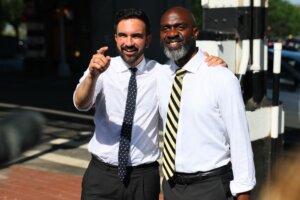
As criticism of Israel increasingly becomes a litmus test for progressive candidates seeking to define themselves against establishment Democrats, a New York congressional hopeful is making an attack on AIPAC central to his campaign. In doing so, he’s brushed aside his past support for the group and reversed earlier positions on the Israeli-Palestinian conflict.
Michael Blake, a former state legislator who ran for mayor in the Democratic primary, accused Rep. Ritchie Torres, a three-term pro-Israel progressive from the Bronx, of putting Israel’s military interests ahead of addressing his district’s affordability crisis; he also accuses Torres of being influenced by the American Israel Public Affairs Committee’s support. “Ritchie Torres cares more about Bibi than he cares about the Bronx, more about AIPAC than he does about your academics,” Blake said in his campaign launch video last week.
Polling shows AIPAC’s influence is increasingly unpopular among some mainstream Democrats. Last year, the group’s United Democracy Project super PAC spent $28 million in high-stakes Democratic primaries. That included more than $14 million, which contributed to the defeat of Rep. Jamaal Bowman, a strident critic of Israel, in an adjacent New York district. Congressional candidates, including some Jewish Democrats, have promised not to take contributions from AIPAC.
In an interview last week, Blake said he was emboldened by the victory of Zohran Mamdani, a democratic socialist, in the mayoral election and the support he received from voters in his district. A plurality of New York City voters said that Mamdani’s criticism of Israel resonated with them. Nearly half of Mamdani voters, 49%, said his position on the Gaza conflict was a factor in their support, according to a CNN exit poll. A recent poll by the progressive Data for Progress found that three of 10 voters in New York’s 15th congressional district, which Torres represents, dislike AIPAC. However, a majority, 53%, didn’t have an opinion.
Critics ridiculed Blake, a former vice chair of the Democratic National Committee and a former Obama administration official, for targeting AIPAC despite his own past support for the pro-Israel lobby, which included speaking at its events and annual policy conference and joining a 2010 trip to Israel. Blake has scrubbed most of his AIPAC and Israel-related content from his social media.
Some called the launch video — which included clips of social media influencers attacking Torres for his AIPAC support and defense of Israel — antisemitic. Noa Tishby, an author and activist who served as Israel’s special envoy for combating antisemitism and delegitimization of Israel, noted that the video featured Guy Christensen, an influencer who justified the murder of two Israeli Embassy staffers at the Capitol Jewish Museum in Washington, D.C., earlier this year.
Mark Treyger, head of the Jewish Community Relations Council (JCRC) of New York, said Blake’s campaign “further inflames an already inflammatory climate” in New York. “Hurling a bus-load of antisemitic tropes and platforming bigots who cheer antisemitic violence in a launch video is not the pro-humanity flex one thinks it is.”
Torres, who is endorsed by AIPAC, has since his election to Congress in 2020 been a vocal defender of Israel. He faced rising criticism from the party’s left and progressives for his support of Israel’s military campaign in Gaza, though his stance on the Israeli-Palestinian conflict is nuanced. Torres called for an end to the war in Gaza in July and said Prime Minister Benjamin Netanyahu’s leadership was causing “irreparable damage” to the U.S.-Israel relationship. He has a 63% favorability rating in the district and has more than $14 million in his campaign chest, according to a recent FEC filing. He was listed as one of “25 young(ish) new Democrats to watch in 2026 by New York magazine.
Blake is among several primary challengers to Torres in next year’s election. Benny Stanislawski, a Torres campaign spokesperson, said Bronx voters appreciate their congressman’s “laser-focused” work on issues like public housing and affordability and standing up to President Donald Trump, concerns where most Democrats are aligned.
Buoyed by Mamdani’s victory
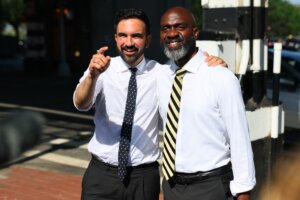
Blake, who also ran for mayor in the primary, cross-endorsed Mamdani days before the ranked-choice contest, while Torres withheld an endorsement, citing concerns of voters, including Jewish voters in the Riverdale part of the district, about Mamdani’s past statements and stance on Israel.
“Despite the constant negative barrage of information against Mamdani, he won the district,” Blake said.
Commenting on Mamdani’s victory, AIPAC PAC said in a fundraising email that his win “has galvanized the anti-Israel forces in America” and that the Jewish community “is being politically tested unlike ever before.”
By making AIPAC central to his challenge against Torres, Blake is betting that criticism about the lobby’s influence now resonates with a diverse, younger electorate.
Blake argued that AIPAC and Netanyahu no longer represent where most people stand and accused the incumbent of neglecting his own constituents. Speaking with reporters at the annual SOMOS conference of New York politicians in Puerto Rico on Friday, Blake claimed that Torres “has spoken about the governmental decisions in Israel 300% more than he has talked about poverty in the Bronx.”
An AIPAC spokesperson didn’t immediately respond to a request for comment.
Inconsistent about Israel
Blake traveled to Israel twice, once in 2014 with the JCRC and in 2017 with the AIPAC-affiliated American Israel Education Foundation. Both visits, he said, were eye-opening experiences. He told Jewish Insider during his congressional bid in 2020 that he saw parallels between his experience as an African American in the Bronx and the plight of the Jewish people in Israel.
Blake attended more than a dozen AIPAC events in the past decade, according to his now-deleted social media posts.
Since the Oct 7, 2023 Hamas attack on Israel, he has accused the Israeli military of spreading a “horrible and disrespectful lie” regarding the killing of aid workers in Gaza last April, and criticized a bipartisan House bill aimed at federally monitoring the rise in antisemitism on college campuses.
During his campaign for mayor, Blake also flip-flopped on whether Israel was committing genocide. In an interview with the Forward in May, Blake said that his genocide accusation in Oct. 2023 was the “wrong language to use.” He said his campaign had clarified that “the intent was never to state that the State of Israel was doing that.” In another phone interview after the Mamdani endorsement, Blake said he doesn’t agree with everything Mamdani has said on Israel. “I’ve always stated that Israel has a right to defend itself,” he said. In September, Blake reversed his position and posted on X, “Genocide is happening in Gaza.”
Last week, Blake insisted he never changed his position. “The question that gets asked to me, ‘Why did we state differently in the mayoral campaign?’” he said. “The only reason I said that is that people couldn’t hear you in these conversations. But we can’t ignore the pain.”
Assemblymember Simcha Eichenstein, an Orthodox Democrat from Brooklyn, said in a post on X that Blake presented himself to him during the mayoral campaign as “the most pro-Israel candidate.” Blake dismissed that characterization as “factually inaccurate.”
Blake said he supports an arms embargo on Israel, but would still support funding for the Iron Dome defense system. “I think we have to be attentive to the moment that we’re in right now,” he said. “That does not at all mean that you don’t believe in the security of Israel. But it just means we have to have a shift in some of the funding decisions.”
Asked if he’d seek the endorsement of the Democratic Socialists of America, Blake said he would, although the DSA had asked candidates seeking their support to pledge not to travel to Israel. In 2021, he called the local DSA chapter’s questionnaire about the issue “outrageous and antisemitic.”
“I am not determined on where I’m not going to travel,” Blake said. His spokesperson intervened and added, “There are plenty of DSA members who do not line up with the platform of DSA.”
Blake also demurred when asked whether, like the new mayor-elect, he supported the Boycott, Divestment and Sanctions movement. In 2016, Blake co-sponsored a resolution that rejects BDS. “There have to be actions that are being taken” against funding to Israel, he said. “And as people are considering what has to happen around funding, around BDS or anti-BDS, that is for them to make that own determination.”
The post Why this congressional candidate is making attacks on AIPAC central to his campaign appeared first on The Forward.
Uncategorized
How YIVO and Max Weinreich Americanized the Yiddish project
װי אַזױ האָט ייִװאָ געפֿונען אַ נײַע הײם אין אַמעריקע נאָכן חורבן? קלמן װײַזער (יאָרק־אוניװערסיטעט אין טאָראָנטאָ) דערצײלט די דאָזיקע דראַמאַטישע געשיכטע אינעם נײַעם בוך „ייִדיש־װיסנשאַפֿט קומט קײן אַמעריקע“.
לכתּחילה איז דער דערפֿאָלג פֿון ייִװאָ ניט געװען קיין זיכערער. װײַזער דערקלערט: „עס איז װײַט ניט געװען קלאָר פֿאַר די שטיצער און מיטאַרבעטער פֿון ייִװאָ אין די 1940ער יאָרן, צי אַן אָרגאַניזאַציע װאָסער ציל איז געװען צו באַדינען די אינטעלעקטועלע און קולטורעלע באַדערפֿענישן פֿונעם אַלװעלטלעכן ייִדיש־רעדנדיקן פֿאָלק קען זיך אײַנװאָרצלען אין די ביז גאָר פֿאַרשײדענע באַדינגונגען פֿון אַמעריקע נאָך דער מלחמה.“
פֿאַר דער מלחמה האָט ייִװאָ געהאַט אַן „אַמעריקאַנער אָפּטײל“ אין ניו־יאָרק. זײַן ציל איז געװען צו זאַמלען געלט פֿאַרן װילנער אינסטיטוט, כאָטש אײניקע זײַנע מיטגלידער האָבן זיך אָפּגעגעבן אױך מיט פֿאָרשונגען פֿון ייִדישער קולטור און געשיכטע — דער עיקר, אין מיזרח-אײראָפּע.
אָבער דאָס רובֿ אַמעריקאַנער ייִדן האָבן געהאַט אַ קנאַפּן אינטערעס צו ייִדיש און בכלל ניט געהאַלטן פֿון ייִדיש־פֿאָרשונג.
נאָכן חורבן איז ייִװאָ געשטאַנען אױפֿן שײדװעג: צו װערן אַ מין אַרכיװ געװידמעט דעם אַמאָליקן חרובֿ־געמאַכטן ייִדישן לעבן אין מזרח־אײראָפּע אָדער װײַטער צו אַנטװיקלען ייִדיש־װיסנשאַפֿט לטובֿת אַ ייִדישן המשך אין אַמעריקע.
װײַזער ברענגט דעם לײענער אַרײַן אין די הײסע װיכּוחים צװישן די מיטאַרבעטער פֿון ייִװאָ װעגן דער ריכטונג פֿון דער אַרבעט. יודל מאַרק האָט געהאַלטן אַז ייִװאָ דאַרף זיך אָפּגעבן דער עיקר מיטן חורבן־פֿאָרשונג, בעת אַמאָליקע בונדיסטן האָבן געטענהט אַז ייִװאָ דאַרף שטודירן דעם מצבֿ פֿון די ייִדישע מאַסן אין אַמעריקע.
מאַקס װײַנרײַך, דער אינטעלעקטועלער מדריך פֿון ייִװאָ, האָט געהאַט אַן אַנדערע װיזיע. ער האָט געגלייבט, אַז דאָס אַמעריקאַנער ייִדנטום איז מסוגל צו שפּילן די פֿירנדיקע ראָלע אין דער ייִדישער װעלט נאָכן חורבן. אָבער לױט זײַן מײנונג זײַנען די אַמעריקאַנער ייִדן ניט געװען גרײט אויף אַזאַ שליחות. און צוגרײטן זײ דערצו האָבן געדאַרפֿט די פּליטים פֿון מזרח־אײראָפּע.
לױט זײַן װיזיע, האָט זיך ייִװאָ געדאַרפֿט אָפּגעבן ניט סתּם מיט װיסנשאַפֿט, נאָר מיט „װיסן װאָס שאַפֿט“, דאָס הײסט, ייִדיש־װיסנשאַפֿט מוז דערמעגלעכן אַמעריקאַנער ייִדן אָפּצוהיטן זײער ייִדישן מהות און פֿאַרזיכערן ייִדישע המשכדיקײט.
דער שליסל צום דערפֿאָלג פֿונעם ריזיקן פּראָיעקט איז געװען די ייִדישע שפּראַך. ייִדיש האָט געדאַרפֿט דינען װי אַ בריק צװישן דורות ייִדן, אַ גײַסטיקע פֿאַרבינדונג צװישן דער אַלטער און דער נײַער הײם.
צוליב דעם, האָט װײַנרײַך געהאַלטן, דאַרף מען „אױסגױיִשן“ די אַמעריקאַנער ייִדישע אינטעליגענציע און העכערן דעם פּרעסטיזש פֿון ייִדיש אין דער אַמעריקאַנער אַקאַדעמישער װעלט.
אָבער ניט געקוקט אױף װײַנרײַכס באַמיִונגען איז ייִװאָ לכתּחילה פֿאַרבליבן אױף די ראַנדן פֿונעם אַמעריקאַנער ייִדישן הױפּטשטראָם און האָט באַקומען אַ קנאַפּע שטיצע מצד די גרױסע ייִדישע פֿילאַנטראָפּישע אָרגאַניזאַציעס. די באַציִונגען צװישן ייִװאָ און דער אַמעריקאַנער ייִדיש־סבֿיבֿה זײַנען אױך ניט געװען קײן גלאַטיקע.
די נאָרמאַטיװע ייִדישע כּלל־שפּראַך, װאָס ייִװאָ האָט געװאָלט פֿאַרשפּרײטן, האָט אַרױסגערופֿן קריטיק מצד אײניקע ייִדישיסטן. זײ האָבן געטענהט, אַז דער „ייִװאָ־ייִדיש“ איז װײַט פֿונעם עכטן נאַטירלעכן מאַמע־לשון.
אין זײַנע אַרטיקלען אין פֿאָרװערטס האָט יצחק באַשעװיס אױסגעלאַכט אַזעלכע נעאָלאָגיזמען װי „קדמן־ייִדיש“ און „בראשית־ייִדיש“, װאָס װײַנרײַך האָט צוגעטראַכט װי לינגװיסטישע באַגריפֿן פֿאַר פֿאַרשײדענע היסטאָרישע תּקופֿות אין דער אַנטװיקלונג פֿון דער ייִדישער שפּראַך.
אין תּוך איז דער קאָנפֿליקט צװישן ייִװאָ און די ייִדישע ליטעראַטן געװען אַרום דער פֿראַגע, „צו װעמען געהערט ייִדיש?“, דערקלערט װײַזער. דער ציל פֿון ייִװאָ איז געװען צו שאַפֿן אַ נאָרמאַטיװע שפּראַך, װאָס מען קען אױסלערנען װי מען לערנט אַנדערע פֿרעמדע שפּראַכן. אַזױ קען מען פֿאַרזיכערן דעם המשך פֿון ייִדיש אַפֿילו װען קײן לעבעדיקע ייִדיש־רעדנדיקער סבֿיבֿה איז מער ניטאָ.
די סאַמע געשפּאַנטע קאַפּיטלען אין דער געשיכטע פֿון ייִװאָ אין אַמעריקע דערצײלן װעגן דעם קאַמף פֿאַר צוריקבאַקומען די מאַטעריאַלן, װאָס האָבן אַ מאָל געהערט צום װילנער ייִװאָ.
טײלװײַז האָבן די נאַציסטן זײ געבראַכט קײן דײַטשלאַנד פֿאַרן אַרכיװ פֿונעם אַנטיסעמיטישן „אינסטיטוט פֿאַר פֿאָרשונגען פֿון דער ייִדן־פֿראַגע“”. נאָך דער מלחמה זײַנען די דאָזיקע מאַטעריאַלן אַרײַנגעפֿאַלן אינעם רשות פֿון דער אַמעריקאַנער מיליטערישער אַדמיניסטראַציע אין דײַטשלאַנד.
כּדי צוריקצוקריגן די דאָזיקע מאַטעריאַלן איז געװען אַ גװאַלדיקער אױפֿטו פֿון װײַנרײַך און זײַנע מיטאַרבעטער, צװישן זיי — לוסי שילדקרעט (דאַװידאָװיטש), װאָס האָט שפּעטער זיך קונה־שם געװען װי אַ חורבן־פֿאָרשערין. לױטן געזעץ האָט די אַמעריקאַנער מיליטערישע אַדמינסטראַציע געדאַרפֿט צוריקגעבן די געראַבעװעטע מאַטעריאַלן צו פּױלן אָדער סאָװעטן־פֿאַרבאַנד. אַן אַנדער פּרעטענדענט איז געװען דער העברעיִשער אוניװערסיטעט אין ירושלים.
װײַנרײַך האָט אױסגענוצט זײַנע קאָנטאַקטן אין די אַמעריקאַנער הױכע פֿענצטער און אין 1947 האָט ייִװאָ צוריקבאַקומען זײַנע מאַטעריאַלן. עס האָט זיך אים אױך אײַנגעגעבן פֿאָרצושטעלן ייִװאָ װי אַ יורש פֿון אַנדערע קולטורעלע אַנשטאַלטן אין װילנע, און ייִװאָ האָט אױך באַקומען די אוצרות פֿון דער סטראַשון־ביבליאָטעק און דער „ווילנער יידישער היסטאריש-עטנאגראפישער געזעלשאפט אויף דעם נאמען פון ש. אַנ־סקי.
דאָס צװײטע קאַפּיטל פֿון דער דאָזיקער געשיכטע איז פֿאָרגעקומען נאָכן פֿאַנאַנדערפֿאַל פֿונעם סאָװעטן־פֿאַרבאַנד אין די 1990ער יאָרן. דעמאָלט האָט מען אַנטדעקט אַ היפּשע זאַמלונג פֿון פֿאָנדן פֿון ייִװאָ אין ליטע, װאָס אַ ליטװישער ביבליאָגראַף האָט פֿאַרבאַהאַלטן אין אַ מאַגאַזין פֿון דער מלוכישער ביכער־קאַמער.
דאָס מאָל האָט ייִװאָ געדאַרפֿט פֿאַרהאַנדלען מיט דער רעגירונג פֿון דער ליטװישער רעפּובליק, װאָס איז אָקערשט געװאָרן אומאָפּהענגיק. סוף־כּל־סוף איז מען געקומען צו אַ פּשרה, און איצט קען מען נוצן די דאָזיקע מאַטעריאַלן אינעם דיגיטאַלישן פֿאָרמאַט.
װײַזערס געשיכטע פֿון ייִװאָ איז אַ געשפּאַנטע און באַלערעװדיקע לעקטור. מאַקס װײַנרײַך איז ניט געװען דער אײנציקער צװישן די אײראָפּעיִשע ייִדישע פּליטים װאָס האָט געפֿונען אַ נײַע הײם אין אַמעריקע און אױפֿגעבױט דאָ אַ הצלחהדיקעע קאַריערע. אָבער ער איז אפֿשר געװען דער אײנציקער, װעמען עס האָט זיך אײַנגעגעבן ניט נאָר ממשיך צו זײַן זײַנע אײגענע פֿאָרשונגען, נאָר אױך װידער אױפֿצובױען אַ גאַנצע װיסנשאַפֿטלעכע אינסטיטוציע אױפֿן נײַעם אַמעריקאַנער באָדן, װאָס פֿאַרבלײַבט אַקטיװ ביזן הײַנטיקן טאָג.
The post How YIVO and Max Weinreich Americanized the Yiddish project appeared first on The Forward.
Uncategorized
Hasan Piker causes new trouble for Democrats — especially in key Senate race
Hasan Piker, the popular pundit who most recently suggested American Jews are making themselves targets of violence by supporting Israel, may speak for far-left progressives, but he doesn’t speak for one of the movement’s highest-profile candidates in a closely watched swing-state race, the candidate said.
Dr. Abdul El-Sayed, the Michigan Democratic nominee for Senate, released a statement Monday saying he disagreed with Piker’s latest remarks and that he is opposed to “any rhetoric that puts the community at risk.”
“If Jews in America keep putting this idea out there that they are singularly invested in Israel, eventually someone is going to come around and take action,” Piker said during a Twitch stream on Thursday, “not against the state of Israel, mind you, but against American Jews.” He claimed American Jews who support Israel are bringing violence on themselves by tying their identity to what he called “Jewish ISIS.”
Piker added in an interview published Monday in Haaretz that, “I don’t think that me calling Zionism a Nazi ideology is fomenting violence towards Jews broadly. I genuinely don’t believe that.”
In Monday’s statement, El-Sayed sought to move past the controversy, shifting the conversation back to his campaign’s economic message as he remains in a close race with GOP nominee Mike Rogers. “While politicians and pundits try to make this race about a Twitch streamer, we’re going to be talking about gas, groceries, good schools and healthcare,” Sayed said. “Nobody speaks for this campaign besides me and my campaign spokespeople.”
Piker’s influence
The episode comes as Piker appears to be expanding rather than retreating from Democratic electoral politics.
He campaigned with El-Sayed and other insurgent progressives, including Adam Hamawy, a fierce Israel critic who served as a trauma surgeon in Gaza and won the Democratic primary in New Jersey’s 12th District. In Florida, Rep. Jared Moskowitz made Piker himself part of the closing argument against his socialist primary challenger, Oliver Larkin, whom Piker supported. After Moskowitz easily defeated Larkin, the Jewish congressman offered Piker his “condolences.”
On Monday, even as the controversy over his remarks about American Jews was unfolding, Piker used his Twitch platform to offer an exclusive look at new polling commissioned by the IMEU Policy Project, a pro-Palestinian advocacy organization, and conducted by YouGov among more than 4,000 likely Democratic primary voters in the six states picked as early contests in the 2028 Democratic presidential primary: South Carolina, Nevada, New Hampshire, New Mexico, Michigan and Virginia.
The results showed broad support among those Democratic voters for presidential candidates who commit to reducing U.S. aid for Israel. Piker commands an enormous platform among precisely the younger voters progressive candidates are looking to court. “These numbers are making it undeniable,” Piker said on the stream. “This is an issue that is untenable.”
Earlier in the stream, Piker said the backlash over the weekend has “been a lot” to endure. “I’m going to continue doing what I’m doing,” he added. “I’m not going to feel discouraged. I’m not going to stop saying the truth… someone has to do it.”
The risk for El-Sayed
For El-Sayed, separating himself from some of Piker’s comments but still embracing him reflects the difficult political balance he has been trying to maintain since narrowly winning the primary.
El-Sayed has struggled to build support among Jewish Democrats while holding on to the progressive and pro-Palestinian coalition that helped carry him through the primary. He has assured Jewish voters that his fierce criticism of Israel — and his political relationships with figures such as Piker — should not be seen as hostility toward Jews. “I love and revere Judaism and the Jewish people,” he said in a recent TV appearance. “My commitment to the well-being of the Jewish community, their safety, their children, their future in Michigan is the same commitment that I’ve got to the well-being of my own daughters and all of our kids,” he said in another interview on Sunday.
At the same time, he resisted calls to distance himself from Piker, who has been embraced by Democratic Party progressive candidates. He appeared with El-Sayed on the campaign trail even as Piker has championed terrorist groups as righteous fighters against Israel — leading to accusations he traffics in antisemitism. In a recent speech to college students, Piker blasted Democrats who “fund ICE” and “fund Israel.”
El-Sayed’s Republican rival has already begun courting those voters, launching a “Democrats for Rogers” effort and highlighting El-Sayed’s relationship with Piker.
Speaking to Fox News’ Jesse Watters on Monday night, El-Sayed said that Rogers “thinks he’s running against Hasan Piker.”
An AARP poll released this month had El-Sayed at 48% and Rogers at 47%. Jewish voters account for only about 1.4% of the state electorate, but the defections among Jewish Democrats could matter in a race that close.
The post Hasan Piker causes new trouble for Democrats — especially in key Senate race appeared first on The Forward.
Uncategorized
‘Have a problem, call the PM,’ says Netanyahu as he gives out his number in campaign video
(JTA) — TEL AVIV – Prime Minister Benjamin Netanyahu on Sunday posted what he described as his personal phone number and invited Israelis to contact him with their questions and problems.
It was an election-season stunt that drew such a flood of responses that the number’s WhatsApp account was blocked within minutes and those calling received a busy signal.
It also drew suspicions that it was a ploy to collect voter data.
In a video posted to social media, Netanyahu is seen with longtime adviser Topaz Luk, who asks the prime minister whether he can publish his phone number. Netanyahu initially reacts with disbelief, saying, “Topaz, have you gone crazy?” before agreeing.
“I want to hear from you. Your suggestions, your questions, your problems. I want to hear, so leave me a message,” Netanyahu said. He added that he could not promise to answer everyone but would respond to as many people as possible.
Hundreds of messages and calls arrived within minutes and the WhatsApp account associated with the number was blocked. Luk later posted on X that the account had been disabled because of the volume of calls and said Netanyahu’s team was working to restore it, directing people to Telegram in the meantime.
Kan political correspondent Michael Shemesh questioned whether the number belonged to Netanyahu at all and suggested on X that the exercise was “probably designed to harvest the phone numbers of potential voters.”
Other users pointed to another clue that the handset seen in the video was unlikely to be Netanyahu’s personal phone. One of the WhatsApp groups visible in Luk’s video was a synagogue updates group whose latest message appeared to back political rival Naftali Bennett, the former prime minister who now heads the Beyachad party.
“Something tells me that Bibi isn’t signed up to the ‘Menachem’s House Main Shul Updates’ group,” one X user wrote, “especially not when the latest message there is ‘yalla, it’s time for Bennett.’”
The Likud spokesperson had not responded to a request for comment on the accusations by the time of publication.
It was not the first time Netanyahu handed out what he presented as his personal number during an election campaign. In August 2022, little more than two months before the vote that returned him to power, the then-opposition leader published another number and invited Israelis to video call him.
“Why should only some people have my phone number? Everyone should have it,” Netanyahu said at the time, joking that the move was a “dramatic, world-changing decision.” He told supporters who sent proof they had joined his Telegram channel that they would have a better chance of receiving a video call from him.
The response was similarly intense. Likud said Netanyahu received 9,420 calls within the first 30 minutes, while follow-up videos showed calls and messages flooding the phone.
Netanyahu’s rivals mocked the stunt. Then-Finance Minister Avigdor Liberman released a parody video saying Netanyahu “has not picked up the phone in 12 years,” while Yair Lapid’s Yesh Atid dismissed it as a “fictional phone operated by Netanyahu’s aides.”
The episode comes as Netanyahu faces a difficult reelection campaign, with roughly 20% of voters remaining undecided, many of whom are disillusioned Likud voters, according to pollsters and researchers cited by Reuters.
A Channel 13 poll released earlier this month put Gadi Eisenkot’s Yashar party at 23 seats, ahead of Likud with 21, and Netanyahu’s current coalition projected to win just 49 of the Knesset’s 120 seats. Eisenkot also led Netanyahu 47% to 34% when respondents were asked who was better suited to serve as prime minister.
The phone-number appeal is the latest in a series of efforts to put Netanyahu directly in front of voters, including a blitz of highly publicized appearances. Last week, the prime minister visited a restaurant in Hadera, a Likud stronghold, where owner Simo Shtivi said his arrival was “like hoisting the World Cup,” as diners lined up for photos and a chance to speak with him.
Netanyahu also made a surprise appearance with his wife Sara at a concert by Israeli pop star Eden Ben Zaken. A few days earlier, he filmed a campaign video at Jerusalem’s Malha Mall meeting shoppers, including children. The Central Elections Committee later ordered the video removed because election law bars the use of children in campaign propaganda.
Likud also rolled out billboards showing New York City Mayor Zohran Mamdani alongside the leaders of Iran, Turkey and Hezbollah under the slogan, “They want Netanyahu to lose. Don’t let them win.”
This article originally appeared on JTA.org.
The post ‘Have a problem, call the PM,’ says Netanyahu as he gives out his number in campaign video appeared first on The Forward.
