


Uncategorized
Fire at Mississippi’s largest synagogue under federal investigation after arrest
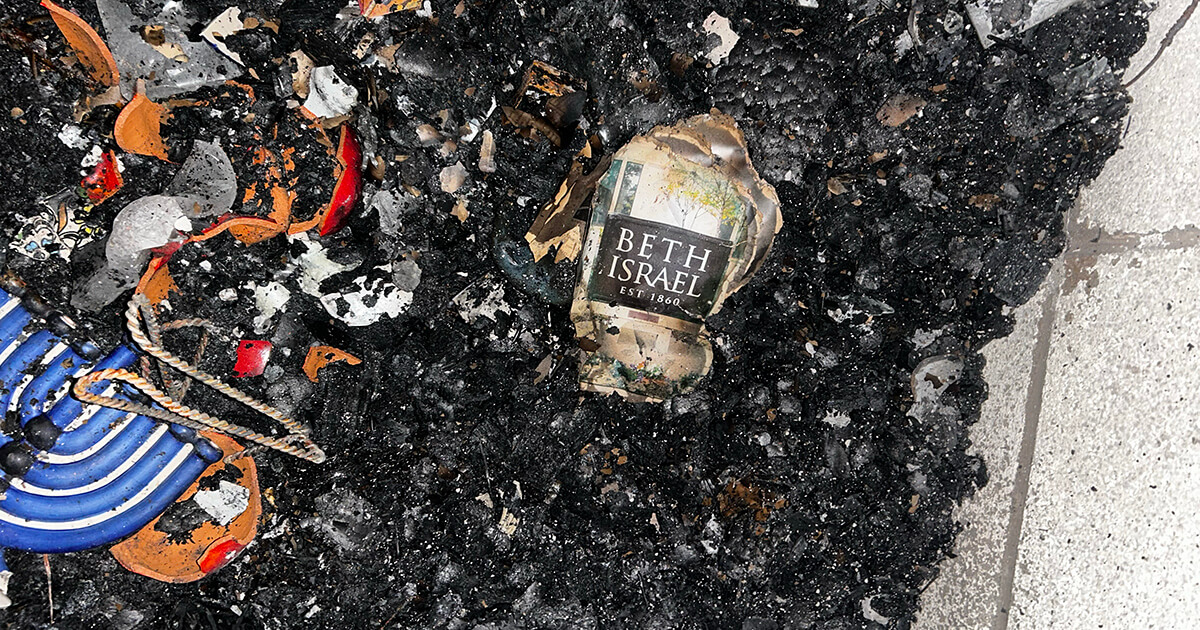
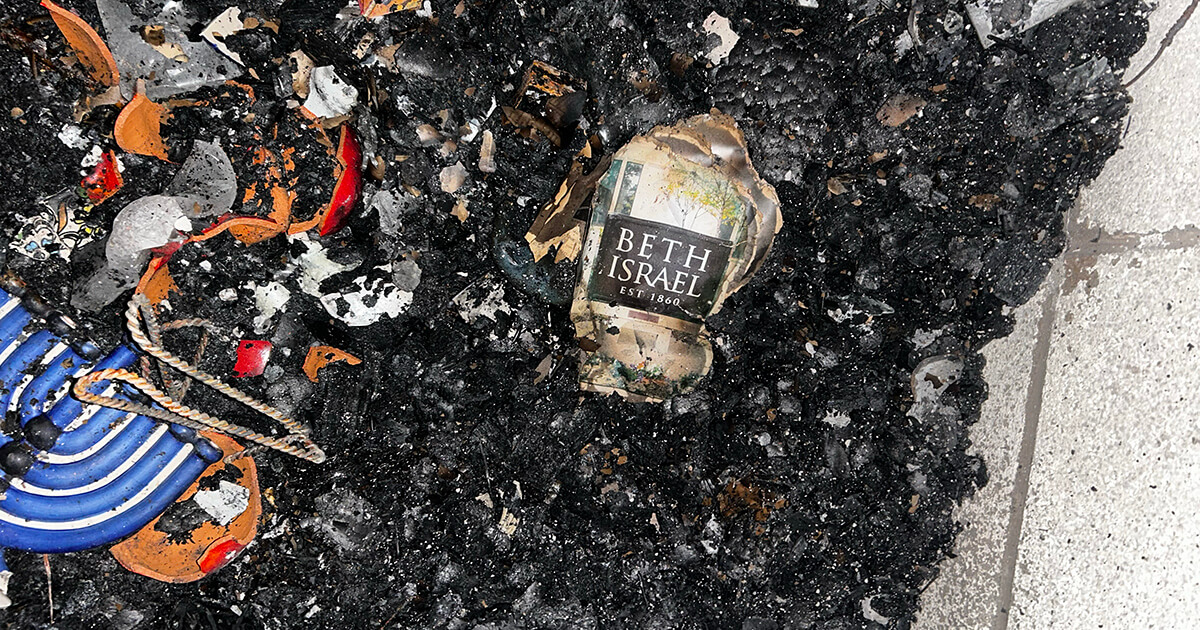
A suspect is in custody as authorities investigate a weekend fire that damaged Mississippi’s largest synagogue, which has been attacked before.
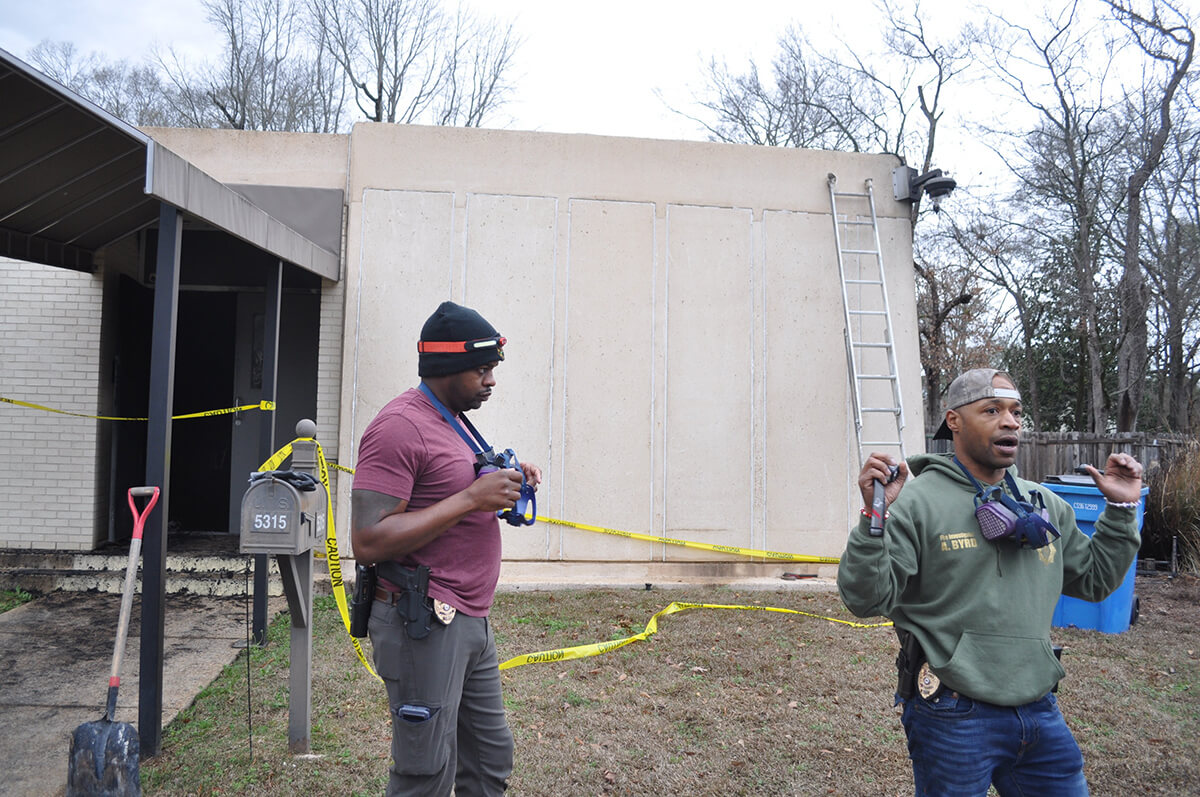
The fire broke out around 3 a.m. Saturday at Beth Israel Congregation, the only synagogue in Jackson, the state capital. Investigators said the blaze originated in the synagogue’s library, burning it and the offices. Soot and smoke damaged the rest of the building, including the sanctuary.
Two of the synagogue’s Torahs, kept in the library, were burned in the fire; another five in the sanctuary were damaged. An additional Torah, rescued from the Holocaust, was behind a glass case and survived the fire.
“At this time, we do have a person in custody for the fire,” said Division Fire Chief Charles Felton, who is overseeing the investigation. The arrest was made at about 8 p.m. Saturday, he said.
Felton said the FBI is now involved and is expected to pursue federal charges, including determining whether the fire qualifies as a hate crime. Local authorities made the initial arrest before federal investigators stepped in, he said.
A reporter who was inside the building before federal authorities secured the scene described extensive damage. Allen Siegler, a reporter with Mississippi Today, said the interior was “very dark and ashen.”
“It was wet — puddles of ashes,” Siegler told the Forward.
Jackson Mayor John Horhn said the fire was an attack not only on the Jewish community, but on the city itself.
“Acts of antisemitism, racism, and religious hatred are attacks on Jackson as a whole and will be treated as acts of terror against residents’ safety and freedom to worship,” Horhn said in a statement. “Jackson stands with Beth Israel and the Jewish community, and we’ll do everything we can to support them and hold accountable anyone who tries to spread fear and hate here.”
A congregation shaped by fire — and defiance
Beth Israel Congregation, which counts around 150 member families, has anchored Jewish life in Jackson since the Civil War, its history closely tracking both the growth of the city and the persistence of a small but visible Jewish community in Mississippi’s capital.
Founded in the early 1860s, the congregation built Mississippi’s first synagogue — a modest structure on South State Street that doubled as a schoolhouse. It burned in an 1874 fire, a common fate of 19th century wooden buildings, though the cause of the fire is not recorded. The congregation built a new brick structure on the same site, dedicated in 1875.
As Jewish families moved within Jackson, Beth Israel moved with them, relocating first to Woodrow Wilson Avenue and, in the 1960s, to its current home in northeast Jackson.
By the mid-20th century, Beth Israel had become the largest Jewish congregation in the state and a familiar civic presence in a predominantly Christian city — a visibility that brought both belonging and risk.
In September 1967, Ku Klux Klan members bombed the synagogue just weeks after the building was dedicated, damaging the rabbi’s office and library. The home of Rabbi Perry Nussbaum, a vocal supporter of the civil rights movement who had helped the Freedom Riders, was also bombed shortly afterward. No one was injured, and the congregation held High Holiday services in the building that same year.
Rabbi Valerie Cohen, who led Beth Israel from 2003 to 2014 and is now at Temple Emanuel Sinai in Worcester, Massachusetts, said the echoes between past and present were impossible to miss.
“The majority of the damage is in the same place as the bombing,” said Cohen, 54.
The fire felt especially disorienting, she said, because she had been inside the building just days earlier.
“That made this moment sad and surreal and awful,” Cohen said. “I was just there last Shabbat, officiating at a wedding for one of my bar mitzvah students from there that is all grown up now. I participated in the Torah study on Saturday morning in the library, led by their current spiritual leader.”
Cohen described Beth Israel as “very resilient throughout the years” and “very integral” to the Jackson community, noting that many non-Jewish residents know the synagogue through its longtime preschool and annual bazaar.
Despite the damage, congregants say Jewish life in Jackson will continue.
Tamar Sharp, 67, a member of Beth Israel since 2006, is scheduled to celebrate her adult bat mitzvah this coming Shabbat — even if it must be held in a borrowed space with a borrowed Torah.
“Absolutely,” Sharp said. “The show must go on.”
The post Fire at Mississippi’s largest synagogue under federal investigation after arrest appeared first on The Forward.
Uncategorized
How can Yiddish fans in Israel benefit from the growing Yiddish scene abroad?
דער הינטערגרונט
די באַציִונגען צווישן ייִדיש-אינסטיטוציעס אין ישׂראל און אין אַמעריקע איז אַ בכּבֿודיקע, אַקטועלע טעמע וואָס דאַרף הײַנט באַהאַנדלט ווערן מיט אַ פֿרישן צוגאַנג. אויף אַלע אַנדערע געביטן ווי זיכערקייט, ווירטשאַפֿט, געזונט און אַקאַדעמיע קאָן מען פֿעסטשטעלן אַז די אָ באַציִונגען זענען ברייט פֿאַרנעמיקע און מ׳קאָן אַפֿילו צוגעבן אַז די שטיצע פֿון אַמעריקאַנער ייִדנטום לטובֿת ישׂראל איז אין אַזאַ מאָס, אַז מ׳וואָלט זיך נישט געקאָנט פֿאָרשטעלן ווי אַ סך פֿון די אינסטיטוציעס וואָלטן פֿונקציאָנירט אָן דעם ריזיקן פֿינאַנציעלן אָנשפּאָר אויפֿן אַמעריקאַנעם ייִדנטום.
און ווי אַזוי זעט עס אויס אויפֿן געביט פֿון ייִדישע קולטור-באַציִונגען? וואָס שייך אַקאַדעמישע אויסטוישן און צוזאַמענאַרבעט אויף וויכטיקע אונטערנעמונגען אין אַמעריקע און אין ישׂראל איז דער מצבֿ אַ נישקשהדיקער. מע קאָן צוגעבן אַז דער תּחום נעמט אַריין אין פֿאַרלויף פֿון די יאָרן אַ פּאָר הונדערטער אַקטיווע אַקאַדעמיקער און אַוואַנסירטע סטודענטן.
ווען מיר טראַכטן זיך אָבער אַרײַן אין דער פֿראַגע, וואָס געשעט מיט דער ברייטערער געזעלשאַפֿט, איז דער מצבֿ אַ גאָר סטאַטישער. דאָס איז אַן אויסדרוק פֿון אַ גאָר באַגרענעצטער, לאָקאַליסטישער באַציִונג צו דעם פֿענאָמען פֿון ייִדישער קולטור אין אירע פֿאַרשידענע אויסדרוקן. אָט די פֿעסטשטעלונג איז גילטיק נישט נאָר לגבי אַמעריקע און ישׂראל, נאָר אויך לגבי אַ סך אַנדערע ייִשובֿים איבער דער וועלט. אין ישׂראל, אויסער דעם אָרטאָדאָקסישן סעקטאָר, זענען מסתּמא כּמעט אַ מיליאָן תּושבֿים אין די לעצטע פּאָר יאָר אַרײַן אינעם קרײַז פֿון ייִדיש-טעטיקייט אַ דאַנק דער אַקטיווער מעדיאַ, פֿייסבוק, פֿילמען און ייִדיש-קרײַזן. אַ ביסל אונטער דעם ראַדאָר, געניסט מען פֿון קונסט, הומאָר, כּלי־זמר-מוזיק. און די צאָל וואַקסט פֿון יאָר צו יאָר. קיין אַנקעטעס האָט מען ביז איצט, צום באַדויערן, נישט געפֿירט — דער עסטאַבלישמענט האָט קיין אינטערעס נישט אין אָט דער דערשײַנונג — און ס׳איז אַ שאָד, ווײַל אויב מ׳וואָלט געקאָנט באַקומען אָביעקטיווע באַווײַזן דערפֿון וואָלט מען געקאָנט נאָכפֿאָלגן די אָ פּראָצעסן און פּרוּוון ווירקן אויף זיי.
דער ברייטער, שוואַך אָרגאַניזירטער ציבור וואָס איז גענייגט צו ייִדיש, ווייסט אַפֿילו נישט, אַז אין 1996 איז אין לאַנד אָנגענומען געוואָרן דאָס געזעץ אויפֿצושטעלן „די נאַציאָנאַלע אינסטאַנץ פֿאַר ייִדישער קולטור“ וואָס איז גאָר טעטיק הײַנטצוטאָג, כאָטש, צום באַדויערן, מיט אַ מינימאַלן בודזשעט. דער דאָזיקער ציבור איז גלײַכגילטיק און כּמעט אין גאַנצן אומבאַוווּסטזיניק פֿון וואָס עס קומט פֿאָר אויפֿן געביט פֿון ייִדיש אין אַמעריקע און אַנדערע לענדער. ספּאָראַדיש, ווען די מעדיאַ גיט איבער וועגן אַ פֿעסטיוואַל, אָדער וועגן אַ קינסטלער וואָס האָט אַרויסגעגעבן אַ קאָמפּאַקטל, הערט מען עפּעס. אָבער דאָס איז אַ טראָפּן אין ים און מען ווייסט גאָרנישט פֿון דער וואַקסנדיקער, קוואַליטאַטיווער ייִדיש-טעטיקייט אין אויסלאַנד. ס׳איז לײַכט זיך פֿאָרשטעלן אַז אַזוינס געשעט אויך אין אַמעריקע און איבער אַנדערע קהילות. גאָר אַנדער איז דער מצבֿ לגבי דער טעמע פֿון חורבן, אָבער דאָס דאַרף נישט גערעכנט ווערן, ווײַל מיטן לערנען די געשיכטע פֿונעם חורבן באַנוצט מען זיך מיט אַ צאָל שפּראַכן ווי ענגליש, רוסיש, שפּאַניש, דײַטש וכדומה אָן זיך אָפּשצוטעלן און אַרײַנקלערן אין דער ראָלע פֿון ייִדיש, ייִדישער קולטור און אַשכּנזישן באַוווּסטזיין.
וואָס טוט מען כּדי צו פֿאַרבעסערן די לאַגע?
היות ווי כ׳בין אַ תּל-אָבֿיבער איז מיר לײַכטער אָנצוהייבן פֿון מײַנע אייגענע קאַנטן און פֿאָרלייגן אַן אַרבעטס-פּלאַן כּדי משפּיע זײַן אויפֿן ענגן, היגן לאָקאַליסטישן ייִדישיזם און פּרוּוון עס אויפֿלעבן. און די לייזונג איז אַ פּשוטע. וואָס מער די אינסטיטוציעס אין וועלכע כ׳בין טעטיק וועלן פֿאַרשפּרייטן ידיעות פֿון וואָס ס׳קומט פֿאָר אין דער ייִדיש-וועלט אין אַמעריקע און אַנדערע לענדער דורך אַלע קאָמוניקיר-מיטלען וואָס מיר האָבן, וועט דער עולם אין ישׂראל, דווקא דער טייל וואָס איז שוין נאָענט צו ייִדיש, אַנטפּלעקן פּלוצעם אַז מיר זענען אַ טייל פֿון אַ ברייטער און רײַכער ווירקלעכקייט. עס וועט אָפּשאַפֿן ס׳געפֿיל פֿון איזאָלאַציע און פֿאַרשטאַרקן ס׳געפֿיל פֿון אָנגעהעריקייט צו אַנדערע קהילות מיט טיפֿע אַשכּנזישע וואָרצלען (נישט נאָר דורכן חורבן.) תּכלית הייסט עס, מיר זאָלן אין ישׂראל פֿאַרשפּרייטן דעם פֿאָרווערטס, ווי אויך די פֿילצאָליקע פּראָגראַמען פֿון ייִוואָ, אַרבעטער-רינג, ייִדיש-בוך-צענטער אאַז״וו, נישט ווי עפּעס וואָס איז ערגעץ-וווּ ווײַט פֿון אונדז, נאָר ווי אַ ווירקלעכקייט וואָס געהערט צו אונדז. מיר נעמען אויף אַלע ייִדישע איבערלעבונגען פֿון אויסלאַנד און מיר ווילן אַז דער ישׂראלדיקער ציבור זאָל אויך געניסן דערפֿון.
שטעלט זיך די פֿראַגע, אין וועלכער מאָס וועט אָט דער צוגאַנג נישט זײַן אויפֿן חשבון פֿון אונדזערע אייגענע טעטיקייטן און ידיעות וואָס מיר מוזן כּסדר פֿאַרשפּרייטן כּדי צוציִען אַן עולם? מע דאַרף געפֿינען דעם גלײַכגעוויכט און לייזונגען כּדי דעם ים פֿון ידיעות זאָל זײַן אויסגעסדרט און דינען די אינטערעסן פֿון יעדן איינעם. צומאָל דאַרף מען זײַן אויסקלײַבעריש און געפֿינען די ריכטיקע מאָס און דעם ריכטיקן ווינקל פֿאַר יעדן תּוכן. דער פּועל-יוצא פֿון אַזאַ שפּאָגל־נײַער סטראַטעגיע וועט העכערן די נײַגעריקייט, די בילדונג און אַקטיוויזם פֿון אונדזערע אָרטיקע מענטשן. זיי וועלן וואַקסן אין צאָל און זיך אַנטוויקלען אויף אַ מער שעפֿערישן אופֿן. ס׳איז אַ סך עפֿעקטיוועער ווי זאָגן „ישׂראלים, זײַט נישט קיין פּראָווינציעלע ייִדישיסטן. ווערט גלאָבאַלע ייִדישיסטן.“ נאָר דאָס קאָן נישט זײַן. ס’קאָן נישט זײַן געצוווּנגען. מען דאַרף ברענגען אין מויל אַרײַן פֿון פּובליקום די אַלע צוציִענדיקע דערשײַנונגען וואָס קומען פֿאָר אין אַמעריקע און איבעראַל. אַזוי אַרום וועלן די ישׂראלים ביסלעכווײַז לאַנדן אויפֿן באָדן פֿון רעאַלן, לעבעדיקן ייִדישיזם פֿון אונדזערע טעג.
פֿון אַ שלל ידיעות ביז אַ בשותּפֿותדיקן הויפּט-באַגריף
אינפֿאָרמאַציעס און פּראָגראַמען זײַנען נישט גענוג. מע מוז אײַנפֿירן פֿרישע באַגריפֿן וועלכע סדרן אויס די אַלע דערשײַנונגען און גיבן זיי אַ ווערט פֿאַרן יחיד. ווען די אָפּנעמערס פֿון אַזוי פֿיל אינפֿאָרמאַציעס אין אייגן לאַנד און אויך פֿון אויסלאַנד וועלן באַגרײַפֿן די ברייטע דימענסיע אין וועלכער זיי טרעטן אַרײַן, וועלן די באַגריפֿן אַשכּנז, איר געשיכטע און ווערטן, פֿאַרוואַנדלט ווערן אין אַ ממשותדיקן יש וואָס יעדער איינער, וווּ נאָר ער געפֿינט זיך, קאָן פֿאַרקערפּערן אין דער טאָג־טעגלעכקייט. ס׳דאַרף פֿאָרקומען אַן אידענטיטעט-מעטאַמאָרפֿאָזע; אַנדערש וועט דער רעזולטאַט בלײַבן גאַנץ כאַאָטיש, אַפֿילו קאַרנאַוואַליש.
למשל, ס׳איז שיין וואָס דער ייִוואָ און אפֿשר אַ געוויסער אוניווערסיטעט לייגן פֿאָר דעם סטודענט און דעם אַלגעמיינעם ציבור פּרטימדיקע פּראָגראַמען וועגן דער אַשכּנזישער ציוויליזאַציע. פּרעכטיק! נאָר וואָס? די אָ פּראָגראַמען באַנוגעגען זיך דערמיט און ציִען נישט צו צו דער עיקר־פֿראַגע, וואָס טוט מען הײַנט מיט אָט דער ציוויליזאַציע? וואָס איז די אַחריות פֿונעם יחיד, פֿון דער משפּחה? ווי אַזוי גיט מען איבער דעם ייִדישן לשון צוזאַמען מיט אַ ברייט-פֿאַרנעמיקן געדאַנק וואָס ענטפֿערט אויף אַ סך פֿראַגעס, גיט אַ געפֿיל פֿון אָנגעהעריקייט און אינספּירירט צו נײַע, שעפֿערישע מעשׂים.
נאָך אַ ביישפּיל. דער אַרבעטער-רינג אין ניו-יאָרק, מיט אַלע זײַנע פֿיליעס אין פֿאַרשידענע שטעט, פֿירט דורך ערנסטע פּראָגראַמען זיך צו לערנען מאַמע-לשון, פֿײַערן יום-טובֿים און אויך, לויט זייער וועלט-אָנשויונג, אַנטוויקלט אַ געזעלשאַפֿטלעכן אַקטיוויזם וואָס שפּיגלט אָפּ די ווערטן און בירגערלעכע התחייבֿות כּלפּי דעם לאַנד וווּ ייִדן געפֿינען זיך. די דאָזיקע שטעלונג ווערט ליידער נישט דערגאַנצט מיט אַן ערנסטן אַקטיוויזם לטובֿת דער אייגענער ייִדיש-אַשכּנזישער אידענטיטעט. דעריבער איז זײַן השפּעה אויפֿן אַלגעמיינעם אַמעריקאַנער ייִדנטום זייער אַ באַשיידענער. אויך דער פֿאָרווערטס, וואָס שפּילט אַ צענטראַלע שליחות אין צונויפֿברענגען ענגלישע און ייִדישע לייענערס פֿון אומעטום, טוט עס אָן דעם ציל צו אַקטיווירן די רײַכע קוואַלן פֿון דער אַשכּנזישער אידענטיטעט. עס באַקומט זיך, ווי אַ האַלבע אַרבעט און מען מוז טראַכטן וואָס דאַרף דרינגענדיק געטאָן ווערן כּדי איר השפּעה זאָל וואַקסן און ווערן מער רעלעוואַנט.
אַ לעצטער בײַשפּיל. וואָס קאָן זײַן שלעכט, אויב דער YBC אין אַמהערסט וועט זיך פֿון צײַט צו צײַט דערלויבן איבערזעצן אויף ענגליש אויסגעקליבענע ווערק פֿון הײַנטיקע ייִדישע פּּאָעטן און שרײַבער פֿוֿן פֿאַרשידענע לענדער? פֿאַראַן אַ חשש צוליב די האָנאָראַרן וואָס מ׳וועט די מחברים דאַרפן צאָלן? כ’מיין אַז דער YBC איז שוין גובֿר געווען אויף מער ערנסטע, פֿינאַניעלע פֿאַרמעסטן. ס׳וועט אויך זײַן יושרדיק כּלפּי די מחברים וואָס זייערע ווערק ן זענען נישט זוכה צו קיין סטימול אָדער וועלכע-עס-איז סטיפּענדיע.
אויסווירקונג אויפֿן אַמעריקאַנער ייִדישיזם
אין מאָמענט ווען ייִדיש-אינסטיטוציעס אין אַמעריקע וועלן עפֿענען אַ פֿענצטער צו דאָס וואָס געשעט אויפֿן געביט פֿון ייִדיש אין ישׂראל און אין אַנדערע לענדער, וועט עס בהדרגהדיק פֿאַרבעסערן דעם מצבֿ און באַרײַכערן זייער אייגענע טעטיקייט. ס׳רעדט זיך נישט וועגן פֿאַרקלענערן איין פֿאָקוס אויפֿן חשבון פֿון צווייטן, נאָר גיכער וועגן שאַפֿן אַ נײַעם פֿאָקוס וואָס וועט נערן דעם נײַגער פֿון די אַמעריקאַנער ייִדישיסטן. דאָס וועט עפֿענען אַ ריזיקן פּראָצעס פֿון קעגנזייטיקייט. אַנדערש באַקומט זיך, אַז די הײַנטיקע ייִדיש-טעטיקייט באַקומט אַן עליטיסטישן פּראָפֿיל, און ווען מ׳ווענדט זיך שוין יאָ צו ברייטערע קרייזן פֿון דער באַפֿעלקערונג איז עס על-פּי-רובֿ מיטן פּנים צו דער פֿאַרגאַנגענהייט. הײַנט רעדט מען אָפֿט אין אַלגעמיינע, כּוללדיקע באַגריפֿן, נאָר ס׳איז נישט פֿאַראַן אַ קלאָרער אַדרעסאַנט, דאָס הייסט די אַשכּנזישע-אַמעריקאַנער ייִדן און וואָס דערוואַרט מען פֿון זיי.
די וואָרצלען פֿון אָט דער פּראָבלעמאַטיק ליגן אין דער טראַדיציאָנעלער אידעאָלאָגיע פֿון ייִדישיזם. היסטאָריש האָט זיך די אָ אידעאָלאָגיע אַנטוויקלט צוזאַמען מיטן באַגריף פֿון וועלטלעכקייט. די פֿירנדיקע כּוחות פֿון ייִדישיזם — בכלל, נישט נאָר אין אַמעריקע — האָבן זיך דערווײַטערט פֿון דער אָרטאָדאָקסיע און אויסקריסטאַליזירט אַן אידעאָלאָגיע וואָס שפּיגלט אָפּ ס׳ייִדישע לעבן זינט דער השׂכּלה ביזן סעקולערן ייִדישיזם וואָס הערשט הײַנט. און דאָס איז זײַן שוואַכקייט. דער כּוח פֿון דער אַשכּנזישער וויזיע שטעקט אין דעם, וואָס עס ברענגט צוזאַמען רעליגיע און וועלטלעכקייט, און שטיצט זיך נישט נאָר אויף מאָדערנאַ. דאָ ליגט דער הויפּט-מכשול וואָס באַשווערט די ייִדישיסטן זיך באַוועגן אויף די גאָר ברייטע שליאַכן פֿון אַשכּנז. אמת איז, אַז עס הערשט נישט הײַנט צווישן די ייִדישיסטן די אַקטיווע אַנטי-רעליגיעזקייט ווי אַ מאָל. אָבער דאָס מיינט נאָך נישט אַז ער האָט דערגרייכט די רײַפֿקייט צו אַקצעפּטירן אַלע טיילן פֿון ייִדישן קיום ווי זייער אייגענע קולטור־ירושה. אַ ייִד קאָן דערקלערן אַז ער איז אַ סעקולערער און דערצו אויך אונטערשטרײַכן די וואָגיקייט פֿון רעליגיע אין דער ייִדישער געשיכטע און אין זײַן הײַנטיקן באַוווּסטזיין.
דער ייִדישיזם אין אַמעריקע פֿאַרמאָגט שטאַרק אײַנגעפֿונדעוועטע אינסטיטוציעס. דאָך פֿעלט אים אַ ברייטער געוועב מיט פֿעדערלעך וואָס זאָל אים פֿאַרבינדן מיט ברייטע ייִדישע קהילות, סײַ אין אַמעריקע און סײַ איבער דער וועלט. ווען דער ייִוואָ איז אין ווילנע געשאַפֿן געוואָרן אין 1925 האָט ער פֿאַרמאָגט די העכסטע אינטעלעקטועלע כּוחות פֿון ייִדישיזם און גלײַכצײַטיק איז ער געווען געקניפּט און פֿאַרבונדן מיט הונדערטער קהילות איבער אייראָפּע. כּדי עפּעס ענלעכס זאָל איצט אויפֿקומען, מוז דער ניו-יאָרקער ייִוואָ אָנהייבן באַטראַכטן דעם מצבֿ אַנדערש, און צו דעם וואָס ווערט שוין געטאָן אויף די געביטן פֿון פֿאָרשונג, לימוד, השׂכּלה און קונסט, אַנטוויקלען אויך אַ סענסיטיווקייט צו אַלע געזעלשאַפֿטלעכע- און קולטור-דערשײַנונגען וואָס קומען פֿאָר אויפֿן געביט פֿון ייִדיש אין ישׂראל און איבעראַל.
לאָמיר האָפֿן אַז אַ נײַע דינאַמיק וועט זיך אין דער נאָענטער צוקונפֿט אַנטוויקלען און פֿון אַלע מעגלעכע ריכטונגען וועלן מיר זײַן עדות צו אַ גרויסן צונויפֿגאָס פֿון שטרעמונגען, און אַ מער אָנזעעוודיקער שעפֿערישקייט פֿון דער ייִדיש-קולטור אין אַ וועלט-מאָסשטאַב.
The post How can Yiddish fans in Israel benefit from the growing Yiddish scene abroad? appeared first on The Forward.
Uncategorized
The cancellation of Macklemore: A Yom Kippur reflection
In the Jewish calendar, this week is dedicated to reflection, introspection, and review of one’s thoughts and actions. The shofar has been sounded on Rosh Hashanah; Yom Kippur is on its way. Whether in traditional, theistic forms or less traditional, psychological ones, the Jewish tradition invites us to look inward.
It is in that spirit that I am reflecting on the latest tempest in the American Jewish teapot: the decision of billionaire Robert Kraft to ban the rapper Macklemore from performing at his stadium because of a statement he made onstage in support of Palestine — a decision echoed by other politically conservative stadium owners, which in turn caused superstar Ed Sheeran to boot Macklemore from his latest tour.
To be sure, this is hardly the most important chapter of the Israel/Palestine story. Just this week, bombs are still falling on Gaza, B’Tzelem released a must-read new report on Israel’s eliminationist policies in the West Bank, and an actual neo-Nazi is likely to win a seat in the Florida house of representatives. If anything, Macklemore’s cancellation will probably have a net-positive ‘Streisand Effect’ on his well-past-its-prime career.
But this relatively small controversy is nonetheless a fascinating prism on how we see differently, hear differently, and talk past one another on moral, political and ultimately spiritual matters of importance. And that has much to do with the themes of the Days of Awe.
My focus is not on who was right. Ultimately, I think Macklemore’s comments were lacking in depth and sophistication, but clearly not “hate speech,” which is how Kraft — the self-appointed macher of the widely-mocked ‘Blue Square’ anti-antisemitism campaign — described it. And I will explain why I believe that to be the case.
But I also don’t believe Kraft’s actions to be in bad faith. It is possible that he is simply using his wealth and power to ban political speech that he doesn’t agree with. And in practice, that is what he has done. But reviewing his comments, and those of friends of mine on social media, I am inclined to take Kraft and my friends at their word: that they experience Macklemore’s words as hateful. And because I disagree with that, I’m interested in why.
The rapper’s entire statement took two minutes. I encourage you to watch it now, since the tone and context are important, and since it’s faster to watch than to read:
A full transcript is here.
Two other bits of context, not present in the vieven if no such threat was present in that moment, video are relevant: First, images from the Gaza war were projected on a screen behind him, and second, back in 2014, Macklemore once wore a costume that looked, to many of us, like an antisemitic caricature, though he issued a persuasive (to me) and detailed apology, saying that this was not intentional.
In response, Kraft issued a (longer) statement saying that his venue, Gillette Stadium,
has a longstanding commitment to providing a welcoming environment for all guests and ensuring that events held at our venue do not provide a platform for hate speech. Based on Macklemore’s recent actions, material shared from the stage during Ed Sheeran’s shows in New Jersey, and a broader history of antisemitic rhetoric and imagery that we believe has been deeply offensive and hurtful to the Jewish community, we determined that his participation in the September 25th and 26th concerts at Gillette Stadium would cross that line.
Kraft added that his decision “is not about diminishing the suffering of innocent Palestinians or denying anyone the right to advocate on their behalf… but only sharing selective information and ignoring the actions of Hamas is not honest and only advances more divisiveness and hate… I would welcome the opportunity to sit down with Macklemore and discuss the facts, because ultimately our goal is the same — peace for all people, an end to suffering, and an end to all hate.”
I admit, my first response was amazement that any reasonable person could find what Macklemore said to be antisemitic. He spoke only about Israel’s actions, not its existence. He didn’t attack Zionism. He specifically distinguished between Israel and Jewish people. What more could he do?
Sure, the statement had its shortcomings. It didn’t mention Oct. 7 or condemn Hamas. It didn’t forcefully condemn antisemitism, or emphasize that strong criticism of Israel should not be taken out on Jews. The guy is a rapper, not a politician — even when he says nice things (e.g. the 2012 song “Same Love”), he’s often been clunky about it.
But hate speech?
Kraft didn’t really elaborate into what, exactly, ‘crossed the line’ for him. The best I can find in his statement is “only sharing selective information and ignoring the actions of Hamas is not honest and only advances more divisiveness and hate.” That seems preposterous to me. Maybe Macklemore’s statement was incomplete, but that doesn’t make it hate speech.
Others, in my own social media feed, have been more articulate. Echoing the statements of several prominent rabbis, some said that Macklemore’s uses of ‘apartheid’ and ‘genocide’ are themselves so inaccurate, extreme and vitriolic as to themselves be antisemitic. Others referred to the 2014 incident. Some even argued that saying ‘Free Palestine’ is equivalent to saying ‘Destroy Israel.’
To me, the most trenchant criticisms focused on context. Imagine, one person said, what it would be like to be a Jewish person in the stands, suddenly confronted with political speech that has been used to incite violence against Jews; even if no such threat was present in that moment, it’s easy to imagine being scared by it. One friend of mine pointed out that this wasn’t even Macklemore’s show; it was an opening act for Ed Sheeran, who is relentlessly apolitical. The comments would’ve been a surprise, even a shock.
These comments point to the real issue here, which is American Jewish pain and fear. And there are many sides to this experience.
On the one hand, I get it. I have personally experienced this sense of unsafety and exclusion in queer spaces where I have been confronted with much farther-left statements than Macklemore’s. I’ve heard calls for Zionists (whatever that word means) to be banned from my queer community, even expelled from queer spaces. I’ve heard (and written about) the most incendiary possible rhetoric directed at Israel, full of self-righteousness, certitude and rage. And I’ve seen a lack of accountability for the stochastic terrorism that language represents, including from the mayor of New York City.
On the other hand, I also know that the censure is one-sided. At the recent ‘Jewish American Summit,’ a speaker made wildly bigoted, anti-Muslim comments and was applauded by the crowd; no condemnation followed, even from the ADL, which cosponsored the event. Pro-genocide minister Itamar Ben Gvir shared an AI video of Palestinians being marched, concentration-camp-style, into an Israeli jail, where they emerge starved an emaciated; mission accomplished, Ben Gvir crowed. Crickets from the Jewish Establishment.
Mayor Mamdani was criticized for not marching in the Israel Day Parade, and then Bezalel Smotrich, who has unambiguously called for genocide against the Palestinian people, was welcomed by it. A relatively anodyne pro-Palestinian statement by a rapper is grounds for national cancellation, but calls for mass expulsion (or murder) by people without actual power are part of the ‘big tent.’
Some in the community have been clear on this: They are going to support the Jewish state because that is what good Jews do. So, yes, there’s a double-standard, they might reply, because one person is attacking us and the other is not.
Admittedly, there is ample Jewish textual support for this position. But there are plenty of proof-texts I can bring for the opposing point of view: that we must judge people fairly, that all humans are created in the image of the Divine, that being biased toward our own group is a shortcoming, not a virtue. And that when injustices are committed, even by those who are in our community, it is our duty to oppose them.
The Torah doesn’t say “justice, justice shall you pursue — except when it comes to Jews versus Palestinians.”
Most importantly, just because words can make us feel scared, angry, attacked, or unsafe does not mean that they constitute hate speech. This is what Kraft and others like him seem unwilling to see: that we can feel attacked without actually being attacked. That words can be painful but not hateful.
Admittedly, the ‘wokeness’ of the early 2020s has played a role in this confusion. At the peak of that period, we were told that impact mattered more than intent — that even if a comment were made innocently, if it caused someone to feel unsafe, it was deserving of censure. And then, in 2023, many Jews picked up the same thread. Sure, “From the River to the Sea” could be interpreted in a benign way (e.g. as wanting freedom for all people in the area) but if I hear it as a call for annihilating Israel and/or the Jews, then the phrase is hate speech.
But this principle was always misguided. People can say difficult, disagreeable, and wrong things without those things being actual hate speech. People may perceive threats without there being actual threats.
This is not unique to Israel/Palestine, or to politics. Fear and anger can block the better angels of our nature. I struggle with this every day; if there is one theme that recurs every Yom Kippur, it is working with anger and reactivity in my own life. Might that not apply to our public as well as our private lives? Is what seems like ‘righteous indignation’ sometimes just… indignation?
In fact, maybe some of the reason I feel unsafe is that I know that Israel has behaved in appalling and immoral ways, and I feel implicated by it. I grew up loving Israel, and it has been painful to watch its decline into vulgar, jingoistic and often racist ethno-nationalism. But that pain might not be a bad thing. On the contrary, it merits some reflection on the Day of Atonement.
As Yom Kippur insists, we can do better than reacting, half-unconsciously, to our emotional perceptions. As Viktor Frankl famously said,
Between stimulus and response there is a space. In that space is our power to choose our response. In our response lies our growth and freedom.
Teshuvah, the Jewish practice of ‘repentance’ and return, is designed to enlarge that space, to grow our capacity for freedom. We can do better, teshuvah insists.
I believe Robert Kraft, and many of my own friends, sincerely feel threatened by statements like Macklemore’s. I have felt similarly, at times, myself. But without more evidence (and one idiotic act in 2014 is not that), we owe it to one another and to the hope of a civil society to pause in that space between stimulus and response, and reflect on what is really being said.
What I see is a celebrity championing the cause of an oppressed population. He is misguided in various ways, but he is coming from a place of genuine concern, not bigotry. Would not the better response have been for Kraft to invite him into a conversation first, rather than campaign to have him banned across the country? Had Kraft done better here, might Macklemore also have done better in the future, even if the two continue to disagree?
This incident will likely not be remembered much in the future. It is less important than a single life lost in Gaza or Israel. But it is a window into how our human capacities and failings perpetuate cycles of conflict and miscommunication. On Yom Kippur this year, I’ll be reflecting on how I am part of those cycles myself, and how I can do better. I invite you to join me.
The post The cancellation of Macklemore: A Yom Kippur reflection appeared first on The Forward.
Uncategorized
Teen slashed in Brooklyn synagogue by fellow congregant
(JTA) — A 14-year-old boy was slashed on Monday evening inside a Brooklyn synagogue by a suspect the police called an “emotionally disturbed person.”
The 22-year-old suspect, Krybus Shimon, is a fellow congregant of Yeshiva Gevoah Toldos, an Orthodox synagogue in Borough Park, the New York Police Department said. He was taken into custody and charged on Monday with assault, reckless endangerment and criminal possession of a weapon.
The boy’s hand was slashed with a “cutting instrument” and he was treated by emergency medical services on the scene, police said.
The incident is not currently being investigated as a hate crime, and it’s not yet clear what led to the slashing.
Borough Park is one of the largest Orthodox enclaves in the United States, home to about 96,000 Jews, according to UJA-Federation of New York.
In January, the neighborhood was hit with a spate of antisemitic vandalism. Over 70 swastikas and the words “Adolf Hitler” were sprayed over two days across Gravesend Park, a playground in Borough Park. Two 15-year-old boys were arrested for the vandalism and charged with aggravated harassment and criminal mischief as a hate crime.
New York Gov. Kathy Hochul last week announced a record $70 million in security funding for houses of worship, schools, community centers and other nonprofit organizations that are vulnerable to hate crimes and attacks because of their ideology, beliefs or mission.
This article originally appeared on JTA.org.
The post Teen slashed in Brooklyn synagogue by fellow congregant appeared first on The Forward.
