



Features
The Torah on a Lost Dog: Hashavat Aveidah in a Modern Canadian City
A neighbour’s dog wanders into your yard on a Wednesday morning in May, dragging a leash and looking confused. You have a choice. You can close the door and assume someone else will deal with it, call the city, or take a photo, knock on a few doors, and try to find out where he belongs.
For most people in Winnipeg and elsewhere in Canada, that choice plays out in a flash of moral instinct rather than reflection. The hand reaches for the phone and the walk around the block begins. The neighbour, if it goes well, is at the door before lunch. The decision feels minor, but it matters more than it looks.
In Jewish tradition, the act of returning a lost animal sits at the centre of one of the oldest practical commandments in the Torah. Deuteronomy 22, near the end of Parashat Ki Teitzei, contains a passage that has become the foundation for an entire body of Jewish ethical law: “If you see your fellow’s ox or sheep going astray, you shall not hide yourself from them; you shall surely bring them back.” The verse goes on to extend this duty beyond animals to any lost property. “So shall you do with every lost thing of your brother’s which he has lost and you have found.” Then comes the line that has occupied rabbis for two thousand years: “You may not hide yourself.”
The Hebrew name for this mitzvah is hashavat aveidah, the returning of a lost thing. It is one of the more practical commandments in a tradition full of practical commandments, and the rabbinic literature surrounding it is unusually thick.
A small commandment with big implications
The reason hashavat aveidah occupies so much rabbinic attention is that, on closer reading, it sets a high ethical bar. The Talmud, particularly the second chapter of tractate Bava Metzia known as Eilu Metziot, devotes pages to questions a modern reader would immediately recognize. How long must you wait for the owner to claim the item? How hard do you have to look for them? What if the animal needs feeding while you search? What expenses can you recover, and what counts as fair? What if the item is too inconvenient to safely return?
The rabbis answer all of these. The answers are not always intuitive. The finder is obligated to feed and shelter the animal while looking for the owner. The animal must not be put to work for the finder’s profit. The owner, when found, repays reasonable costs but is not on the hook for unreasonable ones. If the search takes too long, there are procedures for what to do next, none of which involve quietly keeping what is not yours.
Underneath the legal detail is a moral assumption that is easy to miss in a hurried reading. The Torah does not say to return the animal if it is convenient. It explicitly forbids the act of hiding yourself, of pretending you did not see, of crossing to the other side of the street. The commandment is as much about the person who finds as it is about the animal that is lost.
What this looks like in 2026
Most people who encounter a stray dog in a Winnipeg neighbourhood today are not thinking about Bava Metzia. They are thinking about whether the dog is friendly, whether they should call the City, whether they have time. The instinct to help is usually present. The question is what to do with it.
The practical infrastructure for hashavat aveidah in this country has changed considerably in the last decade. A finder in Winnipeg in 2026 has access to a regional humane society, a network of local Facebook groups, neighbourhood newsletters, and a handful of national platforms that gather sightings and missing-pet alerts across more than 180 Canadian cities. The mechanism is straightforward. A clear photo and a location pin can reach the right owner within hours when the system works, which it usually does.
The most underused of these resources, in any community, is the simple act of posting a sighting. Many people who find a stray feel they need to first catch the animal, find it food, take it home, or in some way solve the problem in full. The rabbis would actually disagree with that framing, and so does modern pet-recovery practice. The first responsibility is to make the sighting visible. The owner is almost certainly already looking. The finder’s main job is to surface what they have seen.
For people in Winnipeg looking for a place to start, a practical guide for what to do when you find a stray walks through the basic steps. Take a clear photo, note the cross-streets and time, check for a tag, and post the sighting where local owners will see it. The work is small. The effect, on the owner who has been awake for two nights and then sees a photo of their dog with a phone number underneath, is much larger than the work itself.
The ethical centre of the commandment
There is a strain of Jewish thought that reads hashavat aveidah as a kind of training in noticing. The deeper commandment goes beyond returning what is lost. It asks the finder to be the kind of person who sees what is lost in the first place, who does not cross to the other side of the street, who does not pretend not to have noticed.
That reading lines up with another Jewish ethical concept that often gets paired with this one: tza’ar ba’alei chayim, the obligation to prevent unnecessary suffering to animals. The Talmud derives this principle from several places in the Torah, including the rest commanded for animals on Shabbat. The two principles overlap in the case of a lost pet. The animal is suffering. The owner is suffering. The finder is, briefly, the only person in the position to do anything about it.
In a small way, the entire Canadian volunteer ecosystem around lost pets, from neighbourhood Facebook groups to national platforms to the dog walker who recognizes a posted photo, is an example of this ethical structure in action. People do not necessarily think of it in those terms. The framework is there anyway, doing its quiet work.
A community-scale point
Winnipeg’s Jewish community has always understood itself as a network of responsibilities to others, the kind that get described as chesed when they are visible and assumed when they are not. The work of returning a lost animal sits comfortably in that frame. It is not heroic, does not make the bulletin, and is exactly the kind of small obligation that knits a community together when nobody is paying attention.
The dog in the yard on a Wednesday morning in May, leash trailing, is one version of the question Deuteronomy asks. The answer, then and now, is the same. Do not hide yourself.
Features
What Makes an Online Gaming Platform Transparent and Trustworthy?
Online gaming has become a familiar part of Canadian entertainment, bringing together people who enjoy everything from competitive esports to casual multiplayer games. What began as a relatively small industry has developed into a major part of the country’s digital economy, with Canadian studios creating games enjoyed around the world.
As gaming platforms continue to expand, players have become more interested in the services behind their favourite titles. The quality of the gameplay still matters, naturally, but so does knowing how a platform operates, what information it collects and what customers can expect when creating an account or purchasing digital content.
Transparency begins with clear information
A trustworthy gaming platform should explain its services in language that customers can understand. Subscription charges, optional purchases, account settings and the conditions attached to digital products should be available before anyone makes a decision.
Canadian consumers are already familiar with similar expectations in other online services, including streaming subscriptions, digital marketplaces and mobile applications. Different industries operate under their own requirements, but providing accessible information remains an important part of building public confidence.
Canada’s approach to digital entertainment also reflects the country’s broader regulatory structure. Consumer privacy, commercial transactions and entertainment services can involve different federal or provincial requirements, depending on the activity. A similar approach can be seen in other areas of digital entertainment, where clear rules help customers understand how different services operate. The framework outlined in the guide to Canadian gambling regulations, for instance, shows how provinces establish their own requirements and standards, providing a structured environment for entertainment services across Canada.
Although these regulations concern a different industry, they demonstrate how Canadian digital services can operate within clearly defined frameworks. For ordinary video gaming platforms, transparency is more directly reflected in understandable terms of service, clear payment information and accessible privacy policies.
Canada’s growing gaming industry
Canada has developed a substantial video game industry, with studios operating in Montreal, Toronto, Vancouver and other cities. According to a September 2025 report by Statistics Canada, the country’s video game industry has experienced significant growth, with the number of gaming companies more than doubling from 775 in 2013 to 1,628 in 2022, contributing to Canada’s expanding technology sector.
This popularity extends beyond commercial gaming. Online tournaments, multiplayer communities and gaming clubs have also become ways for people to connect through shared interests. Jewish community initiatives such as Lost Tribe Esports have demonstrated how gaming can bring geographically separated participants together through organised activities and friendly competition.
The growth of these communities has made the quality of digital platforms increasingly important. Clear rules, understandable account settings and reliable communication can help create an environment where people feel comfortable participating.
Privacy and account protection matter
Creating an account is now a routine part of online gaming. Many platforms allow customers to save progress, maintain friends lists, participate in multiplayer sessions and access purchased content across several devices.
These features involve managing personal information, making privacy policies an important consideration. The Office of the Privacy Commissioner of Canada provides guidance on meaningful consent, encouraging organisations to explain what information they collect, why they need it and how it may be used.
For gaming services, these principles can be reflected in straightforward account controls, understandable privacy notices and clear explanations of optional features. Players should be able to review their preferences without having to search through complicated menus.
Building confidence through community
Online gaming is also a social activity, particularly in multiplayer titles where participants regularly communicate and cooperate. A welcoming community depends partly on the tools provided by the platform, including moderation features, community guidelines and accessible support channels.
These considerations are relevant to Canadian gaming communities of all sizes, from local esports clubs to international networks that help people maintain connections across considerable distances.
Good platforms also communicate changes clearly. When a game introduces new features, updates its subscription options or adjusts its community guidelines, providing accessible explanations helps customers understand what has changed.
Ultimately, trustworthy online gaming services are built through everyday practices rather than impressive promises. Clear information, reliable account features, reasonable community standards and transparent policies all contribute to a positive gaming experience.
As Canada’s gaming industry continues developing, these qualities can help ensure that digital entertainment remains accessible, enjoyable and welcoming to the diverse communities that participate in it.
Features
The Residences at Linden Pointe – Winnipeg’s newest retirement community for the 55+ crowd

By BERNIE BELLAN Situated in the beautiful neighbourhood of Linden Pointe, The Residences of Linden Pointe, which will soon be opening in 2027, is now accepting reservations for tenancy.

Located just one block south of McGillirvay Boulevard and just a short distance from Kenaston Boulevard), The Residences will provide a host of amenities included with the rent that are sure to appeal to individuals and couples who want to enjoy their retirement years in stylized comfort.


Here are just some of the services that will be included with the rent:
• Restaurant-Style Dining
• Movie Theatre
• Resident Fitness Room
• Game, Art, and Activity Spaces
• Salon and Spa Services
• Housekeeping
• Utilities Included
• Cozy Resident Lounge and Social Areas
• Secure Storage Lockers
• Outdoor Patio and Garden Spaces
• Pet Friendly w/ Dog Wash Station
• Underground Parking
• In Suite Laundry
• Full Kitchens


As the information brochure for The Residences explains, it will be “redefining retirement living in Winnipeg. Our vibrant community aims to offer the perfect balance of modern features and warmth, where active adults can fully embrace the freedom of independent living. At The Residences, you’re free to enjoy the amenities, activities, and community knowing that a helping hand is always nearby if you need it.”
With a choice in suites, from junior suites to 2 bedroom units, The Residences will be attractive for both singles and couples.





But, in case you thought The Residences would be somewhat akin to a nursing home, the truth is it will be far from that. “Independent Living is designed for active, self-sufficient seniors who want a lifestyle with fewer responsibilities — not medical care. At The Residences, independent living is finding an engaging community and living your best life now with all of the amenities to give you more time and freedom.”
With many built-in social activities, clubs, and shared spaces to help people make friends, The Residences will be a true community.
To read more about what The Residences will have to offer you can call: 431-778-4636.
You can also click on this pdf (or download it to make it full size):
Features
What Happens in Poker When You Tie? Split Pots Explained
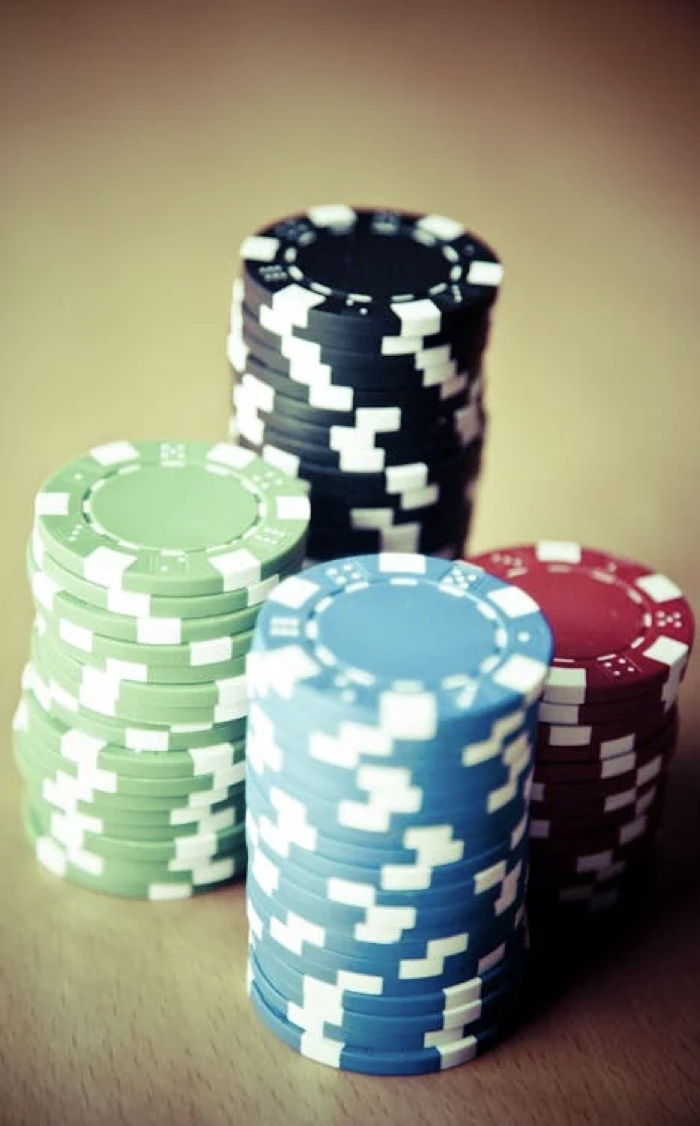
Learn what happens when poker players tie, how split pots work, and which rules determine the winner when hands have the same value.
Ties have gone by the wayside in team sports. The NFL and NHL have done their best to make sure they never happen, too. The same cannot be said for poker. On occasion, people with the same hands tie. So, what happens in poker when you tie?
How Does a Split Pot Work in Poker?
Poker tie rules result in players with equal ranked winning hands leading to the pot being split. It can also see three players with the same hand and the result is each player gets a third of the pot. It is that simple. Two people tie and the pot is 50-50. Three and it is a third to each
How Kickers and Hand Rankings Break a Tie
When thinking about a split pot in poker, kickers play a part of each player’s best five-card hand. That means building the best five-card hand you can. So say both players have a pair of 8s. What happens? It isn’t so a poker straight tie breaker because you can then check what the other three cards that comprise the players’ hands are. The player who has the stronger hand of the remaining three cards would win the pot.
An example of how a kicker would not play into a decision is when players have a straight. If they both have the same straight, that would end the hand in a tie. You don’t go any deeper than the top five.
Make sure to check out BetUS poker variants before starting to play for serious cash when you’re going to play online poker for real money.
How Does a Poker Game End When Players Tie?
A tie at the end of a hand differs from what happens should a tournament end in what could or would be considered a deadlock. Should tournaments end in a tie, the players would split the combined pot for the position. So, if players wind up tied for seventh (and eighth), they would share the combined pot for those positions. If two or more players are tied or agree to stop playing at the end of a tournament, they can decide together to split the prize pool. There can be an even split or if the players agree to the terms, it can go to whatever percentage of chips each has left.
There are poker rules, and some consider it standard that if two or more players are eliminated in the same hand, the one that started it with more chips would finish higher. This would be contrary to the splitting of the two positions but it can happen. Another level of ties in tournaments that can be factored in are seat position.
One has to understand all the rules and ramifications before sitting down to play at a poker table whether a game or tournament.
Can the River Card Turn a Winning Hand Into a Tie?
The turn and river in poker can be key cards in the way a hand plays out. The question is: Can the river wind up leading a hand into becoming a tie? The answer is yes. The river is the last community card and it can often be decisive. It can change a winning hand for someone into a losing hand or a tie. The same can be said on the flip side as the river can deliver the winning card for someone who appeared to be in a losing position.
Which Cards Matter When Both Players Have the Same Pair?
When both players have the same pair, the next three cards in their hands would make the difference in who wins the hand. So if someone has a pair of Kings and 7-8-9 and the opponent has kings and 8-9-Jack, the latter’s hand would be considered stronger because the Jack is a higher card than the nine the former has as their top card outside the Kings.
Can this get sticky and thicket-like, sometimes? Yes, but the reality is that the stronger overall five-card hand is the one that is considered the winning hand; unless they are absolutely equal, like having the same cards in a straight or, in a rarer occurrence, a flush, they will not be considered a tie.
FAQs
Can a poker game end in a tie?
Yes, a poker game can end in a tie. If that happens, then the players would either decide how to split the overall pot, or there would be rules that were set before the game or tournament starts.
Who wins a two pair tie?
A two-pair tie would go to the player whose fifth card is higher. If the fifth cards are equal, the hand would be a tie and then the pot split.
How is a split pot divided in poker?
A split pot is divided equally among the players involved in the tie, whether two-way, three-way, etc.
