



World Views
Syrian Authorities Claim Foiling Major Terror Plot Targeting Vital Homs Oil Refinery

Syrian security apparatus has announced the apprehension of individuals linked to the Lebanese Iran-backed group, Hezbollah, in connection with a planned attack on the critical Homs oil refinery. According to state news reports, internal security forces successfully intercepted explosive devices intended for use in the sophisticated operation. The seizure of these materials underscores the ongoing internal security challenges facing the nation, particularly concerning threats posed by foreign militant entities.
The Scope of the Security Threat
The Homs facility is recognized as one of Syria’s principal fuel processing centers, serving as a vital supplier of energy to the country’s domestic market. The alleged plot to strike this infrastructure highlights the strategic nature of the threat. While official statements confirmed the arrest of members of the cell and the recovery of weaponry, details regarding the precise number of detainees or the exact timing of the intelligence gathering were not disclosed by the authorities. This development adds another layer of complexity to the already volatile political landscape of the nation.
Geopolitical Tensions Escalate
The accusation of involvement by Hezbollah comes amidst a sharp deterioration in relations between the militant group and the Damascus regime following the political transition that occurred in late 2024. Historically, Hezbollah fought alongside the government forces during the nearly fourteen-year civil conflict. However, since the change in leadership, Syrian officials have leveled a series of serious allegations against the organization. These claims encompass activities such as arms smuggling, planned acts of violence, and rocket fire targeting Syrian territory.
Denials and Diplomatic Fallout
Hezbollah has issued a formal response to the Syrian government’s claims, categorically denying any involvement in the alleged plot. The group reiterated that it maintains no operational presence within Syrian borders and is not engaged in any actions that could destabilize the country’s security and stability. The incident reflects the deep mistrust and political schisms that have developed since the political shift. The Syrian security forces maintain that the threat is real, while the militant group insists that the accusations are unfounded, fueling a cycle of mutual accusation and escalating regional tension.
Outlook for Regional Stability
The successful thwarting of the refinery attack, if confirmed, represents a significant victory for the Syrian state’s security services. Nevertheless, the persistent threat of external actors attempting to destabilize critical infrastructure remains a profound concern. The event serves as a stark reminder of how deeply intertwined internal security challenges are with broader regional geopolitical dynamics, demanding continuous vigilance from both domestic and international observers.
World Views
Diplomatic Deadlock Persists as Iran-US Tensions Mount Amid Heightened Regional Risk

Despite intensive efforts by regional mediators, the diplomatic gulf between Tehran and Washington remains vast, suggesting that the conflict between Iran and the United States is far from resolution. Senior Iranian officials have confirmed that negotiations are stalled, even as Qatar ramps up its mediation efforts in a bid to prevent a major escalation following recent U.S. midterm elections. The volatile situation has been compounded by recent military actions, including ‘defensive’ strikes conducted by American forces targeting Iranian missile systems on Qeshm island.
The Impasse: Demands Versus Diplomacy
Qatari representatives recently traveled to Tehran to discuss a draft agreement, but the talks have hit a significant roadblock. According to unnamed Iranian sources, the nation’s prerequisites for reaching an agreement—such as the lifting of oil sanctions, the cessation of the U.S. naval blockade, and the release of frozen national funds—have not been adequately addressed by Washington. Mohsen Rezaei, a high-ranking security council secretary, publicly stated that the U.S. response to Iran’s requests was ‘not convincing,’ demanding that Washington fully and explicitly address all seven of Tehran’s conditions.
The Iranian position is uncompromising: the reopening of the Strait of Hormuz hinges entirely on the fulfillment of these demands. Officials cautioned that nuclear discussions could only commence after these foundational issues were resolved, rejecting what they termed ‘excessive demands’ from the American side.
Escalation Risk and Military Posturing
Tensions remain critically high, with U.S. President Donald Trump renewing threats of possible military intervention. Simultaneously, Tehran has adopted a hardline stance, warning that any American strike would elicit a ‘forceful response,’ both regionally and internationally. Iranian military leadership has reportedly updated target lists that include U.S. and Israeli assets. This posture is backed by hardline media outlets, which have suggested that U.S. facilities across several European nations could potentially become targets in the event of renewed hostilities.
Broader Regional Outlook
While the Washington-Tehran dynamic remains tense, regional powers are pursuing parallel diplomatic tracks to mitigate instability. Iran has been engaged in talks with Saudi Arabia to establish new security arrangements, while high-level contacts have resumed between Iranian and Saudi, Turkish, and Pakistani counterparts. Despite the diplomatic pressure, the conflict has broadened, with Iran-aligned forces in Yemen intensifying attacks against Saudi Arabia. Mediators, while maintaining hope that a deal is still achievable, acknowledge the extreme difficulty of navigating the current geopolitical climate, emphasizing the need for intensive joint regional efforts to avert further crisis.
World Views
Midterm Showdown: Voters Weigh Economic Strain Against Political Polarization
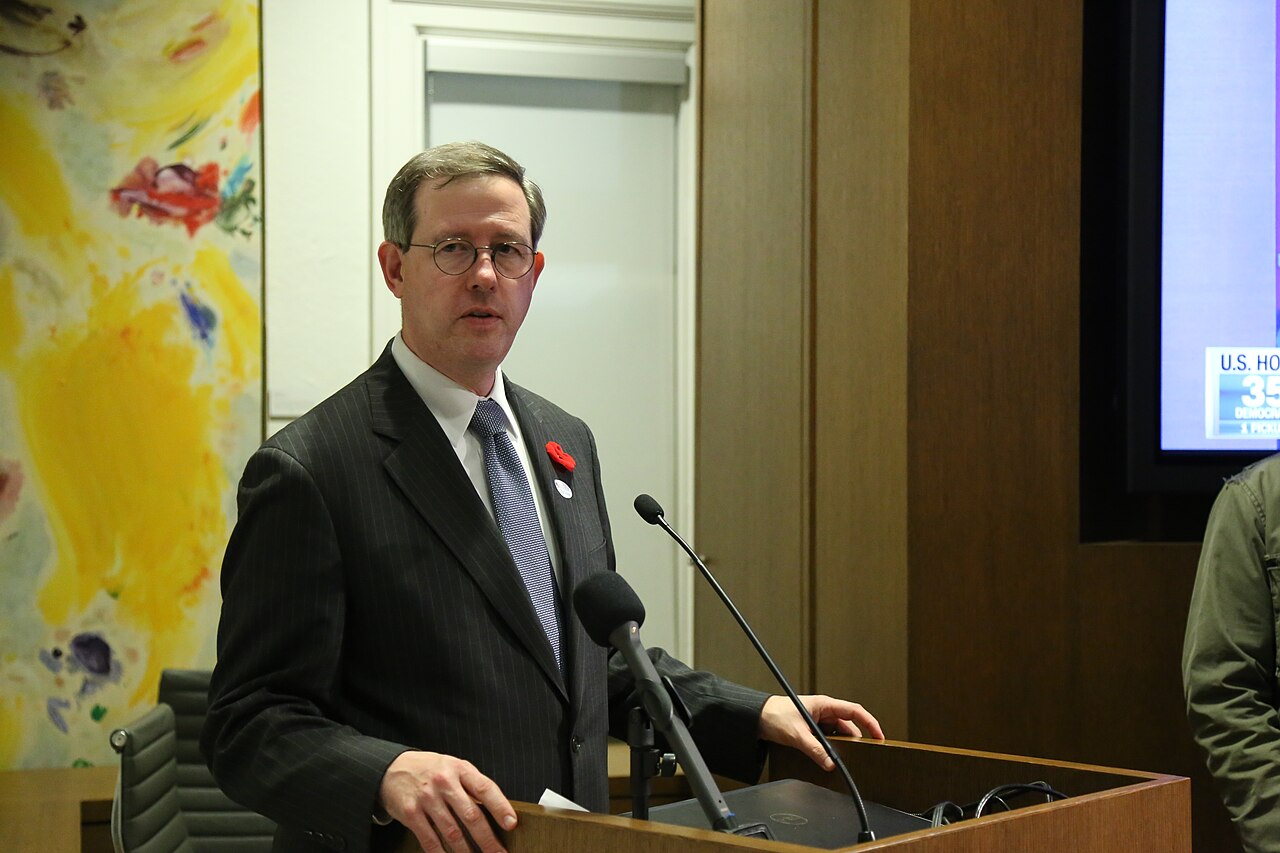
Americans cast ballots on Tuesday in a crucial midterm election, tasked with determining the trajectory of Congress after two years into the current administration’s second term. Analysts and various polls suggest a significant shift, favoring the Democratic party’s ability to reclaim seats in the House of Representatives, though the ultimate fate of the Senate remains highly contested. The election is characterized by intense political polarization, yet voter concerns regarding the rising cost of living and affordability appear to be driving many decisions.
The Battle for Capitol Hill
The fight for control of both chambers is unfolding across numerous tightly contested races. While the sitting president’s party has historically struggled to maintain legislative power in the midterms, the current political climate presents a complex challenge. Despite the president’s efforts to galvanize his base through numerous rallies, Republican candidates are facing headwinds. Public opinion surveys indicate widespread dissatisfaction with the administration’s handling of domestic economics, particularly following increased costs related to energy prices and trade policies.
Democrats face a substantial hurdle: not only must they defend their existing legislative seats, but they must also capture at least two states that strongly supported the Republican party two years prior. In the House of Representatives, all 435 seats are up for grabs, with Democrats needing to flip a minimum number of seats to achieve a majority. The contest is particularly fierce in key swing states, where the margin for error is minimal.
High-Stakes State Contests
Several state-level contests offer critical insights into the national mood. In Michigan, for instance, a Senate race has gained unexpected momentum following a surprising endorsement, transforming the contest into a key test case for the political viability of progressive candidates. Meanwhile, in Texas, a major Republican stronghold, the Democratic candidate faces an opponent who has received substantial financial backing from a prominent billionaire.
Other races highlight deep regional divides. Kansas, a state that voted heavily for the president in 2024, features a narrow contest between a Democratic pastor and a Republican Senator. Furthermore, the political landscape is being influenced by foreign policy debates, with some candidates focusing on changes to long-standing strategic alliances, such as those with Israel, which has become a focal point in certain campaigns.
Oversight and Political Tactics
On the administrative front, the Justice Department has deployed thousands of election monitors across all fifty states, emphasizing efforts to ensure voter access and mitigate potential intimidation in competitive areas. Concurrently, the administration has engaged in legal maneuvers, including filing lawsuits in various states to challenge ballot validity, though some of these efforts have been dismissed by the judiciary.
Overall, the election serves as a referendum on the current political direction. While the administration has projected optimism regarding the results, the prevailing sentiment among voters suggests that economic stability and affordability remain the most pressing concerns, potentially reshaping the balance of power in Washington.
World Views
The Democratic Deadlock: How Israel’s System Traps a Discontented Majority
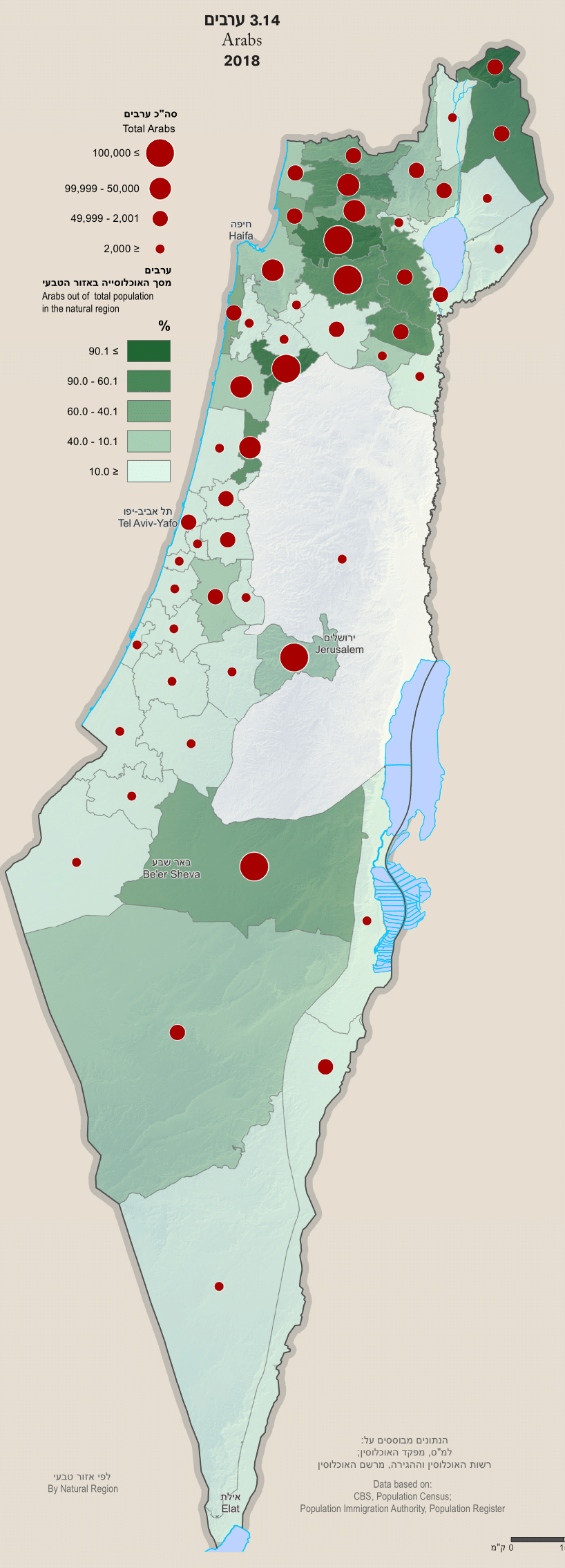
Israel’s political landscape presents a profound paradox: despite widespread public desire for change, the nation’s governing structure appears incapable of delivering it. While many citizens are profoundly dissatisfied with the current administration, the complex mechanics of the parliamentary system—which relies on fragile coalitions—ensure that political inertia persists. This structural impasse has created a deep chasm between popular will and governmental reality.
The Mechanics of Paralysis
Unlike systems based on a simple two-party dynamic, Israel utilizes a Knesset comprised of numerous party lists. This multi-party environment necessitates that a leader must negotiate and assemble a majority coalition from various factions. While the electorate may overwhelmingly reject the existing government, the sheer ideological breadth of the opposition—which spans from far-left groups to ultra-conservative right-wing factions—makes achieving unity nearly impossible. This deep division, analysts note, is the primary source of the national gridlock.
The challenge is further compounded by the political leverage held by specific, powerful blocs. The ultra-Orthodox community, for instance, holds a critical position in sustaining the ruling party’s coalition, primarily because their support is tied to exemptions from mandatory military service. This dependency means that despite public outrage over service requirements and perceived corruption, the ruling party maintains a crucial lifeline that prevents its collapse.
A Crisis of Trust and Governance
The tension is not confined to political chambers; it permeates everyday life. Reports indicate a sharp contrast in public sentiment across the country. While some citizens express fervent support for the incumbent leadership, others are visibly shaken by the election outcomes, reflecting deep fears about the future of democratic institutions. Furthermore, prominent figures have publicly cautioned that the current leadership is operating outside the bounds of democratic norms, suggesting a descent into autocracy.
The ruling party itself secured the most votes in the recent election, solidifying its position. This strong showing, coupled with the entrenched influence of the Haredi parties, means that the majority of voters remains frustrated and unable to translate their collective discontent into a governmental shift. The prevailing environment is characterized by intense passion but a severe lack of willingness among leaders to compromise or seek moderation.
The Road Ahead
The future of Israeli governance hinges on whether these deeply polarized factions can find common ground. If the diverse opposition groups fail to unify, the current administration is likely to remain in power, despite the clear mandate for change expressed by a large portion of the electorate. The political system, designed for negotiation, is currently overwhelmed by ideological extremes, suggesting that systemic reform may be necessary to align political outcomes with the national desire for accountability and democratic renewal.
