



World Views
The Democratic Deadlock: How Israel’s System Traps a Discontented Majority
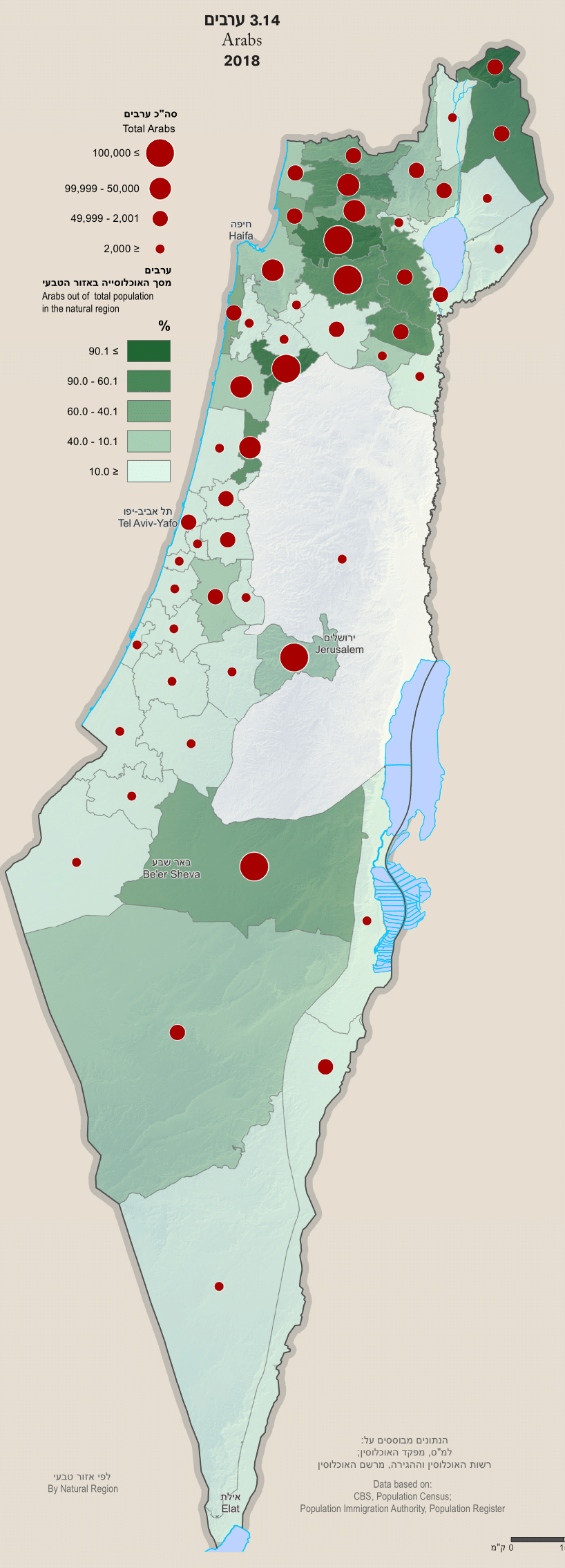
Israel’s political landscape presents a profound paradox: despite widespread public desire for change, the nation’s governing structure appears incapable of delivering it. While many citizens are profoundly dissatisfied with the current administration, the complex mechanics of the parliamentary system—which relies on fragile coalitions—ensure that political inertia persists. This structural impasse has created a deep chasm between popular will and governmental reality.
The Mechanics of Paralysis
Unlike systems based on a simple two-party dynamic, Israel utilizes a Knesset comprised of numerous party lists. This multi-party environment necessitates that a leader must negotiate and assemble a majority coalition from various factions. While the electorate may overwhelmingly reject the existing government, the sheer ideological breadth of the opposition—which spans from far-left groups to ultra-conservative right-wing factions—makes achieving unity nearly impossible. This deep division, analysts note, is the primary source of the national gridlock.
The challenge is further compounded by the political leverage held by specific, powerful blocs. The ultra-Orthodox community, for instance, holds a critical position in sustaining the ruling party’s coalition, primarily because their support is tied to exemptions from mandatory military service. This dependency means that despite public outrage over service requirements and perceived corruption, the ruling party maintains a crucial lifeline that prevents its collapse.
A Crisis of Trust and Governance
The tension is not confined to political chambers; it permeates everyday life. Reports indicate a sharp contrast in public sentiment across the country. While some citizens express fervent support for the incumbent leadership, others are visibly shaken by the election outcomes, reflecting deep fears about the future of democratic institutions. Furthermore, prominent figures have publicly cautioned that the current leadership is operating outside the bounds of democratic norms, suggesting a descent into autocracy.
The ruling party itself secured the most votes in the recent election, solidifying its position. This strong showing, coupled with the entrenched influence of the Haredi parties, means that the majority of voters remains frustrated and unable to translate their collective discontent into a governmental shift. The prevailing environment is characterized by intense passion but a severe lack of willingness among leaders to compromise or seek moderation.
The Road Ahead
The future of Israeli governance hinges on whether these deeply polarized factions can find common ground. If the diverse opposition groups fail to unify, the current administration is likely to remain in power, despite the clear mandate for change expressed by a large portion of the electorate. The political system, designed for negotiation, is currently overwhelmed by ideological extremes, suggesting that systemic reform may be necessary to align political outcomes with the national desire for accountability and democratic renewal.
World Views
Fatah Spokesman Declares Absence of Jewish History in Israel, Citing ‘Palestinian Fingerprints

High-ranking figures within the Fatah movement have recently advanced sweeping claims that deny the historical presence of Jewish communities in the land now known as Israel, asserting that all of the territory belongs inherently to Palestine. A recent statement by Dr. Jamal Nazzal, the Fatah spokesman in Europe, declared that there is minimal discernible Jewish heritage within the region, effectively dismissing the extensive documentation held by generations of historians and archaeologists.
Digital Appropriation of Key Landmarks
The movement’s narrative was recently amplified through an AI-generated video that deliberately reclaims the Sea of Galilee, a major landmark integral to the State of Israel since 1948. The content displayed on the video explicitly labeled the body of water as the ‘Palestinian Sea of Galilee.’ Accompanying text further asserted that Jewish people arrived as colonialists, claiming they found no significant historical record to support their exaggerated claims of presence in the area. The video maintained that every segment of the land bears the evidence of Palestinian civilization, both in its agricultural practices and its architectural development.
Broadening the Territorial Narrative
These declarations are part of a wider pattern of historical revisionism promoted by the Palestinian Authority (PA). Official PA television broadcasts have frequently depicted Palestine as a vast, thriving coastal region, listing major metropolises such as Jerusalem, Haifa, Jaffa, Bethlehem, and Hebron as inherently Palestinian cities. Furthermore, PA officials have actively sought to rename and recontextualize Israeli towns. For instance, a recent broadcast identified a village near Jaffa, which is currently an Israeli municipality, as a prominent Palestinian settlement. Another PA tourism official emphasized that every stone and alleyway within the historic city of Hebron speaks to thousands of years of Palestinian settlement and deep roots in the area.
Implications for Regional Stability
Analysts suggest that these continuous narratives of historical denial and territorial reclassification are fundamentally opposed to the pursuit of a lasting peace. By systematically fabricating the premise that Jewish people lack a historical claim to the Land of Israel, the PA, according to observers, works to delegitimize the Jewish presence in the nation. This perspective is viewed by some researchers as a contributing factor to the escalation of conflict and acts of violence. The sustained promotion of this ideology presents a significant challenge to any diplomatic effort aimed at resolving the long-standing conflict between Israelis and Palestinians.
World Views
Investigative Review: How Media Oversights Distort Political Reality in Israeli Elections
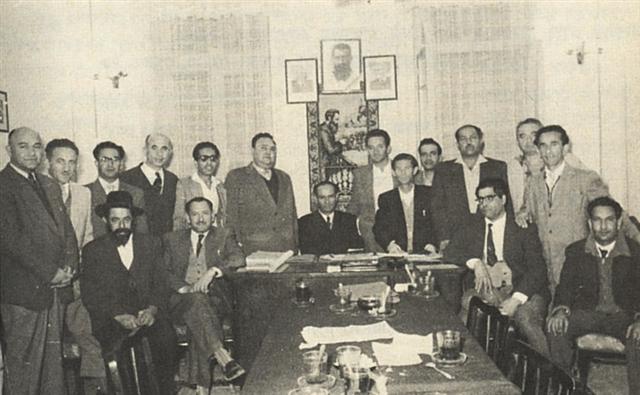
A recent broadcast by ABC News highlighted the potential influence of Arab-Israeli Member of Knesset (MK) Ahmad Tibi in shaping the next government of Israel, portraying him as a crucial minority figure capable of challenging the established right-wing leadership. However, an examination of the segment reveals significant omissions, failing to provide the audience with critical context regarding Tibi’s documented history of supporting militant groups and his controversial political stances. The narrative presented by the network largely ignored the fundamental reasons why Tibi is not, in fact, a viable coalition kingmaker.
The Political Barrier to Coalition Building
While ABC presented a picture of Tibi and his Joint List as potential agents of change, the underlying political reality is far more restrictive. High-level political figures, such as Gadi Eisenkot, have clearly set prerequisites for any coalition partner. These conditions mandate that parties wishing to participate in the governing body must officially classify Hamas as a terrorist organization. Despite this clear requirement, the Joint List has steadfastly refused to adopt this designation. Furthermore, Tibi himself has repeatedly declined to label the group, asserting that such a classification would inadvertently support Israel’s military campaign in Gaza following the severe atrocities committed on October 7, 2023.
A History of Controversial Rhetoric and Ties
The segment failed to introduce viewers to the complex background of the MK. Prior to his service in the Knesset, Tibi held a position as a political advisor on Israeli affairs for Yasser Arafat, the former leader of the Palestine Liberation Organization (PLO). The PLO, which was responsible for significant civilian casualties and hostage-taking in the years preceding Israel’s territorial control of the West Bank and Gaza, is widely recognized as a militant organization. This history is compounded by his past public statements. The Knesset Ethics Committee previously reprimanded Tibi in 2012 for using language that glorified violence, specifically by praising those who died for the homeland—a term widely employed by terrorist entities.
Ignoring Extremist Comparisons
Beyond his ties to militant figures, Tibi has also made remarks that drew international scrutiny. In 2008, he reportedly excused the actions of both Palestinian groups and the Iran-backed Hezbollah, arguing that resistance against the occupation was a permissible right. The media report completely neglected this comparison. By omitting these deeply problematic elements—the refusal to condemn Hamas, past association with PLO leadership, and the glorification of violence—the network successfully sanitized the political figure, presenting a misleading portrait of a moderate representative when the facts indicate a far more extremist political profile.
World Views
Global Reliance on Israeli Innovation Clashes with International Acceptance of Statehood
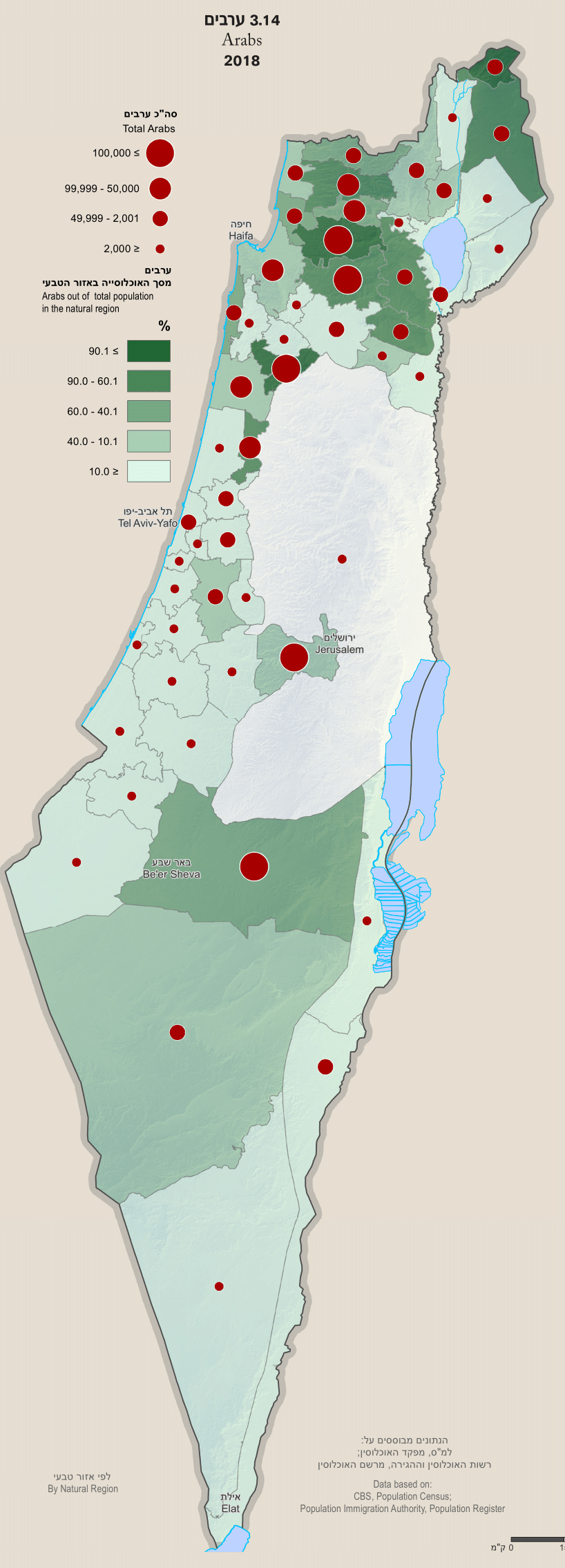
A profound and growing contradiction has emerged in international affairs: the world enthusiastically leverages Israeli technological advancements and scientific breakthroughs while simultaneously expressing discomfort with the existence of the Jewish state. This dynamic presents a stark global paradox, where nations benefit immensely from Israel’s intellectual and industrial output, yet appear hesitant to grant full acceptance to its national sovereignty. Observers note that the international community seems selective, valuing the outcomes of the Jewish nation while questioning the fundamental right to its self-determination.
The Engine of Innovation
Since its establishment in 1948, the small nation has rapidly transformed itself into a global hub of scientific and technological excellence. These achievements, sources argue, were not facilitated by massive natural resources, but rather by the resilience, determination, and creativity of its populace. Israeli contributions span critical sectors worldwide, making its influence undeniable. These include:
- Medical Advancement: Significant research into treatments for severe diseases and the establishment of international field hospitals.
- Water and Agriculture: Pioneering drip irrigation methods that help farmers across continents conserve resources and boost yields.
- Security and Tech: Expertise in missile defense, cybersecurity, and advanced navigation systems, which are critical assets for international partners facing complex threats.
The nation’s institutions and researchers collaborate globally, and its humanitarian efforts, such as those involving cardiac care for children in developing nations, demonstrate a significant commitment to international welfare.
A History of Resilience and Renewal
The narrative of the Jewish people maintaining connection to their ancestral homeland for millennia, surviving mass persecution and expulsions, underscores the historical weight of the 1948 renewal. The establishment of a national home provided a refuge for persecuted communities worldwide. Despite this history, the state continues to face persistent international movements that challenge its fundamental right to exist. The argument is put forward that humanity would be deprived of valuable scientific discoveries and opportunities for progress if this nation had never achieved its independence.
Sovereignty as an Inherent Right
The core of the debate, according to analysts, rests on the distinction between utility and inherent rights. The source material strongly asserts that a nation’s right to exist cannot be contingent upon its economic usefulness or the patents it holds. It is argued that the international community must recognize that Jewish self-determination is not a temporary concession but an enduring, ancient right. The state does not need to justify its presence through its medical patents or military capabilities. Instead, the world must reconcile its appreciation for the nation’s immense contributions with its refusal to acknowledge the legitimacy of its independence. This unresolved tension defines the current geopolitical landscape.
