



World Views
Shifting Alliances: Israel and US Signal Transition from Military Aid to Strategic Partnership
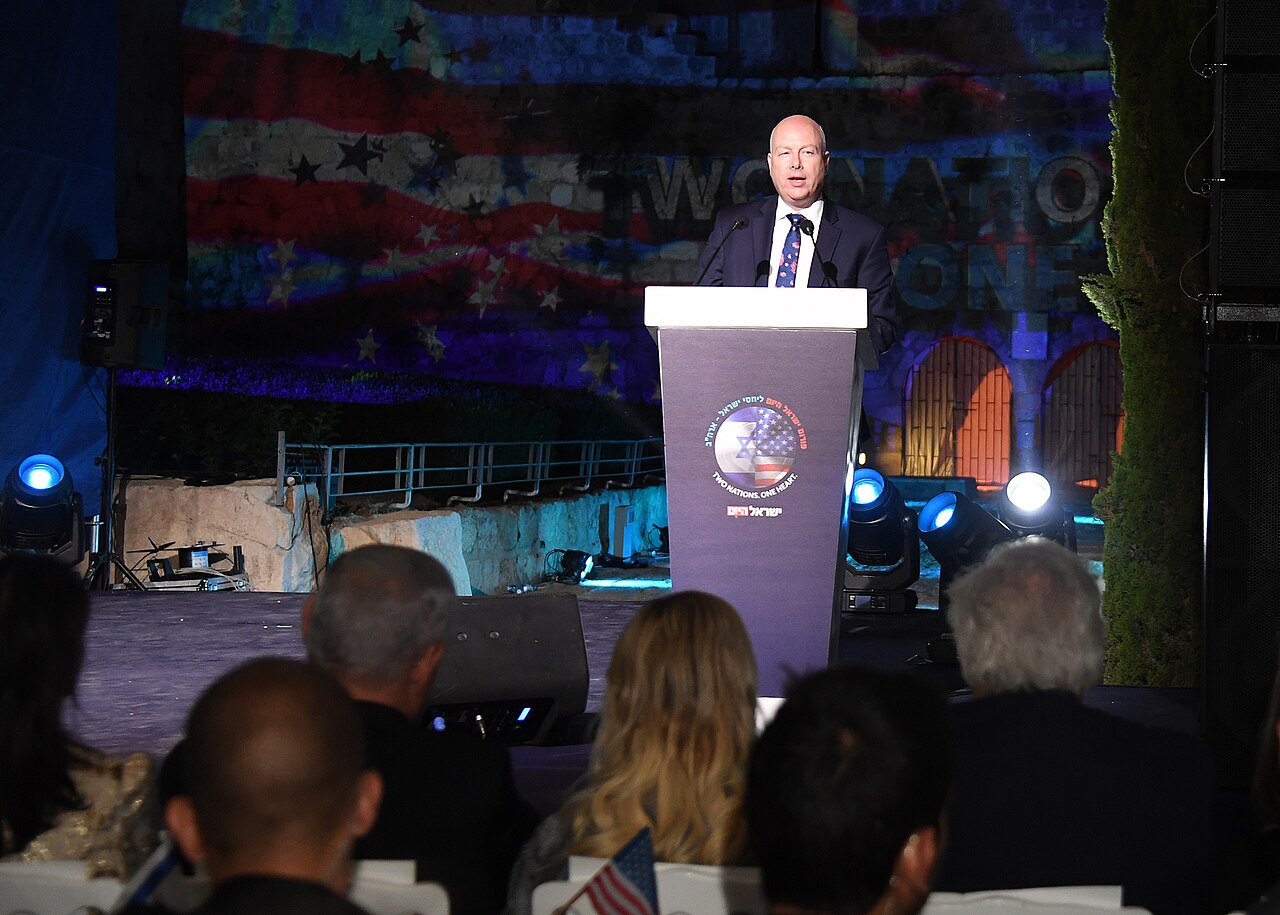
The relationship between Israel and the United States is undergoing a profound strategic redefinition, as both nations move away from a traditional military assistance model toward a framework of mutual partnership. Following announcements from the Trump administration, Israel’s Prime Minister’s office publicly endorsed the planned tapering of approximately $4 billion in annual US defense funding, framing the change as a necessary evolution that strengthens the enduring alliance.
The End of Traditional Aid
The decision, announced by the US President, sets a timeline for curtailing the substantial annual financial support. This shift is viewed by Prime Minister Netanyahu’s administration as evidence of Israel’s robust and independent economic standing. Officials from Jerusalem indicated that this transition reflects the sophistication of the bilateral ties, moving beyond a simple flow of governmental assistance. The current Memorandum of Understanding, which provides roughly $3.8 billion per year through 2028, primarily mandates that the funds be spent on acquiring American defense technology and equipment, thereby supporting US industry and jobs.
Political Drivers and Security Concerns
The move has been influenced by domestic political calculations in the United States. The President argued that the military assistance had become a political liability, particularly in the face of increasing criticism from Democrats regarding the US-Israel bond. However, the speed of the curtailment has caused significant alarm within Israeli defense and finance sectors. Senior military planners expressed surprise, noting that existing procurement strategies had been built around the assumption of continued American support. Opposition figures in Israel warned that abruptly reducing the aid could severely compromise national security and disrupt critical joint defense initiatives.
A New Cooperative Paradigm
While the immediate effect is one of consternation, the long-term outlook suggests a pivot toward deeper cooperation. Experts suggest that the partnership model could emphasize joint research and development, intelligence sharing, and commercial defense contracts rather than cash transfers. This aligns with earlier statements made by Israeli leadership, who had expressed a desire to gradually reduce their reliance on American military subsidies over the coming decade. The transition presents a complex challenge: how to enhance Israeli self-sufficiency and independence without undermining the vital defense capabilities built over decades of US support. Washington and Jerusalem now face the critical task of negotiating a sustainable model that ensures security continuity amidst this fundamental strategic change.
World Views
Midterm Fallout Signals Deepening Political Fracture in US-Israel Alliance

The recent midterm election results have signaled a profound and potentially irreversible shift in the political landscape of the United States, casting the long-standing US-Israel alliance into uncharted and increasingly volatile territory. As hard-left candidates secured victories across several states, political observers suggest that the trajectory of American policy toward Israel is moving toward a dramatic change, driven by a rising tide of progressive opposition and growing disillusionment among younger voters.
The Rise of Progressive Opposition in Congress
The influx of radical new members into both chambers of Congress presents a significant challenge to established diplomatic ties. Progressive figures, who have gained momentum in states like Michigan and Colorado, are expected to influence the legislative agenda. House Minority Leader Hakeem Jeffries has indicated a readiness to accommodate these outspoken newcomers and advance a party-wide stance critical of Israel. This shift is not merely rhetorical; it is anticipated to translate into legislative action. Anti-Israel legislation, including proposals for economic boycotts and sanctions targeting the construction of new settlements, is expected to gain traction in a Congress dominated by newly empowered progressive voices.
Systemic Shifts and Voter Discontent
While some political commentary attempts to attribute the electoral losses of conservative figures to the Iran conflict, broader analysis suggests that issues such as the cost of living and the general state of democratic stability were the primary concerns for the electorate. Furthermore, the demographic makeup of the voting public is altering the political calculus. A younger generation, heavily influenced by digital media platforms, has shown increasing skepticism regarding Israel’s continued existence. Even attempts by political figures, such as President Trump, to temper anti-Israel sentiment by reducing military aid have proven insufficient to satisfy the growing fervor on the left.
The Dual Challenge to the Alliance
The threat to the alliance is coming from two directions. On the left, incoming lawmakers are demonstrating that their opposition to the Jewish state is resolute, arguing that aid reductions alone are not enough. On the right, a small but vocal faction of isolationist Republicans is beginning to leverage the election’s outcome to challenge the status quo. The departure of several staunchly pro-Israel politicians from Congress, including prominent figures like Elise Stefanik and Mike Lawler, further weakens the political infrastructure supporting the relationship.
Mainstream Jewish organizations, which historically provided political cover for the alliance, are facing criticism for failing to offer substantive solutions to this growing ideological rift. The political atmosphere is changing rapidly, and as the US navigates these chillier waters, the alliance faces tremendous strain. The political mandate now clearly favors a dramatic recalibration of American policy in the region.
World Views
Damascus Provides Military Expertise to Riyadh Amid Escalating Houthi Crisis

Reports indicate that Syria is providing military consultation and training support to Saudi Arabia as the Kingdom faces intensified attacks from the Iran-backed Houthi movement in Yemen. This military assistance comes following the recent signing of a defense pact between the two nations, signaling a significant shift in regional alliances. Sources confirm that a limited number of military personnel from Damascus have recently traveled to Riyadh to assist in enhancing the combat capabilities of Saudi and Yemeni forces operating within the Kingdom.
The Scope of Military Collaboration
The deepening collaboration between Riyadh and Damascus is rooted in the ongoing hostilities that reignited in July, prompting Saudi Arabia to seek both defensive and offensive partnerships. The Syrian military sources suggest that the advisory and training mandate may extend beyond simple combat instruction. A senior Saudi official noted that the expertise exchange is partly focused on reorganizing Syrian military capabilities, while also incorporating their practical experience in counter-militia operations. Joint security exercises are currently underway, with future collaborative defense planning scheduled.
Despite the military focus, the recently established defense framework is described as a broad cooperative mechanism. A senior Syrian diplomat clarified that the agreement encompasses not only military aid but also extensive exchange of expertise in other critical areas, including finance and agriculture. This was underscored by the Saudi Fund for Development signing multiple agreements with Syria’s Finance Ministry, providing over $403 million in concessional loans aimed at supporting Syria’s struggling economy and massive reconstruction needs.
Geopolitical Implications and Regional Dynamics
The deployment of Syrian advisors raises immediate geopolitical concerns. A senior United States official urged Damascus to proceed with extreme caution, warning that involvement in the Yemen conflict could potentially drag Syria into the wider regional war—a trajectory the country has diligently avoided thus far. Conversely, the Syrian defense diplomat asserted that the bilateral agreement is a precursor to broader security cooperation, potentially mirroring initiatives like the Mecca Pact, which involves Saudi Arabia and other regional players.
This partnership is occurring against a backdrop of shifting alliances. Syria, whose military force was reformed by former rebels who fought against Iranian-aligned groups, has emerged as a closer partner to Saudi Arabia and the US since the change in power in Damascus in 2024. While a senior Syrian representative stated that any talk of military deployments at this juncture was premature, emphasizing internal security as a priority, the existence of the pact and the movement of personnel suggests a tangible commitment to shared security interests in the volatile Arab Gulf region.
World Views
Tehran Delivers Nuclear Proposal to Washington, Conditional on Seven Demands
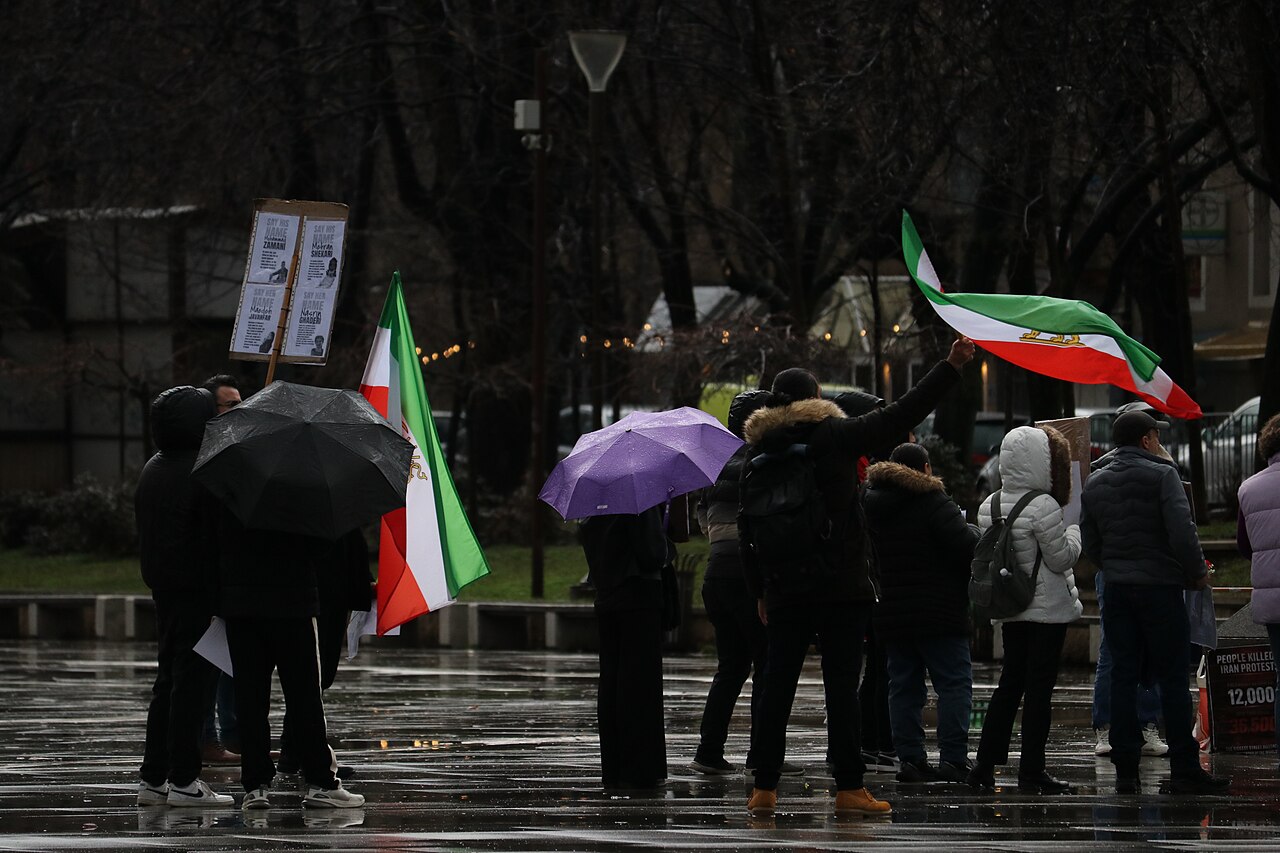
A senior Iranian government official has confirmed that Tehran has submitted a nuclear proposal to the United States, routed through Qatar. However, the official made it clear that this diplomatic overture is contingent upon Washington first fulfilling a list of seven specific conditions set forth by Iran. The proposal is currently under review by American officials, according to the source, though further details remain undisclosed.
The Diplomatic Standoff and Core Demands
This latest development underscores the intense diplomatic deadlock between Washington and Tehran. The Iranian official, speaking anonymously, detailed that negotiations will only progress once the American side addresses the specific demands. These conditions are substantial, encompassing the removal of existing United States sanctions, the repatriation of frozen Iranian financial holdings, and the requirement for war reparations. Meanwhile, American representatives maintain that discussions concerning nuclear matters must form the initial framework of any potential talks.
The high-stakes nature of this negotiation is amplified by escalating regional tensions. Recent military actions, including attacks by both the US and Israel on Iran in February, have fueled a volatile environment. Iran responded to these assaults with strikes targeting Israeli territory and Gulf states hosting American military installations. The conflict has further broadened, with the Iran-aligned Houthis in Yemen recently launching attacks against energy facilities and airports in Saudi Arabia, while tensions also flared in Lebanon involving Hezbollah.
A Ticking Clock in Geopolitical Instability
Mediators are currently intensifying their efforts to de-escalate the confrontation, driven by widespread concerns that the conflict could dramatically reignite following the upcoming US midterm elections. The situation is made more precarious by statements from political figures, such as former President Trump, who has indicated he would not rule out a resumption of military operations after the vote. Iran, in turn, has signaled its readiness to undertake wider retaliatory measures if hostilities resume.
Earlier this week, Iran’s top security chief publicly announced the seven diplomatic preconditions to the Americans during a trip to Russia. He stated that unless these conditions were met, Iran would neither permit passage through the Strait of Hormuz nor engage in any negotiations. This hardline stance highlights the deep mistrust between the two nations. Analysts suggest that the delivery of the nuclear proposal via Qatar represents a calculated attempt by Tehran to shift the diplomatic momentum, forcing the US to address its demands before the nuclear file is even fully opened, thereby attempting to control the pace and terms of any potential peace effort.
