



World Views
Shifting Alliances: Israel and US Signal Transition from Military Aid to Strategic Partnership
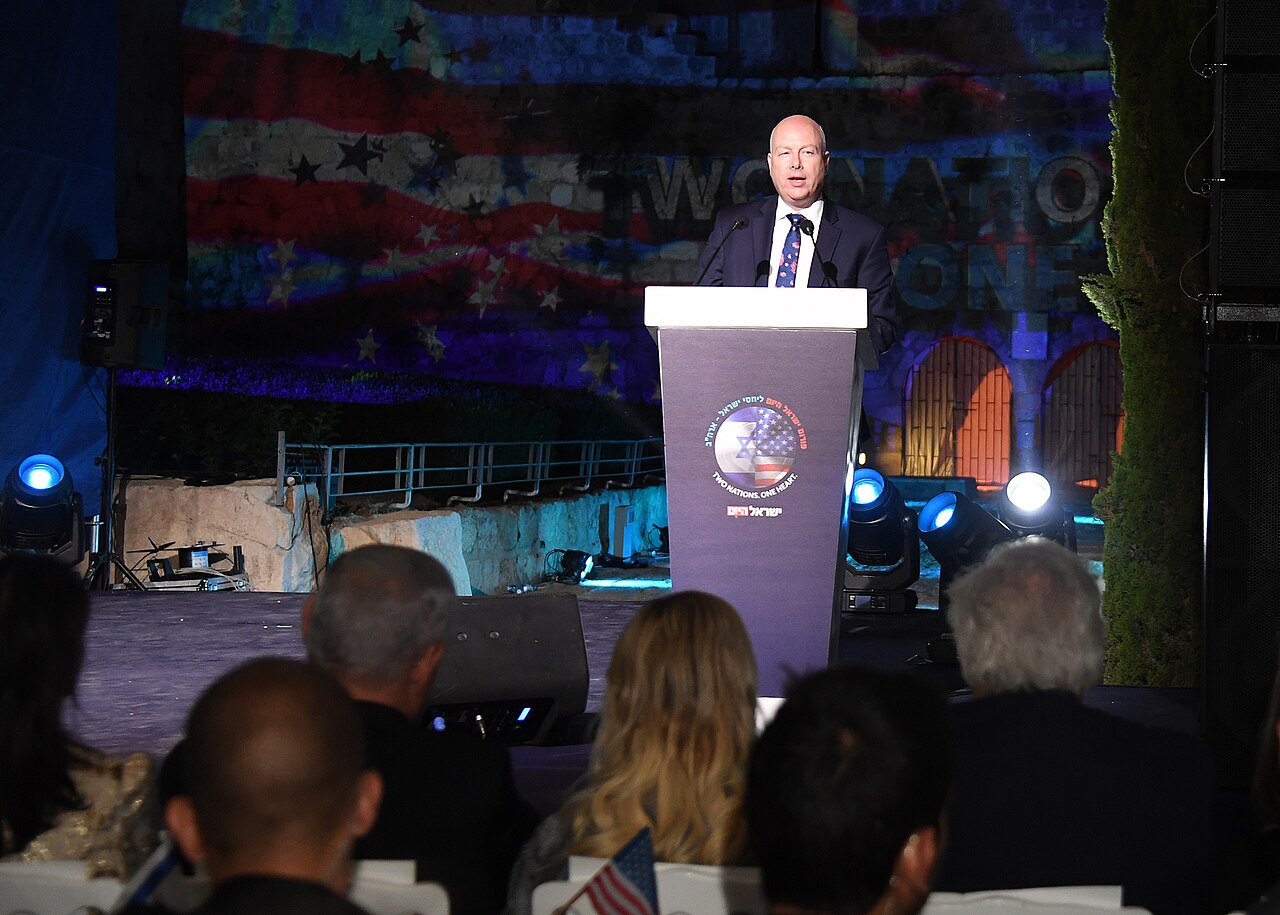
The relationship between Israel and the United States is undergoing a profound strategic redefinition, as both nations move away from a traditional military assistance model toward a framework of mutual partnership. Following announcements from the Trump administration, Israel’s Prime Minister’s office publicly endorsed the planned tapering of approximately $4 billion in annual US defense funding, framing the change as a necessary evolution that strengthens the enduring alliance.
The End of Traditional Aid
The decision, announced by the US President, sets a timeline for curtailing the substantial annual financial support. This shift is viewed by Prime Minister Netanyahu’s administration as evidence of Israel’s robust and independent economic standing. Officials from Jerusalem indicated that this transition reflects the sophistication of the bilateral ties, moving beyond a simple flow of governmental assistance. The current Memorandum of Understanding, which provides roughly $3.8 billion per year through 2028, primarily mandates that the funds be spent on acquiring American defense technology and equipment, thereby supporting US industry and jobs.
Political Drivers and Security Concerns
The move has been influenced by domestic political calculations in the United States. The President argued that the military assistance had become a political liability, particularly in the face of increasing criticism from Democrats regarding the US-Israel bond. However, the speed of the curtailment has caused significant alarm within Israeli defense and finance sectors. Senior military planners expressed surprise, noting that existing procurement strategies had been built around the assumption of continued American support. Opposition figures in Israel warned that abruptly reducing the aid could severely compromise national security and disrupt critical joint defense initiatives.
A New Cooperative Paradigm
While the immediate effect is one of consternation, the long-term outlook suggests a pivot toward deeper cooperation. Experts suggest that the partnership model could emphasize joint research and development, intelligence sharing, and commercial defense contracts rather than cash transfers. This aligns with earlier statements made by Israeli leadership, who had expressed a desire to gradually reduce their reliance on American military subsidies over the coming decade. The transition presents a complex challenge: how to enhance Israeli self-sufficiency and independence without undermining the vital defense capabilities built over decades of US support. Washington and Jerusalem now face the critical task of negotiating a sustainable model that ensures security continuity amidst this fundamental strategic change.
World Views
Tehran Delivers Nuclear Proposal to Washington, Conditional on Seven Demands
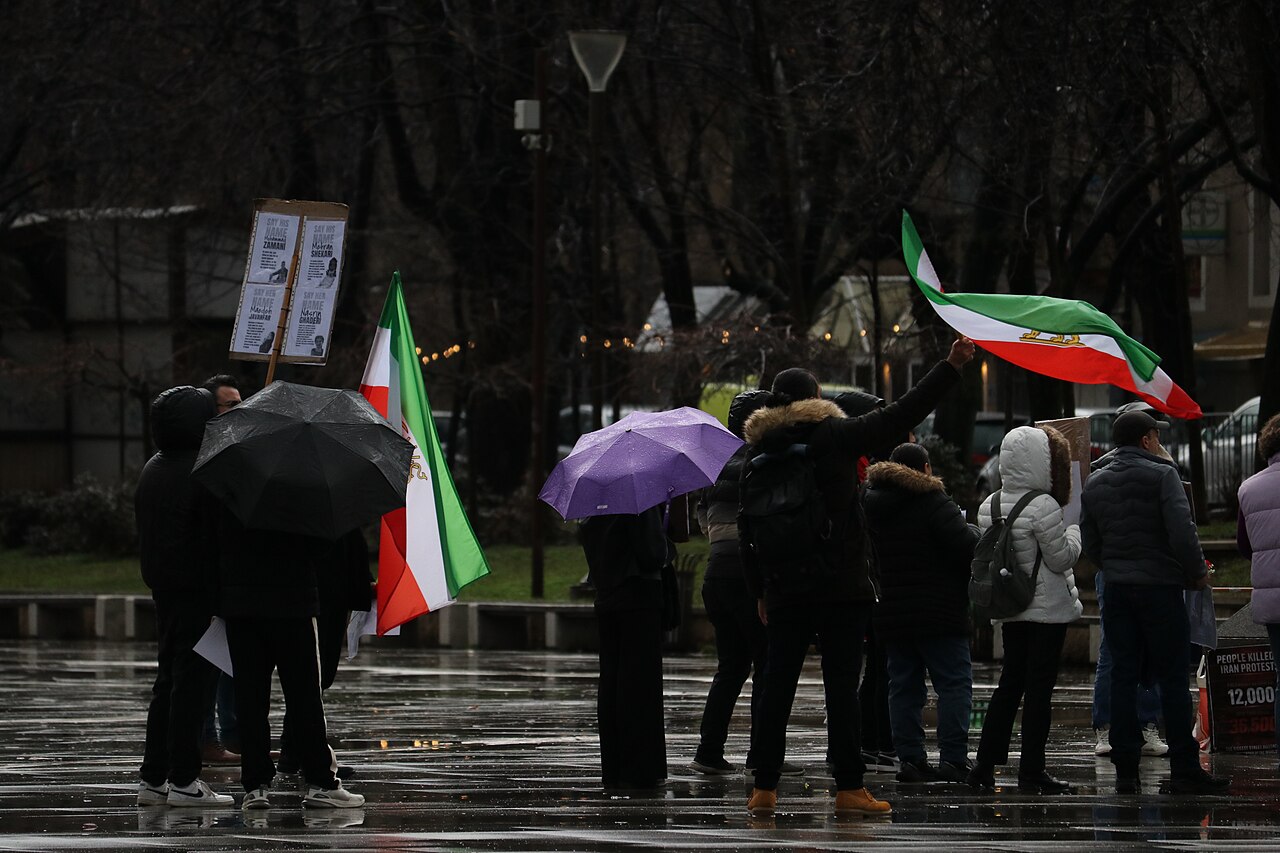
A senior Iranian government official has confirmed that Tehran has submitted a nuclear proposal to the United States, routed through Qatar. However, the official made it clear that this diplomatic overture is contingent upon Washington first fulfilling a list of seven specific conditions set forth by Iran. The proposal is currently under review by American officials, according to the source, though further details remain undisclosed.
The Diplomatic Standoff and Core Demands
This latest development underscores the intense diplomatic deadlock between Washington and Tehran. The Iranian official, speaking anonymously, detailed that negotiations will only progress once the American side addresses the specific demands. These conditions are substantial, encompassing the removal of existing United States sanctions, the repatriation of frozen Iranian financial holdings, and the requirement for war reparations. Meanwhile, American representatives maintain that discussions concerning nuclear matters must form the initial framework of any potential talks.
The high-stakes nature of this negotiation is amplified by escalating regional tensions. Recent military actions, including attacks by both the US and Israel on Iran in February, have fueled a volatile environment. Iran responded to these assaults with strikes targeting Israeli territory and Gulf states hosting American military installations. The conflict has further broadened, with the Iran-aligned Houthis in Yemen recently launching attacks against energy facilities and airports in Saudi Arabia, while tensions also flared in Lebanon involving Hezbollah.
A Ticking Clock in Geopolitical Instability
Mediators are currently intensifying their efforts to de-escalate the confrontation, driven by widespread concerns that the conflict could dramatically reignite following the upcoming US midterm elections. The situation is made more precarious by statements from political figures, such as former President Trump, who has indicated he would not rule out a resumption of military operations after the vote. Iran, in turn, has signaled its readiness to undertake wider retaliatory measures if hostilities resume.
Earlier this week, Iran’s top security chief publicly announced the seven diplomatic preconditions to the Americans during a trip to Russia. He stated that unless these conditions were met, Iran would neither permit passage through the Strait of Hormuz nor engage in any negotiations. This hardline stance highlights the deep mistrust between the two nations. Analysts suggest that the delivery of the nuclear proposal via Qatar represents a calculated attempt by Tehran to shift the diplomatic momentum, forcing the US to address its demands before the nuclear file is even fully opened, thereby attempting to control the pace and terms of any potential peace effort.
World Views
Controversial Charity Choice Sparks Firestorm Over BBC License Fee Funds

The donation of a substantial prize share from the reality show ‘Celebrity Traitors’ has ignited a major public dispute regarding the impartiality of public broadcasting. One of the show’s winners chose to give his winnings to Choose Love, a UK-registered charity that has faced intense scrutiny over its political stances and organizational affiliations. While the BBC maintains that charitable donations are a personal decision, watchdog groups have condemned the choice, citing serious concerns about the charity’s alleged ties to extremist groups and its highly charged rhetoric surrounding the Israeli-Palestinian conflict.
Allegations of Bias and Internal Hostility
The controversy intensified after reports surfaced detailing Choose Love’s involvement in highly politicized campaigns. The organization has publicly claimed that Israel is perpetrating genocide in the Gaza Strip and has engaged in open letters accusing the British government of complicity in alleged ‘war crimes.’ Furthermore, the charity has been internally criticized. Sources indicate that after the October 7, 2023, attacks, the organization experienced a significant shift in its culture, leading to the departure of senior Jewish staff members who reported a hostile environment. Whistleblowers noted that the charity became increasingly associated with narratives excusing the violence and promoting pro-Palestine viewpoints.
Extremist Links and Operational Concerns
A deeper investigation into the charity reveals troubling connections to militant organizations. Choose Love works in partnership with several Palestinian-led aid groups. Among these are organizations, such as Taawon, which have been documented as receiving funding from entities linked to Hamas. Similarly, the Palestine Children’s Relief Fund (PCRF), another partner, has been repeatedly tied to Hamas, with some senior figures having publicly endorsed the Oct 7 atrocities. Furthermore, NGO monitoring groups have highlighted that PCRF partners with Islamic Relief Palestine, an entity closely connected to Hamas. This concern is compounded by intelligence suggesting that the charity’s operations in Gaza City were tied to Hamas infrastructure, including materials found by the Israeli Defense Forces.
The Fallout and Demand for Reform
The decision by the winner to support the charity drew immediate criticism from Campaign Against Antisemitism (CAA), which deemed the choice of recipient for BBC license fee funds ‘extremely troubling.’ The CAA demanded fundamental reforms at the network, arguing that the broadcaster’s track record regarding anti-Jewish bias necessitates the temporary suspension of the license fee until impartiality can be restored. In response, a BBC spokesperson defended the choice, stating that the charities selected by the winners are entirely personal decisions. The incident underscores a growing tension between philanthropic choice and the perceived political responsibility of publicly funded institutions.
World Views
Political Calculus in Israel: Eisenkot Gains Parliamentary Edge, But Mandate Remains Uncertain
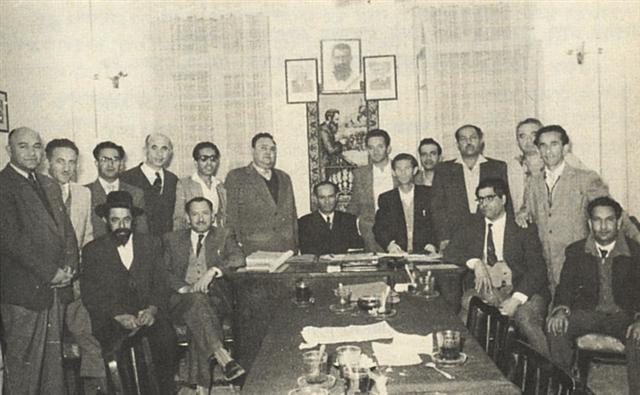
The political landscape of Israel is undergoing a dramatic shift, with Yashar Party leader Gadi Eisenkot securing a significant parliamentary advantage over Benjamin Netanyahu. While Eisenkot has garnered the backing of 67 out of 120 members of the Knesset, he has not yet been granted the official authority to form a new government. This delicate political standoff highlights the complex maneuvering required to navigate the country’s fragmented legislative body.
The Numbers Game and Coalition Potential
President Isaac Herzog, whose constitutional role is to determine which leader possesses the capacity to establish a government, recently concluded extensive discussions with various political factions. Herzog confirmed that Eisenkot currently holds more endorsements than the 46 members supporting Netanyahu. Eisenkot’s potential coalition is bolstered by several key groups. He anticipates support from the Jewish-Israeli parties, including B’Yachad, Israel Beytenu, and the Democrats, which could assemble a coalition bloc of 48 seats. Furthermore, the Arab-Israeli party Ra’am has recommended him, and the Joint List, despite having only 11 seats, is expected to provide crucial outside support, meaning they would vote with the governing block without being formally part of the coalition.
The President’s Deliberation
Despite the seemingly clear numerical advantage held by Eisenkot, President Herzog has stated that the final decision will not be made until Sunday. Herzog explained that while the consultation results may appear definitive, the legal authority vested in him requires careful consideration before appointing a Prime Minister. He indicated that he would continue engaging with the leaders of the various parties to ensure a comprehensive understanding of who is truly positioned to lead the nation.
A Season of High-Stakes Decisions
This political crisis is part of a broader period of intense decision-making for Jewish communities globally, spanning from domestic political campaigns to major international elections. The uncertainty surrounding the Israeli government’s formation underscores the deep divisions within the political spectrum. The process illustrates the intricate balance of power, where sheer numbers must be matched by political viability and legal standing. The coming days will be critical in determining whether Eisenkot can translate his majority support into the executive power needed to govern, fundamentally reshaping the nation’s political trajectory.
