



World Views
From Global Politics to Cultural Shifts: A Snapshot of Modern Jewish Life
The landscape of contemporary Jewish life in major metropolitan centers is characterized by intense activity, balancing deep religious tradition with complex global political and cultural debates. Recent weeks have presented a diverse array of events—from calls for diplomatic action regarding detained journalists to major shifts in cultural institutions and predictions of demographic change in the Middle East.
Political Tensions and Diplomatic Demands
Political activism remains a defining feature of the community’s engagement with international affairs. Three progressive Jewish Democrats, who recently secured seats in Congress, publicly called for the immediate release of Palestinian journalist Abed Abu Shehadeh. The journalist was reportedly detained by Israeli police and Shin Bet security services. This demand highlights the growing pressure from progressive figures within the American political establishment regarding human rights in the region.
Simultaneously, geopolitical forecasts suggest major shifts are imminent. Israel’s Consul General in New York recently forecasted a substantial influx of new residents to the country. This prediction, made on social media, suggested that the Israeli government must prepare for the absorption of a massive wave of immigration, particularly originating from North America following recent electoral developments.
Navigating Culture and Values
Cultural institutions are also undergoing significant reckonings regarding historical representation. The Metropolitan Museum of Art announced a change of theme for its 2027 Met Gala, moving away from a planned retrospective of designer John Galliano. The original theme was canceled following public outcry concerning the designer’s documented history of making antisemitic remarks.
The decision was met with support from local civic leaders. City Council Speaker Julie Menin, a prominent supporter of the cancellation, expressed satisfaction with the new theme, ‘extraORDINARY: Fashion and the Poetics of the Everyday.’ She publicly stated that the initial plan to honor the designer, given his problematic record, was a choice that was both divisive and contrary to the core values of the city.
Tradition and Community Resilience
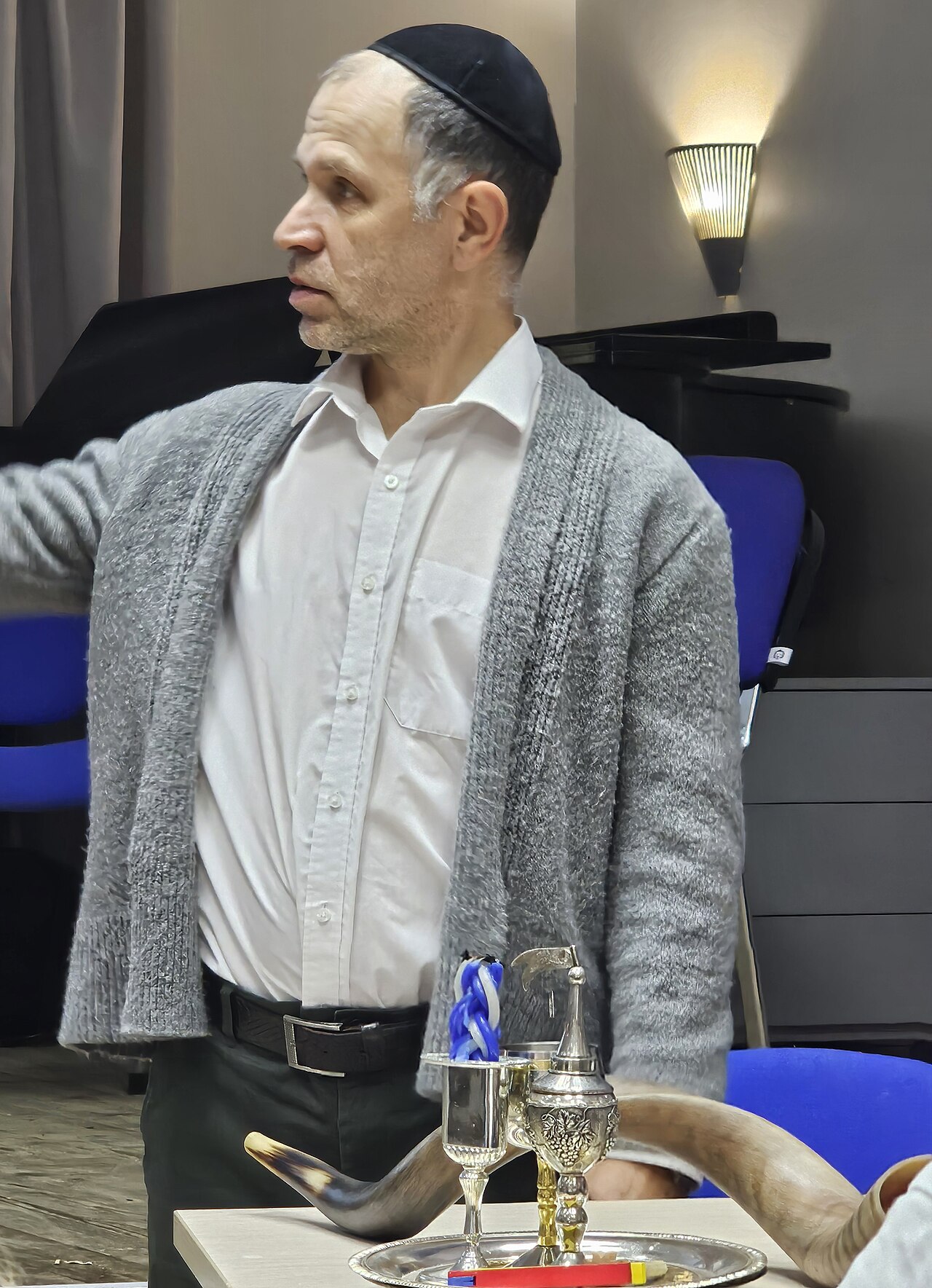
Amidst these rapid global and cultural changes, the bedrock of religious tradition continues to thrive. In Brooklyn, a massive gathering of the Chabad-Lubavitch movement is underway. Over 6,500 rabbis, representing more than 100 different nations, have convened for the annual international conference. The group recently paid respects at the Ohel, the gravesite of the movement’s late Rebbe, underscoring the enduring importance of spiritual continuity within the community.
These varied events—from political appeals for justice and predictions of demographic change, to cultural institutions re-evaluating their ethics, and the massive gathering of religious adherents—paint a complex picture of a community actively navigating the intersection of tradition, modernity, and global responsibility.
World Views
From Tragedy to Triumph: How a 1956 Attack Sparked a Global Philosophy of Jewish Resilience
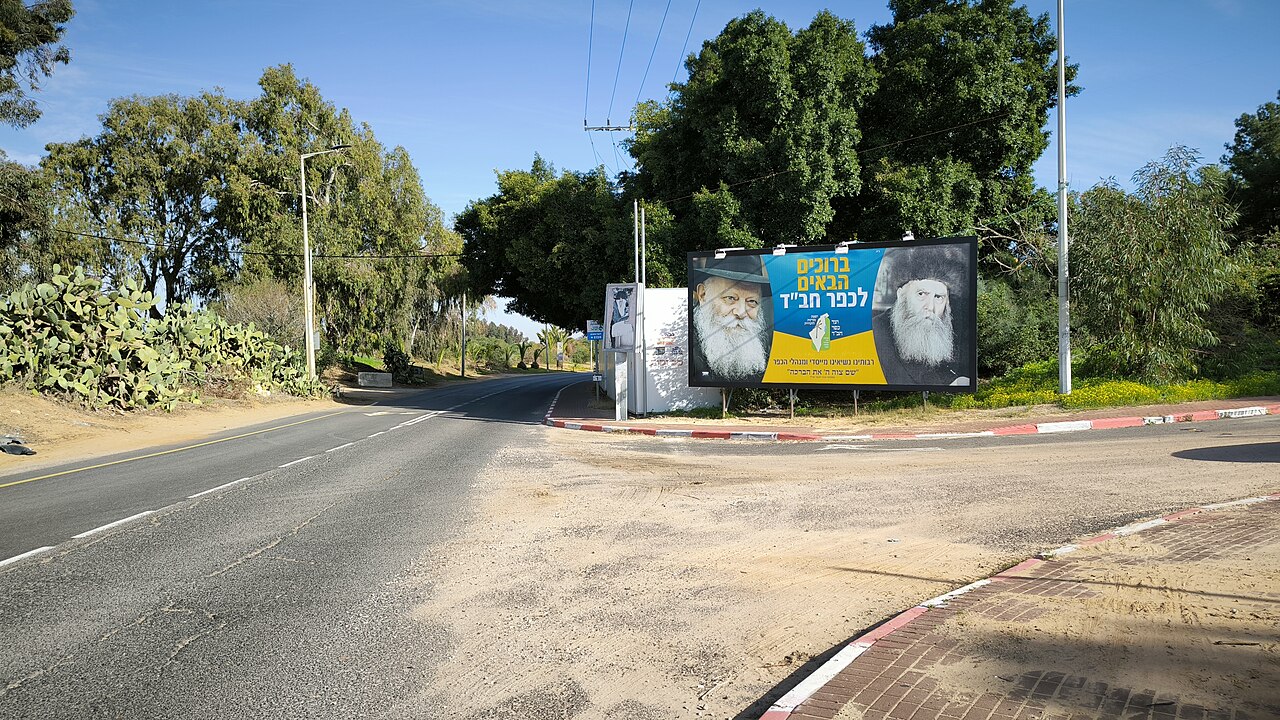
In the midst of post-war fragility, the small village of Kfar Chabad faced a terrifying moment on April 11, 1956. Palestinian fedayeen terrorists infiltrated the community, opening fire on students during a prayer service and resulting in the deaths of five individuals and their teacher. The community, composed largely of refugees who had escaped the devastation of the Holocaust and Soviet oppression, was suddenly overwhelmed by fear and uncertainty. For these young immigrants, who were struggling merely to rebuild their lives, the violence threatened to extinguish their hope.
A Radical Response to Crisis
In the wake of the massacre, the community turned to Rabbi Menachem Mendel Schneerson, known as the Lubavitcher Rebbe. Instead of directing resources toward immediate confrontation with hatred, the Rebbe offered a profound, counter-intuitive directive. He sent a message urging the village to focus on ‘continued building,’ suggesting that spiritual solace would come through the expansion of their community life. This philosophy shifted the focus away from persecution as the defining characteristic of Jewish existence, insisting instead on the cultivation of a meaningful, vibrant life.
A Global Mission of Empowerment
To implement this vision, the Rebbe dispatched a delegation of rabbinical students. These young emissaries traveled extensively, first through devastated European Jewish communities, before arriving in Israel. Their mission was to engage with Jews worldwide, encouraging them to strengthen their faith and embrace their heritage. In Kfar Chabad itself, the students worked to coordinate gatherings dedicated to Torah study and spiritual reflection, ensuring that the tragedy did not dictate the community’s future. The Rebbe’s mandate was clear: empower people through education, anchoring their identity in living knowledge.
Enduring Value Over Defending Borders
Decades later, the story of Kfar Chabad stands as a powerful testament to this philosophy. What began as a small, vulnerable settlement has flourished into a robust community, now supporting over 2,000 families and serving thousands of students. The village, once dominated by grief, now pulses with life, marked by continuous Jewish celebrations.
This historical precedent holds immense weight in modern discussions surrounding antisemitism. While contemporary discourse often centers on how to confront hatred, the Rebbe’s approach suggests that even the most successful defense campaign cannot guarantee a fulfilling existence. The community must be given the knowledge, the values, and the tradition that give life meaning. As the global Jewish community navigates current political and social challenges, the lesson from Kfar Chabad remains: true survival is not merely the ability to withstand external attacks, but the conviction that Jewish life possesses an enduring value worth building, day after day.
World Views
Trump Announces Major Staff Shakeup, Installing Hardline Figure Stephen Miller
Former President Donald Trump has announced a significant change in his senior staff, naming Stephen Miller to replace Susie Wiles as his chief of staff. The move, detailed via a social media platform, signals a potential shift in the administration’s policy focus, bringing in a figure known for his staunch adherence to conservative principles. While praising Wiles for her service, Trump confirmed that she would be transitioning to the Trump Political Operation.
The Appointment and Its Implications
Trump characterized Miller, who is Jewish, as one of his most reliable political advisors. Miller has long been a prominent advocate for extremely strict immigration measures. His history includes the use of nativist language, and during a 2024 campaign event, his remarks drew comparisons to historical rallies from 1939. This appointment is viewed by political observers as a strategic move to reinforce the hardline elements of the political platform.
A History of Political Ties
Miller is a long-time associate of the former president. His personal life also reflects deep ties to the political and religious spheres. He married Katie Waldman, who is also Jewish, at a D.C. hotel during Trump’s initial term. The ceremony was conducted by Rabbi Aryeh Lightstone, a figure connected to the Abraham Accords, which facilitated peaceful diplomatic relations between Israel and several Arab nations.
Wiles, in her own statement, expressed gratitude for the opportunity to serve in the White House. She highlighted her pride in the accomplishments of the administration, including efforts to enhance the economy, strengthen the nation’s borders, and implement tax reductions. Trump acknowledged her contribution, stating that she had performed an excellent job during her tenure.
Political Context and Community Observation
This personnel change occurs amid a period of intense political deliberation across various communities. Jewish communities, in particular, are currently assessing the direction of global and domestic politics, balancing considerations from the Knesset campaign to upcoming American midterm elections. The installation of Miller, with his known rhetoric, places a spotlight on the ideological direction of the political movement.
The shift from Wiles to Miller suggests a deliberate prioritization of highly ideological policy advocacy. Analysts suggest that the new leadership will intensify the focus on border security and immigration restriction, aligning with Miller’s established political philosophy. This transition underscores the importance of ideological loyalty within the inner circles of the former president’s political machinery.
World Views
Philadelphia Protest Ride Sparks Fierce Debate Over Antisemitism and Free Expression
A planned bicycle demonstration in Center City Philadelphia, designed to promote a boycott of certain local establishments, has ignited a significant civic controversy, drawing sharp condemnation from state and municipal leaders. Organizers of the ride claim the protest aims to target businesses whose owners they allege support Israeli military actions. Critics, including prominent Jewish advocacy groups, have labeled the planned event as overtly antisemitic, particularly given its scheduling on November 8th—the night preceding the 88th anniversary of Kristallnacht, a pivotal moment in Nazi persecution.
The Core of the Boycott Movement
The protest initiative, coordinated by several local groups, asserts that the boycott is necessary because the targeted proprietors materially and ideologically back the ongoing occupation and alleged genocide of Palestinians. Organizers posted promotional material stating their intent to ‘show these Zionist business owners that we see them for the disgusting human beings they are,’ while declaring solidarity with oppressed populations globally. However, this rhetoric has been met with immediate and forceful opposition.
Political Leaders Weigh In
High-ranking officials across the political spectrum have publicly expressed outrage. Mayor Cherelle Parker emphasized that the city must uphold both freedom of expression and freedom from fear, stating that singling out businesses based on their owners’ Jewish identity is unacceptable. Pennsylvania Attorney General Dave Sunday reinforced this, arguing that the explicit targeting of Jewish restaurateurs constitutes a form of historical discrimination linked to classic antisemitic tactics. Furthermore, a spokesperson for Governor Josh Shapiro, who has faced personal threats related to Israel’s actions in Gaza, asserted that the ride is nothing more than blatant antisemitism intended to intimidate Jewish proprietors out of the community.
Community Response and Civic Tension
The Jewish community has received broad support from interfaith and civic leaders. Rabbi David Levin, president of the Philadelphia Board of Rabbis, expressed satisfaction with the widespread public commentary. He called upon citizens sympathetic to the targeted businesses to avoid confrontation, advocating instead for supporting the proprietors who are trying to earn a living. Meanwhile, business owners, such as Allan Domb of Schlesinger’s Deli, acknowledged the upsetting nature of the hatred but noted the surprising amount of positive support received from the community.
The clash highlights a deepening national debate over the boundaries of protest. While organizers maintain that the timing critiques are cynical attempts to weaponize prejudice, political figures are firmly insisting that the action crosses the line from political dissent into targeted discrimination based on religious identity. The city now faces a delicate balancing act between protecting free speech and ensuring the safety and acceptance of all its residents.
