



World Views
French Authorities Accuse Iran of Orchestrating Widespread Cyberattacks on Commercial Refrigeration

French government officials have formally leveled serious accusations against the Iranian Revolutionary Guards, claiming that the organization is responsible for a wave of sophisticated cyberattacks that severely disrupted commercial refrigeration units across the country last month. The targeted intrusions, which struck hundreds of supermarkets and food processing establishments in early October, resulted in massive food spoilage, numerous fires, and potential costs amounting to tens of millions of euros nationwide.
Intelligence Links and Operational Details
The French foreign ministry announced the findings after intelligence agencies released a joint report. This report specifically named Shahid Kaveh, identifying him as a cyber offensive operative affiliated with the Revolutionary Guards, along with three alleged associates. Authorities stated that their determination was reached by analyzing the digital infrastructure used in the sabotage, matching the intrusion patterns to previous activities by Kaveh, and recovering traces of the Farsi language within the attack framework. The attackers utilized numerous front groups, such as ‘CyberAveng3rs’ and ‘Cyber Isnaad Front,’ to mask their operations.
A Campaign of Digital Disruption
The scope of the incident was extensive, with the attacks targeting approximately 700 commercial locations throughout France. Beyond large grocery stores, the hacks affected smaller butcher shops, slaughterhouses, and industrial food processing factories. The intrusions involved overriding temperature controls on the commercial units, leading to dramatic consequences, including the ignition of at least 15 fires. The severity of the disruption prompted the French Foreign Minister to summon the Iranian ambassador and signaled threats of further European Union sanctions against Tehran.
Broader Global Context and Escalation
This incident is not viewed in isolation. It represents a continuation of a pattern of digital disruption linked to ongoing geopolitical tensions. The attacks followed a second, smaller wave of hacking across Europe this month, which even impacted cold storage units used by French blood banks. Furthermore, similar refrigeration malfunctions occurred in August at military commissaries in the United States, with Pentagon investigators treating them as a potential cyberattack and considering Iran a suspect, though official links have not been established. Cybersecurity experts noted that the seemingly simple nature of the refrigeration hacks, coupled with their repetition across multiple continents, has fueled speculation regarding the perpetrators.
Future Outlook
The global nature of these suspected campaigns, which include prior incidents targeting transit systems in Los Angeles and water treatment facilities in the United States, highlights growing concerns over the global rise of AI-powered cyber threats. While Iran has consistently denied carrying out malicious digital operations, the French government’s aggressive response underscores the seriousness with which Western nations are treating these acts of economic and infrastructural sabotage.
World Views
Moral Crossroads: Dutch Tolerance Under Scrutiny Amid Rising Extremist Rhetoric
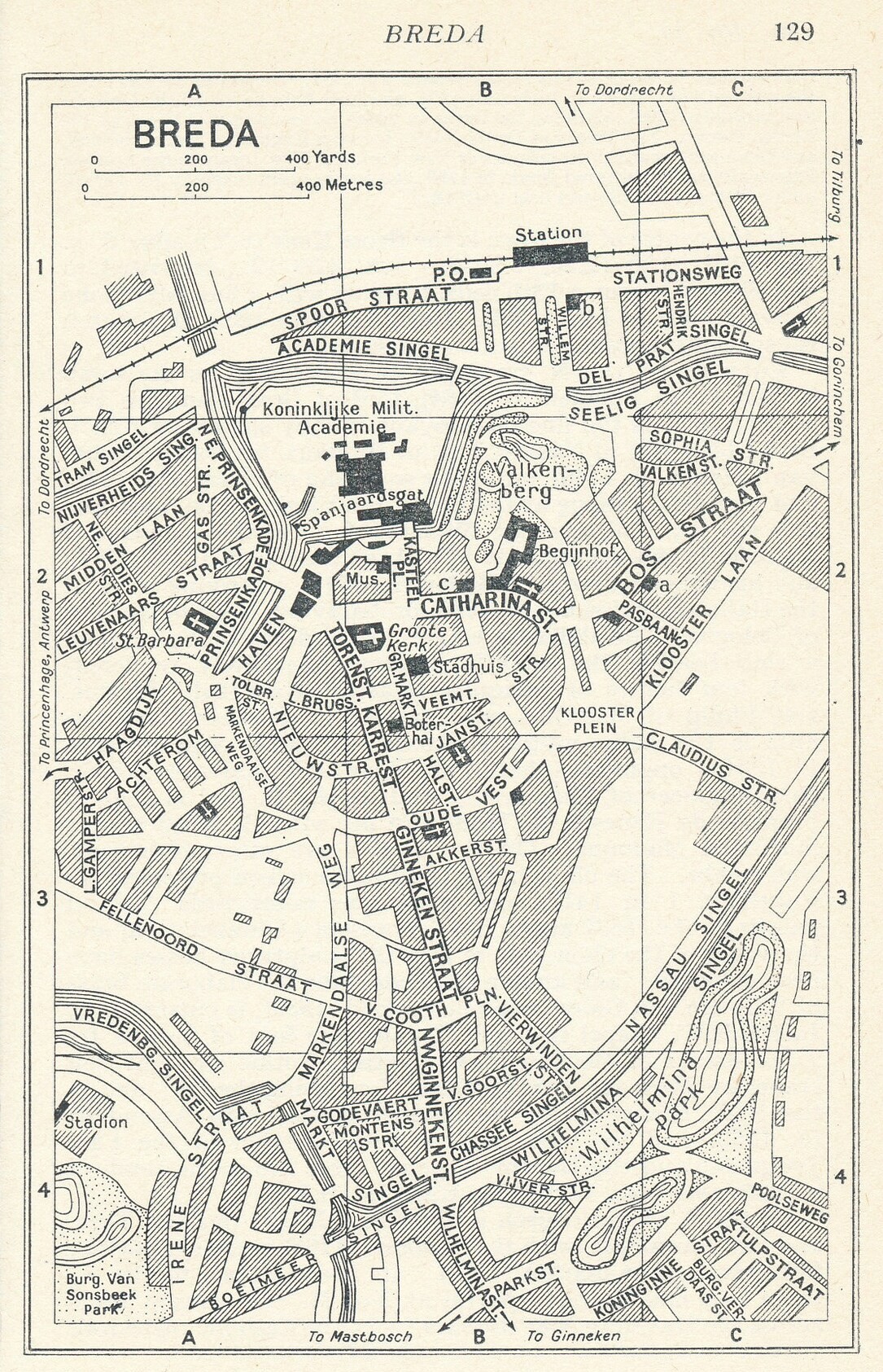
A growing concern has been raised regarding the direction of public discourse in the Netherlands, with critics arguing that the country’s celebrated commitment to human rights is being undermined by the normalization of extremist rhetoric. As political debates intensify surrounding the aftermath of the October 7th attacks, observers point to a troubling trend where the glorification of violence against civilians appears to be tolerated within certain segments of society. This shift, according to commentators, suggests a fundamental crisis in moral principles, particularly concerning the treatment of Jewish citizens and the acceptance of terrorist ideologies.
The Conflict Between Protest and Incitement
While the right to peaceful assembly is a core tenet of democracy, critics argue that there is a critical distinction between legitimate governmental critique and the fostering of an environment where antisemitism thrives. Recent demonstrations in Amsterdam, for instance, have drawn attention due to the participation of speakers associated with international movements like BDS. Questions have been raised about whether the organizers of such events have thoroughly examined the alleged affiliations of prominent attendees before granting them a platform. Security agencies, including the AIVD, have previously issued warnings regarding the presence of extremist networks within the country, highlighting that these are documented concerns, not merely political fabrications.
A Slippery Slope of Moral Compromise
The concern extends beyond specific political disputes; it touches upon the broader acceptance of violence. Detractors note that when societies repeatedly rationalize terrorism as legitimate resistance, they risk eroding the very moral safeguards designed to protect all citizens. The failure to unequivocally condemn the brutal acts committed on October 7th, alongside the subsequent minimizing of civilian suffering, has led some to question the depth of the nation’s moral compass. Furthermore, instances of violence targeting Jewish individuals in the capital have reportedly been met with public debate focused on justification rather than immediate solidarity, fueling accusations of moral bankruptcy.
Global Implications and Future Risk
Experts caution that extremist ideologies do not adhere to national borders. Dismissing the possibility of violence stemming from these ideologies because they complicate a fashionable political narrative is deemed an irresponsible act. The argument posits that a democracy must possess the capacity to differentiate clearly between passionate activism and the active promotion of terror. The core message is clear: a nation that allows hatred directed at one community to become normalized within its borders is inherently placing its own future security at risk. The imperative, according to these voices, is for the Netherlands to defend free expression while simultaneously confronting and investigating credible threats of extremism without hesitation.
World Views
Hostility Toward Israel Integrates into American Political Mainstream, Experts Warn
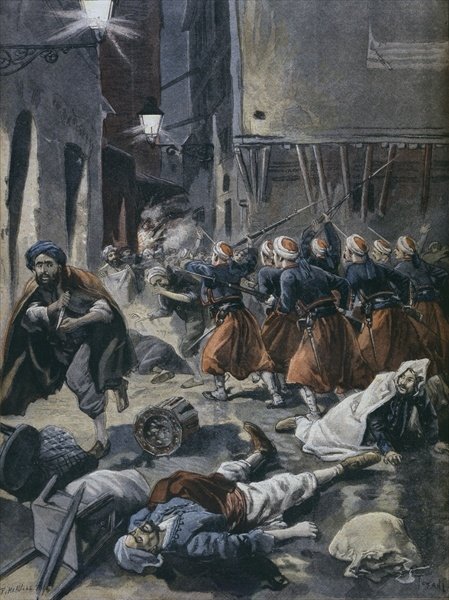
A growing political current in Washington, D.C., that centers its identity on hostility toward Israel is gaining significant traction, according to analyses of recent election outcomes. Rather than viewing the electoral results merely as a rejection of one political figure, observers are concerned about the deeper integration of anti-Israel sentiment into mainstream American political life. This trend, which has seen rhetoric move from the fringes to legislative bodies, carries serious historical implications for Jewish communities across the continent.
The Shift from Rhetoric to Policy
Recent victories in several states illustrate this troubling shift. In Michigan, for example, the election of Abdul El-Sayed to the U.S. Senate was highlighted by his continuous attacks on the Jewish community. Furthermore, his persistent refusal to acknowledge Israel’s right to self-determination aligns with definitions of antisemitism. Similarly, the election of Donavan McKinney, a Democratic Socialist candidate, who pledged to halt military assistance to the nation of Israel, underscores the movement’s growing influence. In New York, several candidates supported by local officials have publicly called for a complete cessation of United States funding to Israel and the implementation of a full arms embargo. One candidate, Darializa Avila Chevalier, specifically advocated for the granting of the Palestinian right of return, a position critics argue effectively demands the dissolution of Israel as a Jewish state.
The Consolidation of Power
These victories signal a critical change: the anti-Israel agenda is moving beyond campaign slogans and into the potential governing platform. Previously, such voices were confined to the margins of Congress. Now, with these new electoral successes, groups like the Democratic Socialists of America are poised to push these demands further. Analysts note that in a Congress divided along partisan lines, even a small, focused bloc can significantly influence a major party’s direction. This concentration of opposition risks transforming political rhetoric into concrete policy.
A Historical Warning
Commentators caution that when political figures leverage hatred to achieve office, they rarely relinquish that sentiment once in power. This dynamic risks creating a climate where, when economic difficulties arise, the temptation to blame Jewish people will resurface. Echoing historical warnings, experts point to the message that what begins as an attack on a specific group rarely remains confined to that group. This situation prompts a call for heightened organization and engagement within the Jewish community. Leaders suggest that American Jews must build stronger alliances with Americans of all political stripes who recognize antisemitism as a threat to the entire nation. As one respected scholar noted, when a country turns against its Jewish citizens, a much deeper societal structure is typically failing.
World Views
Berlin’s Jewish Community Voices Urgent Alarm Over Rising Antisemitism and Street Safety

A growing sense of dread permeates the streets of Berlin, where community leaders are reporting that Jewish children are increasingly fearful of simply walking alone. According to recent statements from the chairman of the Kahal Adass Jisroel Jewish community, the fear is not theoretical, but a stark reality fueled by escalating incidents of public harassment and violence. The community is urgently calling on German authorities to move beyond historical remembrance and establish robust, proactive measures to ensure the physical safety and integration of Jewish citizens.
Escalating Threats and Community Impact
The anxiety faced by families is visibly tied to recent geopolitical tensions. The community chairman detailed instances where his sons, who openly display their Jewish heritage, have been targeted by individuals shouting aggressive remarks or political slogans during their daily routines. These incidents, he noted, highlight a troubling pattern where events in the Middle East immediately translate into heightened danger for Jews residing in Germany. This atmosphere of instability was dramatically underscored by a recent arson attack on the synagogue, which also houses a Jewish school, involving Molotov cocktails.
The Call for Systemic Change
Speaking at a significant gathering focused on confronting rising prejudice, the community leader emphasized that the current reliance on police protection is unsustainable. He asserted that while criticism of governmental policies is a legitimate freedom, anti-Zionism must not be allowed to operate as a shield for antisemitism. He stressed that Jewish individuals should not be held accountable for global political conflicts over which they have no control. The core message delivered was that the state has a fundamental responsibility to protect its citizens, a responsibility that must be actively enforced in the present day.
Prioritizing Prevention and Enforcement
To combat this growing threat, the chairman outlined a two-pronged strategy. The first involves prevention, advocating for educational initiatives that equip young people and educators to identify and confront prejudiced attitudes. The second is the strict, consistent application of the law. This requires a zero-tolerance approach to all acts of hatred, violence, and incitement, regardless of whether they are overtly directed at Jewish people or masked as political critique. The community expressed gratitude for existing law enforcement efforts but stated that the goal must be to reach a point where Jewish life in Berlin can resume as a normal, unburdened part of public life, rather than a constant exercise in self-protection.
