



World Views
UK Convicts Iranian Men for Spying on Journalists on Behalf of Revolutionary Guards
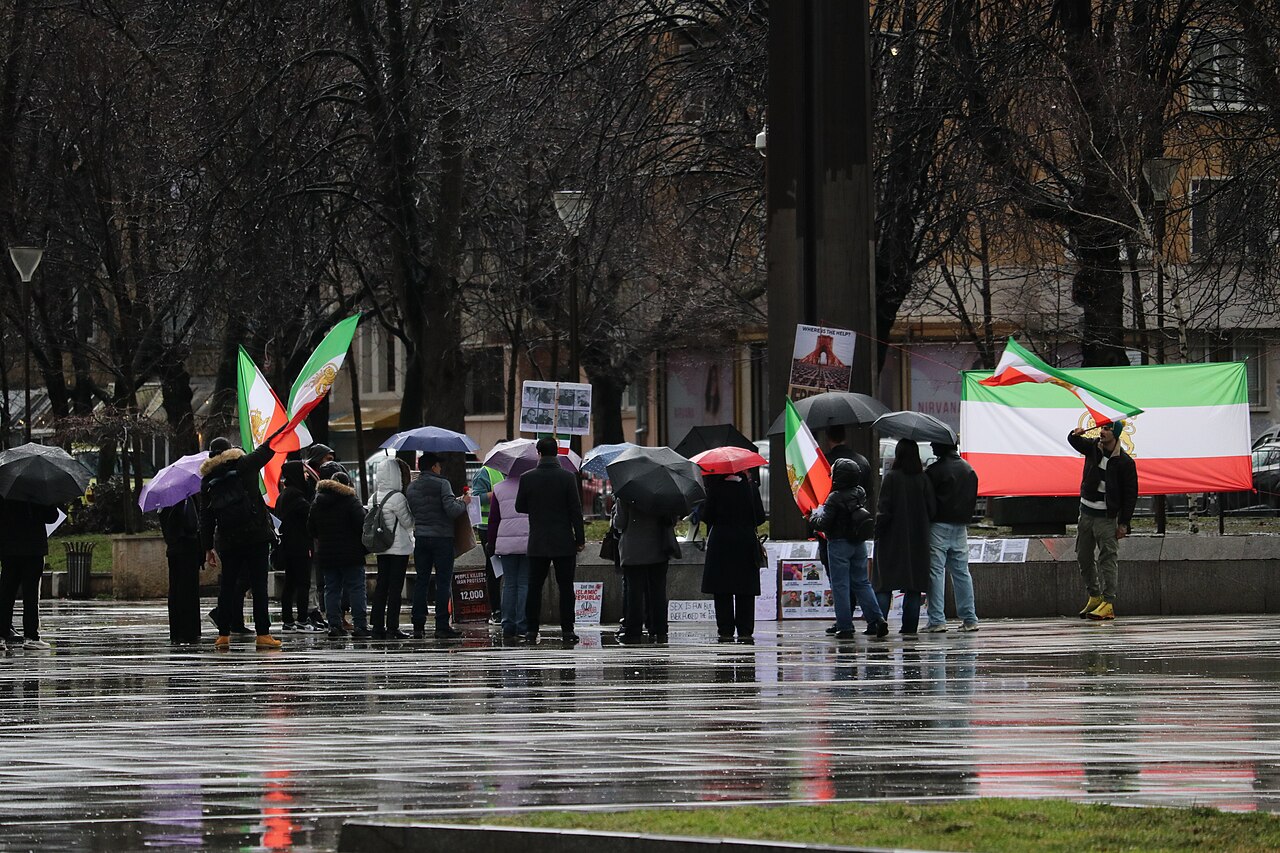
British courts have secured convictions against two Iranian nationals for engaging in surveillance of dissident journalists, actions that authorities confirm were carried out at the behest of Iran’s Revolutionary Guards. The arrests underscore a growing pattern of hostile activities emanating from Tehran, according to law enforcement officials. The men, Mostafa Sepahvand and Farhad Javadi Manesh, were found guilty of monitoring reporters associated with Iran International, a Persian-language news outlet known for its critical reporting on the Iranian regime, between August 2024 and March 2025.
The Nature of the Treasonous Acts
The convictions represent a significant legal milestone, marking the first instance where Iranian citizens have been prosecuted under a 2023 statute designed to combat threats originating from foreign states, including Iran. Sepahvand was convicted not only of assisting a foreign intelligence service but also of planning a violent attack against several of his targets. This planning involved being offered a substantial sum of money, reported to be up to £150,000, to carry out an assault on journalists and a UK lawyer. Sepahvand claimed to have acted under duress, though he was ultimately convicted of the charges.
Manesh was found guilty of aiding the foreign intelligence group, though he was acquitted of the charge related to the planned attack. The trial was part of a recent wave of prosecutions, highlighting the intensity of the threat. MI5 officials noted that state-linked operations involving Iran have resulted in over 50 arrests within the last year, and the level of state threats has increased dramatically over the past decade. Senior policing coordinator Vicki Evans indicated that this upward trend is expected to continue.
Escalating Geopolitical Tensions
Intelligence services in the UK and the US have recently flagged heightened security risks involving Iran and Russia, noting that these nations are increasingly utilizing criminal proxies. These individuals are often recruited online and are motivated primarily by financial gain rather than political ideology to execute criminal acts. This pattern of hybrid warfare has drawn international scrutiny. Britain previously accused Iran of involvement in a suspected September plot targeting RAF Fairford, a military airbase utilized by the United States for strikes against Iran.
Iran has consistently dismissed all involvement in these activities. The Iranian Foreign Minister expressed distress over the arrests, while the nation’s embassy in London categorically rejected the prosecution’s claims, asserting that the use of judicial processes to advance political agendas against Iran is unacceptable.
Future Outlook for Press Freedom
The victims of this surveillance, journalists at Iran International, stated that the recent rulings do not guarantee their safety as long as the Islamic Republic of Iran continues its campaign of threats and violence against them. The ongoing judicial proceedings against the convicted men, set to conclude next month, serve as a stark reminder of the increasing pressure on media freedom in the face of sophisticated, state-sponsored intelligence operations.
World Views
Political Paradox: Bardem Joins Israeli Director on New Feature Amid Boycott Stance
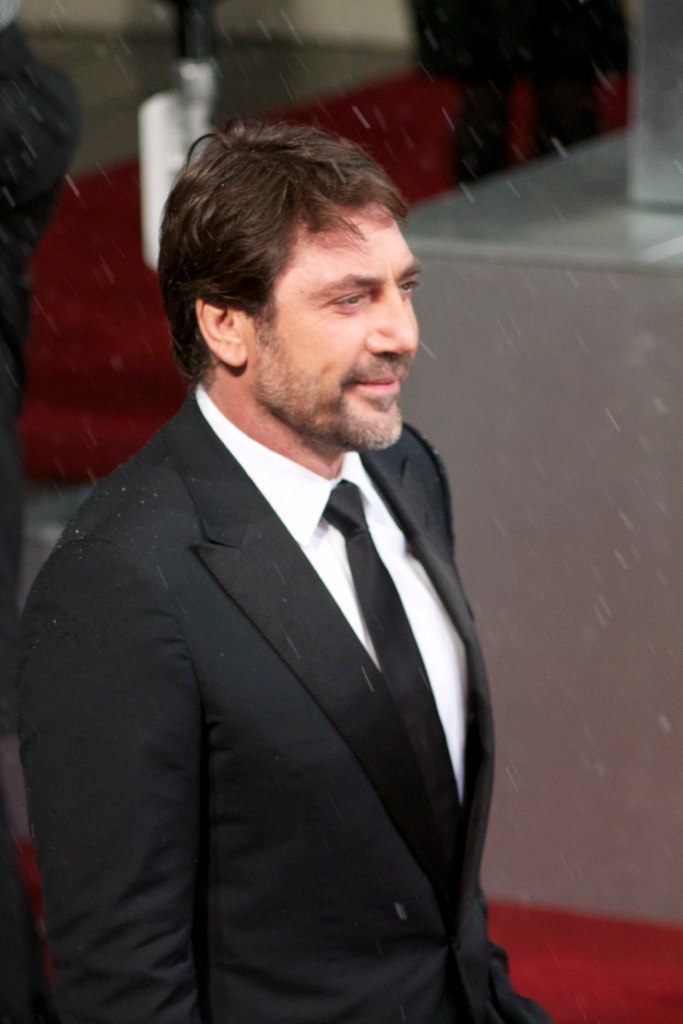
The casting of acclaimed Spanish actor Javier Bardem in Alma Har’el’s upcoming film, ‘Wet,’ has drawn significant attention, not solely for the project itself, but for the complex political intersection of its production. Lionsgate recently secured the distribution rights for the North American and United Kingdom markets, confirming the involvement of Bardem alongside Rebecca Ferguson and Rosalia. While the film is being described as a ‘wildly seductive, high-seas caper,’ the project’s association with an Israeli director and its participation in a major studio deal presents a notable contradiction given Bardem’s outspoken activism.
The Conflict of Conscience
Bardem has publicly advocated for a ‘Free Palestine’ and has been a vocal critic of Israel’s military operations in the Gaza Strip. Furthermore, he has pledged to boycott any Israeli film companies or institutions he believes are implicated in alleged atrocities against the Palestinian population. This commitment has led him to refuse to screen or work with certain Israeli entities. His participation in ‘Wet,’ which is helmed by Har’el, an Israeli filmmaker, has thus sparked debate regarding the practical application of his deeply held beliefs.
A Shared Critical Lens?
Adding layers to the narrative is the background of director Har’el, who, despite being born and raised in Tel Aviv, has also criticized the military actions taken by Israel in Gaza. For instance, the filmmaker supported a documentary in September that alleged the Israel Defense Forces deliberately targeted civilians during the recent conflict. While the Israeli military refuted the documentary’s claims, stating it presented a misleading picture of their operational planning, Har’el’s stance aligns with a critical perspective on the conflict. Her previous work includes directing Shia LaBeouf’s 2019 feature, ‘Honey Boy,’ and the Apple TV+ series ‘Lady in the Lake,’ which also starred her partner, Byron Bowers.
Production and Future Trajectory
The production of ‘Wet,’ which was co-written by Christian Stangeby, is slated to begin in the Dominican Republic next year, with resources provided by Fifth Season and 193, a Legendary Company. The project’s journey highlights a growing trend in global cinema where artistic collaboration frequently runs parallel to intense geopolitical tension. The fact that both the actor and the director have publicly expressed reservations about Israeli government policies suggests a unique, albeit complicated, professional alignment. The film’s eventual release will likely be scrutinized not just for its cinematic merit, but for how it navigates this delicate balance between international commerce and profound political dissent.
World Views
Trump Directs Vance to Abandon Iran Peace Efforts, Prioritize Domestic Corruption Sweep
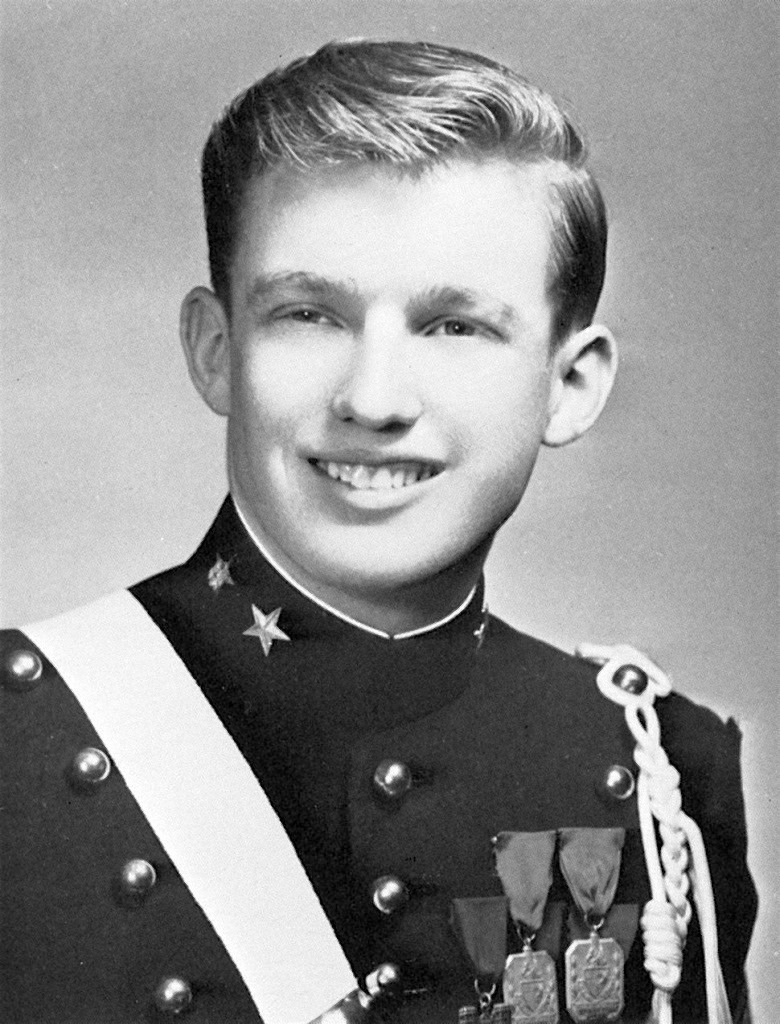
President Donald Trump has issued a clear directive, instructing Vice President JD Vance to halt any focus on resolving the conflict with Iran. The President asserted that the United States no longer requires a diplomatic agreement with Tehran, arguing that the nation’s current economic and military strategies are sufficient. Instead, Trump mandated that Vance dedicate his entire focus to addressing alleged criminal activity and systemic corruption within cities and states governed by Democratic officials.
The End of Diplomacy? Trump’s Stance on Tehran
Trump’s pronouncement followed reports that Vance was exploring potential face-to-face discussions with a high-ranking Iranian security official. The President dismissed the notion of a negotiated settlement, posting that the US already possesses significant economic leverage over the Iranian regime, specifically referencing control over the vital Strait of Hormuz. He indicated that his administration believes the existing economic blockades and punitive sanctions are proving effective, rendering both military escalation and diplomatic outreach unnecessary.
This hardline stance comes as the US military maintains a blockade on Iranian ports while actively working to ensure safe transit for global shipping through the Strait of Hormuz. Meanwhile, Iranian military sources reported that four oil tankers were recently struck by explosions after failing to comply with Tehran’s warnings.
Shifting Priorities and Political Fallout
The directive marks a significant pivot for Vance. The Vice President, who has been seen as a prominent figure in the Republican Party for future leadership, had previously spearheaded talks with Iranian representatives conducted in Pakistan. These discussions led to a memorandum of understanding in June that temporarily paused the hostilities, although the agreement subsequently dissolved. Recently, Vance had also publicly distanced himself from the war, attributing the financial burden of the conflict in part to the recent electoral defeats suffered by Republicans against Democrats.
Trump countered this distancing by strongly defending the ongoing military action, maintaining that the conflict is essential to prevent Iran from acquiring nuclear weaponry. Furthermore, Secretary of State Marco Rubio publicly dismissed Iran’s proposed conditions for a potential accord as unreasonable, specifically noting their demand for reparations following the war. Trump, in response to Vance’s recent political commentary, instead highlighted a domestic agenda, asserting that the nation’s budget could be stabilized by correcting large-scale criminal and corrupt activities prevalent in certain Democratic-run jurisdictions.
A Domestic Focus for the GOP
The conflict over foreign policy strategy—whether to pursue diplomacy or maintain economic pressure—has become a central political battle. By redirecting Vance’s energy toward domestic law enforcement and combating corruption, Trump is attempting to reframe the political narrative, shifting the focus away from the costly geopolitical conflict and toward internal governance issues, thereby setting a clear course for the Vice President’s next political moves.
World Views
Escalating Wave of Attacks Targets Jewish Businesses in Montreal
A troubling surge of vandalism and targeted attacks against Jewish-owned establishments has gripped Montreal, with a kosher bakery-restaurant being robbed and damaged for the third time in just one week. The incidents, which include smashed windows and suspected arson, have prompted concern within the local Jewish community and raised questions about the rising tide of hate crimes across Canada.
Recent Incidents Mark Disturbing Trend
The latest attack occurred at Schnitzels on Queen Mary Road, where the business was broken into and looted on Wednesday. The owner reported that thieves made off with between $700 and $800 in cash, in addition to personal records. This marks the third such incident in seven days, following damage at Pizza Pita Prime and a series of destructive acts at Mimimelon, a kosher bakery in Ville St-Laurent.
The escalation is stark. Two days prior to the Schnitzels incident, Pizza Pita had its storefront window shattered. Furthermore, Mimimelon experienced two separate fire incidents; one a deliberate fire that was quickly extinguished, and a second that resulted in the complete destruction of the premises. Police authorities confirmed their hate crime unit and arson squad are currently investigating these fiery events.
Community Reaction and Historical Context
The owner of Schnitzels expressed profound distress over the pattern of events, noting that while he could not definitively attribute the damage to antisemitism, the frequency of attacks was alarming. These recent events draw sharp parallels to historical atrocities, notably Kristallnacht, the 1938 Nazi pogrom, which occurred on the anniversary of the first window smashing at Pizza Pita.
The pattern of targeted violence is not confined to Montreal. Earlier this year, the kosher dairy restaurant Nöam burned down in Décarie Boulevard, and similar incidents were reported in Toronto, demonstrating a widespread regional threat. B’nai Brith Canada has highlighted the growing severity of the issue, documenting a near tripling of violent antisemitic incidents in the first half of 2026 compared to the previous year.
Broader Canadian Concerns
These local events reflect a broader national trend. Data from last year indicated that over two-thirds of all religion-motivated hate crimes in Canada were directed at Jewish individuals, despite the Jewish population constituting only one percent of the country’s residents. Authorities are currently reviewing the evidence from the Schnitzels robbery, though no arrests have been made. Experts suggest that while localized incidents are deeply painful, they are symptomatic of a larger, intensifying challenge to the safety and security of minority communities across the country.
