



World Views
Iran Accelerates Missile Arsenal Restoration Amid US Signals of Strategic De-escalation
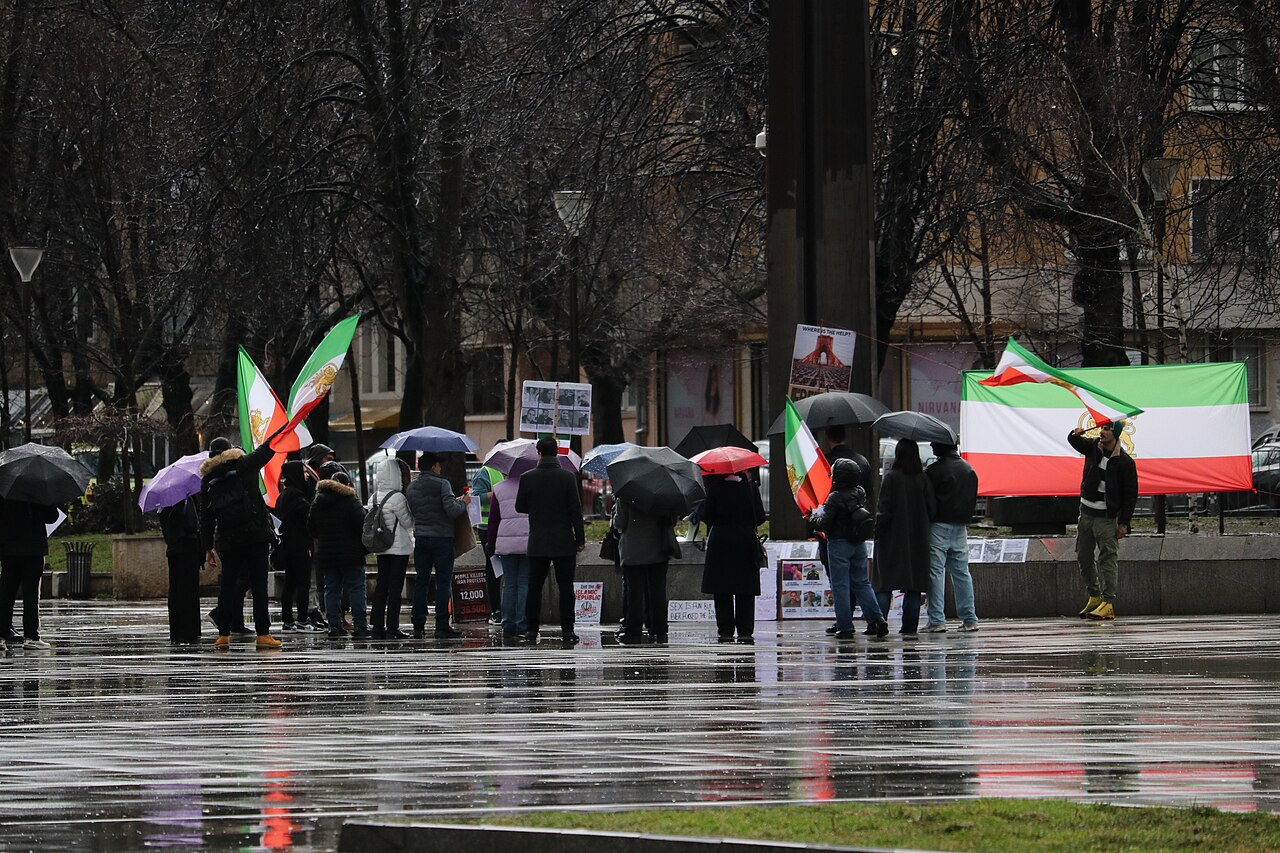
Iran appears to be aggressively accelerating the reconstruction of its missile capabilities, even as the Trump administration has indicated that further military intervention against Tehran is unlikely. The Islamic Revolutionary Guard Corps (IRGC) recently showcased a massive, newly developed subterranean complex, reportedly filled with ballistic and cruise missile systems and their launch platforms. While the authenticity of this facility remains unverified, its unveiling signals a determined push by the regime to restore its military deterrent, which experts warn continues to pose a significant threat to Israel and the wider region.
The Shift to Fortified Underground Infrastructure
The regime’s strategy involves moving critical military assets beneath the surface. This sprawling network of protected underground facilities is designed to ensure that Tehran can maintain its operational capacity, even during a sustained conflict. Military officials from Iran reportedly emphasized that their advanced weaponry would have a substantial impact on battlefields, suggesting that any future hostile action against the country would provoke a response that could extend beyond regional borders.
Intelligence assessments indicate that while devastating strikes earlier this year significantly reduced Iran’s stockpiles—dropping the count of missiles capable of reaching Israel from an estimated 2,500 to over 1,700—the threat has not been eliminated. Reports from research centers highlight that the Iranian program remains a top strategic concern. Despite the damage inflicted on launch systems and production stockpiles, analyses confirm that the nation retains the inherent capacity to rebuild a substantial arsenal.
Production Bottlenecks vs. Assembly Resilience
The key strategic worry, analysts contend, is not simply the current number of missiles, but the velocity at which Tehran can restore its manufacturing base. While some reports suggest Iran is restarting assembly lines and resuming production, detailed assessments point to a significant imbalance. The country maintains largely intact final assembly capabilities, but the earlier stages of the supply chain—specifically the production of raw materials, engine components, and warheads—are still operating at low levels.
Furthermore, satellite imagery has revealed renewed activity at major Iranian sites, suggesting the regime is actively tunneling and constructing underground operations at locations like Parchin and Khojir. This indicates a deliberate effort to shield its production and assembly processes from future airstrikes, casting doubt on earlier claims that the military infrastructure was completely neutralized.
A Disconnect in Global Policy
This rapid military recovery occurs against a backdrop of shifting US policy. The Trump administration has publicly signaled that it believes its existing economic sanctions and maritime blockades are already achieving their objectives, suggesting that further military escalation or diplomatic negotiations are unnecessary. The administration has suggested that the conflict is ‘effectively over’ militarily. This perceived lack of immediate military pressure from Washington creates a window of opportunity for Iran. While the timeline for full restoration remains uncertain—ranging from several months to several years—experts caution that Iran’s reconstruction efforts are advancing faster than initial intelligence projections, leveraging the current pause in major strikes to regain critical military capabilities.
World Views
Rising Tensions and Discrimination Claims Mark New York City Landscape
A confluence of legal battles, public incidents, and acts of vandalism suggests a growing climate of friction and discrimination within New York City. Reports indicate that Jewish employees within the city’s health department have initiated a lawsuit, alleging that the agency fostered a hostile work environment and engaged in discriminatory practices against Jewish individuals and those who support Israel. The legal action spans periods under both the current and former mayoral administrations, highlighting systemic concerns regarding workplace equity.
Workplace Battles and Political Flashpoints
The seven employees who filed the suit claim they faced significant pushback, including being prevented from forming an internal support group for Jewish staff. Furthermore, they experienced retaliation after sending a group message to mourn the tragic shooting of Jewish people in Australia in December 2025. Officials involved in the case stated that the environment was oppressive to those expressing solidarity with Israel. Outside the professional sphere, political figures have also become targets of public scrutiny. During a Veterans Day parade on Fifth Avenue, Mayor Zohran Mamdani was met with audible disapproval and chants of ‘Am Yisrael Chai’ from some attendees, while supporters cheered from the sidelines.
Acts of Vandalism and Community Response
The growing unrest is mirrored by troubling acts of hate crime. In Brooklyn, a man named Saul Amantecatl Sanchez was apprehended after allegedly defacing a local Jewish Community Center in Lawrence, New York, by drawing a swastika on a door in the parking area. Sanchez, who was reportedly making a delivery at the time, was subsequently released on a court appearance ticket. These incidents underscore a visible threat to local Jewish institutions and communities.
Local Politics Amidst Broader Concerns
Amid these serious social and legal challenges, local political life continues its rhythm. Incoming New York-12 Representative Micah Lasher has taken over the unofficial House Bagel Caucus from outgoing Representative Dan Goldman. Goldman, who founded the informal group in 2023 to foster bipartisan camaraderie over city bagels, expressed confidence in Lasher’s ability to promote the local culinary tradition across the nation. Goldman’s remarks, however, carried a subtle political undertone, referencing rivals and the importance of bipartisan outreach.
The accumulation of these diverse events—from legal challenges in city agencies to public displays of hatred and the passing of political influence—paints a complex picture of modern New York. While community groups continue to demonstrate resilience and solidarity, the legal and public incidents demand heightened attention from city officials and lawmakers to ensure a safe and equitable environment for all residents.
World Views
The Quiet Power of Duty: How Ancient Texts and Royal History Redefine Strength
The collision between personal longing and public obligation has shaped countless historical dramas, from the courts of Europe to the narratives of ancient scripture. The story of Prince Edward VIII, who famously abdicated the British throne to marry Wallis Simpson, serves as a potent modern example of choosing love over duty. Yet, when examining this choice through the lens of traditional texts, a deeper lesson emerges: true strength is not found in the pursuit of immediate desire, but in the quiet endurance of responsibility.
The Impulsive Choice Versus Enduring Resolve
The biblical narrative of Esav and Yaakov offers a striking parallel to this conflict. Esav, portrayed as a formidable hunter, trades his birthright—a symbol of future authority—for immediate sustenance. This impulsive action, driven by present hunger, ultimately leads to profound regret. Conversely, Yaakov, initially presented as a more unassuming figure, embodies a different kind of fortitude. His strength is not physical, but moral; it manifests through his ability to survive hardship, absorb disappointment, and persist through years of struggle, ultimately earning a new, powerful identity.
From Palace to Public Service: A Royal Parallel
This theme of reluctant duty finds a powerful echo in the life of George VI. While Edward VIII prioritized his personal happiness, his younger brother, Albert, accepted the Crown. George VI, who was reserved and lacked the flamboyant presence of his elder sibling, unexpectedly became a symbol of national stability. During the darkest years of World War II, he and Queen Elizabeth toured bombed-out areas, demonstrating a commitment to his role that transcended personal comfort. He embodied the very concept of duty that his brother had found intolerable.
Mastering the Interior Self
Scholarly tradition suggests that the ultimate measure of strength lies in the ability to control one’s internal impulses. The narrative of the twins suggests that Esav, despite his physical prowess, was governed by the urgency of the moment. Yaakov, however, demonstrated the capacity to live for a future commitment, even when the present offered immediate gratification. This distinction challenges the common misconception that force equates to strength. The quiet victories—the commitment to an obligation, the refusal to succumb to an immediate craving—are the foundations upon which strong communities and civilizations are built. The parallel between the impulsive hunter and the enduring administrator provides a profound challenge: the most significant battles are often fought not in the field, but within the self.
World Views
Mandate Deadlock: Legal Hurdles and Religious Demands Stymie Israeli Government Formation
A protracted political stalemate continues to grip Israel, with negotiations to form a new government facing a seemingly insurmountable legal barrier. Former IDF chief Gadi Eisenkot, who received the mandate from President Isaac Herzog, is battling not only the complexities of coalition building but also a specific legislative demand from key religious parties. The core issue revolves around the insistence by United Torah Judaism (UTJ) that a particular draft law, concerning the status of yeshiva students, must be passed before any government can be officially sworn in.
The Legislative Impasse
Eisenkot’s bloc, which includes significant support from Arab parties, is attempting to navigate a highly fragmented political landscape. While the bloc has secured initial support for the Speaker position and has proposed key reforms, the path forward is blocked by UTJ’s insistence. The party has filed multiple bills demanding measures, such as deferring military service for students and freezing arrests related to draft evaders since July 2023. Despite efforts from senior religious figures to open dialogue, the legal framework presents a major obstacle. Israeli legal staff and the Attorney General maintain that any new foundational legislation must originate from a government.
Political Maneuvering and Military Concerns
The negotiations are further complicated by shifting alliances and deeply entrenched political positions. Avigdor Liberman, a key political figure, recently offered a compromise on a long-standing issue, though the ultimate willingness of parties like Shas remains tied to Benjamin Netanyahu’s leadership. Meanwhile, the military readiness of the nation is under intense scrutiny. Reports indicate that the army faces significant shortfalls in reservists and has a substantial number of religious men classified as evaders. This military pressure adds a sharp urgency to the political crisis, as Eisenkot himself campaigned on the principle of universal service.
Geopolitical Strain and Constitutional Pressure
Beyond the domestic deadlock, the nation faces mounting international and constitutional pressures. Geopolitically, the conflict with Iran remains a central concern, with differing views emerging between Netanyahu’s administration and security chiefs regarding the appropriate response. Domestically, the push for a government is raising constitutional questions, as evidenced by warnings from a former chief of staff regarding potential conflicts between government orders and the security services. Until a mechanism is found to bypass the legal requirement for a governing body to introduce foundational laws, the political clock continues to tick, leaving the country in a state of high tension and legislative limbo.
