



World Views
Historic Church Seizure in Tehran Highlights Intensifying Crackdown on Christian Communities in Iran
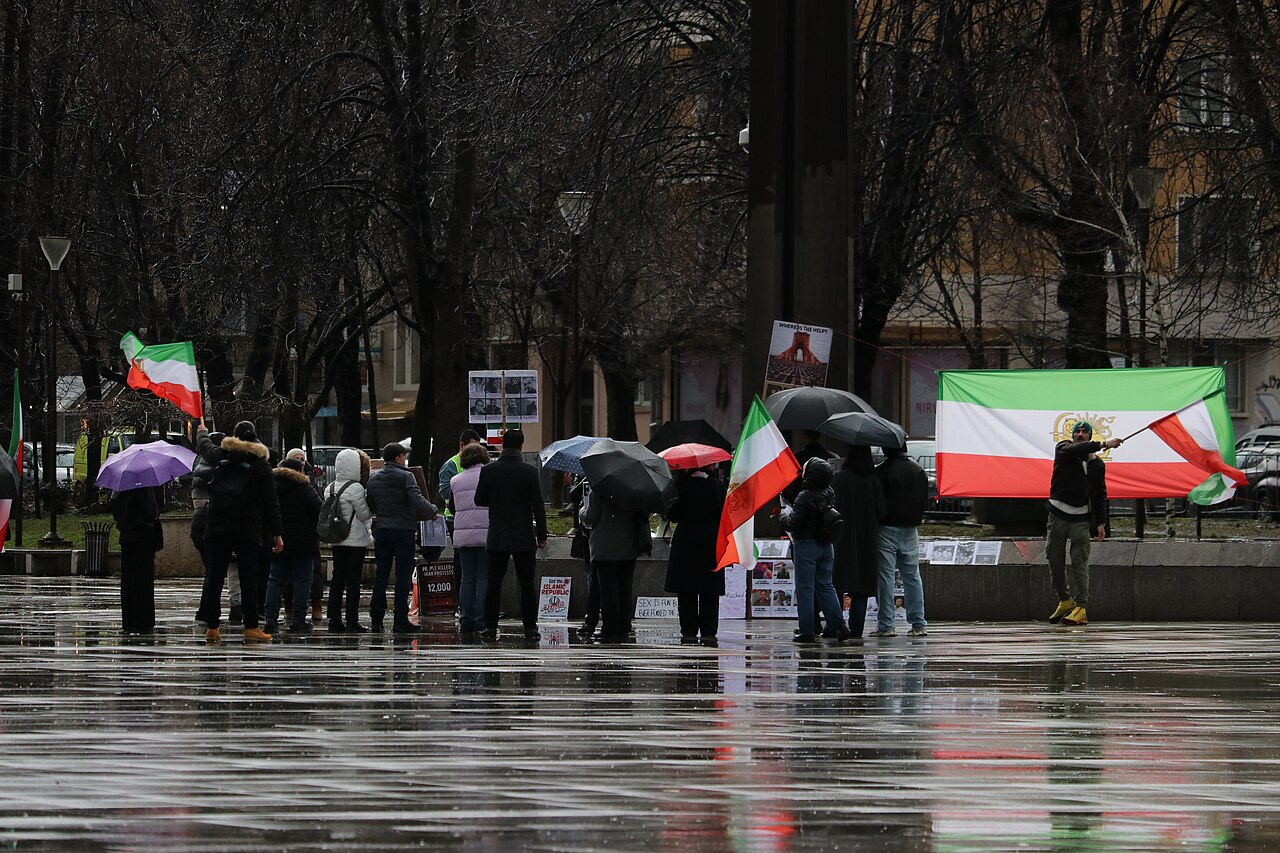
The systematic targeting of religious minorities in Iran has reached a critical point, underscored by the recent confiscation of St. Peter’s Evangelical Church in Tehran. This historic institution, which has served the Christian community for roughly 150 years, was seized by a state-controlled organization, signaling the Islamic Republic’s aggressive campaign to suppress independent religious activity and enforce ideological conformity.
Escalating Persecution and Human Rights Violations
The seizure of the church compound, which also included residential homes, schools, and offices, drew immediate condemnation from United Nations human rights experts. These experts warned that the forced eviction of 27 Armenian and Assyrian residents violated international human rights standards. Beyond the loss of physical property, the pressure on believers is mounting dramatically. Reports from underground monitoring groups indicate a severe spike in arrests and fatalities. One ministry network documented that in recent months, at least 33 Christians connected to its clandestine network were killed, and approximately 131 were detained, with several facing severe legal penalties.
The State’s Legal and Ideological Justification
Authorities are increasingly framing religious dissent as a threat to national security. Official documentation from international bodies has detailed how Iranian officials portray Christians, particularly those who converted from Islam, as promoters of foreign influence, specifically linking them to ‘Zionist Christianity.’ This narrative allows the government to utilize broadly defined legal statutes, such as Article 500 of the Islamic Penal Code, which criminalizes any ‘propaganda contrary to the holy religion of Islam.’ This legal mechanism has been used to justify the detention of numerous individuals, including 38 currently serving sentences, according to the United States Commission on International Religious Freedom.
Resilience Amid Repression
Despite the severe legal and physical pressures, the desire for religious expression persists. Underground networks continue to operate, demonstrating significant resilience. While independent verification remains difficult due to restrictions on press freedom, these networks continue outreach, reporting thousands of conversions annually. The loss of major religious sites, such as the recent demolition of the Evangelical Church in Mashhad, raises serious concerns about the future of organized worship. International bodies, including the World Council of Churches, have voiced strong opposition to these actions, demanding that the Iranian government reverse the displacement and allow congregations to return to their historic places of worship.
World Views
NYC Council Demands Civil Rights Probe After Hunter College Event Cancellation Sparks Controversy
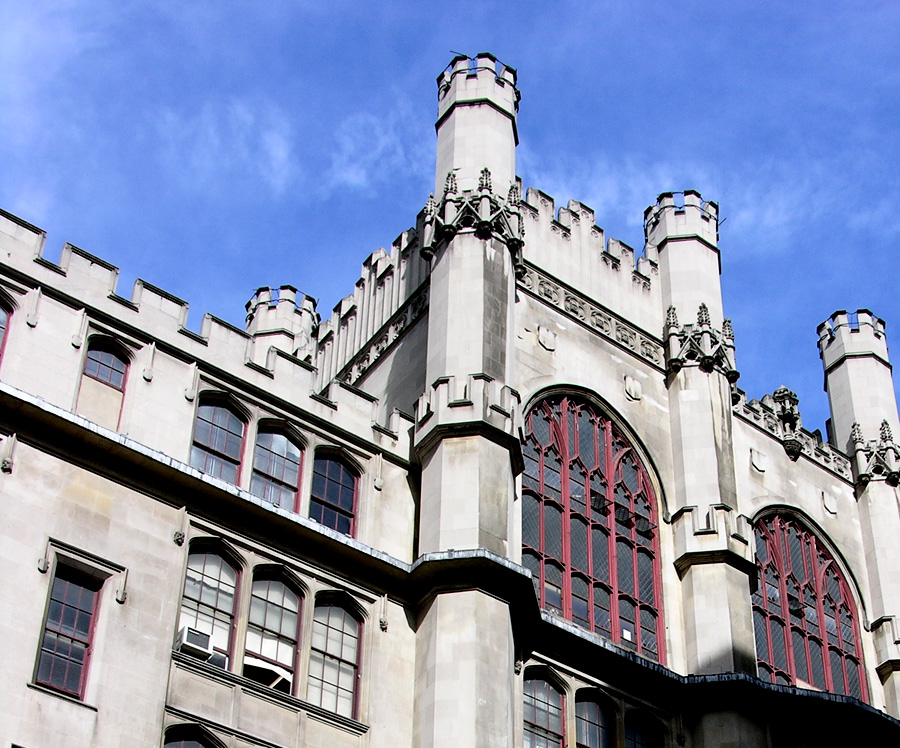
New York City Council members are urgently calling for a formal civil rights investigation into the recent cancellation of a significant event at Hunter College. The demand comes after the undergraduate student government called off the planned gathering, leading to intense scrutiny regarding potential exclusionary practices on the campus. Council members Eric Dinowitz, Virginia Maloney, and Lynn Schulman have formally petitioned the City University of New York (CUNY) Chancellor, insisting that a Title VI inquiry must be launched to ensure accountability.
The Cancellation and Conflicting Explanations
The event, scheduled for November 14th, was suddenly withdrawn by the student body leadership. Initially, the student leaders stated that the initiative had ‘failed’ and should not have progressed due to misalignment with their core values. Later, they cited broader safety concerns and reaffirmed their dedication to cultivating a welcoming atmosphere for all students, regardless of their background or identity. However, the college administration presented a different narrative. Nancy Cantor, the college president, later clarified that the cancellation was due to insufficient co-sponsorship from student groups.
Allegations of Exclusion and Political Pressure
Despite the official reasoning, Cantor acknowledged reports that several groups withdrew their support specifically because of the announced involvement of the campus Hillel. While she stressed that the event was not canceled to deliberately exclude the Jewish organization, she confirmed that the college was actively investigating these circumstances under existing policies concerning discrimination and harassment. The Council, however, dismissed the administrative caution, arguing that the alleged exclusion based on perceived or actual ancestry directly violates federal protections.
Historical Context and Future Outlook
The lawmakers pointed to a troubling pattern of exclusion and antisemitism at Hunter College when justifying their demand. They cited past incidents, including a 2024 demonstration where demonstrators shouted phrases targeting Jewish students. The Council asserted that given the volatile atmosphere, CUNY has a responsibility to intensify its efforts to promote positive dialogue and unite the diverse community. In response to the political pressure, a Hunter College spokesperson confirmed that a comprehensive and timely investigation is already underway. The institution stated that it would take necessary action if its policies were found to have been breached, leaving the campus community to await the findings of the official inquiry.
World Views
Actor’s Call for Senate Leadership Change Sparks Fierce Debate Over Religious Loyalty and Antisemitic Tropes
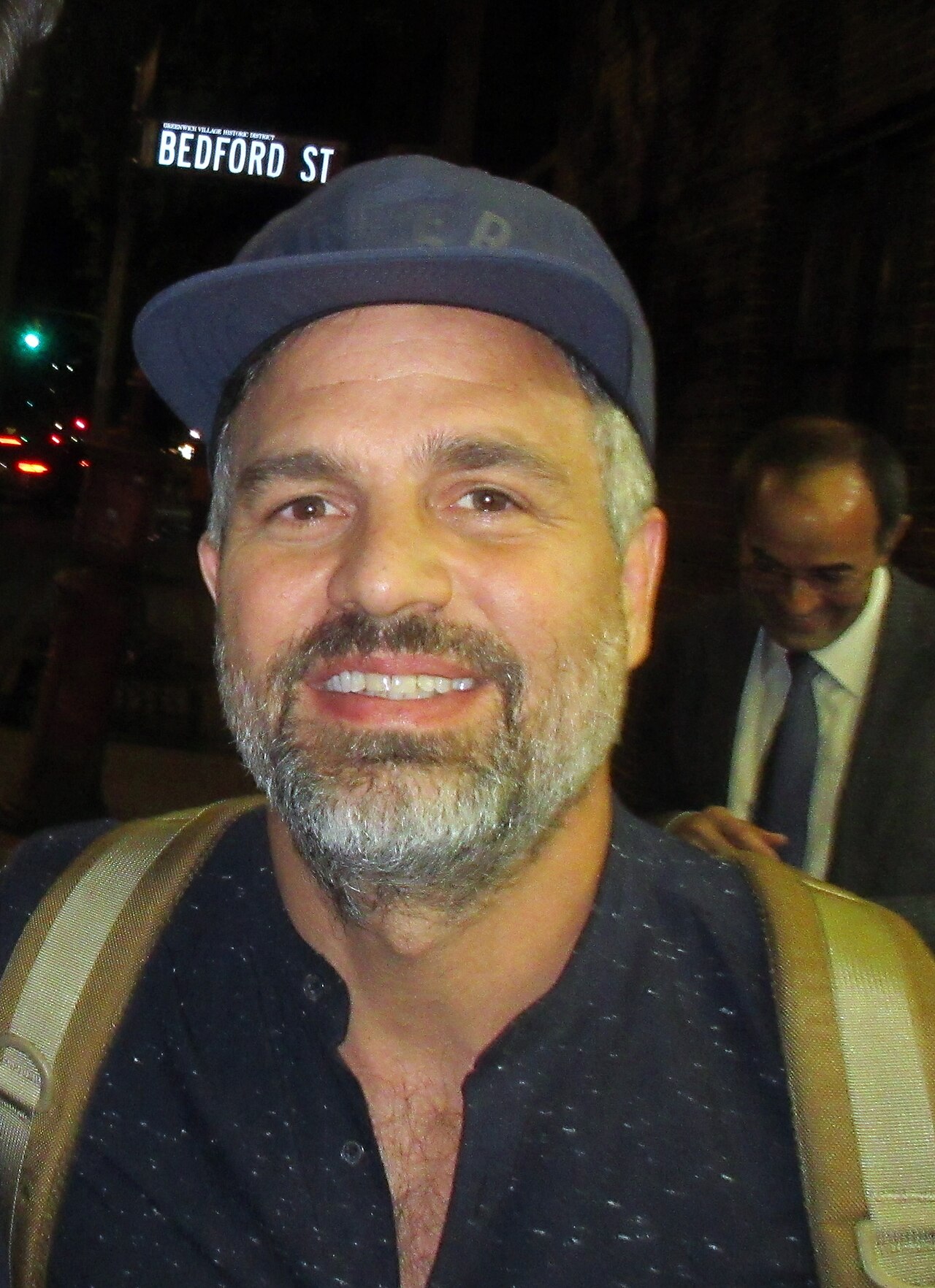
A prominent Hollywood actor has ignited a sharp controversy by publicly calling for the replacement of Senate Democratic leader Chuck Schumer, arguing that the current leader’s position is compromised by his ‘entrenched religious beliefs and loyalties.’ The critique, delivered via social media, has drawn immediate and intense scrutiny from political commentators and human rights advocates, who accuse the celebrity of invoking a historical antisemitic stereotype regarding dual allegiance.
The Demand for Change and Leadership Shift
The actor stated that Schumer, the highest-ranking elected Jewish official in American history, should ‘move aside,’ advocating instead for Senator Chris Van Hollen to take the reins of the Democratic caucus. Ruffalo elaborated that while issues like Israel are part of the reasoning, the core argument centered on the need for leadership unburdened by specific religious attachments. He argued that the new Senate majority must prioritize justice and the will of the electorate over deep-seated personal convictions.
In his commentary, Ruffalo also criticized what he perceived as ‘entrenched fossil fuel and corporate interests,’ suggesting that Van Hollen possessed the capacity to address ‘social and moral corruption’ within the incoming Congress. This push for change gained traction among some progressive figures, including Independent Senator Bernie Sanders and Democratic-elect Abdul El-Sayed, who have previously voiced strong opposition to Israeli policy.
Accusations of Antisemitism and Dual Loyalty
The actor’s comments, particularly the focus on religious loyalties, were swiftly condemned by critics who viewed the remarks as a direct attack on Schumer’s Jewish identity. Experts pointed out that questioning a Jewish leader’s devotion to their faith or to the State of Israel over their own nation aligns with definitions of antisemitism used by international human rights bodies. Mark Ruffalo referenced past statements made by Schumer regarding the Middle East, asserting that while religious beliefs are personal, they ‘cannot determine the rights of another people’ or supersede international law.
Expert Reactions and Political Fallout
- Advocacy Groups: National Jewish Advocacy Center CEO Mark Goldfeder challenged the actor, noting that similar criticisms are not typically leveled against Catholic or Muslim politicians, suggesting the actor’s focus was disproportionate.
- Congressional Criticism: Representative Ritchie Torres accused Ruffalo of displaying ‘insidious antisemitism,’ stating that the celebrity’s stance effectively disqualifies Schumer based on his Jewish background.
- Human Rights Perspective: Human rights attorney Brooke Goldstein suggested that the criticism was rooted in an ‘obsessive fixation’ on Israel, arguing that the use of the senator’s heritage as a reason for mistrust is fundamentally flawed.
Despite the controversy, the movement to support Van Hollen has garnered wider attention, with several celebrities and political donors, including Jane Fonda and Robert De Niro, issuing an open letter endorsing the leadership transition as the Democrats prepare for their caucus vote on December 1.
World Views
Escalating Hostility Targets Rome’s Jewish Community Amid Political Tensions
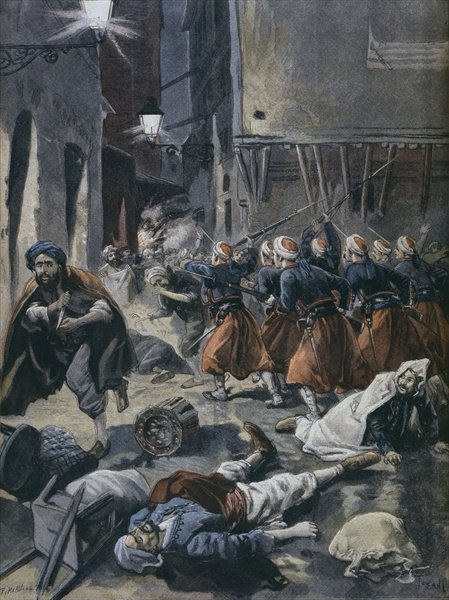
Italy’s Jewish population is experiencing a noticeable rise in hostile incidents, with Rome at the centre of a growing wave of anti-Jewish aggression. Recent events, including acts of vandalism and threatening displays, highlight a deepening climate of prejudice, even as the Italian government attempts to solidify legal protections against this surge of hatred.
Vandalism and Threats Plague Historic Neighbourhoods
The severity of the attacks was recently underscored by an incident in the city’s Jewish Quarter. Italian authorities apprehended an Egyptian man after he attempted to remove an Israeli flag from Piazza delle Cinque Scole. Following this attempt, the man proceeded to commit criminal damage, smashing windows, defacing storefronts, and breaking property across the historic district.
In a separate, disturbing development, antisemitic messages were discovered in a southwestern Roman neighbourhood. These graffiti, painted in red and accompanied by hateful symbols, explicitly targeted prominent figures in the Jewish community and called for violence against Israeli Prime Minister Benjamin Netanyahu. The Israeli Embassy in Italy strongly condemned the messages, warning that the hostile acts represented a worrying intensification of anti-Jewish sentiment directed at the nation’s Jewish residents.
The Legislative Response and Global Context
In response to the rising tide of prejudice, the Italian parliament recently approved legislation that formally incorporates the International Holocaust Remembrance Alliance’s (IHRA) definition of antisemitism into national law. This move, which passed with substantial majority, aims to establish clear guidelines for combating anti-Jewish hatred without creating new criminal charges. Supporters of the law argue it is a necessary reaction to the sharp increase in incidents, particularly following the October 7, 2023, atrocities in Israel.
Israeli Foreign Minister Gideon Saar praised the legislative action, calling Italy an ‘example for other nations in the global fight against antisemitism’ and stating that the country is sending a clear message of zero tolerance for this hatred.
Intense Political Debate Over Free Expression
However, the law’s passage has sparked intense debate among political opponents and human rights groups. Critics, including Amnesty International’s senior director of campaigns, voiced strong disapproval, describing the adoption of the definition as a ‘dark day for freedom of expression.’ Opponents argue that the IHRA definition risks conflating genuine political critiques of Israel with actual antisemitism, potentially leading to widespread self-censorship.
The IHRA definition, which has been adopted by many international bodies, describes antisemitism as a perception of Jews that manifests as hatred, directed toward Jewish people, their institutions, or their property. While the law is intended to address contemporary forms of prejudice, such as demonizing the Jewish state, its implementation remains a contentious issue, pitting national security concerns against principles of free speech.
Statistical data confirms the alarming trend: monitoring groups indicated that the number of reported antisemitic incidents in Italy had surged significantly in recent years, reaching record highs in the last year reported.
