



World Views
Netherlands Mandates Anti-Antisemitism Pledge for New Immigrants Amid Rising Hate
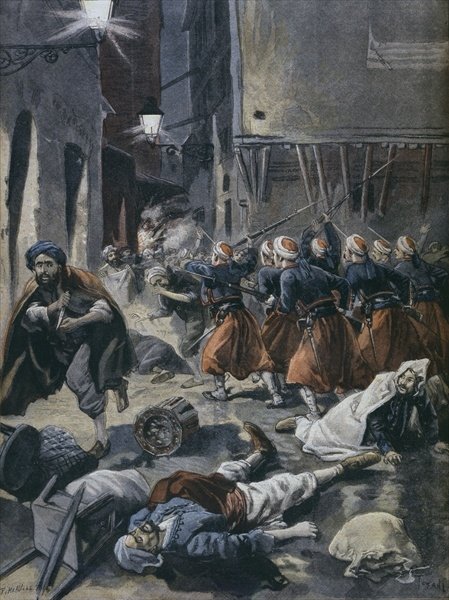
The Netherlands’ legislature has passed a significant new measure, mandating that all newcomers undergoing civic integration must explicitly pledge their rejection of anti-Jewish hatred and affirm their commitment to protecting Jewish life. The initiative represents a formal legislative response to a sharp and deeply concerning surge in antisemitic incidents across the nation. Lawmakers voted to incorporate specific references to the Holocaust, the repudiation of anti-Jewish sentiment, and the importance of safeguarding Jewish communities directly into the country’s participation declaration.
Legislative Requirements for Integration
This motion, introduced by a member of parliament from the Reformed Political Party, draws inspiration from Germany’s naturalization processes, where applicants must affirm their dedication to democratic principles and acknowledge historical responsibilities. Under the new framework, the declaration—which currently introduces immigrants to the nation’s core values and rights—will now explicitly require the acknowledgment of the Holocaust and the rejection of bigotry. A parliamentarian supporting the move stated that anti-Jewish hatred manifests in many forms, appearing across both the extreme left and the extreme right, necessitating a forceful national confrontation.
Context of Rising Intolerance
The legislative action comes against a backdrop of escalating hostility. Despite comprising less than 0.3 percent of the population, anti-Jewish hate crimes accounted for a substantial 26 percent of all discrimination cases registered by the Public Prosecution Service last year. Authorities reported that 867 antisemitic incidents were recorded in 2025, a figure nearly identical to the 880 recorded the previous year. This trend has prompted the Prime Minister to publicly appeal to Jewish residents, urging them not to abandon the country, emphasizing that the Netherlands is a ‘shared home’ for all.
Political Friction and Broader Debates
The adoption of this pledge is situated within a highly polarized political environment. Just weeks prior, lawmakers rejected motions aimed at imposing stricter controls on public funding for cultural institutions that boycott Israeli or Jewish artists, or those that promote antisemitism. Opponents of that measure cautioned that such governmental intervention could infringe upon artistic freedom. Furthermore, the legislature recently dismissed a proposal calling for tougher legal action against public displays of support for terrorist groups, including slogans referencing Hamas, reflecting deep divisions over freedom of assembly and the normalization of extremist rhetoric in public life.
The requirement for newcomers to affirm these values underscores a growing national consensus that civic commitment must include a robust defense of minority rights and historical memory, even as the nation grapples with complex cultural and political disputes surrounding the Middle East.
World Views
Escalating Hostility Targets Rome’s Jewish Community Amid Political Tensions
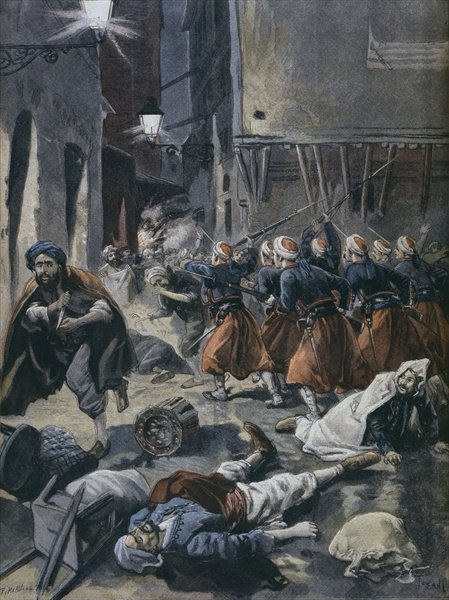
Italy’s Jewish population is experiencing a noticeable rise in hostile incidents, with Rome at the centre of a growing wave of anti-Jewish aggression. Recent events, including acts of vandalism and threatening displays, highlight a deepening climate of prejudice, even as the Italian government attempts to solidify legal protections against this surge of hatred.
Vandalism and Threats Plague Historic Neighbourhoods
The severity of the attacks was recently underscored by an incident in the city’s Jewish Quarter. Italian authorities apprehended an Egyptian man after he attempted to remove an Israeli flag from Piazza delle Cinque Scole. Following this attempt, the man proceeded to commit criminal damage, smashing windows, defacing storefronts, and breaking property across the historic district.
In a separate, disturbing development, antisemitic messages were discovered in a southwestern Roman neighbourhood. These graffiti, painted in red and accompanied by hateful symbols, explicitly targeted prominent figures in the Jewish community and called for violence against Israeli Prime Minister Benjamin Netanyahu. The Israeli Embassy in Italy strongly condemned the messages, warning that the hostile acts represented a worrying intensification of anti-Jewish sentiment directed at the nation’s Jewish residents.
The Legislative Response and Global Context
In response to the rising tide of prejudice, the Italian parliament recently approved legislation that formally incorporates the International Holocaust Remembrance Alliance’s (IHRA) definition of antisemitism into national law. This move, which passed with substantial majority, aims to establish clear guidelines for combating anti-Jewish hatred without creating new criminal charges. Supporters of the law argue it is a necessary reaction to the sharp increase in incidents, particularly following the October 7, 2023, atrocities in Israel.
Israeli Foreign Minister Gideon Saar praised the legislative action, calling Italy an ‘example for other nations in the global fight against antisemitism’ and stating that the country is sending a clear message of zero tolerance for this hatred.
Intense Political Debate Over Free Expression
However, the law’s passage has sparked intense debate among political opponents and human rights groups. Critics, including Amnesty International’s senior director of campaigns, voiced strong disapproval, describing the adoption of the definition as a ‘dark day for freedom of expression.’ Opponents argue that the IHRA definition risks conflating genuine political critiques of Israel with actual antisemitism, potentially leading to widespread self-censorship.
The IHRA definition, which has been adopted by many international bodies, describes antisemitism as a perception of Jews that manifests as hatred, directed toward Jewish people, their institutions, or their property. While the law is intended to address contemporary forms of prejudice, such as demonizing the Jewish state, its implementation remains a contentious issue, pitting national security concerns against principles of free speech.
Statistical data confirms the alarming trend: monitoring groups indicated that the number of reported antisemitic incidents in Italy had surged significantly in recent years, reaching record highs in the last year reported.
World Views
Open-Source Analysis Links Gaza Strike Victim to Militant Group Activities
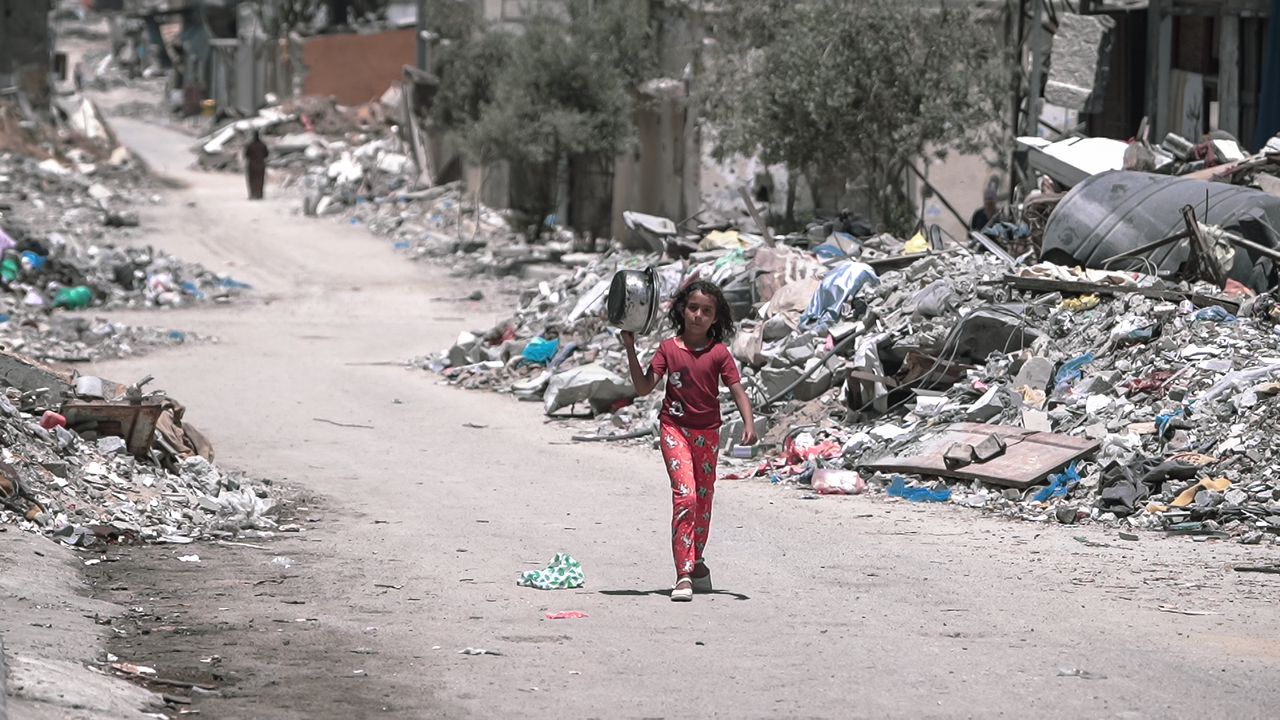
New evidence derived from open-source intelligence suggests a significant link between one of the men killed in a recent Israeli drone strike in Gaza City and the militant organization Palestinian Islamic Jihad (PIJ). The strike, which occurred on November 21, initially saw Palestinian media report that the casualties were humanitarian workers delivering food. However, analysis conducted by HonestReporting, utilizing facial recognition technology, indicates that Ahmed Badran Sawafiri, one of the deceased individuals, was demonstrably involved in activities associated with the armed group between 2014 and 2017.
The Evidence Trail
The investigation centered on comparing an image released by the Israel Defense Forces (IDF) with photographs published by Palestinian media outlets. The facial recognition tools used returned extremely high similarity scores, ranging between 98.9 and 99.9 percent, strongly suggesting the individual in question is Sawafiri. The reviewed images are not casual snapshots; they document Sawafiri participating in various political and military rallies held by PIJ in Gaza City. These appearances date back to January 2014, when the group protested a peace framework, and included rallies in 2015 and 2017.
Conflicting Narratives and Official Claims
The situation remains highly complex due to conflicting accounts regarding the victims’ identities and roles. While initial reports indicated the truck involved in the incident carried food and bore the World Central Kitchen (WCK) logo, the charity itself later clarified that the vehicle was not affiliated with its operations, and that only one driver had previously worked for the organization. Furthermore, various political factions offered differing statements. Hamas, the Ministry of Social Development, and Palestinian media claimed the men were charity kitchen staff. Meanwhile, Fatah released a statement mourning one of the victims, identifying him as a member of their movement.
A Pattern of Involvement
The photographic documentation provides a pattern of engagement with PIJ. In one instance from 2015, Sawafiri was seen holding a banner at a rally organized by senior PIJ officials. Another picture from 2017 shows him among several men holding placards signed by the group. While the researchers stressed that the images do not definitively confirm membership or substantiate the IDF’s assertion that he held a command position, the consistency of the visual evidence strongly suggests his association with the extremist organization.
The findings underscore the difficulty in verifying civilian status during conflict and highlight the ongoing divergence between humanitarian claims and military intelligence. As the situation develops, observers are awaiting official confirmation from the IDF to determine the full scope of Sawafiri’s involvement and the implications of the strike.
World Views
From Temple Revolt to Modern Holiday: Why Maccabean History Is Absent from the Hebrew Bible
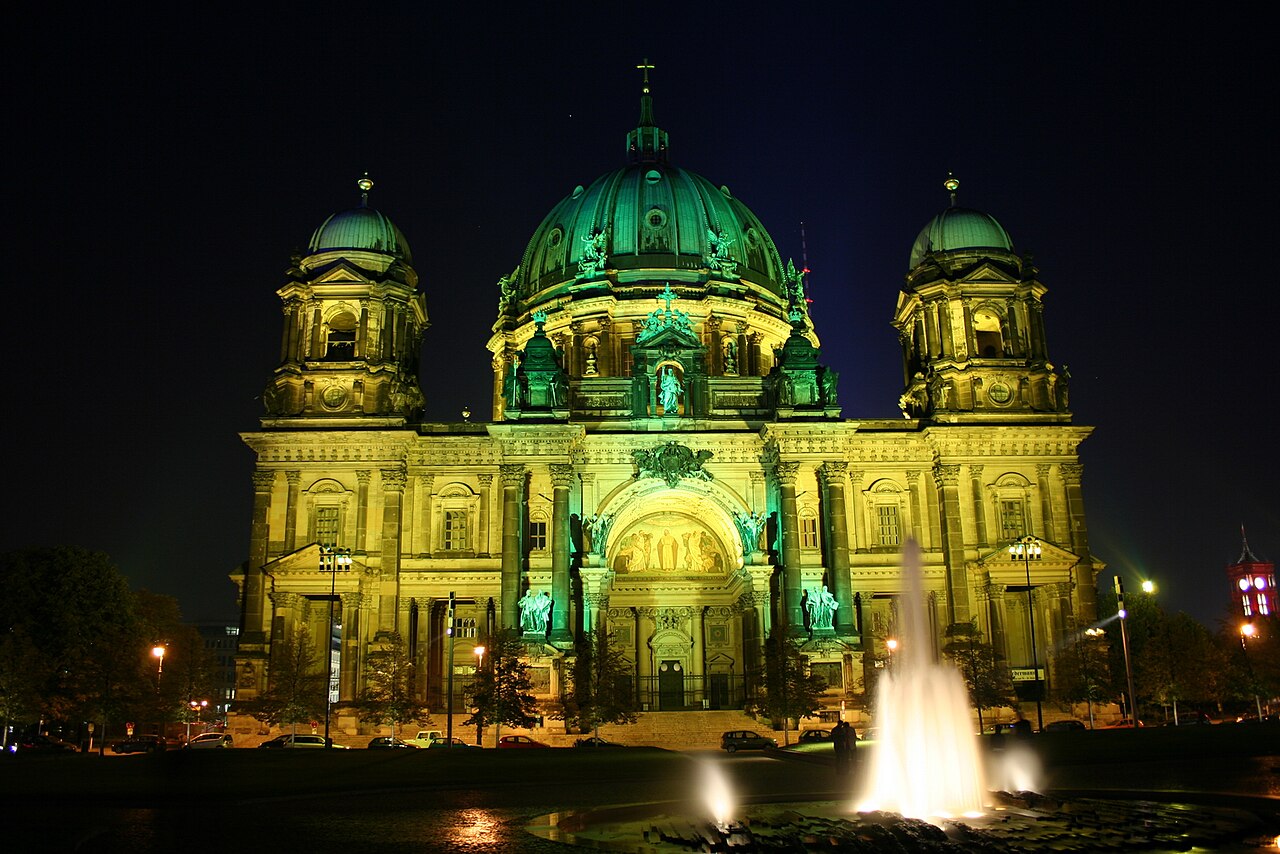
Hanukkah, the eight-night celebration commemorating the rededication of the Jerusalem Temple, has become one of the most visible cultural expressions of Judaism in the modern world. Recent initiatives, including annual stamp releases by Canada Post, highlight the holiday’s widespread appeal, particularly in Western nations. This visibility is partly due to its seasonal timing near Christmas and its focus on family gathering. However, despite its public prominence, the holiday holds a relatively minor status within Jewish tradition when compared to festivals like Passover or Rosh Hashanah. This disparity leads to a profound historical and theological question: why are the detailed accounts of the Maccabean revolt, found in the books of Maccabees I and II, excluded from the Tanakh, the core Hebrew scripture?
The Canonical Conundrum of the Maccabean Texts
The holiday itself celebrates a pivotal moment in 164 BCE when a revolt against the ruling Seleucid Empire, led by the Maccabees, secured the Temple’s purification. Jewish tradition attributes the holiday’s spirit to a miraculous oil supply that miraculously lasted for eight days. The reason these historical narratives are not included in the Jewish canon has been debated by scholars. Possibilities include the texts being compiled later than other accepted scriptures, or perhaps that they were not originally written in Hebrew. Some analyses suggest that the rabbis may have purposefully omitted works that focused heavily on political or historical events, viewing them as lacking divine inspiration, even if they were contemporaneous with other accepted texts.
The Rise and Fall of Hasmonean Sovereignty
The history surrounding this period is rich and complex. The Hasmonean Kingdom of Judea emerged from a region that was still nominally under Seleucid rule, eventually achieving full independence around 141 BCE under the leadership of Simon Thassi. The dynasty experienced a period of peace and prosperity, often regarded as a golden age, notably during the reign of Queen Salome Alexandra. Yet, this independence was ultimately fragile. Internal conflicts, stemming from succession disputes between the queen’s sons, led to civil unrest. This instability provided the opportunity for Roman intervention, culminating in 63 BCE when the Roman general Pompey entered the region, effectively turning Judea into a Roman client state until the mid-20th century.
A Message of Resilience Versus Internal Division
While the popular interpretation of Hanukkah emphasizes a message of resilience and the power of a small flame against overwhelming darkness, the historical perspective suggests a deeper, more enduring threat. One observer noted that the core message of religious freedom, while powerful, was perhaps a development that occurred later in the historical timeline. This viewpoint stresses that the greatest danger to Jewish survival—both within Israel and across the global Diaspora—is not external oppression, but rather the persistent threat of internal disunity and factionalism, a peril that has echoed since the turbulent Hasmonean era two millennia ago.
