



World Views
Violent Clashes Erupt in Brooklyn Over Real Estate Dispute, Highlighting Deepening Community Tensions

Tensions boiled over into violent confrontations in Brooklyn’s Midwood neighborhood this week, as opposing groups clashed outside a local kosher delicatessen. The incident, which saw over 200 police officers deployed, stemmed from a real estate fair hosted at the establishment. Protesters, some aligned with pro-Palestinian views, alleged that the company was marketing properties located in West Bank settlements, leading to intense clashes with demonstrators supporting Israel and law enforcement. Multiple arrests were made following the confrontations near the deli.
The Flashpoint: Real Estate and Ideology
The core dispute centered on the nature of the real estate offerings at the venue. While the organizers firmly denied that any properties in disputed territories were being promoted, the presence of the fair ignited a passionate debate among the gathered crowds. The scene quickly escalated, featuring chants and demonstrations that reflected broader geopolitical conflicts. The deployment of the NYPD’s Strategic Response Group, an action taken shortly after plans to disband the unit were announced, underscored the severity of the disorder.
A Community Divided: Charity Amidst Chaos
In stark contrast to the political volatility, the local Jewish community responded by rallying around the business. The deli owners utilized the disruption to raise funds for the Shaare Zedek Medical Center in Jerusalem, a facility that provides essential medical treatment to both Jewish and Arab patients. This philanthropic effort highlighted a deep division: while some were shouting about political uprisings on the street, local residents were actively fundraising to support vital life-saving services in the Middle East.
A Symptom of Rising Antisemitism
Investigators and community leaders view this confrontation not as an isolated incident, but as a manifestation of increasing friction and persistent antisemitism across the city. Data from the Anti-Defamation League confirms that New York City recorded 860 reported antisemitic incidents in 2025, with Brooklyn accounting for a significant portion of those reports. Furthermore, the city has seen a sharp rise in hate crimes; in the first ten months of 2026 alone, 279 antisemitic hate crimes were recorded. The rate of antisemitic assaults has also climbed, increasing by 10% statewide, with Brooklyn contributing 50 of those incidents. The local community continues to grapple with these rising threats while simultaneously navigating intense political pressures in the neighborhood.
World Views
Italian Technicians Killed in Kuwait Drone Strike Amid Escalating Gulf Tensions

Two Italian national technicians were killed during an Iranian drone assault on a facility in Kuwait on Thursday. The attack, which targeted an air-defense surveillance station, resulted in the deaths of the two workers, who were employed by the Italian branch of the major German defense contractor, Rheinmetall. The incident marks the second reported Iranian strike against the US-allied Gulf state this month, significantly raising alarms regarding the volatile security environment in the region.
Incident Details and Casualties
Foreign Minister Antonio Tajani informed the Italian Senate about the deadly attack, detailing that the Rheinmetall personnel were operating at the surveillance post when the drones struck. According to information received from Kuwait, the powerful explosion led to the fatalities. Additionally, the Kuwaiti Defense Ministry confirmed that the incident wounded two other individuals: a captain in the Kuwaiti military and a Pakistani national. The ministry verified that the two Italians succumbed to their injuries after the assault, which initially involved falling debris.
Military Response and Damage Assessment
Authorities in Kuwait confirmed that their military forces successfully detected and neutralized multiple drones within the nation’s airspace. While the primary focus was on the civilian casualties, the Defense Ministry also reported that the attack caused substantial material damage to the targeted infrastructure. Minister Tajani subsequently conveyed his profound condolences to the families affected by the tragedy.
Background of Regional Instability
This latest attack occurs against a backdrop of intense regional friction between Iran and Western powers. The escalating tensions are not new; earlier this year, Iran had announced that it had targeted American drone and missile installations within Kuwait. This earlier action was reported to have followed a previous military operation conducted by the United States in the Strait of Hormuz, specifically targeting Qeshm Island. These events underscore a dangerous pattern of military escalation near vital international shipping lanes.
Despite the gravity of the situation, the Iranian Foreign Ministry did not provide an immediate statement regarding the recent strike, and Rheinmetall declined to offer commentary. Analysts suggest that the targeting of international defense workers highlights the increasing risk faced by foreign personnel operating in geopolitical flashpoints. The incident serves as a stark reminder of the fragility of stability in the Gulf region, prompting renewed calls for de-escalation among regional powers.
World Views
Eisenkot Secures Left-Wing Alliance, But Coalition Path Remains Highly Complex
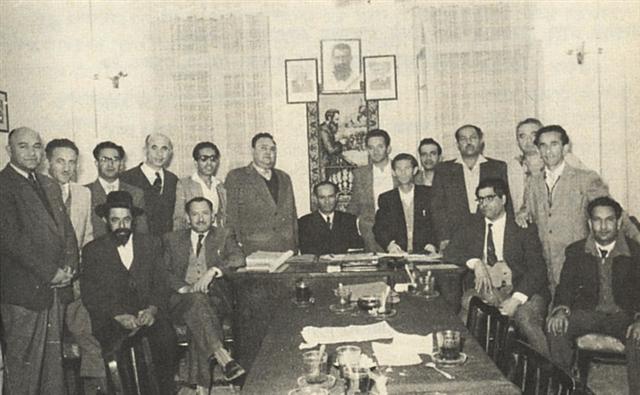
In a significant political development, Gadi Eisenkot’s centre-right party has reached a preliminary agreement with a left-wing political faction, injecting fresh momentum into the ongoing efforts to form a new Israeli government. This breakthrough comes after a brief period of tension that threatened to derail Eisenkot’s attempts to displace Prime Minister Benjamin Netanyahu following a fractured election last month.
Details of the Political Accord
The Democrats party, the left-wing faction involved, confirmed that the two sides had successfully resolved their previous disagreements and agreed in principle to join forces. According to a joint declaration, the Democrats would receive four ministerial portfolios—covering areas such as public security, social affairs, communications, and culture—along with corresponding seats in the legislature. A spokesperson for the Democrats stated their commitment to fulfilling their promise to the electorate to replace Netanyahu and uphold democratic principles, calling for all political groups to quickly finalize agreements to lead the nation into a new phase.
Navigating the Electoral Maze
Despite this positive step, the overall process of establishing a ruling coalition remains fraught with difficulty. The recent election results left both Eisenkot and Netanyahu in a precarious position, with neither leader securing an outright majority in the 120-seat parliament. Eisenkot, who was appointed by the nation’s president to form a government, has been struggling to assemble a governing bloc. His current group of supporters holds 48 seats, while Netanyahu’s established alliance commands 53 seats.
The path to power is further complicated by the persistent issue of the ultra-Orthodox community. Earlier this week, Eisenkot had secured a potential partnership with Avigdor Lieberman, head of the right-wing Israel Our Home party. While Lieberman had previously expressed reservations about partnering with the ultra-Orthodox parties and avoiding Arab-led factions, he later indicated a willingness to form a government backed by a clear Jewish majority. However, finalizing this coalition would likely require a difficult compromise regarding a legislative mandate that would require ultra-Orthodox seminary students to participate in military service—a measure vehemently opposed by the religious leaders.
With a looming deadline set for December 6th to finalize the government, the negotiations face immense pressure. The success of Eisenkot’s bid hinges not only on securing the left-wing support but also on navigating the deep ideological divides, particularly concerning military conscription and the complex political dynamics of the country’s diverse factions.
World Views
Decades of Covert Operations: Documenting Iran’s Extensive History of Foreign Sabotage
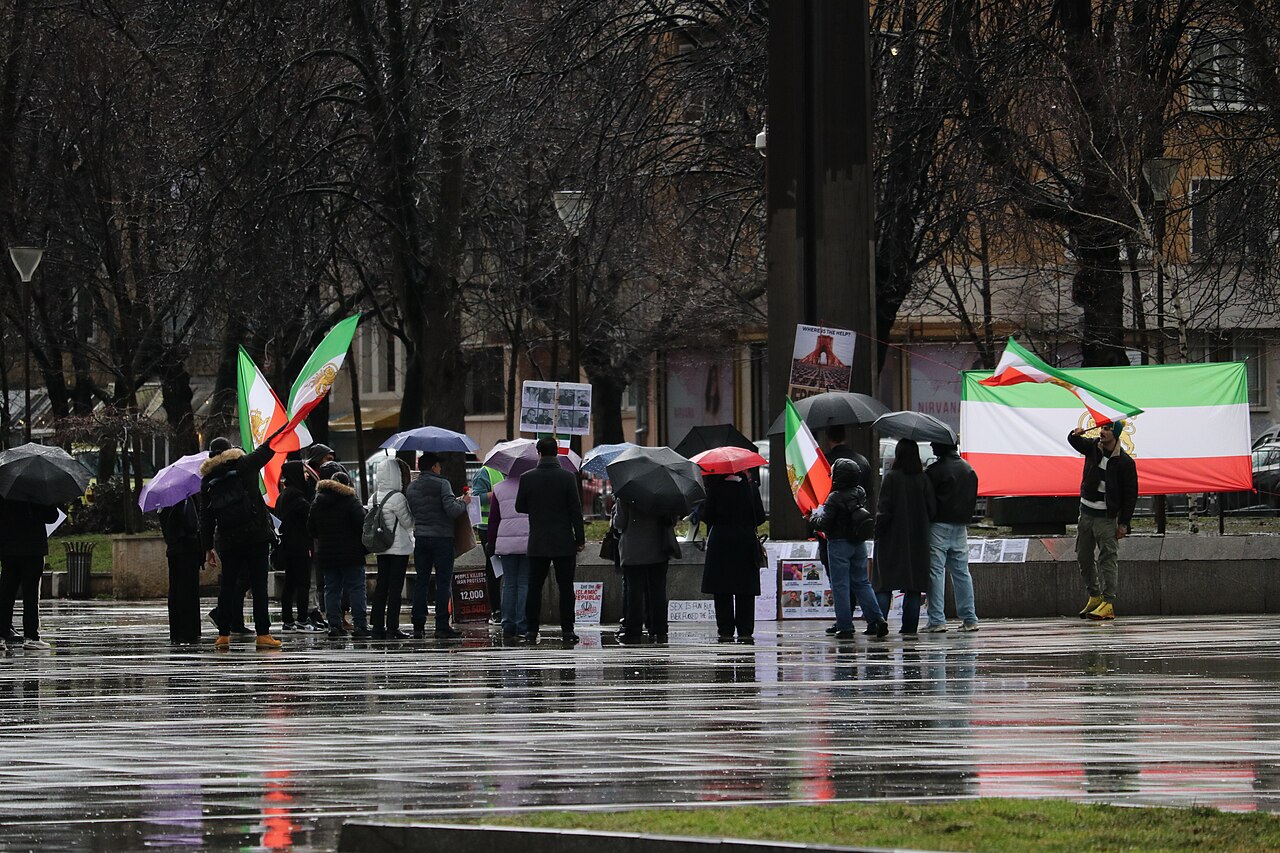
A recent article published by The Economist, which featured a statement from an Iranian academic, has drawn sharp criticism for allegedly presenting a misleading view of Tehran’s foreign policy. The claim that the Islamic Republic has largely avoided acts of assassination and sabotage abroad has been thoroughly refuted by a decades-long record of documented covert operations, demonstrating a sophisticated and enduring commitment to destabilizing regional and international targets.
A Long History of Aggressive Foreign Policy
Far from being a recent development, the regime’s involvement in foreign violence began shortly after the 1979 revolution. Historical records confirm the Islamic Republic carried out its initial foreign assassination in Paris in December 1979. This pattern of aggression intensified in the 1980s, notably when Iran directed its proxy, Hezbollah, to carry out a major bombing in Beirut in 1983, resulting in significant casualties among American and French military personnel. This propensity for violence extended to 1994, when Iranian-linked actors ordered a bombing targeting a Jewish community center in Buenos Aires.
Modern Threats and International Condemnation
In recent years, the scale and sophistication of these plots have significantly increased, with multiple attempts targeting dissidents and Western figures on foreign soil. US prosecutors charged Iranian intelligence officials in 2021 for plotting the kidnapping of a prominent Iranian dissident in New York. Further demonstrating the threat, the Department of Justice later charged IRGC members in connection with attempts to hire killers in the United States targeting former national security advisors, including John Bolton. The danger was highlighted again in 2022 when Iran nearly succeeded in assassinating former Secretary of State Mike Pompeo.
The targeting has not been limited to political figures. In 2024, Australia’s intelligence agency concluded that the IRGC directed arson attacks on Jewish-owned businesses and a synagogue in Australia, leading Canberra to expel the Iranian ambassador. Internationally, the threat has been formally recognized; the UK Parliament labeled the Islamic Republic a major security danger in 2025, citing numerous attempted murders and kidnappings of critics and prominent Jewish individuals on British soil. Major Western governments subsequently issued joint condemnations regarding Iranian intelligence efforts to harass and harm people in Europe and North America.
The Enduring Danger of Iranian Influence
The documented history shows that Iran’s campaign of violence is not isolated; it is a sustained effort targeting political opponents, dissidents, and members of the diaspora Jewish community. The intelligence services’ activities have recently expanded to include plots against international figures, such as the reported attempt to assassinate Israel’s ambassador in Mexico in 2024. This consistent pattern of action, from proxy warfare to direct attempts on Western leaders, confirms that Iran’s military and intelligence doctrine is inherently geared toward destabilization. The widespread evidence strongly contradicts any notion that the regime has avoided foreign acts of violence, positioning it as a critical and growing global security risk.
