


Features
How to Identify if You Need a Protein vs. Moisture Treatment in the Winter
Winter can be rough on your hair. Cold air outside and warm air inside pull moisture from your strands, leaving them thirsty, frizzy, and hard to manage. At the same time, your hair may become weaker, causing breakage that feels sudden and confusing. Understanding what your hair is asking for becomes even harder during the colder months.
That’s why knowing whether you need protein or moisture matters. Each treatment fixes a different problem, and using the wrong one can make your hair feel worse. With a few simple signs and tests, you can easily figure out what your hair needs to stay healthy, soft, and strong all winter long.
Why Winter Hair Needs Extra Care

Winter hair needs extra care because cold air, low humidity, and indoor heating can strip your hair of moisture and strength. Many people notice their hair feels dry, frizzy, or weak during the colder months.
Understanding why this happens is the first step in keeping your hair healthy and looking great all winter long; especially when getting professional help from a women’s hair salon near me.
Cold Air Dries Out Your Hair
When the temperature drops, the air outside becomes very dry. Cold air can pull natural oils from your hair, leaving it dry and brittle. Without these oils, your hair loses its shine and becomes more prone to breakage. This is why winter often feels harsher on your strands compared to other seasons. Even if your hair looks fine in the morning, the dryness can build up throughout the day.
Indoor Heating Makes It Worse
Heaters and fireplaces warm your home, but they also remove moisture from the air. When your hair is exposed to this dry indoor air for long periods, it can start to feel rough and lifeless. This dryness can make frizz worse, and hair may tangle more easily, making styling a challenge.
Hair Weakness and Breakage
Winter can also make weak or damaged hair more noticeable. Without proper moisture and protein, hair can snap when brushed or styled. Cold temperatures make strands less flexible, increasing the chance of split ends and breakage. This is why extra care, like targeted treatments and gentle handling, is essential.
Protecting Your Hair in Winter
Taking simple steps like using moisturizing shampoos, avoiding excessive heat, and applying treatments can make a big difference. By paying attention to how your hair feels and reacts to the cold, you can prevent damage and keep your hair healthy throughout the season.
Signs You Need a Moisture Treatment

Knowing when your hair needs a moisture treatment is key to keeping it healthy in winter. Hair can look fine on the surface, but if it’s dry inside, it can become brittle, frizzy, and difficult to manage.
Recognizing the signs early helps you give your hair the hydration it needs before damage sets in; something a hair salon barrie can also help you identify and treat professionally.
Dryness and Dullness
One of the first signs your hair needs moisture is dryness. Hair that feels rough or straw-like to the touch is crying out for hydration. Dull hair that has lost its natural shine is another clue. Even after washing and conditioning, hair may still look flat or lifeless if it’s lacking moisture.
Frizz and Flyaways
Frizz is a classic sign of dehydrated hair. When strands don’t have enough water, they swell and resist smooth styling. Flyaways, static, and hair that seems uncontrollable are all warning signs that your hair is begging for a moisture boost.
Brittle Ends and Breakage
Dry hair is more prone to breaking. If you notice split ends or pieces breaking off when brushing, your hair is likely dehydrated. Moisture treatments help restore flexibility to strands, making them stronger and less likely to snap.
Simple At-Home Test
You can check your hair’s hydration with a simple stretch test. Take a strand and gently pull it. If it stretches a little and returns to its shape, it’s healthy. If it snaps easily or feels stiff, your hair needs moisture.
A moisture treatment can transform dry, lifeless hair into soft, manageable strands. Paying attention to these signs ensures your hair stays hydrated, shiny, and healthy all winter long.
Signs You Need a Protein Treatment
Knowing when your hair needs a protein treatment is just as important as spotting dryness. Protein strengthens the hair shaft, repairs damage, and prevents breakage. In winter, cold air and harsh indoor heating can weaken your hair, making protein treatments essential for keeping it strong and healthy.
Weak and Limp Hair
Hair that feels soft but floppy may be lacking protein. Without enough protein, strands lose their structure and can’t hold style or volume. Limp hair that falls flat easily is often a sign your strands need a protein boost.
Excessive Stretching or “Mushy” Hair
Healthy hair stretches slightly but returns to its shape. If your hair stretches too much and feels mushy or overly elastic, it’s a sign the protein in your strands is low. This makes hair more prone to breaking when brushed or styled.
Breakage and Split Ends
Protein helps repair weak points in the hair shaft. If your hair breaks easily or you notice frequent split ends, it’s a strong indicator that your hair needs reinforcement. Strengthening it with a protein treatment reduces breakage and improves resilience.
Strand Test for Strength
Take a single strand of hair and gently pull it. If it snaps or stretches far beyond normal without bouncing back, a protein treatment is needed. This simple test can save you from more serious damage over time.
Protein treatments restore strength, elasticity, and structure to weakened hair. Paying attention to these signs ensures your hair stays strong, resilient, and healthy, even in the harsh winter months.
How to Choose the Right Treatment in Winter
Choosing the right treatment in winter can make a huge difference in keeping your hair healthy. Cold weather, dry air, and indoor heating can leave your hair feeling weak, dry, or brittle. Knowing whether to use moisture or protein treatments ensures your hair stays soft, strong, and manageable all season.
Listen to Your Hair
The first step is paying attention to how your hair feels. Dry, frizzy, or rough hair usually needs a moisture treatment. Limp, weak, or stretchy hair is a sign protein is needed. Your hair often tells you exactly what it wants if you know what to look for.
Rotate Moisture and Protein Treatments
Many people benefit from a balance of both treatments. Moisture keeps hair hydrated and soft, while protein adds strength and resilience. You don’t have to use them at the same time, but alternating treatments once or twice a week can keep hair healthy in winter.
Stick to Gentle Routines
Avoid excessive heat styling or harsh shampoos, which can make dryness and breakage worse. Use nourishing conditioners, hair masks, and gentle brushing techniques to support your treatments. Simple care routines make a big difference when combined with moisture or protein treatments.
Monitor Your Results
After using a treatment, observe how your hair responds. Soft, shiny, and flexible strands mean your hair is happy. If your hair still feels weak or dry, adjust the type or frequency of treatments. Consistency is key to maintaining healthy hair through cold months.
Choosing the right treatment in winter is all about balance and listening to your hair. By understanding whether your hair needs moisture or protein, you can keep it soft, strong, and healthy no matter how harsh the season gets.
Conclusion
Choosing between protein and moisture doesn’t have to feel overwhelming. Your hair gives clear signs; you just need to know how to read them. When you understand the difference between dryness and weakness, you can give your hair exactly what it needs. With the right care, your hair will stay soft, strong, and healthy all winter.
Features
Securing Your Account on PHBingo Login (GameZone)

The rising popularity of online casino platforms like GameZone has attracted many players eager to indulge in their favorite bingo games. As the number of users grows, so does the need for account security. Protecting personal data, playing progress, and account wallets has become vital due to the increase in online threats. Learning effective security techniques for PHBingo Login (GameZone) is essential for players, ensuring both safety and uninterrupted gameplay.
GameZone, a platform that features traditional and modern bingo games, stores sensitive information about user details, progress, and financial data. Without proper precautions, accounts may fall victim to unauthorized access, leading to loss of control, misuse of credentials, and exposure to significant risks. Following preventative measures will allow players to enjoy their favorite games worry-free.
Risks of Unauthorized Access in Online Bingo Play
Players using GameZone or similar platforms need to consider the potential consequences of compromised accounts. The inability to access an account, unauthorized transactions, and losing virtual credits are common issues resulting from poor security. Personal data, such as email addresses or payment information, is also at risk once hackers gain access.
While online casino platforms offer built-in security mechanisms, users carry the responsibility of implementing their own account protection solutions. Taking proactive steps, such as using strong passwords and enabling additional security layers, greatly reduces exposure to risks.
Steps to Secure Your PHBingo Account
1. Set a Strong, Unique Password
Having an easily guessed password, like “123456” or a birthdate, leaves accounts highly vulnerable. Strong passwords are critical for better security and protecting login details.
Strong password elements to consider:
- A combination of uppercase and lowercase letters
- Numbers and symbols
- A length of at least 8–12 characters
Using different passwords for each account ensures that other platforms won’t be compromised if one is hacked. Players should create passwords that are unique and hard to decipher.
2. Enable Two-Factor Authentication (2FA)
Two-factor authentication (2FA) provides an additional security layer on GameZone online platforms. When enabled, it requires a secondary verification code sent to a user’s mobile phone to complete the login process.
Benefits of using 2FA:
- Prevents unauthorized access, even if passwords are exposed
- Adds extra verification for every login attempt
This security feature is highly beneficial for players frequently engaging in multiplayer bingo games or downloading game applications. Gamers reduce unauthorized access risks significantly by implementing 2FA.
3. Avoid Logging in Over Public Wi-Fi
Connecting to GameZone through public Wi-Fi networks puts users at risk. Public or unsecured networks allow cybercriminals to intercept data on the network, including login credentials.
Safer alternatives include:
- Using private and secure network connections at home.
- Avoiding logins from shared or public devices.
- Relying on mobile data for safer gameplay while traveling or away from home.
These preventive measures ensure a secure experience, wherever the player may be.
4. Update Devices and Apps Regularly
Neglected updates on devices or casino platforms expose users to software vulnerabilities. Regular updates deliver patches and fixes to enhance protection against hackers.
Best practices for keeping systems updated:
- Install updates for operating systems and browsers at regular intervals.
- Download GameZone apps and updates officially from trusted sources.
- Avoid using third-party versions of GameZone applications.
Updated devices and applications offer smoother and more secure sessions, ensuring that accounts remain safeguarded.
5. Log Out After Playing Sessions
Failing to log out from GameZone accounts increases the risk of unauthorized access, especially on shared or public devices. Ensuring account disconnection after gameplay is a simple yet effective habit.
Steps to improve logout practices:
- Avoid saving login details when using shared devices.
- Clear cache and browsing data after accessing accounts.
- Make it a point to log out systematically after every session.
Regularly logging out minimizes the chances of account breaches and maintains better security for PHBingo accounts.
6. Beware of Phishing Scams
Phishing scams involve fake emails or messages impersonating official GameZone communications to trick players into revealing login information. These scams often include links to malicious websites posing as the platform’s login page.
Signs of phishing schemes include:
- Emails claiming “urgent account issues” requiring immediate action
- Links to web pages that request sensitive login credentials
- Emails sent from domains that look unofficial or are oddly spelled
Players should always enter their credentials through the official GameZone login page rather than clicking on suspicious links to avoid falling victim to such scams.
7. Monitor Account Activity Regularly
Checking account activity makes it easier to detect and resolve suspicious behavior or unauthorized logins. Reviewing recent account use helps players pinpoint breaches quickly.
Effective steps to manage account activity:
- Change passwords immediately if irregular activity appears.
- Reach out to GameZone support for assistance with securing compromised accounts.
- Monitor recent logins and transactions for unrecognized activities.
Tracking account patterns ensures issues are addressed early, making it easier to control risks.
8. Use Secure Payment and Transaction Methods
Online bingo often involves linking accounts with payment methods. Securing financial data ensures that sensitive information isn’t exploited or mishandled.
Practical payment security tips include:
- Using verified and reputable payment gateways.
- Avoiding unauthorized transactions or sharing of payment details.
- Double-checking URLs to ensure the payment page is official and secure.
Secure payment methods enhance the overall user experience while providing peace of mind for frequent players.
9. Avoid Sharing Account Credentials
Sharing login information with others, even with close friends, increases the risk of unauthorized access or account misuse. Keeping accounts private ensures better control over personal playing progress.
Reasons to avoid sharing login details:
- Reduces the possibility of accidental account misuse.
- Preserves account integrity and progress.
- Prevents unknown individuals from accessing personal information.
Limiting account sharing eliminates these risks and ensures safety for all users.
10. Focus on Responsible Practices Alongside Security
Combining security precautions with responsible practices allows for a safe and balanced experience. GameZone promotes responsible practices by offering reminders and restrictions that prevent excessive gameplay.
By maintaining both security and healthy habits, players can enjoy a fun, worry-free environment.
Enhancing GameZone Experiences Through Security

Secure play for PHBingo accounts begins with adopting strong cybersecurity habits. Simple measures like using complex passwords, enabling two-factor authentication, and avoiding suspicious links create a robust system of protection. Regular account monitoring and updates further help reduce risks associated with online threats.
By reinforcing security steps, users gain confidence in their platforms, ensuring they can focus on enjoying PHBingo and other offerings worry-free.
Features
Today’s Antizionism is Jew-Hatred
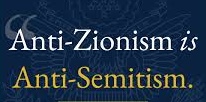
By HENRY SREBRNIK The Jewish world has grown darker. I’m not going to compare the anti-Jewish hate that has spread across this and other countries since October 7, 2023, to the Holocaust, but we know that Jewish life has become far more precarious. And so much of the hatred flies under the rubric of so-called “antizionism,” with people claiming that this isn’t “antisemitism.” But this is a false dichotomy. And we know it when we see it.
“Antizionism” is not about the now arcane historical debates that occurred mainly within Jewish communities from the 19th century through 1948, in which those who became Zionists sought to actualize the Jewish ties to biblical Israel and recreate a modern state. By “Zionists,” today’s enemies are not referring to supporters of the 19th century self-liberation movement of the Jewish people, whose goal was to establish a national home. They known little of this history. They’ve never heard of Theodor Herzl, Ahad Ha’am, Ber Borochov, Ze’ev Jabotinsky, or Chaim Weizmann.
As a derogatory slur, a pejorative, it simply means “Jew,” the way earlier words, now archaic, used to. Some call Jews “Zios.” They mean the Jewish people, who exist in opposition to everything good in the world, and who are figures of emblematic wickedness. In this they simply update what Nazis said a century ago. Hitler, too, was an “antizionist,” along with his racial antisemitism. It attacks Jews, here in Western countries like Canada – in the cities where they live, in the universities they attend, in the publishing houses where they send their manuscripts, and in the entertainment world where they act and sing.
Note that it calls itself antizionism, not anti-Israelism, so that the net can grab virtually every Jew who simply wants to see Israel not destroyed – and that’s the vast, vast majority. We Jews know what it means, regardless of what our enemies claim. Would anyone think that the term antisemitism means hatred of Semites?
Clearly a ludicrous idea; it was invented in the 19th century by a German Jew-hater, Wilhelm Marr, to make it sound more “racially scientific.” No one is fooled by that, of course, nor should they be by so-called “antizionism.” In its effects, it is for Jews a distinction with a negligible difference. It is meant to portray Jews as villains, and while it may fool some gullible people, it will deceive very, very few of us.
After all, as Michel Coren noted in “Roald Dahl’s Antisemitism Feels Painfully Familiar,” in the British magazine the Spectator March 16, “most Jewish people do in fact to varying degrees support Israel, partly because centuries of bigotry, violence, massacre, and attempted genocide have given them little alternative. They may oppose Israeli policy, may condemn the current government, may even want radical compromises, but there’s still support. And in the current climate of leftist and Islamist triumphalism, it’s all Zionism and none of it acceptable.”
Anti-Zionism is marked by three core “libels”: that “Zionists” are colonizers, guilty of apartheid, and committing genocide. (Actually, the only time we were settler-colonialists was when we conquered Canaan, but that was God’s doing!) Anti-Israel activists incorporate historical manifestations of anti-Jewish discrimination under the guise of anti-Zionist political activism, from the blood libel to Nazi-era tropes, mixed with contemporary academic theories. Anti-Zionism acts as a container for these historical tropes, blending them together with progressive talking points.
George Washington University professor Daniel Schwartz, in “Vocabulary Lesson,” Jewish Review of Books, Spring 2026, describes a pro-Palestinian demonstration in 2025 at his campus where a student held a placard with Israel at the center and spokes radiating outward to other evils: imperialism, white supremacy, even reproductive injustice. “This is not garden-variety political criticism of Israel policies or conduct. It invokes a symbolic architecture in which the Jewish state becomes the universal source of global suffering — a structure with deep resonance in antisemitic thought.”
Scholars argue that it is the third major iteration of discrimination against Jews. The first was anti-Judaism, based on religion, the second was antisemitism, focused on race, and the third, anti-Zionism, is a hatred of Jewish peoplehood.
“Anti-Zionism transforms the very meaning of Zionism,” contends Adam Louis-Klein. “The Jew is reconstructed through a new symbolic logic and a new repertoire of stereotypes.” Where antisemites invoked the pseudo-biological figure of “the Semite” to cast Jews as an Oriental race infiltrating the West, anti-Zionists invoke the authority of the social sciences to recode the Jew as the “Zionist,” a European colonizer destined to commit genocide of a non-European population.
“Erasing Jewish indigeneity and severing Jewish belonging to the land of Israel, anti-Zionism transforms the race polluter of antisemitism into the white settler of anti-Zionism,” he asserts in his March 24, 2026 Free Press article “Yes, Anti-Zionism Is Discrimination.”
For this reason, he writes, it’s imperative that organizations and institutions committed to protecting Jews and fighting the scourge of Jew-hatred start condemning—clearly and without apology—antisemitism and antizionism. This goes to the moral core of the matter: the right of Jews to a homeland versus the bigotry of those who deny them that right.
After the Holocaust, explicit Jew-hatred became unfashionable in polite society, but the impulse never disappeared. The workaround was simple: separate Zionism from Judaism in name, then recycle every old anti-Jewish trope and pin it on “the Zionists.”
Henry Srebrnik is a professor of political science at the University of Prince Edward Island.
Features
Artificial Intelligence, Sports Data, and What It Means for Community Values

Explore how artificial intelligence in sports data reflects broader societal changes, raising questions about ethics, transparency, and community values in a digital world.
Artificial intelligence is becoming an increasingly visible part of modern life, shaping how information is analyzed and decisions are made. While often discussed in fields such as healthcare, finance, and education, sports analytics provides a particularly clear example of how these systems function in real time. For many readers, the relevance of this topic goes beyond sports itself and speaks to broader questions about technology and community values.
Within Jewish communities, where education, critical thinking, and ethical responsibility have long been central principles, the rise of AI invites meaningful discussion. Understanding how automated systems operate is not only a technical issue but also a cultural and intellectual one. In global digital environments, references to platforms such as 1xbet Republic of Ireland often appear in discussions about real-time data processing, illustrating how widely these technologies are applied.
From Human Judgment to Algorithmic Thinking
Traditionally, interpreting sports performance required human observation and experience. Analysts would review statistics, assess player form, and make informed judgments based on knowledge built over time. While this method remains valuable, it is now being supplemented by artificial intelligence.
AI systems can process large volumes of data instantly, identifying patterns and trends that might otherwise go unnoticed. This shift reflects a broader movement toward algorithmic thinking—where decisions are increasingly informed by data rather than intuition alone.
For communities that place a strong emphasis on learning and inquiry, this raises important questions. How should data be interpreted? What role should human judgment continue to play? And how do we ensure that reliance on technology does not replace thoughtful analysis?
What AI Systems Analyze
Modern AI models draw on a wide range of data inputs to generate insights. In the context of sports, this includes:
- real-time performance data
- historical comparisons
- individual player metrics
- behavioural patterns
- external conditions
The ability to integrate these variables allows AI to produce highly detailed assessments. However, it also creates a layer of complexity that is not always easy to understand.
This challenge is particularly relevant in educational settings. As younger generations become more familiar with technology, there is a growing need to teach not only how to use these systems, but also how to question and evaluate them.
Ethics, Transparency, and Responsibility
The increasing role of AI naturally leads to ethical considerations. In Jewish thought, concepts such as responsibility, fairness, and accountability are deeply rooted and widely discussed. These ideas are highly relevant when considering how automated systems are designed and used.
One of the key concerns surrounding AI is transparency. When decisions are made by complex algorithms, it can be difficult to understand the reasoning behind them. This raises questions about trust and oversight.
Ensuring that AI systems are used responsibly requires a balance between innovation and ethical awareness. Community dialogue plays an essential role in this process, helping to define how technology should align with shared values.
A Community Conversation About the Future
The use of artificial intelligence in sports analytics may seem like a narrow topic, but it reflects a much larger transformation. Across many areas of life, data-driven systems are becoming the norm, influencing how information is processed and decisions are made.
For Jewish communities, this moment presents an opportunity for reflection and engagement. By approaching technology with curiosity, critical thinking, and a strong ethical framework, it is possible to better understand both its potential and its limitations.
Ultimately, the conversation about AI is not just about technology. It is about how communities adapt, preserve their values, and shape the future in a rapidly changing world.