



Features
What are decentralized internet endless domain names?

Most of us have bought a domain name at some point, or at least looked into it.
You type in the name you want, add .com or any other desired extension, pay somewhere between ten and twenty dollars a year, and the domain is yours for as long as you keep paying. That is how it has worked since the early days of the internet, and for most purposes, it still works fine. Fine, unless you look at the fact that you miss one payment and you don’t own the domain name anymore. It’s listed on the website, up for grabs; anyone can be the new “owner” of it by paying a few dollars, even though that domain could have been your whole business identity, worth hundreds and thousands of dollars.
Web3 domains work differently.
Instead of renting a name from a registrar that can suspend, transfer, or revoke it, you get to own it outright as a digital asset recorded on a blockchain. No recurring annual renewal fees and no central authority that can take it away. The domain is yours the way a piece of property is yours, permanently, until you choose to sell it.
That ownership model has attracted a specific kind of early adopter over the last few years, especially those who noticed something interesting: provincial and regional names were available to register as custom top-level domains before anyone else got there.
What is a Custom TLD
When you register any traditional domain name, for example, xyz.com or abc.org, the .com and .org parts are the top-level domains and they are owned and managed by a central registry.
Web3 platforms, i.e., Freename allow individuals and organisations to register the TLD itself, not just a name under it. So instead of buying xyz.wallet, you could own the .wallet extension entirely and earn royalties every time anyone registers a domain under it.
This was one of the core investment logics that triggered interest in geographically specific TLDs. Someone who registers .california or .alberta owns the digital equivalent of a piece of internet real estate with a distinct address, and collects 50% of the registration fee every time a business, community organisation, or individual in any corner of the world registers a domain under their extension.
The TLDs Still Available and Worth Looking For
Many regional named extensions are gone, and whoever registered those moved quickly and the window closed.
But still, a range of provincial and regional extensions remains available on Freename at prices that vary considerably depending on the perceived value of the name.
At the top end, .alberta, .manitoba, and .saskatchewan are each listed at $24,990 USD. These are the larger, better-known provinces where demand from businesses wanting a locally branded web presence is highest.
Mid-range options include .ontario, .labrador, .newbrunswick, and .yukon, each available around $9,990 USD, which puts them in reach for a serious investor or a regional business with a long-term digital strategy.
The more affordable end is where it gets genuinely accessible. .nunavut is available at $1,699 USD, .prairies at $699 USD, and .novascotia at $299 USD.
For anyone who has been curious about the Web3 domain space but not ready to commit at the higher price points, these represent a low-barrier entry into a market that did not exist five years ago. But you have to keep in mind that the prices move quick; the rate rates you see today might skyrocket in a few days.
How to Create Your Own Web3 TLD
Well, for the beginners, the thought of creating a Web3 TLD is complicated but the process is more straightforward than most people expect!
Especially with Web3 domain name registrars like Freename, there is impeccable customer support available, and they provide a step-by-step guide on how to create your own custom Web3 TLD that walks through selection, registration, and setup without requiring any technical background.
You simply choose your desired and available extension, complete the registration, and the TLD is minted on the blockchain under your ownership. From that point, anyone can register a second-level domain under your extension, and the 50% royalty goes to you automatically through a smart contract.
Freename is ICANN-accredited, which matters because it means the platform operates under the same global standards that govern the traditional domain name system. The Web3 layer adds blockchain ownership and royalty mechanics on top of that foundation rather than operating entirely outside the established internet infrastructure.
Is This for Everyone?
Considering the perks, you might expect a yes as an answer to this question but the answer is NO! And there is a solid reasoning behind it.
The higher-priced TLDs are speculative investments in the same way that premium .com domain names were speculative in the late 1990s. Some of those early .com purchases turned into assets worth many times the original price; likewise, many others did not.
The Web3 domain market is early, the user base is still growing, and the value of any given extension depends heavily on whether meaningful adoption follows.
What is different now compared to the early .com era is that the infrastructure is more stable, the ownership model is genuinely decentralised, and the entry point at the lower end of the price range is low enough that the risk is proportionate to what most people spend on a weekend. .novascotia at $299 USD is not a bet that requires a great deal of conviction.
That price looks like a bargain or a curiosity in five years is the question that nobody can answer with certainty today but the low monetary barrier point makes it worthy of taking a risk.
What is certain is that the Canadian names are still there. Not all of them. But enough of them, at enough different price points, that the window has not fully closed yet.
Features
What Makes an Online Gaming Platform Transparent and Trustworthy?
Online gaming has become a familiar part of Canadian entertainment, bringing together people who enjoy everything from competitive esports to casual multiplayer games. What began as a relatively small industry has developed into a major part of the country’s digital economy, with Canadian studios creating games enjoyed around the world.
As gaming platforms continue to expand, players have become more interested in the services behind their favourite titles. The quality of the gameplay still matters, naturally, but so does knowing how a platform operates, what information it collects and what customers can expect when creating an account or purchasing digital content.
Transparency begins with clear information
A trustworthy gaming platform should explain its services in language that customers can understand. Subscription charges, optional purchases, account settings and the conditions attached to digital products should be available before anyone makes a decision.
Canadian consumers are already familiar with similar expectations in other online services, including streaming subscriptions, digital marketplaces and mobile applications. Different industries operate under their own requirements, but providing accessible information remains an important part of building public confidence.
Canada’s approach to digital entertainment also reflects the country’s broader regulatory structure. Consumer privacy, commercial transactions and entertainment services can involve different federal or provincial requirements, depending on the activity. A similar approach can be seen in other areas of digital entertainment, where clear rules help customers understand how different services operate. The framework outlined in the guide to Canadian gambling regulations, for instance, shows how provinces establish their own requirements and standards, providing a structured environment for entertainment services across Canada.
Although these regulations concern a different industry, they demonstrate how Canadian digital services can operate within clearly defined frameworks. For ordinary video gaming platforms, transparency is more directly reflected in understandable terms of service, clear payment information and accessible privacy policies.
Canada’s growing gaming industry
Canada has developed a substantial video game industry, with studios operating in Montreal, Toronto, Vancouver and other cities. According to a September 2025 report by Statistics Canada, the country’s video game industry has experienced significant growth, with the number of gaming companies more than doubling from 775 in 2013 to 1,628 in 2022, contributing to Canada’s expanding technology sector.
This popularity extends beyond commercial gaming. Online tournaments, multiplayer communities and gaming clubs have also become ways for people to connect through shared interests. Jewish community initiatives such as Lost Tribe Esports have demonstrated how gaming can bring geographically separated participants together through organised activities and friendly competition.
The growth of these communities has made the quality of digital platforms increasingly important. Clear rules, understandable account settings and reliable communication can help create an environment where people feel comfortable participating.
Privacy and account protection matter
Creating an account is now a routine part of online gaming. Many platforms allow customers to save progress, maintain friends lists, participate in multiplayer sessions and access purchased content across several devices.
These features involve managing personal information, making privacy policies an important consideration. The Office of the Privacy Commissioner of Canada provides guidance on meaningful consent, encouraging organisations to explain what information they collect, why they need it and how it may be used.
For gaming services, these principles can be reflected in straightforward account controls, understandable privacy notices and clear explanations of optional features. Players should be able to review their preferences without having to search through complicated menus.
Building confidence through community
Online gaming is also a social activity, particularly in multiplayer titles where participants regularly communicate and cooperate. A welcoming community depends partly on the tools provided by the platform, including moderation features, community guidelines and accessible support channels.
These considerations are relevant to Canadian gaming communities of all sizes, from local esports clubs to international networks that help people maintain connections across considerable distances.
Good platforms also communicate changes clearly. When a game introduces new features, updates its subscription options or adjusts its community guidelines, providing accessible explanations helps customers understand what has changed.
Ultimately, trustworthy online gaming services are built through everyday practices rather than impressive promises. Clear information, reliable account features, reasonable community standards and transparent policies all contribute to a positive gaming experience.
As Canada’s gaming industry continues developing, these qualities can help ensure that digital entertainment remains accessible, enjoyable and welcoming to the diverse communities that participate in it.
Features
The Residences at Linden Pointe – Winnipeg’s newest retirement community for the 55+ crowd

By BERNIE BELLAN Situated in the beautiful neighbourhood of Linden Pointe, The Residences of Linden Pointe, which will soon be opening in 2027, is now accepting reservations for tenancy.

Located just one block south of McGillirvay Boulevard and just a short distance from Kenaston Boulevard), The Residences will provide a host of amenities included with the rent that are sure to appeal to individuals and couples who want to enjoy their retirement years in stylized comfort.
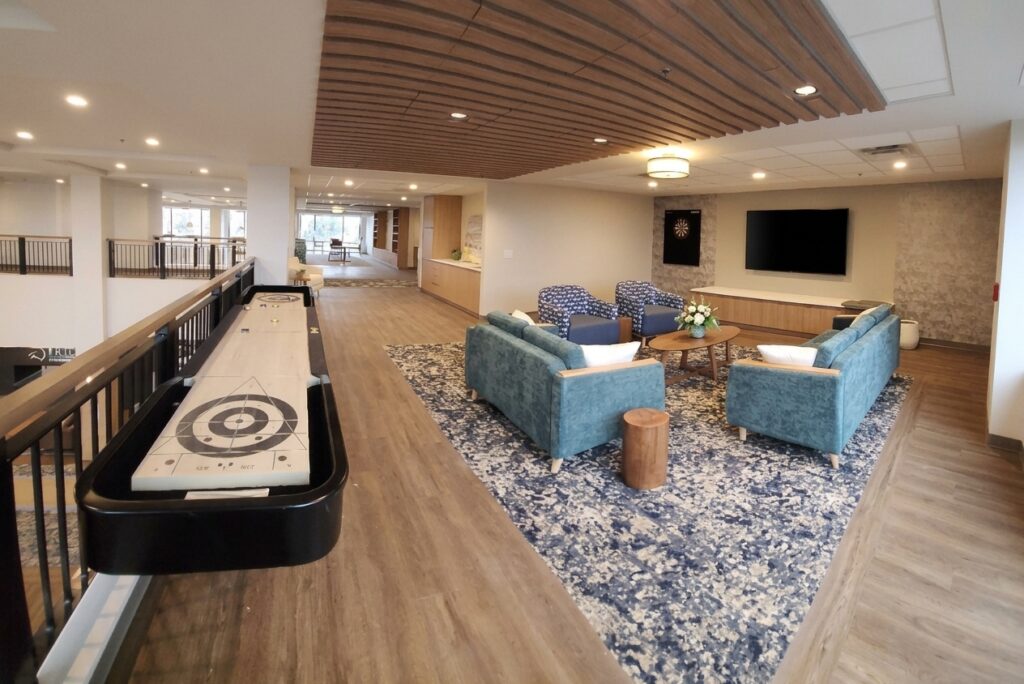

Here are just some of the services that will be included with the rent:
• Restaurant-Style Dining
• Movie Theatre
• Resident Fitness Room
• Game, Art, and Activity Spaces
• Salon and Spa Services
• Housekeeping
• Utilities Included
• Cozy Resident Lounge and Social Areas
• Secure Storage Lockers
• Outdoor Patio and Garden Spaces
• Pet Friendly w/ Dog Wash Station
• Underground Parking
• In Suite Laundry
• Full Kitchens

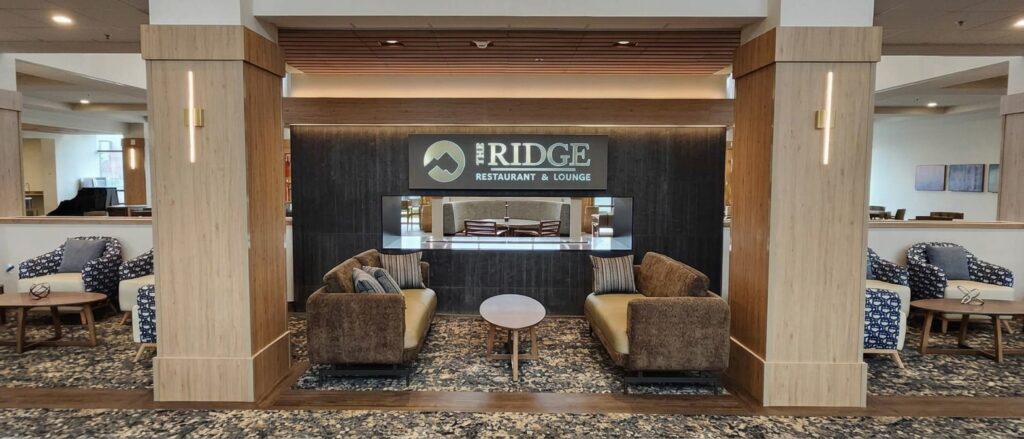
As the information brochure for The Residences explains, it will be “redefining retirement living in Winnipeg. Our vibrant community aims to offer the perfect balance of modern features and warmth, where active adults can fully embrace the freedom of independent living. At The Residences, you’re free to enjoy the amenities, activities, and community knowing that a helping hand is always nearby if you need it.”
With a choice in suites, from junior suites to 2 bedroom units, The Residences will be attractive for both singles and couples.





But, in case you thought The Residences would be somewhat akin to a nursing home, the truth is it will be far from that. “Independent Living is designed for active, self-sufficient seniors who want a lifestyle with fewer responsibilities — not medical care. At The Residences, independent living is finding an engaging community and living your best life now with all of the amenities to give you more time and freedom.”
With many built-in social activities, clubs, and shared spaces to help people make friends, The Residences will be a true community.
To read more about what The Residences will have to offer you can call: 431-778-4636.
You can also click on this pdf (or download it to make it full size):
Features
What Happens in Poker When You Tie? Split Pots Explained

Learn what happens when poker players tie, how split pots work, and which rules determine the winner when hands have the same value.
Ties have gone by the wayside in team sports. The NFL and NHL have done their best to make sure they never happen, too. The same cannot be said for poker. On occasion, people with the same hands tie. So, what happens in poker when you tie?
How Does a Split Pot Work in Poker?
Poker tie rules result in players with equal ranked winning hands leading to the pot being split. It can also see three players with the same hand and the result is each player gets a third of the pot. It is that simple. Two people tie and the pot is 50-50. Three and it is a third to each
How Kickers and Hand Rankings Break a Tie
When thinking about a split pot in poker, kickers play a part of each player’s best five-card hand. That means building the best five-card hand you can. So say both players have a pair of 8s. What happens? It isn’t so a poker straight tie breaker because you can then check what the other three cards that comprise the players’ hands are. The player who has the stronger hand of the remaining three cards would win the pot.
An example of how a kicker would not play into a decision is when players have a straight. If they both have the same straight, that would end the hand in a tie. You don’t go any deeper than the top five.
Make sure to check out BetUS poker variants before starting to play for serious cash when you’re going to play online poker for real money.
How Does a Poker Game End When Players Tie?
A tie at the end of a hand differs from what happens should a tournament end in what could or would be considered a deadlock. Should tournaments end in a tie, the players would split the combined pot for the position. So, if players wind up tied for seventh (and eighth), they would share the combined pot for those positions. If two or more players are tied or agree to stop playing at the end of a tournament, they can decide together to split the prize pool. There can be an even split or if the players agree to the terms, it can go to whatever percentage of chips each has left.
There are poker rules, and some consider it standard that if two or more players are eliminated in the same hand, the one that started it with more chips would finish higher. This would be contrary to the splitting of the two positions but it can happen. Another level of ties in tournaments that can be factored in are seat position.
One has to understand all the rules and ramifications before sitting down to play at a poker table whether a game or tournament.
Can the River Card Turn a Winning Hand Into a Tie?
The turn and river in poker can be key cards in the way a hand plays out. The question is: Can the river wind up leading a hand into becoming a tie? The answer is yes. The river is the last community card and it can often be decisive. It can change a winning hand for someone into a losing hand or a tie. The same can be said on the flip side as the river can deliver the winning card for someone who appeared to be in a losing position.
Which Cards Matter When Both Players Have the Same Pair?
When both players have the same pair, the next three cards in their hands would make the difference in who wins the hand. So if someone has a pair of Kings and 7-8-9 and the opponent has kings and 8-9-Jack, the latter’s hand would be considered stronger because the Jack is a higher card than the nine the former has as their top card outside the Kings.
Can this get sticky and thicket-like, sometimes? Yes, but the reality is that the stronger overall five-card hand is the one that is considered the winning hand; unless they are absolutely equal, like having the same cards in a straight or, in a rarer occurrence, a flush, they will not be considered a tie.
FAQs
Can a poker game end in a tie?
Yes, a poker game can end in a tie. If that happens, then the players would either decide how to split the overall pot, or there would be rules that were set before the game or tournament starts.
Who wins a two pair tie?
A two-pair tie would go to the player whose fifth card is higher. If the fifth cards are equal, the hand would be a tie and then the pot split.
How is a split pot divided in poker?
A split pot is divided equally among the players involved in the tie, whether two-way, three-way, etc.
