


Uncategorized
Florida Sees Three Antisemitic Incidents in One Week as State Pushes Back

Florida Gov. Ron DeSantis participates in a Fox News Channel’s Democracy 2024: Fox News Town Hall ahead of the caucus vote in Des Moines, Iowa, US, Jan. 9, 2024. Photo: REUTERS/Scott Morgan
Communities in Florida’s Jupiter and West Palm Beach saw three acts of antisemitic intimidation last week, part of a trend of hate targeting local Jews this year as the state government moves to respond forcefully.
At the Jupiter Civic Center Beach, a vandal used bright orange spray-paint to write “Kill Jews” on two beach crossovers, according to a report from WPTV, West Palm Beach’s NBC affiliate, which confirmed two instances of the genocidal slogan vandalized in the town, both on government property. Each case of vandalism has been covered up, though not fully removed, according to video footage.
The Palm Beach County Sheriff’s Office also said that its Targeted Violence Unit was investigating a “suspicious call” at a Kosher restaurant in West Palm Beach.
“You don’t know who that individual is who’s going to take it upon themselves to act and move beyond words,” Josephine Gon, executive director of the Palm Beach Center to Combat Antisemitism and Hatred with the Jewish Federation of Palm Beach County, warned WPTV in an interview. “That’s what is so serious right now. It’s a very fertile environment for bad actors.”
Florida has seen multiple efforts in recent weeks and months to counter those who target Jewish citizens.
On Dec. 8, Florida’s Gov. Ron DeSantis signed an executive order designating the Council on American-Islamic Relations (CAIR) and the Muslim Brotherhood as “foreign terrorist organizations.”
“Florida agencies are hereby directed to undertake all lawful measures to prevent unlawful activities by these organizations, including denying privileges or resources to anyone providing material support,” DeSantis said of the designations on social media.
CAIR-National and CAIR-Florida responded in a joint statement.
“From the moment Ron DeSantis took office as Florida governor, he has prioritized serving the Israeli government over serving the people of Florida,” the statement read. “He hosted his very first official cabinet meeting in Israel. He diverted millions in Florida taxpayer dollars to the Israeli government’s bonds. He threatened to shut down every Florida college’s Students for Justice in Palestine chapter, only to back off when CAIR sued him in federal court.”
CAIR compared DeSantis to Texas Gov. Greg Abbott (whose state also designated the group as a terrorist organization this year), describing him as “an Israel First politician who wants to smear and silence Americans, especially American Muslims, critical of US support for Israel’s war crimes.”
On Dec. 15, CAIR announced the filing of a lawsuit against DeSantis in response to the terrorism designation.
The legal system in Florida has prosecuted several individuals accused of antisemitic acts this year.
In October, Florida state Attorney General James Uthmeier announced the arrest and prosecution of Nicholas Ray of Spring, Texas who allegedly had made death threats under a ”zionistarescum” X account against Jews he believed responsible for the murder of conservative activist Charlie Kirk the prior month.
In August, John Kevin Lapinski, Jr., 41, received a 25-year federal prison sentence from US District Judge Rodney Smith in Miami due to his terrorist plans to attack Jewish Americans and Black Americans in Florida. US Attorney Jason A. Reding Quiñones said at the time that “this defendant stockpiled weapons, tactical gear, and detailed attack plans to terrorize Jewish and Black Americans in our communities. His intent was not abstract — it was written on his maps, his targets, and his so-called hit list.”
Also in August, police charged a Florida State University (FSU) graduate student for an alleged assault of a Jewish peer captured on video.
In April, the Anti-Defamation League’s Center on Extremism announced it had found that Phoenix Ikner, 21, the alleged attacker behind a shooting at Florida State University (FSU) in Tallahassee which caused two deaths and six injuries, had expressed an interest in Nazism, using Third Reich terminology to name himself in online games.
“What we’re seeing — if in fact this individual has extremist views, and it seems at the very least he was exposed to extremism — is the continued crossover between extremism and the glorification of violence that eventually leads to violence,” said Carla Hill, a senior director of investigative research at the ADL’s Center on Extremism
A hearing for Ikner occurred on Nov. 13 in Tallahassee. His trial has been pushed back to March 30 due to a change of counsel.
Uncategorized
Authentic Hasidic tales, translated into Polish
פֿאַר חסידישע מעשׂיות איז שטענדיק פֿאַראַן אַן עולם. אָט, אַ שטײגער, װעט באַלד אַרױס אַ נײַע דײַטשישע איבערזעצונג פֿון דעם פּױלישן שרײַבער סטאַניסלאַװ װינצענטס בעל־שם־טובֿ־לעגענדעס. װעגן דעם האָט זיך אַ מאָל (אױף פּױליש) באַקלאָגט דער ייִדישער קריטיקער בער מאַרק, אַז דװקא די „פֿינצטערע חסידות“ נעמט אױס בײַם ניט־ייִדישן לײענער־עולם.
דאָ ניט לאַנג האָט מען אױך אַרױסגעלאָזט פֿון ס׳נײַ די זכרונות פֿון עסטרײַכישן אױטאָר זאָמאַ (שלמה) מאָרגנשטערן, װאָס דערצײלט װעגן דער חסידישער גאַליציע פֿון זײַנע קינדער־יאָרן.
בנוגע דער באַליבטקײט און דעם כּישוף פֿון חסידיזם האָט װאָלף לאַצקי־באַרטאָלדי, מיט אַ יאָר הונדערט צוריק, געשריבן: „אונדזער ייִדישקײט איז פֿאַרגליװערט, אָבער מיט חסידות קאָן מען נאָך מגייר זײַן. והא ראַיה: משׂכּילים און פֿאַרשײַטע אַפּיקורסים האָבן זיך אומגעקערט צו ייִדישקײט אױפֿן װעג פֿון דער חסידות.“
אױך אין פּױלן איז לעצטנס אַרױס אַ נײַער באַנד חסידישע מעשׂיות. נאָר דאָס איז אַ בוך פֿון אַן אַנדער פֿאַרנעם, פֿון אַן אַנדער מדרגה. דאָ גײט ניט דװקא אין חסידישן ראָמאַנטיזם, נאָר אין אַ זאַמלונג עכטע חסידישע מעשׂיות מכּל־המינים, איבערגעזעצטע אױף פּױליש. אַזאַ כּוללדיקע זאַמלונג באַװײַזט זיך צום ערשטן מאָל אין װאָסער ניט איז לשון.
נאָך אַ חידוש: דער באַנד פֿון כּמעט 1,000 זײַטלעך גײט אַרױס אין דער ערשטער סעריע פֿון דער פּוילישער „נאַציאָנאַלער ביבליאָטעק“. אין דער צװײטער סעריע גיט מען אַרױס װערק פֿון דער „פֿרעמדער“ ליטעראַטור, אין דער ערשטער — װערק פֿון דער פּױלישער ליטעראַטור גופֿא. ס׳איז ניט דאָס ערשטע מאָל װאָס מע נעמט אַרײַן אין דער ערשטער סעריע אױך װערק אָנגעשריבענע לכתּחילה אױף אַן אַנדער שפּראַך. ס׳איז אָבער פֿון די געצײלטע בענד װאָס נעמען אַרײַן ליטעראַטור ניט פֿון קײן קריסטלעכע מחברים, און דערצו פֿון אַ נאַציאָנאַלער מינדערהײט.
ניט געקוקט אױף דעם פֿאַקט װאָס אָט די געקליבענע חסידישע מעשׂיות זאָלן מיט זיך פֿאָרשטעלן אַ חלק פּױלישע קולטור־נחלה, רעכנט מען זיך אָבער ניט מיט קײן מלוכישע גרענעצן. פֿאַרקערט, מע האָט זיך באַמיט צונױפֿזאַמלען מעשׂיות פֿון גאַנץ ייִדישלאַנד, אױך פֿון די „נײַע“ גלותן מעבֿר־לים, און פֿון אַלע תּקופֿות.
אױך זשאַנערן פֿון פֿאַרשײדענע סאָרטן זײַנען דאָ פֿאַראַן: לענגערע דערצײלונגען, כּמו־װיסנשאַפֿטלעכע כראָניקעס און גאָר קורצע מעשׂהלעך. לאָמיר עפּעס פּאָסמאַקעװען פֿון אָט דער פֿיל־מיניקער זאַמלונג.
נאַט אײַך אַ מעשׂה פֿון די סאַמע ערשטע דורות חסידישע גוטע־ייִדן: די הײליקע ברידער ר׳ אלימלך און ר׳ זושע זצ״ל זײַנען אַװעק אָפּריכטן גלות כּדי צוצוציִען ייִדן צו חסידות. זײ האָבן אַזש אָנגעשפּאַרט ביז צו דער דײַטשישער גרענעץ אין קאַטאָװיץ. װען זײ האָבן זיך גענומען גײן װײַטער, האָט זיך אָבער באַװיזן דער שׂטן און געזאָגט זײ: טאָמער װעט איר אַריבער די דײַטשישע גרענעץ, טאָ זײַט װיסן אַז דעמאָלט װעל איך פֿאַרװאַנדלען אַלע ייִדן — אין חסידים. די ברידער האָבן זיך שטאַרק איבערגעשראָקן, אַז זײ האָבן דערזען, װי שלעכט ס׳װעט זײַן פֿאַר דער חסידות, װען די ברײטע מאַסן זאָלן זיך אײַנשליסן אין אירע רײען, װאָרן דעמאָלט װעט די חסידות אין גאַנצן פֿאַרלױרן גײן. און זײ האָבן זיך אומגעקערט אַהײם, אין זײער לאַנד.
טשיקאַװע: יענע ערשטע פֿאַרשפּרײטער פֿון חסידישקײט האָבן גאָר מורא געקראָגן זײער נײַע תּורה זאָל זיך ניט צעשפּרײטן צו פֿיל, כּדי זי זאָל חלילה ניט אָנװערן איר תּמצית. אַנדערש מיט עטלעכע דורות שפּעטער — אַזאַ מין ליטעראַרישער נבֿיא פֿונעם בעל־שם־טובֿס תּורה װי מאַרטין מרדכי בובער האָט דאָך געהאַלטן, אַז דאָס פֿירט דװקא ער צוריק צום לכתּחילהדיקן קװאַל, װען ער האָט ברײט אױפֿגעפּראַלט „די שערי־תּשובֿה פֿון חסידישן ראָמאַנטיזם“. אַזױ צי אַנדערש, האָט די ליטעראַרישע חסידות לױט בובערס און פּרצעס נוסח טאַקע אַנטפּלעקט דעם „נפֿשות־באַשאַפֿנדיקן כּוח“ פֿון דער חסידות (ציטאַטן פֿון לאַצקי־באַרטאָלדי).
די אַרױסגעבער פֿון דער פּױלישער אַנטאָלאָגיע „חסידישע מעשׂיות“, די פֿאָרשער מאַרטשין װאָדזשינסקי און װױטשיעך טװאָרעק, זשאַלעװען ניט קײן כּוחות אױף מפֿרסם צו זײַן דאָס בוך. אַחוץ די געװײנטלעכע מיטלען — ליטעראַרישע אָװנטן, נסיעות אױף ביכער־ירידן, ראַדיאָ־אינטערװיוען און דאָס גלײַכן — לאָזן זײ אַרױס אַ שײנע סעריע פֿילמעלעך מיט מער־װײניקער באַרימטע פּערזענלעכקײטן װאָס לײענען אָדער דערצײלן איבער מעשׂיות פֿון דער אַנטאָלאָגיע.
די אױבן געבראַכטע מעשׂה, למשל, לײענט זײערער אַ קאָלעגע פֿון ברעסלױער אוניװערסיטעט, דער פֿילאָלאָג יאַן מיאָדעק. מיאָדעקן קען אין פּױלן שיִער ניט יעדעס קינד. ער גיט שױן צענדליקער יאָרן עצות װי אַזױ צו רעדן אַ לײַטיש פּױליש. בײַ גלײַך מיט די אַנדערע פֿאָרלײענער, גיט אױך מיאָדעק אַ מאָל צו אַ זאַץ בשעתן לײענען. דער רבי ר׳ אלימלך און זײַן ברודער ר׳ משולם־זושע קערן זיך אום אַהײם, אין זײער לאַנד — קײן פּױלן, הײסט עס, גיט צו מיאָדעק און קוקט דעם צושױער־עולם אין די אױגן אַרײַן.
פֿאַרשטײט זיך אַז די אַרױסגעבער האָבן ניט אײנע אַליין באַװיזן אױפֿטאָן אַזאַ עובֿדה פֿון „אומקערן אַהײם“ די פּױלישע צדיקים מיט זײערע מעשׂיות. זײ האָט געהאָלפֿן אַ גאַנצע בריגאַדע איבערזעצער: צװישן זײ זײַנען דאָ דערפֿאַרענע מיט אַ לאַנגן סטאַזש און אַ נאָמען, נאָר אױך אָנהײבער אינעם פֿאַך, תּלמידים פֿון די אַרױסגעבער, װאָס האָבן זיך אַזױ אַרום געדרוקט צום ערשטן מאָל. צו זאָגן דעם גאַנצן אמת, בין איך הקטן אַלײן בײַגעװען בײַ די ערשטע שטאַפּלען פֿון פּראָיעקט. אַזױ האָב איך געקענט זען אַז מע לאָזט ניט אױף הפֿקר די איבערזעצער, נאָר מע זאָרגט מע זאָל זײ געבן אַן אָרנטלעכן אַרײַנפֿיר אינעם חסידיזם.
דערמיט האָט זיך פֿאַרנומען ניט אַבי װער, נאָר װיכטיקע מומחים, בתוכם די לינגוויסטקע לילי קאַהן װאָס האָט אײַנגעפֿירט דעם עולם אין די כּללים פֿון חסידישן לשון־קודש, צי דער היסטאָריקער גדי סגיבֿ (סאַגיװ) װאָס האָט אָפּגעהאַלטן אַ װאַרשטאַט װעגן חסידישן שטײגער דערצײלן מעשׂיות.
אױך דער פּױלישער לײענער װאָס נעמט אין האַנט אַרײַן דעם באַנד „חסידישע מעשׂיות“, איז זוכה צו אַן אַרײַנפֿיר, װי גאָט האָט געבאָטן. די רעדאַקטאָרן זײַנען מקדים די דערצײלונגען מיט „אַ װאָרט אַפֿריִער“ פֿון אַ צװײ הונדערט זײַטלעך — אַ מין מאָנאָגראַפֿיע פֿאַר זיך און, בײַם הײַנטיקן טאָג, דער סאַמע גרונטיקער טראַקטאַט װעגן חסידיזם װאָס איז פֿאַראַן אױף דער פּױלישער שפּראַך.
די מעשׂיות גײען לױטן כראָנאָלאָגישן סדר. װײַטער האָט מען זײ אײַנגעטײלט לױט געאָגראַפֿיע און טעמעס. לאָמיר צום סוף ברענגען נאָך צװײ בײַשפּילן. אינעם חלק װעגן חורבן און װידערגעבורט געפֿינען מיר אַ מעשׂה — װעגן פּױלישן פּױפּס, יאַן פּאַװעל דעם צװײטן. דער בלאָזשעװער רבי, ר׳ ישׂראל שפּיראָ, גיט דאָרט איבער אַז אַ פּױפּס איז ער געװאָרן — אין זכות פֿון אַן עצה װאָס ער, יאַן פּאַװעל, דעמאָלט אַ יונגער גלח אױפֿן נאָמען קאַראָל װױטילאַ, האָט געעצהט אַ פּאָליאַטשקע פֿון די חסידי־אומות־העולם װאָס האָט אױסבאַהאַלטן אַ ייִדיש ייִנגל פֿון די נאַצישע רוצחים, אַז זי דאַרף איבערגעבן דאָס קינד די אַמעריקאַנער ייִדישע קרובֿים, עס זאָל װאַקסן בײַ די אײגענע און טאַקע אַ ייִדיש קינד.
אַז מע האַלט שױן בײַ חסידישע מעשׂיות װעגן די קאַטױלן, איז אָט נאָך אַן אינטערעסאַנטע דוגמא, אַ מעשׂה װעגן כּוח פֿון דערצײלן מעשׂיות. אַ מאָל איז געװען אַ ייִד, און זײַן װײַב האָט ניט געבױרן קײן קינדער, האָט ער געבעטן אַן עצה בײַ ר׳ מרדכי טשערנאָבליער און ר׳ ישׂראלטשקע רוזשינער זי״ע, װאָס האָבן זיך פּונקט פֿאַרהאַלטן אין אײן שטעטל. דעמאָלט האָט דער רוזשינער רבי איבערגעגעבן אַ מעשׂה, אַ סגולה פֿאַר װײַבער װאָס קענען נעבעך קײן קינדער ניט האָבן.
ס׳האָט געטראָפֿן אין רױם, אַז אַ פֿרומער קריסט האָט געהאַט אַ טאָכטער, װאָס ער האָט זי געלערנט אַלע קאַטױלישע דינים און מנהגים. איז זי אונטערגעװאַקסן אַ געלערנטע. די יונגע פֿרױ האָט אָבער מקנא געװען די גלחים װאָס פֿאַרמאָגן אַ סך כּוח און מאַכט. האָט זי זיך איבערגעטאָן אין מאַנסבילשע קלײדער און איז אַװעק אין טעאָלאָגישן סעמינאַר. זי האָט אַזש אַריבערגעשטיגן אַלעמען דאָרט מיט איר בקיאות און קענטעניש. װען מע האָט געדאַרפֿט צוקלײַבן אַ נײַעם פּױפּס, האָט מען דעריבער אױסגעװײלט זי װי דעם ממלא־מקומו. איז זי אָבער אַראָפּ פֿון גלײַכן װעג און פֿאַרגאַנגען אין טראָגן. פּונקט װען מע האָט געהאַלטן אין פּראַװען אַ גרױסע חגא אױף די גאַסן פֿון שטאָט, האָט זי געקראָגן די װײען און געגאַנגען צו קינד. פֿון דעמאָלט אָן איז מען בודק צי דער מענטש איז ניט אַ מאָל אַ נקבֿה, אײדער מע קלײַבט אים אױס פֿאַר אַ פּױפּס.
בײַם פֿאַרענדיקן די מעשׂה האָט דער רוזשינער באַלד אױסגערופֿן: מזל־טובֿ, דײַן װײַב קומט אַ מזל־טובֿ, זי האָט ערשט געהאַט אַ זון. די דאָזיקע מעשׂה טוט אַ פּעולה, אַפֿילו אַ פּשוטער בשׂר־דם זאָל זי איבערדערצײלן.
אױך דעם פּױלישן לײענער־עולם קומט אַ מזל־טובֿ װאָס ער האָט זוכה געװען צו אַזאַ גאָלדענעם צוגאָב צו דער פּױלישער קולטור־ירושה. ס׳װילט זיך אױך מאַכן אַ שהחיינו לכּבֿוד די חסידישע מעשׂיות װאָס מע האָט זײ אײַנגעבירגערט אינעם פּױלישן ליטעראַרישן קאַנאָן אױף אַזאַ לײַטישן אופֿן.
The post Authentic Hasidic tales, translated into Polish appeared first on The Forward.
Uncategorized
This national park would honor a Jewish philanthropist — if Republicans get back on board
The political climate is hardly favorable for a new national park centered on racial justice.
President Donald Trump this week called for sweeping budget cuts to the National Park Service and, in January, for the removal of slavery-related exhibits he said portray American history in a “woke manner.”
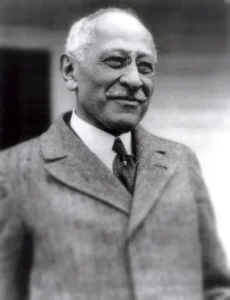
Yet a campaign to establish a national historic park honoring Julius Rosenwald — the Jewish philanthropist who funded schools for rural Black communities during the Jim Crow era — is pressing ahead.
Dorothy Canter, who launched the campaign in 2018, sees an opening for the park to finally become a reality. In February, Sen. Dick Durbin (D-Ill.) introduced legislation to create the Rosenwald National Historic Park, backed by seven Democratic co-sponsors.
But advancing the bill out of committee — much less to President Trump’s desk — will require Republican support. At a time when even the mildest celebration of diversity can be deemed an excess of the “woke” left, Canter is betting that Rosenwald’s story will be the exception.
“The environment is not the best, obviously, but this is a story that should appeal to anyone,” Canter told the Forward. “This is a positive story. Nobody can say it’s DEI.”
Rosenwald’s Legacy
Rosenwald was born in Springfield, Illinois, the son of German-Jewish immigrants. At 16, he dropped out of high school to pursue the family clothing business.
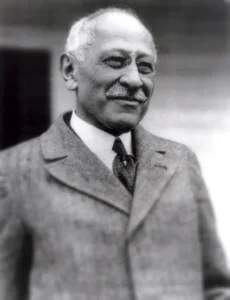
In 1895, he invested $37,500 in Sears, Roebuck & Company — a decision that would ultimately make him one of the wealthiest men in the United States in the early 20th century.
But guided by the Jewish value of tzedakah, he gave much of that fortune away. In 1911, he met Booker T. Washington, the formerly enslaved founder of the Tuskegee Institute, a training center for African American teachers. Washington urged Rosenwald to invest in Black education in the South.
Rosenwald would go on to help fund nearly 5,000 schools for Black students across 15 states. By 1928, one in three Black students in the rural South attended a Rosenwald school. Alumni of Rosenwald schools would include congressman John Lewis, poet Maya Angelou and civil rights activist Medgar Evers.
Canter, a retired biophysicist and national parks enthusiast, first learned about Rosenwald as an adult through a documentary — and was struck that this story of Black-Jewish cooperation was not more widely known.
“I knew that there was not one national park unit among the more than 400 that commemorated the life and legacy of a Jewish American, or told the story of Rosenwald schools,” Canter said. “And I can tell you that today, almost 11 years later, that is still the case.”
There are national historic sites and monuments honoring Jewish Americans, including the Rosenwald family home and the David Berger National Memorial. But a national historic park — a designation that often spans multiple sites and has greater cultural cache — has yet to honor a Jewish American.
Part of Rosenwald’s relative obscurity, Canter said, stems from his own philosophy. Rosenwald embraced a “give while you live” approach and did not believe in permanent endowments, requiring that the Rosenwald Fund spend all of its money within 25 years of his death.
That approach has yielded severe financial challenges decades later. Today, only about 10% of the more than 5,000 Rosenwald school structures remain, according to Brent Leggs, executive director of the African American Cultural Heritage Action Fund at the National Trust for Historic Preservation.
The Trust placed Rosenwald schools on its 2002 list of America’s 11 most endangered historic places, warning of an “urgent crisis of erasure, abandonment and deterioration.”
Many of the schools were built in rural areas that have since been abandoned, Leggs said, adding that the buildings were made of wood that has slowly decayed. The loss is personal for him: Upon researching the history for his job, Leggs discovered that both of his parents attended Rosenwald schools in Kentucky.
“It was a transcendent moment for me,” he said, “because I remember being at a school building that was literally vanishing history.”
The surviving schools have mixed ownership, Leggs said. Some act as local community centers, while others operate as commercial or office spaces, such as the Caldwell Rosenwald School in Huntersville, North Carolina — today, home to Burgess Supply, a carpet store.
A bipartisan issue?
In the final days of his first presidency, Trump gave a significant boost to the campaign for a Rosenwald national park.
He signed the Julius Rosenwald and the Rosenwald Schools Act into law, directing the Department of Interior to conduct a study assessing the feasibility of establishing the park. Eight Republicans had cosponsored the bill, and it passed with broad bipartisan support.
The study “resulted in positive findings,” concluding that the San Domingo School in Sharptown, Maryland, met all the criteria for a national park and recommending that Congress create a grant program to support the preservation of additional Rosenwald schools.
But Republican backing for a national park honoring Rosenwald’s legacy now appears to have waned.
The Forward called and emailed the three Republicans who cosponsored the 2020 bill and are still in office. None responded to the Forward’s question about their position on Durbin’s bill to establish the Rosenwald park.
A White House spokesperson directed the Forward to the national historic site at the Rosenwald family home but declined to say whether Trump was supportive of the national park commemorating Rosenwald schools.
Rep. Andy Harris, a Maryland Republican, went so far as to send a letter to President Joe Biden in 2024 expressing his support for “the expedited designation of a Julius Rosenwald And Rosenwald Schools National Park.”
His office did not respond to the Forward’s request for comment.
Nor did the office of Tim Scott, the Republican senator from South Carolina who previously advertised his support for the restoration of Rosenwald schools in his state. “Booker T. Washington helped build thousands of schools for Black children, advancing impactful educational opportunities throughout the South,” he tweeted in February 2024. “With the restoration of Rosenwald School, his legacy lives on in South Carolina. #BlackHistoryMonth”
‘A story for our time’
Durbin’s bill arrives just as the agency that would create a park faces drastic proposed cuts: Trump this week proposed funding for the already understaffed National Park Service be reduced by $736 million, or 25% of its budget.
Meanwhile, the president has sought to recast historical narratives at existing parks. In January, Trump ordered the National Park Service dismantle an exhibit about nine people enslaved by George Washington. Earlier this month, the Trump administration directed the removal of a pride flag from the Stonewall National Monument in New York City.
Yet Rosenwald’s story doesn’t fit neatly into the culture-war themes that Trump has singled out. Rosenwald himself was a political conservative, a laissez-faire businessman and steadfast Republican who believed in fostering economic self-sufficiency through education.
Dennis Ross, a former Republican congressman from Florida who retired from office in 2019 and has supported the Rosenwald park campaign, told the Forward he sees Rosenwald’s story as one conservatives should embrace.
“I’ve heard the argument that this is a way of trying to backdoor DEI. I totally disagree and take issue with that. This is showing what American history is all about,” Ross said. “If you were to dwell on the oppression of slavery, then maybe that argument might work. But I think the important thing is to look at the transition, the evolution from slavery to success.”
Canter is also optimistic, and said she plans to meet with a Republican senator — she declined to provide a name — whose staff has expressed interest in the park. As to whether Trump would sign the bill: She hopes the campaign will have the opportunity to put it on his desk.
“People with different backgrounds and cultures were able to come together, work together, find common ground and move this country forward,” Canter said. “So if that isn’t a story for our time, I don’t know what is.”
The post This national park would honor a Jewish philanthropist — if Republicans get back on board appeared first on The Forward.
Uncategorized
Trump Says Gas Prices May Remain High Through November Midterm Election

U.S. President Donald Trump takes questions from reporters while Vice President JD Vance and Secretary of State Marco Rubio look on, as they attend a meeting with oil industry executives, at the White House in Washington, D.C., U.S., January 9, 2026. REUTERS/Kevin Lamarque
US President Donald Trump said on Sunday that the price of oil and gasoline may remain high through November’s midterm elections, a rare acknowledgement of the potential political fallout from his decision to attack Iran six weeks ago.
“It could be, or the same, or maybe a little bit higher, but it should be around the same,” Trump, who is in Miami for the weekend, told Fox News’ “Sunday Morning Futures With Maria Bartiromo” when asked whether the cost of oil and gas would be lower by the fall.
The average price for regular gas at US service stations has exceeded $4 per gallon for most of April, according to data from GasBuddy. Trump’s comments on Sunday came after weeks of asserting that the spike in prices is a short-term phenomenon, though his top advisers are cognizant of the war’s economic impacts, officials have said.
Earlier on Sunday, Trump announced on social media that the US Navy would blockade the Strait of Hormuz and intercept any ship that paid a crossing fee to Iran, after marathon talks between the US and Iran in Pakistan over the weekend did not yield a peace deal.
“No one who pays an illegal toll will have safe passage on the high seas,” he wrote on Truth Social.
Any US blockade is likely to add more uncertainty to the eventual resolution of the conflict, which is currently subject to a tenuous two-week ceasefire. The new tactic is in response to Iran’s own closure of the strait’s critical shipping lanes, which has caused global oil prices to skyrocket about 50%.
UNPOPULAR WAR HITS TRUMP’S APPROVAL
The war began on February 28, when the US launched a joint bombing campaign with Israel against Iran. The scope quickly expanded as Iran and its allies attacked nearby countries, while Israel targeted Hezbollah with massive strikes in Lebanon.
The war has buffeted global financial markets and caused thousands of civilian deaths, mostly in Iran and Lebanon.
Trump’s political standing at home has suffered, with polls showing the war is unpopular among most Americans, who are frustrated by rising gasoline prices.
The president’s approval rating has hit the lowest levels of his second term in office, raising concern among Republicans that his party is poised to lose control of Congress in the midterm elections. A Democratic majority in either chamber could launch investigations into the Trump administration while blocking much of his legislative agenda.
US Senator Mark Warner of Virginia, the ranking Democrat on the Senate Intelligence Committee, questioned the strategy behind Trump’s planned blockade.
“I don’t understand how blockading the strait is going to somehow push the Iranians into opening it,” he told CNN’s “State of the Union” on Sunday.
In a separate appearance on CBS’s “Face the Nation,” Warner said the blockade would not undermine Iranian control of the waterway.
“The Iranians have hundreds of speedboats where they can still mine the strait or put bombs against tankers in closing the strait,” he said. “How is that going to ever bring down gas prices?”
Although Trump has repeatedly said that the war would be over soon, Republican US Senator Ron Johnson of Wisconsin told ABC News’ “This Week” on Sunday that achieving US aims in Iran “could take a long time.”
“It’s going to be a long-term project,” said Johnson, who was not asked about Trump’s proposed blockade. “I never thought this would be easy.”