


Uncategorized
How two advice columnists with the same name counseled, comforted and inspired millions of women
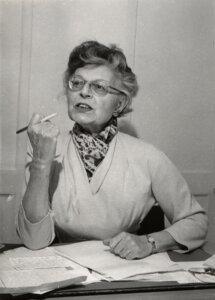
Though you probably know about “A Bintel Brief,” the Forward’s advice column that debuted 120 years ago, or the postwar advice columns of Esther and Pauline Friedman, better known as the authors of the advice columns “Ask Ann Landers” and “Dear Abby,” American readers might be less familiar with the work of “Les Deux Marcelles” who launched their careers as advice columnists on the other side of the Atlantic in postwar France.
They were Marcelle Auclair and Marcelle Ségal, two women whose advice columns counseled, encouraged and even emboldened countless women suddenly confronting an old world that was dying and a new world that was being born.
Unlike their American analogues, Auclair and Ségal were not related. The former grew up in Chile, where her father, an architect, assisted in rebuilding Valparaiso and Santiago after a massive 1906 earthquake. Auclair’s father encouraged her literary ambitions as she began publishing poetry and fiction. She returned to France in 1923, married author Jean Prévost and had three children. She continued publishing and moved into journalism. After noticing Auclair’s columns in the woman’s weekly Femme de France, publisher Jean Prouvost offered Marcelle a “woman’s page” in Paris-Soir (Paris Evening) in 1935 where she responded to letters asking for advice. Two years later she persuaded Prouvost to start a weekly woman’s magazine, Marie-Claire.
Like the Friedmans’ parents (and countless thousands of fellow Jews), Ségal’s mother and father fled Lithuania, then part of the Russian Empire, at the turn of the 20th century. They ended up in France, settling at first in Paris in a neighborhood near what was then the Place Daumesnil, nicknamed Domenilovka by the neighborhood’s large Russian-Jewish community. Their daughter did not start out as a journalist, but folded to family pressure and married a second cousin, the owner of a textile business with whom Ségal quickly had a daughter. Two terrible blows soon followed: In 1927, Ségal’s child died of meningitis and, shortly thereafter, her husband abandoned her.
Ségal struggled to support herself; she took in lodgers, and sold fashion house dresses to wealthy American tourists by knocking on hotel doors. She enrolled in secretarial training and landed a job at a bank where she earned enough to travel during her vacations. She began writing about her travels and eventually published her travel pieces in The Woman’s Journal, which then hired her as a regular correspondent. In 1939, she landed a job as editor and contributor at Marie-Claire shortly before the start of World War II. As the German army approached Paris in June 1940, Ségal joined the massive civilian exodus from Paris, eventually rejoining the editorial staff of Marie-Claire in Lyon.
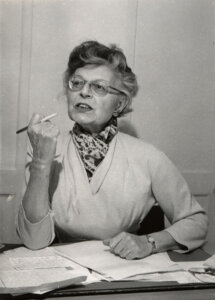
After the Armistice of June 22, 1940, the magazine resumed publication from Lyon, and kept Ségal in spite of Vichy’s antisemitic law targeting Jews in the professions. In June 1941 Vichy passed a more severe antisemitic law extending the professional exclusion of Jews in the press beyond leadership roles; five months later, Ségal was fired. She went underground, editing and typing texts for the resistance. “About my resistance work, I prefer not to talk about it,” she wrote in her memoir. “I did too little, way too little, our group having been decimated.”
In the wake of France’s liberation in 1945, Ségal helped launch Elle magazine with two pre-war journalists and friends, Pierre and Hélène Gordon-Lazareff. As Elle sought to build its readership — a daunting challenge when most staples and goods, including paper, were still rationed in France — Hélene Gordon-Lazareff proposed that Elle solicit and respond to readers’ letters about such topics as beauty, fashion, home and love. Reluctantly, Ségal accepted, unhappy that she would be playing the “vulgar role of ridiculous auntie” — namely, an advice columnist. To her great surprise, her column became and remained a fixture in the lives of millions of French women for the next 40 years.
Like Auclair, Ségal served as a bridge to feminism, leading her readers to think for themselves, take control of their lives, and question social expectations damaging to their sense of self-worth. Rather than challenging readers — an approach that the great figure of French feminism, Simone de Beauvoir, sometimes adopts in her canonical work The Second Sex — Ségal was always conversational. She regularly downplayed the importance of physical appearance, questioned beauty standards, and insisted that whatever negative aspect a letter writer expressed about her appearance, the real problem was not how a woman looked but how she felt.
Ségal also warned against the quest for finding a husband. One writer whose boyfriend had recently broken up with her bemoaned, “I’m afraid I’ll never get married. What should I do to get married — quick quick?” “Why quick quick?” Ségal asked. “Take your time.” Similarly, she advised a young woman of 18 to resist her boyfriend’s pressure to drop out of school and marry him. Take time to live, Ségal urged, to experience life, finish her education, and establish her own career. “Take advantage of your youth,” she exhorted, and never “disregard your security and your independence.”
In her 1971 memoir, Moi aussi, j’étais seule (I Was Alone, Too). Segal, who never remarried, reassured her readers that her personal story was not one of failure, loneliness and pain. She decided to write about her single life, she explained, for all unmarried women. “Let’s go single women!” she wrote. “Get out of the house! Go for it! Don’t be afraid! Adventure Awaits!”
Such advice as “Living only for a man represents the number one cause of women’s pain,” seems positively quaint today. And yet, the reason it does so is partly due to Ségal’s trailblazing work. While she never rejected general assumptions about gender, marriage and family life, for 40 years Ségal encouraged women not to feel bound by traditional expectations. She responded to the women who wrote her with messages warning them against blindly following convention or fitting themselves into a standard mold. Ségal’s exhortation “Don’t be afraid!” is no less relevant today than it was during her own life.
The post How two advice columnists with the same name counseled, comforted and inspired millions of women appeared first on The Forward.
Uncategorized
Yiddish Modernism and the political tumult in the 1930s
אין די 1920ער און 1930ער יאָרן האָט דער זשורנאַל „אין זיך“ געדינט װי אַ טריבונע פֿאַר מאָדערניסטישע עקספּערימענטן אין דער אַמעריקאַנער ייִדיש־ליטעראַטור. צו די „אינזיכיסטן“ האָבן געהערט יעקבֿ גלאַטשטײן, אַהרן גלאַנץ־לעיעלעס, ה. לײװיק, שלמה שװאַרץ, יהודה לײב טעלער און אַנדערע.
װי מען קען טרעפֿן פֿונעם זשורנאַלס נאָמען, זײַנען די דאָזיקע ליטעראַטן געװען פֿאַרטאָן אין שעפֿערישע חקירות אַרום דעם אײגענעם „זיך“. און טאַקע, אין די 1920 יאָרן האָט „אין זיך“ ניט געהאַט קײן אינטערעס צו די פּאָליטישע דאגות־היום.
אָבער דאָס האָט זיך געביטן נאָך 1934, װען גלאַטשטײן איז געװאָרן דער רעדאַקטאָר פֿונעם זשורנאַל. דער דאָזיקער תּקופֿה איז געװידמעט דאָס נײַע בוך פֿון איתי זוטרא (אוניװערסיטעט פֿון מאַניטאָבאַ, קאַנאַדע) „אינזיכיזם: ייִדיש־דיכטונג און די ייִדישע אידענטיטעט אין אַמעריקע אין די 1930ער יאָרן“.
גלאַטשטײן האָט פֿאַרטײדיקט די שעפֿערישע אױטאָנאָמיע פֿונעם דיכטער קעגן די אַנגאַזשירטע קאָמוניסטישע קריטיקער װי אַלכּסנדר פּאָמעראַנץ, װאָס האָבן געפֿאָדערט, אַז ליטעראַטור זאָל דינען די אינטערעסן פֿון די פּראָלעטאַרישע מאַסן.
אַזױ איז גלאַטשטײנס אײגענע פּאָעטישע שאַפֿונג געװאָרן אַ מין פּאָליטישע פּאָזיציע. די דאָזיקע פּאָליטיק, האַלט זוטרא, האָט משפּיע געװען אויף זײַן ליטעראַרישן סטיל און דעם סטיל פֿון אַנדערע מחברים פֿון „אין זיך“.
גלאַטשטײן האָט געעפֿנט די זײַטן פֿון „אין זיך“ פֿאַר פּאָליטישע װיכּוחים. ער אַלײן איז אַרױס מיט אַ פֿאָרשלאָג צו שאַפֿן אַ פּאַרטײ, װאָס זאָל זײַן אי פּאָליטיש ראַדיקאַל אי ייִדישיסטיש, הגם קײן פּראַקטישע פּראָגראַם האָט ער ניט פֿאָרגעלײגט.
להיפּוך צו אַנדערע ראַדיקאַלע פּאַרטײען, קודם־כּל דער קאָמוניסטישער, איז דער הױפּטציל פֿון גלאַטשטײנס פּאַרטײ געװען צו פֿאַרטײדיקן ייִדישע נאַציאָנאַלע אינטערעסן. דאָס איז געװען ספּעציעל װיכטיק אין דער צײַט װען דער אַנטיסעמיטיזם האָט געהאַלטן אין אײן װאַקסן אין אײראָפּע.
גלאַטשטײן האָט פֿאַרבעטן ייִדישע ליטעראַטן אַרומצורעדן זײַן פּראָיעקט אױף די זײַטן פֿונעם זשורנאַל. לרובֿ זײַנען זײ ניט געװען אײַנשטימיק מיט גלאַטשטײן. דער עיקר זײַנען זײ געװען קעגן דער אידײ, אַז די אינטעלעקטואַלן דאַרפֿן װערן פּאָליטישע אָנפֿירער פֿון די מאַסן.
חוץ דעם, װי עס האָט באַמערקט חיים זשיטלאָװסקי, זײַנען שױן דאָ געװען גענוג פּאָליטישע פּאַרטײען אין װעלכע ייִדן האָבן זיך אַקטיװ באַטײליקט. צו שאַפֿן נאָך אַ פּאַרטײ װאָלט ניט געהאָלפֿן צו פֿאַרבעסערן דעם מצבֿ פֿון ייִדן.
דער אינזיכיזם, האַלט זוטרא, איז בטבֿע געװען עקלעקטיש סײַ פּאָעטיש און סײַ פּאָליטיש. מען האָט ניט געהאַלטן פֿון טראַדיציאָנעלע זשאַנערס און סטילן. אָפֿט מאָל האָט מען עקספּערימענטירט מיט מישן פּראָזע און פֿערזן.
אין די 1930ער יאָרן האָבן די ליטעראַרישע עקספּערימענטן באַקומען אַ פּאָליטישן אַקצענט. סײַ אין דער קונסט און סײַ אין דער פּאָליטיק האָבן די אינזיכיסטן געזוכט אַן ענטפֿער אױף דער עיקר־פֿראַגע: װאָס איז דער עצם פֿונעם ייִדישן „זיך“ אין אַמעריקע אין דער מאָדערנער תּקופֿה?
דער אינזיכיזם איז געװאָרן אַ נײַער מין ייִדישיזם: אַ קולטורעלע און פּאָליטישע אידעאָלאָגיע, װאָסער ציל איז געװען צו פֿאַראײניקן פֿאַרשײדענע פּאָליטישע שטרעמונגען אױפֿן סמך פֿון דער ייִדישער שפּראַך און דער מאָדערנער װעלטלעכער ייִדיש־קולטור.
גלאַטשטײן האָט געגלױבט, אַז װערטער דאַרפֿן טראָגן דעם װירקלעכן אמת, בפֿרט אין די צײַטן, װען כּלערלײ טאָטאַליטאַרישע רעזשימען האָבן פֿאַרשפּרײט ליגנס פֿאַר די צװעקן פֿון זײער מערדערישער פּראָפּאַגאַנדע.
אינעם בוך לידער „ייִדישטײַטשן“, װאָס איז אַרױס אין װאַרשע אין 1937, האָט גלאַטשטײן געפּרוּװט דערגרײכן די טיפֿסטע פֿאָנעטישע און לעקסישע װאָרצלען פֿון דער ייִדישער שפּראַך.
אין די שורות „אַלטער בױם, פֿעלדז און שטאַם / כ׳קום צו דיר מיט ברױט און גראַם“ דריקט גלאַטשטײן אױס זײַן פּאָזיציע לגבי דער ייִדישער קולטור־ירושה. ער קומט מיט זײַן אַמעריקאַנער „ברױט און גראַם“ צו דעם „אַלטן בױם“ פֿון ייִדיש כּדי צו שעפּן שפּראַכלעסע יניקה פֿאַר זײַן פּאָעזיע.
זוטרא אַנטפּלעקט אין „ייִדישטײַטשן“ סאַטירישע אונטערטענער, װאָס מאַכן חוזק סײַ פֿון די פֿאַשיסטן און קאָמוניסטן און סײַ פֿון די אַמעריקאַנער אַסימילאַטאָרן.
די צװײטע צענטראַלע פֿיגור אינעם אינזיכיזם איז געװען דער דיכטער, קריטיקער און זשורנאַליסט אַהרן גלאַנץ־לעיעלעס. אין 1937, אײנצײַטיק מיט גלאַטשײטנס „ייִדישטײַטשן“, איז אַרױס גלאַנץ־לעיעלעס בוך לידער „פֿאַביוס לינד“.
אין הסכּם מיט די עסטעטישע פּרינציפּן פֿונעם אינזיכיזם איז דאָס דאָזיקע בוך אַ מישמאַש פֿון סטילן, זשאַנערס און שטאַנדפּונקטן, װאָס זײַנען פֿאַרקניפּט דורך דער פֿיגור פֿונעם הױפּטהעלד. דאָס איז אַ פּאָעטישער סך־הכּל פֿונעם איניזכיסטישן פּעריאָד אין לעיעלעסעס שאַפֿונג, האַלט זוטרא.
„פֿאַביוס לינד“ האָט באַקומען התלהבֿותדיקע אָפּרופֿן מצד די קריטיקער. גלאַטשטײן האָט געהאַלטן דאָס בוך פֿאַר דער „ערשטער גרױסשװוּנגיקער און גרױסשטאָטישער פּאָעמע אין דער ייִדישער פּאָעזיע“, און ה. לײװיק האָט עס געלױבט פֿאַר זײַן „אָרגאַנישער גאַנצקײט“.
די פֿיגור פֿון פֿאַביוס לינד איז ניט קײן אױטאָביאָגראַפֿישע. זוטרא מאַכט אַ פּרוּװ צו אַנטפּלעקן די פֿאַרפּלאָנטערטע באַציִונגען צװישן דעם מחבר אַהרן גלאַנץ־לעיעלעס, זײַן פּאָעטישער פּערזאָן אַ. לעיעלעס, און זײַן אױסגעטראַכטן „אַלטער עגאָ“ — פֿאַביוס לינד.
לינד פֿיגורירט אינעם בוך װי אַ צעשפּאָלטענע פּערזענלעכקײט: „פֿאַביוס לינד פֿיל לעבנס פֿירט ער“. ער איז סײַ אַ פּראָדוקט און סײַ אַ קרבן פֿון זײַן תּקופֿה.
לינד האָט ספֿקות װעגן כּלערלײ פּראָיעקטן צו לײזן די „ייִדישע פֿראַגע“, אינעם סאָװעטישן ביראָבידזשאַן אָדער אינעם העברעיִש־רעדנדיקן ייִשובֿ אין ארץ־ישׂראל.
חוץ לידער האָט גלאַנץ געשריבן פּאָליטישע קאָמענטאַרן אין דער ליבעראַלער צײַטונג „דער טאָג“. להיפּוך צו גלאַטשטײן האָט ער ניט פֿאַרטראַכט קײן אײגענע פּאָליטישע פּראָיעקטן. זײַן פּאָליטישער שטאַנד איז געװען אין הסכּם מיטן פּראָגרעסיװן הױפּטשטראָם פֿון פֿראַנקלין רוזװעלטס „ניו דיל“.
דער לעצטער נומער פֿון „אין זיך“ איז אַרױס אין 1940, װען אײראָפּע איז שױן געשטאַנען אױפֿן שװעל פֿונעם חורבן. דער קאָנפֿליקט צװישן אַלװעלטלעכקײט און ייִדישקײט, װאָס איז געװען די צענטראַלע טעמע פֿון די אינזיכיסטישע חקירות, איז געלײזט געװאָרן לטובֿת ייִדישקײט.
גלאַטשטײן האָט פּראָקלאַמירט: „אַ גוטע נאַכט, ברײטע װעלט. […] אױף מײַן אײגענעם געבאָט גיי איך צוריק אין געטאָ“. דאָס איז געװען דער סוף פֿונעם ייִדישן מאָדערניזם, פֿאַרסך־הכּלט זוטרא.
די פּאָעטישע קולטור־ירושה פֿון די אינזיכיסטן איז פֿאָרגעשטעלט געװאָרן פֿאַרן ענגליש־שפּראַכיקן עולם אין דער פּרעכטיקער צװײ־שפּראַכיקער אַנטאָלאָגיע „אַמעריקאַנער ייִדישע פּאָעזיע“, װאָס איז אַרױס אין 1986 אונטער דער רעדאַקציע פֿון בנימין און באַרבאַראַ האַרשאַװ.
אין דער הקדמה האָט בנימין האַרשאַװ פּרטימדיק אַנאַליזירט די פֿאָרמעלע און סטיליסטישע חידושים, װאָס די אינזיכיסטן האָבן אַרײַנגעבראַכט אין דער ייִדישער פּאָעזיע אין די 1920ער יאָרן, אָבער ער האָט קױם באַרירט זײער פּאָליטיק.
זוטראס בוך באַטראַכט די אינזיכיסטישע שעפֿערישקײט אונטער אַן אַנדערן קוקװינקל. אין די 1930ער יאָרן זײַנען פּאָליטיק און פּאָעזיע געװאָרן נאָענט צונויפֿגעפֿלאָכטן אין די װערק פֿונעם לעצטן דור אַמעריקאַנער ייִדישעמאָדערניסטן.
The post Yiddish Modernism and the political tumult in the 1930s appeared first on The Forward.
Uncategorized
I never saw myself in Barbie. Would ‘Hanukkah Barbie’ have changed that?

I wasn’t really a Barbie kid. While I occasionally played with my sister’s hand-me-down Barbies, I preferred American Girl dolls. They were Barbie’s chunkier, cherubic counterparts, each representing a girl from a different period in history and accompanied by a series of historical-fiction books about her life. I devoured those books, including the story of Rebecca Rubin, a 9-year-old Russian-Jewish immigrant living on the Lower East Side in the early 1900s.
So when Mattel released its first Hanukkah Barbie last week — officially marketed as the “Barbie Holiday Sweater Doll” — I wondered whether she would have appealed to me when I was growing up. Would her Jewishness have made her feel more relatable than that blonde-haired, blue-eyed, impossibly proportioned bombshell?
As it turns out, I wasn’t the only one thinking about what it means for Barbie to look Jewish. Shortly after her release, Hanukkah Barbie set off a spirited debate over her appearance. Her nose seemed slightly more prominent than the default Barbie button nose, raising questions about whether Hanukkah Barbie’s face reinforced Jewish stereotypes, or if her distinctive nose reflected a good-faith effort to give the doll recognizably Jewish features.
It was at least clear that Mattel did its homework about the Festival of Lights. The hanukkiah on Barbie’s sweater has the correct number of candleholders, and the dreidels bear accurate Hebrew lettering — which is more than can be said about a lot of Hanukkah merchandise. If sales are any indication, Hanukkah Barbie is resonating. The doll, which originally retailed for about $30, is sold out, with third-party sellers now asking for as much as $345.
There have previously been Barbies modeled after Jewish celebrities, including Olympic gymnast Aly Raisman, Israeli Olympic surfer Anat Lelior and fashion designer Diane von Furstenberg. But Hanukkah Barbie is the first Barbie whose identity is simply Jewish — which means she will have the impossible task of representing Jews of all kinds. Sephardic and Ashkenazi Jews, religious and secular Jews all have to somehow find themselves in the same doll.
Complicating matters, the original blonde Barbie has arguably been Jewish all along. Ruth Handler, the daughter of Polish-Jewish immigrants, invented Barbie in 1959, naming “Barbie” after her daughter, Barbara, and “Ken” after her son, Kenneth. “Barbie is a matrilineal Jew? Love it!” one Reddit user joked last month.
But Barbie was always a little too Aryan-coded to feel Jewish to me. Her origins go back to the postwar German ideal of blonde, white femininity. Handler drew inspiration for Barbie’s look from a German toy named Bild Lilli, marketed toward men as a gag gift and sold in bars and tobacco shops. That doll, in turn, was based on the comic-strip character Lilli, characterized by Barbie’s unofficial biographer M.G. Lord as “a golddigger, exhibitionist, and floozy” who worked as a secretary while looking for a wealthy husband. Bild Lilli was manufactured by O.M. Hausser, a toy company that had produced Adolf Hitler figurines during the 1930s.
No wonder stereotypically Ashkenazi-looking Jews like me, not to mention everyone else who also didn’t fit the Barbie mold, felt left out of Barbie-land. (Which is literally everyone, given that scaled up to human size, a traditional Barbie doll’s proportions would make her unable to survive; there’d be no room for her organs in her tiny waist, and she’d have no choice other than to walk on all fours.)
Over the years, Barbie has become far more inclusive. After the debut of the “Colored Francie” doll in 1967, Barbie expanded to include dolls of different races, body types and abilities, including dolls with prosthetic limbs and wheelchairs and, in 2016, the long-awaited introduction of “curvy,” “petite” and “tall” Barbies. Mattel introduced career-themed dolls in the 1960s, evolving from fashion designer, nurse, and flight attendant to a presidential candidate Barbie in 1992.
The American Girl doll, which Mattel acquired in 1998, was part of a similar response to the limitations of the traditional fashion doll. Created by teacher Pleasant Rowland in 1986, American Girl was designed to help girls see themselves in their dolls while making history feel personal and engaging.

Of course, little kids aren’t thinking so much about the sociological implications of their toy choices. For my part, my mom bought me an American Girl look-alike doll with my brunette hair and choppy bangs, hoping that seeing myself reflected in a doll would help build my self-esteem. But I also gravitated toward a blonde-haired, blue-eyed American Girl doll that looked more Barbie-esque, which I begged my mom to buy.
Looking back, I wonder how much of the Barbie beauty standard I had subconsciously absorbed, even with an array of representative dolls at my disposal. Hanukkah Barbie may more closely resemble women like me. But changing the default cultural image of Barbie will take more than a doll with a light-up Hanukkah sweater.
The post I never saw myself in Barbie. Would ‘Hanukkah Barbie’ have changed that? appeared first on The Forward.
Uncategorized
Minnesota man charged with ISIS-inspired plot on Jewish-owned Mall of America
(JTA) — The FBI accused an 18-year-old man of buying an AK-47 assault rifle with plans to commit a mass shooting in support of ISIS at the Mall of America in Bloomington, Minnesota, the largest indoor shopping mall in North America.
Sheikhdoon Abdullahi Mohamud, of Richfield, Minnesota, was charged on Wednesday with one count of knowingly receiving a firearm and ammunition in order to commit a federal crime of terrorism, according to a federal complaint filed on Wednesday.
Mohamud’s attorney did not respond to JTA’s request for comment.
Mohamud wanted to attack the Mall of America because he believed its owners to be Jewish, the FBI said in a statement. He planned to kill between 30 and 60 people, according to messages he exchanged with a confidential source, according to the complaint.
Mall of America is owned and operated by Triple Five Group, controlled by the Ghermezian family, a Canadian family of Iranian Jewish origin.
Messages sent in September 2026 included a video in which Mohamud pledged allegiance to ISIS, the complaint said. He planned his attack for Oct. 24 because he expected a crowd at the Hmong Arts Celebration scheduled for that day.
The complaint said an undercover FBI agent sold an AK-47 rendered inoperable, four 30-round magazines and 200 rounds of ammunition to Mohamud for $600 on Oct. 6. During the sale, Mohamud confirmed his plans to commit a mass shooting. Mohamud was arrested shortly after the sale.
The complaint said Mohamud wanted to commit an attack similar to the 2016 Pulse nightclub shooting in which 49 victims were killed; the Bondi Beach mass-shooting in Sydney last December, during which 15 victims were killed during a Hanukkah celebration; and a New Orleans truck-ramming attack that killed 14 victims in New Orleans on Jan. 1, 2025.
The investigation into Mohamud began around December 2024, when he messaged the confidential source on multiple social media platforms, according to the complaint, detailing his desire to travel to Somalia to join a group that the U.S. has designated a foreign terrorist organization. If travel was not possible due to financial constraints, he said would move forward with an attack in Minnesota.
This article originally appeared on JTA.org.
The post Minnesota man charged with ISIS-inspired plot on Jewish-owned Mall of America appeared first on The Forward.
