



World Views
Baghdad Challenges Kurdish Autonomy, Seizes Control of Key Oilfields Amid Anti-Smuggling Push
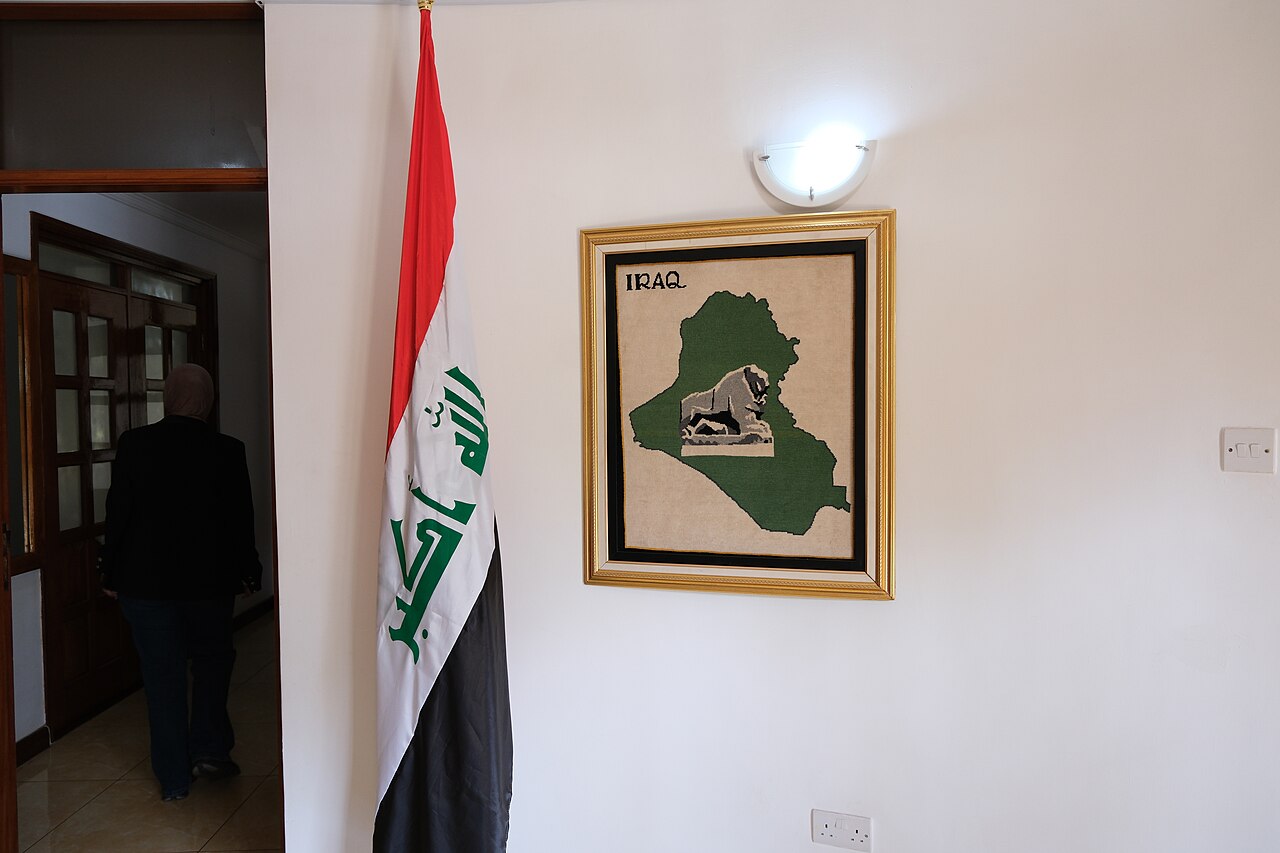
Iraq’s head of government has initiated a high-stakes confrontation with the semi-autonomous Kurdish region, ordering federal bodies to assume management of oil fields located within four provinces currently under Kurdish influence. This decisive move, announced on Tuesday, is part of a broader crackdown by Prime Minister Ali al-Zaidi aimed at curbing the influence of powerful, Iran-aligned armed groups and stemming the flow of illegally siphoned crude oil.
The Central Government’s Directives
The federal directive targets oil production in Diyala, Kirkuk, Salahuddin, and Nineveh provinces. This action follows an extensive investigation into a large-scale smuggling operation that has reportedly generated massive illicit wealth from the country’s major crude producer. The Prime Minister’s office stated that this intervention is rooted in the principle of ‘national sovereignty being indivisible’ and that protecting the nation’s resources is a critical battle for survival against all forms of illicit trade.
In a move that significantly encroaches upon regional powers, Zaidi also directed border authorities to take over all crossings within the Kurdish region and mandated that all crude oil and petroleum exports must be processed exclusively through the federal oil ministry. This challenges the KRG’s decades-long pursuit of full operational independence. Kurdish leadership, represented by Masrour Barzani, swiftly rejected Baghdad’s decisions, labelling them baffling and ‘in no way acceptable,’ arguing that discussions should adhere to constitutional frameworks.
Deepening Political Tensions
This initiative represents a direct challenge to two entrenched power structures: the politically influential, pro-Iranian militias, and the established Kurdish political elite. The crackdown is also linked to Zaidi’s efforts to dismantle the operations of groups like Kataib Hezbollah, which has been accused of running a sophisticated smuggling network. Analysts suggest that this shift marks a move by Zaidi away from political compromise, prioritizing state control over securing support from established political forces.
The tensions are not new. Relations between the central government and Kurdish authorities have been fraught for many years, marked by disputes over trade, territory, and the flow of oil. Furthermore, the withdrawal of key allied forces from Iraq has diminished the leverage the Kurds held against Baghdad’s assertive policies. Some ordinary Kurdish citizens voiced deep skepticism regarding the initiative, suggesting that the government’s stated goals might be a pretext for military intervention to seize control of borders and vital infrastructure.
The Road Ahead
Political observers point out that while these actions are crucial for stabilizing the nation’s wealth and curbing corruption, they arrive at a critical juncture. Experts warn that the Kurdish authorities may use the lack of a comprehensive oil and gas law as a constitutional basis to resist the federal ministry’s takeover of key fields, potentially leading to a major political and constitutional debate. The success of Zaidi’s anti-smuggling campaign hinges on whether he can consolidate national authority without provoking a serious constitutional crisis or escalating conflict with powerful regional factions.
World Views
US Military Aid to Israel Faces Bureaucratic Hurdles Despite Presidential Pledge
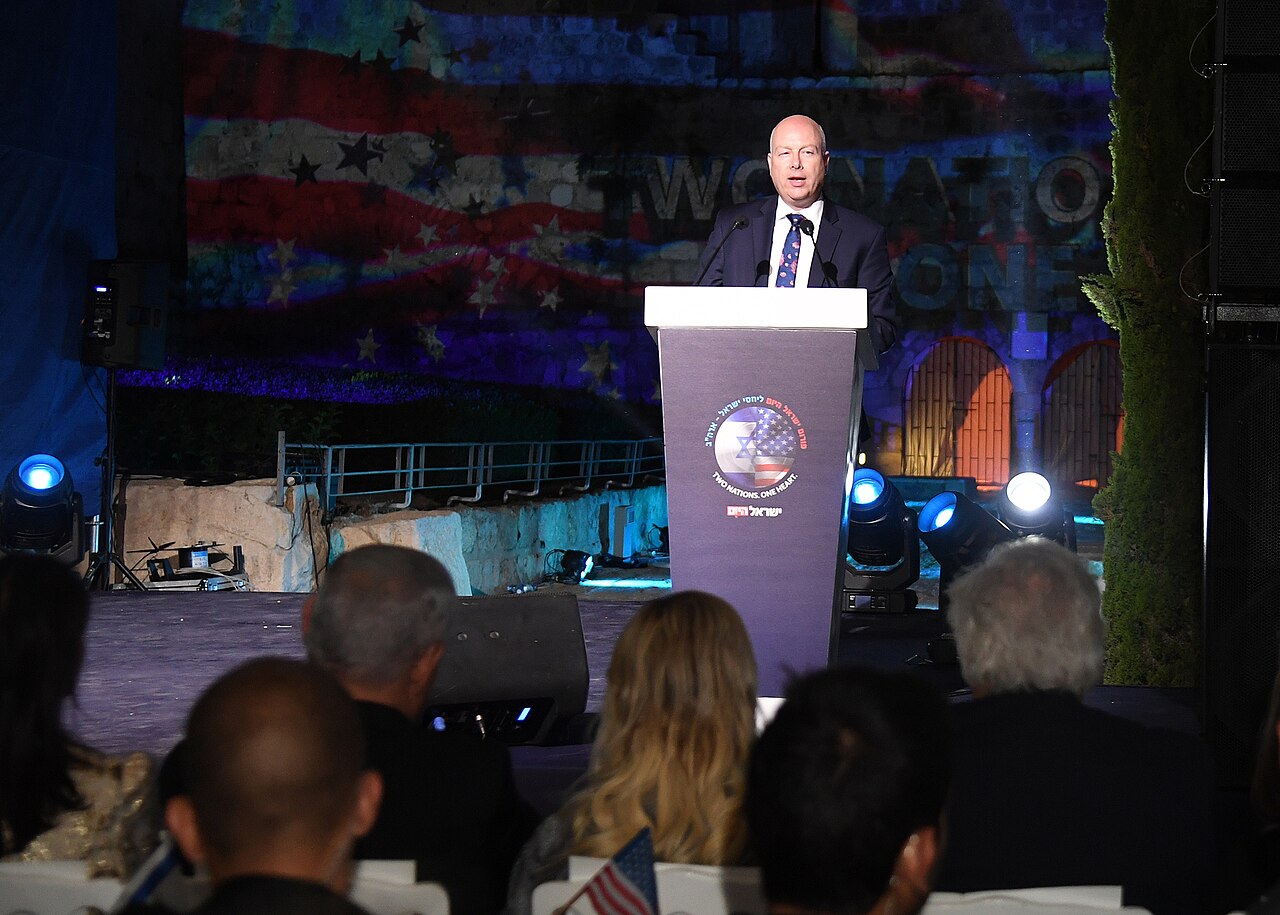
A significant question mark hangs over the future of US military support for Israel, following a high-profile promise made by Donald Trump during the recent midterm elections. While the former President pledged to halt approximately $4 billion in annual financial assistance by the end of the year, US Ambassador to Israel Mike Huckabee has publicly stated that an immediate cessation of aid is unlikely. Huckabee clarified that the existing Memorandum of Understanding (MoU), which guarantees $3.8 billion annually until 2028 for the purchase of American defense equipment, is not easily terminated without legislative action.
The Legislative Roadblock
Speaking at a conference in Tel Aviv, Huckabee indicated that the current funding arrangements, which were established by Congress, require authorization to be stopped. He suggested that an abrupt halt to the aid package before the scheduled expiration date would necessitate a specific Congressional vote. This uncertainty arrives amidst a shifting political landscape, as the Democratic Party secured control of both chambers of Congress, a result that has caused apprehension within Israel, where Prime Minister Benjamin Netanyahu is currently serving as a caretaker leader.
Strategic Concerns and Regional Tensions
The debate over military assistance is intertwined with broader regional security concerns. Huckabee acknowledged that Israeli officials recognized mounting criticism in the United States regarding aid, a point Trump himself had framed as a politically damaging talking point for his Republican critics. However, the ambassador also provided commentary on the ongoing security threats. He emphasized that the United States benefits immensely from its strategic partnership with Israel, noting that intelligence gathered through this collaboration directly contributes to saving American lives. Furthermore, he stressed the importance of maintaining a strong bilateral relationship, arguing that it is ‘not a one-way street.’
Gaza and Iran: A Dual Focus
Beyond the aid debate, Huckabee also addressed the complexities of the Gaza conflict and the threat posed by Iran. Regarding the war, he sharply criticized Hamas, asserting that the group has failed to honor its commitments to disarm. This stance contrasted with other Republican figures who were advocating for an immediate ceasefire. On the issue of Iran, the ambassador reiterated the US position that allowing Tehran to acquire nuclear capabilities or control the Strait of Hormuz is unacceptable. He made it clear that if diplomatic efforts fail, the former President has demonstrated a willingness to employ military force to protect US interests.
The discussions around a new, modified MoU, which Huckabee noted had been under development for months, remain uncertain following the political announcement. The situation highlights a growing tension between high-level political promises and the complex realities of governmental and legislative processes.
World Views
Iranian Singer and Team Face Severe Penalties for Defying Dress Code in Online Performance
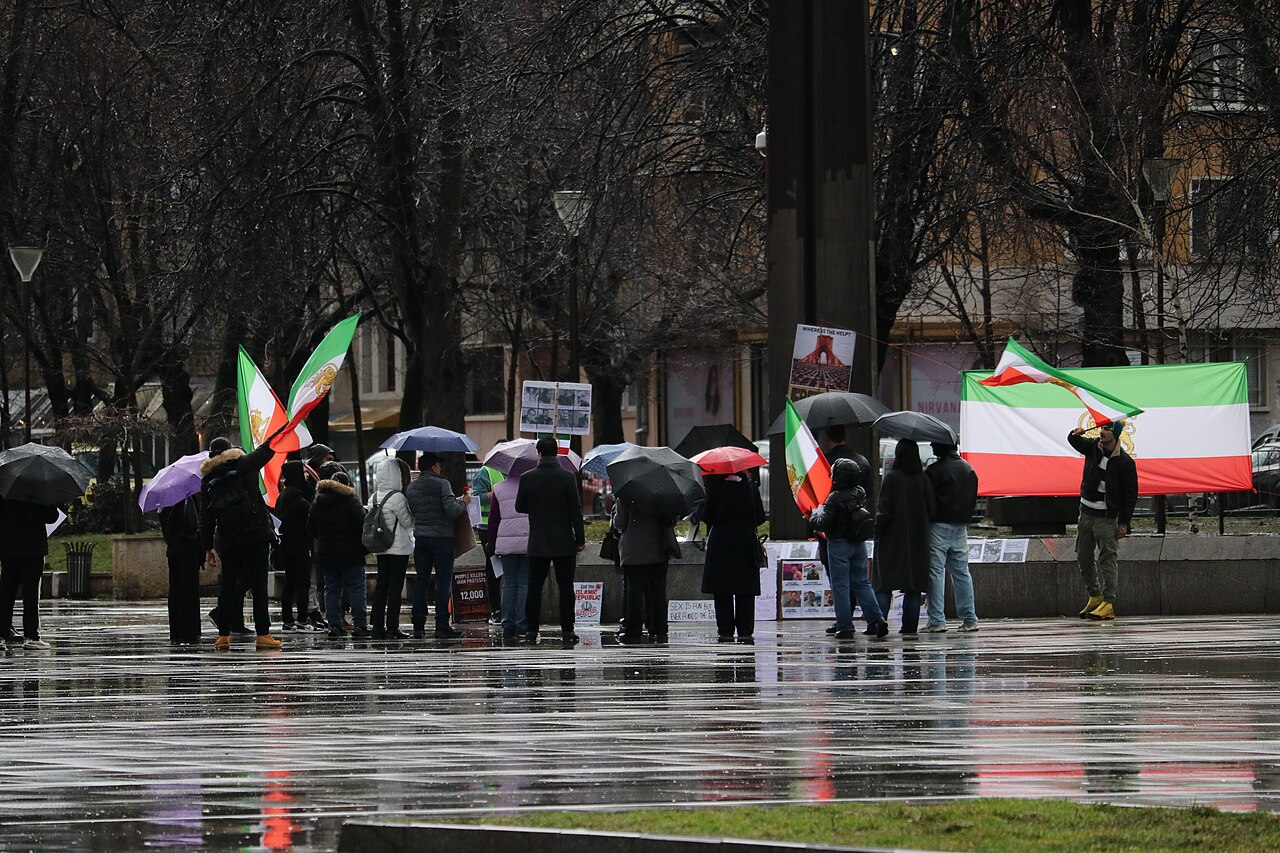
A prominent Iranian singer and four members of her production staff have been subjected to severe corporal punishment following a controversial online performance. The individuals were each sentenced to 74 lashes after Iranian authorities determined they had violated cultural standards by creating and disseminating material deemed inappropriate and immoral. The harsh sentencing underscores the government’s strict enforcement of social and religious codes in the Islamic Republic.
Details of the Public Condemnation
The singer, Parastoo Ahmadi, and her team faced these penalties after a video surfaced on YouTube in late 2024. The footage depicted Ahmadi performing in the city of Qom, located south of the nation’s capital, without adhering to the mandatory hijab requirement, while sharing the stage with male musicians. According to reports citing legal counsel, in addition to the physical punishment, all five individuals have received a two-year prohibition on engaging in musical or artistic endeavors, alongside restrictions on international travel.
Human rights organizations based in Western countries have strongly condemned the use of flogging, labeling it as a violation of international law and a form of torture. Conversely, the Iranian government has consistently rejected these criticisms, asserting that external nations should instead address their own domestic human rights issues.
Deep Roots of Cultural Enforcement
This case is situated within a broader context of strict adherence to religious dress codes, which have become a highly sensitive issue in Iran. The enforcement of the hijab rules gained significant global attention during the massive protests in 2022, which were sparked by the death of Kurdish Iranian woman Mahsa Amini, who was detained for allegedly violating the dress code. Since then, while the rules have been increasingly challenged on the streets of cities like Tehran, the application of these regulations has also exhibited a pattern of selective enforcement.
The legal proceedings confirm that the authorities view the distribution of the video as a serious transgression against public morality. While specific details about the legal representation of the defendants were not provided, the severity of the sentence suggests a high-profile crackdown on perceived cultural dissent. The situation highlights the continuing tension between individual expression and state-mandated religious conformity within the country, leaving international observers concerned about the preservation of personal liberties.
World Views
Political Pressure Fuels Nvidia CEO Reinstatement Amid Governance Scrutiny

Jensen Huang has returned to the role of Chief Executive Officer at Nvidia, following a dramatic reversal by the company’s board. This comeback, which occurred after his initial departure amid revelations of personal misconduct, was heavily influenced by political figures and industry leaders, sparking intense debate over corporate independence and executive accountability. The reinstatement immediately sent Nvidia’s stock soaring, but it has also placed the company under a microscope regarding its governance standards and its critical role in the global AI supply chain.
The Tumultuous Return and Governance Questions
Huang’s return capped a volatile week that shook the technology sector. His initial resignation stemmed from reports concerning his extramarital affairs, which included allegations involving a Chinese national. Although Huang has acknowledged infidelity and apologized, he has not provided full details regarding the alleged relationships. Governance experts, however, are deeply concerned about the board’s decision-making process, suggesting it raises serious questions about the company’s autonomy. A financial analyst noted that such a move signals that certain top executives may be subjected to different standards based on their stature, while simultaneously noting that Huang will still face rigorous questioning from Congress.
Nvidia stated that, following input from the US government, the board felt confident that Huang’s return presented no national security risk. This claim was publicly reinforced by Donald Trump, who stated that after extensive research, the administration concluded there was no security problem. The move was supported by a petition gathering over 180,000 signatures, underscoring the unusual level of support for the executive.
Geopolitical Stakes and Congressional Oversight
The drama is unfolding against the backdrop of heightened geopolitical tension surrounding advanced AI chips. Nvidia is currently facing intense scrutiny from Washington over the flow of its technology to China, with US authorities tightening licensing rules. The reinstatement of Huang, a figure who has advocated for greater access to the Chinese market, is seen as vital for the company’s business interests there. Lawmakers from both parties strongly objected to the decision, with some senators warning that the move did not absolve Nvidia of accountability regarding national security concerns and the movement of sensitive technology.
The legal and regulatory overhang remains substantial. Huang has agreed to appear before the US Senate Banking Committee on December 3rd. Furthermore, the company is facing multiple investigations, including those related to potential accounting irregularities and shareholder lawsuits accusing the firm and Huang of misleading investors about his personal relationships. The board has formed committees to investigate potential foreign intelligence targeting and is seeking to appoint a new chief compliance officer, reflecting the gravity of the current crisis.
