



World Views
New Report Details Council on American-Islamic Relations’ Deep Influence on US School Curricula
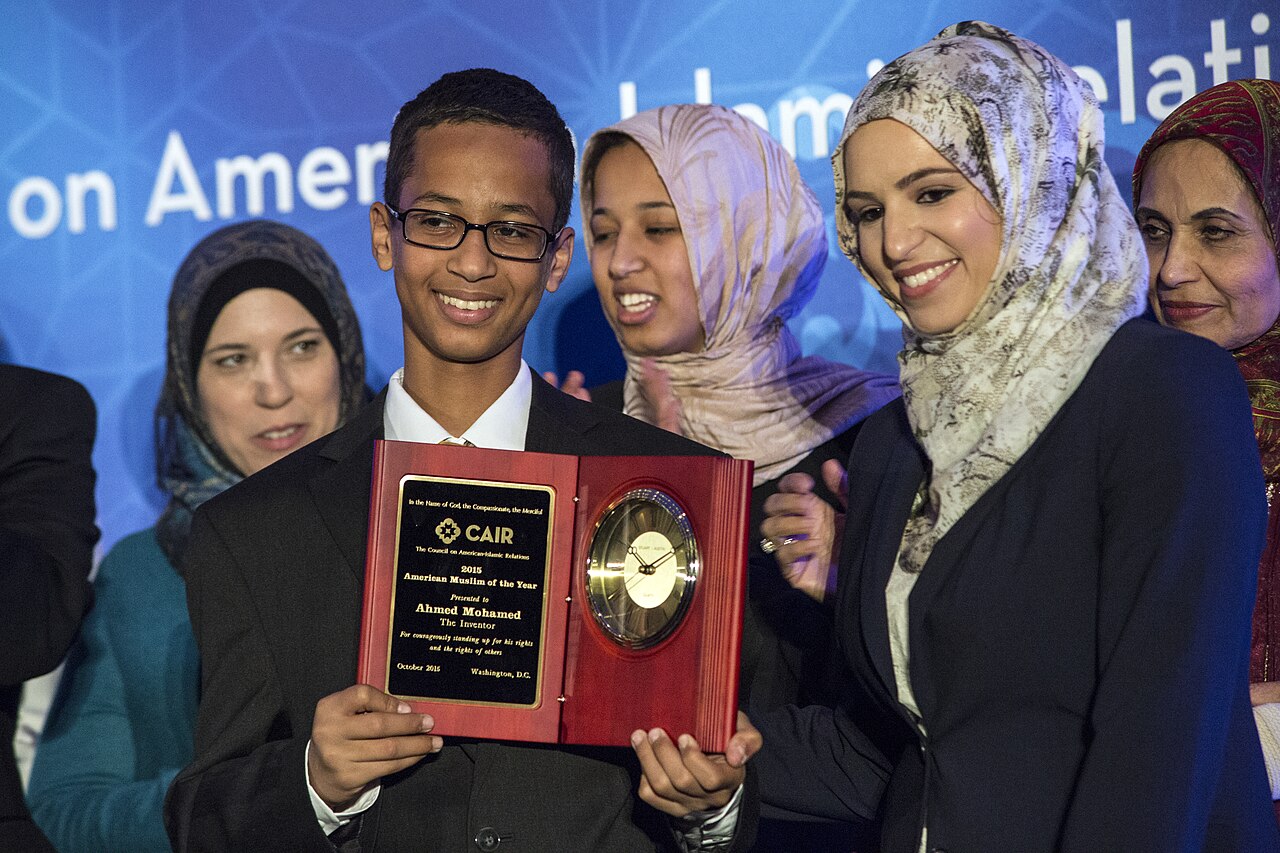
An extensive new investigation from George Washington University’s Program on Extremism has brought intense public attention to the Council on American-Islamic Relations (CAIR), detailing the organization’s extensive efforts to shape how public schools across the United States address Israel, terrorism, and antisemitism. The research, titled ‘The Long Game: CAIR’s Campaign to Influence K-12 Education,’ documents how the advocacy group utilizes curriculum resources, policy proposals, and legal action to embed its viewpoint into American educational systems.
Mechanisms of Policy Influence
The report, authored by researchers Asher Stern and David Collins, examines CAIR’s activities in several states, including Maryland, Virginia, New Jersey, and Washington. The findings indicate that while the impact varies regionally, CAIR has successfully established powerful channels for participating in educational policy discussions. A notable example cited is Washington State, where the CAIR chapter reportedly spent months negotiating proposed revisions with the state’s education agency before new guidance on contentious issues was officially adopted.
Advocacy and Resource Materials
CAIR, which identifies itself as a major Muslim civil-rights organization, promotes educational materials that extend beyond merely protecting students from discrimination. The researchers argue that the group is actively influencing discussions around Zionism, the Palestinian national movement, and the nature of terrorism. Specifically, the organization’s upcoming back-to-school resource guide includes materials covering Gaza, Palestine advocacy, the September 11 attacks, and definitions of extremism, alongside resources on religious accommodation.
Historical Context and Scrutiny
The investigation places CAIR’s current educational outreach within a complex historical context. The report references evidence from federal cases involving the Holy Land Foundation, noting that CAIR co-founders were associated with a 1993 Muslim Brotherhood structure linked to Hamas. Furthermore, the group has faced federal scrutiny, including FBI restrictions in 2008, and was removed from a White House strategy list following controversial statements made by its leadership regarding the October 7, 2023, attacks. Critics contend that a comprehensive educational curriculum must also acknowledge the history of Jewish peoplehood, Israel’s security concerns, and the severe atrocities committed by Hamas that day.
The authors stress that while the group’s history is controversial, their findings do not assert that every CAIR initiative is inherently extremist. Nevertheless, the researchers conclude that the public requires transparency regarding the extent of the organization’s role in shaping public education, particularly when political claims are presented as established facts.
World Views
New Digital Archive Unlocks Centuries of Jewish History in New York
The comprehensive historical record of Jewish life in New York City is undergoing a major transformation. The National Library of Israel has made available, for the very first time, the digitized collection of nearly fifty years of The New York Jewish Week, the city’s premier Jewish publication. This monumental effort grants the public unprecedented access to the community’s narrative, ranging from sweeping cultural shifts to daily personal concerns, offering a deep look into New York’s evolving Jewish identity since its founding in 1654.
Event Details and Expert Insight
To mark this significant preservation milestone, the National Library of Israel and the newspaper are jointly hosting a special evening event. Titled ‘The Pages of Our Past: Digitizing New York’s Jewish Stories,’ the free discussion will take place on Tuesday, November 17th, at Hebrew Union College-Jewish Institute of Religion in Manhattan. Attendees will hear from Gary Rosenblatt, who spent a substantial portion of the publication’s history as its editor and publisher, alongside current staff writers for The New York Jewish Week and Eyal Miller, who manages the National Library of Israel’s collection of historical press materials. A virtual option is also available for those unable to attend the physical gathering.
A Vast Scope of Preservation
The inclusion of The New York Jewish Week is part of an extensive global initiative by the National Library of Israel to secure and democratize access to historic Jewish periodicals worldwide. This project, which began over two decades ago, has compiled newspapers written in thirty different languages, some dating back to the late 17th century. Experts, including renowned Brandeis University academic Jonathan Sarna, have lauded the newspaper as ‘the most vital American Jewish newspaper of its era.’ This new addition provides a crucial, detailed lens into the experiences of successive generations of Jewish New Yorkers.
Connecting Past Struggles to Modern Challenges
Beyond the archive itself, the two institutions are launching a supplementary initiative. This feature will guide readers through nine pivotal, often overlooked moments in the city’s Jewish history. These accounts span centuries, starting with the arrival of refugees from Recife, Brazil, in 1654, and extending to contemporary debates regarding kosher standards for city water. By examining these historical turning points, the initiative aims to reveal how the community navigated change, established institutions, and defined its place within the urban landscape. As the Jewish community in the city confronts both rising anti-Semitic sentiment and internal disagreements, these resources offer a powerful opportunity for reflection, encouraging the community to draw lessons from its complex past and strengthen its collective bonds.
World Views
Global Movement of Noahides Gathers in Israel to Formalize Ancient Covenant
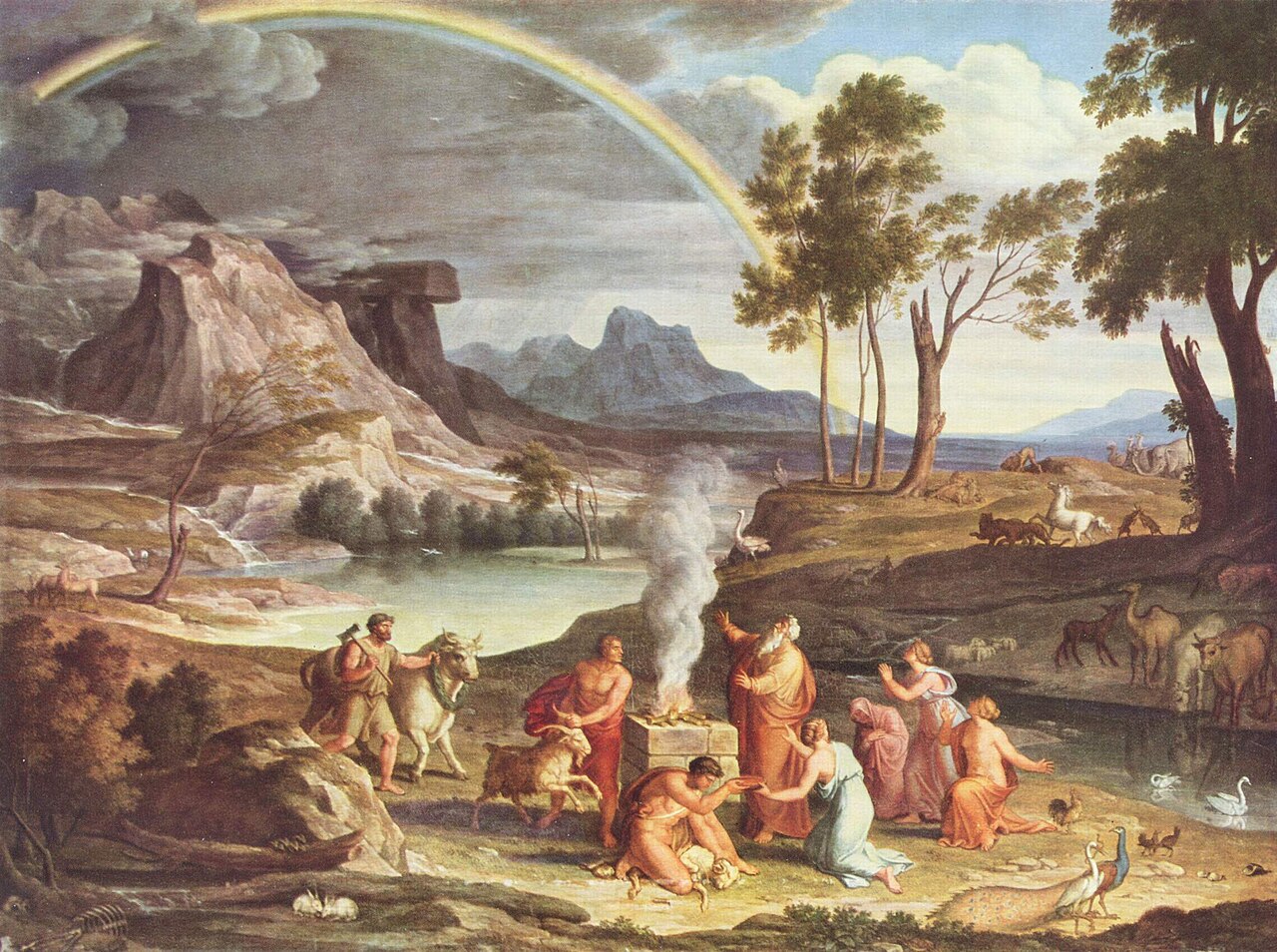
A burgeoning international community of Noahides, individuals who adhere to the universal moral laws derived from the biblical covenant with Noah, convened in Israel last week for their inaugural congress. This gathering, hosted by the Jerusalem-based Brit Olam organization, marks a significant step toward formalizing a global religious movement composed of non-Jews who study the Hebrew Bible. The congress brought together over sixty delegates from twenty-two nations, emphasizing a unique path of spiritual observance that deliberately avoids conversion to Judaism.
Establishing a Global Framework
The five-day event included tours of significant biblical locations in the West Bank and a meeting with President Isaac Herzog. Central to the congress was the signing of a founding scroll of the Noahide Covenant. Organizers stated that the goal was to unite disparate local communities under a cohesive global structure. Unlike Jewish converts, Noahides maintain their original cultural identities while embracing the Seven Laws of Noah—principles such as prohibitions against murder, theft, and idolatry—as primary moral guidance.
Diverse Journeys to the Covenant
The membership is highly diverse, including those, like Gilbert Meñoza, who transitioned from decades as a Christian pastor in the Philippines after intensive study of the Hebrew Scriptures. Meñoza, who initially had many followers, eventually distanced himself from his congregation after asserting that the New Testament was inaccurate. Others, such as Steven Lee Rachel, described profound personal and spiritual improvements after adopting the Noahide faith. The movement also spans various backgrounds; Eliezer Vicente Yarid, for instance, maintained ties to his Jewish heritage in Cuba without ever undergoing formal conversion.
A Vision for International Outreach
Brit Olam’s leadership, including Rabbi Oury Cherki, views this movement as a modern parallel to the organization of Zionism. Cherki emphasized that while Zionism achieved material freedom for the Jewish people, the next necessary frontier is building a ‘healthy connection with the outside world.’ The organization further established an international court of rabbis to provide religious counsel to its worldwide adherents. Delegates also received practical guidance on how to strengthen their ties with Israeli rabbinic communities.
Looking ahead, the movement is focused on institutional permanence. Meñoza, for example, is working to secure land for a cemetery in the Philippines, citing conflicts between local practices and Torah-based burial requirements. The organizers hope that these international efforts will allow the Noahide community to establish permanent centers of learning and fellowship globally, ensuring the ancient covenant continues to guide modern life.
World Views
Cabinet Battle Lines Drawn: Miller’s Appointment Sparks Deep Schism in Jewish Community
The selection of Stephen Miller as the next White House Chief of Staff has ignited a sharp ideological conflict within the Jewish community, revealing deep divisions over the most effective strategies to combat rising antisemitism. While conservative and pro-Israel advocacy groups have strongly endorsed the move, viewing it as a vital safeguard against discrimination, liberal Jewish organizations have voiced grave warnings that his hardline political philosophy poses a significant threat to the community’s security and civil liberties.
A Political Divide Over Protection and Policy
Supporters of the appointment, including several prominent advocacy networks, praised Miller’s promotion as a recognition of the substantial contributions Jewish Americans have made to public service. These groups have expressed a desire to collaborate with Miller to ensure that institutions are held accountable when they fail to protect Jewish citizens from harassment. The appointment follows Trump’s decision to replace his former chief of staff, and his supporters see Miller’s key role as strengthening the administration’s existing anti-hate initiatives, such as the multi-agency Task Force launched by the Justice Department.
Conversely, liberal Jewish leaders have issued stark warnings. They contend that promoting Miller will reinforce dangerous trends of extremism and normalize antisemitism. Officials from these groups indicated that Miller’s staunch advocacy for anti-immigrant policies is fundamentally linked to the proliferation of hate speech and violence targeting Jews. They pointed out that the core of his immigration agenda is built upon deeply antisemitic conspiracy theories regarding ‘replacement’ and ‘invasion’ of populations.
The Stakes of the Ideological Conflict
The controversy highlights a fundamental debate within the community: whether the solution to rising hate lies in aggressive enforcement and policing of elite institutions, a path favored by the administration, or in staunch opposition to what critics call the systematic erosion of civil rights protections. Critics of Miller have pointed to his past support for white nationalist and highly anti-immigrant rhetoric, drawing comparisons to far-right political figures. Furthermore, some Jewish political figures have previously urged Trump to dismiss Miller, citing his troubling political stances.
Prominent commentators, including a Jewish former government official, labeled Miller as bigoted and xenophobic, arguing that his policies represent a ‘brutal Kristallnacht against undocumented immigrants.’ These critics fear that Miller’s influence could make vulnerable communities less safe, suggesting that his role might undermine the civil rights principles inherent to national security. The debate underscores the profound political polarization facing the community during this period of intense national scrutiny.
