



World Views
Costa Rica Blocks UN Rapporteur Over Alleged Terror Ties, Sparking Diplomatic Firestorm
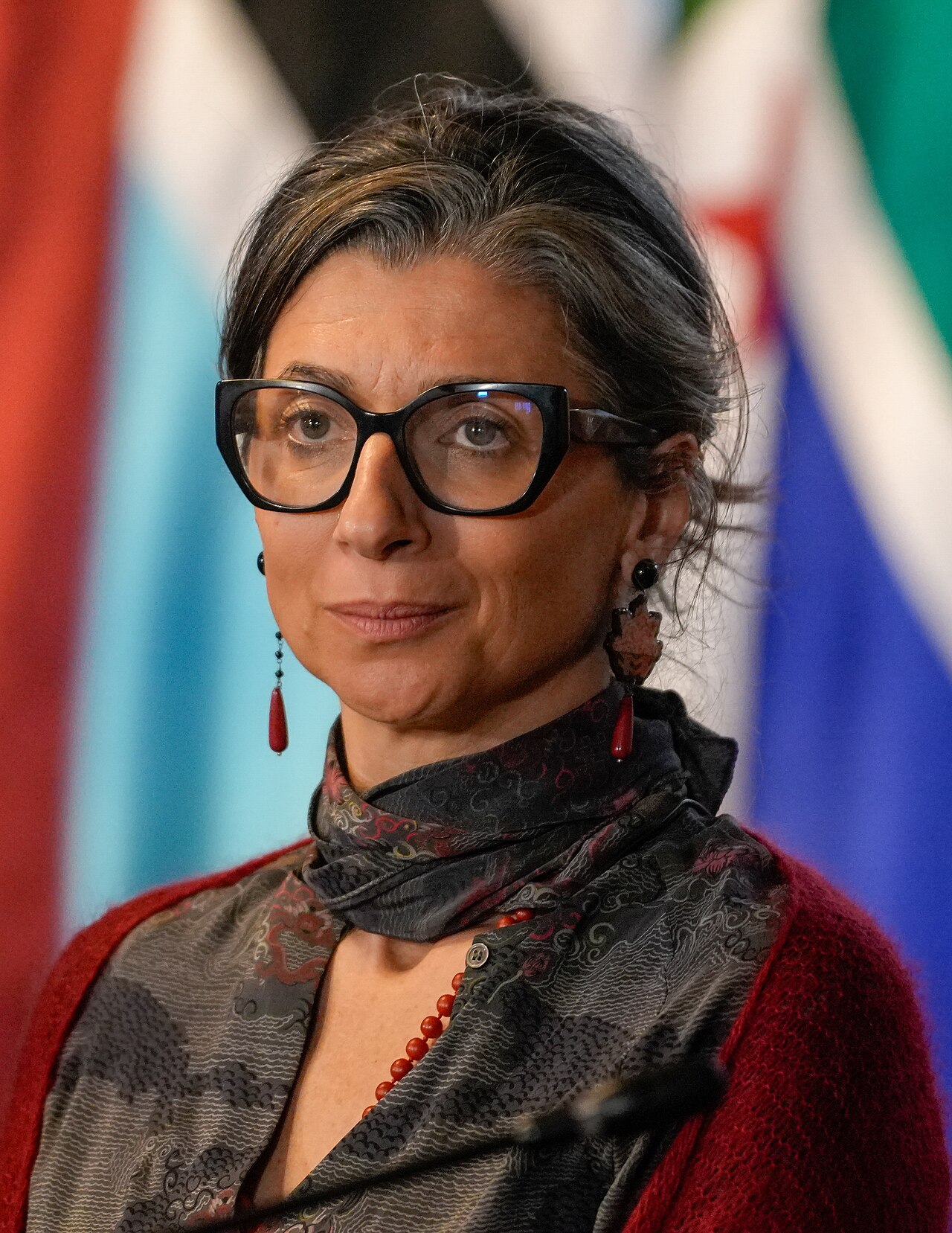
Costa Rica has officially barred United Nations Special Rapporteur Francesca Albanese from entering the nation, citing an international security alert that links the diplomat to activities involving terrorist groups. The decision, announced by the country’s immigration directorate, has ignited a major diplomatic controversy, drawing strong approval from Israel while prompting significant criticism from the UN’s highest human rights official.
National Security Concerns Drive Ban
The ban was implemented after Albanese arrived in the country to receive an honorary academic degree. Officials stated that the rapporteur posed a threat to the nation’s security, although they did not specify the source of the security warning. Albanese, who has faced numerous calls for resignation from various Western governments and is currently subject to US sanctions, denied any connection to terrorism. She suggested that the ban might be related to the sanctions imposed upon her.
Global Reaction Divides Opinion
The response to the restriction was sharply divided. Israel’s ambassador to the UN welcomed the move, asserting that individuals who misuse their international mandates to promote ‘vile propaganda’ and disparage Israel and the United States should face accountability. Meanwhile, the watchdog group UN Watch lauded the government’s action, describing it as a significant moral victory for the small democracy. The organization detailed documentation showing the rapporteur’s support for militant groups and instances where organizations like Hamas and Hezbollah referenced her statements.
UN Concerns Amid Rising Tensions
Despite the support from some nations, the UN High Commissioner for Human Rights expressed deep apprehension regarding the denial of entry, calling on the Costa Rican authorities to reconsider their choice immediately. This incident unfolds against a backdrop of rapidly strengthening ties between Costa Rica and Israel. Central American nations have recently taken steps to designate Hamas as a terrorist entity, and President Laura Fernández has announced plans to move the embassy to Jerusalem. This regional shift underscores the growing political alignment in the area.
Throughout her tenure advising the international body on the Israeli-Palestinian conflict, Albanese has faced repeated accusations of bias and antisemitism. Her past speeches and public posts have drawn condemnation from multiple nations, including France and Germany, following remarks in Qatar and comments regarding Israel’s military actions. These actions, coupled with her past support for sanctioned Palestinian organizations, have fueled the intense scrutiny and the eventual ban by the Central American state.
World Views
US Targets Commercial Vessel Attempting to Bypass Iran Blockade; Tehran Vows Confrontation
A significant maritime confrontation unfolded in the Gulf of Oman this week as the United States military disabled a commercial vessel attempting to circumvent a naval restriction imposed on Iran. The incident, which occurred after the ship departed from the Iranian port of Bandar Abbas, highlights the deepening geopolitical tensions in the Persian Gulf region. The US military utilized precision weaponry to disable the propulsion system of the Palau-flagged M/V Pacific Archer, ensuring the civilian crew remained safe during the operation.
Maritime Enforcement Meets Iranian Defiance
The action was a direct response to the ongoing US enforcement of a naval blockade targeting Iranian ports. In a separate but equally defiant move, Mohammad Mokhber, an advisor to Iran’s supreme leader, issued a strong statement indicating that the nation would neither allow the Strait of Hormuz to reopen nor permit the current embargo to persist. While Mokhber did not elaborate on specific strategies for breaking the sanctions, his rhetoric signaled a firm commitment from Tehran to challenge international restrictions.
The Expanding Scope of US Restrictions
This incident is part of a broader and intensifying campaign of US economic and military pressure. The naval blockade on Iranian ports was reimposed by the United States in July. Furthermore, earlier this month, the US announced the establishment of Task Force Iron Gate. This new military initiative is designed to strictly limit the movement of weapons and sanctioned materials across Iran’s various land borders, including those bordering the Caspian Sea. These combined measures demonstrate a comprehensive strategy aimed at choking off Iran’s access to vital resources and international markets.
Geopolitical Implications and Risk Assessment
The targeting of the commercial ship underscores the high stakes involved in the region’s trade routes. The Strait of Hormuz remains one of the world’s most critical chokepoints for global energy supplies. The actions taken by both Washington and Tehran suggest a dangerous spiral of escalation. Military command officials confirmed that the disabling of the vessel was a necessary enforcement action, while Iranian officials framed the move as an act of aggression against their sovereignty. Analysts suggest that the continued hardening of positions by both major powers increases the risk of an accidental or deliberate military clash, placing global shipping and energy markets under extreme duress.
World Views
Escalating Iranian Terror Threat Sweeps Europe, Targeting Jewish Communities and Western Interests
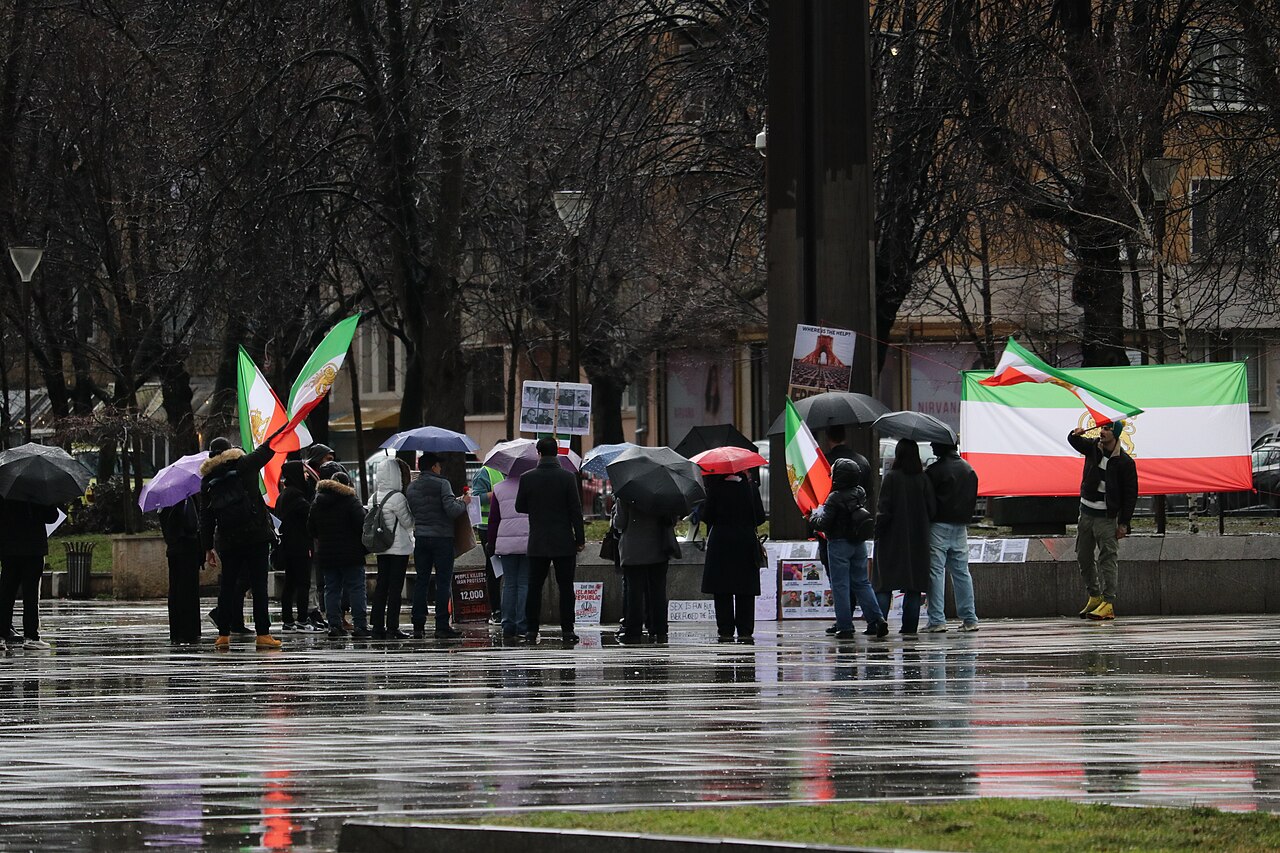
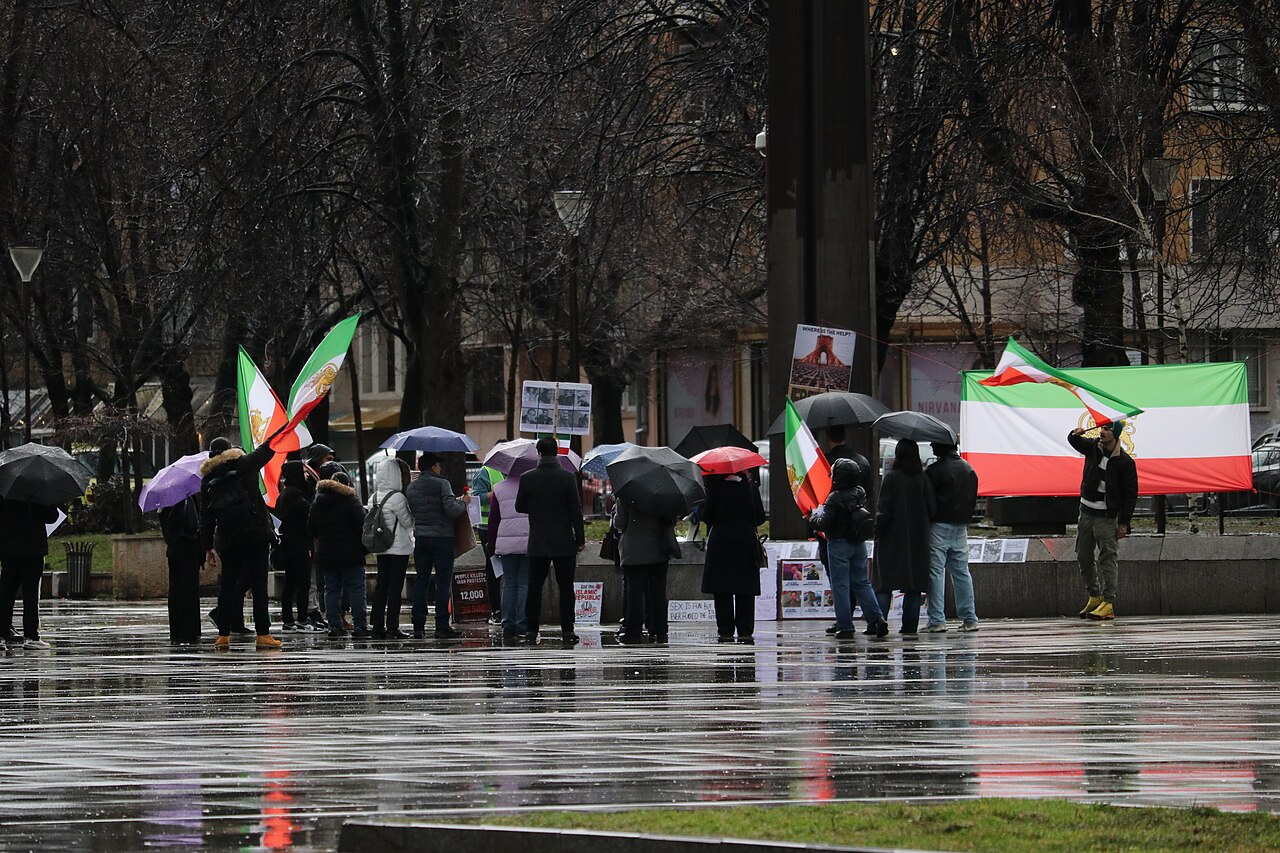
A comprehensive new report reveals a sharp and concerning escalation of the terrorist threat originating from Iran, with networks and proxy groups spreading their operations across European nations. The threat has dramatically shifted focus, placing Jewish communities and Western interests under increasing danger, even as security agencies worldwide intensify their efforts to dismantle these clandestine networks.
Geopolitical Instability Fuels European Security Crisis
According to data compiled by the International Institute for Strategic Studies (IISS), the outbreak of military hostilities in the Middle East has accelerated Iran-linked activities across the continent. The report highlights a significant surge in recorded incidents following the recent joint military campaigns against the Iranian regime. The United Kingdom stands out as the primary focus of these operations since 2022, accounting for 35 percent of all documented events, followed by Germany, France, Sweden, and the Netherlands. Although Iranian-linked activities were present before the recent conflict, the current geopolitical climate appears to have driven a tactical shift toward less protected and more accessible targets.
Target Shift and Operational Tactics
Of particular concern is the dramatic pivot in targeting strategies. The share of identified plots aimed at Jewish communities has surged from just 21 percent to 57 percent. These operations encompass a wide array of malicious activities, including threats, intimidation campaigns, arson, attempted bombings, and plots involving the kidnapping or assassination of targeted individuals. While authorities have successfully registered arrests in 58 percent of the reported incidents, experts warn that these disruptions have not halted the momentum of Tehran’s operations.
New Alliances and Operational Risks
Analysts warn of several compounding factors that threaten to complicate European security. First, the Iranian regime is increasingly relying on small cells and lone actors, while simultaneously expanding its scope to include commercial and military assets across Europe, such as American financial institutions and UK air bases. Furthermore, there is growing concern that Tehran may seek operational assistance from Russia, potentially leveraging Moscow’s regional expertise to coordinate attacks.
This expansion is evidenced by the rise of groups like Harakat Ashab al-Yamin al-Islamiya (HAYI), which has claimed at least 15 attacks against Jewish and Western targets since March. European governments are responding by ramping up intelligence monitoring and conducting large-scale raids; for instance, German authorities recently detained Iraqi nationals linked to HAYI, while Spain has arrested individuals tied to financing Iran-backed Hamas. These actions underscore the urgent need for coordinated, continent-wide security measures to counter this rapidly evolving and transnational threat.
World Views
Pennsylvania Governor Challenges US Leadership Over Israeli Policy and Accountability
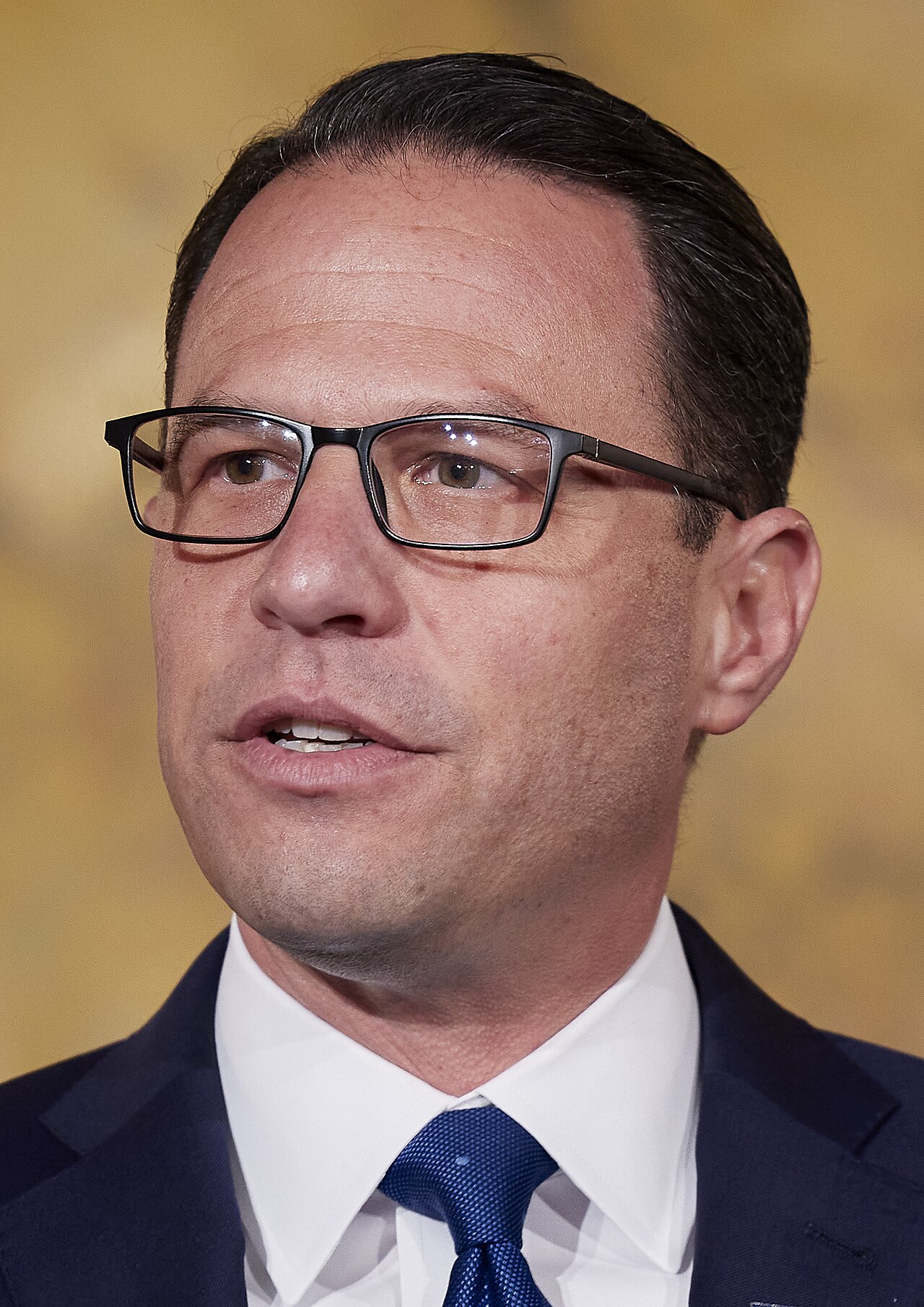
Pennsylvania Governor Josh Shapiro has issued a sharp critique of both recent and former US administrations, asserting that neither President Biden nor President Trump effectively utilized American diplomatic power to impose necessary restrictions on Israeli Prime Minister Benjamin Netanyahu. Speaking in an interview with The Wall Street Journal, Shapiro argued that the United States failed to ensure that military equipment was deployed in a manner consistent with fundamental American values.
A Call for Accountability and Limits on Power
The Governor, a Jewish Democrat, has positioned himself as a vocal defender of the U.S.-Israel alliance, yet his recent remarks signal a significant shift toward the political left regarding the conflict in Gaza. Shapiro contended that the Israeli leader had steered his nation onto a ‘dangerous, dark, isolated path,’ labeling him a ‘failed leader.’ While maintaining that Israel possessed the inherent right to defend itself following the devastating raids led by Hamas, Shapiro strongly emphasized that this right must be coupled with rigorous accountability for actions taken within Gaza. He stressed that even when allies are permitted to acquire defensive weaponry, this transfer must include ‘clear guidance on how and when they can be used.’
Political Trajectory and Party Division
Shapiro’s evolving stance on Israel carries considerable political weight, particularly as speculation mounts about his potential pursuit of the 2028 presidential nomination. His current position represents a notable departure from the traditional party line, underscoring how the Democratic Party has adjusted its relationship with Israel since the outbreak of hostilities in Gaza. This internal tension is mirrored within the US Congress, where a significant bloc of Democrats voted in favour of an amendment this summer. This measure, proposed by Republican Representative Thomas Massie of Kentucky, sought to curtail military assistance to Israel. Although the measure garnered support from a slight majority of Democrats, it ultimately failed due to a lack of bipartisan support.
Looking Ahead
Shapiro, who recently secured a second term as governor of Pennsylvania—a critical swing state—has not yet confirmed his intentions regarding a future presidential run. Previously, he had been considered for the 2024 ticket alongside Kamala Harris. His outspoken commentary highlights a growing divergence among American political figures regarding the scope of US involvement and the limits of allied actions in the Middle East. His continued political maneuvers suggest that the debate over American foreign policy, particularly concerning Israel, remains a volatile and central issue in national politics.
