


World Views
German Jewish Communities Face Unprecedented Threat Amid Surge in Extremist Hate Crimes
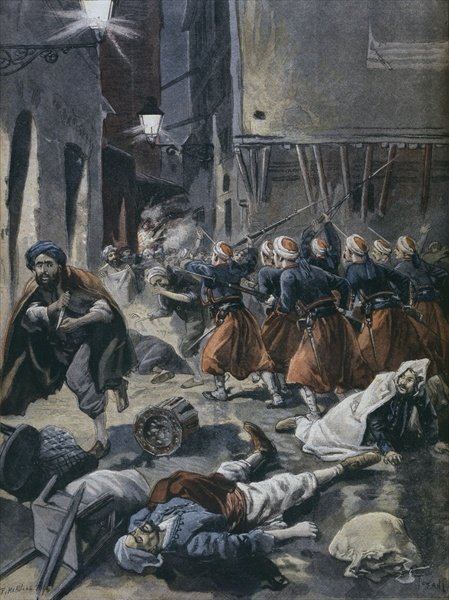
New governmental statistics from Germany reveal a deeply alarming escalation in anti-Jewish violence and hate speech, with a significant increase in incidents directly tied to Islamist extremism. The data paints a grim picture of a society grappling with rising hostility, prompting Jewish communities and Israeli residents to express profound concern over their safety and freedom in the country.
Escalation of Extremist Violence
Authorities have documented 670 antisemitic offenses linked to Islamist ideology in 2025, marking a 6 percent increase over the prior year. This surge is directly correlated with the regional tensions following the October 7, 2023, atrocities in Israel. During the three months immediately succeeding that invasion, the recorded cases jumped to 331, representing a tenfold increase compared to the nine months preceding the event. This dramatic shift highlights the rapid acceleration of religiously motivated anti-Jewish activity.
The criminal acts documented range far beyond simple verbal abuse. They include widespread harassment, physical assaults, intimidation, and the vandalism of Jewish institutions, memorials, and businesses. Perpetrators have also been recorded expressing support for designated extremist groups, such as Hezbollah and Hamas. While official sources noted that right-wing extremism continues to be the primary source of hate crimes, the influence of Islamist-motivated hostility is clearly intensifying.
Broader Crisis and Community Impact
The threat extends beyond one ideological group. Separate monitoring data collected by the Federal Association of Departments for Research and Information on Antisemitism (RIAS) recorded a staggering 8,725 anti-Jewish incidents nationwide in 2025. This figure represents a massive 248 percent jump from the 2,480 incidents documented in 2022, underscoring a systemic rise in anti-Jewish sentiment across the political spectrum. Experts warn that the true scope of the crisis is likely even greater, given that many incidents remain unreported.
The corrosive effect of this rising hostility is palpable within the community. Many Jewish citizens report feeling compelled to practice self-censorship, such as concealing religious symbols or avoiding public use of Hebrew, transforming everyday identity into a source of anxiety. Josef Schuster, who leads the Central Council of Jews, stated that the security environment for Jewish people remains extremely precarious, noting that religiously influenced hatred is now openly manifested in public spaces, universities, and online platforms.
A Call for Democratic Resilience
The urgency of the situation was recently emphasized by Germany’s new federal antisemitism commissioner, Katharina von Schnurbein. In her initial remarks, she warned that the nation is facing a disturbing resurgence of brazen anti-Jewish hatred, a crisis she deemed unprecedented. She cautioned that this hatred threatens not only the lives of Jewish citizens but also the fundamental values and democratic framework of Germany itself. Ms. Schnurbein urged society to establish a clear and uncompromising boundary against anti-Jewish prejudice, warning that if the political center fails to draw a firm line, the lessons of ‘Never Again’ will be undermined.
World Views
Escalating Tensions: Antisemitic Attacks and Political Scrutiny Mark New York City Landscape
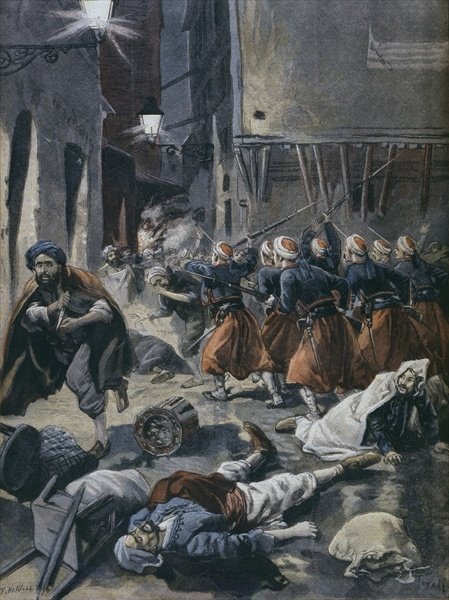
New York City is facing a complex and escalating wave of antisemitism, with incidents ranging from overt vandalism in residential neighborhoods to intense political debates and controversial media commentary. The city’s Jewish community is grappling with the visible rise of hate, forcing elected officials and community leaders to respond across multiple fronts.
Vandalism and Community Response
The most immediate flare-up occurred in the heavily Orthodox Williamsburg section of Brooklyn, where four school transport vehicles belonging to Jewish institutions were discovered defaced. These buses were covered in hate symbols, including swastikas, alongside slogans such as ‘America First,’ ‘Free Palestine,’ and explicit anti-Israel messages. Authorities, including the local police department and the neighborhood watch group Shomrim, have launched an investigation into the acts of vandalism. The incident has prompted strong condemnation from numerous elected representatives, underscoring the seriousness of the hate crimes.
The Political Battleground
The issue of hate speech has become a central theme in city politics. In the ongoing race for Attorney General, Letitia James is facing a challenge from her Republican opponent, Saritha Komatireddy. Ms. Komatireddy has positioned her campaign around a vigorous stance against antisemitism, directly criticizing Attorney General James for allegedly overlooking the prevalence of hate in the community. In response to these political attacks, a number of prominent Jewish figures publicly rallied to support the incumbent’s track record in combating prejudice.
Institutional and Cultural Challenges
Meanwhile, institutional support for Jewish organizations continues to grow. Mayor Zohran Mamdani recently announced appointments to his council of 33 nonprofit advisors, which included Andrea Salwen Kopel, the executive director of the National Council of Jewish Women, signaling a commitment to integrating community voices into city planning. However, the cultural climate remains fraught. The comedy troupe ‘Saturday Night Live’ recently addressed the subject of Israel’s electoral process during its ‘Weekend Update’ segment, employing a provocative joke that referenced the term ‘genocide.’ This move has sparked debate over the boundaries of free expression versus hate speech in public media.
Looking Ahead
These diverse events—from localized acts of violence to high-level political maneuvering and controversial media portrayals—paint a picture of a community under pressure. As the city grapples with these challenges, the need for sustained vigilance, robust law enforcement action, and strong institutional support for Jewish life in New York appears more critical than ever before.
World Views
Political Outreach Intensifies as Black Conservative Group Targets Voters on Israel Issue in Michigan Senate Race
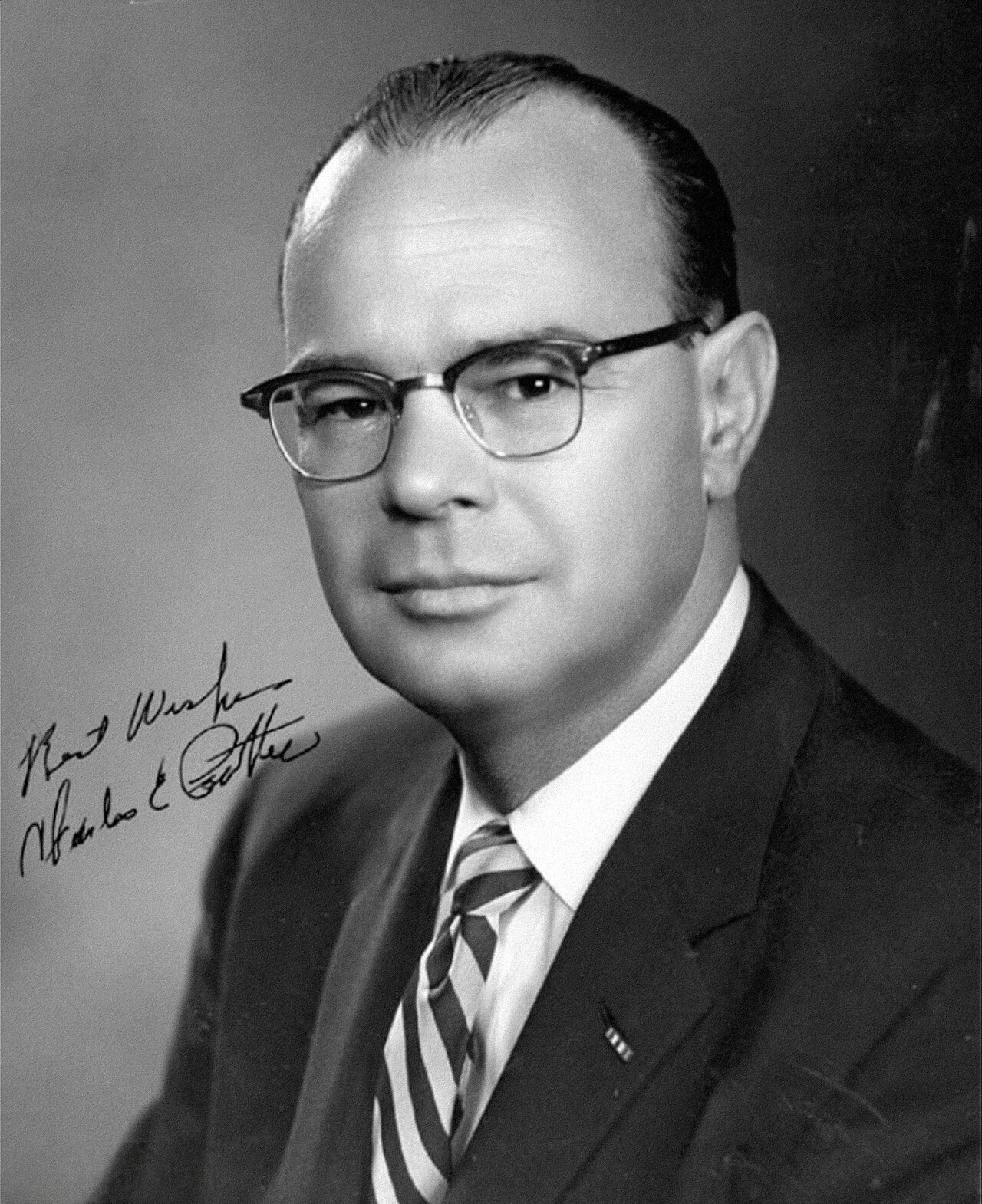
As a critical U.S. Senate contest approaches in Michigan, a non-profit organization is deploying targeted messaging aimed at mobilizing Black voters to support Jewish communities and Israel. This strategic campaign involves the distribution of yard signs and the placement of large advertisements in major cities with substantial Black populations, including Detroit, Flint, and Ypsilanti. The effort is designed to address recent strains in the longstanding alliance between Black and Jewish communities, particularly amid a highly contentious political climate.
Strategic Messaging and Campaign Goals
The Center for Urban Renewal and Education (CURE), a Washington, D.C.-based entity, is funding these visible political statements. The organization’s leadership indicated that the primary objective was to remind Black Christian voters of unique reasons to stand in solidarity with Israel. Beyond this, CURE is also financing large-scale displays that emphasize concepts like self-defense and the right of Israel to exist, suggesting that many Black Evangelicals share this viewpoint. While these materials do not mention specific political candidates, the timing is significant, appearing during the final week of the election cycle.
The campaign coincides with the struggles of the Democratic nominee, Abdul El-Sayed, who has faced challenges in securing robust support from both Jewish constituents and traditional Black voting blocs. Furthermore, the Democratic candidate has drawn criticism from some Jewish voters regarding his rhetoric concerning Jewish safety and his stance on Israel. Meanwhile, Republican Mike Rogers has actively courted both Black and Jewish voters, using advertisements that highlight tensions between local Black and Arab populations to appeal to a specific demographic.
Shifting Dynamics and Community Divides
The political landscape is characterized by deep, sometimes conflicting, community views. While some historical Black-Jewish organizing traditions have been recently strained, new elements are emerging. Some observers note a sense of scarcity within certain Black communities, where there is a perception that Arab populations are competing for resources traditionally viewed as belonging to Black citizens. This complicates the narrative of unified support.
The Democratic candidate has spent much of his final push focusing on mobilizing the Black vote, participating in events at Black churches and alongside prominent Black political figures. However, recent grassroots activism suggests a growing emphasis on Palestinian rights among Michigan’s Black voters, a trend evidenced by the successful primary victory of a pro-Palestinian candidate in a majority-Black district. This rising sentiment challenges the established political lines.
The High Stakes of the Election
The political maneuvering underscores the volatility of contemporary American politics. The involvement of organizations like CURE highlights the deep ideological divides that are being weaponized in the race. Furthermore, the recent endorsement decision by a key political figure, which favored Rogers, has been viewed by some as a decisive move that could significantly boost the Republican nominee’s chances among Black voters. As the election nears, the interplay between historical alliances, rising anti-Israel sentiment, and strategic political mobilization promises a deeply fractured and high-stakes outcome.
World Views
Michigan Rep’s Shock Endorsement Triggers Deep Ideological Rift in Democratic Party
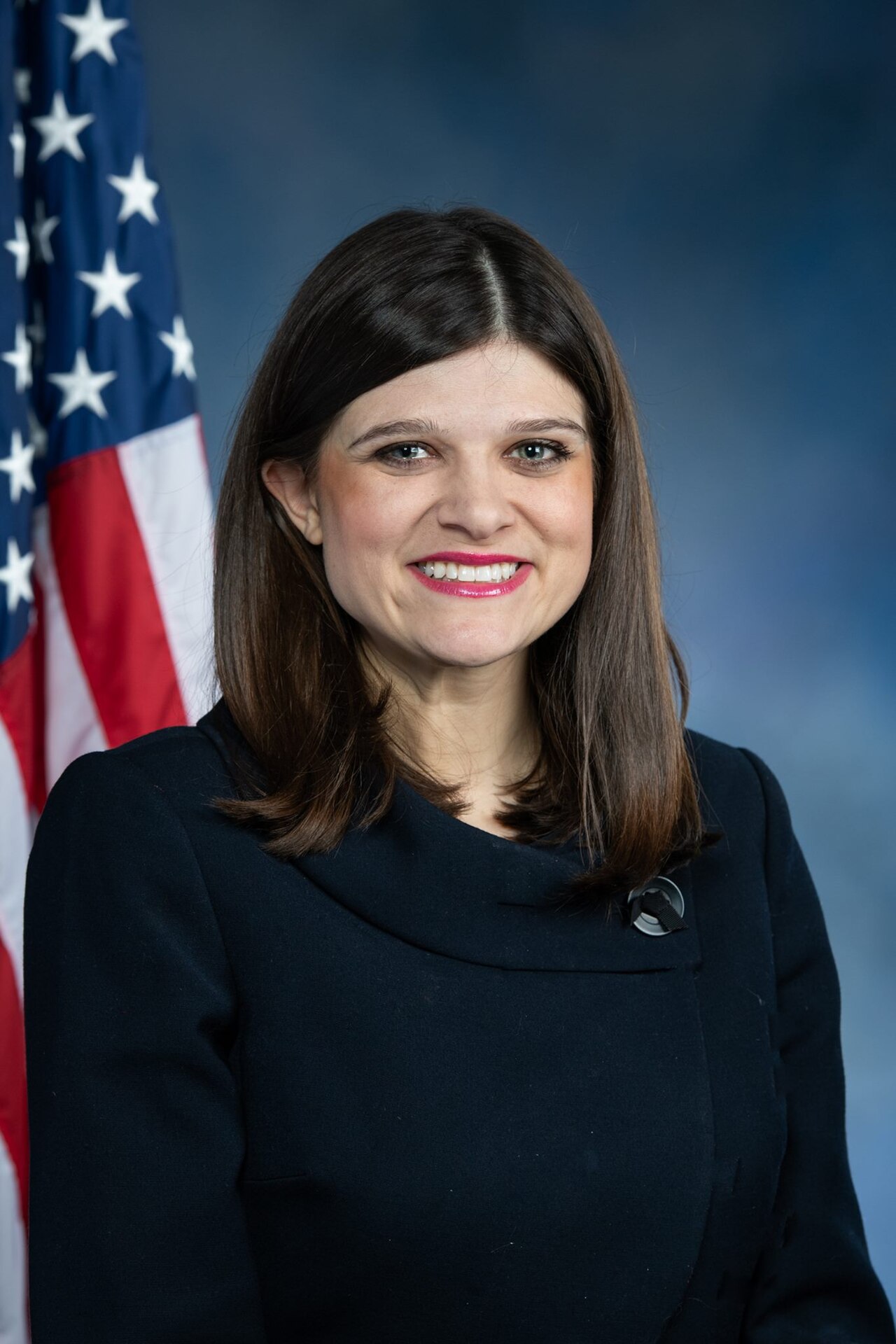
The political landscape in Michigan has been dramatically altered following the decision by Representative Haley Stevens, a Democrat, to publicly endorse Republican Senate hopeful Mike Rogers. This high-profile move, coming mere days before an election, has sent major tremors through the Democratic ranks, exposing deep and long-simmering ideological fissures within the party regarding foreign policy and domestic economic issues. Stevens, who had initially supported her primary opponent, Abdul El-Sayed, found her commitment unraveling amidst intense political pressure and a growing internal conflict over the role of American support for Israel.
Escalation from Policy Dispute to Political Exile
The controversy began not over a candidate, but over a political advertisement. A progressive outside group released messaging that linked the financial support for Israel to rising costs for Michigan families. Stevens found the rhetoric unacceptable and demanded that the El-Sayed campaign explicitly denounce the ad and distance itself from the claims. Although El-Sayed’s camp eventually disavowed the material, the relationship between the two candidates deteriorated rapidly. Tensions reached a breaking point after Stevens’ fiancé publicly denounced El-Sayed as an antisemite and announced his support for Rogers. When El-Sayed’s campaign subsequently informed Stevens that she was no longer welcome at a planned campaign event, she reacted by crossing party lines.
In a public statement, Stevens declared that the exclusion left her with no alternative, leading to her endorsement of Rogers. The response from the Democratic establishment was swift and severe. Senate Minority Leader Chuck Schumer condemned the action as a ‘despicable betrayal,’ while Michigan Democratic Party Chairman Curtis Hertel announced that she would no longer be recognized by the state party. Several prominent Democratic figures also voiced their disapproval of the Congresswoman’s decision.
The Broader Crisis of Party Unity
This Michigan incident serves as a microcosm of a wider national debate. For decades, support for Israel enjoyed widespread backing across the Democratic coalition. However, this consensus has been increasingly challenged by progressive activists who are pushing for a more confrontational stance on the conflict in Gaza, often framing the issue as a litmus test for party loyalty. The controversy also highlights the risk of reinforcing age-old antisemitic tropes by linking foreign policy decisions to domestic economic woes.
While the Democratic leadership has largely reacted with condemnation, some Democrats chose to offer support, arguing that political unity should not supersede individual conscience. Nevertheless, Stevens’ actions have cemented her status as a political pariah within her own party. While her endorsement offers a significant opportunity for Rogers to appeal to disillusioned Democrats, El-Sayed’s campaign successfully raised a record amount of money in the immediate aftermath, suggesting that despite the political fallout, his base remains highly engaged. The episode signals a profound challenge for the Democratic Party as it attempts to reconcile its progressive wing with its moderate, traditionally pro-Israel constituency.
