



World Views
Baghdad’s Neutrality Tested as Iranian Proxies Challenge State Authority
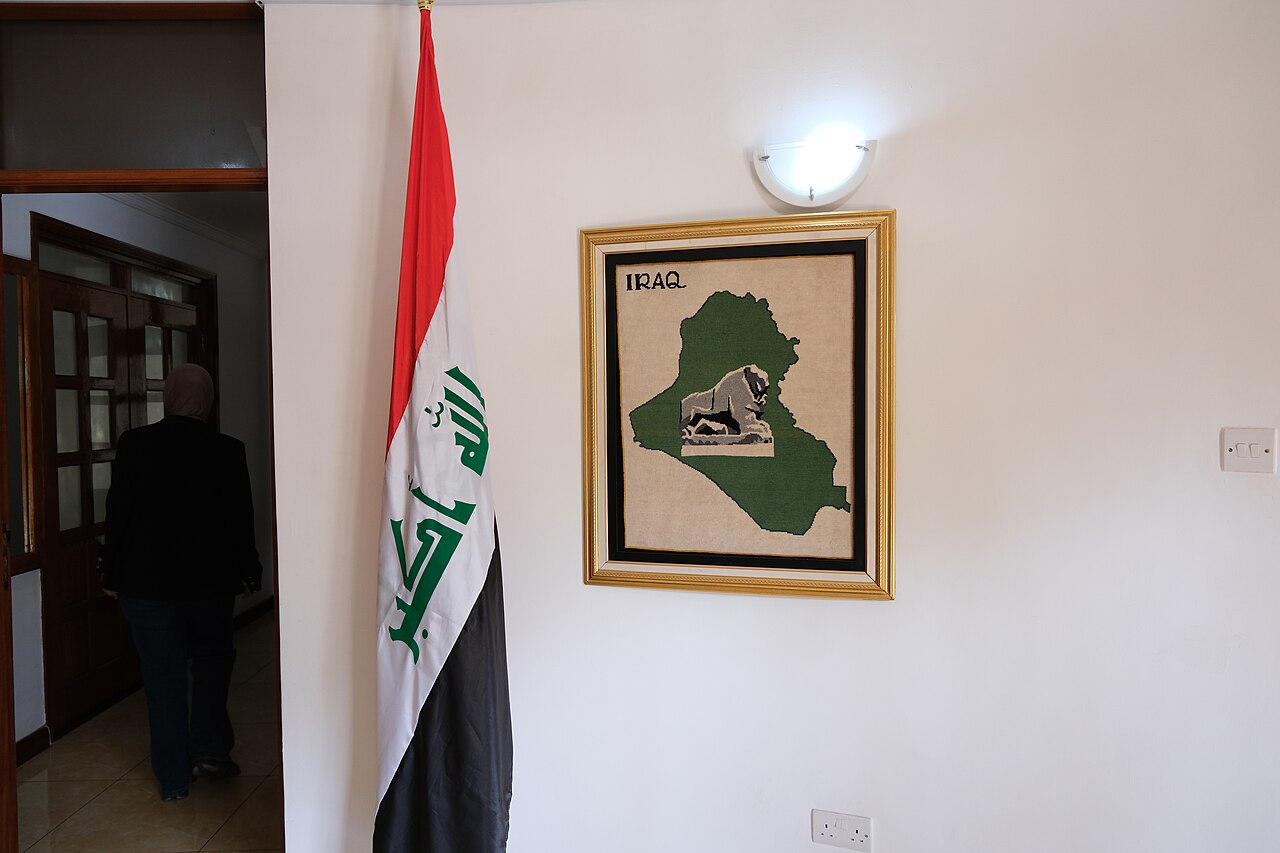
Iraq’s delicate diplomatic balancing act is facing severe strain as armed factions operating within the country have publicly aligned themselves with Iran’s regional adversaries. Despite Baghdad’s official commitment to avoiding any involvement in a wider conflict involving Tehran, Washington, and Israel, the increasing assertiveness of pro-Iranian militias is raising serious concerns about the nation’s ability to prevent its territory from becoming a flashpoint in geopolitical tensions.
The Clash Between State Policy and Militant Rhetoric
Prime Minister Ali al-Zaidi has repeatedly assured the public that Iraq will not take part in any armed confrontation, positioning his government as a potential mediator between regional powers. The administration aims to prevent escalating hostilities from destabilizing a nation already grappling with internal divisions and security challenges. However, this official stance stands in stark contrast to the declarations of various militias. The Islamic Resistance in Iraq (IRI), a collective of pro-Iran armed groups, recently issued a statement framing support for Iran in its confrontations with the US and Israel as an absolute moral obligation.
These militant groups have not only adopted this ideological stance but have also become openly critical of American military activities within Iraqi airspace. They condemned recent military actions and highlighted what they perceive as infringements upon national sovereignty, arguing that decisions made by foreign powers undermine the independent will of the Iraqi people.
Escalating Security Risks in Baghdad
The theoretical threat of escalation is rapidly becoming a tangible security crisis. Recent weeks have seen multiple incidents highlighting the volatility. In one instance, a facility belonging to the pro-Iran Hashd al-Shabi (PMF) group suffered an explosion in Baghdad’s East Canal area. While the cause remains under investigation, observers noted that the site held air-defense systems reportedly supplied by Iran, leading to speculation that the equipment may have been targeted by Israeli forces.
The tensions intensified when US Embassy air defenses shot down two suspected reconnaissance drones over the Green Zone. While the identity of the operators was unclear, analysts strongly suggested that Iran-backed militias were responsible. These incidents underscore the profound security risks posed by heavily armed groups whose actions extend far beyond Iraq’s borders.
The Challenge of Sovereignty and Control
Experts note that the core dilemma for Baghdad is the inability to fully exert control over these powerful, autonomous factions. While the government insists that all weaponry must remain under the purview of official state security forces, many of these groups possess independent military capabilities and significant political influence. If these proxies were to initiate attacks linked to renewed regional fighting, Iraq could face severe political and security repercussions, even without official government authorization.
Ultimately, the success of Baghdad’s neutrality hinges not just on its diplomatic pledges, but on its practical capacity to ensure that its internal armed groups do not trigger an unintended regional war, thereby preserving the nation’s fragile diplomatic standing with all neighboring states.
World Views
Judicial Hurdles and Religious Demands Stall Israel’s Government Formation
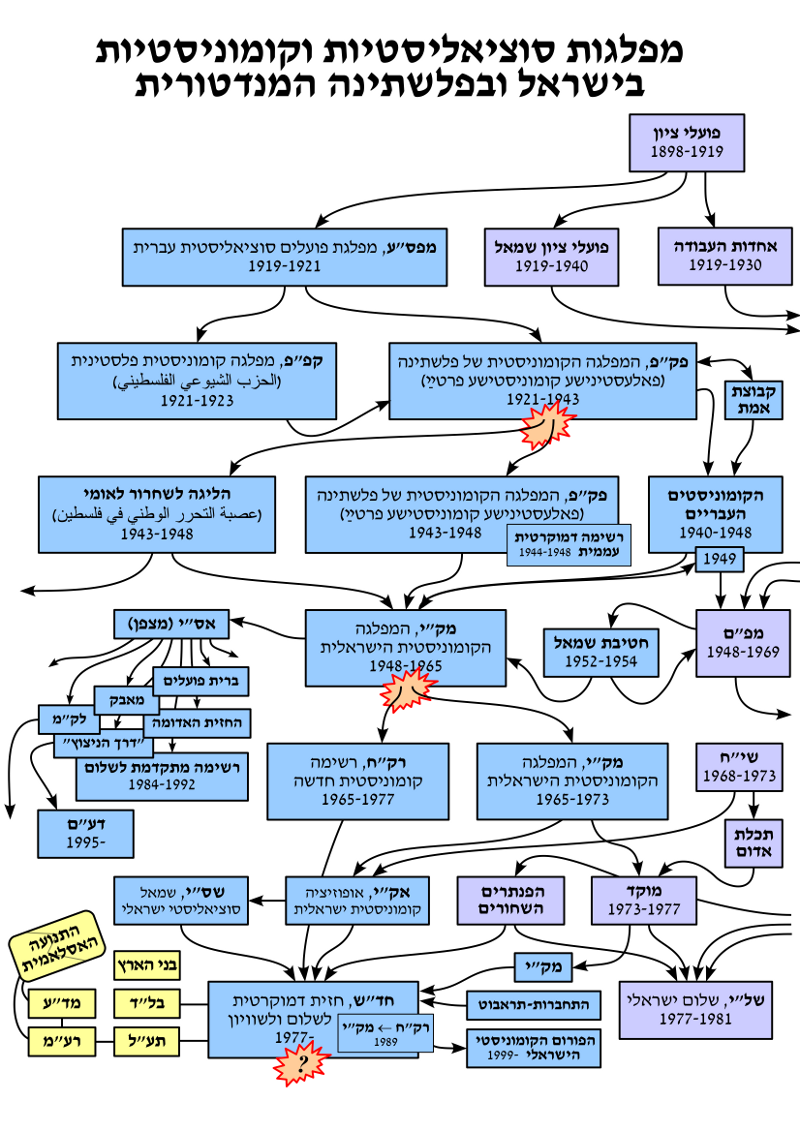
The formation of a new governing coalition in Israel remains severely complicated, facing a complex deadlock where deep-seated judicial reforms clash directly with stringent religious demands from the Haredi political parties. As the Knesset transitions toward a new administration, the power of the judiciary is being fundamentally reshaped, creating a volatile environment where every policy proposal, particularly concerning military service, must navigate intense legal scrutiny.
The Judicial Landscape Shifts
In a significant move, the legislature has begun repealing parts of the outgoing administration’s legal changes. These revisions are aimed at strengthening the Attorney General’s office and returning the process of judicial appointments to its previous structure. The Knesset’s legal advisors have cleared these bills to advance even before a new government is established, reflecting the urgency surrounding the impending January implementation of some of these laws. Meanwhile, the Speaker of the Knesset has publicly affirmed that the legislative body will strictly adhere to court mandates until a broad consensus government is in place.
Negotiating the Draft Service Crisis
The most immediate and intractable hurdle concerns draft exemptions for religious students. Political blocs are presenting vastly different proposals to the Haredi parties. One political faction has put forward a plan that would reset the status of tens of thousands of men facing evasion proceedings and exempt those aged 26 and older, proposing that this could be achieved via ministerial decree rather than new legislation. However, more conservative religious factions are demanding significantly higher guarantees. They insist on an ‘override clause’ that prevents the High Court from striking down the exemption and require advance approval from the Attorney General.
Legal Constraints and Political Maneuvers
This demand runs head-on into the current legal reality. The High Court has previously ruled that the government lacks the authority to halt conscription of yeshiva students without specific legislation. Consequently, any ministerial order would still need to clear the Attorney General. Political maneuvering has intensified, with some parties signaling willingness to bypass the current coalition leader to find a consensus. Furthermore, the political instability has stalled the establishment of a state commission of inquiry into the October 7 attacks, a move that requires a functioning government to initiate.
The parties involved recognize that the religious groups possess significant leverage, viewing the legal guarantees—such as the Attorney General’s blessing—as non-negotiable price points. As the current political mandate nears its end, the path to stable governance hinges entirely on whether a legal framework can be devised that satisfies the religious parties’ stringent demands while simultaneously respecting the expanding authority of the nation’s courts.
World Views
The Limits of Ambition: When Professional Success Conflicts with Personal Integrity
The pursuit of extraordinary professional achievement often demands relentless dedication, creating a narrative where success appears to justify every sacrifice. Yet, a critical examination of modern corporate leadership and ancient narratives reveals a profound tension: can monumental professional output exist independently of personal integrity and ethical conduct? The question forces a difficult reckoning regarding what we truly prioritize when dedicating vast amounts of time and energy to building something significant.
The Search for Meaningful Effort
Philosophical discussions about the nature of labor often center on the concept of purpose. Some historical accounts illustrate how focused effort, driven by a clear personal objective, can make arduous periods seem brief. The underlying message is that work, even when demanding, remains worthwhile when its ultimate function is clearly understood. However, this ideal is complicated by the reality of human fallibility. Ambition, no matter how noble, does not act as an absolute shield against disappointment or the failures of others.
In the modern context, this pursuit of purpose is often weighed against the demands of a complex life. Individuals are expected to juggle professional responsibilities, family commitments, personal faith, and leisure. Analysts suggest that while clarity of purpose helps in prioritizing demands, it cannot eliminate every competing obligation. The challenge lies in ensuring that professional goals do not overshadow the fundamental duties owed to family or community.
Corporate Accountability in the Spotlight
This philosophical dilemma gained sharp public focus recently concerning a major technology leader. The chief executive of a globally influential tech firm, known for building a massive enterprise, recently resigned following revelations about serious personal misconduct. The company’s board subsequently confirmed that there were no plans for his return. Investigations and public reports highlighted significant concerns regarding his private actions, despite his decades of dedication to the company’s growth.
This high-profile departure prompted a broader discussion among business ethicists. It raises the critical point that even those who devote tremendous energy to creating powerful institutions cannot guarantee that every aspect of their life will align with the highest standards. A powerful mission can certainly structure a life, but it cannot, by itself, dictate moral choices. Personal responsibility must encompass all aspects of existence, not just professional output.
Realigning Priorities and Defining Success
Ultimately, the confluence of ancient wisdom and contemporary corporate scrutiny asks us to redefine what success truly means. Is it measured solely by market capitalization and innovation, or does it require a holistic measure of character? The narrative suggests that the most valuable measure of a life is not merely the intensity of its commitment, but the ethical breadth of that commitment. Every individual must assess if the hours invested in their career genuinely reflect their deepest, most foundational values, and whether their ambition is carrying them toward a life they consciously intend to build.
World Views
Barbra Streisand Secures Top-Tier Spot on Variety’s List of Greatest Movie Stars

Variety magazine recently released its comprehensive ranking of the 100 most influential cinematic figures of all time, placing veteran performer Barbra Streisand within the elite Top 10. The recognition underscores the depth of her career impact, which spans far beyond traditional acting roles. The Brooklyn native, a figure known for her immense talent across multiple disciplines, was highlighted as the highest-ranked Jewish-born artist on the list, alongside cinematic icons such as Paul Newman and Dustin Hoffman.
A Legacy Defined by Performance and Versatility
The publication singled out her 1968 film, ‘Funny Girl,’ as the pinnacle of her cinematic achievements. Streisand’s career is a testament to relentless ambition; she is not only an acclaimed recording artist but also a director, producer, author, and screenwriter. Variety acknowledged her status as a ‘lifelong overachiever,’ noting that her Oscar-winning debut powerfully established her as someone who lives and performs with absolute intensity. The magazine commentary suggested that her natural affinity for the spotlight might have led her to even greater film output.
Commitment to Justice Beyond the Silver Screen
While her artistic prowess is undeniable, the report emphasized Streisand’s significant contributions to social justice. The performer is a vocal advocate against antisemitism and has dedicated substantial effort to philanthropic causes. This commitment was recently honored when she received the 2024 Genesis Prize. Following the award, she directed the entire prize fund toward seven distinct charitable organizations. These groups focus on critical issues including environmental sustainability, women’s health advocacy, combating media misinformation, and providing aid to citizens affected by the ongoing conflict in Ukraine.
Variety’s critics compiled the ranking based on several crucial metrics: a performer’s overall impact, their artistry, influence, and presence on screen. The list also provided context on other legends, featuring Marilyn Monroe at the very top spot, and Sidney Poitier ranked sixth. Poitier, an Academy Award recipient, shared in a past interview how a former coworker taught him how to read English, highlighting the diverse and profound influences that shape cinematic history. Streisand’s placement among these titans confirms her status not just as a star, but as a powerful cultural and moral force.
