



World Views
Israel’s Political Crossroads: Internal Deadlock Meets Shifting Global Support
Israel finds itself mired in a profound state of political uncertainty, facing a twin crisis of deep internal division and rapidly evolving international dynamics. Following recent elections, the nation lacks a clear governing majority, leaving the Knesset paralyzed. The arithmetic reveals a highly fragmented political landscape: while Benjamin Netanyahu’s bloc secured 53 seats, the Zionist opposition captured 48, and Arab parties reached a historic high of 19 seats. With a government requiring 61 seats, the nation faces an extended period of severe political instability.
The Weight of Internal Challenges
Beyond the immediate coalition crisis, experts note that Israel grapples with several high-stakes, unresolved national issues. These include finding ways to integrate the Haredi community into the military and labour force without compromising core values, managing the fallout from the October 7th attacks without descending into sectarian conflict, and clarifying the role of the Supreme Court following the constitutional turbulence of 2023. These matters are too significant to be resolved by half the population imposing its will on the other.
Global Assumptions Under Strain
This internal struggle is compounded by a worrying shift in long-standing external assumptions, particularly regarding American support. The erosion of US backing is no longer confined to the progressive wing of American politics. Recent midterm results demonstrated this trend, with the Democratic victory in the House and Senate. Furthermore, political figures on both the left and the populist right have publicly challenged the historical relationship, suggesting that US aid carries a domestic political cost. For instance, one high-profile Democrat successfully won a Senate seat after campaigning against the current level of American backing for Israel. Additionally, statements from figures like President Trump indicated that the multi-billion dollar annual security assistance could cease, asserting that the country was now self-sufficient.
A Call for Self-Reliance and Maturity
Analysts suggest that the path forward requires a fundamental shift towards political maturity and self-reliance, drawing parallels to the ancient concept of being both a ‘stranger and a resident.’ This philosophy suggests that while one must show respect and gratitude to the communities one lives among, one must never confuse external goodwill with the source of one’s destiny. The danger, commentators warn, is not merely the reduction of foreign funding, but the continued internal strife among Israelis as the external support structures begin to weaken. Achieving national stability requires internal cohesion and the willingness to take responsibility for the future, regardless of how unclear the path may be.
World Views
Algorithmic Amplification: How Social Media Platforms Are Fueling the Rise of Antisemitism

An investigation into the mechanics of major social media platforms reveals a deeply concerning trend: algorithmic systems are actively promoting and normalizing antisemitic rhetoric. Research indicates that platforms like TikTok, despite having community guidelines against hate speech, are allowing harmful content to flourish through search suggestion tools and user comments. This systemic failure raises urgent questions about the responsibility of tech giants in shaping public discourse, particularly among younger users who are highly susceptible to online influence.
The Mechanics of Digital Hate
Analysis of TikTok’s search functionality demonstrates how easily hateful narratives can be accessed. When users begin typing terms related to Jewish people, the platform’s automated suggestions frequently generate phrases tied to antisemitic conspiracy theories, such as claims of global control. These suggestions are often cleverly disguised—using slight misspellings—to bypass moderation filters while still guiding users toward content promoting harmful stereotypes. Experts note that this contrasts sharply with search engines like Google, which have implemented stronger guardrails against such rhetoric.
Furthermore, the problem extends beyond search results. Independent findings show that antisemitic comments, including Holocaust denial and the minimization of historical atrocities, are present under popular posts. Activists point to the influence of the ongoing Israeli-Palestinian conflict as a major catalyst. One activist suggested that certain groups are intentionally feeding this revisionist content, seemingly to provoke reactions by comparing historical tragedies to current events.
External Drivers and Corporate Failures
The proliferation of this hate is not solely driven by individual users. Communications experts have highlighted the role of state-sponsored actors, particularly those operating out of the Russian Federation, who are widely suspected of producing and disseminating Holocaust denial material through suspicious online accounts. This suggests a geopolitical element fueling the digital hate stream. While TikTok has stated it hired analysts and claimed to remove a vast percentage of violating content, the continued presence of hate speech in searches and comments suggests these efforts are insufficient.
The Challenge to Education and Oversight
Academics warn that the current landscape presents a ‘grave challenge’ to Holocaust education outside of traditional institutional settings. The short-form, meme-driven nature of popular video content makes nuanced historical education difficult to sustain. Furthermore, the core business model of social media—which relies on targeted advertising and incentivizes ‘outrage-bait’—is fundamentally tied to the visibility of extreme content. While the platform has taken steps to address the issue, experts maintain that until the underlying economic incentives are reformed, the visibility of hate speech will likely persist.
World Views
German Government Sounds Alarm Over Turkey’s Systemic Human Rights Decline

The German government has issued a stern warning regarding the rapidly deteriorating human rights landscape within Turkey, citing widespread persecution of religious minorities, political dissidents, and critics. A recent report, which highlights a global decline in religious liberties, emphasizes that the country is grappling with increasing government control, the politicization of faith, and the systematic targeting of vulnerable communities.
Erosion of Fundamental Freedoms
While the Turkish constitution guarantees freedom of belief, the German federal commissioner for freedom of religion or belief noted that religious freedom in the country is stagnant due to persistent structural discrimination. The state religious administrative body, known as the Diyanet, exerts sweeping influence over religious institutions, complicating matters for minority groups. Specific attention was drawn to the Alevi and Christian communities, which face substantial barriers; Alevis lack official recognition, while Christians encounter restrictions on establishing places of worship and training clergy.
The Crackdown on Dissent
The report also delves into the broader pattern of state repression, focusing heavily on the crackdown targeting followers of the Gülen movement. Following a military upheaval in 2016, the government designated the group as a terrorist entity, fueling a massive campaign against perceived opposition. Since that time, authorities have initiated legal action against hundreds of thousands of individuals linked to the movement. Reports from international monitoring groups indicate that these actions include arbitrary detentions, forced disappearances, and severe mistreatment during custody.
Human Rights Watch and other advocacy organizations have documented instances of torture and enforced disappearances. Opposition lawmakers have publicly detailed dozens of alleged cases where former civil servants and activists were abducted and held without legal recourse. This pattern of state action, critics argue, is part of a deliberate effort by the administration to consolidate power and silence all forms of disagreement.
Digital Censorship and Media Control
Beyond physical persecution, the government is tightening its grip on public discourse. The Turkish government has introduced new legislation demanding that social media users verify their identities using national identification numbers, a move that experts warn will eliminate remaining anonymity in a country already rife with political investigations. Furthermore, the media landscape has been heavily reshaped through regulatory pressure and corporate takeovers, resulting in a significant reduction in independent journalism. With traditional outlets increasingly aligned with the ruling party, social media has become one of the few remaining public spaces for opposition voices, though this new verification mandate threatens to close that avenue as well.
Democracy advocates caution that this comprehensive tightening of control—across religion, political opposition, and online information flow—obscures a deepening system of internal repression, maintaining the outward appearance of democratic governance while systematically suppressing dissent.
World Views
Iran Weaponizes Internal Exile as Crackdown Escalates Amid Rising Executions
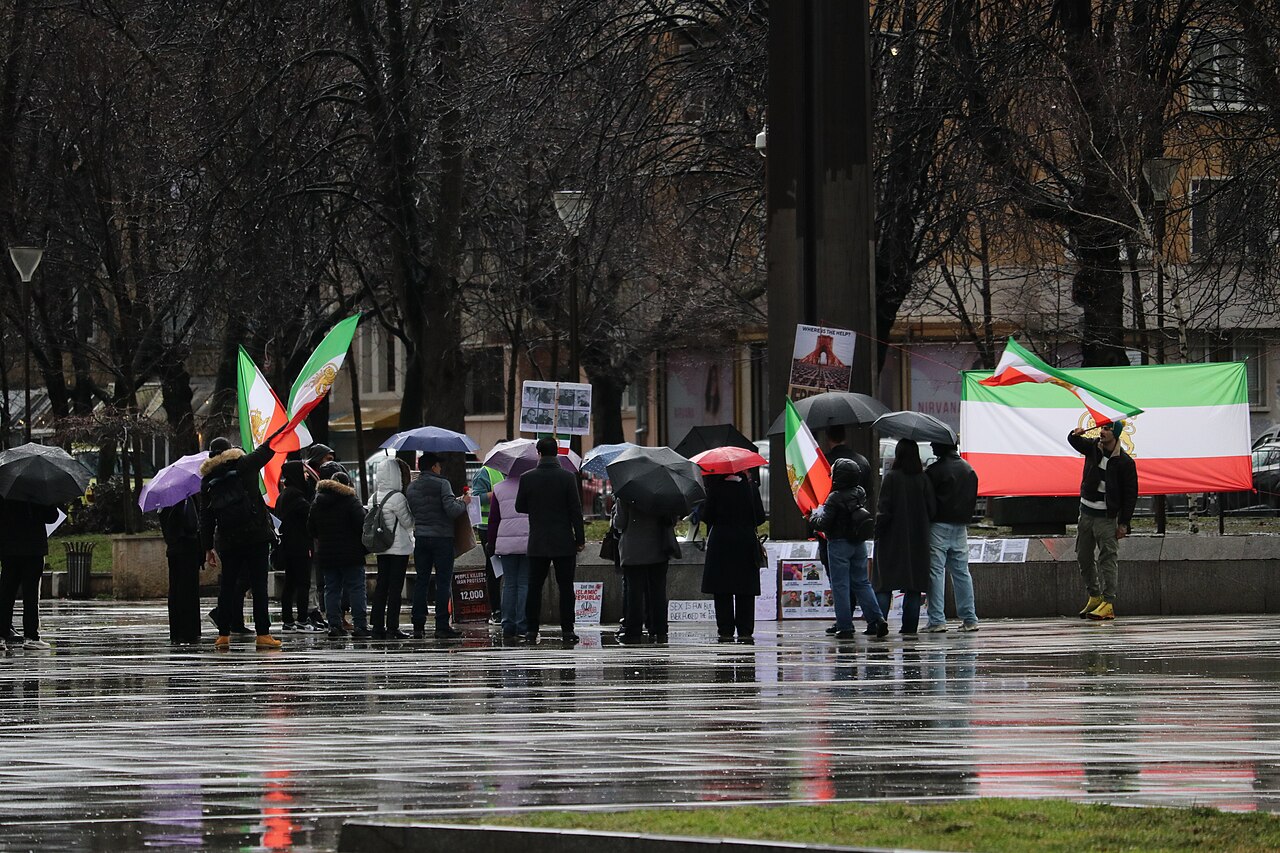
Iranian authorities are increasingly deploying judicial banishment—a practice known as tab’eed—to forcibly silence critics, activists, and journalists. New reports indicate that the regime is relocating individuals to remote, economically disadvantaged regions far from their communities and families, effectively extending punishment beyond standard prison terms. This systematic use of internal exile occurs against a backdrop of extreme state violence, including a sharp escalation in executions and a documented death toll of over 280 children during recent nationwide protests.
The Mechanism of State Repression
The Center for Human Rights in Iran (CHRI) documented that this forced relocation targets a wide range of citizens, including religious and ethnic minorities, legal professionals, and human rights defenders. The purpose, according to CHRI, is to sever the connection between dissenting individuals and their support networks. Officials stated that this strategy aims to disperse and suppress opposition figures, depriving their home communities of their voices and presence. Destinations identified for these exiled individuals include remote provinces such as Zahedan, Zabol, and Khash. The practice is imposing severe economic and social hardship, often leaving those relocated without personal possessions, adequate shelter, or financial support.
Legal Violations and International Concerns
International bodies have long expressed alarm over this judicial tactic. The United Nations Independent International Fact-Finding Mission noted that the conditions faced by those placed in exile often amount to additional punishment, as victims are left without basic aid. Furthermore, the World Organization Against Torture has highlighted the extreme difficulties faced by these relocated persons, noting they are often abandoned without necessities. CHRI argues that forcibly moving people and restricting their liberties violates key international covenants, including those protecting freedom of movement and prohibiting cruel treatment.
A Crisis of Violence and Isolation
The use of internal exile adds a layer of isolation to an already brutal regime crackdown. This repression is unfolding concurrently with a major surge in state-sanctioned violence. Iran Human Rights reported that at least 41 individuals have been executed since March 18, many connected to the January 2026 anti-regime demonstrations. The organization also documented that more than 121 protesters have been sentenced to death in connection with the January events. Experts have warned that many of these death sentences were issued following unfair trials and confessions extracted under torture. The confluence of forced exile and lethal sentencing paints a grim picture of a state prioritizing the total suppression of all forms of civil dissent.
