



World Views
Global Isolation Intensifies: Israel Faces Wave of Sanctions, Threatening Economic Stability
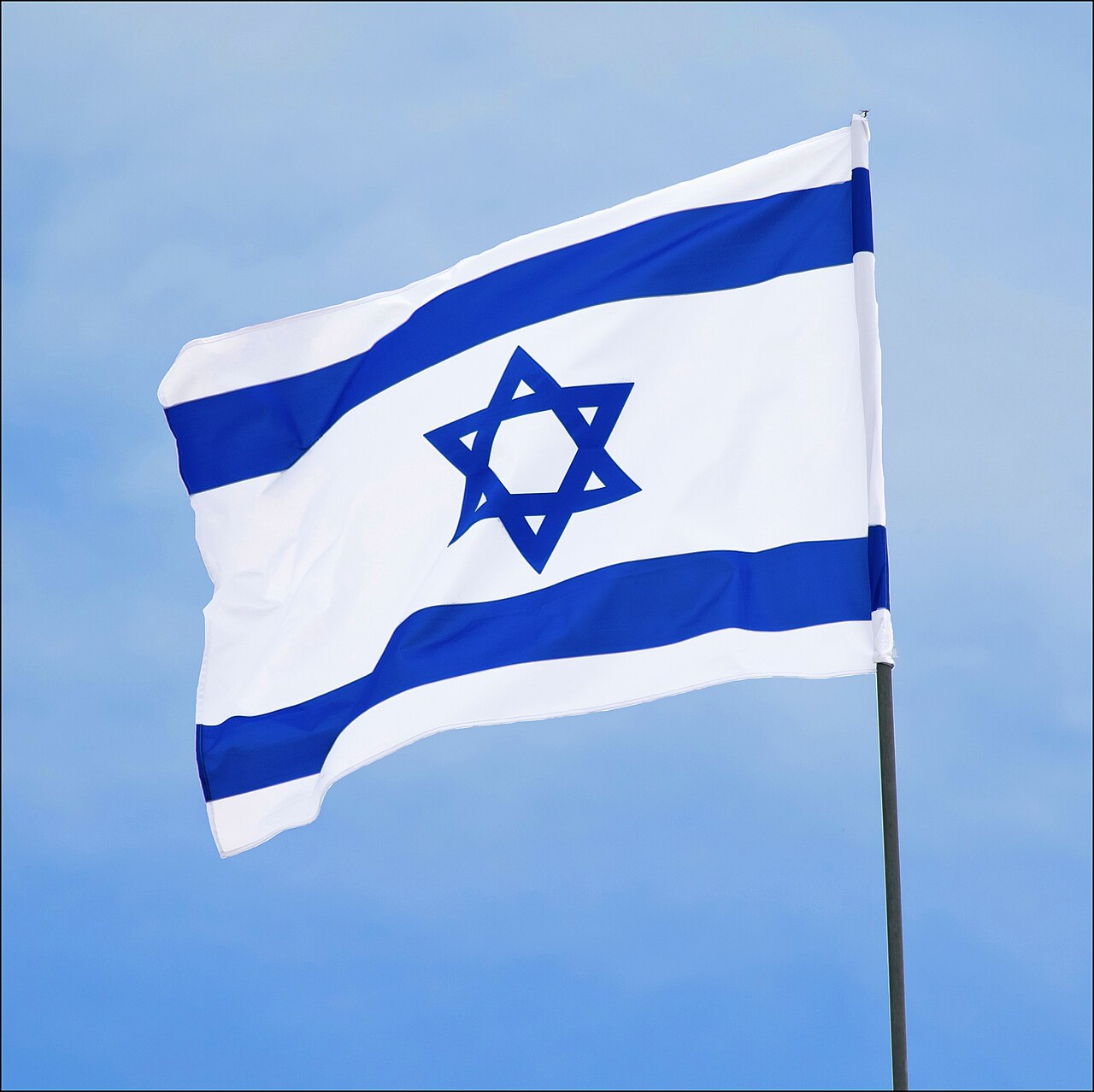
New data reveals that Israel is currently subject to a rapidly expanding network of international trade restrictions and punitive measures across numerous nations, raising serious alarms about the country’s long-term economic viability. According to recent findings from the Jewish People Policy Institute (JPPI), a total of 139 sanctions and diplomatic restrictions have been documented across 64 different countries and entities. Of these, 94 non-academic measures are currently active, signaling a dramatic escalation in global pressure.
The Scope of the Economic Pressure
The measures tracked by the research organization are highly varied, ranging from targeted financial penalties against specific organizations to outright trade prohibitions and arms export restrictions. Analysts caution that this growing international backlash could severely jeopardize the nation’s global trade relationships and foreign investment portfolio. Dr. Shuki Friedman, the Director General of JPPI, warned that the accumulating sanctions pose an existential threat, emphasizing that as a geographically isolated state, Israel relies heavily on global cooperation for both its security and its daily functioning.
The recent actions by key Western powers highlight the shift in policy. The United Kingdom, for instance, introduced a comprehensive package of economic sanctions targeting Israeli settlements in the West Bank. This move marked a sharp deviation from previous British diplomatic stances. The new UK policy prohibits the importation of goods from these communities and places restrictions on any companies or individuals involved in facilitating settlement expansion, including those providing real estate or construction services.
A Continent-Wide Boycott Effort
The trend of economic isolation is not limited to London. France and Canada have joined the UK in implementing import bans on goods originating from Israeli communities in the West Bank, contributing to a growing boycott movement. Several other European nations, including Denmark, Finland, and Sweden, have pledged support for these restrictive policies. Furthermore, at the European Union level, significant pressure has been building to suspend the Association Agreement, a pact that governs the political and financial ties between the bloc and Israel. Such a suspension would disrupt not only commerce but also vital academic exchanges and joint research initiatives.
The Netherlands has taken a particularly stringent step, enacting a law that bans imports not only from West Bank communities outside the Green Line but also from the Golan Heights. This increasing legislative action across Europe demonstrates a coordinated effort to economically isolate the Jewish state. While the Bank of Israel has recently forecast robust economic growth for the coming years, the accumulation of these international restrictions—driven by disputes over West Bank settlements and the military campaign in Gaza—threatens to undermine the very resilience the economy has demonstrated in recent years. The consensus among experts is that this mounting pressure is fundamentally challenging Israel’s ability to maintain its status as a globally integrated economic power.
World Views
New Digital Archive Unlocks Centuries of Jewish History in New York

The comprehensive historical record of Jewish life in New York City is undergoing a major transformation. The National Library of Israel has made available, for the very first time, the digitized collection of nearly fifty years of The New York Jewish Week, the city’s premier Jewish publication. This monumental effort grants the public unprecedented access to the community’s narrative, ranging from sweeping cultural shifts to daily personal concerns, offering a deep look into New York’s evolving Jewish identity since its founding in 1654.
Event Details and Expert Insight
To mark this significant preservation milestone, the National Library of Israel and the newspaper are jointly hosting a special evening event. Titled ‘The Pages of Our Past: Digitizing New York’s Jewish Stories,’ the free discussion will take place on Tuesday, November 17th, at Hebrew Union College-Jewish Institute of Religion in Manhattan. Attendees will hear from Gary Rosenblatt, who spent a substantial portion of the publication’s history as its editor and publisher, alongside current staff writers for The New York Jewish Week and Eyal Miller, who manages the National Library of Israel’s collection of historical press materials. A virtual option is also available for those unable to attend the physical gathering.
A Vast Scope of Preservation
The inclusion of The New York Jewish Week is part of an extensive global initiative by the National Library of Israel to secure and democratize access to historic Jewish periodicals worldwide. This project, which began over two decades ago, has compiled newspapers written in thirty different languages, some dating back to the late 17th century. Experts, including renowned Brandeis University academic Jonathan Sarna, have lauded the newspaper as ‘the most vital American Jewish newspaper of its era.’ This new addition provides a crucial, detailed lens into the experiences of successive generations of Jewish New Yorkers.
Connecting Past Struggles to Modern Challenges
Beyond the archive itself, the two institutions are launching a supplementary initiative. This feature will guide readers through nine pivotal, often overlooked moments in the city’s Jewish history. These accounts span centuries, starting with the arrival of refugees from Recife, Brazil, in 1654, and extending to contemporary debates regarding kosher standards for city water. By examining these historical turning points, the initiative aims to reveal how the community navigated change, established institutions, and defined its place within the urban landscape. As the Jewish community in the city confronts both rising anti-Semitic sentiment and internal disagreements, these resources offer a powerful opportunity for reflection, encouraging the community to draw lessons from its complex past and strengthen its collective bonds.
World Views
Global Movement of Noahides Gathers in Israel to Formalize Ancient Covenant
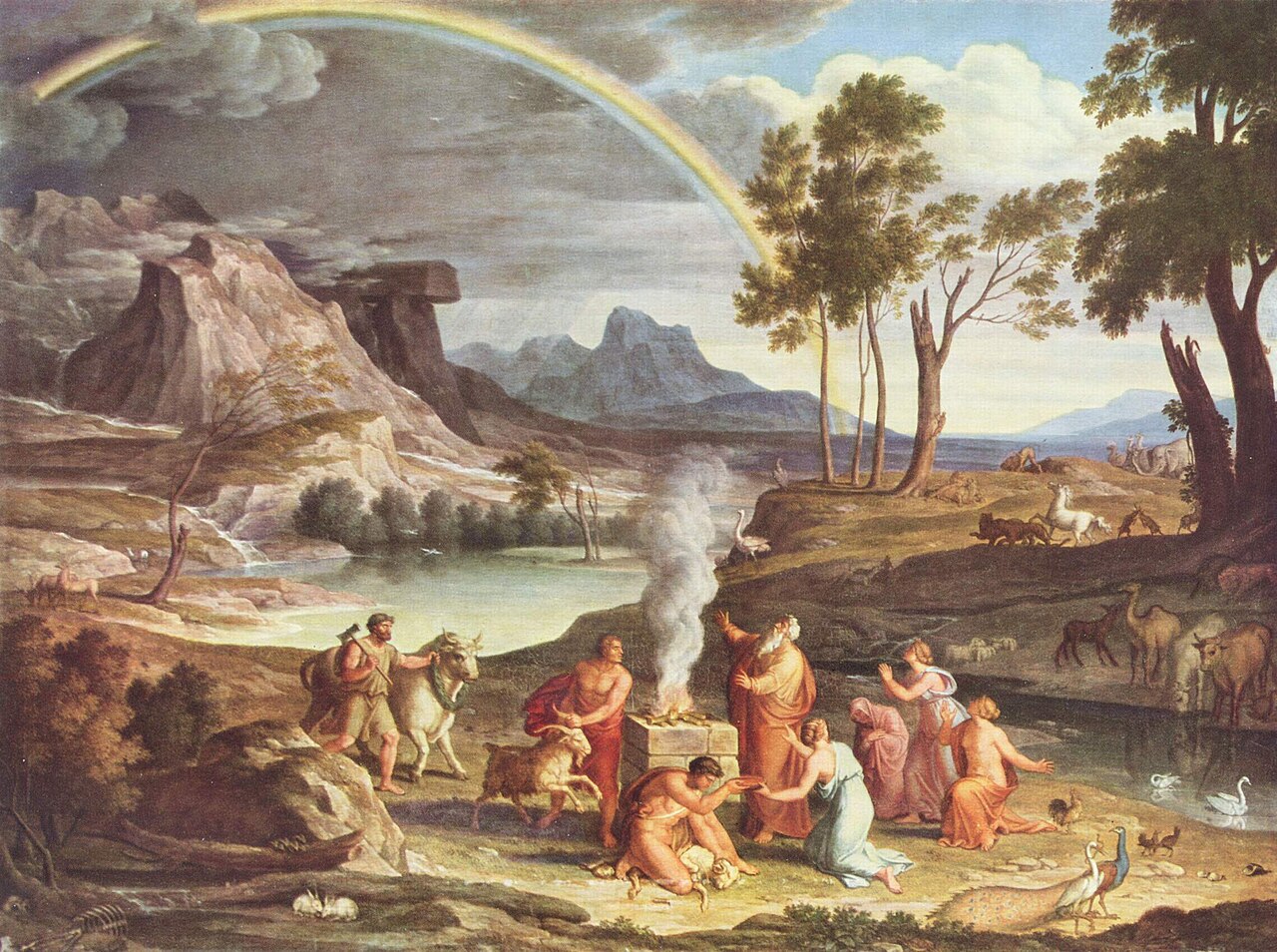
A burgeoning international community of Noahides, individuals who adhere to the universal moral laws derived from the biblical covenant with Noah, convened in Israel last week for their inaugural congress. This gathering, hosted by the Jerusalem-based Brit Olam organization, marks a significant step toward formalizing a global religious movement composed of non-Jews who study the Hebrew Bible. The congress brought together over sixty delegates from twenty-two nations, emphasizing a unique path of spiritual observance that deliberately avoids conversion to Judaism.
Establishing a Global Framework
The five-day event included tours of significant biblical locations in the West Bank and a meeting with President Isaac Herzog. Central to the congress was the signing of a founding scroll of the Noahide Covenant. Organizers stated that the goal was to unite disparate local communities under a cohesive global structure. Unlike Jewish converts, Noahides maintain their original cultural identities while embracing the Seven Laws of Noah—principles such as prohibitions against murder, theft, and idolatry—as primary moral guidance.
Diverse Journeys to the Covenant
The membership is highly diverse, including those, like Gilbert Meñoza, who transitioned from decades as a Christian pastor in the Philippines after intensive study of the Hebrew Scriptures. Meñoza, who initially had many followers, eventually distanced himself from his congregation after asserting that the New Testament was inaccurate. Others, such as Steven Lee Rachel, described profound personal and spiritual improvements after adopting the Noahide faith. The movement also spans various backgrounds; Eliezer Vicente Yarid, for instance, maintained ties to his Jewish heritage in Cuba without ever undergoing formal conversion.
A Vision for International Outreach
Brit Olam’s leadership, including Rabbi Oury Cherki, views this movement as a modern parallel to the organization of Zionism. Cherki emphasized that while Zionism achieved material freedom for the Jewish people, the next necessary frontier is building a ‘healthy connection with the outside world.’ The organization further established an international court of rabbis to provide religious counsel to its worldwide adherents. Delegates also received practical guidance on how to strengthen their ties with Israeli rabbinic communities.
Looking ahead, the movement is focused on institutional permanence. Meñoza, for example, is working to secure land for a cemetery in the Philippines, citing conflicts between local practices and Torah-based burial requirements. The organizers hope that these international efforts will allow the Noahide community to establish permanent centers of learning and fellowship globally, ensuring the ancient covenant continues to guide modern life.
World Views
Cabinet Battle Lines Drawn: Miller’s Appointment Sparks Deep Schism in Jewish Community
The selection of Stephen Miller as the next White House Chief of Staff has ignited a sharp ideological conflict within the Jewish community, revealing deep divisions over the most effective strategies to combat rising antisemitism. While conservative and pro-Israel advocacy groups have strongly endorsed the move, viewing it as a vital safeguard against discrimination, liberal Jewish organizations have voiced grave warnings that his hardline political philosophy poses a significant threat to the community’s security and civil liberties.
A Political Divide Over Protection and Policy
Supporters of the appointment, including several prominent advocacy networks, praised Miller’s promotion as a recognition of the substantial contributions Jewish Americans have made to public service. These groups have expressed a desire to collaborate with Miller to ensure that institutions are held accountable when they fail to protect Jewish citizens from harassment. The appointment follows Trump’s decision to replace his former chief of staff, and his supporters see Miller’s key role as strengthening the administration’s existing anti-hate initiatives, such as the multi-agency Task Force launched by the Justice Department.
Conversely, liberal Jewish leaders have issued stark warnings. They contend that promoting Miller will reinforce dangerous trends of extremism and normalize antisemitism. Officials from these groups indicated that Miller’s staunch advocacy for anti-immigrant policies is fundamentally linked to the proliferation of hate speech and violence targeting Jews. They pointed out that the core of his immigration agenda is built upon deeply antisemitic conspiracy theories regarding ‘replacement’ and ‘invasion’ of populations.
The Stakes of the Ideological Conflict
The controversy highlights a fundamental debate within the community: whether the solution to rising hate lies in aggressive enforcement and policing of elite institutions, a path favored by the administration, or in staunch opposition to what critics call the systematic erosion of civil rights protections. Critics of Miller have pointed to his past support for white nationalist and highly anti-immigrant rhetoric, drawing comparisons to far-right political figures. Furthermore, some Jewish political figures have previously urged Trump to dismiss Miller, citing his troubling political stances.
Prominent commentators, including a Jewish former government official, labeled Miller as bigoted and xenophobic, arguing that his policies represent a ‘brutal Kristallnacht against undocumented immigrants.’ These critics fear that Miller’s influence could make vulnerable communities less safe, suggesting that his role might undermine the civil rights principles inherent to national security. The debate underscores the profound political polarization facing the community during this period of intense national scrutiny.
