


World Views
Amid Global Pressure, Israel Welcomes New Ambassadors While Addressing Deepening Western Diplomatic Crises
Jerusalem recently hosted a significant diplomatic ceremony as Israeli President Isaac Herzog received the official credentials from five new ambassadors, representing France, the Netherlands, Austria, Rwanda, and Ghana. While the event signaled a renewed commitment to international partnership, the gathering simultaneously highlighted the severe diplomatic headwinds facing the nation, particularly concerning strained relationships with key European allies.
Navigating Complex Bilateral Relations
The ceremony served as a platform for Herzog to acknowledge the intense challenges in certain bilateral relationships. Specifically, he addressed the mounting tension with the Netherlands, which has been exacerbated by the outbreak of conflict in Gaza and increasing global boycott movements. The Israeli leader expressed concern over the prevailing public and governmental attitudes in the Netherlands, stating that there was a growing international pressure that failed to recognize Israel’s role in European defense or acknowledge its democratic nature.
The Dutch Restriction Crisis
This friction intensified following the Netherlands’ implementation of a comprehensive ban on goods originating from Israeli communities in the West Bank and Golan Heights. This measure, which restricts not only imports but also sales and purchases of such items within the country, led Israel to respond by revoking the credentials of Dutch officials in Ramallah. The Dutch law is notably stringent, potentially subjecting citizens abroad to prosecution for knowingly acquiring restricted goods.
Mending Ties and Expanding Partnerships
Herzog also seized the opportunity to address the historical relationship with France. Calling for both nations to find a ‘new path forward,’ he met with the incoming French ambassador, who pledged to dedicate effort toward rebuilding cooperation amid current diplomatic friction. This commitment comes as the French government faced criticism regarding comments made by its President about Islamophobic attacks, prompting Jewish leaders to demand a retraction, emphasizing that such acts are not isolated incidents but part of a long history of religious violence.
In contrast to these tensions, the President praised Austria as a close partner, commending its commitment to combating antisemitism and preserving Holocaust memory. Furthermore, Herzog pointed to significant opportunities to expand Israel’s engagement across Africa, building on existing ties with Rwanda in sectors like agriculture and innovation, while initiating new partnerships with Ghana in technology and healthcare.
World Views
Market Bets Challenge Traditional Polls as Israeli Political Landscape Heats Up

A significant divergence is emerging between conventional political polling and sophisticated financial prediction markets regarding Israel’s next prime minister. Betting platforms like Polymarket and Kalshi are showing a strong preference for former Israel Defense Forces chief of staff Gadi Eisenkot, despite recent polls indicating that neither Eisenkot’s ‘change bloc’ nor the incumbent Benjamin Netanyahu possesses a clear path to securing a governing majority.
The Betting Landscape Reveals a Clear Frontrunner
The data from the prediction markets suggests a dramatic shift in perceived political momentum. On Polymarket, Eisenkot holds a commanding 58% chance of assuming the premiership, while Netanyahu trails at 27%. Kalshi presents a similar, though slightly different, picture, listing Eisenkot at 52%, Netanyahu at 28%, and former leader Naftali Bennett at 10%. This financial consensus stands in sharp contrast to the electoral forecasts, which generally project a tight political deadlock.
The Flaw in the ‘Wisdom of the Crowd’ Narrative
Experts are quickly pointing out that these market figures do not simply reflect public sentiment. Moran Ofir, a law professor who specializes in market research, explained to media outlets that there is a fundamental difference between how polls and betting markets operate. Polls attempt to gauge voter intentions, whereas these markets are focused specifically on predicting a singular outcome: who will ultimately hold the office of prime minister.
Professor Ofir noted that while the platforms promise to aggregate collective knowledge, the reality is far more complex. Research conducted by Ofir and colleagues analyzed over 1.2 million transactions and concluded that the Israeli election market is not driven by broad public consensus. Instead, it is heavily influenced by a small group of high-stakes participants placing massive amounts of capital.
Evidence of Market Vulnerability and Manipulation
The study unearthed clear evidence of concentrated influence. For instance, researchers discovered that a single account was responsible for 18% of all the money wagered on Netanyahu within the Polymarket system. Furthermore, the investigation identified instances of potential manipulation, such as two newly established accounts making large wagers on Ofer Winter, a minor party leader. These bets briefly inflated Winter’s market ranking above that of established figure Avigdor Lieberman, leading to media reports suggesting a misleading impression was created to bolster his party’s visibility.
Ofir suggested that the patterns of large bets placed on Netanyahu and related to the ongoing conflict with Iran might indicate access to confidential information. This raises serious questions about the integrity of these platforms. While the markets are designed to be transparent, the research suggests they are highly susceptible to being leveraged by powerful individuals with vested interests, effectively allowing them to shape public perception rather than merely reflecting it.
World Views
Beyond the Tragedy: How Community Solidarity Became a Lesson in Division

Eight years ago, a devastating act of antisemitism shook the city of Pittsburgh, targeting a local house of worship and claiming the lives of eleven worshippers. While the violence left an indelible scar on the community, a comprehensive study of the aftermath reveals a powerful counter-narrative: the profound strength of human connection. Researchers conducted in-depth interviews with over a hundred residents, both Jewish and non-Jewish, to capture the stories of survival and recovery. These narratives offer vital wisdom on how intentional acts of empathy and solidarity can mend fractured societies and bridge deep ideological divides.
The Power of Presence and Support
In the immediate wake of the attack, the response was characterized by immediate, tangible acts of support. Neighbors and acquaintances, regardless of their religious background, reached out to Jewish friends with comforting messages and visits. Community leaders, such as the then-mayor, demonstrated support by visiting educational institutions to assure students of their backing. This willingness to listen echoes traditional mourning practices, offering a critical lesson: the necessity of being fully present for those experiencing grief. This support was especially meaningful to the Jewish community, which has a long history of facing exclusion and persecution fueled by hatred.
Public Visibility and Shared Humanity
The impact of the event extended far beyond the immediate victims. Thousands of residents gathered at memorials and marches, demonstrating a widespread commitment to civil rights. Key figures, including leaders from the Islamic Center of Pittsburgh, actively participated in vigils and organized charitable efforts to assist the bereaved families. These public displays of unity were critical, as they reinforced the message that an assault on one group is an attack upon the entire metropolitan area. For many Jewish residents, these visible acts of alliance provided a crucial sense of not facing hatred alone.
The Ripple Effect of Violence and Connection
The study highlighted that the trauma generated by the violence spread outward. Non-Jewish individuals sought support from activists, needing a space to process their own grief and sense of insecurity. One resident, who had no direct link to the Jewish community, noted that the shooting shattered her fundamental sense of safety as a citizen. Furthermore, the interviews underscored the immense value of relationships forged before the crisis. Organizations with long-standing ties to their Jewish neighbors were able to swiftly organize interfaith gatherings and solidarity events, proving that established communal bonds are the bedrock of resilience when disaster strikes.
A Blueprint for a Divided World
Ultimately, the enduring message from the Pittsburgh experience is a call to action for contemporary society. The most profound takeaway is that strong interpersonal bonds and mutual solidarity are essential tools for navigating periods of extreme difficulty. As societies continue to grapple with increasing polarization, the experiences of Pittsburgh offer a clear blueprint: investing in deep, cross-cultural relationships is not merely a charitable act; it is a fundamental necessity for sustaining our collective humanity and ensuring a future built on shared dignity.
World Views
Global Security Landscape Demands Reassessment of Strategic Partnerships with Israel
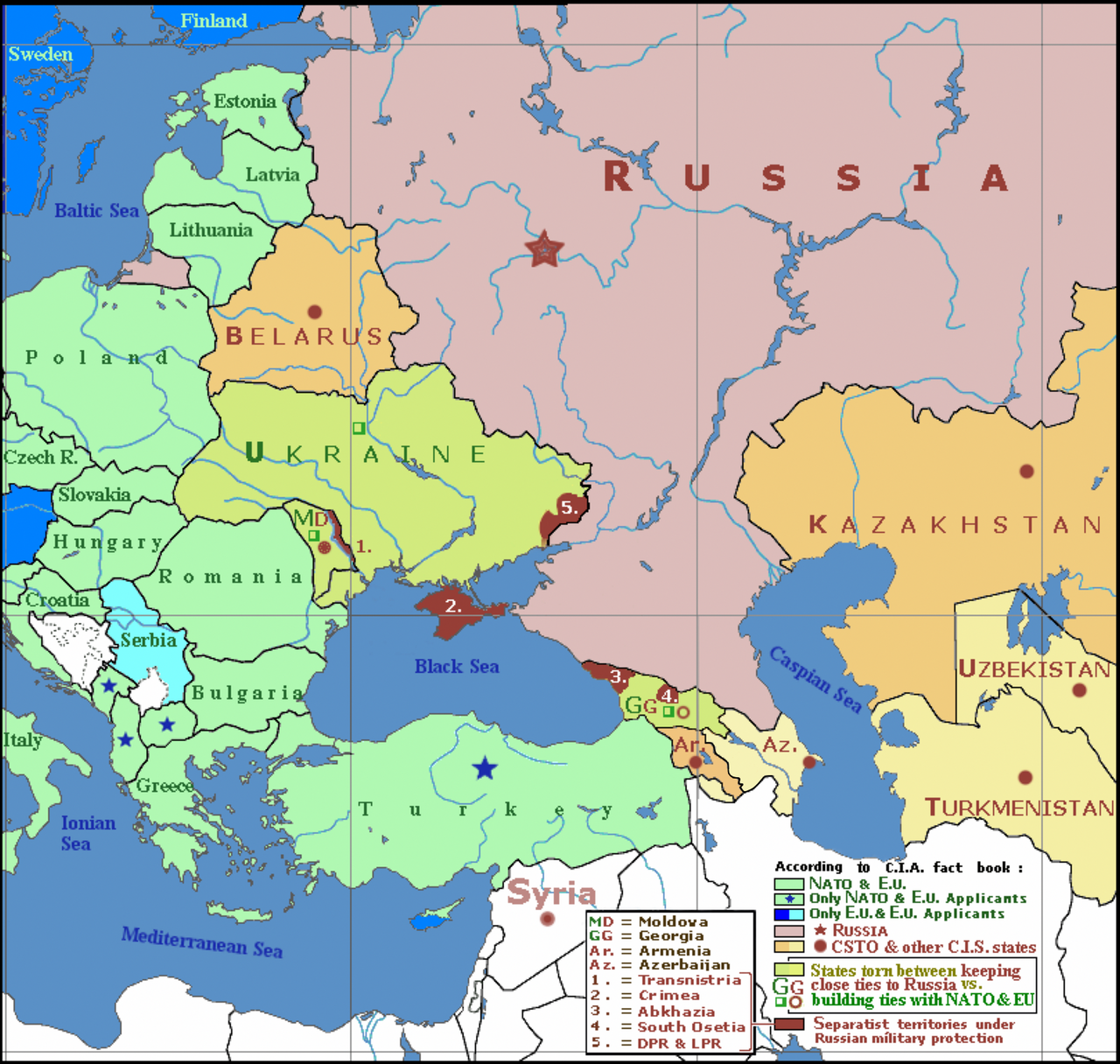
As global powers intensify their competition, the security calculus for Western democracies is undergoing a profound shift. The increasing instability driven by aggressive actions from Russia, expanding military ambitions in Asia, and regional conflicts in the Middle East necessitates a re-evaluation of traditional security alliances. Experts argue that Israel, possessing advanced military, technological, and intelligence capabilities, is a crucial, yet often underestimated, pillar of Western defense.
Technological Edge in Modern Conflict
The modern theatre of war is defined not just by conventional strength but by the ability to rapidly innovate and respond to complex threats. Israel has developed decades of operational expertise in these areas. Its layered defense architecture, which includes systems like Iron Dome and Arrow, exemplifies a high level of technological sophistication necessary for protecting civilian populations and critical infrastructure from aerial assaults. This practical value has been recognized by allied nations, as demonstrated by European countries acquiring Israeli defense systems.
Addressing Western Vulnerabilities
Recent geopolitical crises have exposed significant deficiencies within some Western defense infrastructures. The strain on military readiness, ammunition supply chains, and industrial capacity in certain European nations highlights a need for immediate modernization. Israel’s model—which integrates military institutions, research centers, and private tech firms for rapid development—offers a blueprint for resilience. Furthermore, its expertise in electronic warfare and cyber defense is increasingly relevant, given how modern conflicts target communication networks and financial systems rather than solely military targets.
A Strategic Imperative Beyond Diplomacy
The nation’s strategic location, situated near vital maritime corridors linking Europe, Africa, and Asia, further amplifies its geopolitical importance. Its regional partnerships and defense capabilities contribute directly to deterrence and stability in the Eastern Mediterranean. While recognizing the limitations of even the most sophisticated defense systems—as demonstrated by recent operational setbacks—the strategic argument for cooperation remains robust. Analysts caution that security alliances must be built on realistic assessments of shared interests and capabilities, not solely on political alignment.
For European governments, the challenge is clear: they must decouple strategic security requirements from political disputes. Recognizing Israel’s strength and operational experience is not merely a diplomatic choice, but a practical necessity for strengthening the defensive preparedness of Western democracies against a rapidly evolving and highly interconnected threat environment.
